
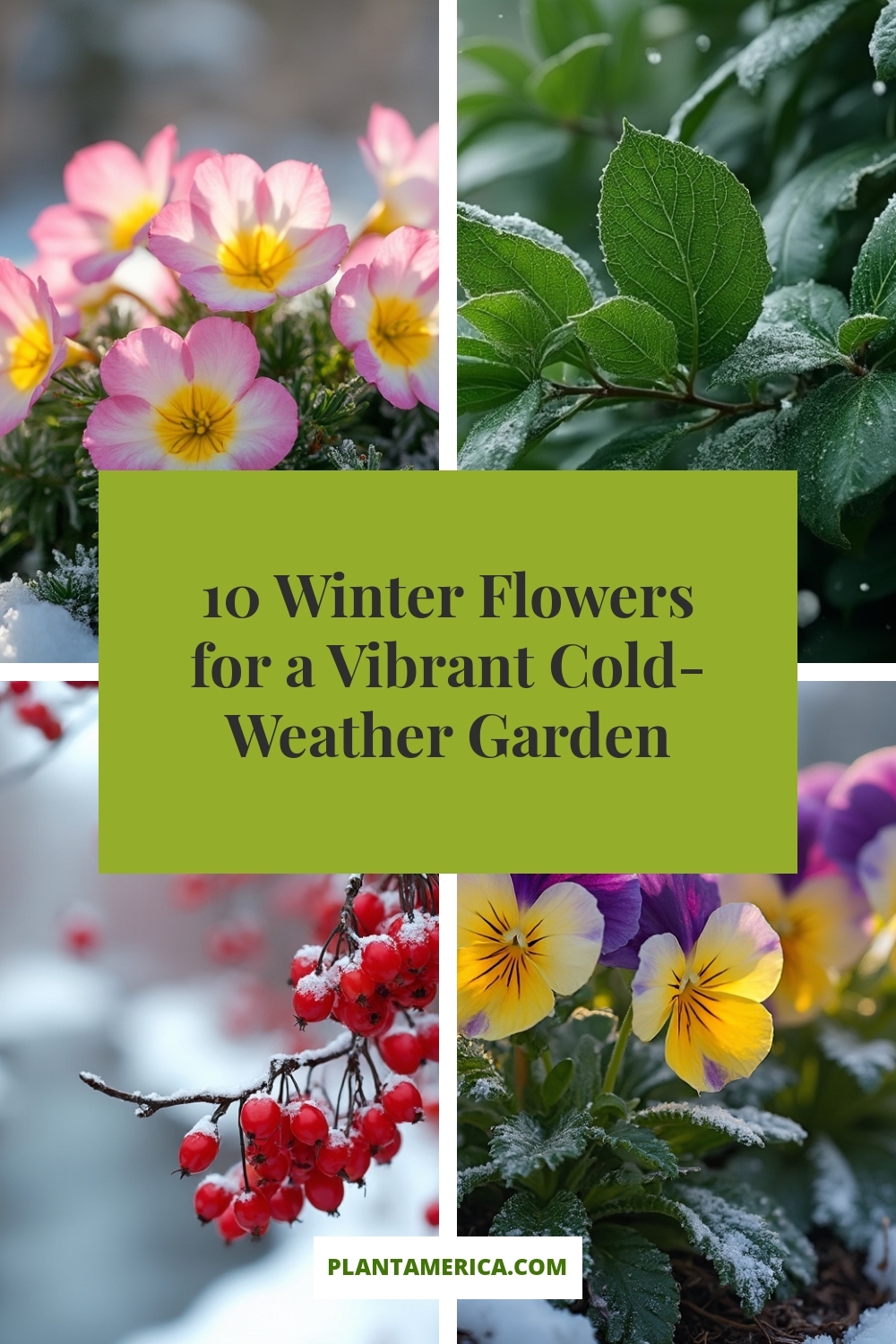
When the chilly months roll in, it might seem like your garden is destined for a long nap under a blanket of snow. Yet, what if I told you that winter can be a season full of vibrant blossoms?
Discovering winter flowers that thrive in cold weather can breathe life and color into the most frosty landscapes. These resilient plants brighten up the garden and lift our spirits when the days get shorter.
Growing winter flowers is like bringing a bit of sunshine to a gloomy day. Imagine waking up to a garden graced by beautiful blooms while everything else huddles under the frost.
It’s nature’s magic at work and a real treat for anyone with a green thumb—or even aspiring gardeners like myself. So grab your gardening gloves and let’s get ready to sprinkle some color into winter’s palette! 🌸🌱
1) Winter Jasmine
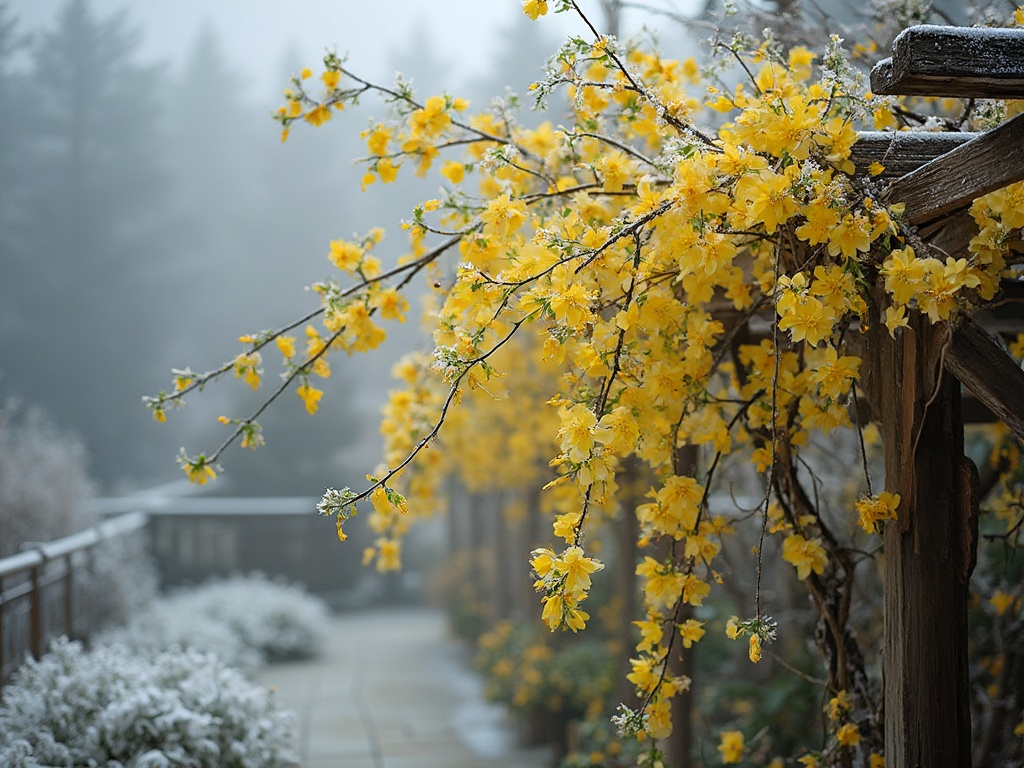
Winter jasmine is a cheerful addition to winter gardens. 🌸 I love how it brightens up cold days with its sunny yellow flowers. Unlike some fragrant blooms, winter jasmine skips the perfume. It focuses on bringing color instead.
It’s lovely seeing it bloom when most plants are taking a nap.
Growing winter jasmine isn’t tricky. 🌱 This plant loves direct or bright, indirect light for about 8 to 10 hours a day. Loamy, well-draining soil is its best friend. If you want it to climb, just give it a little support.
In my garden, it scrambles over a wooden trellis.
Winter jasmine is hardy. It thrives in US hardiness zones 6 to 10, handling chilly temperatures well. I’ve noticed that even frosty days can’t stop it.
It’s like nature’s little stunt performer, blooming when most flowers wouldn’t dare. It can even stand temperatures as low as 5°F. 🥶
The plant doesn’t dominate space. It grows up to four feet tall. With a little pruning, you can shape it how you like. This makes it perfect for small gardens or patios.
I’ve found trimming it is quite relaxing. ✂️
Winter jasmine adds a special touch to the garden I always enjoy. Its simple beauty makes winter a bit brighter. 🌞
2) Hellebores
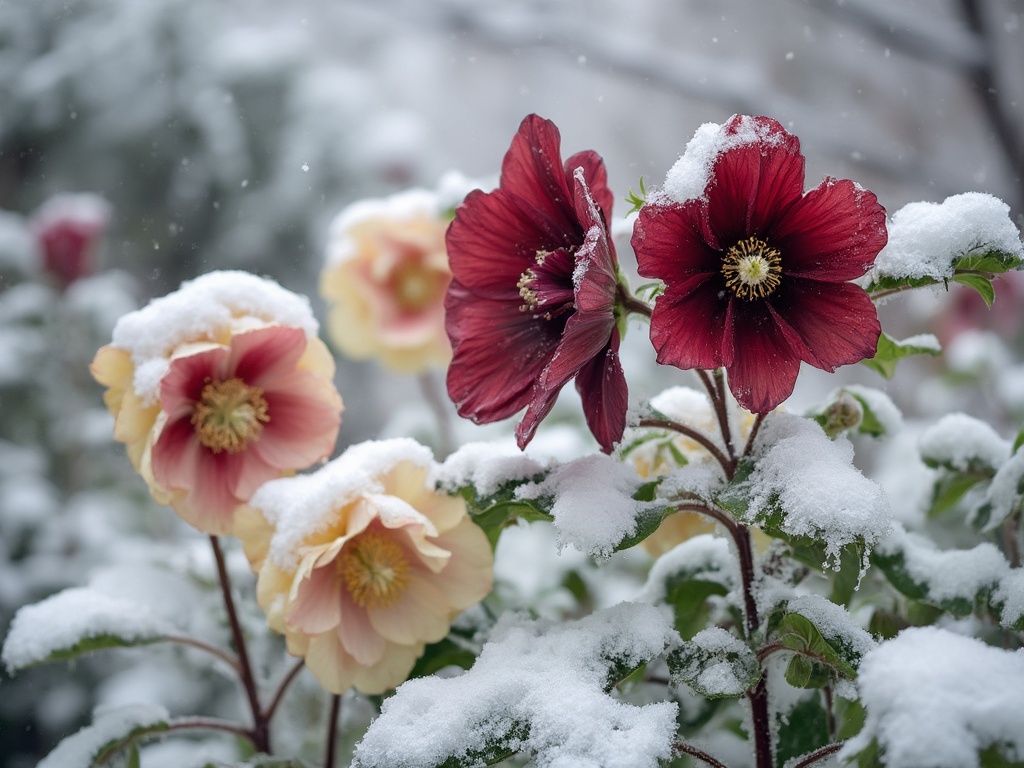
When winter arrives, hellebores become stars of the garden with their stunning blooms. 🌸 They are often called Christmas Roses because they can bloom from late winter to early spring. Their resilience in chilly weather makes them a gardener’s favorite.
Hellebores come in many beautiful varieties. There’s the ‘Anna’s Red’ with its deep red-purple flowers. Another popular one is the ‘Winter Jewels™ Amber Gem’ which offers golden blooms edged with pink that brighten gloomy days.
These flowers are not just a pretty face; they are tough cookies. Most can handle the cold, thriving in USDA Zones 3-9. This makes them perfect for filling winter gardens with color when not much else is blooming. 🌷
I remember planting ‘Ivory Prince’ in my garden, which starts as burgundy-pink buds and opens to ivory petals. It’s like witnessing a mini miracle in your backyard during the bleak winter months.
Every gardener needs a trusty hellebore to rely on when everything else seems to be sleeping. Whether you’re a green thumb or just a fan of pretty flowers, hellebores deserve a spot in your garden lineup. They are low-maintenance and rewarding, blooming consistently year after year.
3) Snowdrops
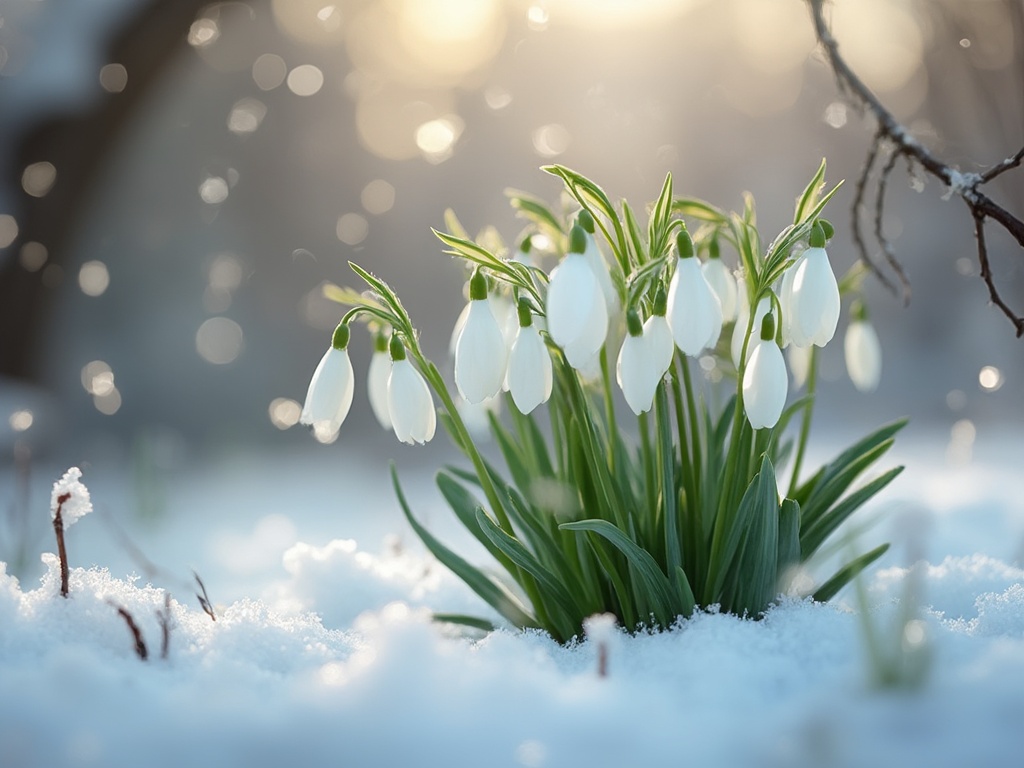
I’ve always found snowdrops to be like little winter warriors. They’re small, often standing just 3 to 6 inches tall, and they bravely poke through snow-covered gardens. Their white, bell-shaped blooms hang delicately, with a gentle nod, as if they’re agreeing that winter isn’t so bad. 🌱
Snowdrops, or Galanthus, often start flowering late in winter. It’s fascinating how they can flourish even when winter’s grip is tight. These flowers might seem fragile, but they’re anything but that. The blooms are pure white with hints of green, offering a gentle promise that spring isn’t too far away. 🌸
An exciting moment is when I witness snowdrops expanding into larger patches over time. Plant one today, and you’ll have a delightful cluster in the coming years.
They’re easy to grow, just requiring a shady spot and well-drained soil to thrive, which isn’t too much to ask. 🍀
In case you’re wondering about the different types, there’s the common snowdrop and the giant snowdrop. While they sound like characters in a fairy tale, they differ in height but share the same charming appeal.
What truly amazes me is how these flowers know winter’s not just about surviving but about showcasing bravery.
4) Camellia
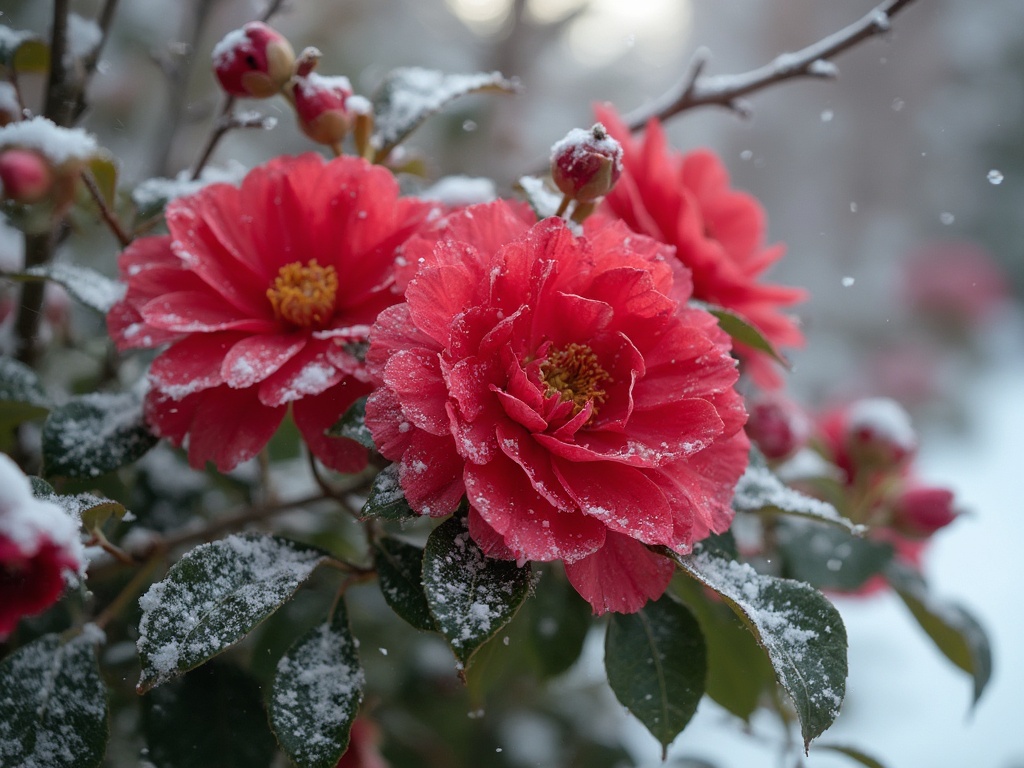
Camellias are like the winter jewels of the garden. They bloom when most plants are taking a nap. 🌸 These beauties bring life to cold months with their vibrant blooms. I’ve always found them to be the perfect splash of color against a dreary winter backdrop.
Camellias come in many shapes and sizes, making them quite the adaptable plant. From the Japanese Camellia to the Sasanqua, they each have their own charm.
One of my favorites is the Camellia ‘Yuletide’. It boasts striking red flowers that look like they belong in a holiday postcard.
Here’s a quick look at some popular camellia varieties:
| Variety | Bloom Color | Bloom Time | Zone |
|---|---|---|---|
| Kramer’s Supreme | Rosy Red | Winter | 8-10 |
| Yuletide | True Red | December | 8-10 |
| Winter’s Star | Pink | Fall | 7-10 |
Planting camellias is like having your cake and eating it too. They don’t ask for much—just some partial sun and a little love.
If you’re lucky to have them in your garden, you’ll have these winter wonders to admire. 🌱
5) Cyclamen
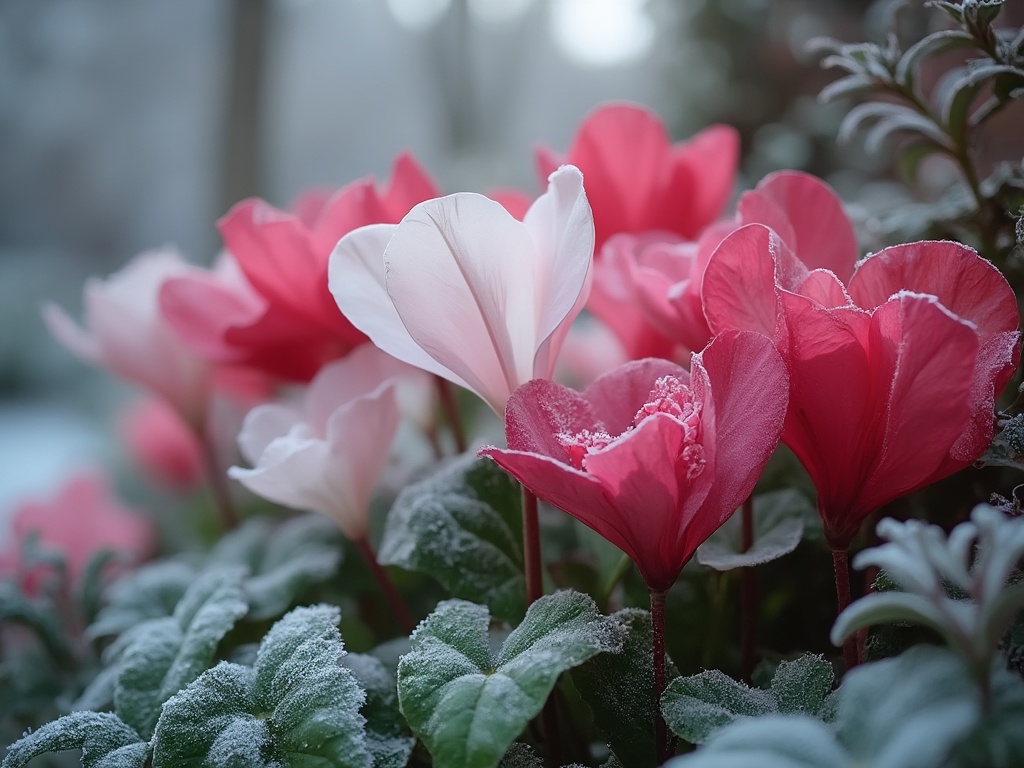
Cyclamen are charming winter bloomers. 🌸 These lovely flowers bring a splash of color when most plants are taking a nap. I’ve found cyclamen quite hardy—like the superheroes of my winter garden!
Temperatures between 60 and 65°F seem to make them happy, which I imagine is like a spa day for flowers.
I learned the hard way not to fuss over them too much. Cyclamen like cooler nights, around 50°F. It’s like they’re night owls! They thrive with a bit of humidity, so a little misting now and then does wonders.
There’s an art to potting these beauties. Place the tuber just right—around 2 inches from the top of the pot. It’s a bit like tucking them into bed for their summer slumber before they burst into life again. 🐝
If you’re sowing seeds, pretend you’re a DJ creating sound waves. Scatter them in a dark spot to mimic winter magic.
Remember, too much heat is their kryptonite. Keep them cozy and shaded for them to stay vibrant and avoid going dormant too soon.
In winter, when everything else looks barren, these flowers stand out like little performers on a snowy stage. 🌷
The secret is to give them love without going overboard, and they’ll reward you with flowers all season long!
6) Witch Hazel
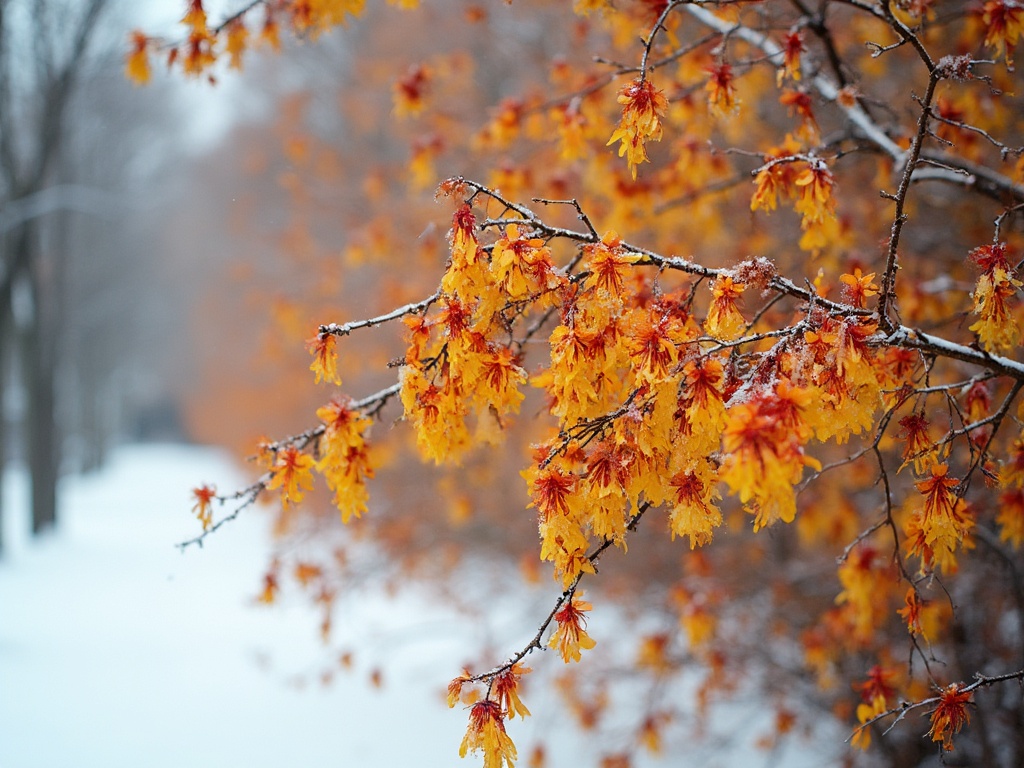
My garden would feel empty without witch hazel. This plant works magic in the cold months with its vibrant blooms 🌸. It’s like having a sprinkle of sunshine even when everything else hibernates.
Its flowers can last up to eight weeks, showcasing shades of yellow, orange, and red on bare branches.
One thing I love about witch hazel is its smell. Imagine a sweet yet spicy fragrance lingering in the crisp air—it’s delightful! The flowers look like tiny clusters of ribbon as they dance on the wind.
Witch hazel is not just a show-off 🌳; it’s a hardy shrub that can reach up to 20 feet tall.
When fall arrives, witch hazel takes center stage with its golden leaves 🍁. It’s like Mother Nature’s magical finale before winter steals the spotlight.
If you have deer or rabbits 🐰 visiting your garden, consider putting up a barrier like chicken wire to protect it. These critters might find the branches just as tempting as I do.
Growing witch hazel isn’t tough. As long as it’s got good soil to root in, it’s all set to thrive through winter, offering its splash of color and fragrance at a time most plants are asleep. 🌿
7) Pansies
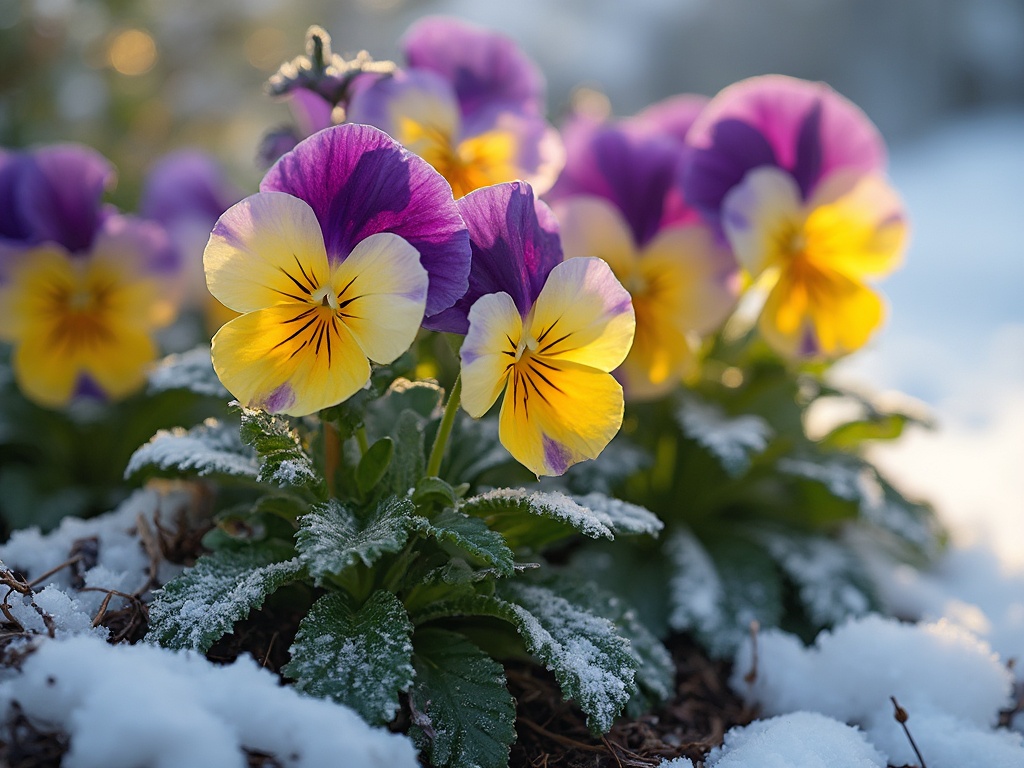
Pansies are winter’s little gems in my garden, cheering up those cold days with their vibrant colors. They can handle a bit of chill, popping up bravely even when the thermometer drops.
With colors ranging from rich purples to sunny yellows, they add a lively touch to any cold-weather landscape 🌸.
Planting pansies is like dressing up my winter for a garden party. I space them about 8 to 12 inches apart, giving them room to spread their happiness. Sometimes, I help them stand tall by gently pressing the soil to keep them snug and secure.
Funny thing, my pansies remind me of that old saying, “tough as nails.” They don’t mind the chilly challenge and can bloom in temperatures as low as 25°F.
I water them well and make sure they soak up the sun for about six hours a day.
| Pansy Planting Tips |
|---|
| Space 8-12 inches apart |
| Ensure 6 hours of sunlight 🌞 |
| Water them well 💧 |
Pansies are like garden warriors, loyal and ready to brighten winter’s gloomiest days. Plus, when they trail and spread, it’s like watching a colorful wave washing over my garden beds.
They bring a smile to my face and color to my days! 🌷
8) Winterberry
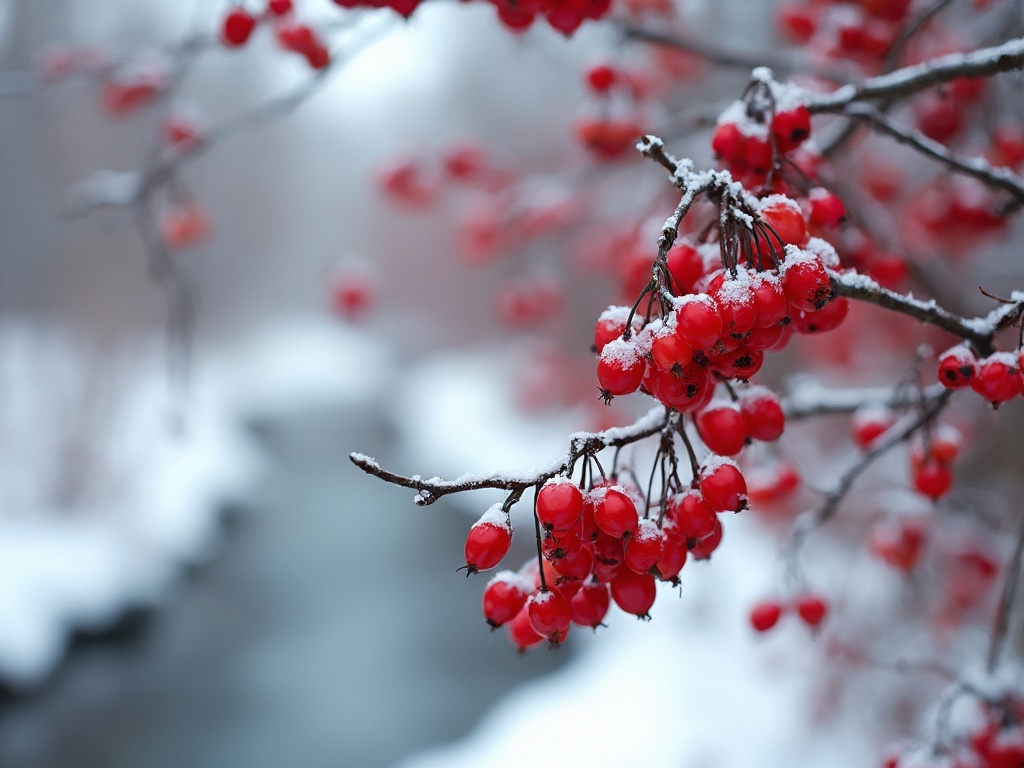
Winterberry is one of my favorite plants during the chilly months. This deciduous shrub offers bright red berries that pop against the winter landscape. They’re like nature’s own holiday ornaments! 🌳
When it’s gray and bleak outside, these berries bring a cheerful splash of color to the garden.
Winterberry grows well in damp locations. It prefers acidic soil and can handle wet areas better than most fellow shrubs. I have found it creating a beautiful scene near a pond or a stream.
This plant is a good fit if you’re looking for something low-maintenance that thrives in tricky spots.
Each winterberry shrub is either male or female. For those fabulous berries to appear, you need both nearby. The female plants produce berries, but only if a male is around to pollinate them.
So, it’s always worth considering who’s in your winterberry neighborhood. 🐝
When spring arrives, tiny flowers pop up on winterberry bushes. These aren’t showstoppers but have a charm of their own. The flowers are just a warm-up act for the main attraction — those bright berries.
If you’ve ever doubted that plants can add joy to winter, just spot a winterberry, and you’ll be a believer! 🍁
9) Laurel
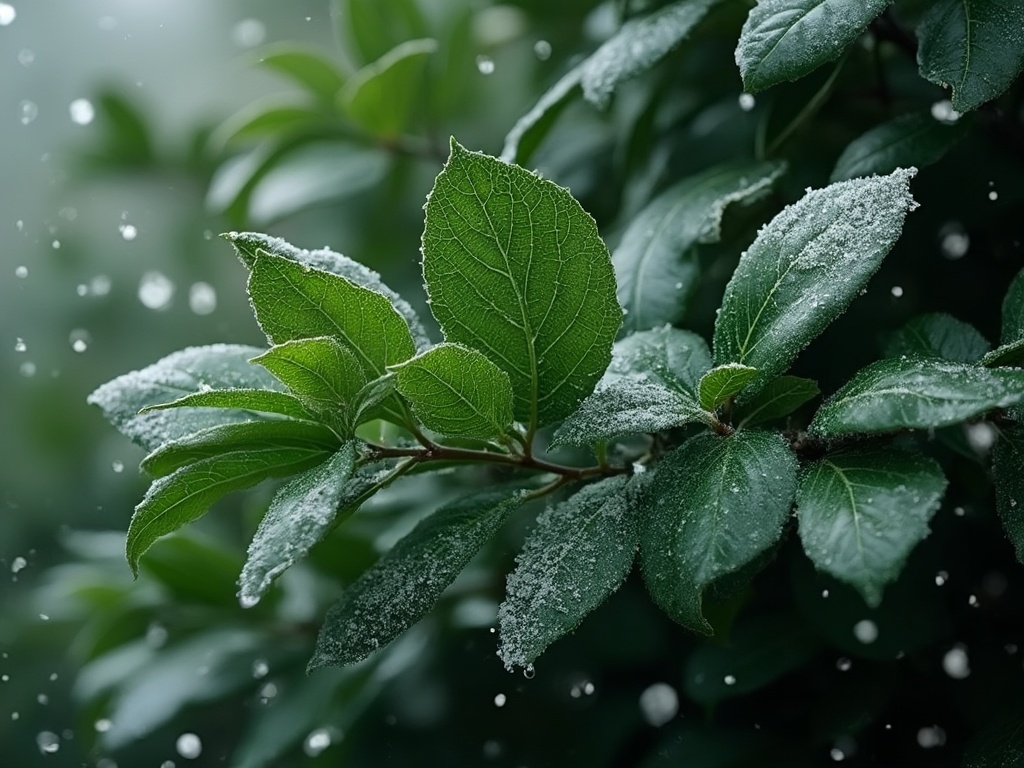
There’s nothing quite like a laurel bush in winter. This plant stays lush and green even when everything else seems to be taking a long nap.
It’s like the ever-ready bunny of the plant world, always on full display with its glossy leaves. 🌿
I remember the first time I planted a laurel. I was a bit worried about how it would handle the colder months. To my surprise, not only did it survive, but it thrived! No dramatic wilting, just steady, reliable growth.
It’s like having a veteran gardener in your corner who just knows what to do. 👨🏻🌾
Mountain laurel, in particular, is a showstopper. While the glossy leaves stay green, it also graces the early warmer months with sweet clusters of flowers.
Talk about a two-for-one deal! Just watch out: all parts of this plant are toxic, so keep them away from kids and pets. 🍁
Want to grow laurel? Make sure to plant it in a spot with full sun or dappled light. It’s not needy at all, asking only to be admired for its year-round beauty.
A bit of trimming now and then keeps it in shape, like a plant version of a quick gym session! ✂️
10) Primrose
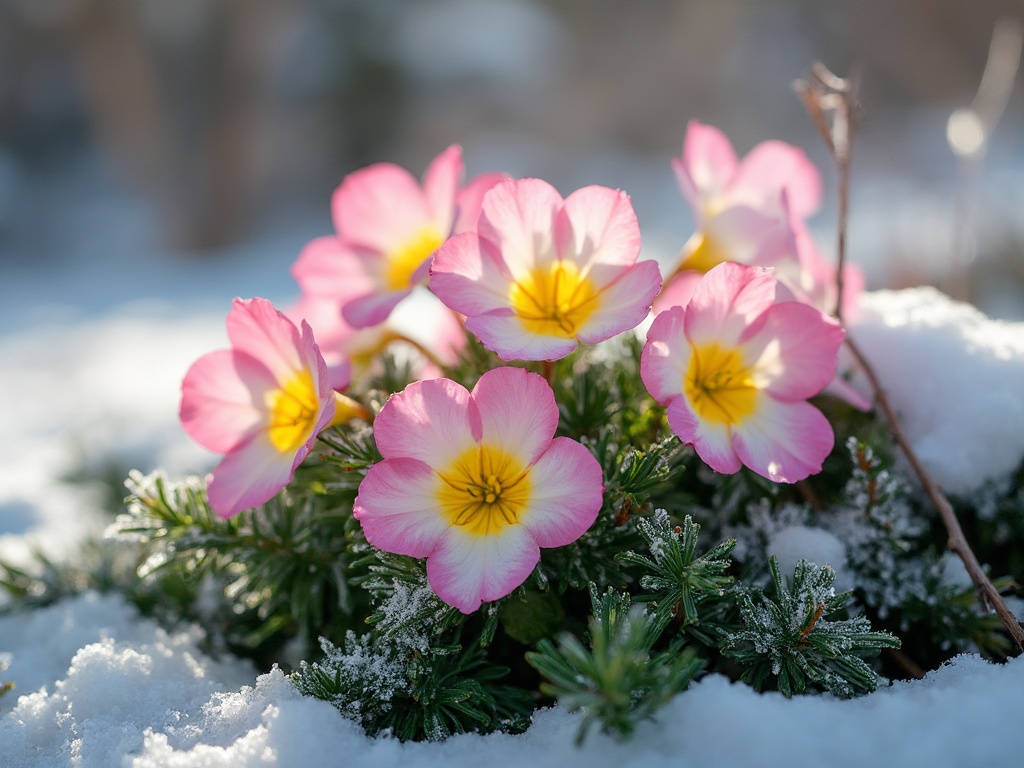
I have to say, primroses are a winter garden’s best-kept secret. 🌸 These charming little flowers are among the first to wake up after a long cold spell.
They stand tall, showing off hues of pink, yellow, and white, as if to say, “Winter, we’ve got this!”
Primroses thrive in cool temperatures and prefer indirect light. When I grow them indoors, I make sure they’re in a cool part of the house.
This helps them stay fresh and colorful. Imagine coming home to their cheery blooms brightening up a gloomy winter day.
They aren’t too fussy about soil but definitely love it rich and well-drained. I usually leave mine to stand over winter, covering them with evergreen boughs after the ground freezes. This gives them a nice, cozy blanket. 🥀
Here’s a little insider tip: keep the soil moist but not soggy. It’s a bit like finding that perfect balance in a bowl of porridge – just right!
It’s quite rewarding to see their resilience as they withstand the cold. It seems they’re not just surviving, but thriving. 🐝
In case you’re wondering, primroses can grow anywhere from 4 to 20 inches high, depending on the variety. Their size makes them perfect for both garden beds and containers.
It’s always a delight to see them peeking through the snow, a promise of spring to come. 🐰