
Names of trees with yellow flowers can make a huge list because there are many beauties with these characteristics. Despite the fact that trees provide shade, the ones with yellow followers also provide beautiful fragrances in addition to beautifying your gardens.
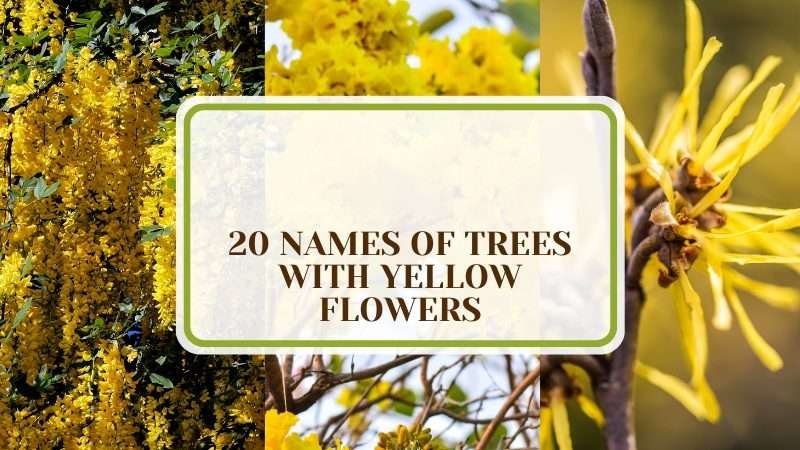
Are you wondering which yellow flowering trees suit your environment and climate? This article will give a list of these flowering trees and their benefits.
A Checklist of Trees With Yellow Flowers
Sometimes, the appearance and shape of the flower determine the names given to these trees. Knowing the various names of yellow trees that exist helps you to make your choices. In this section, we will describe a brief background and overview of the most important information about them.
1. Golden Chain Tree

| Growing season and USDA zone |
|
| Distinguishing characteristics |
|
| Specific needs |
|
| Common pests |
|
The golden chain tree belongs to the Fabaceae family, can live up to 40 years, and can grow up to 25 feet.
This plant originates from Europe, and there is a need to be careful when growing the tree because it is toxic to people and pets.
Despite the Laburnum anagyroides’ need for a moderate temperature, it also needs full sunshine if the climatic conditions are moderate. If the climate is hot, then you need to select a partially shady place.
2. Trumpet Tree
| Growing season and USDA zone |
|
| Distinguishing characteristics |
|
| Specific needs |
|
| Common pests |
|
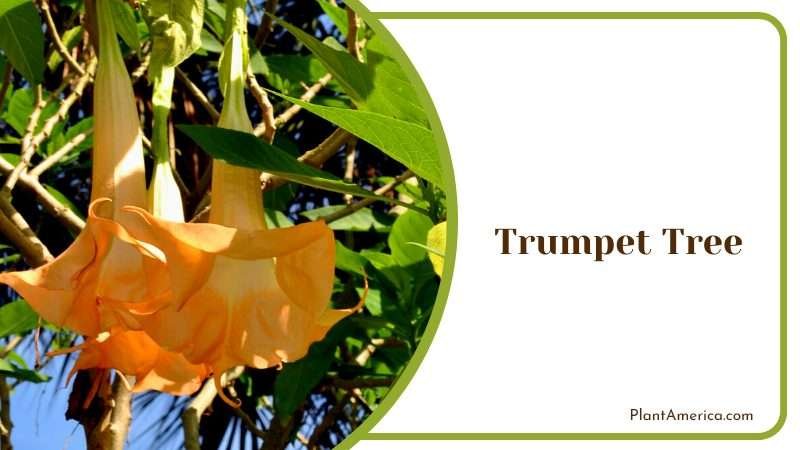
The yellow trumpet tree is also known as the Brugmansia and it has different varieties, which include the Brugmansia aurea, Brugmansia sanguine, and Brugmansia suaveleons. This fast-growing tree can grow up to 25 feet and it is often used for ornamental purposes.
This yellow flowering tree, whose origins are in South America, is adaptive and can be nurtured into a shrub. When the health of the trumpet tree is negatively affected, it communicates by showing signs of wilting leaves, stunted growth, and a smelly odor.
3. The Golden Rain
| Growing season and USDA zone |
|
| Distinguishing characteristics |
|
| Specific needs |
|
| Common pests |
|
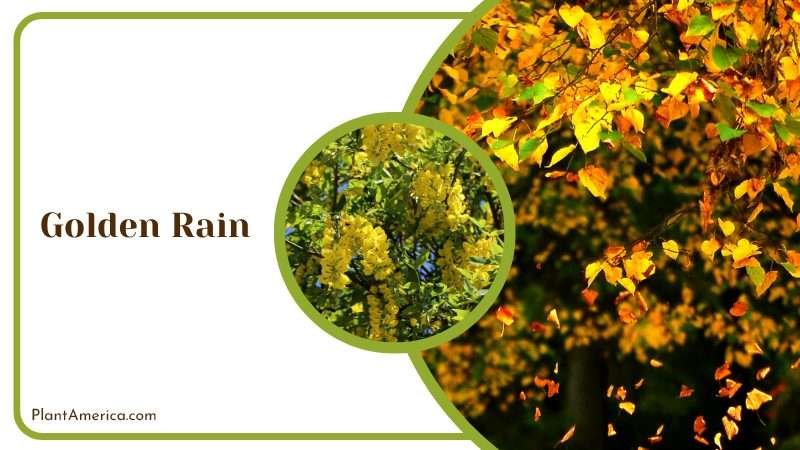
The golden rain tree originates from China and Japan and is mainly grown for ornamental purposes. This tree, also called the Koelreuteria paniculate, has edible leaves and seeds.
The plant with yellow flowers is also known as the China tree or vanish tree, and it grows up to 30 feet tall. The Rain tree’s name is mainly derived from the falling yellow leaves, making a dazzling yellow carpet on the ground.
4. Witch Hazel
| Growing season and USDA zone |
|
| Distinguishing characteristics |
|
| Specific needs |
|
| Common pests |
|
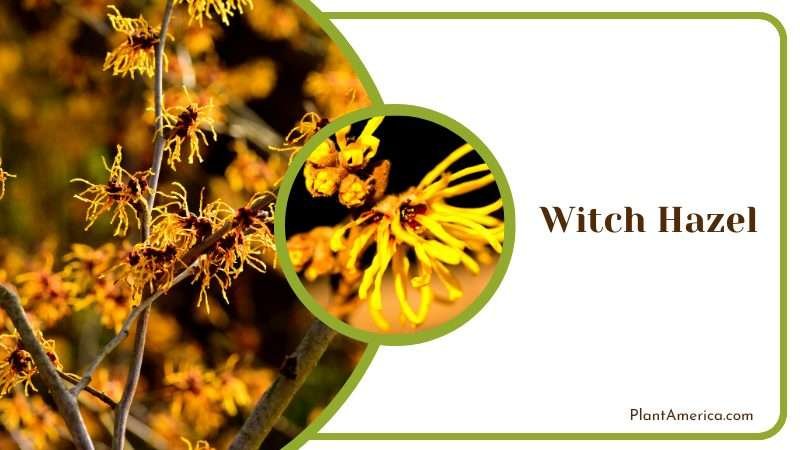
Apart from its beautiful appearance, witch hazel has far-reaching medicinal uses, which make it more popular. The beautiful plant is used for food, herbal teas, and ointments.
It is cheap to grow as it requires little maintenance and supervision. The plant thrives in cold conditions, although it needs a good amount of direct sunlight at some point.
5. Golden Trumpet

| Growing season and USDA zone |
|
| Distinguishing characteristics |
|
| Specific needs |
|
| Common pests |
|
The golden trumpet, which is also known as the Yellow tabebuia, is an adaptive flowering tree that can be grown as a shrub, vine, or tree. Despite the fact that this tree is toxic, it is used for both traditional and medicinal uses.
The yellow flower from the tree adds a beautiful view to your outdoor space, and you could consider growing one for yourself and enjoying the beauty that these trees provide.
6. Cornelian Cherry
| Growing season and USDA zone |
|
| Distinguishing characteristics |
|
| Specific needs |
|
| Common pests |
|
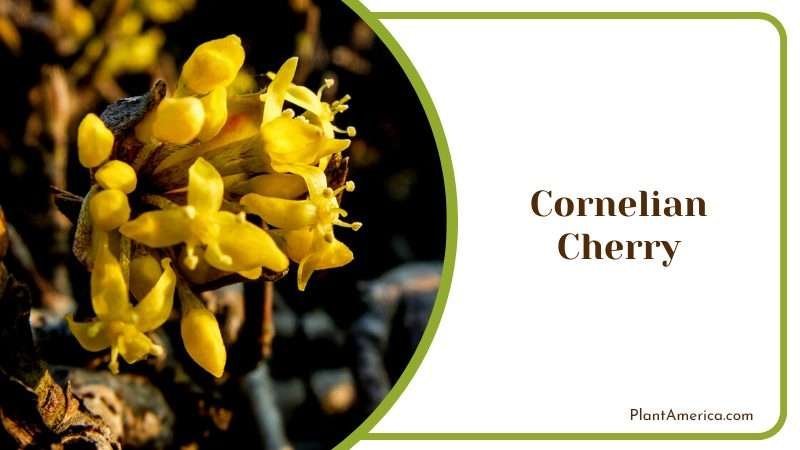
The cornelian cherry is also called the Cornus mas and is not only a yellow flower bloomer but also produces fruit. This tree with yellow flowers is also used for medicinal purposes to enhance the health of the liver and kidney, in addition to exhibiting anticancer effects.
The plant requires minimum supervision since it is adaptive, durable, and relatively pest-resistant. Please note that the Cornus mas tree grows up to 25 feet and is a species of the dogwood family, whose origins are in Europe and southwestern Asia.
7. Golden Shower
| Growing season and USDA zone |
|
| Distinguishing characteristics |
|
| Specific needs |
|
| Common pests |
|
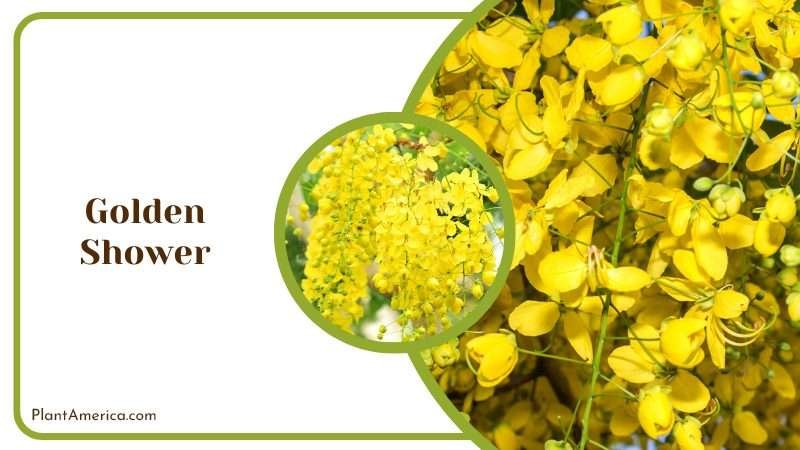
The golden shower tree, also called the Cassia fistula, is a beautiful tree with droopy branches, so each yellow flower hangs from the tree like a chandelier.
These flowering trees need to be planted among others so that they act as a soil enhancer and fertilizer producer for other trees, considering that the Cassia tree is a leguminous tree.
The shower tree is native to India and it is a fast-growing tree that grows up to 40 feet. Besides the fact that the Cassia plant is mostly grown for its ornamental uses, this plant is also an air freshener.
8. Julia Child
| Growing season and USDA zone |
|
| Distinguishing characteristics |
|
| Specific needs |
|
| Common pests |
|
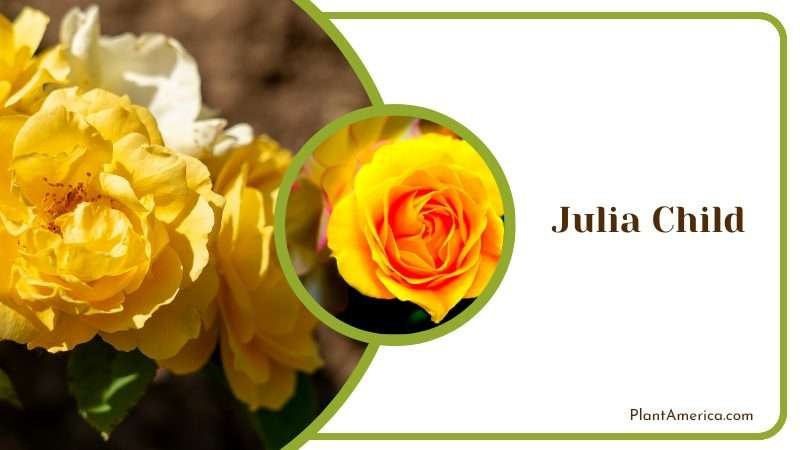
To get the best results and blooms from the Julia Child rose plant, you need to practice good care of the plant perfectly, and this includes giving this rose tree eight hours of exposure to sunlight.
Be sure to prune before and after flowering to avoid unnecessary consumption of nutrients by unwanted plant parts. You might consider trying this wonderful plant for its minimal attention requirements because it enhances the atmosphere in your house through its licorice candy fragrance.
.These flowering trees grow up to three feet and are normally resistant to pests and diseases.
9. Palo Verde
| Growing season and USDA zone |
|
| Distinguishing characteristics |
|
| Specific needs |
|
| Common pests |
|
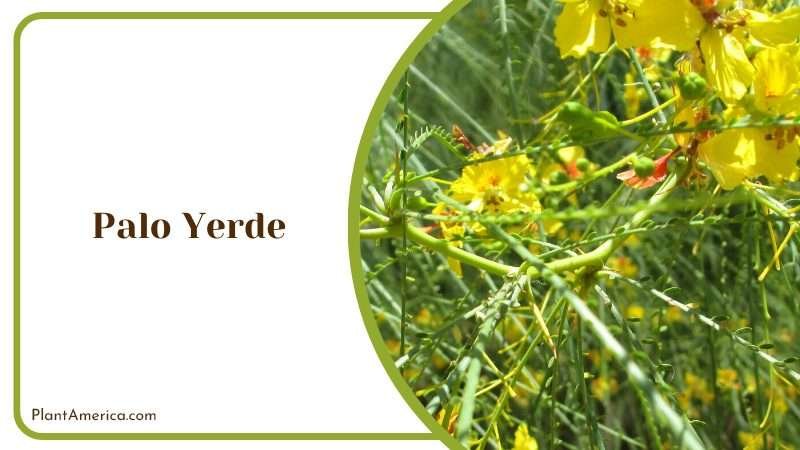
This is one of the simplest and cheapest maintenance plants because it is a desert plant that requires little watering. The tree does well in any soil type; all it needs is good, drainable soil.
It is, therefore, an advantage for you to grow this plant if you have a busy schedule or if you travel a lot. The Palo verde can only be grown from seeds.
For the best outcome of your tree, you need to prune it often, especially in the early stages to create the best canopy that makes it look beautiful.
10. Oregon Grapes
| Growing season and USDA zone |
|
| Distinguishing characteristics |
|
| Specific needs |
|
| Common pests |
|
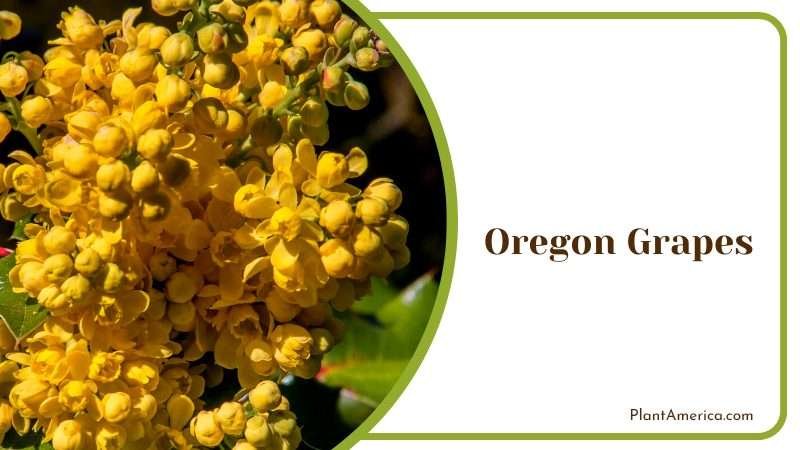
This plant attracts birds and butterflies. The yellow flower of the tree beautifies the environment, in addition to aiding pollination as it attracts bees. The Mahonia aquilolium grows up to 10 feet. The grapes that it produces are edible and are also used for making jam.
11. Cornus Kousa
| Growing season and USDA zone |
|
| Distinguishing characteristics |
|
| Specific needs |
|
| Common pests |
|
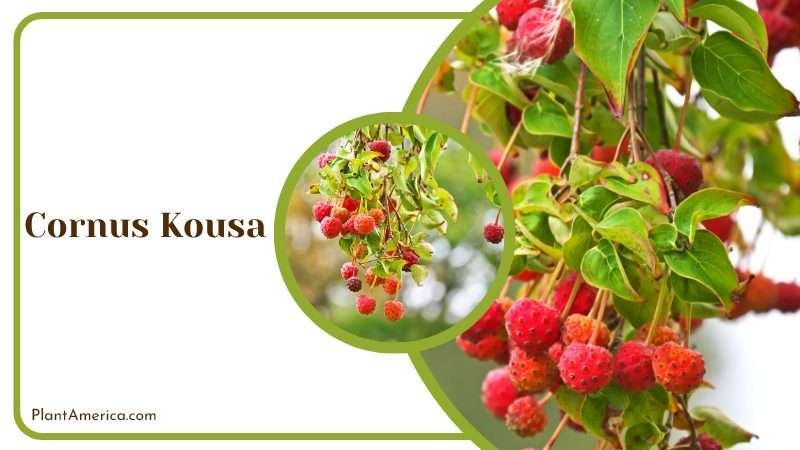
The Kousa dogwood is native to East Asia and is mostly used for decoration purposes. The tree requires pruning at an early stage to achieve a good-looking canopy. The plant’s green leaves make a beautiful, cool shade during the summer.
The tree’s blooming flowers release a good fragrance into the air, thereby creating a more welcoming atmosphere. The flowering dogwood attracts birds and butterflies so if you are a nature-loving person, this is one of the trees that you can consider. You can combine them with flowers that attract bees, butterflies, and birds as well!
12. Yellow Buckeye
| Growing season and USDA zone |
|
| Distinguishing characteristics |
|
| Specific needs |
|
| Common pests |
|
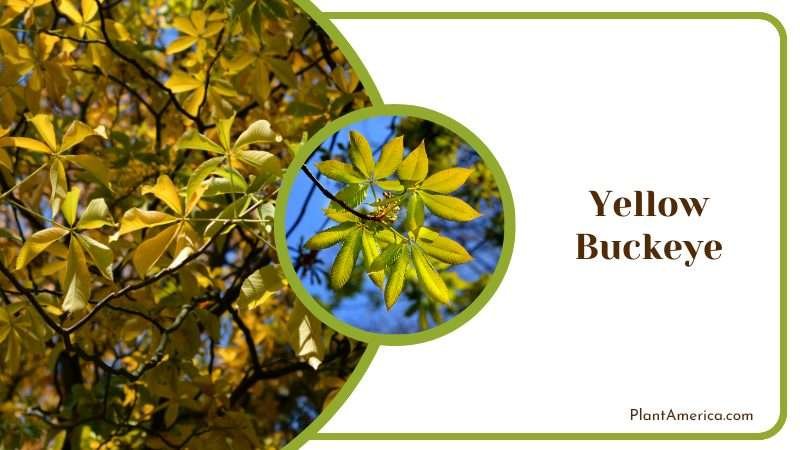
Buckeyes’ yellow flowers bloom during the spring, adding a lovely look to parks and gardens. Although their poisonous seeds can be detoxified and used for bookbinding, they are beautiful trees.
The trees are best grown from the seeds, and they thrive when exposed to the sun and maybe a little bit of partial shade. Growing this plant, whose scientific name is the Aesculus flava, will give your home garden a warm and comforting appearance.
13. Yellow Oleander
| Growing season and USDA zone |
|
| Distinguishing characteristics |
|
| Specific needs |
|
| Common pests |
|
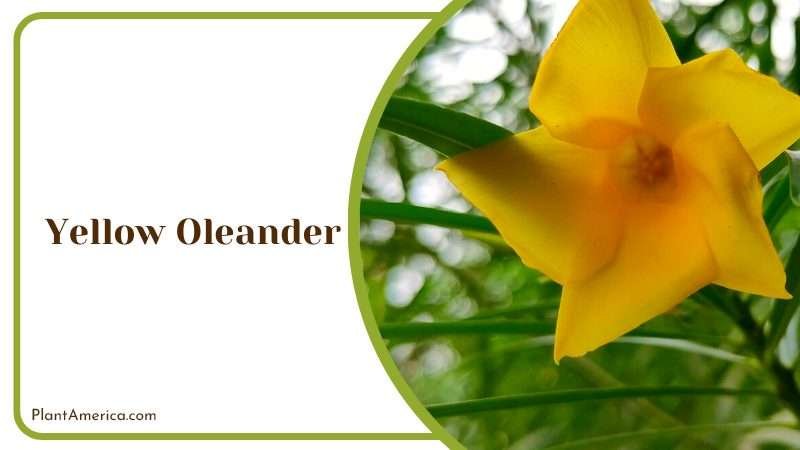
If you want to take your first step in gardening, then this is one of the flowers that you could include among your options, mainly because it requires minimum to no supervision, apart from watering.
The plant is toxic so you need to be careful around it by making sure that kids and pets do not ingest it. The yellow oleander is slender and produces a good fragrance from the yellow flowers.
14. Sweet Acacia

| Growing season and USDA zone |
|
| Distinguishing characteristics |
|
| Specific needs |
|
| Common pests |
|
The acacia plant is quite unpopular due to its thorny spikes, which are about one inch long. However, despite the thorny nature of this tree, it is also used for other purposes.
For example, the plant can be used to make perfumes and other air-freshening conditioners.
15. Tipu Tree
| Growing season and USDA zone |
|
| Distinguishing characteristics |
|
| Specific needs |
|
| Common pests |
|
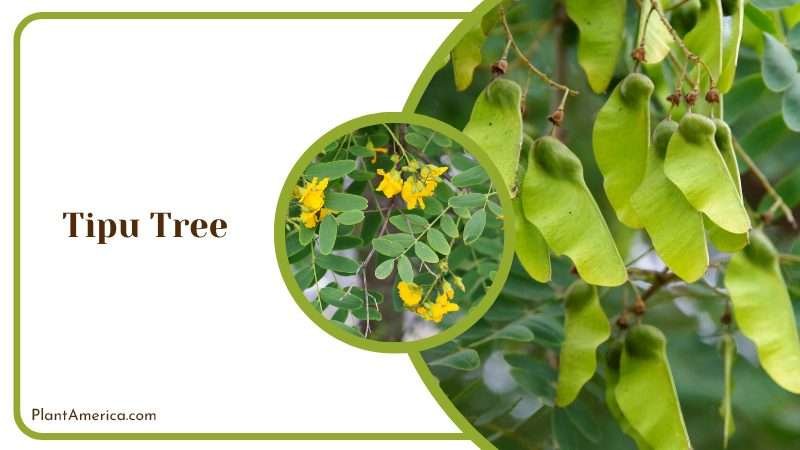
The Tipuana tipu has been alerted as a possible weed because of how it can easily spread as seeds splash from the seed pods.
The tree is mainly used for shade and decorating the street sideways. The Tipuana plant is one of the popular yellow-flowered trees that grow in warm climates.
16. Chinese Flame Tree

| Growing season and USDA zone |
|
| Distinguishing characteristics |
|
| Specific needs |
|
| Common pests |
|
The Chinese flame is adaptive and survives even in the most unhealthy conditions, such as polluted air, salt run spray, drought, and extreme heat. You can also refer to this plant as the Koelreuteria bipinnata.
The Chinese flame is mostly grown in parking lots and street sides because of the dense shade that it provides, alongside the gorgeous yellow flowers.
17. Liriodendron Tulipifera
| Growing season and USDA zone |
|
| Distinguishing characteristics |
|
| Specific needs |
|
| Common pests |
|
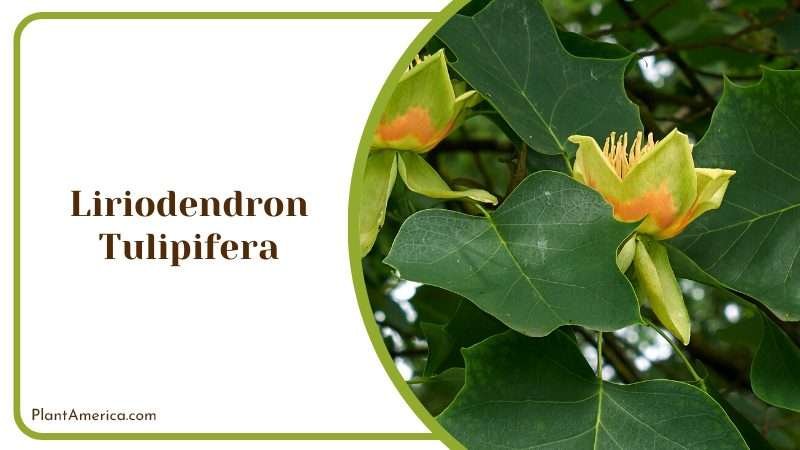
The tulip tree, unlike most plants with yellow flowers, grows tall and straight. The tree is native to eastern America and is a habitat for birds.
The leaves and sweet nectar from the yellow flower are food for wildlife. Did you know that, on average, the Liriodendron tulipifera can survive up to 250 years?
18. Ylang Tree

| Growing season and USDA zone |
|
| Distinguishing characteristics |
|
| Specific needs |
|
| Common pests |
|
The Ylang plant is famously grown for its yellow fragrant flowers, which detoxify the air, help release stress, and relax the mind. Apart from these benefits, the Ylang plant is also known for its fruits, which can be eaten either raw or cooked.
The fruits are also used to make jam and can also be food for the birds. Take note that the plant is best propagated from seeds, and it is a fast-growing tree that you might need to consider having in your garden.
19. Tecoma Stans
| Growing season and USDA zone |
|
| Distinguishing characteristics |
|
| Specific needs |
|
| Common pests |
|
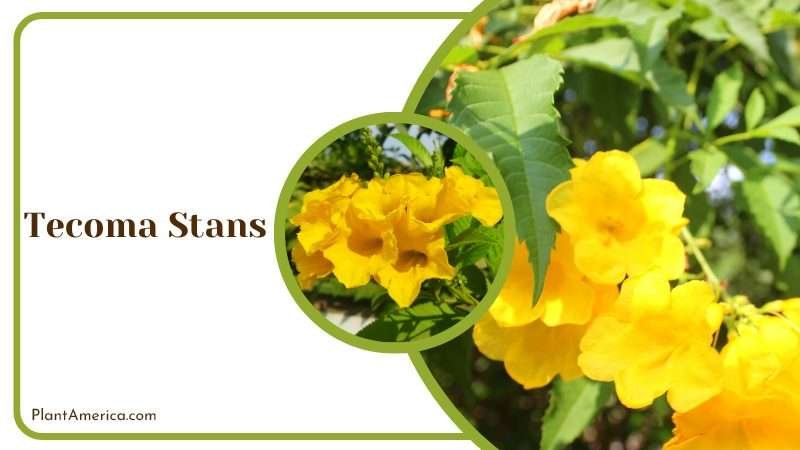
The tree’s yellow flowers are partially fragrant and they bloom in the spring. There is a need to regularly prune the tree so as to maintain a good canopy and good shade.
The Tecoma plant has an important significance that is used during meditation procedures. It is believed to represent that intermediate state between humankind and the Truth-Light that is above.
20. Forsythia
| Growing season and USDA zone |
|
| Distinguishing characteristics |
|
| Specific needs |
|
| Common pests |
|
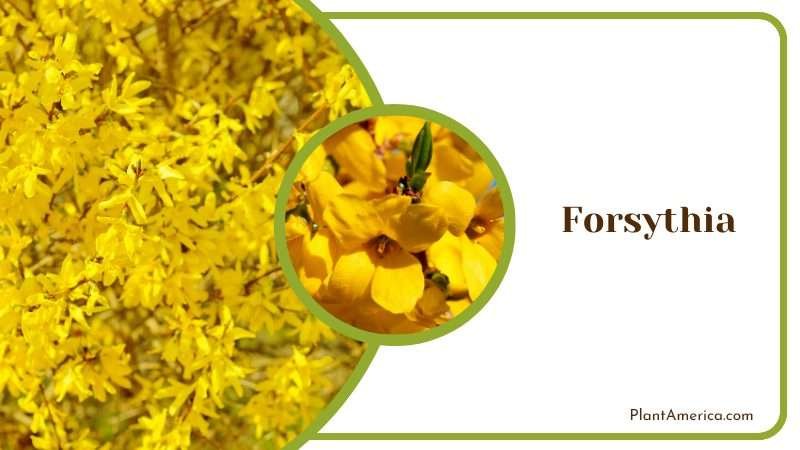
This plant has its origins in China and the first person to discover it was Robert Fortune, who was a hunter.
The forsythia plant has special properties that allow it to detoxify your body, in addition to aiding the treatment of fever and colds. This plant is believed to be a symbol of anticipation.
Final Note:
Trees with yellow flowers give marvelous blooms, and they make your streets, parking lots, and gardens beautiful and smell good. Go ahead and get your own plant that produces yellow flowers! If you are interested in trees with red leaves, check out our post!
References
- Michael Andreu. (2012). Tabebuia serratifolia, Yellow Trumpet Tree 1. Academia.
Retrieved from https://www.academia.edu/77080182/Tabebuia_serratifolia_Yellow_Trumpet_Tree_1 - Gerald Klingaman. (September 15, 2006). Plant of the Week: Witch Hazel. University of Arkansas Division of Agriculture.
Retrieved from https://www.uaex.uada.edu/yard-garden/resource-library/plant-week/witch-hazel-9-15-06.aspx - Julia Child. Harvard Radcliffe Institute.
Retrieved from https://guides.library.harvard.edu/schlesinger_julia_child - (February 2008). Palo Verde Trees for the Urban Landscape. The University of Arizona.
Retrieved from https://cals.arizona.edu/desertlegumeprogram/sites/cals.arizona.edu.desertlegumeprogram/files/aridus20-1.pdf