
Jade plant benefits are numerous and can greatly enrich your home. As you’ll discover in this article, these lovely succulents offer more than just aesthetic beauty; they also purify indoor air and bring positive energy to your space.
We’ll explore the top nine ways your jade plant can benefit your well-being and home, from increasing humidity to feng shui. By learning how to care for this lucky plant, you, too, can feel its effects and grow a gorgeous home sanctuary.
Top Jade Plant Benefits You Should Know About
1. Improves Indoor Air Quality

- Types of Jade:
- Common Jade (Crassula ovata),
- Common Jade, Crassula ovata,
- Variegated Jade,
- Snake Plant,
- Sansevieria trifasciata
- Usage Methods:
- Place near windows to catch UV rays,
- Locate by ventilation systems,
- Position around living spaces
- Cons:
- Prone to overwatering,
- Requires occasional pruning
- Special Considerations:
- Thrives in low-light conditions,
- Tolerates a wide range of temperatures,
- Propagates easily from cuttings
The common jade plant is well-known for its ability to improve indoor air quality through natural means. Often referred to as the “lucky plant,” jade brings good luck to your home and helps cleanse the air of impurities through its transpiration process.
Its thick, waxy leaves work nonstop to absorb toxins like carbon dioxide, benzene, and formaldehyde, which can accumulate indoors. A jade plant like this helps purify living spaces, benefiting inhabitants’ health.
A jade’s effectiveness at improving air quality lies in its genetic makeup. It contains the farnesyl diphosphate synthase gene that allows it to readily break down volatile organic compounds that outgas from materials inside the home.
Studies show a single jade plant can clear up to 87% of dangerous toxins like formaldehyde from sealed rooms within 24 hours. Its leaves are efficient because they are thick, fleshy succulents that absorb impurities through their waxy surfaces.
The common jade plant is a versatile indoor plant that adapts well to various light and temperature conditions in homes. It can grow successfully in low light near windows or in brighter areas.
Jade’s wide temperature tolerance makes it suitable for placement in almost any room, including kitchens and bathrooms. As a low-maintenance plant, it only needs moderate water and well-draining soil to thrive. When given proper care, you’ll enjoy its natural air-purifying effects for many years.
2. Increases Indoor Humidity
- Types of Jade:
- Common Jade (Crassula ovata),
- Snowflake Jade,
- Elephant Bush (Portulacaria afra)
- Usage Methods:
- Group plants together for more humidity,
- Check soil regularly when hot/dry,
- Use pebble trays or hygrometers
- Cons:
- Can attract dust/pollen indoors, Leaf drops if not watered properly
- Special Considerations:
- Succulent, prefers dry spells, T
- olerates low light/partial shade,
- Will drop leaves if overwatered
Increasing indoor humidity is another understated jade plant benefit. As succulents, jade plants adapt to arid conditions but release moisture into the air through transpiration. This process is important in dry indoor heating environments where humidity often dips below 30%.
The pebbled or ribbed leaves of jade transpire excess water, raising ambient humidity by five to ten percent to a more comfortable range.
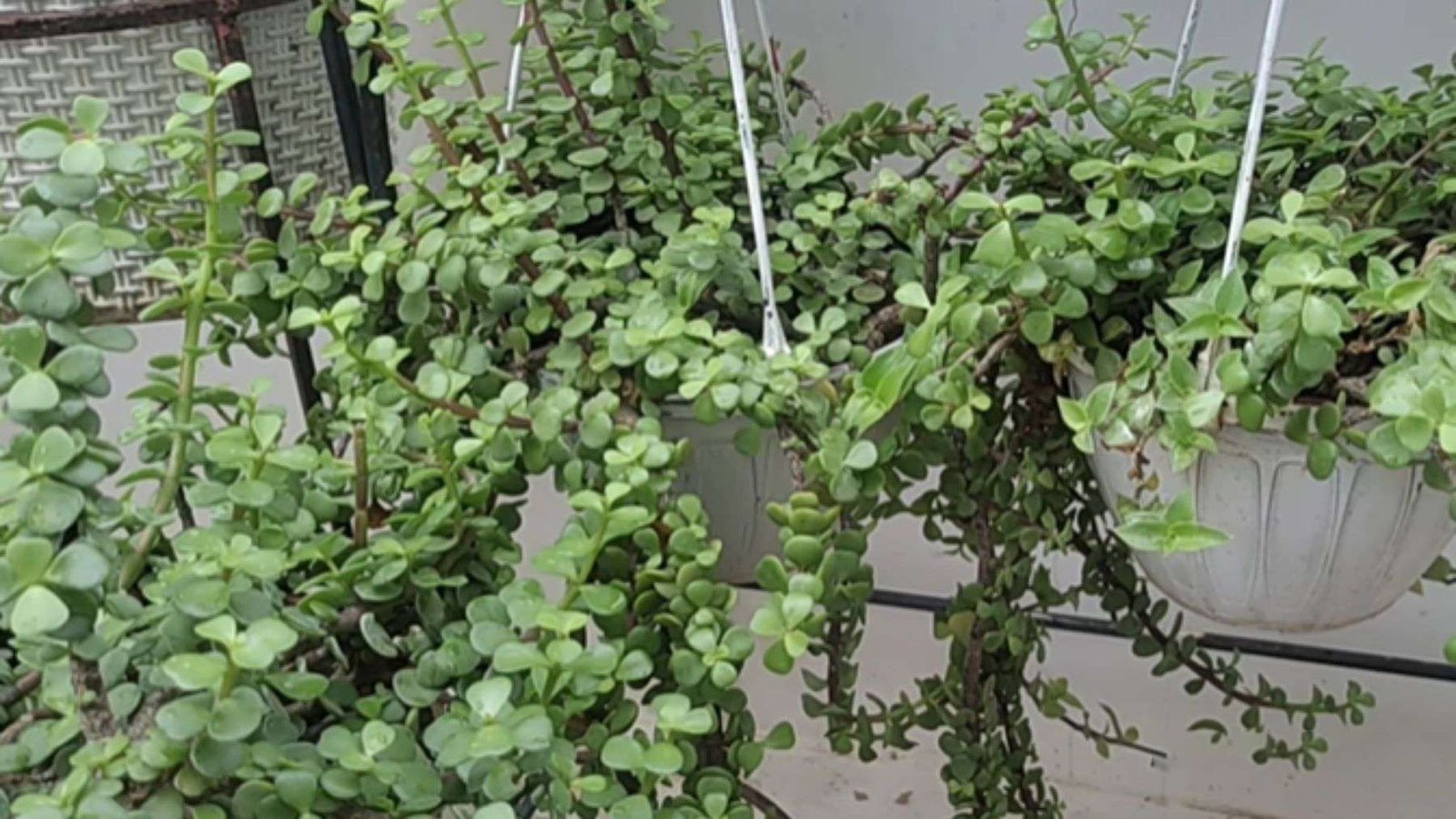
The plant naturally absorbs water through its thick roots and stores it in succulent leaves and stems. During the day, pores on the underside of leaves called stomata slowly release this moisture. Over time, jade can put significant extra humidity into rooms, helping those with dry skin, sinuses, or respiratory issues breathe easier. One large plant can moisturize over 500 square feet of space.
In addition to common jade, other succulents that provide humidity include snowflake jade with its white-dusted leaves and elephant bush with thick trunk-like stems. These indulge similar metabolic functions to release water vapor all day long. Keeping several together amplifies this effect. Best of all, jade plants require only periodic watering to continue humidifying interiors for many years.
Placing jade plants in every room creates a more hydrating microclimate throughout the home. Their easy care also lets owners reap humidity rewards regardless of seasonal weather changes outside. Overall, these succulent wonders work to better balance indoor environments for increased physical comfort and well-being.
3. Brings Good Luck
- Types of Jade:
- Common Jade (Crassula ovata)
- Japanese Jade (Zygocactus truncates)
- Variegated Jade (Crassula ovata ‘Variegata’)
- Usage Methods:
- Display prominently in the home
- Place in offices or above entrances
- Gift jade plants for weddings or birthdays
- Cons:
- Prone to overwatering if untended,
- May collect dust without occasional cleaning
- Special Considerations
- Adapts to low and bright light conditions
- Average room temperature tolerant
- Can live 50+ years with care
The jade plant is considered a symbol of good fortune in many Asian cultures. Its association with positivity and prosperity has become a staple of feng shui practices and interior design for harmonizing living spaces. Several varieties of jade plants are cultivated for their auspicious properties and decorative appearance indoors.

The lush foliage and longevity of jade make it an ideal plant placement in the home, according to feng shui. Its vibrant greenery represents the energies of wealth and health. Displaying jade prominently where it can be appreciated daily imbues surrounding inhabitants good luck. Entrances and living rooms are common spots to situate jade for attracting abundance and positive fortunes.
Gifting a jade plant, especially on meaningful occasions like weddings or birthdays, symbolizes hope for continued blessings. Caring for a jade confers prosperity as its auspicious energies manifest into daily life.
With little water and occasional cleaning, a single plant can bring luck for decades. Simply including this decorative succulent enhances the flow of chi throughout spaces.
4. Positive Energy
- Types of Jade:
- Ruby Red Jade (Crassula rupestris),
- Baby Jade (Crassula perfoliata var. variegata ‘Minima’),
- Ripple Jade (Crassula muscosa)
- Usage Methods:
- Place in workspaces for focus,
- Locate near meditative areas,
- Spot close to beds for restful sleep
- Cons:
- May collect dust in delicate leaves,
- Care needed with pets or toddlers
- Special Considerations:
- Tolerates drying out between waters,
- Grows well in low or bright light,
- Propagates from stem or leaf cuttings
Beyond its aesthetic appeal, the jade plant is believed to emanate positive living energy for those who come into contact with it. Science has shown that plants transmit calming and healing vibrations through photosynthesis and other processes. The enriched oxygen and negative ions they generate help clear toxins and encourage relaxation.
More specifically, Japanese researchers have demonstrated jade emits far-infrared rays that interact with water molecules in the body to relieve stress and boost endorphins.
Gazing upon or near these beautiful succulents can significantly lower blood pressure, heart rate, and stress hormones. Their healing energies are thought to flow from gracefully undulating leaves in emerald and ruby-red shades.

For centuries, grateful owners have reported jade aiding mental clarity, enhanced mood, stronger immunity, restorative sleep, and improved well-being from their life-affirming chi. Placing plants where occupants spend time such as near desks, meditation spots, or beds allows their soothing forces to permeate surroundings gently. Easy to keep in low or bright light, jades repay minimal care with abundant life force positives.
Their innate resilience and resilience to flourish across conditions gives jades the longevity needed to spread uplifting vibrations steadily. Caring for such vivacious plants daily cultivates a grounding awareness and respect for nature’s supportive powers. These benefits sustain inhabitants through all four seasons in any home space, seeking enhanced wellness and tranquility.
5. Medicinal Properties
- Types of Jade:
- Australian Fan Flower (Scaevola aemula),
- Old Man Cactus (Cephalocereus senilis),
- Nopal Cactus (Opuntia ficus-indica)
- Usage Methods:
- Use crushed leaves for poultices,
- Steep chopped parts as tea,
- Eat nopal pads for nutrition
- Cons:
- Self-medicate only under guidance,
- Wear gloves when handling cacti,
- Monitor for allergic reactions
- Special Considerations:
- Harvest excessively in nature,
- Prepare fresh for the highest potency,
- Store properly after processing
Beyond their decorative qualities, some jade varieties contain powerful therapeutic compounds that have been relied on for generations. While inspiring tranquility with their vibrant hues, certain jades also impart tangible healing advantages.
The Australian fan flower produces antiseptic sap when leaves are crushed or chopped. Mixed with oils or water, this all-natural antimicrobial can be applied topically to treat burns, wounds, and skin infections when kept clean. Phenol-rich sap from Old Man cactus similarly soothes inflammation.
For internal benefits, nopal cactus’ peeled pads regulate blood sugar and nourish the GI tract through betalain pigments and fiber. These superfood qualities can help lower “bad” cholesterol levels as well. Eat fresh or steeped as tea, nopal provides remedial nutrition to those with diabetes or ulcers.

Across seasons, passive jade remedies requiring just periodic harvesting have served people where conventional cures fall short. Their compounds combat ailments without side effects when properly self-administered.
As an attractive decor, these succulents emanate beauty intertwined with botanical strength, furnishing layered solutions. With guidance, their hidden talents can continue uplifting wellness naturally indoors.
6. Carbon Dioxide Absorption
- Types of Jade: Common Jade Plant (Crassula ovata)
- Usage Methods:
- Place several common jade plants in each occupied room to absorb carbon dioxide through photosynthesis,
- Locate common jade plants in areas with more people, like living rooms and offices,
- Include common jade plants with other houseplants that have different leaf shapes and sizes
- Cons:
- Jade plants need water regularly.
- Too much or too little water can hurt them,
- Have to take out dead or sick leaves occasionally,
- Pets or kids may accidentally eat the leaves, which can make them sick
- Special Considerations:
- Common jade plants do well in low or partial sunlight,
- They can live in most room temperatures,
- Prune off unhealthy parts and leaves to help the plant stay strong
The common jade plant is a great natural way to reduce excess carbon dioxide indoors. As a hardy succulent, Crassula ovata thrives with minimal sunlight and water while purifying air through photosynthesis. Its green leaves absorb CO2 from the breath of people in the home. The gas gets used to fuel the plant’s growth, releasing oxygen back into the areas where families live and play.
Studies show common jade plants can remove nearly 90% of the carbon dioxide in an enclosed area within a day, thanks to photosynthesis. By keeping a few jade plants in rooms like the living room, kitchen, and bedrooms, their combined efforts can steadily decrease CO2 levels long-term with very little effort.
Their low need for care means they can live happily, always working quietly to balance the air.
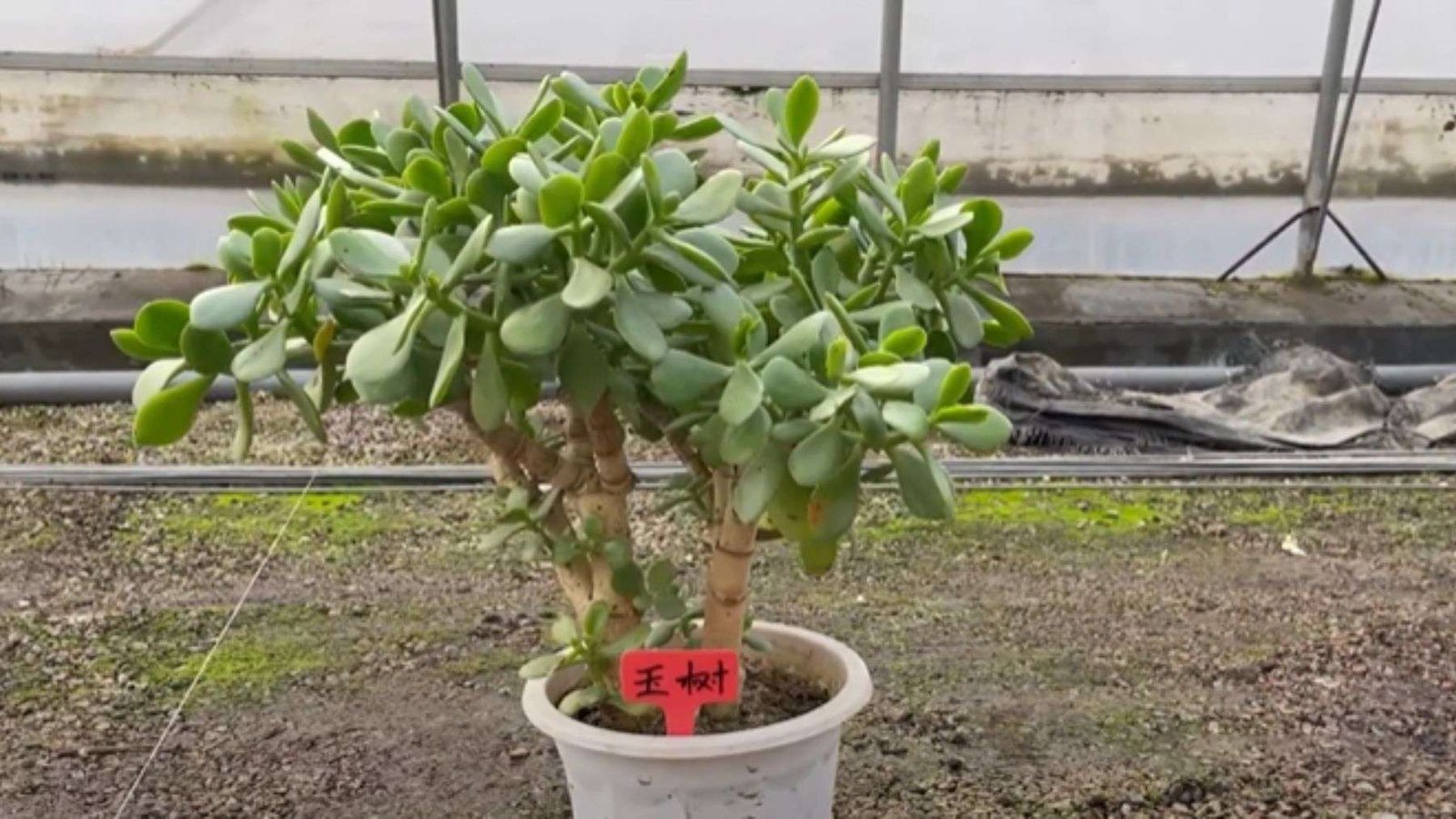
Jades make wonderful natural air filters, translating to health benefits like fewer allergies and colds in the long run. Their green leaves make a big impact compared to the small space they take up.
With just a few minutes each week, a few jade plants around the home can work together to make the indoor air fresher and purer for many years. Their ongoing service contributes to a better quality of life through such a simple act of gardening indoors.
7. Feng Shui
- Types of Jade: Common Jade Plant (Crassula ovata)
- Usage Methods:
- Place a common jade plant in the south area of the home to represent and attract wealth and prosperity.
- Display a common jade plant in the southwest section to symbolize abundance, fulfillment, and steady financial flow.
- Situate common jade plants near entrances and exits to welcome good fortune and good luck into the home.
- Cons:
- Jade plants require regular care, like watering, fertilizing, and pruning to remove wilted or damaged leaves.
- Pests or diseases may infect jade plants if care and cleanliness standards are not properly maintained.
- Placement of plants in incorrect areas according to feng shui principles can disrupt the positive chi flow in the space.
- Special Considerations:
- The common jade plant is often used due to its lush foliage and symbolism of wealth, fortune, and positive energy.
- Arrange indoor plants according to feng shui elements, location anatomy, and the qualities/energy you want to invite.
- Clean plant leaves, rotate pot locations periodically, and refresh soil/water to maintain good feng shui energies over time.
Feng shui is an ancient Chinese practice of arranging a living or work space to allow beneficial chi (energy) to flow freely. Intentional indoor plant placement is one way to influence the surrounding chi positively. Certain plants, like different jade species, represent ideal feng shui qualities.

The common jade plant is well-suited for feng shui due to its vibrant green leaves and symbolic meanings of prosperity, health, and good fortune in many Asian cultures. Its sturdiness also makes it practical for most home environments.
As outlined above, one can actively welcome, strengthen, and sustain auspicious chi according to feng shui wisdom by situating common jade plants strategically.
8. Money Plant Connotations
- Types of Jade: Common Jade Plant (Crassula ovata)
- Usage Methods:
- Place a common jade plant in the southeast area of the home according to feng shui principles to attract wealth and prosperity.
- Cons:
- Regular watering and pruning required
- Pests or diseases may affect plants if care standards slip
- Non-toxic but young children may mistake them for other greens
- Special Considerations:
- Prized for symbolic meanings of prosperity and wealth
- Hardy nature and pleasing appearance make it suitable for various indoor placements
According to cultural traditions, the common jade plant is believed to attract positive financial energy into the home or workplace. With its dense clusters of bright green oval leaves resembling bundles of money, the jade plant came to symbolize concepts of wealth and prosperity in certain Asian cultures.
Displaying a jade plant, especially in the home’s southeast corner, which governs wealth areas, is thought to draw and amplify money chi into the environment. With minimal care requirements of occasional watering and pruning, a jade plant makes a very low-maintenance decorative element that can reinforce these hopeful traditional connotations.
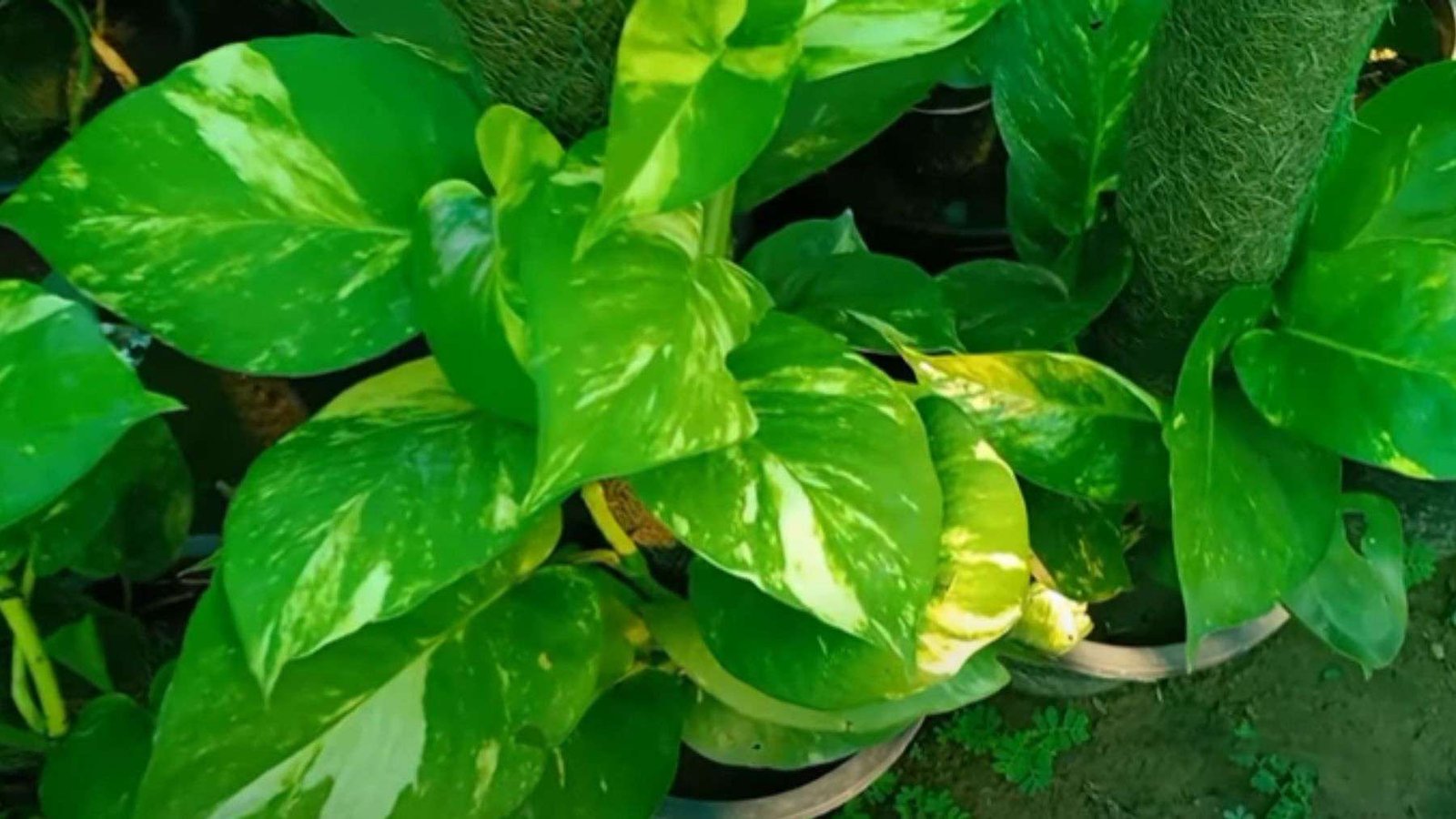
Studies show common jades adapt well to typical indoor conditions, surviving for years. Their long lifespan perpetually sustains the symbolic meanings they represent through traditional folklore.
With thriving green foliage that demands little other than placement, jade plants resonate concepts of abundance effortlessly through both form and function within living or work quarters. Their vibrant presence contributes intangible yet impactful value through non-demanding placement aligning with philosophical traditions.
9. Low Maintenance
- Types of Jade: Common Jade Plant (Crassula ovata)
- Usage Methods:
- Place common jade plants in medium to low-light areas, such as bathrooms or office cubicles, where they will thrive with less care.
- Cons:
- It may grow more slowly with infrequent watering and lower light levels.
- Prone to occasional pests that require treatment.
- Special Considerations:
- Thrive with infrequent watering, only needing it roughly once every 1-2 weeks.
- Tolerate a wide range of temperatures and humidity indoors.
- Prune off any dried or damaged leaves as needed.
The common jade plant has earned a well-deserved reputation as one of the lowest-maintenance houseplants one can grow. As a succulent, Crassula ovata has evolved to survive without water through efficiently stored reserves. Their thick, fleshy leaves allow tolerance of infrequent irrigation schedules without signs of distress.
Studies show common jades contentedly persist in interior conditions, receiving water only once biweekly on average. They are similarly adaptable to fluctuating indoor temperature and humidity levels encountered in most living spaces. With requirements so modest and flexible, common jade plants thrive quietly without fuss, even in spaces receiving less than ideal sunlight, like bathrooms.
Over many productive years, common jades demand next to nothing from their owners yet offer bountiful returns in atmosphere enhancement and air purification. Their compact size and slow growth are completely manageable by busy households.
Periodic pruning optimizes health, with most jades flourishing endlessly with the bare minimum of quarterly care. Low demands paired with lush greenery make common jades a prime choice to appreciate regardless of busyness or experience.
Conclusion
Several jade plant varieties offer easy yet impactful advantages for indoor spaces:
- The Common Jade Plant requires little care while brightening any room with its durable nature for years.
- Variegated Jade adds visual interest through creamy white streaks while thriving readily in average home conditions with minimal maintenance.
- Dwarf Jade fits any space despite its compact size yet gives the same beneficial low-cost air purifying through its flourishing greenery.
Overall, incorporating jade plants is a straightforward way to enhance indoor well-being through their natural air cleansing, symbolic associations, and low-care nature. Their vibrant greenery uplifts living ambiance effortlessly for years to come. For beautiful, healthy indoor spaces without fuss, jade plants are dependable allies to invite.