

I used to think my lizards and tortoises needed only store-bought food. Then I discovered edible plants you can grow right at home. I quickly learned that a simple backyard patch can give your pets more than just something to eat. It gives them better flavors, bright colors, and natural nutrients. Imagine your tortoise munching happily on fresh Tropical Spinach or your lizard stretching to nibble a Sweet potato Vine leaf. I didn’t expect how much these tasty greens would improve their health and energy. Sometimes, the best food is right under your nose-or growing outside your window.
If you’re ready to pick safe, nourishing leaves and flowers for your pets instead of guessing at the pet store, you’re in the right place. You’ll learn how to identify the best greens, when to harvest, and which common garden favorites like Hibiscus or Marigold can become your pets’ new favorites too. Give your reptiles a treat and let your garden become their personal buffet.
Stick with me and see how easy it is to make your own edible plant garden for your lizards and tortoises. Your pets will thank you with every happy bite.
Top 5 edible plants for reptiles
Tropical Spinach
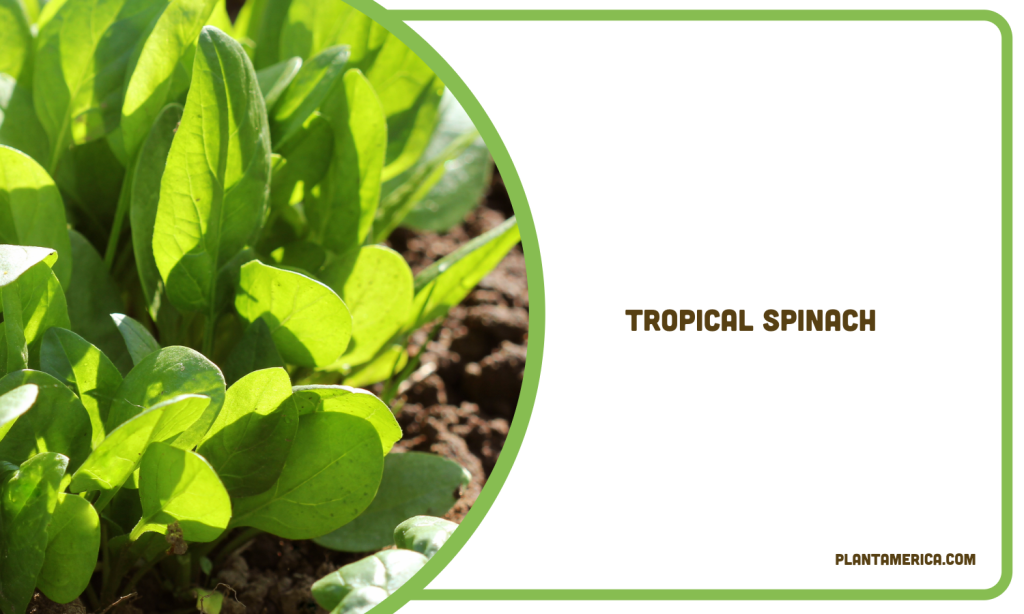
I always find Tropical Spinach is packed with vitamins minerals that lizards and tortoises need. It grows well indoors, so I can have it available all year. My pets love to eat the young leaves since they are soft and easy to digest. The plant also makes my setup look lush and green. The best part for me is that it’s simple to grow, and I do not need fancy gardening tools.
For Tropical Spinach care, I make sure to water it regularly and place it somewhere with bright, indirect light. I avoid soaking the soil to keep the roots healthy. I trim the older leaves from time to time and let the young ones grow in. Sometimes, I use a little organic fertilizer to boost growth, but most days, just sunshine and water are enough.
Sweet potato Vine

My lizards go crazy for Sweet potato Vine. This plant grows fast, so I have plenty of greens to feed my pets. The Shoot tips and large leaves provide tasty treats for lizards and tortoises, and you can even offer the young stems. I like how it can spread out in my edible plant garden or even trail from pots indoors. This makes it easy for me to harvest fresh snacks for my pets any time.
For care, I plant the vines in loose, well-draining soil and place them in a sunny spot. I water them when the soil feels dry to my touch. I keep an eye out for any bugs, as Sweet potato Vine grows fast and pests love it too. I also pinch off the tips when the vine gets too long, which helps it get bushier and easier for me to manage.
Hibiscus flowers and leaves

My tortoises especially love the bright Hibiscus flowers. These colorful blooms, along with their green leaves, are not just safe to eat but provide a fun pop of color in the enclosure. Whenever I offer fresh hibiscus flowers and tender green leaves, I notice my tortoises munch right away. Since Hibiscus is both pretty and useful, I enjoy growing it in my yard or even in a pot on my windowsill.
When I care for my Hibiscus plants, I pick a sunny location and water them about twice each week. If you want lots of flowers, make sure the plant gets at least six hours of sun daily. I clip off wilted blooms to encourage new growth. My Hibiscus does best when I use organic compost instead of chemical fertilizers, as this keeps it safe for my reptiles to eat.
Marigold
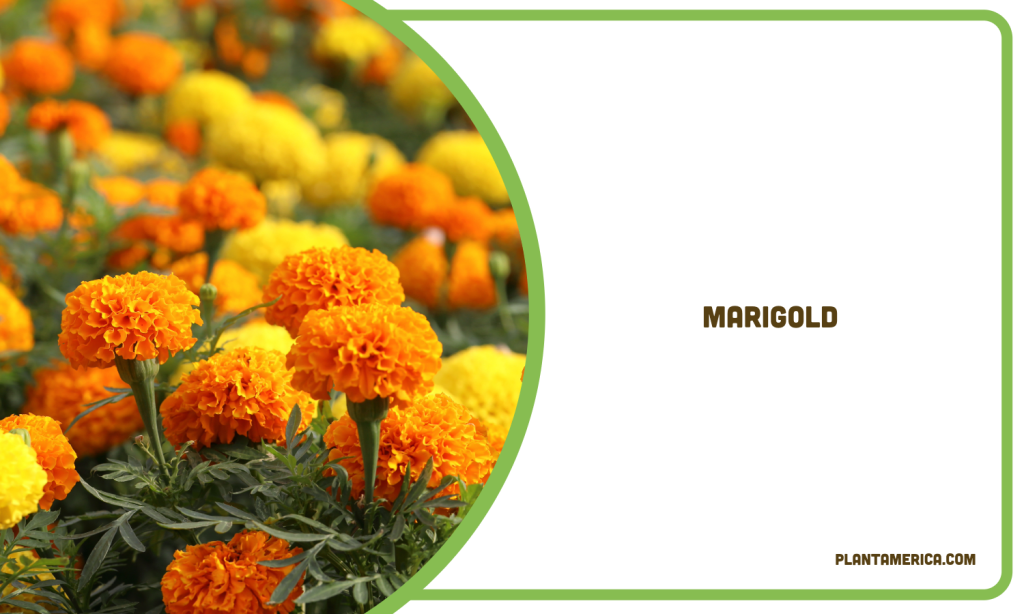
I like growing Marigold because it is non-toxic and makes every day feeding bright and cheerful. The flowers are safe, and I feel good adding variety to my pets’ meals. Marigold sometimes helps repel pests, which makes my edible plant garden easier to manage. My lizards nibble on the petals, and since I harvest flowers often, my plants keep blooming for a longer time.
To care for Marigolds, I plant them in a sunny area and make sure the soil drains well. I water them when the ground feels dry, and I never let water pool at the base. Sometimes, I plant Marigolds near my other edible native plants to help keep bugs away naturally. I trim off old flowers regularly for continuous buds and new blooms.
Prickly pear cactus
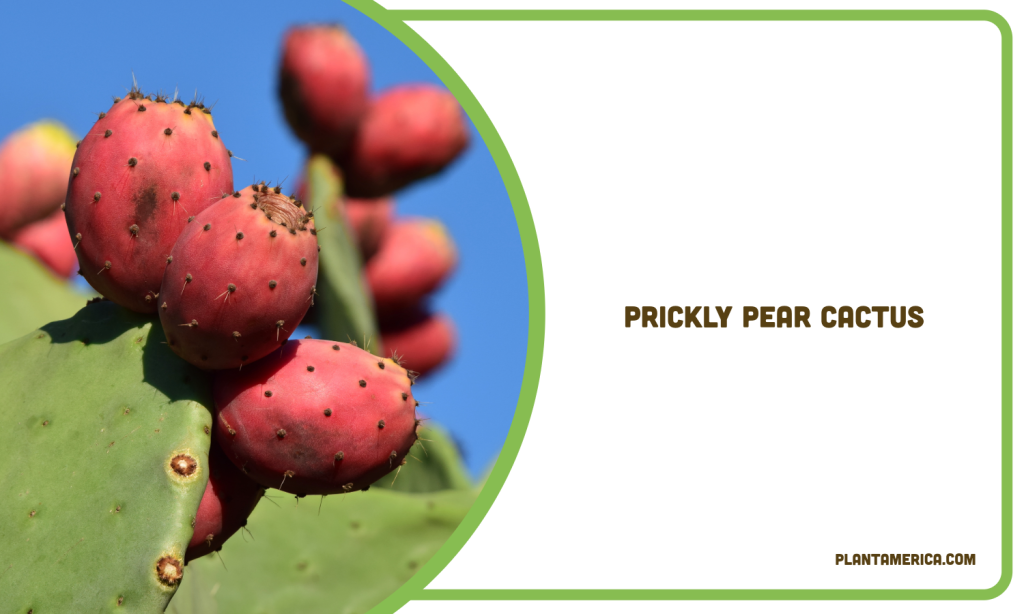
In my experience, Prickly pear cactus is excellent for reptiles. The pads are full of fiber and they store water, so they help my tortoises stay hydrated on hot days. The pads also hold up well in dry conditions, so if I forget to water them for a week, they survive. My reptiles munch on the soft pads, and sometimes I peel the spines off before serving.
To take care of these cactus plants, I plant them in sandy soil with lots of sun. I let the soil dry out fully between waterings. For safety, I wear gloves to trim the pads and handle them carefully. I use a spoon to scoop off spines before I give them to my pets. My prickly pear cactus has become a great source of safe fiber and hydration.
How to grow edible plants at home
Edible plants setup needs
When I start an edible plants setup, I first find a sunny spot, either by a window or outside. I use pots or a garden bed with soil that drains well. Regular watering is important, but I never let water sit and get soggy. Sometimes, I add compost to the soil to give my plants extra nutrients. I check the leaves often to spot any pests or problems early and keep everything looking healthy in my edible plant garden.
Harvesting tips for edible plants
I always pick the young leaves, as they are softer and more nutritious for my pets. I use clean scissors to avoid hurting the plant. I skip any leaves that look yellow or have spots. I never use pesticides because I want every harvest to be safe to eat. I sometimes rotate the spots I harvest from, so the plants stay full and healthy for a long time. This way, I get fresh options for my reptiles every week and keep my edible plants growing strong season after season.
Growing a Healthier Reptile Habitat
I know that feeding your lizards and tortoises the right greens brings many benefits. Fresh plants from your garden offer natural nutrients, vitamins, and minerals. These options help your pets stay active, healthy, and happy every day.
You can start small by picking one plant to grow at home. I suggest you choose a type that matches your climate and your pets’ tastes. Prepare a sunny spot, use good soil, and keep water handy to help the new plant grow strong.
Your pets will love fresh bites from your yard. Try your first plant today and see how easy it is. You can do this-your reptiles will thank you!