
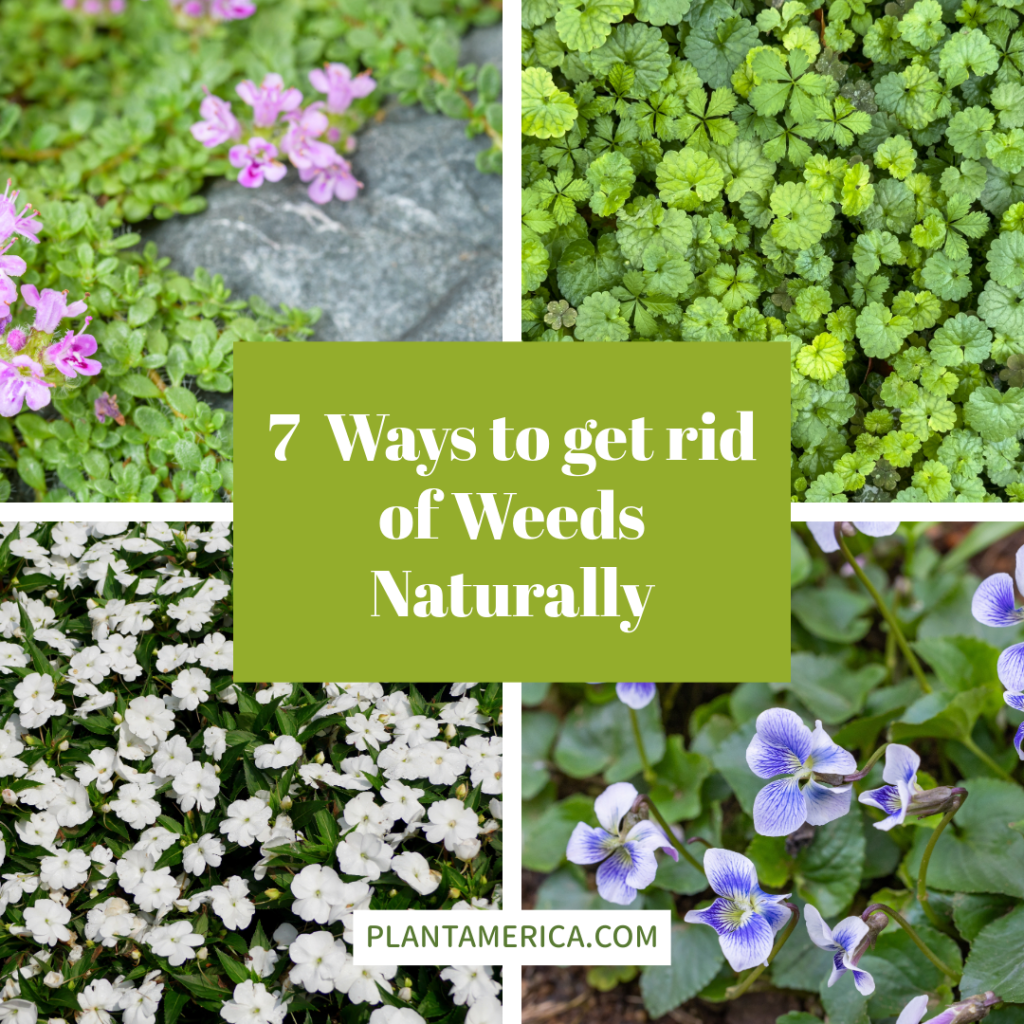
Did you know that swapping out your regular lawn for smart plant choices can cut your weeding time by more than half? I couldn’t believe it when I first learned about plants to replace weeds and how they can turn a stubborn patch of garden into a thriving, low-maintenance landscape. I find it amazing that some ground cover plants not only fill in empty spots but also crowd out even the toughest weeds. If you’re looking to create a brighter, easier, and greener outdoor space, you’re in the right place. Many people don’t realize that certain ground covers, like creeping thyme or dwarf cinquefoil, make your garden both beautiful and nearly weed-free.
I know how frustrating it feels to pull weeds each week, only to watch them come back even stronger. Like you, I want a yard that saves time, water, and energy while still looking lush all year. That’s why I’m excited to share my favorite weed replacement plants and some clever tips for choosing the best ground cover options-whether you need drought tolerance, shade solutions, or edible ground covers like strawberries. There are so many options out there, and a few smart choices can completely transform your garden beds and even replace your whole lawn.
If you want a garden that fights weeds for you and looks great with less work, keep reading. You’ll find simple, practical ideas that work for real gardens just like yours.

Photo provided by BREAKS OUT on Pexels
Table of Contents
plants to replace weeds
When I want to control weeds without harsh chemicals, I look for weed replacement plants. These plants naturally cover the soil, making it harder for unwanted weeds to pop up. By planting dense, spreading varieties, I crowd out the weeds before they have a chance to grow. I especially love how these plants not only block weeds but also add beauty and interest to my garden spaces. I find that using ground cover alternatives for lawns can keep my landscape neat with less effort.
Understanding plants to replace weeds
For me, the trick with weed suppressant plants is to pick ones that grow thick and quick. They shade out weed seeds and hold soil moisture. For example, creeping thyme forms a mat-no bare soil means no weeds. Most of these act as invasive weed alternatives offering ground cover so I do not have to pull weeds all summer. I always check the grow zones; creeping thyme thrives in zones 4-9. I water it when new, but once established, it rarely needs my help.
Choosing the best ground cover plants
I always look for best ground cover plants that match my soil and light. Mazus reptans is one of my top picks for damp, lightly shaded areas (zones 5-9). It stays low to the ground and takes light foot traffic, which is ideal for paths. I plant it in spring and keep the soil moist until it settles in. If I see any weeds when it’s still young, I gently pull them to help mazus spread.
- Choose the right zone
- Water new plants often
- Weed gently in early stages
- Let the plant fill in spaces
Photo provided by Artem Balashevsky on Pexels
Creating a low maintenance garden
I always want a garden that saves me time, so I choose low maintenance garden plants. These plants to replace weeds need little care once they’re growing. I do this to free up my weekends and still have a nice yard. I learned that getting the right mix of ground covers lets me enjoy more and work less.
Using drought tolerant ground covers
In my sunny spots, I plant drought tolerant ground covers like sedum (zones 3-9). Sedum can take dry soil and lots of heat, making it great for those areas where grass struggles. I plant it in full sun and water until I see new growth. After that, it grows with little help from me. I often use it as a lawn replacement plant for dry areas that need less mowing and watering.


plants to replace weeds in shady spots
I have shady corners where weeds thrive, so I use shade tolerant plants like sweet woodruff (zones 4-8). It creates a soft mat under trees and needs only some spring clean-up. I plant it in moist, shady areas, and after the first few weeks, I mostly leave it alone. Sweet woodruff is an excellent weed suppression plant for shade gardens.

Sustainable landscaping solutions
When I plan my yard, I want it to help nature as well. That’s why I use eco-friendly landscaping techniques and pick plants that don’t need chemicals or much water. I notice these choices help birds, bees, and butterflies feel at home in my space. I’ve seen how these changes make my yard healthier over time.
Native plants for landscaping benefits
I have switched to native plants for landscaping because they adapt so well. These plants need less water and fight off local pests on their own. For example, wild strawberry (zones 3-9) gives me a green carpet and edible berries while choking out most weeds. I plant it on gentle slopes or open beds. I like how native perennials for weed control support both my garden and local wildlife.
Perennial ground covers and lawn alternatives
To avoid lawn mowing, I fill large open spots with perennial ground covers like liriope (zones 5-10). Liriope forms thick clumps that don’t leave space for weeds. In early spring, I trim back old leaves, and liriope quickly bounces back. I love how it works as a ground cover alternative in flower beds or as a border along paths. With these lawn alternatives, I spend less time working and more time enjoying my garden.
Bringing It All Together for a Better Garden
I know transforming your yard can feel overwhelming, but you now have simple, proven ways to tackle unwanted growth and boost beauty at the same time. By swapping out the problem spots for tough ground covers and low-maintenance choices, you get less weeding, more free time, and a garden that supports pollinators and wildlife. Best of all, many of these options handle drought or shade, and some even give you fruit or flowers to enjoy. That’s a win for you, your schedule, and nature too.
You can start small by picking just one area-maybe a trouble spot where grass struggles or weeds always pop up. Try using cardboard sheet mulching to prep the ground, then plant a mix of tough, spreading ground covers like creeping thyme, sedum, or even strawberries if you want something edible. Remember to mulch well around your new plants and water them the first season, letting them settle in strong. If you prefer even less work, choose native plants suited to your site and let them adapt naturally.
Start today with one simple step. Choose a corner of your yard to reimagine, and give a ground cover a try. You’ll soon enjoy more color, less stress, and a garden that feels truly yours. Let’s grow a space you love, one patch at a time.