
Yellow flowering perennials are garden all-stars, providing cheer and nectar for pollinators from early summer until frost. Whether you’re hunting for compact plants for the foreground, tall plants for the back, or anything in between, these no-fuss perennials will reward you with an abundance of yellow joy season after season with minimal care.
So read on if you’re looking to fill some empty garden beds with easy-to-grow, long-lasting perennials that give your space a radiant glow. We’ll introduce you to 22 great yellow flowering perennials that brighten up even the dullest corners of your landscape for months!
Low Maintenance Yellow Flowering Perennials Worth Planting
1. Shasta Daisy (Leucanthemum superbum)
- Growing season: Spring, Fall, Midsummer
- Leaf shape: Silvery gray, Lanceolate leaves, Bassal rosette
- Specific needs: Prefers full sun, Average to moist, well-drained soil
- Common pest: Mealybugs, Aphids
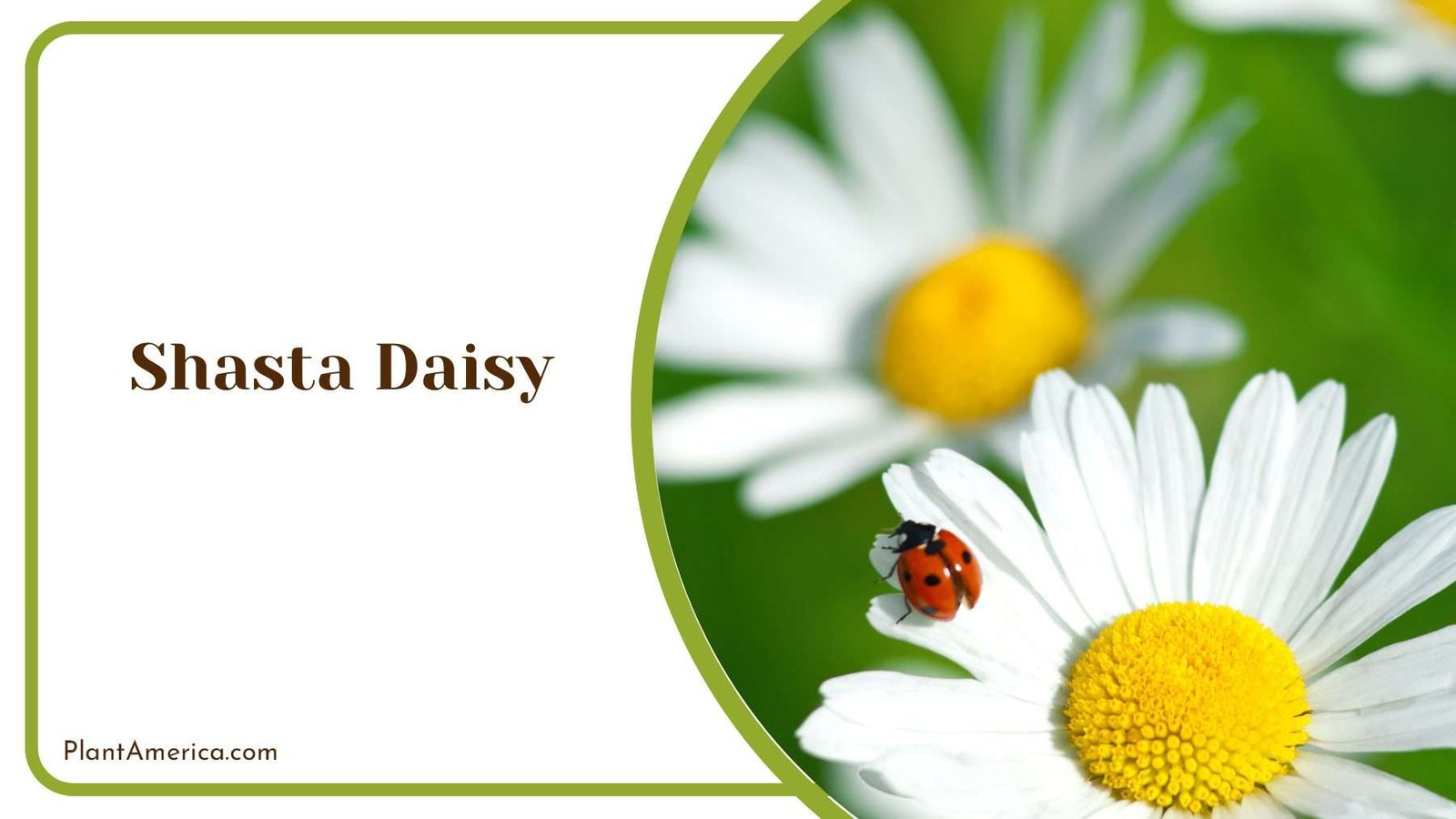
The Shasta daisy is a classic perennial with large, single daisy flowers ranging from pure white to pink. Shasta daisies thrive in full sun and average, well-drained garden soil. They require little care once established, making them a reliable and long-blooming choice for sunny border plantings. Shasta daisies can self-sow moderately, forming new plants that can be thinned or moved to expand the colony.
Shasta daisy flowers measure two to six inches wide and are composed of bright yellow disk florets surrounded by 50 or more white to light pink ray petals. The daisy-like blossoms bloom nonstop from early summer through fall, providing months of colorful interest.
The plants spread by underground rhizomes to form bushy clumps up to three feet wide and one to two feet tall. Feathery gray-green foliage emerges in spring and then persists through winter. Flower stalks can also be cut and rooted in water or soil to produce cloned offspring that are genetically identical to the parent.
2. Black-Eyed Susan (Rudbeckia Hirta)
- Growing season: Late spring, Fall, Summer
- Leaf shape: Alternate, Toothed, Hairy leaves
- Specific needs: Full sun, Average to dry soil
- Common pest: Aphids, Spider Mites
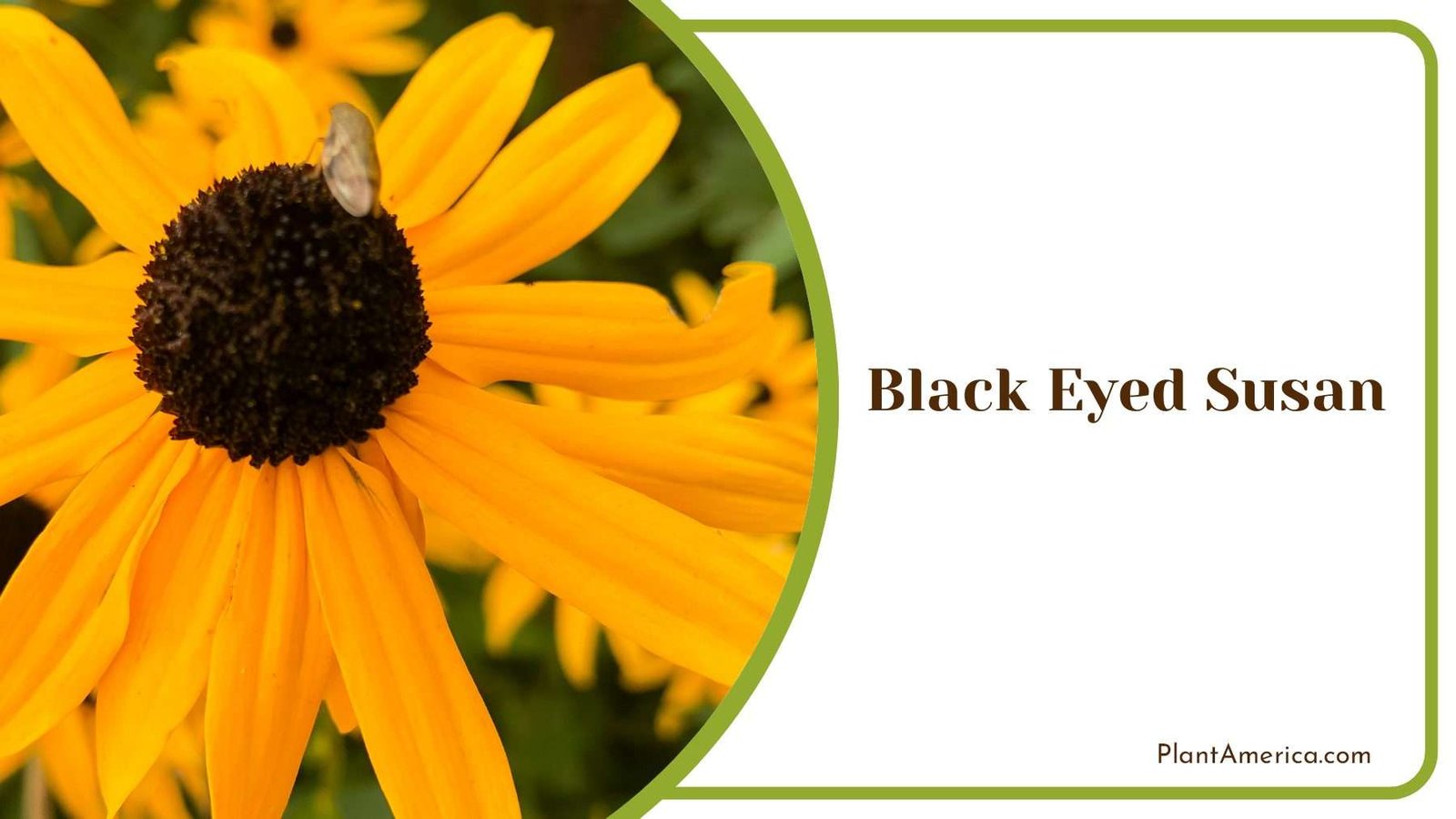
Black-eyed Susans produce bright, cheerful, golden-yellow flower heads that are two to three inches across and dotted with dark brown cones. The flower stalks can reach three feet tall, bearing button-like blooms in the summer and early fall.
An Aster family member, black-eyed Susans thrive in full sun and average to dry soil conditions. They reseed readily and spread quickly to form large, cheerful clumps of color.
3. Daylily (Hemerocallis)
- Growing season: Summer
- Leaf shape: Long, Sword-like leaves
- Specific needs: Full sun, Well-drained soil
- Common pest: Aphids, Spider Mites
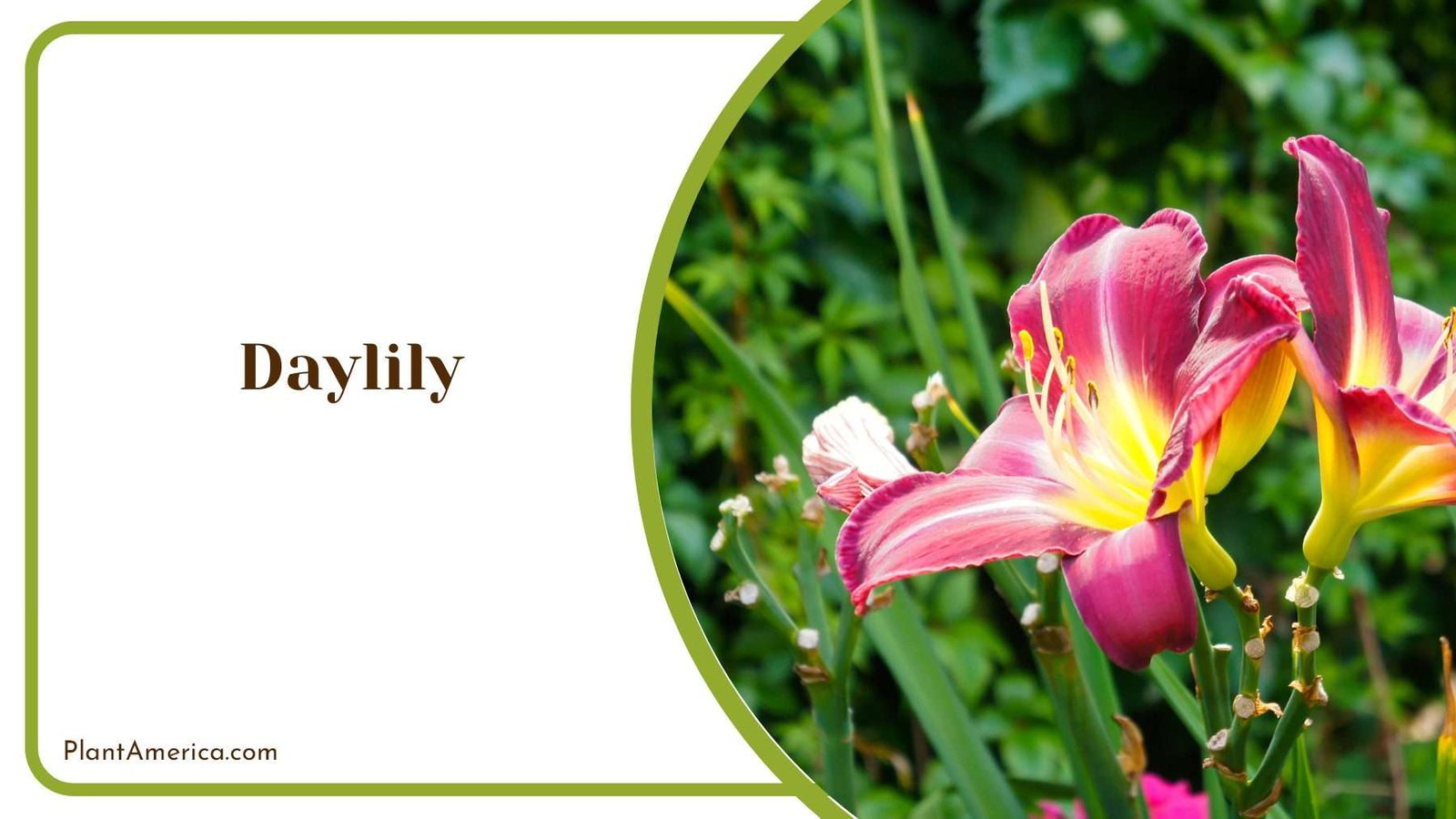
Daylilies produce large, funnel-shaped flowers in various colors, from solids to blends. The cheerful blooms typically appear in the summer, lasting one day before fading. New flowers appear daily on each two to four foot tall stalk for up to six weeks.
Daylilies are extremely hardy, tolerating heat, humidity, and drought once established. Common daylily species include the English (H. lilioasphodelus) and the Chinese (H. calleryana). Hybrids like ‘Stella de Oro’ offer beautiful, abundant flowers with greater disease resistance.
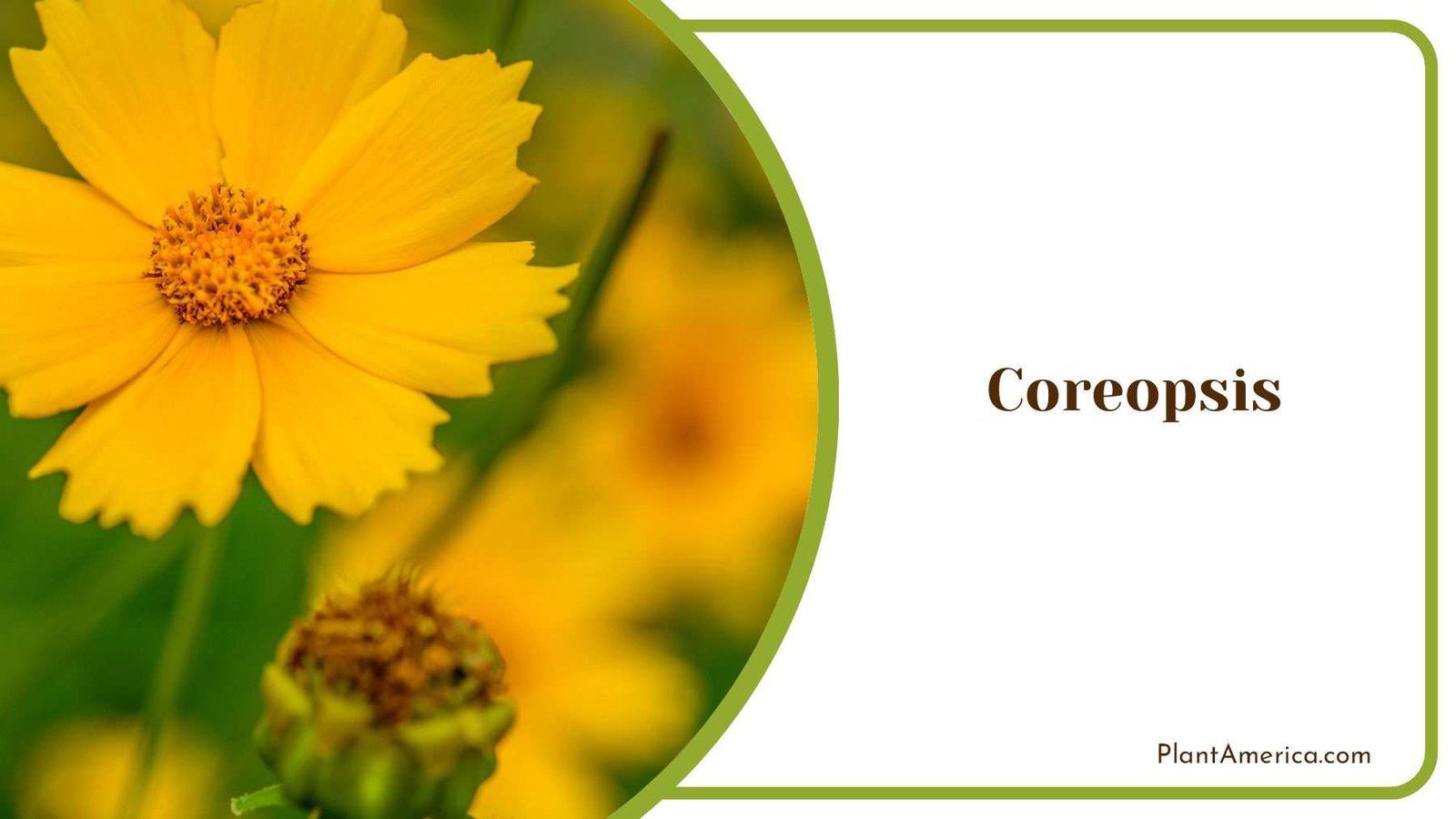
4. Coreopsis (Coreopsis spp.)
- Growing season: Summer, Fall
- Leaf shape: Elliptic to oblong, Lance-shaped leaves
- Specific needs: Full sun, Low water needs
- Common pest: Relatively pest free
Coreopsis is a genus of cheerful perennials and annuals known for their bright butter-yellow daisy flowers. Common coreopsis includes thread leaf coreopsis (C. verticillata) and tickseed coreopsis (C. lanceolata).
The stems typically reach one to three feet tall and feature ferny green foliage. Coreopsis flowers during summer through early fall, providing great color and nectar for pollinators. These hardy perennials, thriving in full sun and on lean to average soil, require little care.
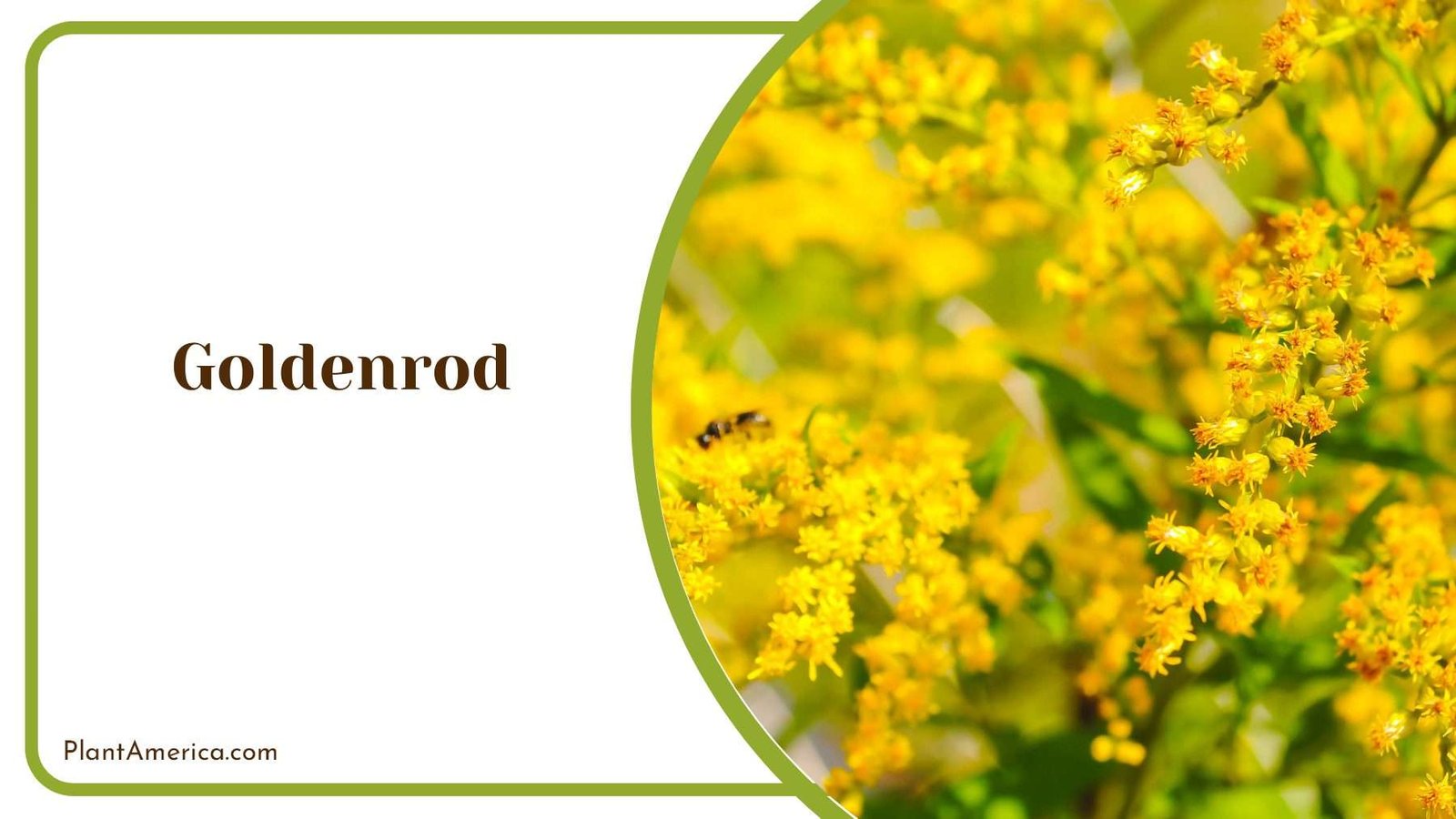
5. Goldenrod (Solidago spp.)
- Growing season: Summer
- Leaf shape: Alternate, Narrow leaves
- Specific needs: Full sun, Average to wet soil
- Common pest: Japanese beetles, Aphids
Goldenrods are perennial wildflowers known for their dense spikes of small, golden yellow flowers. The flowers bloom from summer into early fall and attract beneficial pollinators like bees, flies, and beetles.
Common goldenrod species include Canada goldenrod (S. canadensis), gray goldenrod (S. nemoralis), and Douglas’s goldenrod (S. gigantea). Goldenrods grow one to five feet tall with a narrow, upright habit. They thrive in full sun and average-to-wet soil conditions.
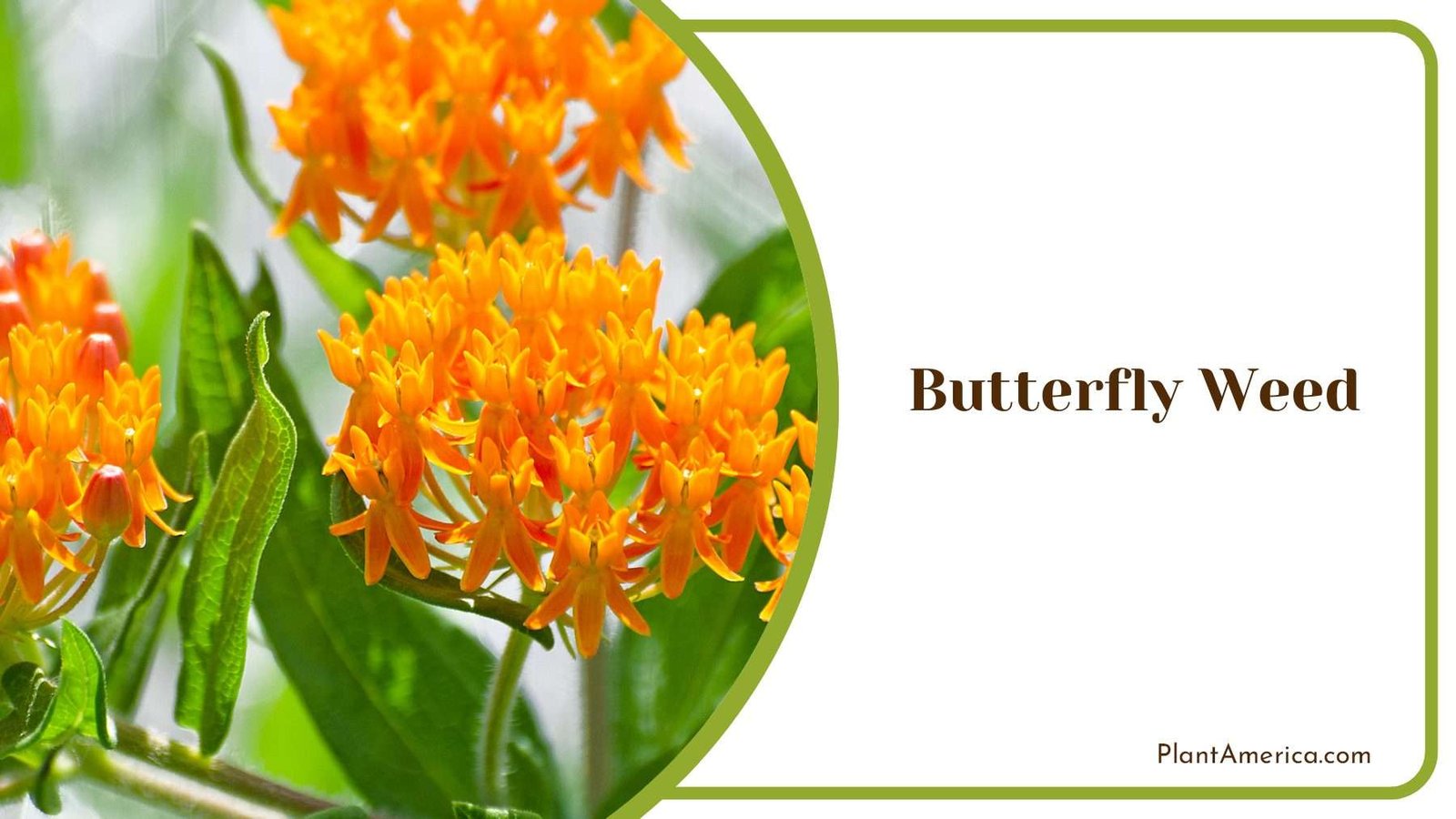
6. Butterfly Weed (Asclepias tuberosa)
- Growing season: Summer
- Leaf shape: Opposite, Lanceolate leaves
- Specific needs: Full sun, Average to dry soil
- Common pest: Monarch butterfly larvae, Scales
Butterfly weed is so named for its attraction to swarms of butterflies and other pollinators. The upright flower stems bear clusters of bright orange-red flowers in summer that produce nectar and offer a place for butterflies to perch.
The foliage of butterfly weed also serves as a host plant for monarch butterfly larvae. It prefers hot, sunny conditions and average-to-dry soils, making it an excellent choice for water-wise perennial borders.
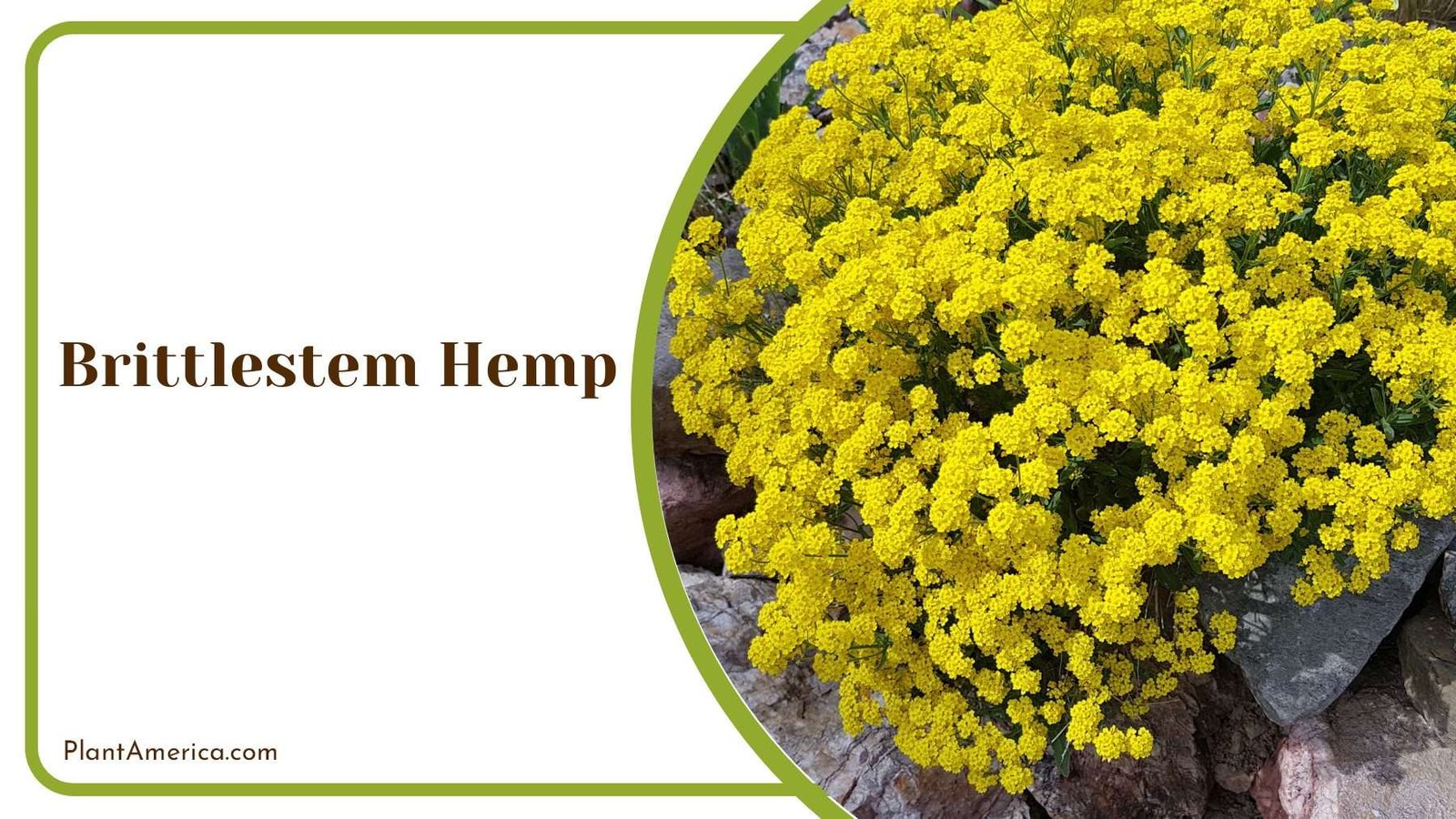
7. Brittlestem Hemp (Alyssum saxatile)
- Growing season: Summer
- Leaf shape: Gray-green, Liinear leaves
- Specific needs: Full sun, Average to dry soil
- Common pest: Mealybugs, Aphids
Brittlestem hemp produces a carpet of bright golden-yellow flowers in spring and summer. The tiny blooms emanate from shallow rootstocks and cover mat-forming foliage that spills gracefully over walls and along garden borders.
Brittlestem hemp grows four to eight inches tall and spreads indefinitely by stems that root wherever they touch the ground. A member of the Mustard family, this tough, drought-tolerant groundcover prefers hot, sunny exposures and well-drained soil.
8. Globe Thistle (Echinops ritro)
- Growing season: Summer
- Leaf shape: Grayish, Spiny leaves
- Specific needs: Full sun, Average to dry soil
- Common pest: Mealybugs, Aphids
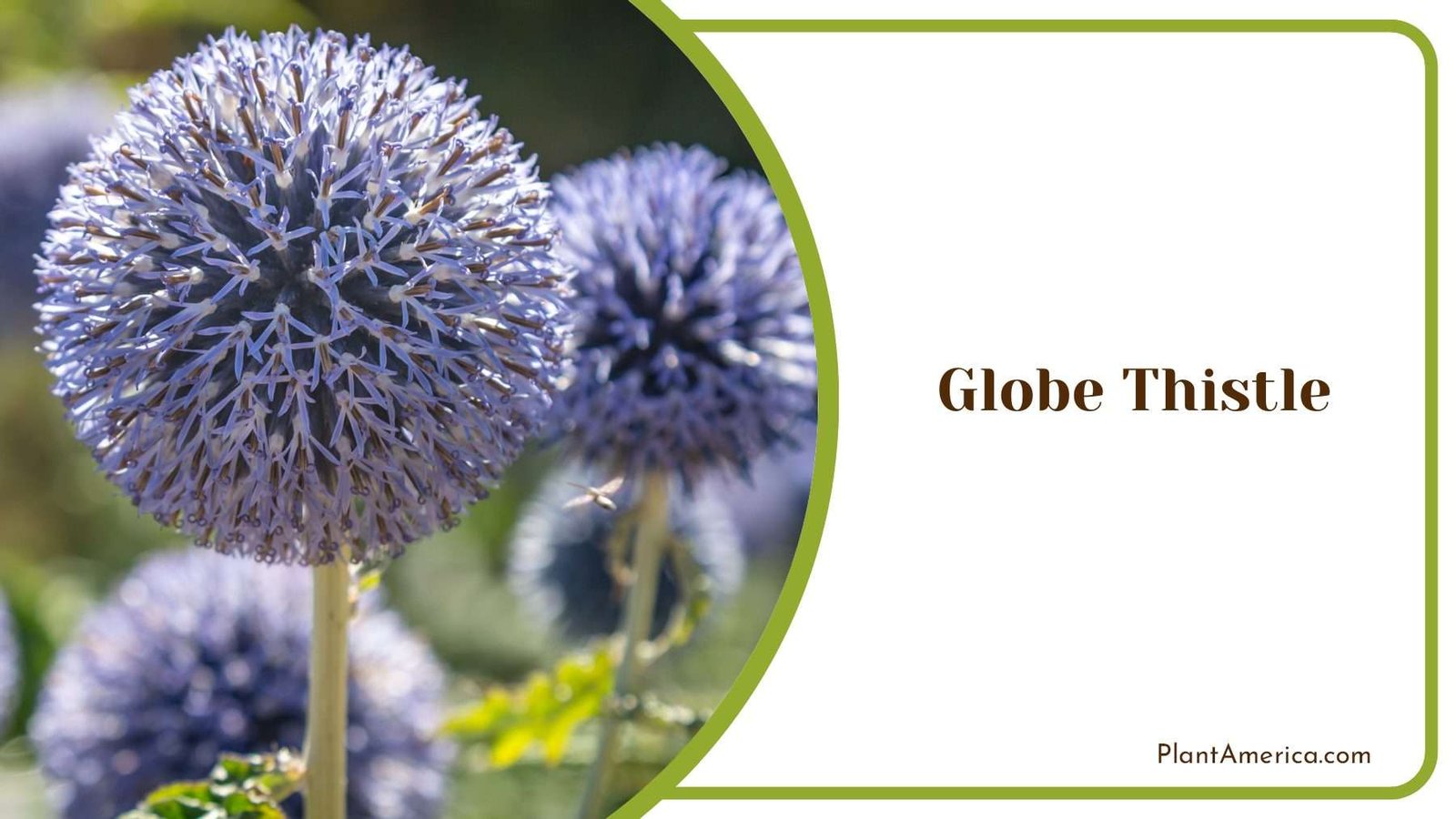
Globe thistle forms tall spires of steel blue, globe-shaped flowers that rise above mounds of finely cut, silvery foliage. The spherical blooms typically appear in the summer and resemble ornate metal balls.
Globe thistle grows two to four feet tall and spreads moderately by rhizomes. An Aster family member, this sturdy perennial prefers hot, sunny conditions and average to dry soil. Globe thistle combines well with other bold, textural perennials and appears at its finest when backlit by the sun.
9. Stonecrop (Sedum spp.)
- Growing season: Summer, Fall
- Leaf shape: Silvery gray, Lanceolate leaves, Basal rosette
- Specific needs: Full sun, Average to dry soil
- Common pest: Aphids, Mealybugs
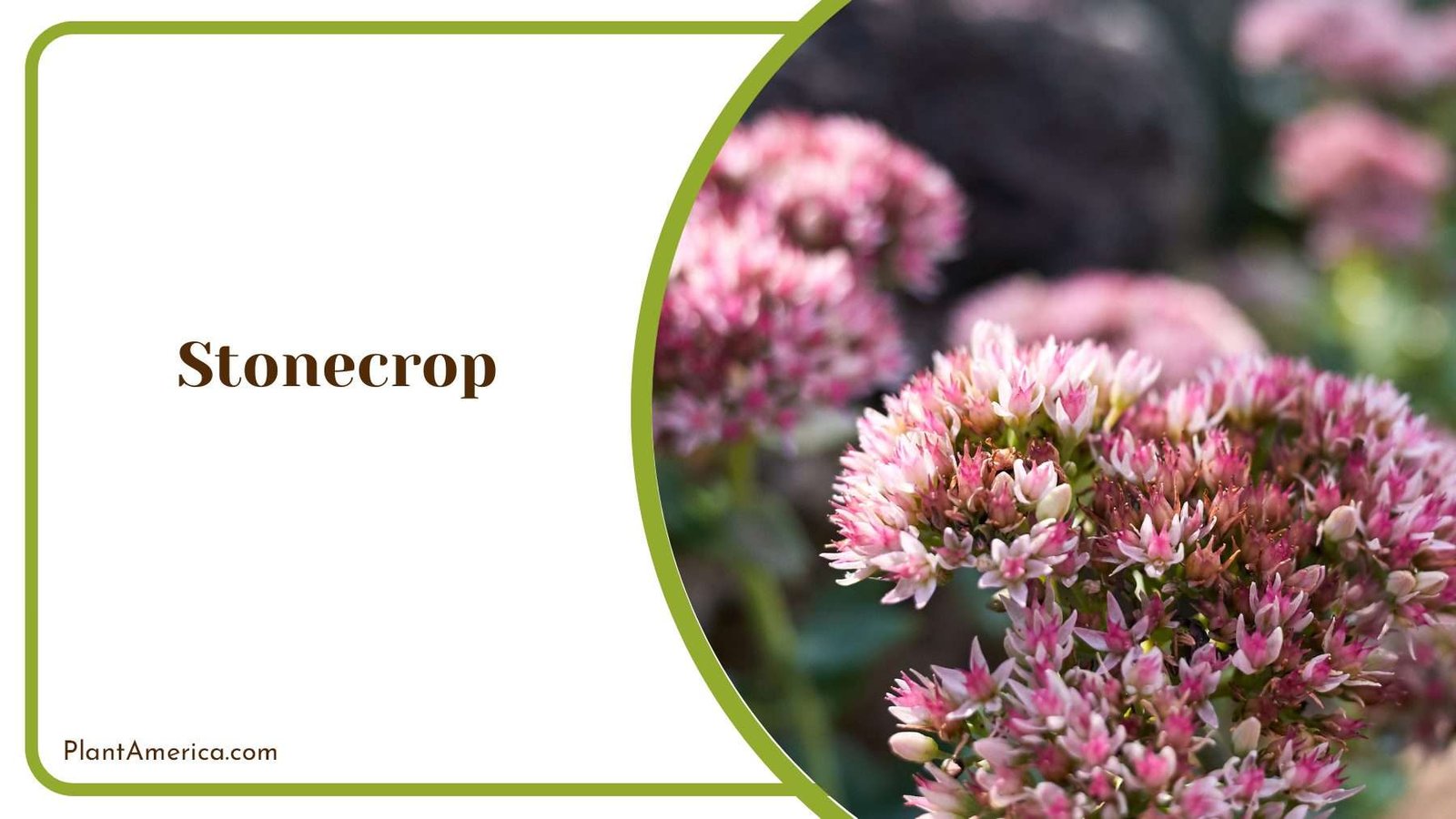
Stonecrops are succulent perennials prized for their drought tolerance and ability to thrive in rocky, difficult soil conditions. The genus Sedum contains over 400 species, many of which bear clusters of tiny star-shaped flowers in cheerful colors.
Common stonecrop species include Sedum acre, Sedum telephium, and Sedum spectabile. The upright flower spikes range from four inches to three feet tall. Stonecrops require minimal care once established, thriving in hot, sunny exposures with average to very dry soil.
10. Yarrow (Achillea spp.)
- Growing season: Summer, Fall
- Leaf shape: Ferny, Alternate leaves
- Specific needs: Full sun, Average to dry soil
- Common pest: Mealybugs, Aphids
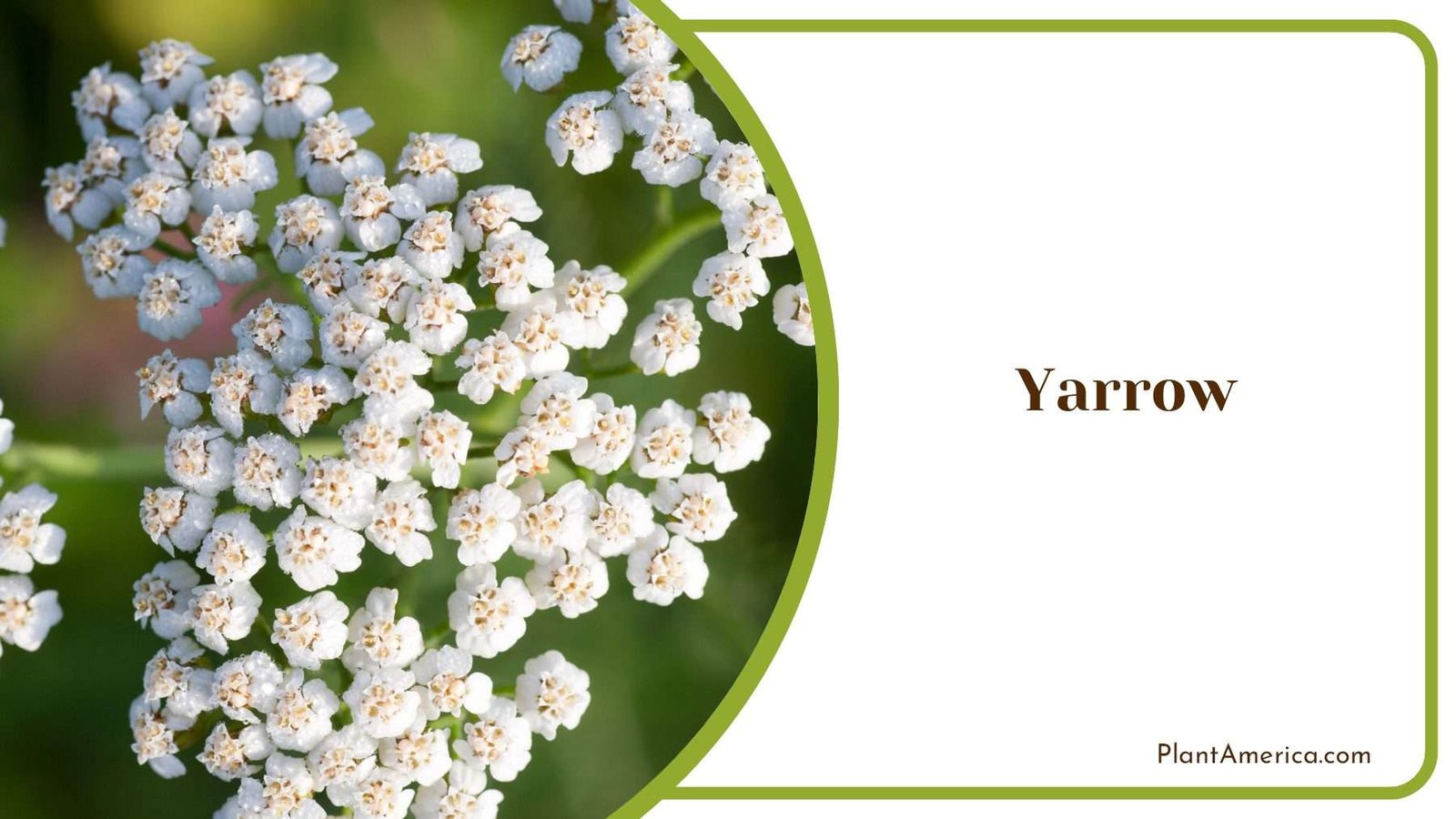
Yarrow is a genus of hardy perennials prized for their long flowering period and adaptability to average soil conditions. Common yarrow species include Achillea millefolium and Achillea ptarmica.
The stems typically reach two to three feet tall and bear flat-topped clusters of small, daisy-like flowers in white, pink, and red shades. Yarrow blooms from summer into fall and features ferny, gray-green, or silver foliage. Like most herbs, yarrow prefers full sun and well-drained soil.
11. Siberian Iris (Iris sibirica)
- Growing season: Late spring
- Leaf shape: Flat, Sword-like leaves
- Specific needs: Full sun, Well-draining soil
- Common pest: Rarely damaged by pests
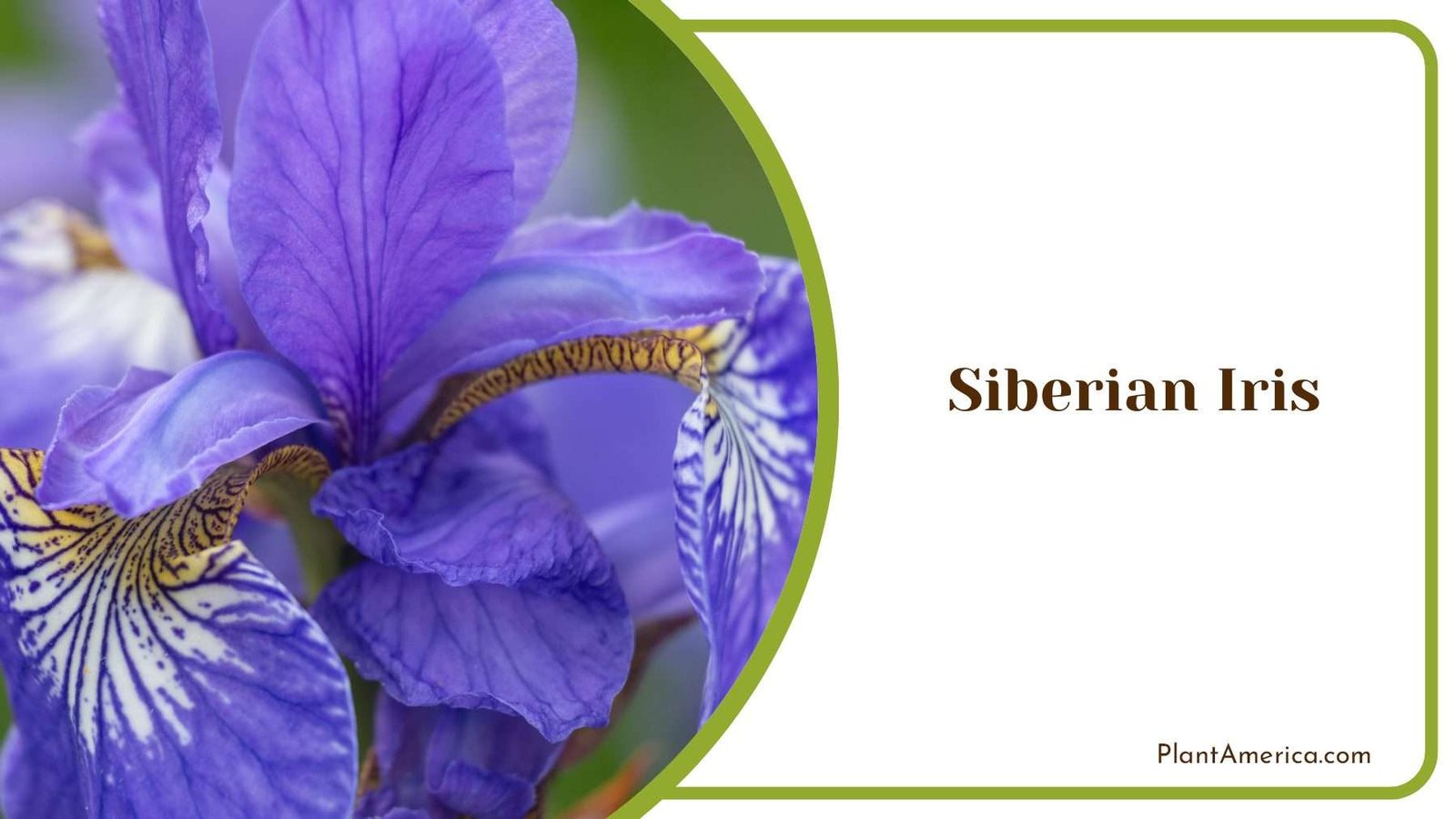
Siberian iris bears clusters of vibrantly colored flowers in late spring atop sturdy stalks that emerge from fan-like tufts of grassy foliage. The blooms occur in various hues from white, purple, and blue to yellow. Siberian iris typically grows one to three feet tall.
As a member of the Iris family, these hardy perennials thrive in full sun and well-draining soil. Siberian irises spread slowly by thick, creeping rhizomes that develop buds that bloom the following year.
12. Coneflower (Echinacea spp.)
- Growing season: Summer
- Leaf shape: Alternate, Oval leaves
- Specific needs: Full sun, Average to dry soil
- Common pest: Thrips, Gnats
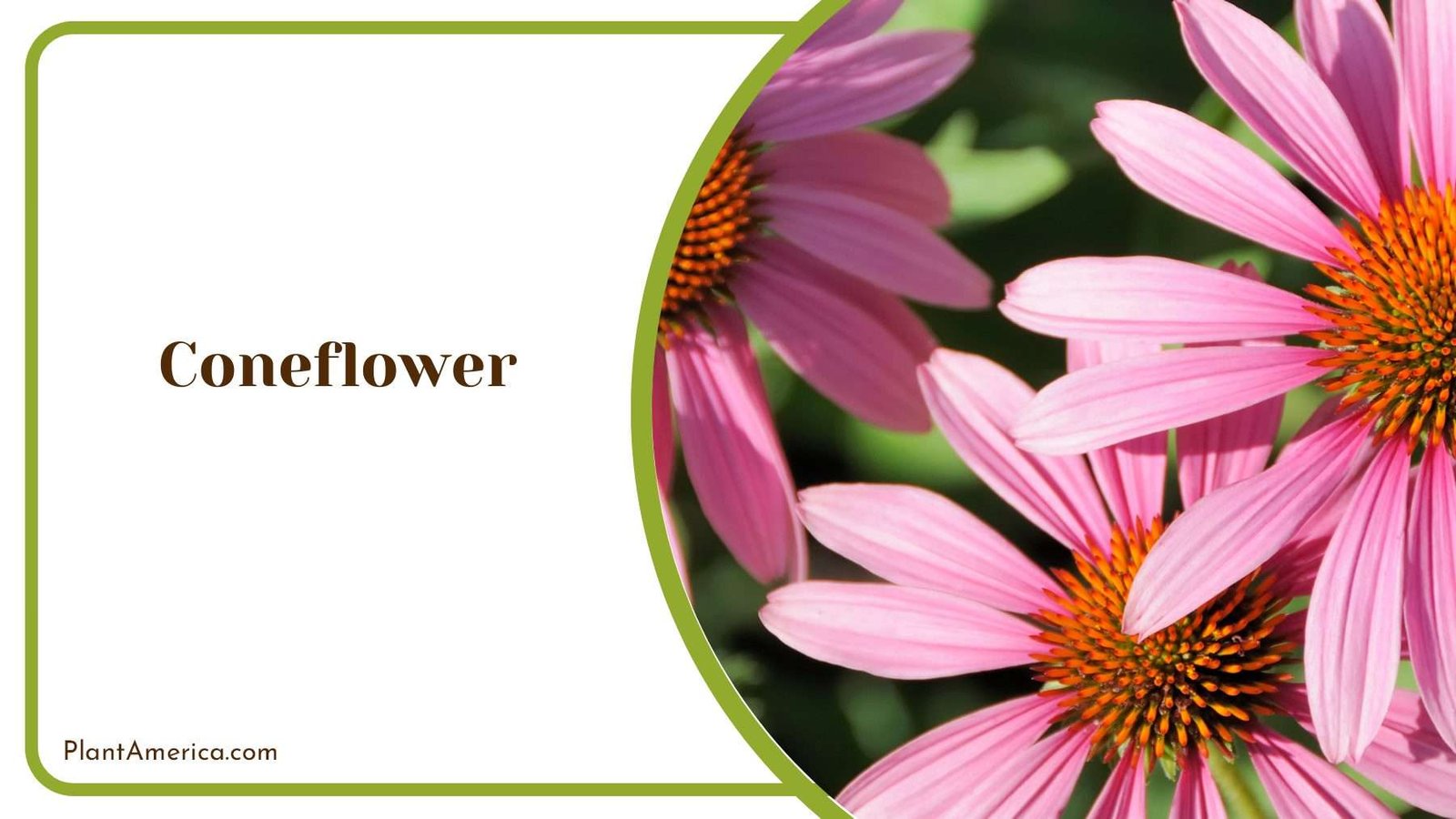
Coneflowers are perennials prized for their long-lasting flowers and medicinal properties. Echinacea contains nine native species, the most common being Echinacea purpurea. Coneflower stems reach two to four feet tall and bear large, daisy-like flowers in vivid colors from magenta to yellow.
The thick, hairy cone in the center gives coneflowers their name. Coneflowers thrive in hot, sunny exposures with average-to-dry soils. They bloom throughout the summer and into early fall, providing an excellent nectar source for pollinators.
13. Catmint (Nepeta spp.)
- Growing season: Summer
- Leaf shape: Grayish, Hairy leaves
- Specific needs: Full sun, Average to dry soil
- Common pest: Aphids, Whiteflies
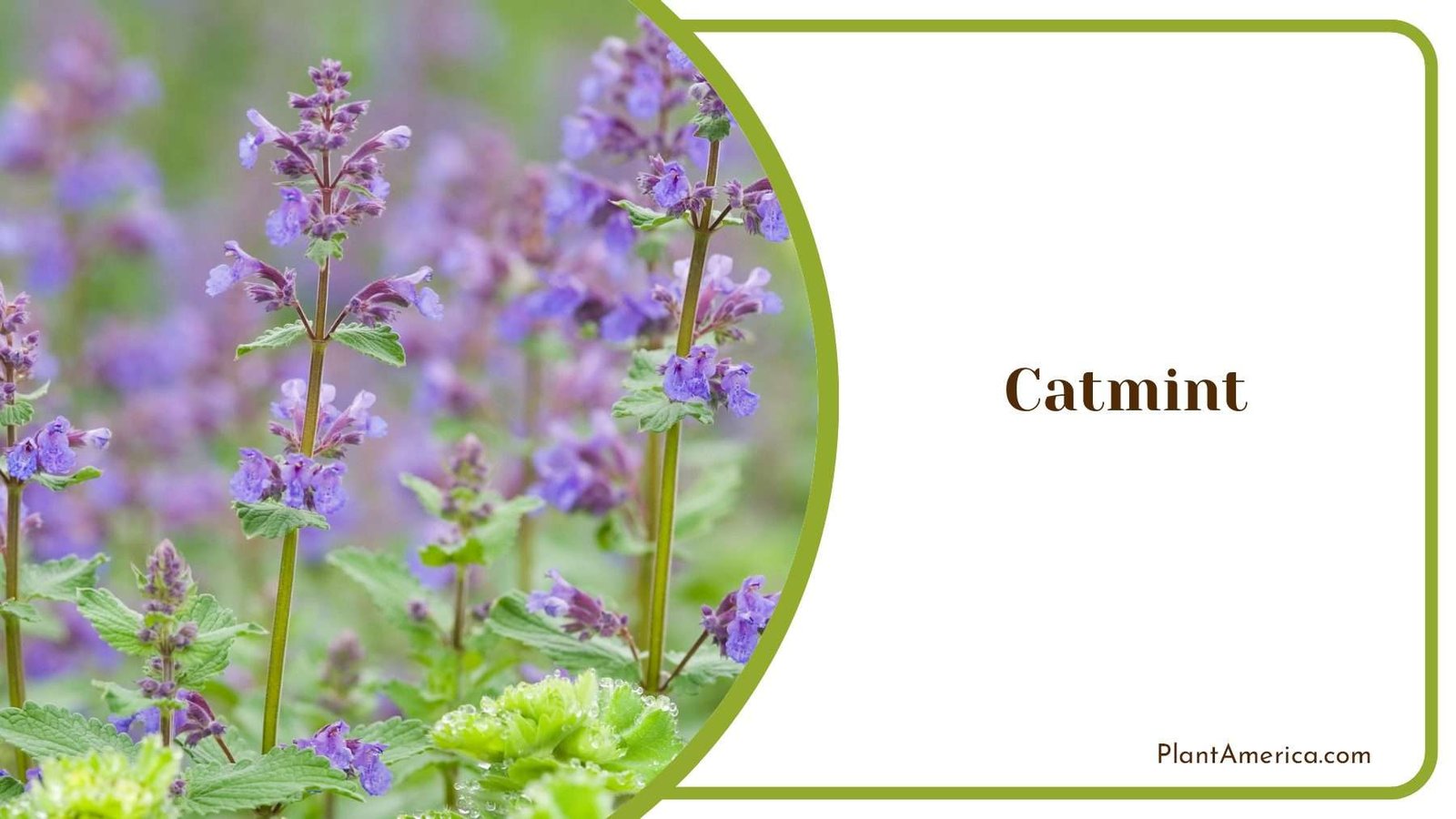
Catmints are herbaceous perennials valued for their attractive foliage and nectar-rich flowers that attract beneficial insects. The Nepeta genus includes over 250 species, with common garden varieties including Nepeta faassenii, Nepeta racemosa, and Nepeta x faassenii ‘Walker’s Low’.
Catmints typically grow one to three feet tall, forming bushy mounds of aromatic gray-green foliage. The tubular flowers appear in summer on spikes above the leaves in shades from blue to purple to white. Catmints thrive in hot, sunny conditions and prefer well-drained soil.
14. Heucherella (‘Sunspot’)
- Growing season: Spring, Summer
- Leaf shape: Palmate leaves, Lobed margins
- Specific needs: Part shade to full sun, Regular water
- Common pest: Gnats, Whiteflies
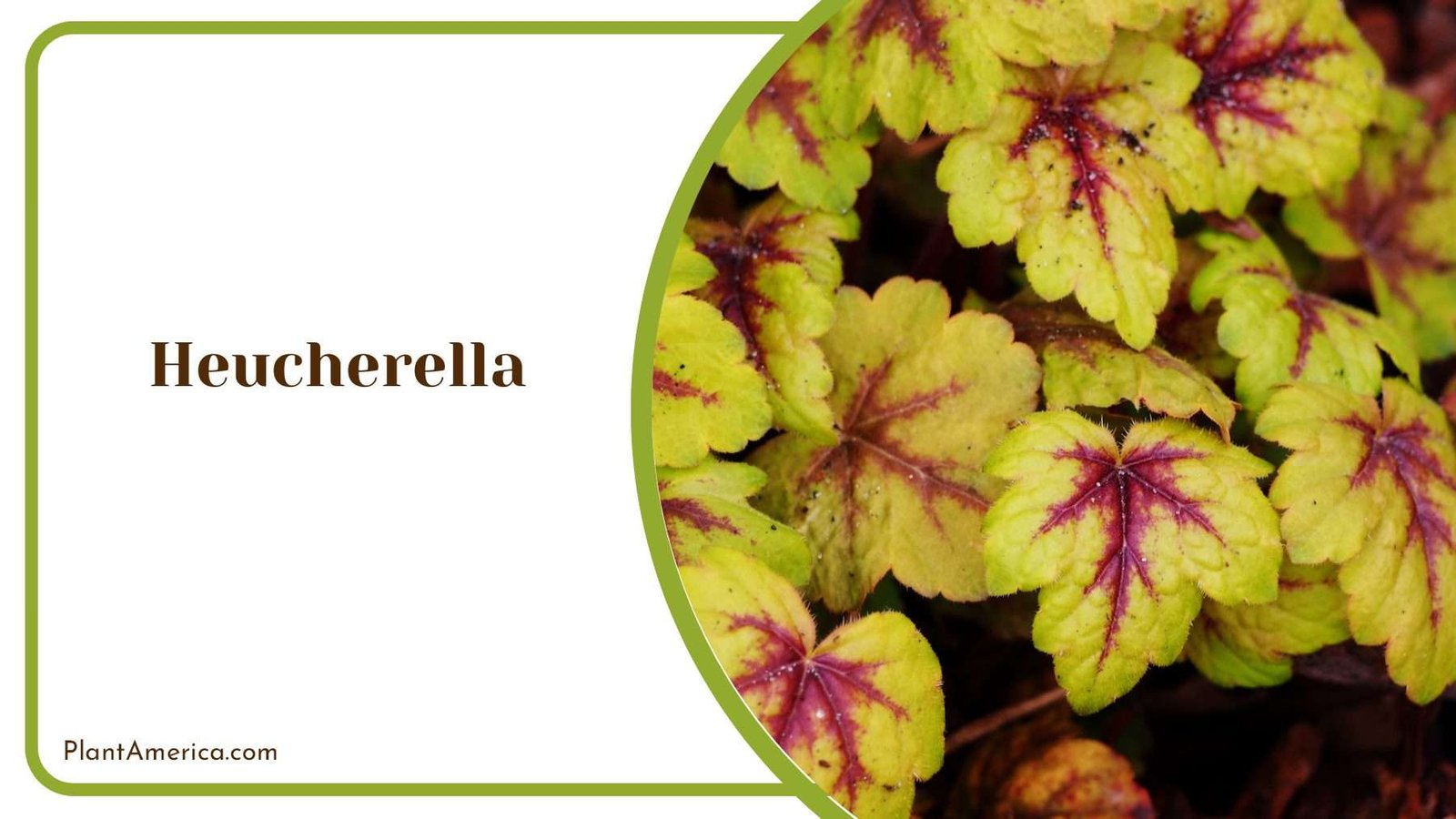
‘Sunspot’ is a cultivar of Heucherella, a hybrid plant that combines coral bells (Heuchera) and foamy bells (Tiarella). ‘Sunspot’ forms low mounds of colorful foliage, bearing palmate leaves with lobed margins that emerge reddish-purple in spring, maturing to marbled green and gold.
In summer, stalks arise bearing long racemes of tiny white flowers. ‘Sunspot’ grows 6 to 12 inches tall with a spreading habit around 12 to 18 inches wide.
15. Baby’s Breath (Gypsophila paniculata)
- Growing season: Summer Blooming
- Leaf shape: Finely divided, Grey-green leaves
- Specific needs: Full sun, Average to dry soil
- Common pest: Mealybugs, Aphids
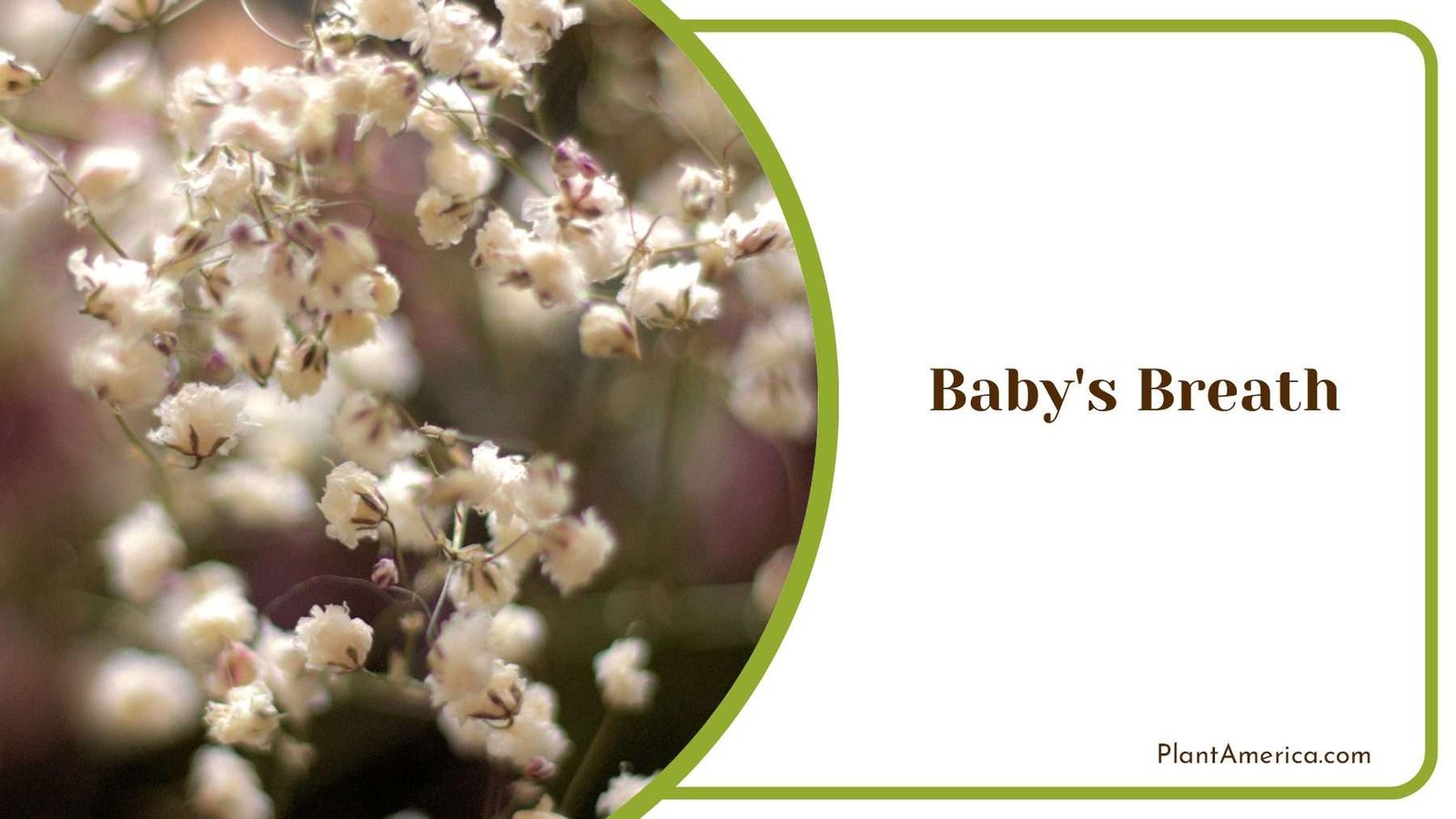
Baby’s breath is a beloved old-fashioned perennial valued for its abundance of tiny white flowers. The flowering can reach three feet tall, bearing clouds of starry white blooms in summer that resemble puffs of smoke.
Large stands of baby’s breath create an ethereal, romantic appearance in the garden. The feathery foliage of the baby’s breath is finely divided and grayish-green in color. This semi-woody perennial thrives in full sun and average-to-dry soil conditions.
16. Blanket Flower (Gaillardia spp.)
- Growing season: Summer, Fall Blooming
- Leaf shape: Alternate, Narrow leaves
- Specific needs: Full sun, Average to dry soils
- Common pest: Beetles, Caterpillars
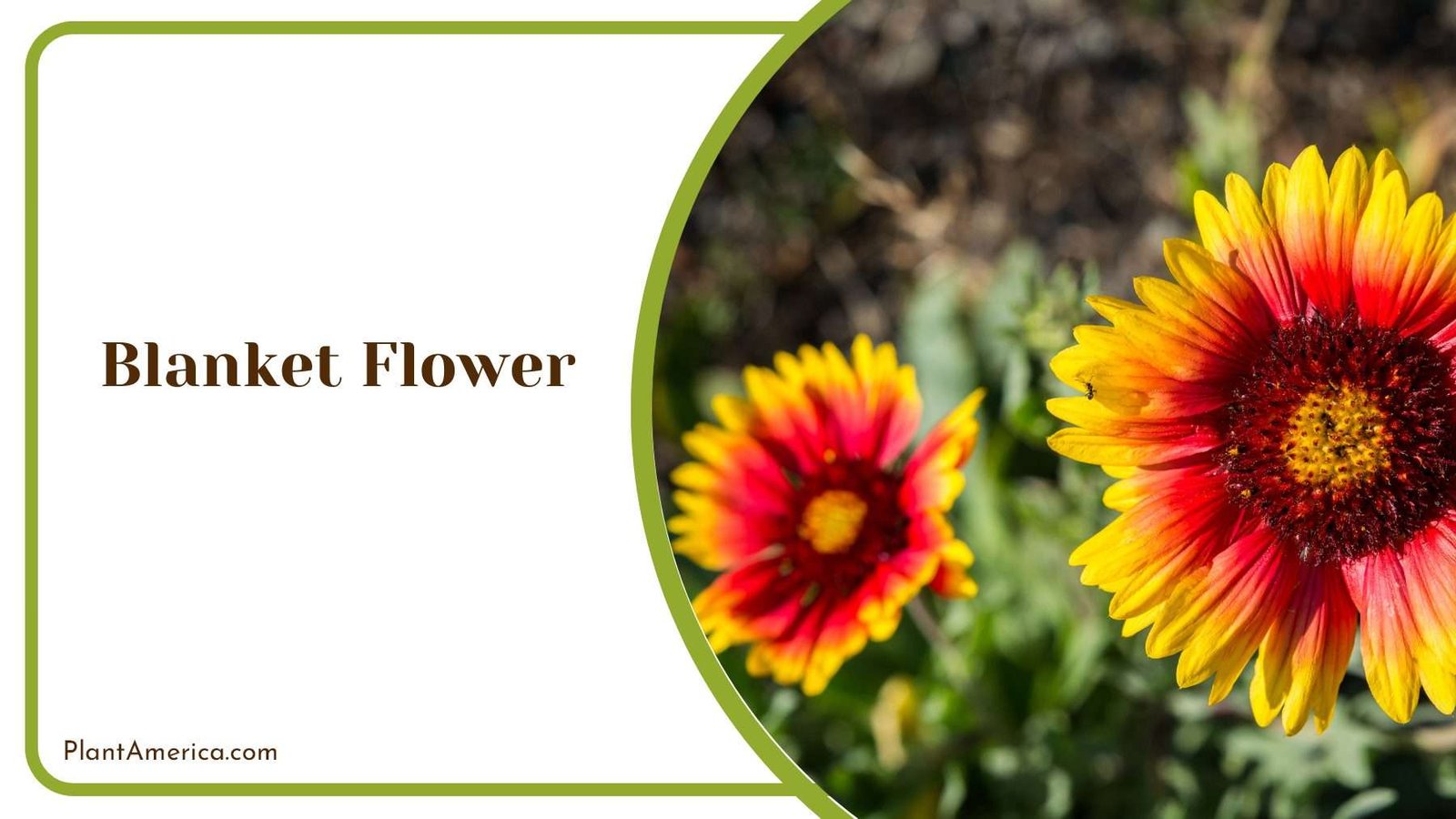
Blanket flowers feature bright, colorful daisy-like flowers atop Basil-like foliage. Common blanket flower species include Gaillardia aristata and Gaillardia x grandiflora.
The stems typically reach two to three feet tall and bear rounded flower heads in red, yellow, and orange shades. Blanket flowers thrive in hot, sunny exposures and lean toward dry soil conditions; once established, they tolerate minimal summer water.
17. Bee Balm (Monarda spp.)
- Growing season: Summer blooming
- Leaf shape: Opposite, Oval leaves
- Specific needs: Full sun, Average to moist soil
- Common pest: Aphids, Spider mites
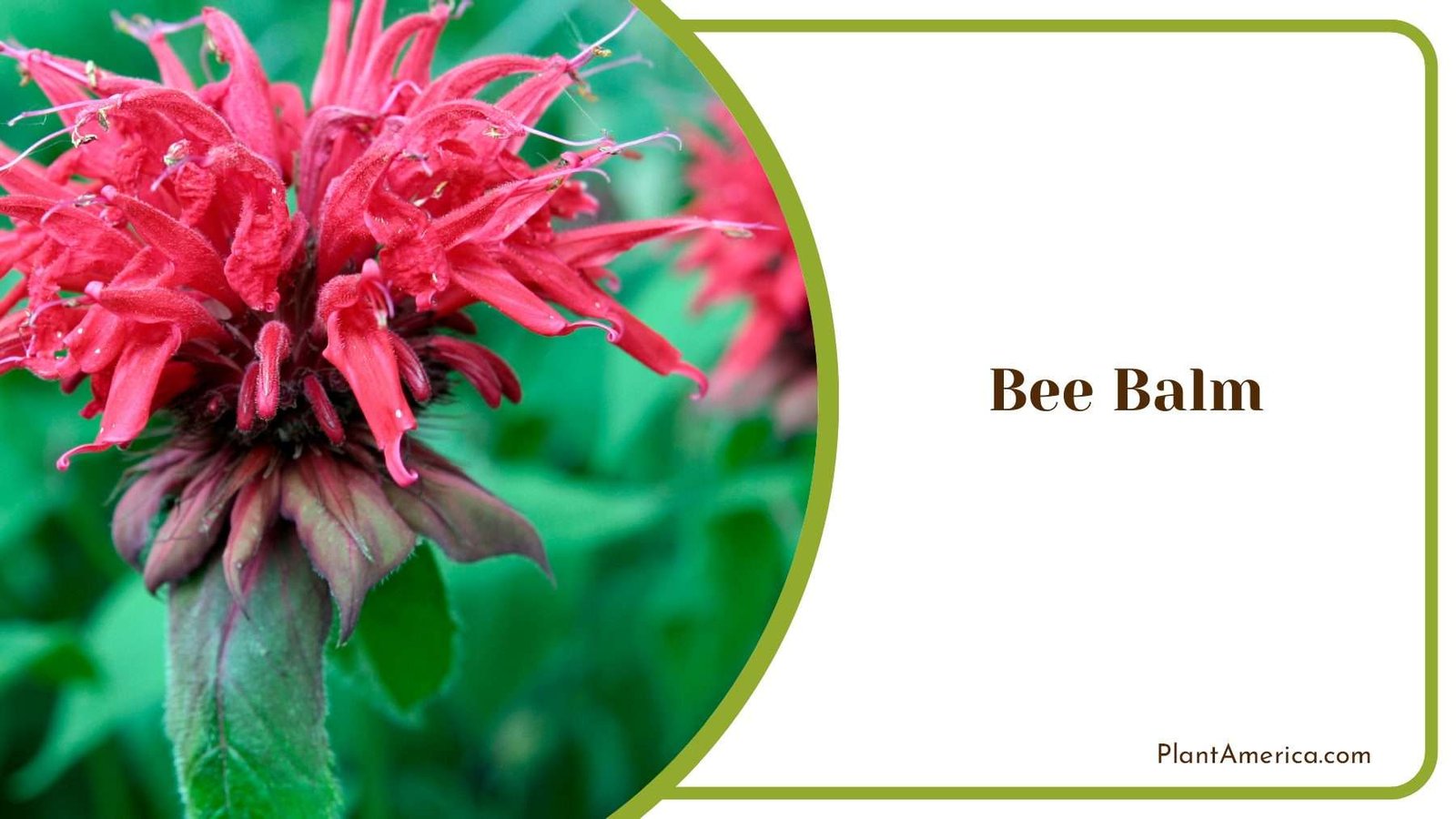
Bee balms are perennial herbs valued for their showy flowers and ability to attract beneficial insects like hummingbirds and butterflies. Common bee balm species include bergamot (M. didyma), Oswego tea (M. citriodora), and Jacob Cline (M. fistulosa).
The stems typically grow two to four feet tall, bearing whorls of tubular flowers in red, pink, purple, and white shades. Bee balms thrive in hot, sunny exposures and average-to-moist, well-drained soil. Their tubular flowers provide abundant nectar for bees and hummingbirds through the summer, earning them the name “bee balm.”
18. Globe Flower (Trollius spp.)
- Growing season: Spring, Early summer
- Leaf shape: Palmate, Lobed leaves
- Specific needs: Partial shade, Rich, moist soil
- Common pest: Mealybugs, Ants
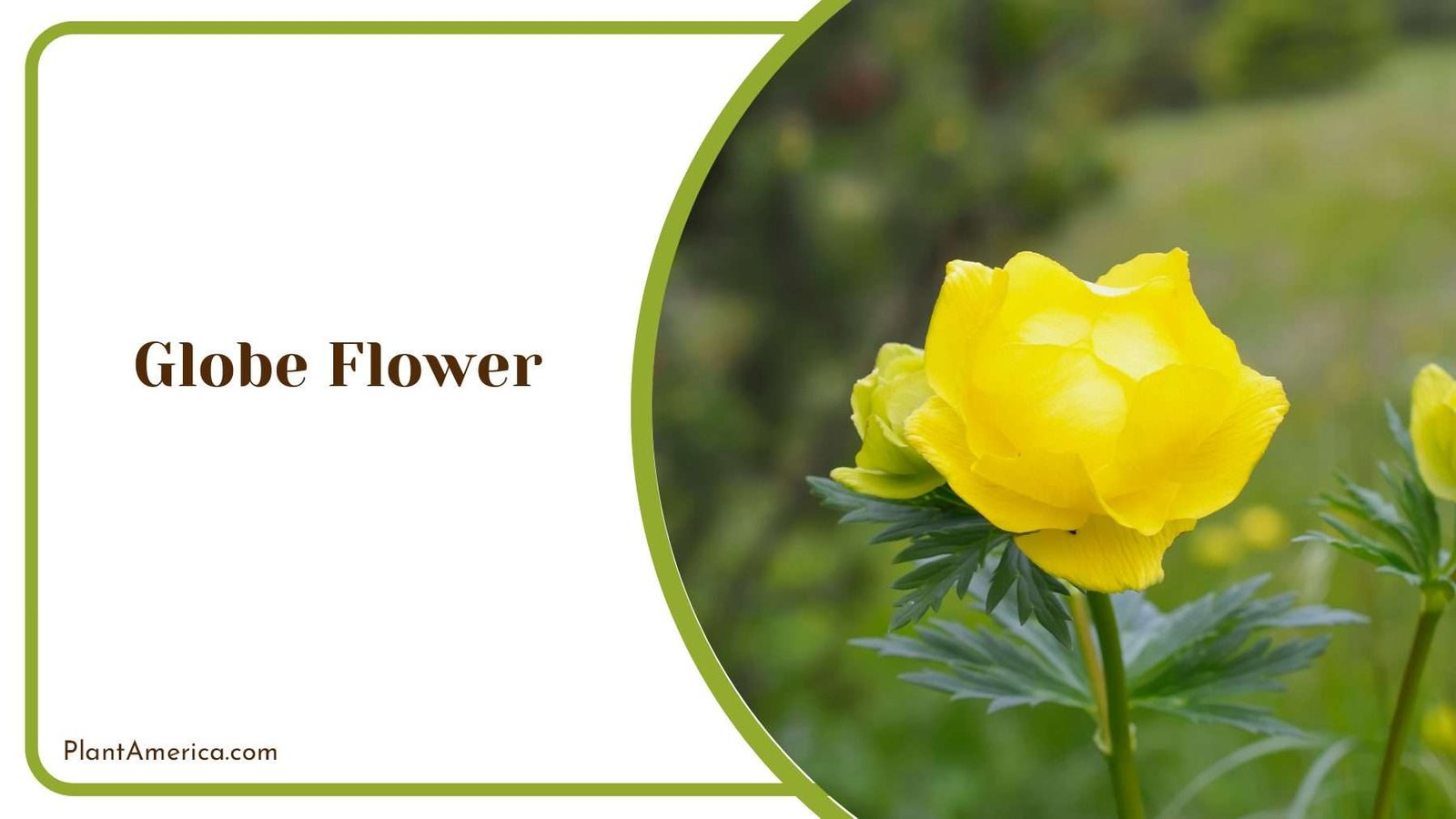
Globe flowers are perennial herbs valued for their showy, spherical flowers. Common species include the Chinese globe flower (T. chinensis) and the European globe flower (T. europaeus). The hairless stems typically reach one to three feet tall, bearing bowl-shaped flowers in shades of yellow, orange, and red.
Globe flowers thrive in part shade and rich, consistently moist soil. The large, rounded flowers resemble those of the related buttercup family and emerge above palmate foliage that remains attractive throughout the growing season.
19. Primrose (Primula spp.)
- Growing season: Spring
- Leaf shape: Basal, Oval to oblong leaves
- Specific needs: Part shade, Rich soil
- Common pest: Aphids, Spider mites
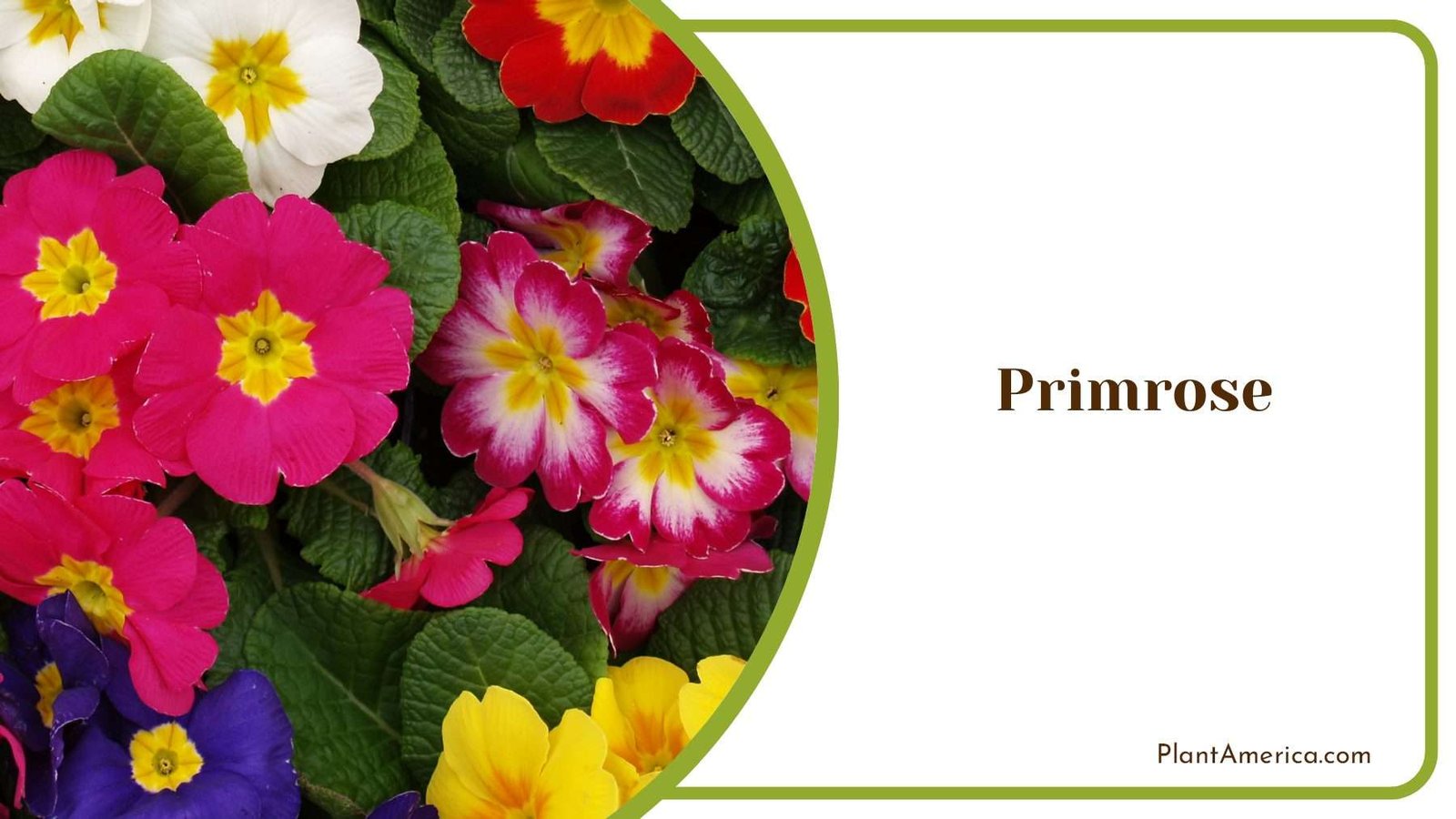
Primroses are perennial herbs prized for their cheerful, early spring flowers. Common primrose species include English primrose (P. vulgaris), candelabra primrose (P. japonica), and Siberian primrose (P. macrocalyx).
The upright stems reach six to 18 inches tall, bearing clusters of tubular to funnel-shaped flowers in brilliant shades of yellow, orange, pink, red, and purple. Primroses thrive in cool, damp conditions with rich, consistently moist soil and part shade.
20. Bottlebrush Buckeye (Aesculus parviflora)
- Growing season: Spring, Early summer
- Leaf shape: Opposite, Palmately compound leaves
- Specific needs: Partially to fully shaded, Consistently moist soil
- Common pest: Beetles, Aphids
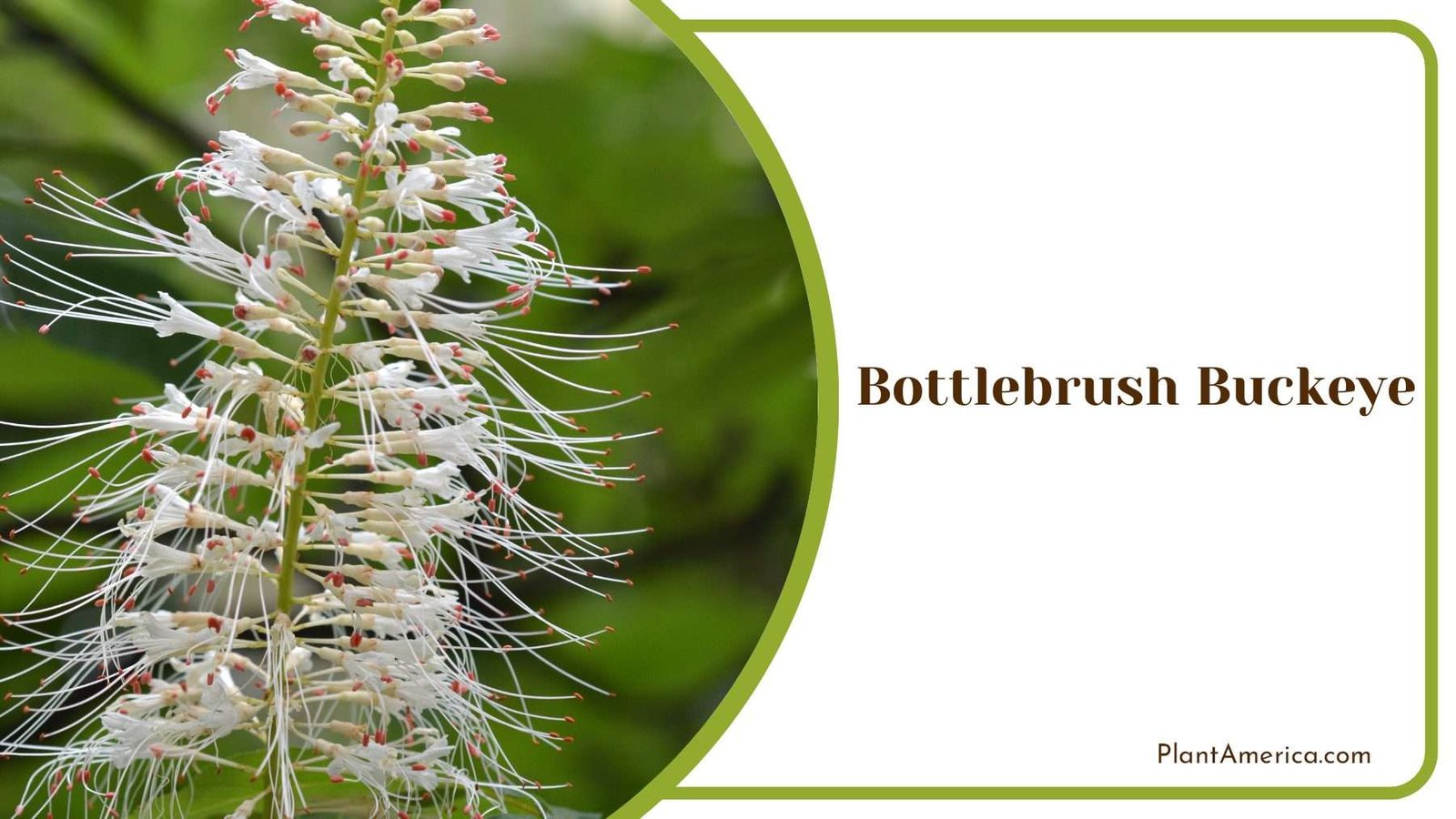
Bottlebrush buckeye features panicles of creamy white flowers that resemble bottlebrush blooms. The stems can reach 10 to 15 feet tall, topped in spring by upright clusters of tubular flowers that dangle from branches like bottlebrush limbs.
The palmately compound leaves emerge as silvery purple, maturing to dark green. A small tree native to moist woodlands, bottlebrush buckeye thrives in partial to full shade and consistently and evenly moist soil. The lightly fragrant flowers attract pollinators and offer an elegant ornamental feature in shady areas.
21. Pasque Flower (Pulsatilla vulgaris)

- Growing season: Spring, Early summer
- Leaf shape: Basal, Hairy leaves
- Specific needs: Full sun, Average to dry soil
- Common pest: Spider mites, Aphids
Pasque flowers are perennial wildflowers valued for their attractive flowers and historical significance as herbal remedies. The stems typically reach 6 to 12 inches tall, bearing bell-shaped flowers in purple, blue, and white shades.
The fuzzy, tufted leaves of pasque flowers form low rosettes at the base of the stems, remaining attractive throughout the growing season. Pasque flowers bloom very early in spring as soon as the snow melts, deriving their common name from Passion Week.
22. Buttercups (Ranunculus spp.)
- Growing season: Spring, Early summer
- Leaf shape: Basal, Palmately divided leaves
- Specific needs: Partial to full sun, Average to moist soil
- Common pest: Caterpillars, Hoverflies
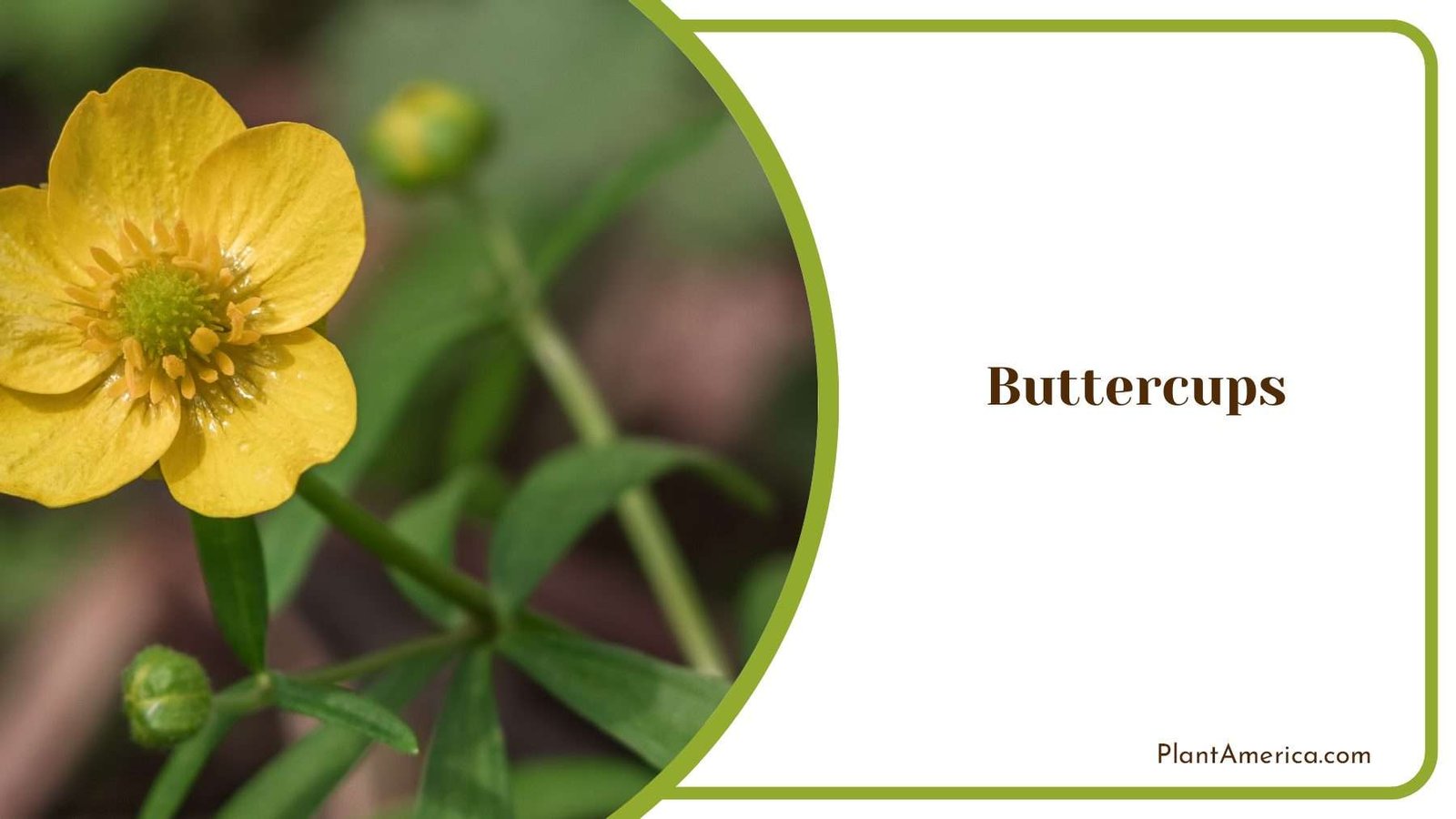
Buttercups are perennial wildflowers known for their bright, yellow, cup-shaped blooms. Common species include meadow buttercup (R. acris), creeping buttercup (R. repens), and celandine buttercup (R. ficaria). The stems typically grow 6 to 24 inches tall, bearing single flowers with 5 to 12 shiny yellow petals.
The basal, palmately divided leaves form a rosette at ground level. Buttercups thrive in part shade to full sun and average to moist soils. They spread vigorously through creeping rootstock, rhizomes, and self-sown seeds. Some species, like creeping buttercup, are considered invasive in North America and should be planted cautiously.
Conclusion
These 22 yellow perennials provide cheerful color, texture, and nectar for pollinators in sunny garden beds.
- Shasta daisy is a classic perennial with large, single daisy flowers ranging from pure white to pink.
- They require little care once established and thrive in hot, sunny exposures with average-to-dry soil.
- Buttercups spread slowly through rhizomes or self-sowing seeds, making them good choices for naturalizing.
- The long bloom time from spring through fall provides continuous visual interest throughout the growing season.
Adding some or all of these sunny selections to your borders and beds will pay dividends for years with their low-maintenance nature and ability to thrive with minimal inputs once established. Take the plunge, rest assured that yellow perennials will brighten your day and your garden!