
How to transplant Jacaranda tree is pretty easy and simple once you learn the right techniques.

Fortunately, we’ve made the whole process as simple as possible without skipping any of the important information, so let’s dive in right now!
Factors to Consider for Transplantation of Jacaranda
Timing, temperature, and watering are just some of the factors we need to look at. Let’s view all of them!
– Best Time to Transplant
The best time to transplant a Jacaranda tree is during its dormant season, usually in late winter or early spring. If you plan to grow Jacaranda with the best survival chances, this is the time period before new growth begins.
– Soil and Fertilization
Jacarandas do best in soil that drains well and has plenty of organic matter. When you’re ready to transplant them, make sure to enrich the new planting hole with compost or organic material to boost soil fertility.
– Watering (Before and After Transplanting)
Before moving your tree, give it a good soak a day or two in advance. Once it’s been transplanted, be sure to water it deeply and on a regular basis to maintain consistently moist soil.
– Temperature Requirements
Jacarandas flourish in warm climates, ideally in USDA hardiness zones 9 to 11. Make sure the new spot for the tree offers protection from harsh cold temperatures.
– Proper Pot (Potting Medium) or Ideal Spot
Make sure there’s enough room for the tree to reach its full size, considering that Jacarandas can become quite large. If you’re transplanting it into a pot, opt for a spacious container with excellent drainage and use a well-balanced potting mix.
– Light Requirements
Choose a sunny spot for transplantation, preferably with at least six to eight hours of direct sunlight each day. Inadequate light can result in poor flowering and overall growth.
How to Transplant a Jacaranda Tree in the Garden

Transplanting a Jacaranda tree in the garden is as simple as picking the right time and preparing the location and the tree beforehand. Once everything is prepped, you can then dig up the tree, transplant it, and provide post-transplant care.
1. Prepare the New Location
Selecting an appropriate site is crucial. Jacarandas need well-draining soil. Check the drainage capacity of the spot. Make sure it gets lots of sunlight; they thrive in full sun. Adequate space is key. Dig a hole twice as wide as the root ball and of the same depth. This space lets the roots spread comfortably. Clear out any weeds or debris in the area; they can hinder growth.
2. Prune the Tree
When you’re ready to prune, start by checking the tree. Look for branches that are dead, diseased, or damaged. If you find any, remove them. These can stress the tree and slow down its growth. Also, don’t forget to trim those long or unruly branches.
Just don’t go overboard with the trimming. The Jacaranda tree likes it better when you do gentle to moderate pruning. This way, you can keep their natural shape intact and encourage strong regrowth. And oh, make sure your pruning tools are sharp and clean. That way, you won’t tear or hurt the branches.
3. Water the Soil
When preparing for a tree transplant, it pays to plan ahead. Start by watering the tree well a day or two before the transplant. This step serves a dual purpose. First, it hydrates the tree, ensuring it’s not parched during the move. Second, it softens the soil around the roots.
4. Dig Up the Tree
Position yourself about a foot away from the tree trunk. This distance ensures that you won’t harm the essential root ball. This root ball is a tangle of roots encircling the tree’s base. It’s crucial because it houses the tree’s root system, which is responsible for drawing in nutrients and maintaining stability.
You’ll need a sharp spade or shovel for this task. Begin by making initial cuts into the soil surrounding the tree. Your first step is to dig a circular trench. Gradually, dig deeper as you go around the tree.
5. Lift the Root Ball
To lift the root ball, position your shovel or spade a foot away from the tree’s trunk. Insert the shovel into the soil carefully, not too deep to avoid root damage. Now, push the shovel gently downwards. Create a circle around the tree. Make sure this circular trench is wide enough for the entire root ball. Keep the shovel at an angle to undercut the root ball as you go.

After completing the circle, remove the root ball carefully. Insert the shovel or a separate spading fork into the trench. Place it beneath the root ball to lift it as a whole. Lift slowly and steadily, applying gentle pressure. Avoid yanking or jerking the tree, as it could tear the roots.
To lift the root ball, you’ll need a few helping hands. One person can grasp the tree trunk, while others support the root ball. Use a tarp or burlap to wrap around it, securing it snugly but not too tight. This wrapping shields the roots and maintains soil cohesion. Once the root ball is securely wrapped, gently raise it from the ground.
Keep in mind the tree’s weight and try to distribute it evenly, so the roots don’t go through unnecessary stress. If the tree’s hefty, think about using a wheelbarrow or a small cart to make moving it easier. When placing it in the chosen mode of transport, make sure it’s well-supported to prevent shifting during the journey.
6. Transport the Tree
During transport, avoid sudden movements or jerks that might jolt the tree and disturb the soil around the roots. Even minor disturbances can harm delicate root hairs. Use a steady hand and a cautious approach to safely relocate the Jacaranda tree to its new home, ensuring a successful transplanting process.
7. Plant the Tree
Make sure that the tree is planted at the same depth it was originally positioned because incorrect planting depth can harm its growth and stability. As you lower the tree into the hole, pay attention to the root orientation.

Gently spread them out in all directions to prevent them from being cramped or bent. This encourages the roots to expand into the nearby soil, establishing a strong base for the tree. While filling the hole with the excavated soil, make sure to pack it down gently but firmly.
Doing so eliminates air pockets that may cause root drying and instability. However, avoid compacting the soil excessively as it could impede root growth and water absorption. Lastly, inspect the tree’s alignment.
8. Watering the Soil
After you’ve placed the Jacaranda mimosifolia tree in its new spot, make sure to water it well. This helps settle the soil around the roots and removes air pockets that can hinder root growth. Water generously, but don’t overdo it, as this can cause root rot.
9. Mulching the Soil
Mulching around the Jacaranda tree’s base brings several advantages. It conserves soil moisture by reducing evaporation. It also prevents weeds from competing with the Jacaranda for nutrients. To do this, apply organic mulch, like wood chips or compost, around the root zone. Just make sure it doesn’t touch the tree trunk.
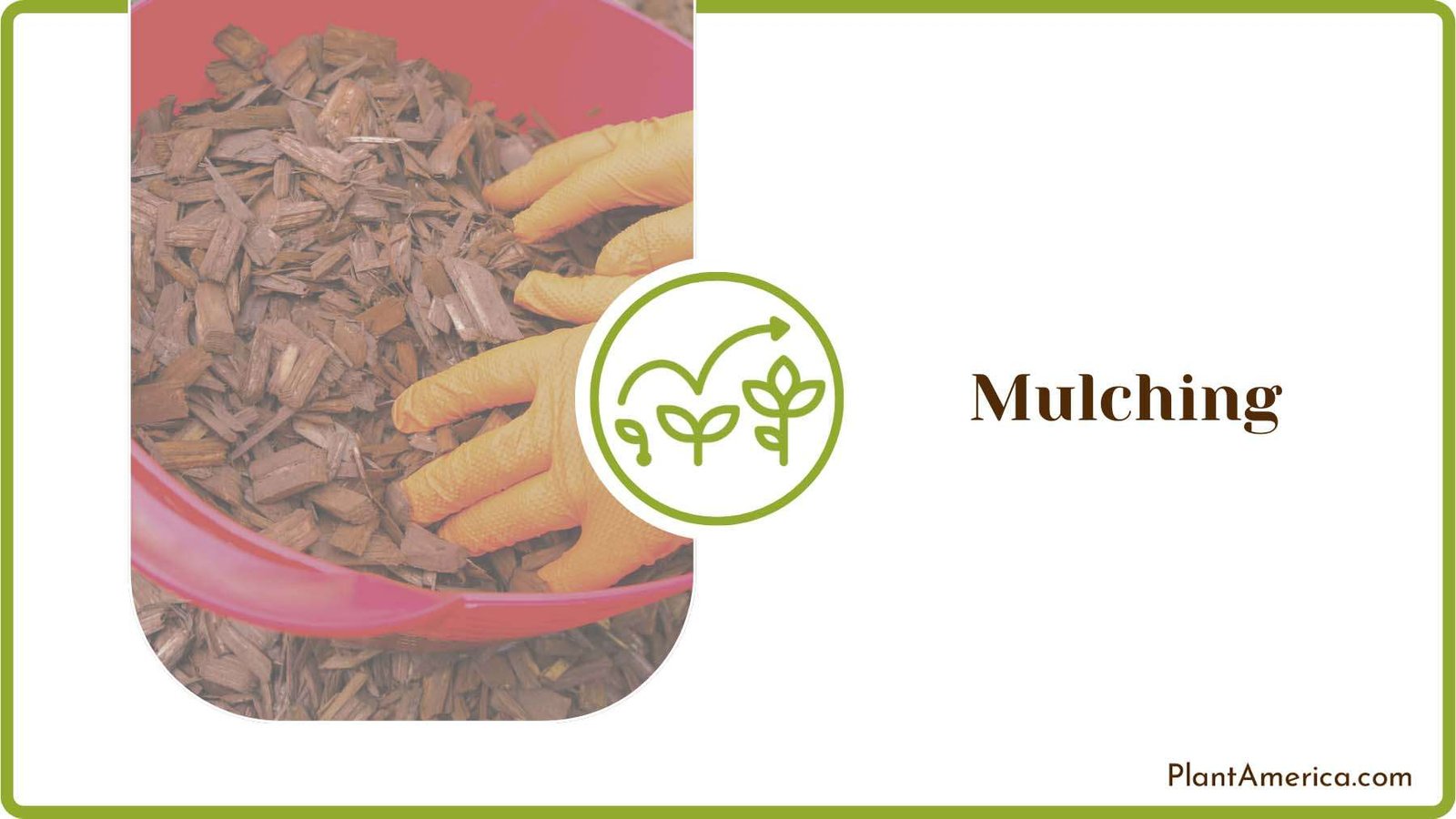
Keep a mulch layer a few inches thick and top it up as needed. Mulch not only conserves moisture but also moderates soil temperature, especially during extreme weather. As it decomposes, it adds essential nutrients to the soil, aiding the tree’s health and growth.
10. Provide Care
Monitor soil moisture diligently. Ensure the soil stays consistently moist, but avoid excessive watering, which can cause root rot. Typically, deep watering once or twice weekly, depending on the weather, suffices.
Shield your Jacaranda from harsh weather. Protect it from strong winds and excessive sunlight, especially in the first few weeks after transplanting, as it’s more vulnerable then. You can use stakes or a temporary windbreak for added stability.
Pruning remains crucial at this point. Keep an eye on its growth and prune when necessary. Remove dead or diseased branches promptly. Proper pruning directs the tree’s energy towards new growth.
Regular inspections are a must during the first year post-transplantation. Be vigilant for signs of stress, like wilting leaves or slow growth. If you spot issues, act promptly. Sometimes, a balanced fertilizer can provide the nutrients needed to support the tree’s health and development.
FAQs
– How Can a Jacaranda Tree Be Transplanted from Seed?
To transplant a Jacaranda tree from seed, plant the Jacaranda seed in a well-draining potting mix or directly in the ground. Maintain a steady level of soil moisture for the first few weeks. Place them in a sunny spot for warmth and sunlight.

When the seedlings reach a few inches in height, it’s time for their final home as part of the process of propagating jacaranda. Make sure the soil is well-prepared, and the location gets plenty of sun.
When you’re ready to transplant them, dig a hole that’s just right for the young Jacaranda’s roots. Be gentle to avoid harming those delicate roots. After transplanting, give them a good soak with water. Keep up with regular watering and care to foster their healthy development.
– How Can a Jacaranda Tree Be Transplanted from Cuttings?
To transplant a Jacaranda tree from cuttings, take semi-hardwood cuttings, about six to eight inches long, from a healthy tree. Next, remove any leaves from the lower part of the cutting. Then, dip it in some rooting hormone. Next, plant it in a pot filled with well-draining soil.
Now, place the pot in a warm and bright location. Remember to keep the soil consistently moist. After a few months, when the cutting develops roots, it’s time to transplant it. Choose a suitable spot in your garden or chosen location. Ensure the site has well-draining soil and receives full sun. Don’t forget to water the transplanted cutting thoroughly. Continue to care for it as it establishes itself in its new environment.
– How Much Space Does a Jacaranda Tree Need?
A Jacaranda tree needs quite a lot of space to grow to its fullest potential. Make sure that there is enough room for it to spread its branches and roots when growing Jacaranda tree. A mature Jacaranda has a wide canopy, often spanning over 30 feet.
When choosing where to plant one, keep this size in mind. These trees also possess extensive root systems that spread widely. To avoid root damage, it’s advisable to plant them at least 10 to 15 feet away from buildings, sidewalks, and other structures.
This spacing ensures the tree receives sufficient sunlight and minimizes competition with neighboring plants. Additionally, giving it ample space supports the tree’s overall health and allows its magnificent purple blossoms to shine brilliantly.
Conclusion
Now that we’ve covered the whole process extensively, let’s go over the key points before we finish:
- Transplant in late winter or early spring for best results.
- Take care not to damage the roots during transplanting.
- Maintain consistent soil moisture, especially in the early stages.
- Prune before and after transplanting to promote healthy growth.
- Growing Jacaranda trees means giving enough space for them to grow and thrive.
Use these techniques whenever planting Jacaranda, and it’ll thank you for your effort!