
Pothos brown tips indicate that your plant is experiencing some challenges. Whether it’s due to watering inconsistencies, adverse environmental conditions, or diseases, understanding these causes is essential.
 Don’t worry; we will shed light on these issues and offer simple solutions in this blog. So, stay with us for expert insights and practical tips to help your pothos thrive.
What Are the Primary Causes for Pothos Brown Tips?
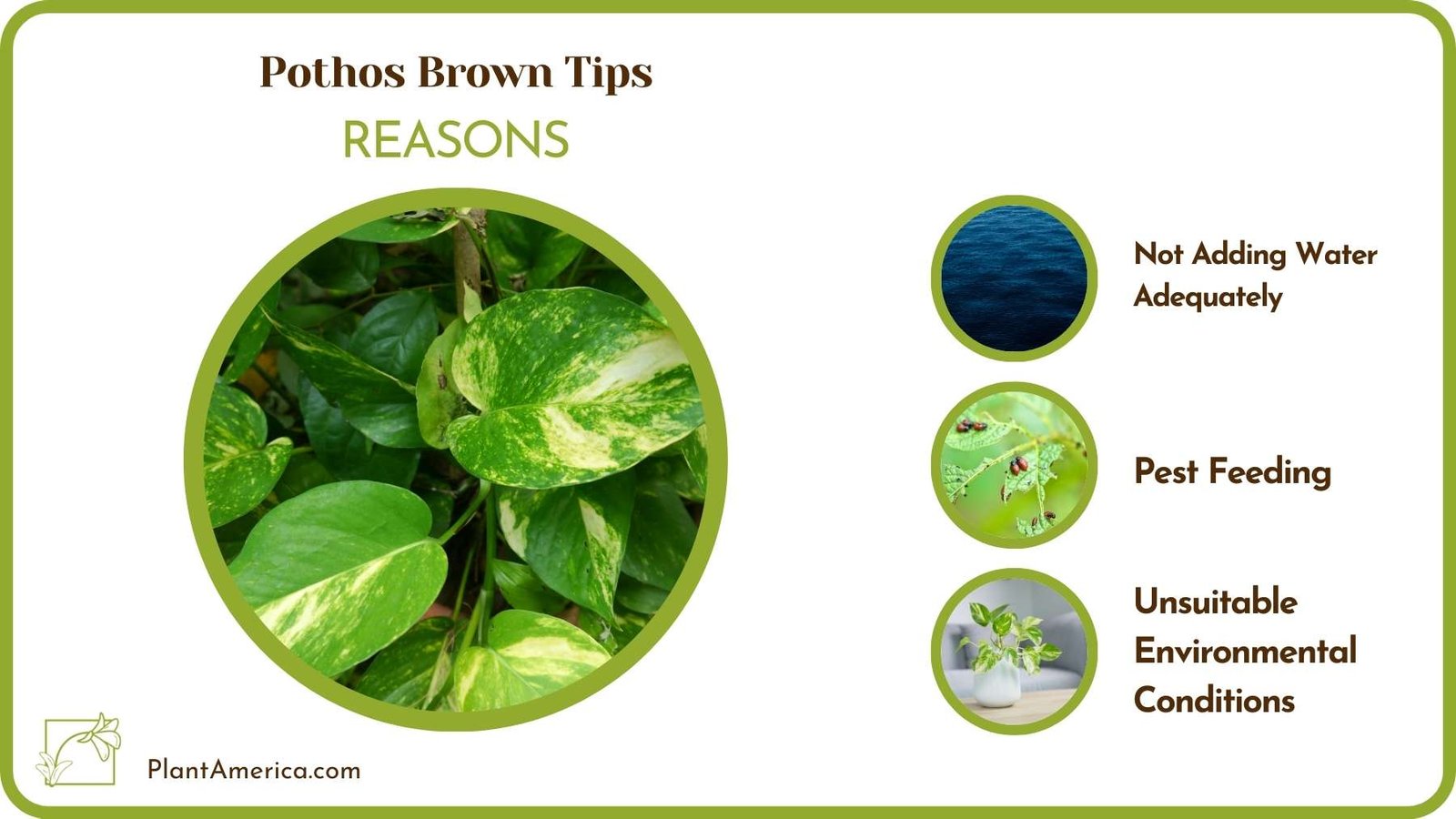
The primary causes for pothos brown tips include inconsistent watering, harmful pests, and unsuitable environmental conditions. Some plant diseases, like leaf spot, can also lead to browning. Furthermore, issues like overfertilization and transplanting stress can also lead to a change of color.
– Not Adding Water Adequately (Water Stress)
People often ask, “Why are pothos leaves turning brown in water,” the answer often lies in how they are watered. You see, plants express their needs in various ways. When leaves begin to show signs of distress, such as pothos leaves curling or developing brown spots, it’s their way of communicating a possible watering issue.
Watering isn’t just about quantity; it’s also about consistency. An overwatered pothos might face root rot. On the other hand, under-watering can cause the plant to become thirsty, leading its leaves to curl and tips to turn brown.
The type of water matters, too. Sometimes, the chlorine and minerals in tap water can be too harsh for the sensitive roots of the pothos, causing them to react adversely.
– Pest Feeding: Another Leading Browning Reason
Seeing pothos leaves turning brown and dry is heartbreaking, but such a symptom often indicates a pest problem. Different pests attack pothos in various ways. Some pests suck the life out of leaves, while others might chew on them. Over time, this persistent pest activity causes the leaves to lose their lush green appearance, turning them brown.
– Unsuitable Environmental Conditions
Are you facing problems like browning leaves or pothos leaves turning brown and yellow? The main reason for these problems is the environment they are in. Remember that pothos plants come from warm areas. If they feel cold drafts in the room, they will react and can turn yellow.
So, when you see pothos brown tips turning yellow, you should consider where the plant is. Is it near a window where cold air comes in? If yes, you might want to move it.
– Diseases: Common Cause of Pothos Turning Brown
If you see your pothos brown tips turning brown, it might have a disease. There are a few infections that pothos can get, and the most common one is bacterial leaf spot. This disease will make small brown or black spots on the leaves. After a while, the whole leaf can turn yellow and fall off.

Another bad disease is bacterial wilt. It can make the entire plant wilt in a few days. But bacteria are not the only problem. The fungus can also hurt pothos. Fungal infections can cause black to brown spots on the leaves. These spots can grow and make the leaf look very bad.
The worst fungal problem is root rot. It starts in the roots, where you can’t see it. It has already hurt the plant a lot by the time you notice. The leaves and stems will turn brown, and the plant might die.
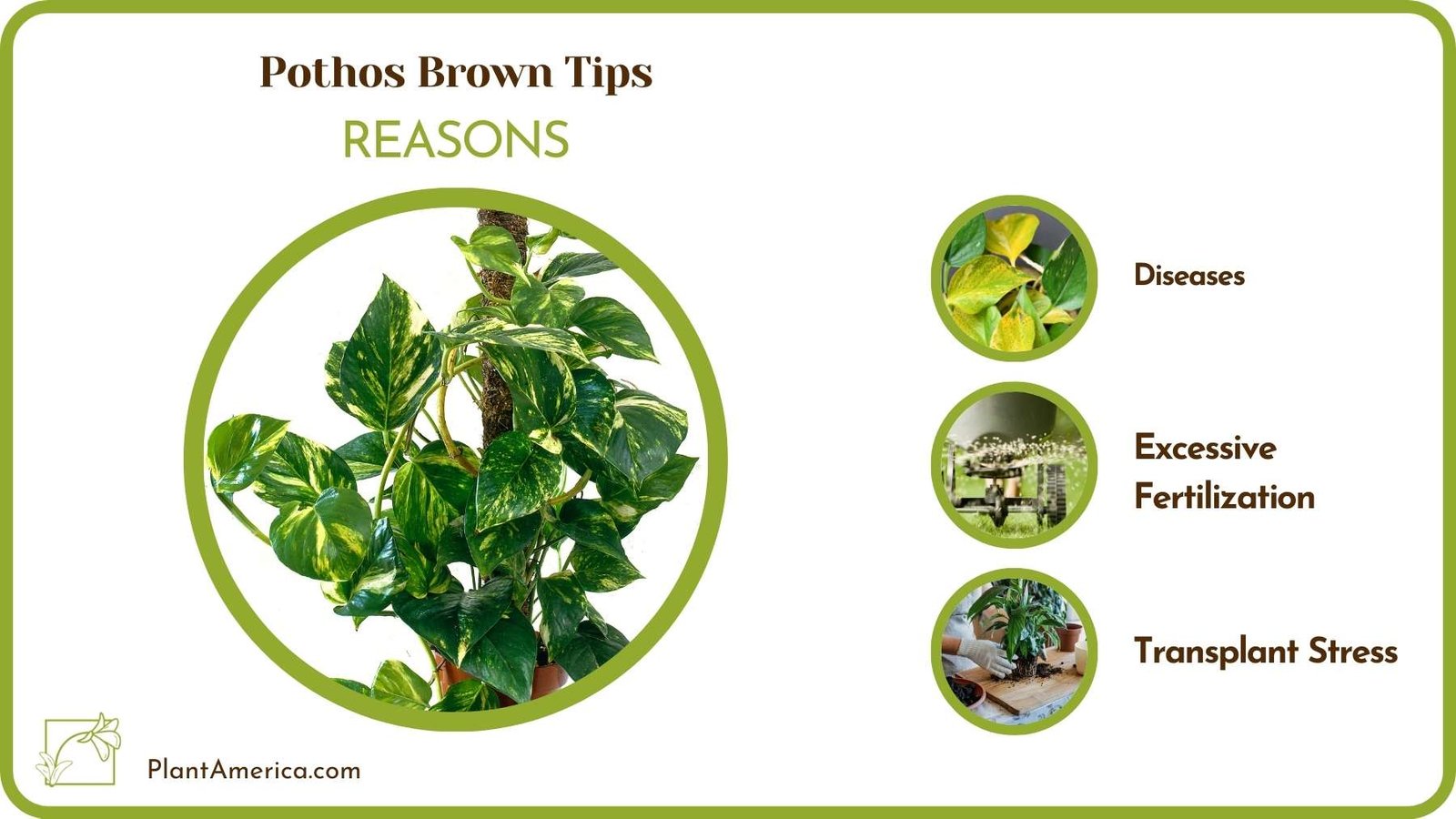
– Excessive Fertilization: Flooding the Soil With Nutrients
Sometimes, we might give the pothos too much fertilizer. When this happens, problems can start. One of these problems is satin pothos brown tips. It’s a sign that the plant has had too much to eat.
Here’s what happens: When you add too much fertilizer, it can hurt the roots. It is called fertilizer burn, where roots can’t do their job well. This means the leaves can’t get what they need and eventually turn brown.
– Transplant Stress (Post-Repotting Stress)
One big question many ask is, Why are pothos brown tips yellow after repotting? Here’s the thing. Pothos plants have roots that are used to their old pot. When you move them to a new pot, these roots can get shocked and need time to adjust.
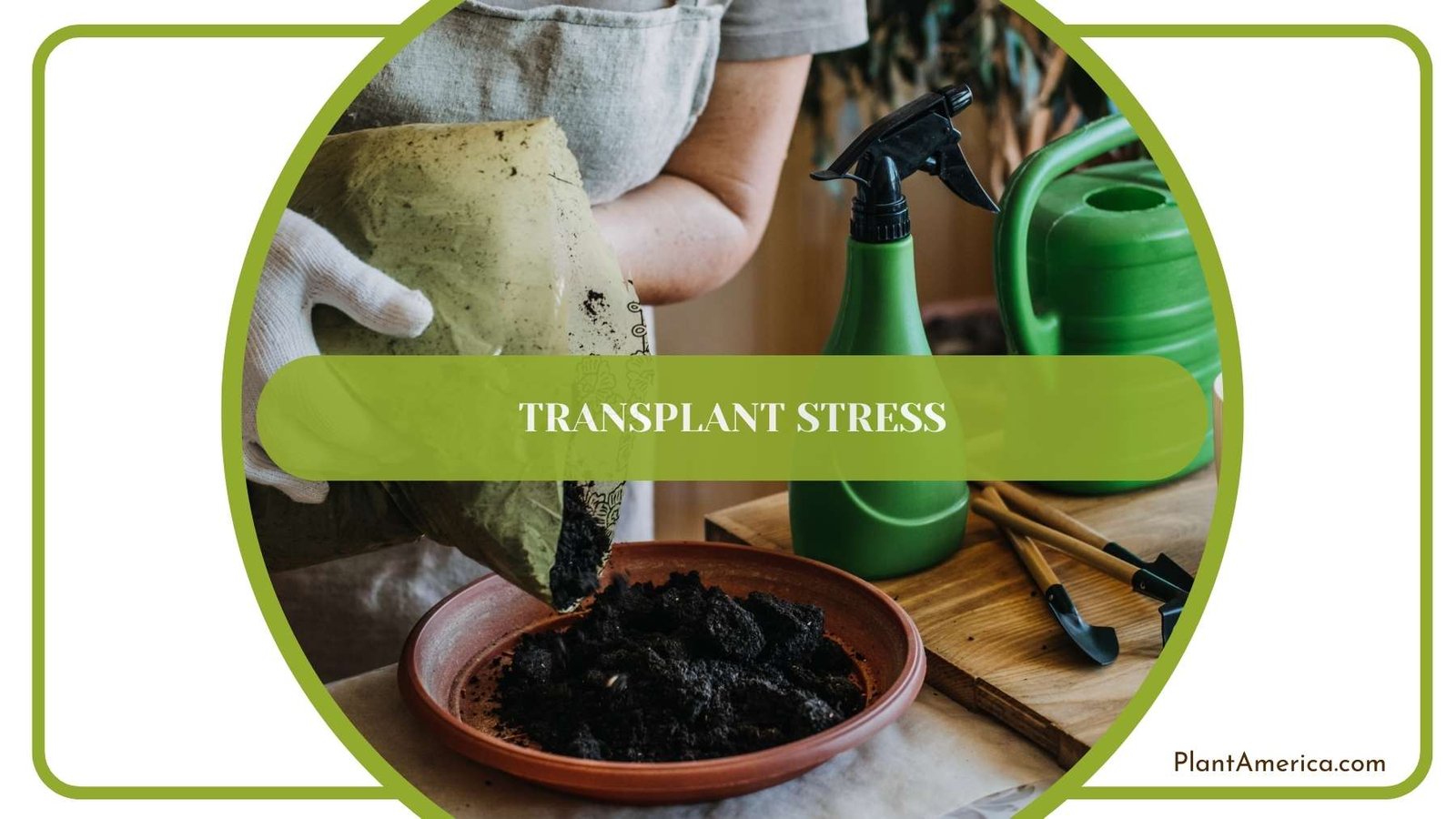
During this time, they might not work as well as before. This means the leaves might not get enough water or food. And when this happens, you can see brown spots on the leaves. When you see more signs of stress, you should take extra steps to help it, which is what we’re now discussing.
How to Stop Pothos Tips from Getting Brown
– Focus on Watering Issues First
One of the primary measures in preventing the browning of pothos tips is to address the plant’s watering needs. Establishing a consistent watering schedule is essential to ensure a healthy plant.
Watering isn’t just about quantity; it’s also about timing. Pothos don’t like to sit in waterlogged soil but don’t thrive in overly dry conditions. You’ll want to find a balance.
To get it right, checking the soil regularly is a good idea. Stick your thumb into the soil about an inch deep. If it feels dry, it’s time to water pothos. If it still feels moist, wait a few days and check again. Moreover, pothos prefer well-draining soil, so ensure the pot has many drainage holes (to prevent excess liquid from sitting at the bottom).
– Ensure Ideal Growing Conditions When Leaves Turn Brown
A vital part of preventing browning pothos leaves involves providing the plant with its preferred growing conditions. While pothos is a hardy plant and can tolerate various conditions, it thrives best when its specific needs are met.
First, let’s talk about humidity. Pothos plants, native to tropical environments, enjoy higher humidity levels. If you live in an area with dry air, especially during winter, your pothos might not get the moisture it craves.
Temperature plays a role, too. Pothos prefers a stable room temperature. Rapid fluctuations can stress the plant, leading to issues like browning tips. It’s best to keep your pothos in a spot where the temperature is consistently between 65 to 75 degrees Fahrenheit. Avoid placing the plant near radiators, heaters, etc.
If all conditions are ideal, you’ll soon notice the leaves turn green and vibrant again.
– Place Plants in a Suitable Spot
The placement of your pothos can make all the difference in its health and vitality. Many first-time plant owners believe plants need light to grow, so placing them in direct sunlight is the best option. But that’s not always the case, especially with pothos.
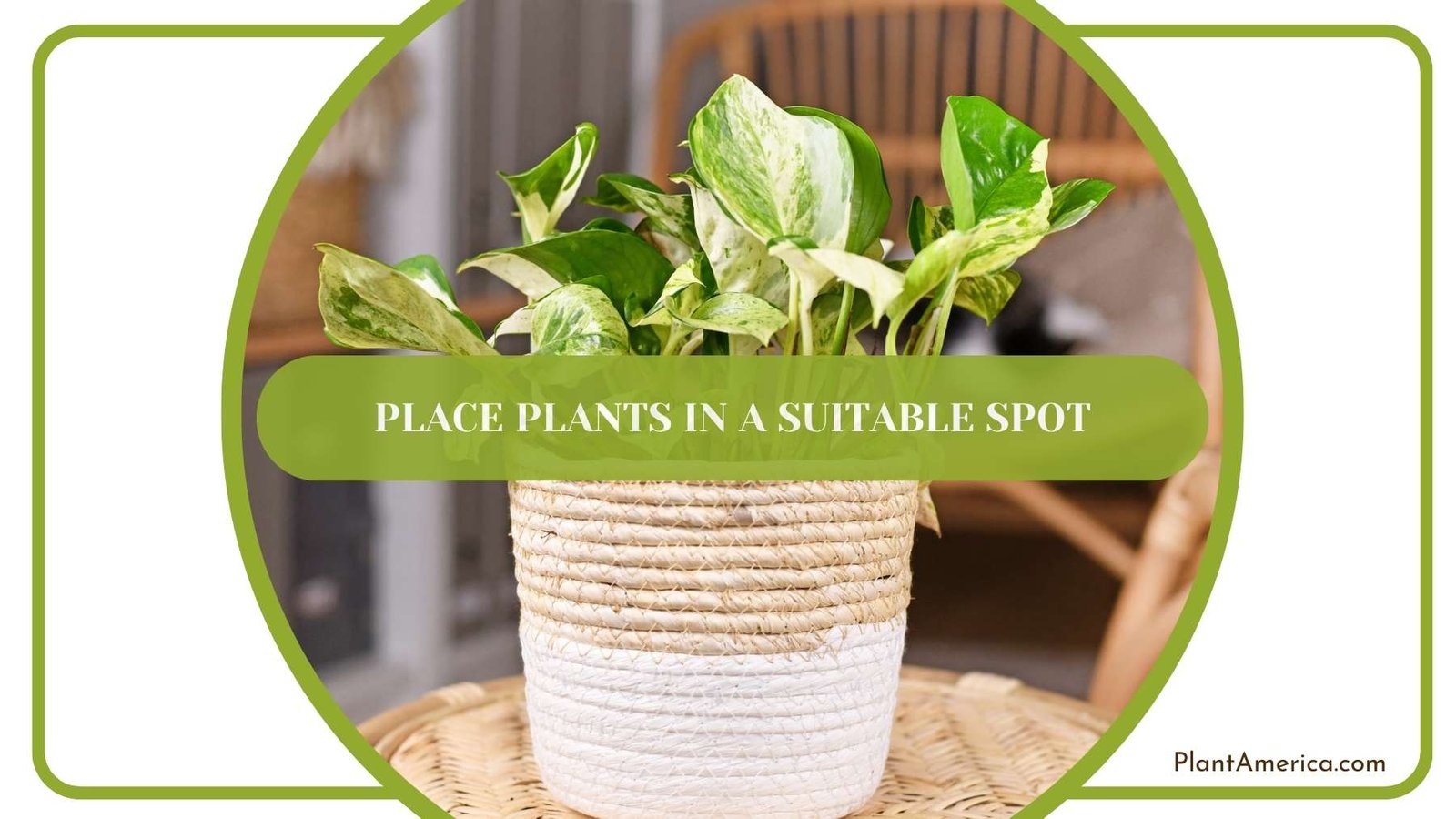
These plants prefer indirect light. Direct sunlight can scorch their leaves, leading to browning tips or even entire brown patches. Instead, choose a spot where your pothos can enjoy the brightness without the harshness of direct rays.
Ideal locations include near north or east-facing windows or even a few feet away from a south or west-facing window. The same goes for other common pothos buddies, like Epipremnum pinnatum, Scindapsus, Marble Queen, and Devil’s Ivy.
– For Pest Infestations, Use Neem Oil
When pests appear, tackling the issue head-on is essential. One of the most effective and natural remedies is neem oil. This oil acts as a repellent and a pesticide, driving away pests and killing those already on your plant. It’s beneficial for dealing with common culprits like spider mites and aphids.
Mix a few drops of the neem seed oil with water in a spray bottle to use neem oil on your pothos. Shake well and then spray your plant, ensuring you cover every section. Repeat this treatment once a week until the pests are gone.
– Remove Brown Pothos Leaves
One of the simplest yet most effective methods to rejuvenate the look and health of your pothos plant is pruning. First, identify which leaves or tips have turned brown or seem unhealthy. Next, cut brown leaf tips or the whole leaf using sharp scissors.
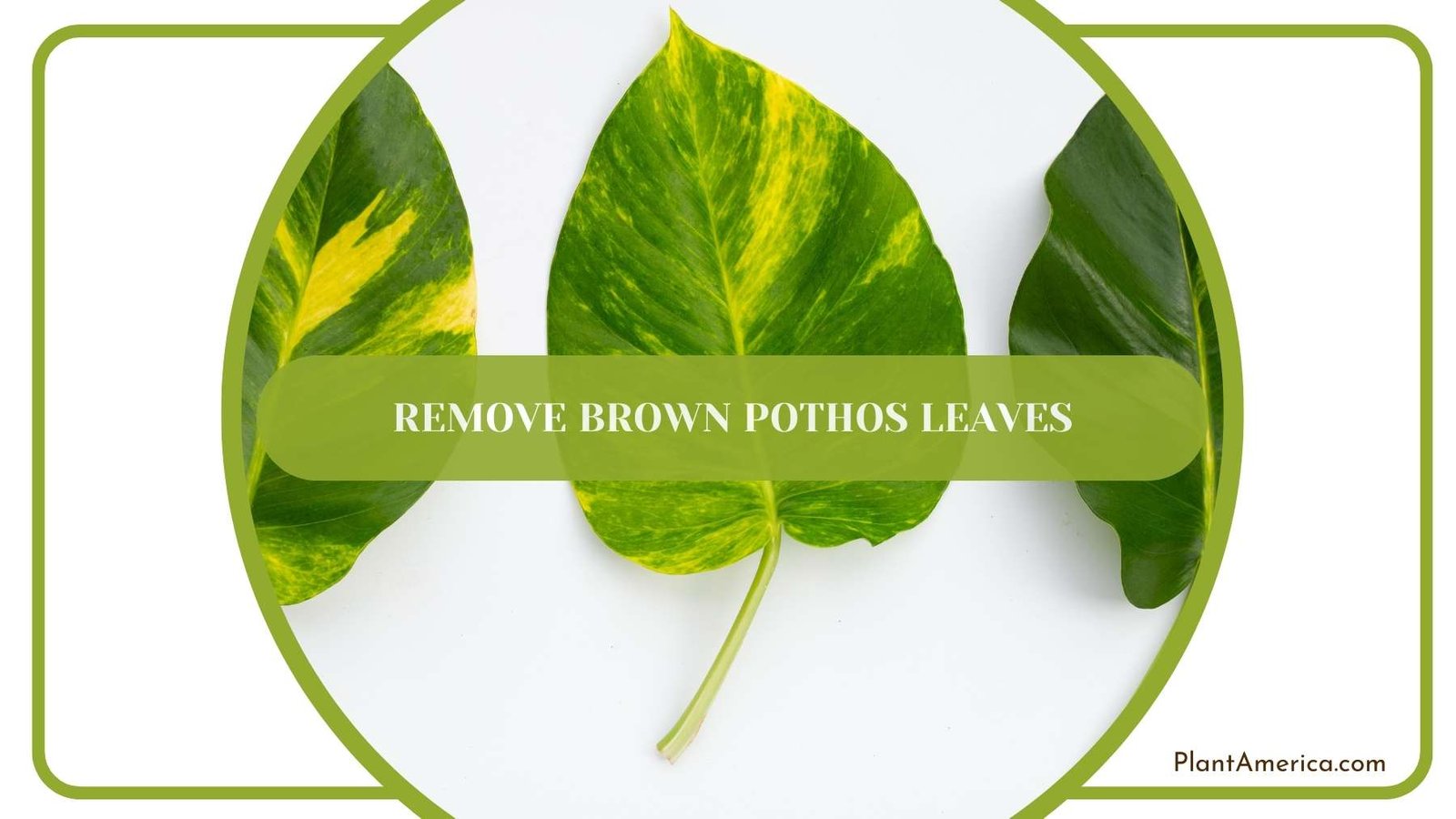
It’s essential to make clean cuts to ensure the plant heals correctly. This action will redirect the plant’s energy to the healthier parts, promoting new growth and ensuring the plant remains vibrant and lush.
– Manage Diseases Properly
If you notice one of your plants showing signs of disease, immediately separate it from your other plants. The reason is that infections can spread quickly, and this step helps protect the rest of your plant family.
After this, take strict steps to cure the disease. Some might require specific fungicides, while others might need more natural solutions like neem oil or changing the plant’s environment. It’s essential to strictly follow the recommended treatments from your plant care guide.
– Fertilize According to the Label Instructions
Fertilizers are essential for providing our plants with the vital nutrients they need. However, misusing them can cause more harm than good. Often, when pothos are over-fertilized, one of the clear signs is leaves turning yellow.
To prevent such issues, always stick to the label’s guidelines. The reason is that manufacturers have conducted extensive tests to determine the best dosage for plants, and it’s crucial to trust their expertise. When you use the right fertilizer, your pothos will thrive, showcasing vibrant green leaves.
– Deal Transplant Shock Smartly
Dealing with transplant shock is super easy. For this, you can do the following:
- Add small doses of water daily to encourage the roots to start working.
- Apply commercially prepared rooting hormones.
- Manage light conditions.
Remember, plants are resilient, and with the proper care, they can bounce back from most challenges.

Conclusion
All in all, inconsistent watering, pests, unfavorable environmental conditions, diseases, etc., often cause brown spots on tips. Luckily, you can fix these problems by doing simple things. To ensure your pothos plants thrive and stay green:
- Adjust your watering habits to meet the plant’s needs.
- Regularly inspect for pests and treat them promptly.
- Use fertilizers wisely and consider the plant’s nutrient requirements.
- Prune out completely brown leaves, allowing plants to divert resources to keep other leaves healthy.
That’s all! Your pothos will survive and flourish beautifully if you follow these simple guidelines.