
Watering a poinsettia correctly is one of the ways to make it thrive. It is one of those plants where you will need more than random watering to keep it happy. Poinsettia requires the right techniques to grow.
In this article, we will tell you all there is to know about how to water your poinsettia and care for it.
How Do You Water a Poinsettia?
💥 You can water a poinsettia by feeling the top of the potting soil. If it’s dry, it means that the plant needs water. However, be careful not to overwater the plant. If you lift the pot and it feels light, the soil is probably excessively dry.
The potting soil should be kept damp but not soggy or dripping wet. Check the plant daily for safety, as potting soil can dry quickly in warm, indoor air. Soon, you’ll know how much water the plant requires without having to check as regularly.
Poinsettias are little bushes that grow naturally in Mexico‘s deciduous tropical woods, but they are best known for adding color to our homes during the winter holidays. Although these traditional beauties are easy to care for, the way to water poinsettia plants can be tricky. Therefore, make sure the following conditions are met for good watering:
– Make a Drainage Hole
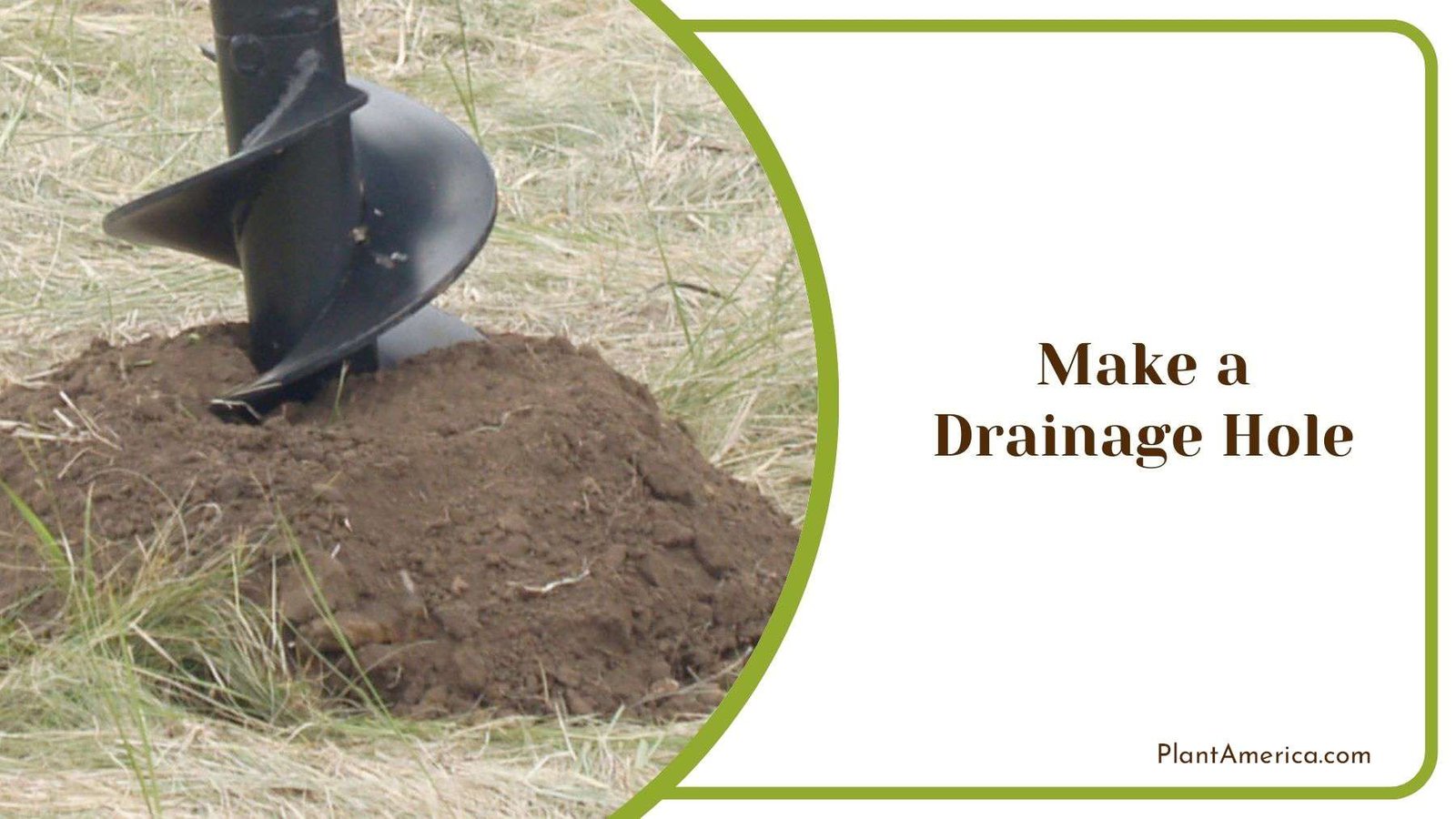
When you bring the poinsettia home, inspect the bottom of the pot. If the pot still needs to get at least one drainage hole, make one as soon as you can. If the pot cannot drain, the roots will decay quite soon after your ritual of watering poinsettias.
– Remove Any Foil or Covering
Removing any decorative foil may make the poinsettia happier, as the foil may hold water after poinsettia watering, which can damage the plant. If you don’t want to remove the pot’s beautiful wrapper, thoroughly drain the foil after each watering.
– Don’t Oversaturate
The best approach to water a poinsettia plant is to place it in the kitchen sink and slowly wet it until water drops through the drainage hole. Allow the pot to stand till all the extra water leaves. Never make the pot sit in water too long.
– Water as per the Location
The frequency with which you must water your poinsettia is determined by its size and location. Smaller plants and those in hotter climates may require daily watering.
Check your poinsettia regularly to determine how frequently it needs to be watered, and keep in mind that conditions will change throughout the year. When the room temperature drops, larger plants will require less watering.
– Keep Them From Staying Dry for Too Long
Make sure your poinsettia doesn’t dry out between sessions. Your poinsettia is thirsty if you dig your finger about a centimeter into the dirt, and it feels bone dry. You’ll also notice that the plant is unusually light, so smaller pots are easily knocked over.
How Do You Care for a Poinsettia?
You can care for a poinsettia through adequate watering, fertilizer use, meeting light requirements, and maintaining a comfortable temperature for the plant. Pest control is also an important part of the caring regime for poinsettia, while pruning encourages it to grow to its fullest potential.
1. Proper Lighting and Temperature
Temperatures varying between 65 and 70 degrees Fahrenheit are best for poinsettias. Most will be kept as indoor houseplants, though they can be grown outside in warmer climes. Poinsettias do well in bright, humid conditions but not in direct sunshine, which can burn the foliage.

How much light does a poinsettia need? Your poinsettia should be positioned where it will receive regular indirect sunlight, or at the very least, where the sunshine will be less intense, such as an east-facing windowsill.
Your plant should also not be exposed to significant temperature variations, so avoid placing it near one of the finest space heaters or a drafty door. This can impede growth and harm the plant.
2. Keep the Pests Away
Unfortunately, poinsettias, like any other houseplant, are susceptible to pests, so keep an eye out for any unexpected visitors. Whiteflies are the most frequent of all pests. These tiny, flying insects resemble white spots on the underside of leaves; they eat sap, causing damage to the leaves and the plant as a whole.
To get rid of Whiteflies, purchase a suitable insecticide, such as Neem Oil, and apply it according to the manufacturer’s instructions. If you detect pests on your poinsettia plants, quarantine them and move them away from your other plants until the problem is rectified.
3. Use the Right Soil
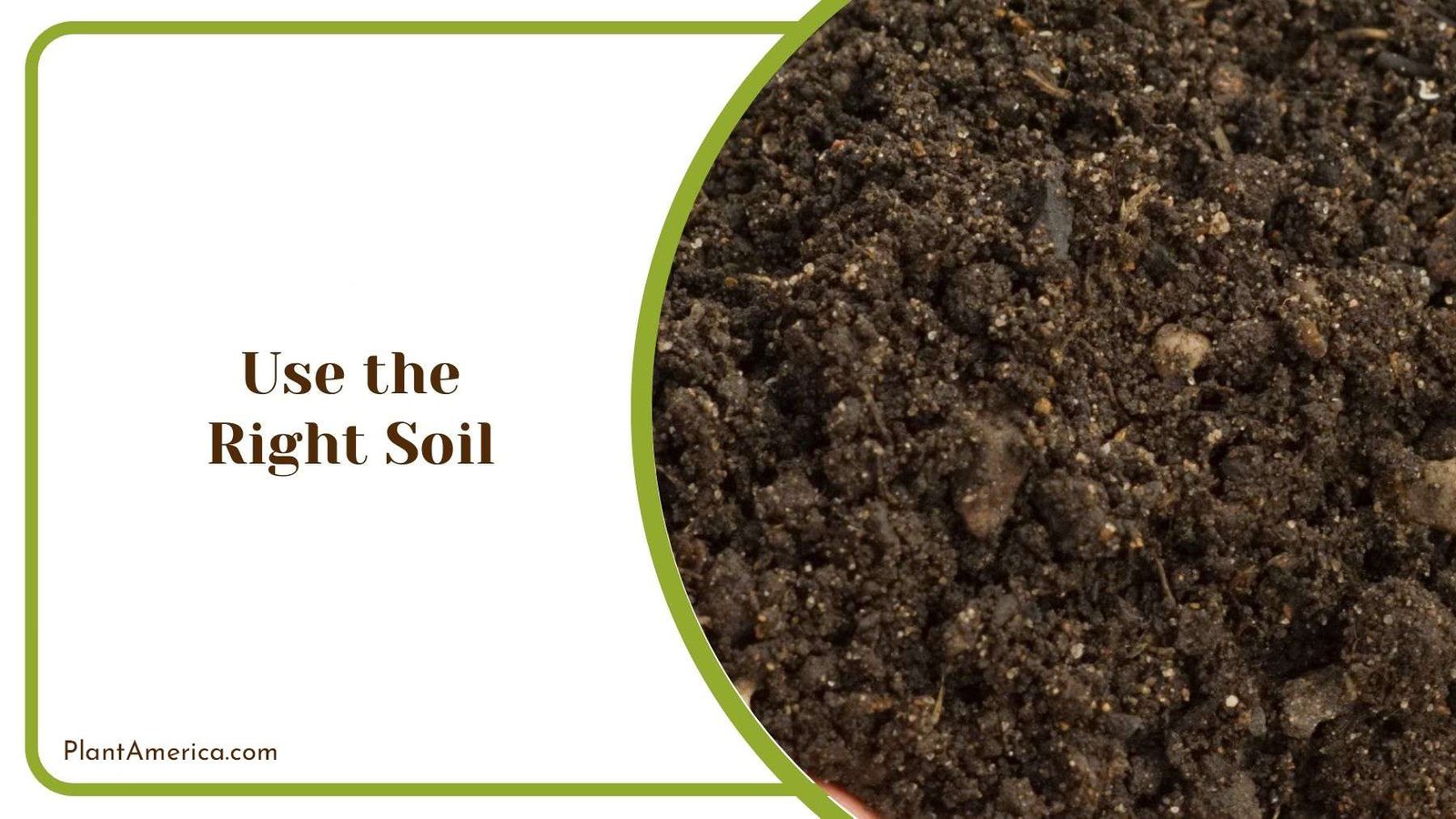
Your poinsettia should be potted in adequate houseplant soil. This guarantees that your plant has access to the nutrients that it requires. The pH should be slightly acidic, ideally between 5.8 and 6.5. You can always use a soil test kit to assess the conditions.
When your poinsettia is poised to develop, repotting is best done in the spring or early summer. If you acquire one around the holidays, avoid repotting it right away. If you discover it has gotten root bound, with roots sprouting from the pot’s drainage holes, repotting will be required.
If so, transfer it to a 2-inch wider clay pot. Terracotta is preferable to plastic because it is more permeable and allows the soil to dry faster. It also improves your plant’s access to oxygen. Ensure it has at least one drain hole via which water can flow.
4. Correct Pruning
When your poinsettia loses its crimson bracts in early spring, it will require pruning. You may do this using a pair of the best pruning shears. Remove any noticeable dead foliage first, then cut back the branches to around 4-6 inches.
This may appear severe, but giving your poinsettia the best chance of growth is necessary. Remove any diseased branches and leaves, and always prune at a diagonal angle so that water runs off the cut in the future.
If you want to encourage more red bracts on your poinsettia, trim it in late summer. This is a gentler pruning than you had to do in the spring, with only the ends of the shoots removed and three or four leaves remaining on each branch.
5. Grow Them Again for Next Year
To grow additional flowers and crimson bracts on your poinsettia next year, place it in total darkness for 14 hours each night for around six weeks. That means you’ll have to start working on it in October if you want it to bloom for the holidays.
Some people will transfer the plant to the garage or basement during this period, while others will cover it up. You must follow the routine and avoid exposing the plant to too much temperature variation.
You can reintroduce typical light conditions to your poinsettia when the blooms blossom. Remember that the bracts are unlikely to look as nice as they did when you first received your poinsettia, but it’s still a rewarding experience.
6. Place Them in the Appropriate Corner
Poinsettias grow best in well-drained, slightly acidic soil. Choose a place that receives full sun to partial shade and is wind-protected.
To have blossoms in the fall and winter, they must also have complete darkness at night. This also answers many homeowners asking, “When should I put my poinsettia in the dark?” Keep them away from situations where they will be exposed to the ambient interior or street lighting. They can grow tall, so give them lots of room, or they will crowd out your other plants.
7. Choose Your Vendor Carefully
The greatest poinsettia care advice, like those for other festive plants like the Christmas cactus, start from the beginning. Purchasing a plant in good condition is critical if you want it to endure as long as possible.
Stick to respected stores or garden centers where plants are more likely to have been properly cared for. Be mindful of outside stores or booths because lower temperatures will shorten the plant’s shelf life.
Check for withering leaves, which indicate that it was kept in too chilly circumstances or an overwatered poinsettia. Avoid ones displayed near a door, as they will simply not last because they have been displayed.
Before you buy, inspect the compost to ensure it is neither dripping wet nor completely dry, and examine the leaves and blooms. Lush foliage and yellow-green budding flowers in between the colorful bracts are a sure sign of quality.
8. Transport With Caution
Handle the poinsettia with care, avoiding rough movements. After purchase, carry it swiftly home and avoid leaving it in the car for an extended time. Choose a bright, warm location away from direct sunlight and draughts for the plant to grow. A temperature of between 68 degrees Fahrenheit is good.
9. Remove Any Dead Leaves
Aside from preventative measures, poinsettia care ideas focus on ways to help the plant thrive again when it begins to look a bit worse for wear. Remove any dead leaves from the pot and continue to remove any fallen leaves. If the plant’s stems have begun to decay, cut them back far enough to remove the dead bits.
10. Keep Pets Away
Poinsettia should be kept away from dogs. Of course, a furry buddy knocking over the plant isn’t ideal, but the brilliantly colored leaves contain an unpleasant sap to the tissues of an animal’s mouth and esophagus.
If your pet consumes the leaves, it may experience nausea and vomiting, but don’t be alarmed; it would take a great amount of the plant’s contents to cause major poisoning.
11. Find a Place For it to Stay for the Night
Finally, cover your poinsettia plant at night or place it in a dark cupboard. A poinsettia takes 14 hours of full darkness every night to blossom afresh. Continue to cover your plant until the buds reappear. When covering, place the cloth carefully and avoid dragging it over the plant.
Conclusion
Poinsettias are a homeowner’s favorite plant, especially during the holiday season, to accompany the Christmas tree and general vibe. Many things go into caring for one:
- Watering adequately matters greatly to a poinsettia; therefore, be wary of doing this right.
- Not just water, the right amount of sunlight, the pH of the soil, and the environment all affect how your plant grows and how long do poinsettias last.
- With the right care, you can regrow your poinsettias in the coming years; keep them in the dark corners for more time.
Decorate your holiday season with the most healthy poinsettias you ever grew with this guide, and be ready to give tips to those who admire.