
Poplar trees are among nature’s most versatile and attractive landscape trees. Whether you’re looking for shade, privacy, a fast-growing addition to your yard, or a tree that requires minimal care, poplars have you covered. Below, we will explore 10 different poplar tree varieties that thrive with little effort in almost any condition.

By the end, you’ll walk away with a shortlist of hardworking poplars that match your landscape and maintenance needs while adding natural beauty and character for years to come.
Poplar Tree Built for Low Maintenance and High Impact
1. Lombardy Poplar

- Growing Season: Spring to Fall (Grows very quickly)
- Leaf Shape: Long, Narrow
- Specific Needs: Full sun, Well-draining soil
- Common Pests: Aphids, Leaf spot fungus
The Lombardy poplar (Populus nigra ‘Italica’) has been a familiar sight in the landscape for centuries, harkening back to its origins in southern Europe. Its botanical name pays homage to its Lombardy region provenance.
This fast-growing poplar can reach heights between 80 and 100 feet tall, often adding three to four feet annually when young. Due to minimal branching, an established tree develops a narrow crown and columnar shape.
The Lombardy poplar’s long, narrow leaves results in a formal appearance, making it suitable as a privacy screen, windbreak, or for fitting into spaces with height restrictions. Countless specimens of Lombardy poplar tree line urban streets and farm fields across temperate regions.
The point of concern is that the Lombardy poplar’s far-reaching roots can damage sewer lines and potentially uplift paved surfaces. The tree is also prone to serious pests and diseases, such as bronze birch borer beetles, poplar borers, and leaf rust fungus. All require ongoing management.
While the Lombardy poplar remains a classic choice thanks to its fast growth and vertical form, choosing a location carefully and being diligent about preventative treatments can help mitigate some drawbacks. For best results, match the Lombardy poplar’s needs and traits to your specific landscape before planting. This majestic poplar can provide years of formal vertical greenery with proper care.
2. White Poplar
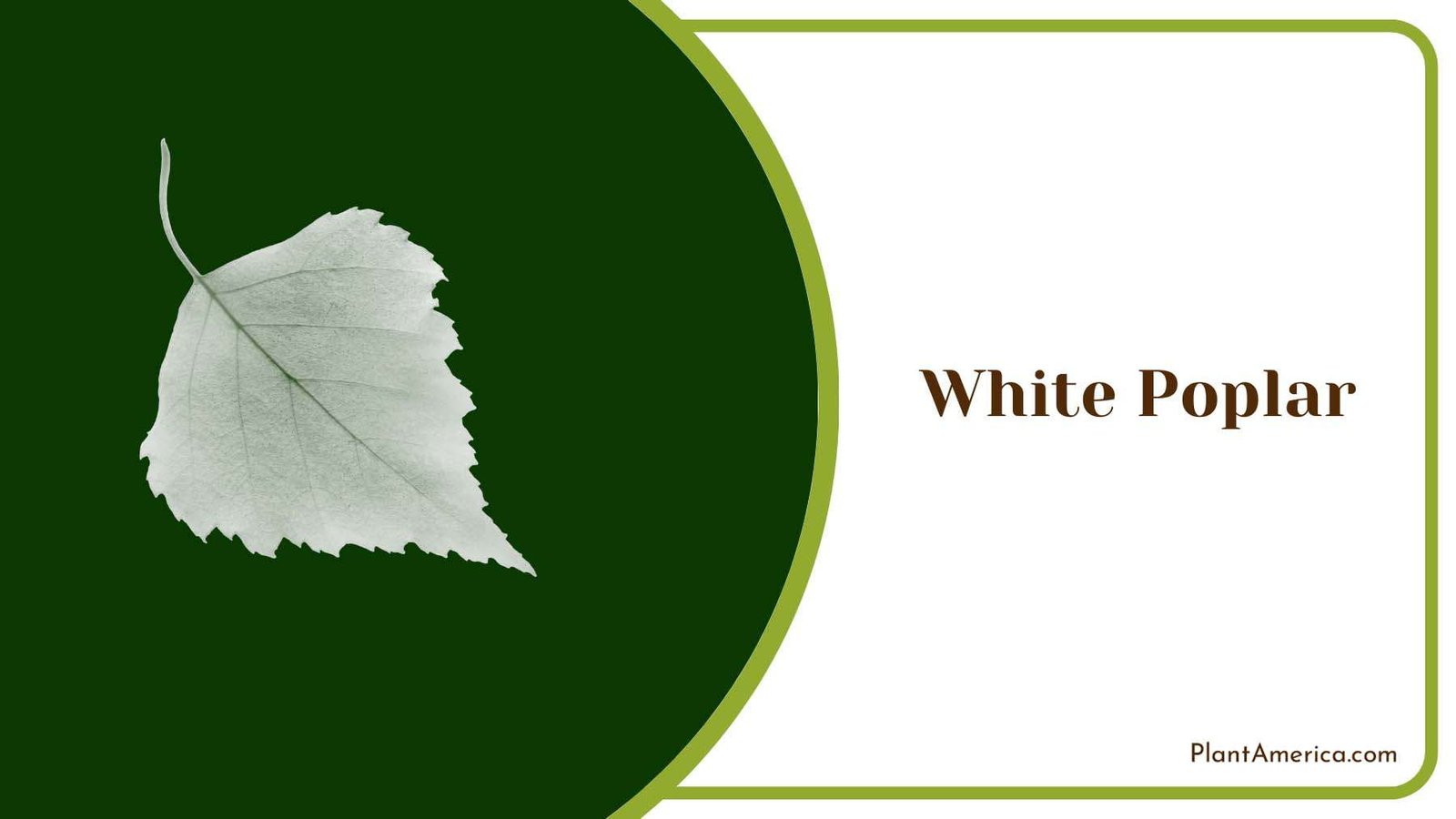
- Growing Season: Spring to Fall (Grows at a moderate pace)
- Leaf Shape: Broad, Triangular, Toothed
- Specific Needs: Full sun, Partial shade, Well-drained
- Common Pests: Aphids, Spider mites
The white poplar, also called the silver poplar, abele, or Slavonian poplar, is a popular choice for landscaping due to its aesthetically pleasing rounded crown shape and spreading branches that provide ample shade.
When mature, white poplar trees typically reach heights between 60 to 80 feet with an equal spread, forming a vase shape. However, they tend to grow at a more moderate pace compared to other poplar species.
This tree is renowned for its triangular-shaped, broad leaves that emerge light green in springtime before transforming into spectacular shades of golden yellow in autumn. The leaves then flutter to the ground, carpeting the soil beneath the branches.
Once established, The white poplar adapts to various soil conditions and exposures, requiring minimal pruning and care. It is tolerant of both wet and dry soils and can withstand urban pollutants better than many other trees.
Young white poplar trees have slender trunks with smooth, white bark that helps distinguish the species. As they age, the bark develops shallow fissures but remains relatively flawless compared to bark on other poplars.
With its pyramidal crown shape, adaptability to diverse conditions, beautiful yellow fall foliage, and graceful spreading branches, the white poplar is a quintessential choice for providing shade, accent, and seasonal interest in landscapes large and small. Its low maintenance requirements and manageable size at maturity make this a favored species for public green spaces and property lines as well.
While generally low maintenance, the white poplar is susceptible to certain insects that can damage its foliage. Spider mites and aphids frequently infest the leaves, feeding on plant juices and producing a sticky residue that covers the foliage. This sap-sucking insect infestation can cause leaf yellowing, curling, and drop.
To maintain healthy white poplar trees, homeowners should regularly inspect leaves for signs of pests like webbing, discoloration, and honeydew secretions. Applying preventative treatments like insecticidal soap sprays and dormant horticultural oil sprays can help control pest populations and minimize damage to this attractive landscape tree.
3. Bigtooth Aspen
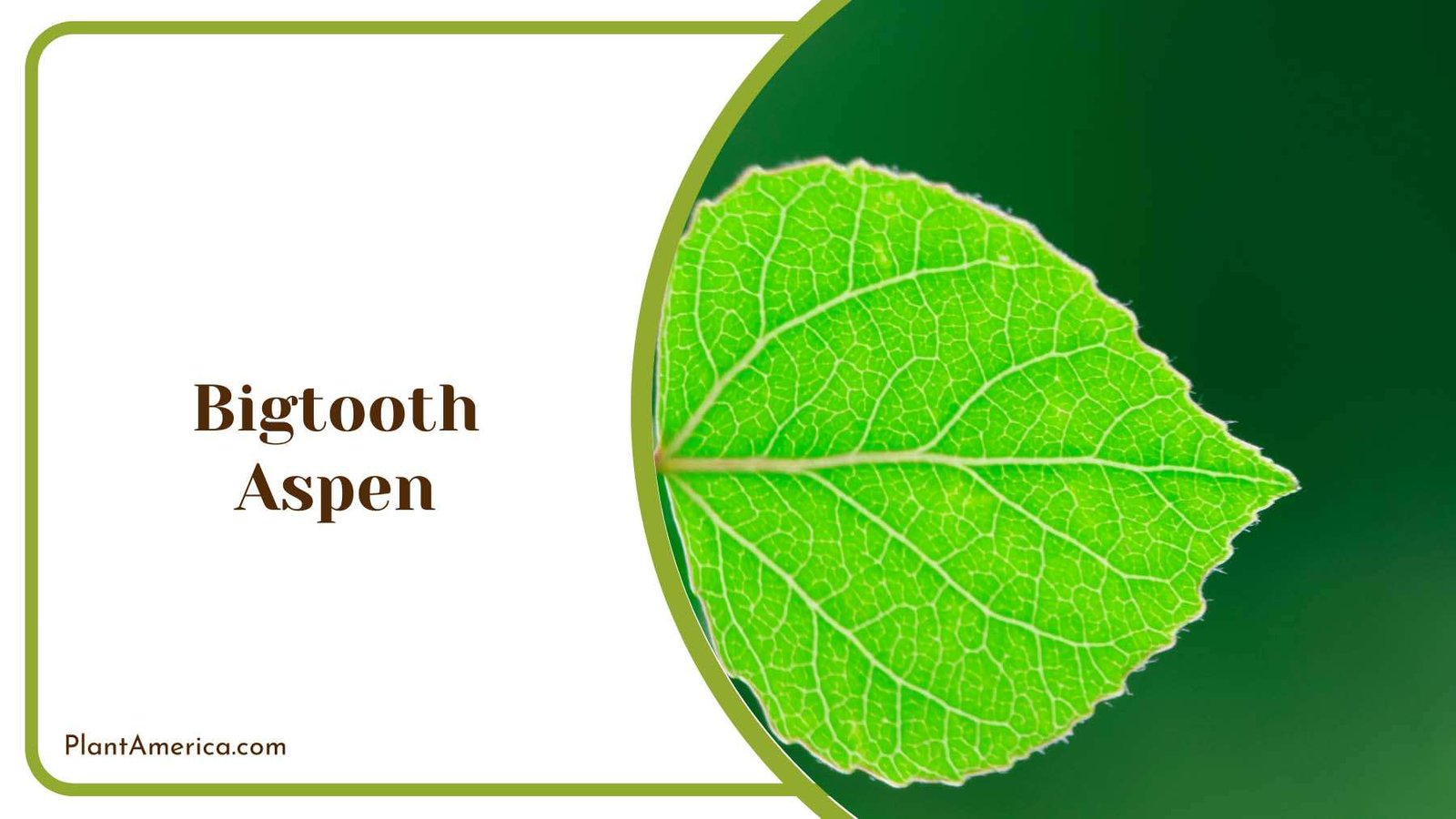
- Growing Season: Spring, Summer, Fall
- Leaf Shape: Nearly Round, Slightly Notched
- Specific Needs: Moist, Well-draining Soil
- Common Pests: Aspen Leaf Miner, Poplar Borer Beetle
Bigtooth Aspen has adaptable growing needs that allow it to thrive in many environments. While it prefers moist, well-draining soil and partial shade, this poplar will tolerate a variety of temperatures, soil conditions, and sun exposures. Its thin, delicate leaves are nearly round with a slight notch, and Bigtooth Aspen is one of the first trees to change vibrant colors in fall.
Known for its hardiness and fast growth, Bigtooth Aspen can quickly outcompete other species in open areas. It serves as an excellent natural resource by providing shelter and food for wildlife like birds and small mammals. Aspens reproduce both through root sprouts and seeds, allowing new trees to readily spread from a parent tree. Their light, fluffy seeds are easily transported by wind for dispersal over long distances.
Among the challenges Bigtooth Aspen may face are attack by the aspen leaf miner or poplar borer beetle. The leaf miner tunnels beneath the surface of aspen leaves, while the borer beetle bores into the trunk or branches. However, the tree usually withstands pest problems well on its own without severe damage. Proper care and maintenance like pruning dead wood can further prevent pest or disease issues.
With a little TLC, Bigtooth Aspen offers landowners a versatile and low-maintenance poplar that brings natural beauty to the landscape season after season. Its golden fall foliage combined with year-round hardiness make it a superb choice for locations where other trees may struggle. Bigtooth Aspen proves itself as a resilient and rewarding poplar that thrives under almost any condition.
4. Balsam Poplar

- Growing Season: Spring to Fall (Fast-growing when young)
- Leaf Shape: Round, Toothed edges
- Specific Needs: Full sun, Well-drained
- Common Pests: Aphids, Leaf rollers
The balsam poplar is a fast-growing deciduous tree with a pyramidal shape when young that broadens into a rounded crown as the tree matures. This poplar variety typically reaches considerable heights between 60 to 130 feet tall at full maturity.
This tree has rounded leaves with serrated edges that transform into vivid shades of golden yellow during autumn. Balsam poplars thrive when given consistently moist soil conditions and ample exposure to full sunlight.
While generally low maintenance once established, balsam poplar trees face potential threats from various insect pests. Aphids, leaf rollers, and gall flies can feed on and damage leaves, creating distortion, tearing, and premature leaf drop. Regular monitoring and periodic treatments may be needed to control pest damage.
Despite higher maintenance needs, balsam poplar trees provide a distinctly pyramidal form when young that branches out with age. When planted as a specimen tree, their autumn foliage color adds golden splendor to landscapes for several weeks each fall.
With proper site preparation, care, and pest management, balsam poplars can offer striking vertical accents to properties while providing the benefits of fast growth and seasonal interest. Their pyramidal silhouette and golden-hued leaves in fall help balance balsam poplars’ higher pruning requirements and pest susceptibility.
In summary, while prone to potential pest problems, the balsam poplar remains a suitable landscape tree option for its moderately fast juvenile growth rate, pyramidal shape when young, transitioning to a spreading form with age, and colorful autumn foliage display. With regular monitoring and control of threats as needed, balsam poplars can enrich properties for decades through attractive form and fall color.
5. Canadian Poplar
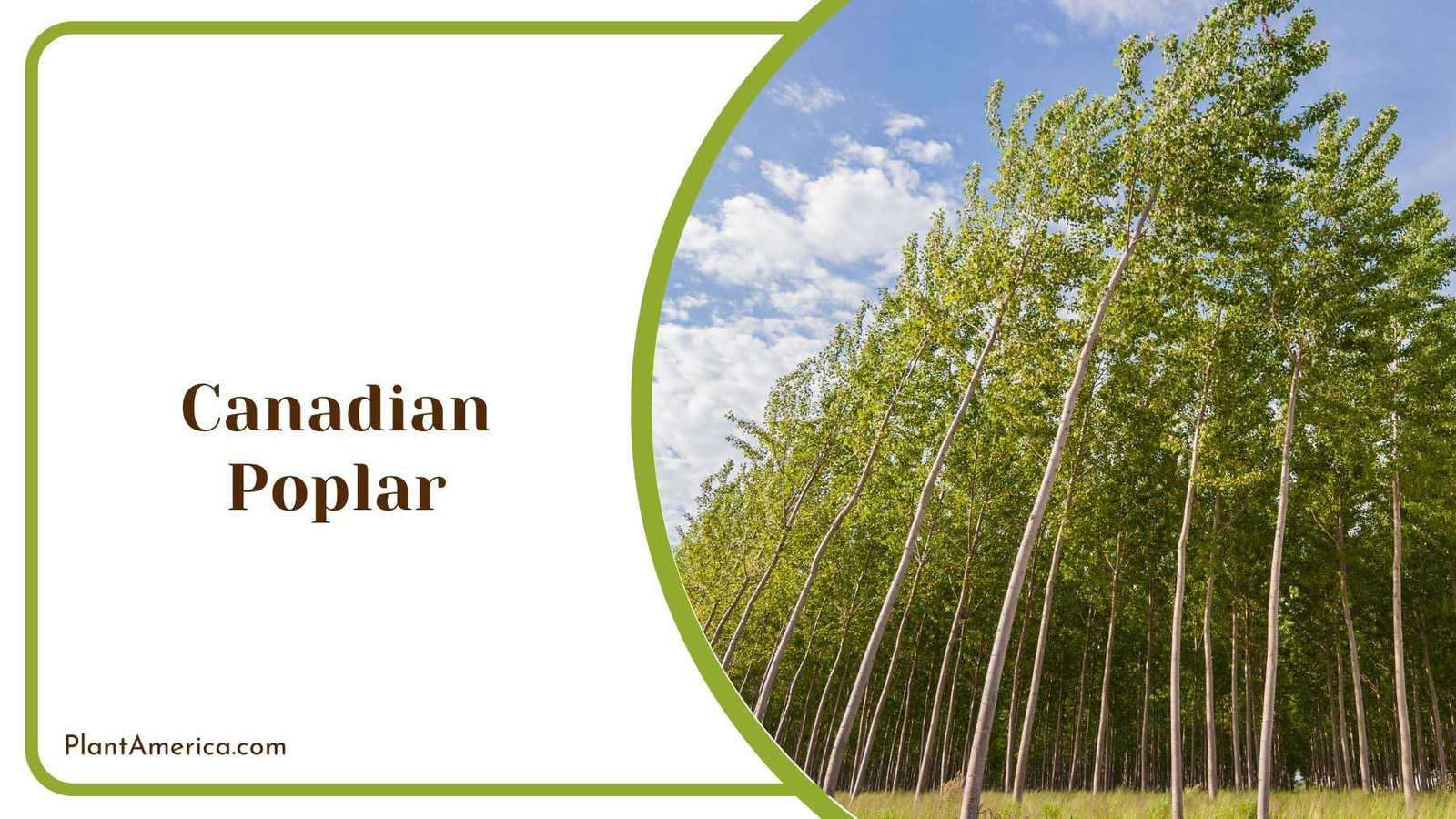
- Growing Season: Spring to Fall (Moderate growth rate)
- Leaf Shape: Broad, Triangular, Toothed
- Specific Needs: Full sun to partial shade, Moist, Well-draining soil
- Common Pests: Aphids, Leaf miners
The Canadian poplar is a medium-sized deciduous tree within the poplar genus that reaches 40 to 60 feet tall mature heights. Its moderate growth rate sets it apart from faster-growing poplar varieties.
This popular species has rounded, triangular leaves with pointed lobes and finely-toothed edges. Canadian poplars have few demands, thriving in a variety of conditions. They adapt well to both constantly moist soil and well-draining soil types and full sun or partial shade exposures.
While generally low maintenance, Canadian poplars may be susceptible to certain insect pests that feed on their foliage; aphids and leaf miners can damage leaves, causing distortion, stippling, and discoloration over time. Regular monitoring and occasional spraying of horticultural oils or soaps help alleviate pest issues.
Despite potential pest problems, Canadian poplars make suitable landscape trees due to their disease resistance, longevity, and adaptability. Their medium-sized pyramidal habit when young and spreading crowns at maturity contribute to the aesthetics of yards and gardens.
With proper site selection and routine maintenance that includes pest control when needed, Canadian poplars offer reliable performance in harsh urban conditions. Their steady yet measured growth rate, medium stature, and adaptability to differing soil and light exposures make them good choices for amenity planting.
6. Eastern Cottonwood
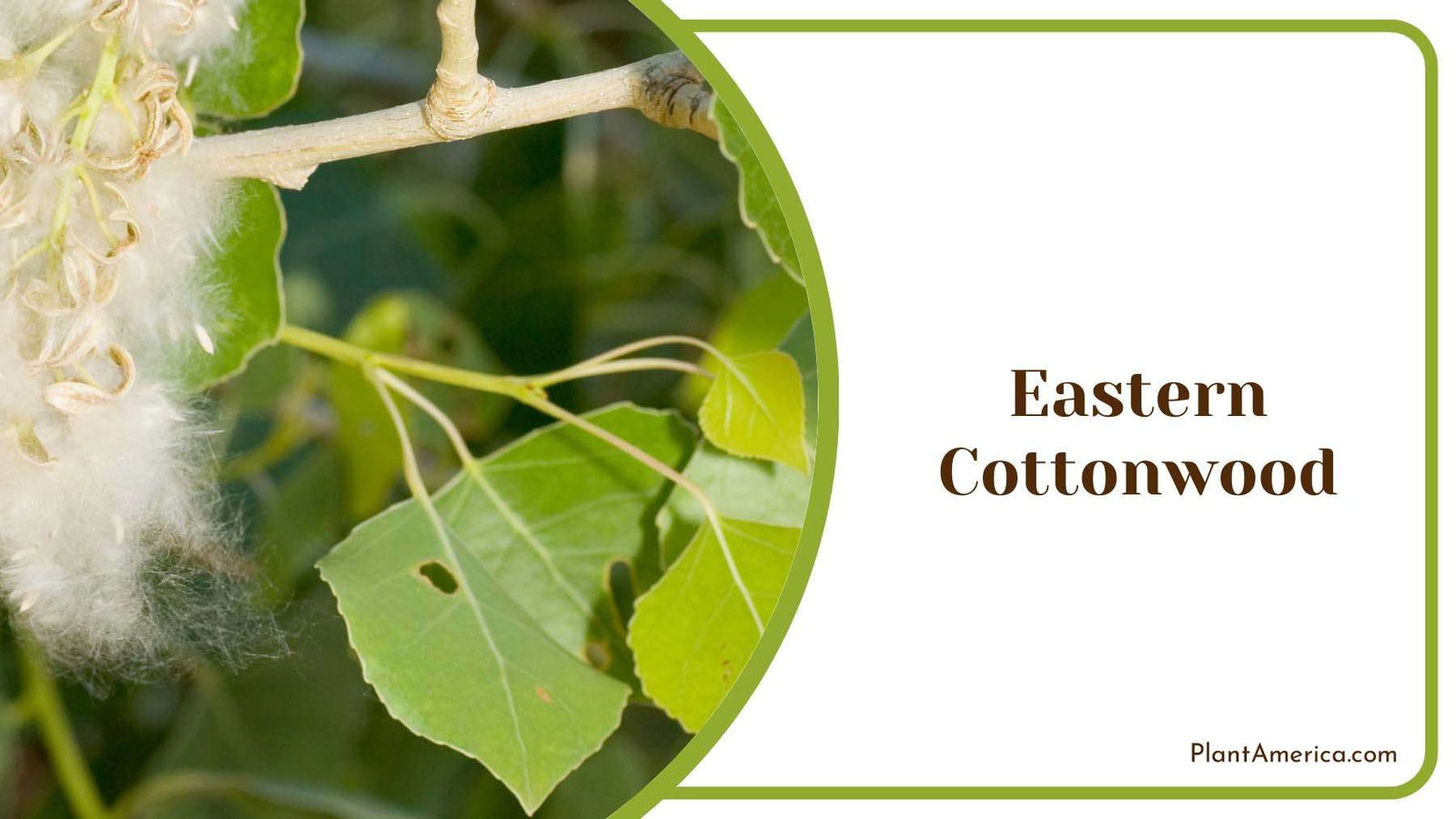
- Growing Season: Spring, Summer, Fall
- Leaf Shape: Large, Pointed Diamonds
- Specific Needs: Rich soil, Moist Soil
- Common Pests: Leaf Rust, Wood Borers
Eastern Cottonwood thrives in floodplains and wet areas near water sources thanks to its exceptional tolerance for wet soil. Native to much of central and eastern North America, it prefers full sun and rich, moist ground but can adapt to other conditions as well.
In spring, its pointed, diamond-shaped leaves emerge bright green before growing quite large, sometimes exceeding 6 inches in length on mature trees. Eastern Cottonwoods are among the tallest hardwood tree species – some exceed 130 feet. They grow fast, sometimes putting on over 2 feet of growth per year when young.
This rapid growth allows it to colonize floodplains effectively. Eastern Cottonwood spreads its seed fluff in huge amounts each spring, easily carried on air currents. Where conditions allow, seedlings can sprout at high densities. The resulting thickets provide wind protection and erosion control along waterways.
While Eastern Cottonwood faces few pests or diseases overall, its weak wood means branches can break more easily during storms. Regular pruning alleviates this, and properly sited trees withstand high winds well due to fast growth. Leaf rust and various borers may occasionally cause cosmetic spotting or damage hollow bark.
With adaptations like fast growth and tolerance for wet feet, Eastern Cottonwood makes a hardy choice for riparian zones and low-lying areas. Its natural elegance along streambanks adds year-round beauty, whether towering green in summer or shimmering gold in autumn.
7. Eurasian Poplar

- Growing Season: Spring to Fall (Fast growth rate when young)
- Leaf Shape: Broad, Round, Coarse teeth
- Specific Needs: Full sun, Moist, Well-draining soil
- Common Pests: Aphids, Leaf miners
The Eurasian poplar is a fast-growing deciduous tree within the poplar genus capable of reaching monumental heights of upto 100 feet tall. This popular variety grows exceptionally quickly for the first 15 to 20 years before significantly slowing its growth rate as it matures.
The rounded leaves of Eurasian poplar trees are coarsely toothed, broad in form, and dark green in color during spring and summer. When autumn arrives, the leaves transform into vivid shades of golden yellow and yellow-orange before dropping from the tree.
These poplars require consistently moist, well-draining soils and thrive when given full exposure to sunlight. They can be prone to environmental stresses, including pollution, wind damage, and drought. Numerous insect pests like aphids and leaf miners may also feed on and damage foliage.
However, Eurasian poplars remain a worthwhile option for large landscape trees due to their rapid growth rate when young and vibrant fall foliage is displayed. Mature specimens develop an elegant, rounded crown shape that provides summer shade and seasonal autumn interest.
With proper site selection, planting, irrigation, and routine inspections for signs of pest damage or stress, Eurasian poplars can make good choices for creating vertical accents or shade within large gardens, parks, corporate campuses, and other green spaces seeking fast-growing trees with medium maintenance needs. Their eye-catching golden yellow fall color helps balance this poplar’s potential susceptibility to certain stresses and pests.
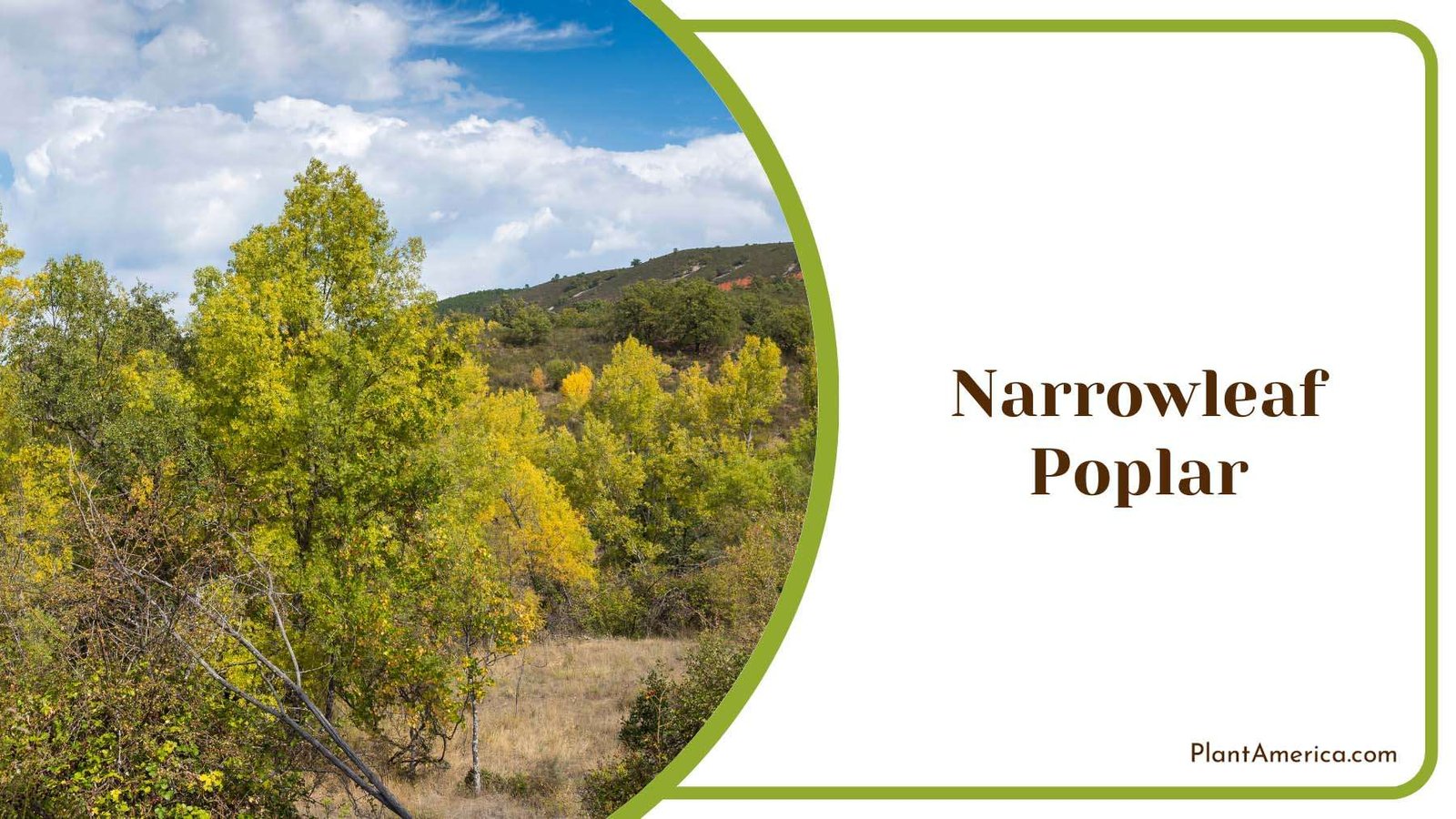
8. Narrowleaf Poplar
- Growing Season: Spring to Fall (Moderate growth rate)
- Leaf Shape: Long, Narrow
- Specific Needs: Full sun, Moist, Well-drained soil
- Common Pests: Aphids, Leaf spot fungus
The narrow-leaf poplar is a medium-sized deciduous tree within the poplar genus characterized by its upright, columnar shape. This popular variety typically grows moderately, reaching mature heights between 40 to 60 feet tall under average conditions.
The long, narrow leaves that can span up to six to eight inches in length give the narrow-leaf poplar its name. Come autumn, these leaves gradually transform into warm yellow, red, and orange hues before dropping from the tree.
Narrowleaf poplars thrive when planted in consistently moist, well-draining soils and with ample exposure to full sunlight. However, they can face risks from typical poplar pests like aphids, leaf spot fungus, and similar insects or diseases that feed on or damage foliage. Regular inspections and preventative treatments may be needed to minimize pest damage.
Narrow-leaf poplars make good choices for smaller gardens, tight spaces, and urban environments due to their upright, columnar shape. Their narrow form makes them suitable windbreaks or privacy screens planted in rows.
With proper site selection and routine maintenance that includes pest monitoring and control as needed, narrow-leaf poplars offer reliable performance providing vertical structure, fall color, and narrow space solutions within residential and commercial landscapes. Their upright, columnar silhouette helps balance this variety’s potential susceptibility to common poplar pests and stresses.
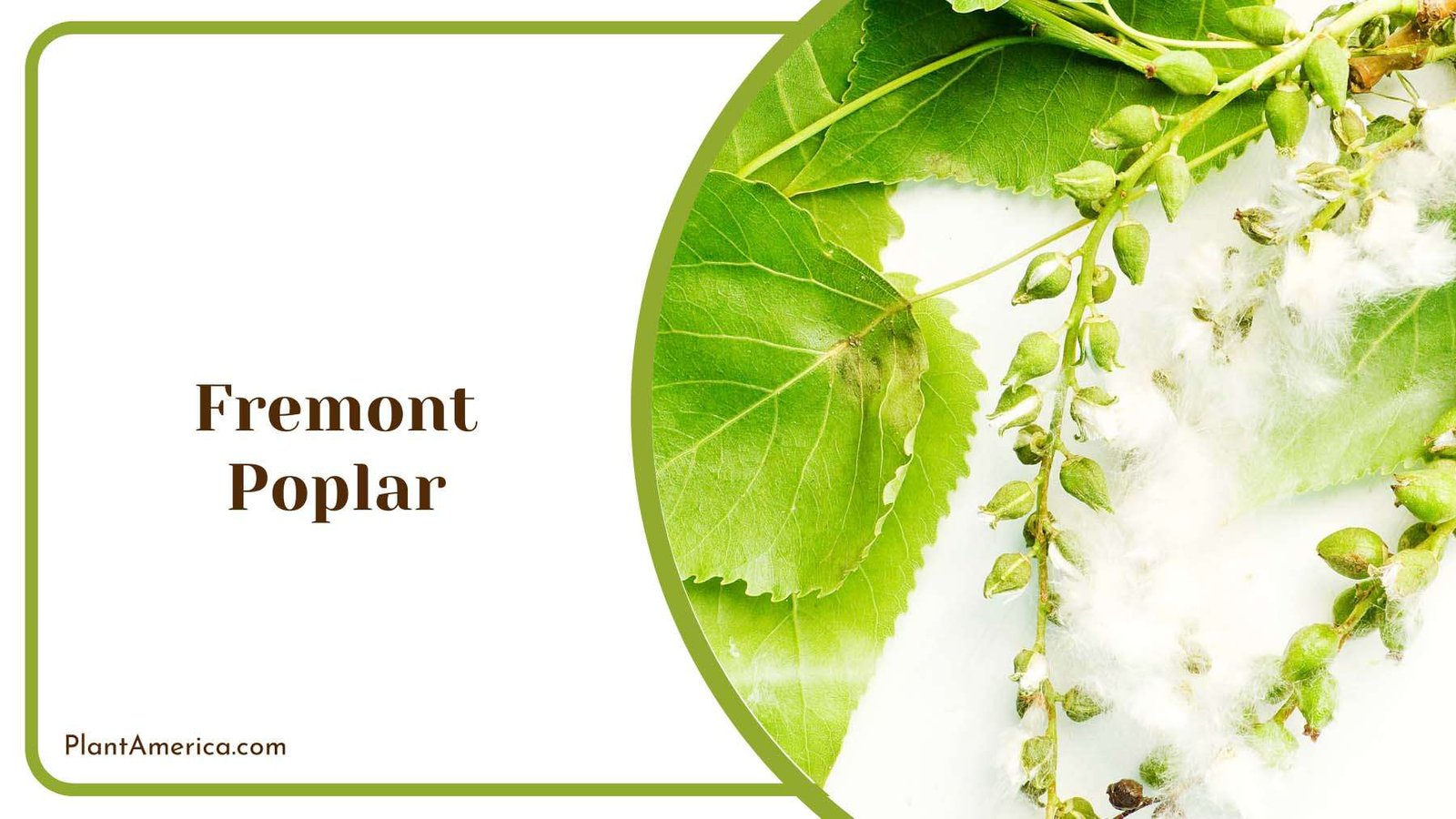
9. Fremont Poplar
- Growing Season: Spring to Fall (Moderate growth rate)
- Leaf Shape: Broad, Triangular, Toothed
- Specific Needs: Full sun, Moist, Well-drained soil
- Common Pests: Aphids, Spider mites
The Fremont poplar is a medium-sized deciduous tree within the poplar genus distinguished by its upright, oval-shaped crown. This popular variety typically grows moderately, reaching heights between 30 to 60 feet tall at maturity, depending on environmental conditions.
The triangular-shaped leaves of the Fremont poplar have finely serrated edges and transition to warm shades of yellow and brown during autumn before dropping from the tree.
Fremont poplars thrive when planted in consistently moist, well-draining soil and with ample exposure to full sunlight. Like other poplars, however, they can be occasionally bothered by common insect pests that feed on or damage foliage. Spider mites, aphids, and similar pests may cause leaf distortion, discoloration, and drop. Regular inspections and preventative treatments may be needed.
Despite some higher maintenance needs associated with potential pest problems, Fremont poplars remain a suitable landscape tree option due to their upright, oval form, moderate growth rate, and seasonal color display. Their vertical habit is ideal for providing slender shade and visual structure within yards and gardens.
With proper site conditions, care, and pest monitoring/control, Fremont poplars offer dependable upright vertical accents while producing colorful fall foliage. Their moderate growth rate and compact, oval crown shape help balance this variety’s potential susceptibility to common poplar pests and stresses.
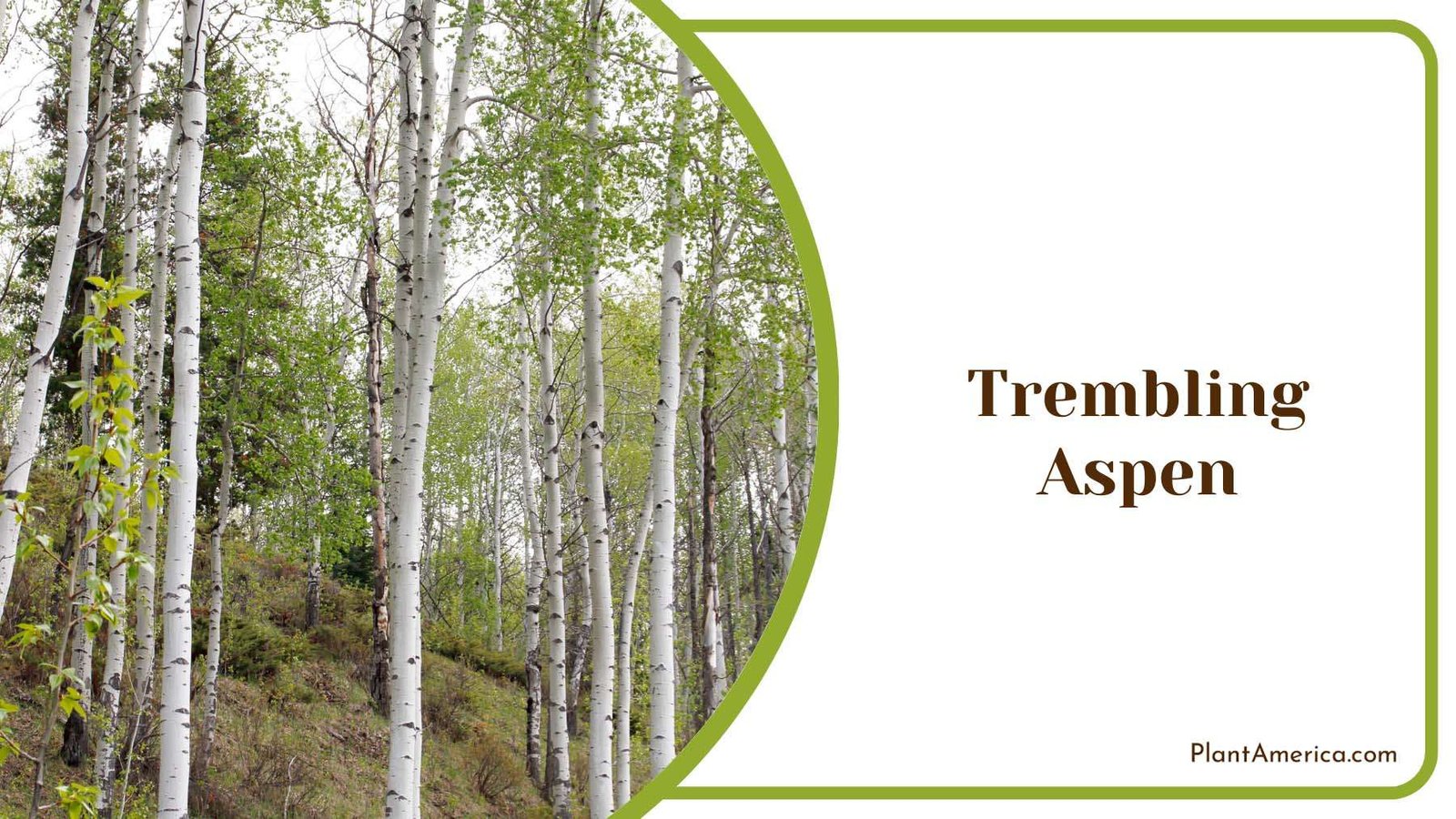
10. Trembling Aspen
- Growing Season: Spring to Fall (Fast-growing when young)
- Leaf Shape: Round, Triangular
- Specific Needs: Full sun to partial shade, Moist, Well-draining soil
- Common Pests: Leaf miners, Aspen blotch miner
The trembling aspen, also known as quaking aspen or American aspen, is a medium-sized deciduous tree within the poplar genus. At maturity, trembling aspens typically reach heights between 40 to 60 feet tall with an equal canopy spread.
When young, trembling aspens grow quite rapidly, sometimes upwards of 3 feet per year. However, their growth rate significantly slows after about 20 years. Like other aspens, the trunks of mature trembling aspens typically divide into multiple major limbs fairly low to the ground, forming a rounded crown shape.
The rounded leaves of the trembling aspen have finely serrated edges that give the tree a fluttering or “trembling” effect in even the slightest breeze, hence the common name. In autumn, the leaves transform into vivid shades of gold and yellow before dropping from the tree in preparation for winter dormancy.
These aspens thrive and grow best when planted in environments with consistently moist, well-draining soil conditions and ample exposure to full sun. Though they can tolerate some periods of partial shade, full sun is preferred for optimum growth and fall foliage color.
With their seasonal foliage color transformations, rapid growth rate when young, and swaying leaves that give the tree its name, trembling aspens make attractive selections for yard landscaping and public green spaces. Their cultural adaptability and low maintenance requirements also ensure those looking to add vertical height, shade, and natural beauty to their properties can easily accommodate these aspiring trees.
The easy propagation of aspen trees through root suckers further increases their abundance across much of North America, where their quaking branches have marked the landscape for centuries.
Trembling aspens are prone to damage from insect pests that feed on their foliage, like leaf miners, tent caterpillars, and similar insects. An infestation can cause leaf distortion, discoloration, and early drop. Regular inspections and preventative treatments may be needed to control pests.
Despite higher maintenance requirements associated with potential pest problems, trembling aspens remain a suitable landscape tree option due to their fast growth rate when young, abundant and low cost, and breathtaking fall foliage display. Their leaves are also continuously in motion, trembling even in the slightest breeze – hence the common name.
Conclusion
With proper site selection, planting, and cultural practices, including ongoing pest management, trembling aspens offer dependable medium-sized, vertical form, shade, and seasonal interest.
- The trembling aspen is a medium-sized deciduous tree within the poplar genus that typically reaches mature heights between 40 to 60 feet tall.
- The Eurasian poplar is a fast-growing deciduous tree within the poplar genus capable of reaching monumental heights upwards of 100 feet tall.
- The balsam poplar is a fast-growing deciduous tree with a pyramidal shape when young that broadens into a rounded crown as the tree matures.
Poplars, well suited to your conditions and needs, can be excellent additions to the landscape, providing distinct benefits related to form, function, and seasonal interest. Selecting the right poplar type and following best maintenance practices will maximize your poplar tree’s potential to enrich your garden for decades.