
Calathea Freddie: Are you planning to grow this Marantaceae family plant in your home? This plant will bring out the tropical vibes without the hassle of caring for them, as they are an excellent option for indoor gardening.

This article will talk about the things you know about Calathea Freddie, from where they come from, how to care for them, and any problems you may encounter with this Calathea genus plant. Read on to learn more.
How To Care for Calathea Freddie
While relatively easy to grow for the experienced gardener, beginners may find it a bit challenging at first. They require attention, and if not given enough of it (along with their nutrients), these plants will NOT be happy!
 Light Requirements
The Calathea Freddie prefers medium to bright indirect light. It’s best to place it in front of east, west, or north windows with dappled shade. Give the plant at least six hours of indirect light so it can grow healthier foliage. It’s better to expose them to morning sunlight rather than let it face the intense afternoon sun.

Do NOT place it under direct sun, as this would burn the leaves, causing the colors to fade or even kill the plant. Avoid south-facing windows where they usually face the sun directly.
 Water Requirements
It might be a bit tricky to understand the water requirements of the Calathea Freddie. You need to avoid overwatering the plant while still maintaining moist soil. To do this, water the soil generously, allowing excess water to drain out at the bottom. Afterward, allow the soil to dry out up to 70 percent before watering it again.

Before watering the plant, check the soil by inserting your finger and observing the moisture. Alternatively, you can use a humidity meter for more accuracy. Remember, soggy soil is harmful to Calatheas, resulting in fungus and rot root issues.
At the beginning of growing the plant, you need to observe the soil regularly, helping you build a consistent and successful watering schedule. The frequency of watering the plant is based on your area’s weather and humidity. During the spring and summer, you can water it one to three times a week. During the fall and winter, water it once a week, which is enough to keep it alive during the cold weather.
Calatheas hate drying out and aren’t drought tolerant, only withstanding a tiny bit of forgetfulness on watering.
 Soil and Fertilizer Requirements
The ideal soil for the Calathea Freddie is well-draining soil that has large particles. It needs to drain well while still holding moisture, so a peat-based mixture is best recommended. For those domestically mixing soil, use two parts peat and one part perlite.
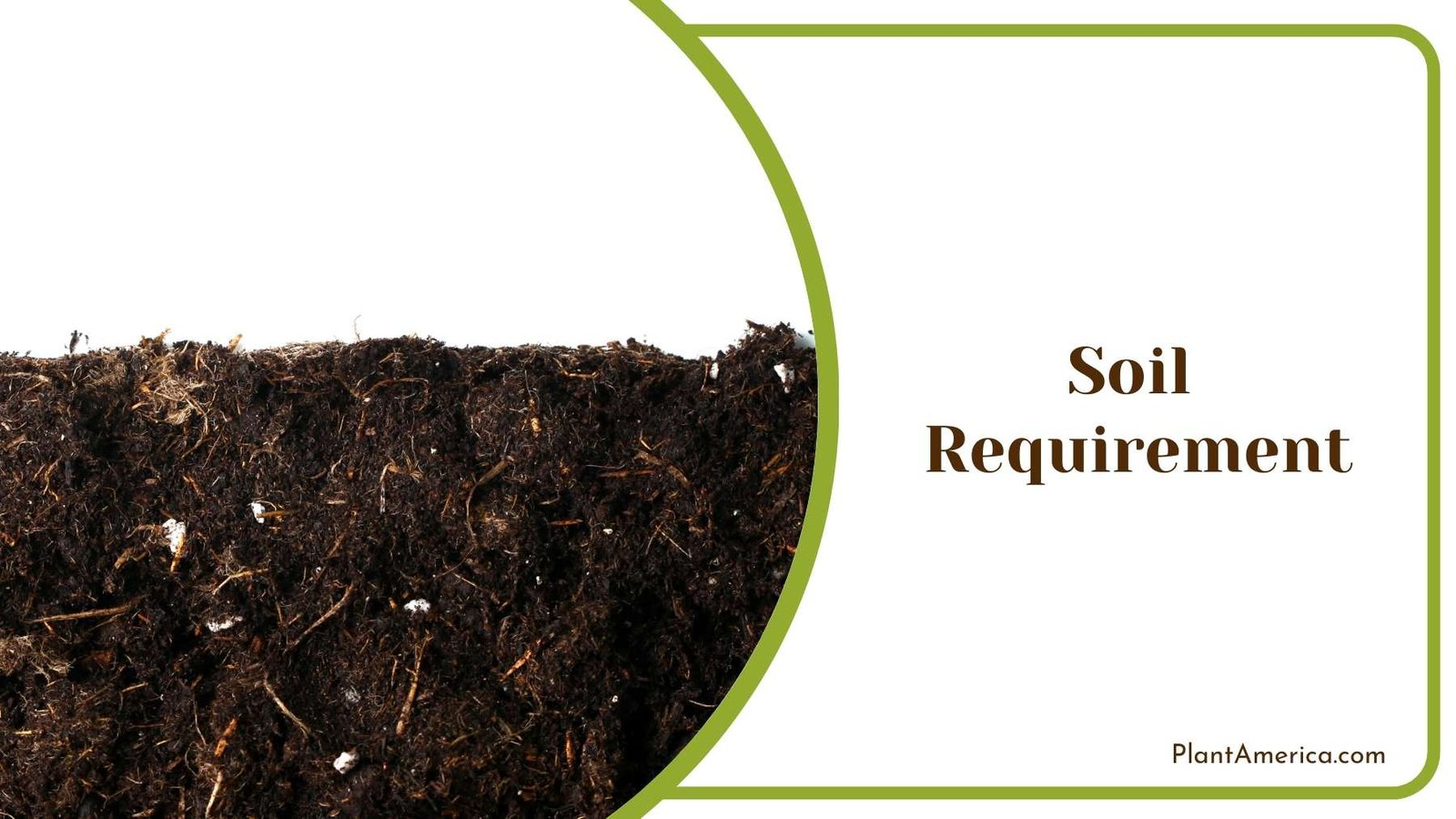
When using pebbles, place them in the growing mixture, not at the top, so it holds moisture and provides aeration. Pebbles at the top of the soil may hinder aeration, suffocating the plants’ roots.
For the fertilizer, you can use standard houseplant fertilizer that has a moderate concentration. Play it safe first and use only a quarter of the recommended dosage, fertilizing once a month during the spring and summer. You won’t need to provide additional nutrition during the cold weather, so do not fertilize during fall and winter.
Furthermore, never give too much fertilizer to the plant, as it can cause yellowing leaf edges, causing it to burn.
 Temperature and Humidity Requirements
The recommended temperature range for Calathea Freddie plants falls between 65 and 75 degrees Fahrenheit. The Calathea is not tolerant to cold and frost. Anything below 59 degrees Fahrenheit can freeze and potentially kill the plant. If the temperature drops too low, then transfer your outdoor Calatheas to warm areas indoors.

Calatheas don’t do well in the cold but love humidity, being from tropical lands. Keep the moisture level more than 70 percent to keep the foliage healthy. Maintain the moisture during drier days, doing so by grouping them with other plants, using a humidifier, or placing a pebble-water try under its pot.
While you can mist Calatheas, do not mist the foliage directly. Instead, begin misting from the bottom, avoiding the compact new leaves. Do not frequently mist, using other methods to maintain proper moisture levels.
 Pruning and Grooming Requirements
When pruning Calatheas, cut unhealthy and older leaves to enhance the health and appearance. For grooming, mildly mist and wipe leaves with a washcloth for grooming clean out dust from the foliage. Regular grooming can help prevent leaves from trapping dust particles, which block the pores and affect the plant’s health.
– Growth Zone for Calathea Freddie
The ideal USDA growth zones for this plant are 10 and 11. You can grow Calatheas outdoors all year round without worrying about transferring it during winter.
If you repot the plant, do so in a medium pot with drainage holes, though repotting isn’t required until the plant is two years old. However, since Calatheas prefer fresh soil, you can repot it yearly during early spring, before the plants begin their growth period.
Propagation
Now that you know how to care for a Calathea Freddie, what are the steps to propagate it?
The best way to do so is through plant division. Since they don’t grow in water, do not root them in water. Furthermore, it’s best to propagate it while repotting during the early days of spring.

Follow this helpful and effective method:
- Choose a well-grown and healthy plant. Prepare the soil and loosen it around the place, taking the plant to its new home GENTLY.
- Shake the plant so you can shed off excess oil from its roots. Do not shake too aggressively, which can damage the roots.
- Use your hands to divide the roots, separating about 1/3 of the mother plant. There should be at least three shots at the split portion so that the propagation process can take place.
- Plant the parent plant in fresh soil, completing the repotting process.
- Plant the divided portion in healthy soil, placing it in a warm spot with indirect and low-intensity light.
- Cover the pot with plastic or polythene to lessen the moisture loss. Or, you can water its soil mildly to maintain its moisture.
- Allow the new plant to settle down and become an individual plant, which would happen in 3-4 weeks. After this time, you can remove the plastic, allowing it to grow on its own.
- Continue misting the soil and avoid letting it dry out.
This is the typical timeline of propagating a Calathea Freddie:
- Day 1 to 30: The newly planted stems should stay in a warm spot with low indirect light. Cover and mist the soil, so it stays moist.
- Day 30 to 60: You can now remove the cover. New shoots will develop by the 5th week, showing that growing the plant is thriving. Continue caring for the plant-based on the information above, allowing it to grow.
- Day 60 onwards: Transfer the growing plant to an area with medium to bright indirect light. Just be sure that you get the plant used to the brightness by slowly increasing its light intensity first. Or, you can also introduce your plant to brighter light with frequent episodes of light exposure in its permanent location.
Calathea Freddie Problems
The Calathea Freddie, just like other plants, may also come across a few minor issues, such as:
– Yellow Leaves
Gardeners have complained of Calathea Freddie yellow leaves, which may happen for various reasons, including:
- The water quality may be lacking, which can happen when using tap water. It’s best to use water from a water filtration system.
- Low humidity conditions can cause the leaves to turn brown or yellow.
- Dry soil can also cause leaves to turn yellow, so be sure to keep it moist and water it consistently.
– Calathea Leaves Curling
Calathea leaves curling may be worrisome, but it’s fixable once you identify the reasons why.
- Leaves tend to curl if the plant is cold or dry from the constant airflow, so, be sure that you keep your plant in an area without a draft, such as near heating or cooling vents.
- Using tap water can cause the leaves to curl because of the chlorine, salts, minerals, and fluoride the water contains, causing the tips to curl or burn.
Final Note:
Calathea Freddie falls under the Marantaceae family, spreading their leaves as the sunrises to absorb sunlight. In the evening, a Calathea houseplant will withdraw stripped leaves to rest for the night, which is quite interesting to witness.
That’s why many gardeners and homeowners are amused with the Calathea Freddie, having a unique circadian rhythm. You should also be aware that Calathea plants can be attacked by pests and diseases and applying or spraying neem oil is a good way to keep them healthy.