
Tropical plants in Florida thrive in the year-round warmth, abundant moisture, and long growing seasons with the proper growing conditions. We’ll explore some stunning tropical plant varieties that flourish outdoors all across the Sunshine State, from iconic palms to exotics like the bird of paradise, banana trees, and more.

Whether you want lush foliage, colorful blooms, or architectural form, these easy-care tropical plants will bring a tropical oasis feel to your Florida garden. So read on to discover the lowest-maintenance tropical plants suited to Florida’s climate, along with planting and care tips specific to each variety.
20 Tropical Plants in Florida That Are Perfect for Summer
1. Red Hibiscus

- Growing Season: Spring, Summer, Fall
- Leaf Shape: Palmate, Compound
- Specific Needs: Full sunlight, Well-drained soil
- Common Pests: Scale insects, Spider mites
Red hibiscus shrubs thriving in Florida’s tropical climate have made them a popular choice for homeowners looking for low-maintenance plants that bring continuous color to the landscape. These shrubs bloom year-round, producing vibrant red flowers that contrast beautifully against the dark green palmate foliage. Their striking shade of color makes them well-suited for planting in full sun.
Regular pruning helps maintain a compact shrub shape and controls size. Regular trimming also encourages new growth and more flower production. Small-scale insects and spider mites occasionally bother red hibiscus, but they can be managed with organic insecticidal soap sprays applied as needed.
The leathery leaves remain attractive throughout the year, providing a base of foliage for the colorful flowers to pop against. Meanwhile, the flowers continuously produce new blooms, offering a source of beauty from early spring through fall frost.
Red hibiscus offers homeowners a simple, low-effort solution for adding pops of bright color to gardens, patios, and landscapes. The tough, heat and drought-tolerant shrubs need almost no effort once established, making them an ideal choice for Florida’s warm climate.
Red hibiscus shrubs thrive in Florida with their year-round blooms, low maintenance requirements, and abundance of color. Their durability, hardiness, and continuous display of bright flowers ensure they remain a worthwhile addition for those seeking tropical landscape plants that require minimal effort.
2. Cuban Oregano

- Growing Season: Spring, Summer, Fall
- Leaf Shape: Lanceolate, Oblong
- Specific Needs: Well-drained soil, Full sunlight
- Common Pests: Spider mites, Whiteflies
Cuban oregano shrubs thrive in Florida’s humid, tropical environment. They adapt well to both full sun and partial shade conditions and require little care once established. The plants produce attractive purple tubular flowers and aromatic, lance-shaped foliage that can be used for seasoning meats, sauces, and other dishes.
Cuban oregano is highly valued for its evergreen habit and functional use of its leaves as a culinary herb. Occasional pruning helps maintain a desirable shape, and insecticides made from natural ingredients like insecticidal soaps and horticultural oils can help control common issues like spider mites and whiteflies.
The thick, leathery foliage remains attractive throughout the year, releasing a pleasant scent when crushed or bruised. The leaves can be harvested fresh or dried for later use to season a variety of cooked dishes.
Cuban oregano offers gardeners an easy-care aesthetic addition while also providing a fragrant culinary herb. The thick woody stems form an ornamental structure, remaining interesting even when not in flower or full foliage. Cuban oregano shrubs are well-suited to Florida’s climate with their adaptability to different light conditions and low maintenance needs.
Their regular production of attractive purple flowers, aromatic evergreen foliage, and usefulness as a seasoning herb make them a worthwhile addition for homeowners seeking plants that provide aesthetic appeal, fragrance, and function in the garden.
3. Peace Lily
- Growing Season: Spring, Summer, Fall
- Leaf Shape: Lanceolate, Simple
- Specific Needs: Bright, indirect light, Moist soil
- Common Pests: Fungus gnats, Mealybugs
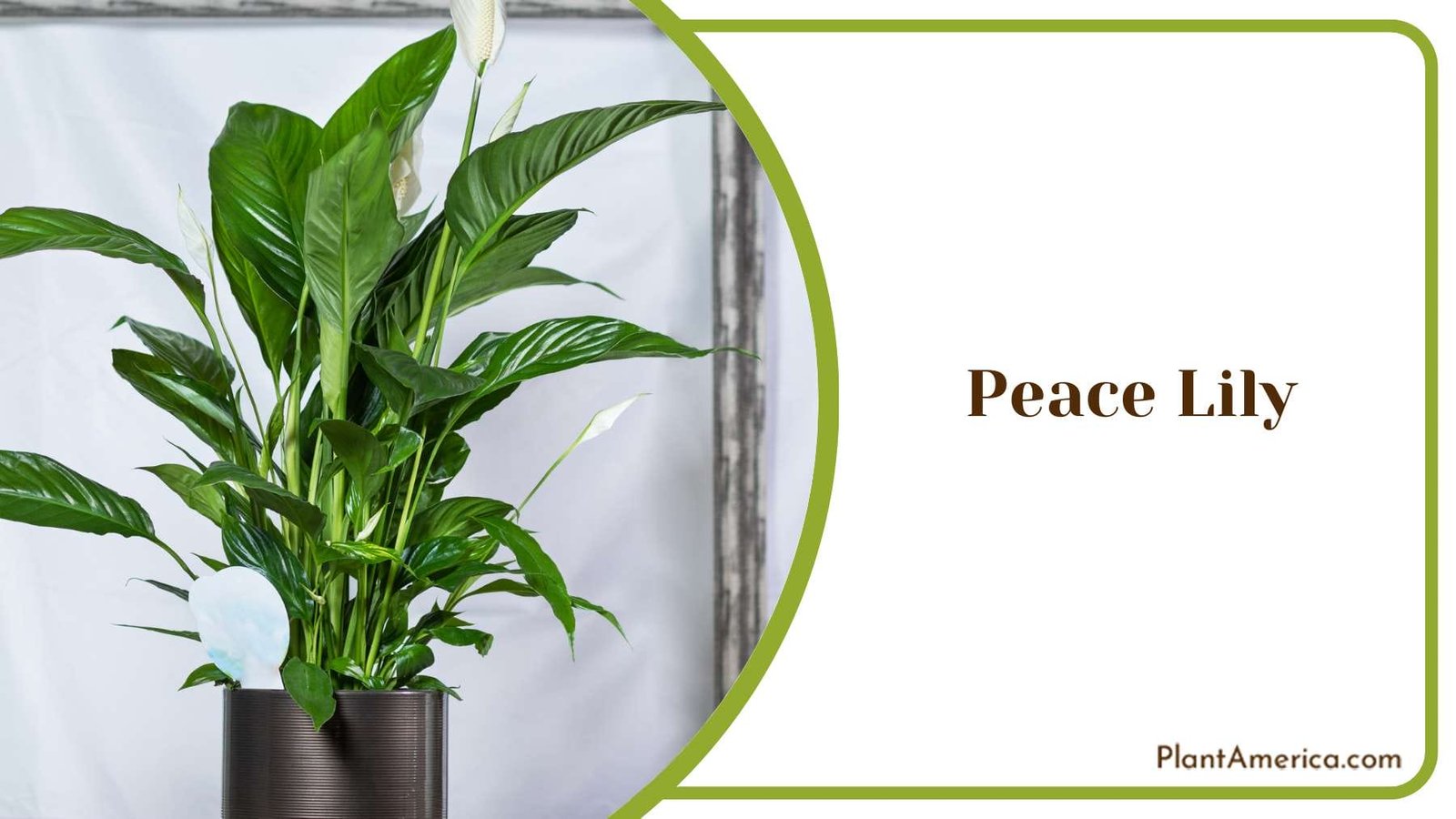
Peace lily plants are well-suited to Florida’s warm, humid climate where they thrive as easy-care indoor plants. They are excellent at filtering toxins from the air and adding beauty to homes and offices even in low-light conditions. The plants produce dramatic white flowers that rise above broad, glossy, lance-shaped leaves.
Peace lilies are known for their elegant foliage and minimal maintenance requirements. They are popular choices for those wanting low-fuss houseplants. The thick, leathery evergreen leaves remain attractive all year and only require watering when the top inch or two of soil feels dry.
Peace lilies offer effortless beauty that improves with a bit of neglect. They filter the air as they simply exist, requiring little care beyond occasional watering. The architectural shape of the broad leaves and occasional fragrant white blooms provide both visual and aromatic interest.
Peace lily plants thrive in Florida’s warm indoor environments thanks to their adaptability to low light and infrequent watering needs. Their ability to naturally filter the air while adding lush greenery and occasional fragrance makes them a worthwhile addition for homeowners and businesses looking for plants that improve air quality and aesthetic appeal with minimal maintenance.
4. Bird of Paradise
- Growing Season: Late Spring, Spring
- Leaf Shape: Linear, Lanceolate
- Specific Needs: Full sunlight, Well-drained soil
- Common Pests: Mealybugs, Aphids
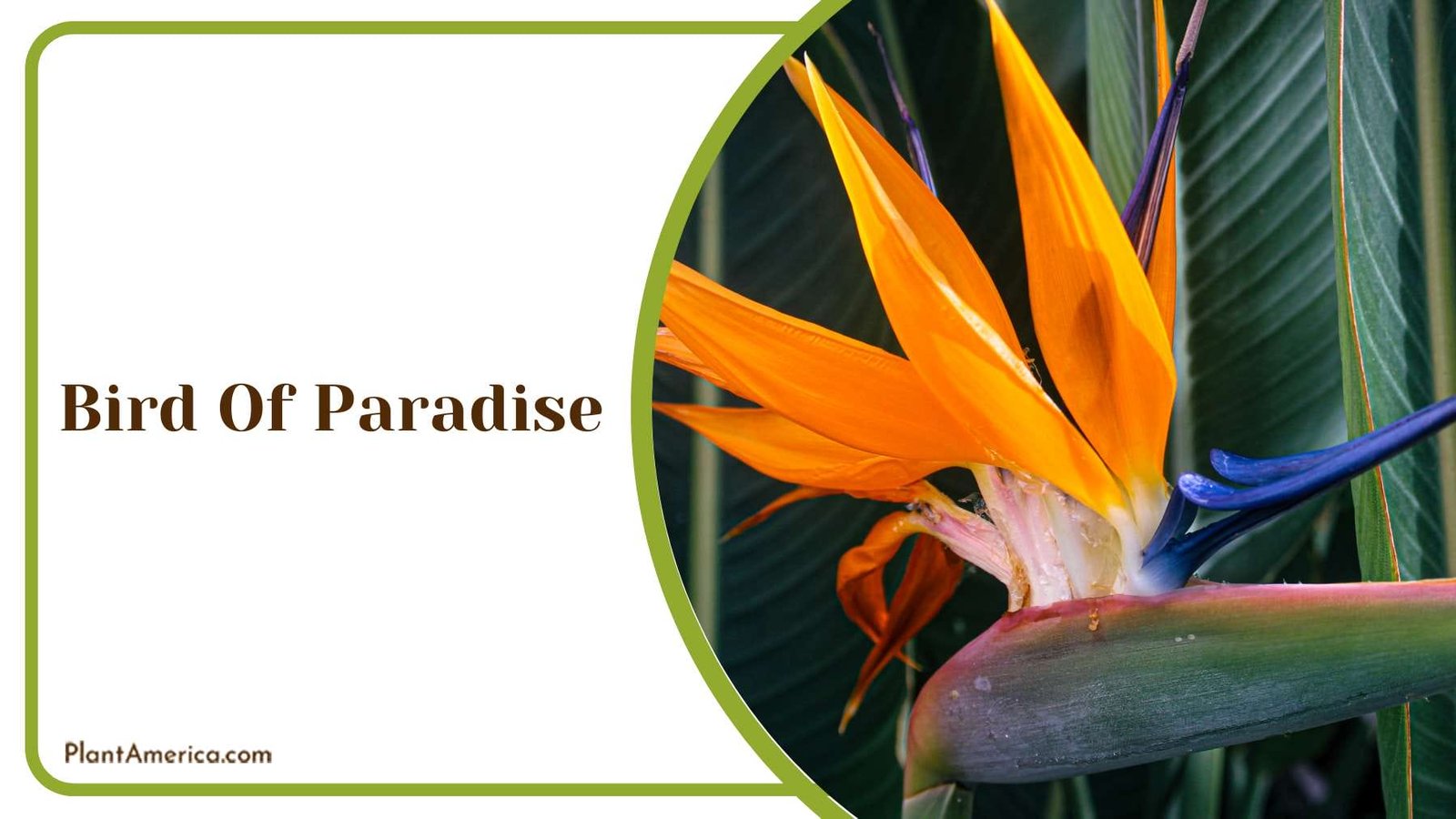
Bird of paradise plants thrive in Florida’s hot, humid climate. They are well-suited to the state’s tropical weather conditions and continue producing their showy blooms year after year. The plants produce dramatic orange and red tubular flowers atop tall stems that rise high above the rosette of large, sword-like basal leaves.
Bird of Paradise is touted for its unique flower shape and stunning color display that helps brighten any Florida landscape. When the flowers emerge seemingly overnight, they provide a burst of tropical color each year. The long-lasting flower stalks also bring an eye-catching vertical element to the garden for several weeks.
Faded flower stalks should be promptly removed to encourage additional blooms. Mealybugs and aphids, common pests of the bird of paradise, can be controlled through regular applications of natural insecticidal soap sprays. Even without blooms, the firm, thick foliage remains attractive year-round. The broad sword-like leaves form a basal rosette that acts as a base for the tall stalks bearing the showy flowers.
In summary, bird of paradise plants thrive in Florida’s warm climate thanks to their heat tolerance and susceptibility to tropical weather. Their ability to produce dramatic, unique blooms year after year, coupled with their striking foliage, makes them a worthwhile addition to any Florida landscape seeking a true tropical accent plant.
5. Banana

- Growing Season: Spring, Summer, Year-round
- Leaf Shape: Elliptic, Parallel veins
- Specific Needs: Rich soil, Full sunlight
- Common Pests: Nematodes, Scale insects
Banana plants thrive in Florida’s tropical weather, producing large leaves and a stately presence in the landscape; its plants form a massive trunk topped with long, oblong foliage. Banana trees are perfect to impose an architectural form in the yard. Do not over fertilize and remove pests like nematodes and scale insects as needed.
The thick, leathery foliage remains attractive all year, especially when new leaves unfurl to reveal bright inner surfaces. Banana plants offer a dramatic centerpiece for the tropical garden, imparting a sense of the exotic with minimal effort and the massive trunk and lack of flowering provide an intriguing counterpoint to Florida’s colorful floral parade.
6. Croton

- Growing Season: Early spring, MidSummer, Early fall
- Leaf Shape: Ovate, Oblong
- Specific Needs: Moist soil, Full sunlight
- Common Pests: Scale insects, Spider mites
Croton plants thrive in Florida’s tropical climate due to their tolerance for high heat, humidity, and fluctuating moisture levels. The plants produce colorful foliage in vibrant shades of red, orange, and yellow that provide a cheerful splash of color throughout the year. Croton is an ideal choice for low-maintenance colors in Florida landscapes.
Reducing or eliminating nitrogen-rich fertilizers helps prevent excessive leaf drop during winter dormancy. Occasional pest issues like spider mites and scale insects can be managed with targeted applications of organic or homemade insecticidal sprays.
The eye-catching foliage remains attractive year-round, providing a pop of contrasting hues against Florida’s green backdrop. Croton plants offer constant visual interest without the need for flowers, fruit, or specialized pruning requirements. The tough, leathery leaves can weather Florida’s heat, rain, and changing conditions with relative ease, rebounding each spring by producing renewed bright color.
Croton plants thrive in Florida’s unforgiving tropical climate thanks to their innate heat and drought tolerance as well as their ability to cope with fluctuating moisture levels. Their ability to produce colorful, everchanging foliage with minimal effort, coupled with low nutrient and maintenance demands, make Croton an ideal choice for those seeking a splash of color and contrast in their Florida landscape year-round.
7. Bromeliad

- Growing Season: Spring, Year-round
- Leaf Shape: Linear, Lanceolate
- Specific Needs: Bright, indirect light, Moist soil
- Common Pests: Scale insects, Fungus gnats
Bromeliad plants thrive in Florida’s humid tropical climate, requiring little care beyond occasional watering. The plants produce spectacular colorful flowers in reds, oranges, and blues above rosettes of narrow, sword-like leaves with spiny margins.
For homeowners seeking effortless greenery and unexpected bright blooms with minimal maintenance, bromeliads are a recommended choice. Fertilizing should be done infrequently to avoid burning the roots. Organic remedies can be used to control potential pests like scale insects and fungus gnats.
The thick, leathery foliage remains attractive all year, even when the plants are not in bloom, imparting a tropical feel to gardens and landscapes. Bromeliads offer unexpected bursts of colorful flowers whenever a plant decides to bloom, providing pleasing surprises again and again over the years. The low-growing habit of many bromeliads makes them well-suited for use in containers as well as tucked among other foliage plants in the garden.
Bromeliad plants thrive in Florida’s warm, humid climate thanks to their adaptability to infrequent watering and minimal fertilizing requirements. Their ability to produce sporadic but spectacular colorful flowers above evergreen foliage, coupled with a low-maintenance nature, make bromeliads a worthwhile addition for homeowners seeking low-effort plants with high impact in Florida’s tropical landscapes.
8. Agave

- Growing Season: Spring, Year-round
- Leaf Shape: Lanceolate, Linear
- Specific Needs: Full sunlight, Well-drained soil
- Common Pests: Scale insects, Mealybugs
Agave plants thrive in Florida‘s hot, humid conditions due to their ability to regulate water loss through specialized tissues. The plants produce simple, thick, succulent leaves arranged in a basal rosette structure with a stout stem at the center. Agave is recommended for its striking architectural form and tough, sword-like foliage.
Removing dead or damaged leaves helps maintain an attractive appearance. Occasional pests like scale insects and mealybugs can be managed with targeted applications of natural or homemade insecticides.
The thick, fleshy leaves remain attractive year-round, becoming tinged with shades of pink, purple, or red towards the tips as the plant ages and carbohydrates accumulate. Agave plants offer a bold, sculptural element to the landscape with very little maintenance required beyond occasional pruning and pest control. Their abundant, armored presence imparts a sense of tranquility, permanence, and steadfast endurance.
Agave plants thrive in Florida’s hot, humid climate thanks to their ability to regulate water loss, store water in thick leaves, and go dormant when conditions warrant. Their striking architectural form and tough, sword-like foliage, coupled with extremely low care requirements, make agave a worthwhile addition for those seeking a bold accent plant that brings a sense of structure, tranquility, and permanence to Florida’s tropical landscapes.
9. Palms

- Growing Season: Spring, Year-round
- Leaf Shape: Linear, Parallel veins
- Specific Needs: Moist soil, Well-drained soil
- Common Pests: Palm beetles, Palm Aphids
Palm trees thrive in Florida’s tropical climate, tolerating heat, humidity, and seasonal variations. The plants produce characteristic fan-shaped or feather leaf types atop a woody trunk. Palms are highly recommended for their tropical feel and an increased sense of space conveyed by their towering height. Prune as needed and treat palm beetle infestations and bud rot promptly.
The evergreen foliage remains attractive year-round, growing larger with age. Palm trees offer a distinctly tropical ambiance and abundance of shade with their broad, arching canopies. They adapt well to both the landscape and architectural surroundings.
10. Elephant Ear
- Growing Season: Spring, Summer, Fall
- Leaf Shape: Cordate, Reniform
- Specific Needs: Partial shade, Moist, rich soil
- Common Pests: Scale insects, Mealybugs
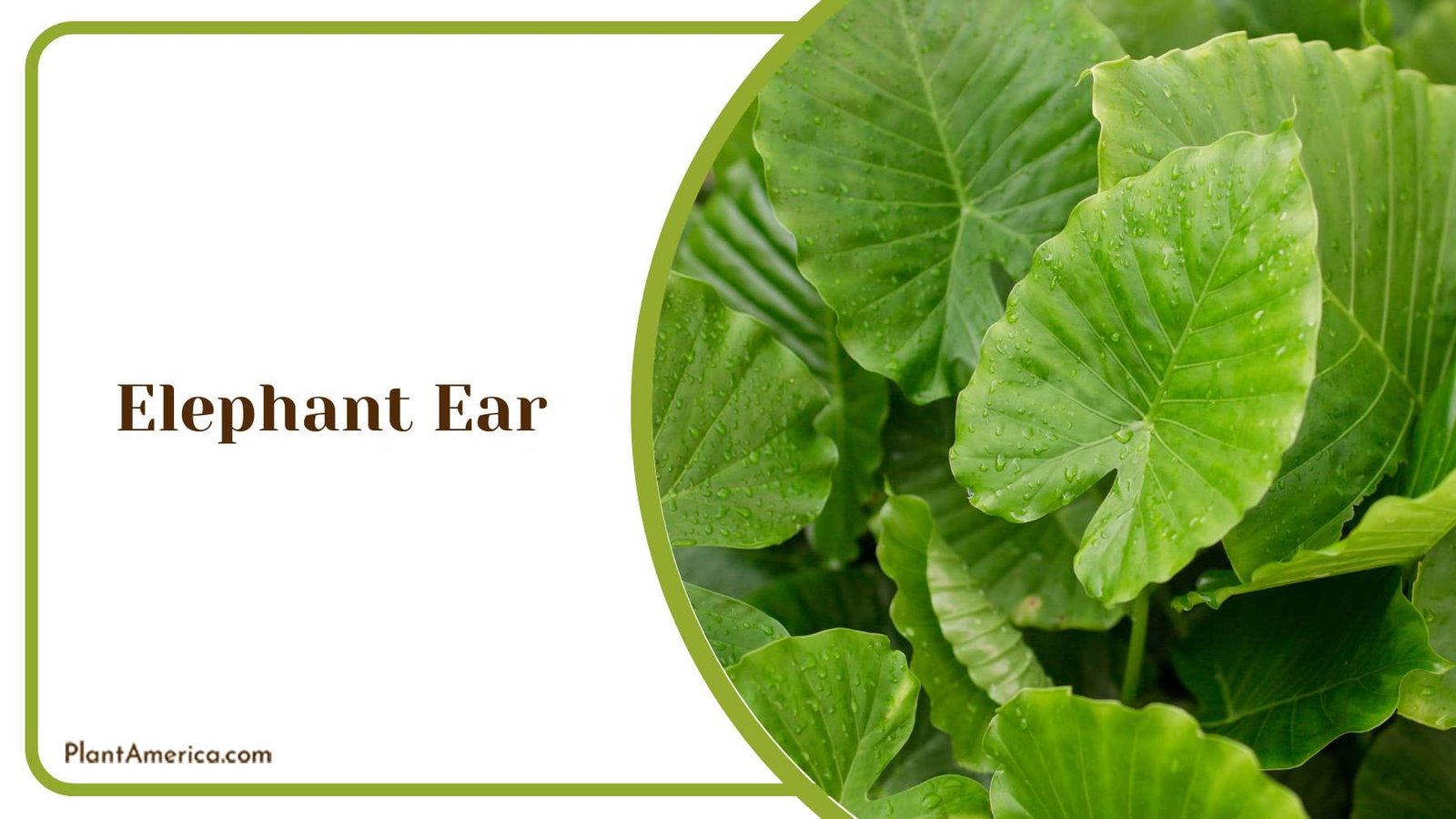
Elephant ear plants thrive in Florida’s tropical climate thanks to their high moisture and fertile soil requirements. They produce large, broad, heart-shaped leaves with a prominent central vein. Elephant ears are unique for their imposing foliage and tropical vibe imparted by their massive size. Reduce fertilizer and apply organic remedies to control pests like scale insects and mealybugs.
The voluminous foliage remains attractive year-round with its waxy surface and deep green hue. Elephant ear plants offer an impressive architectural display that pulls focus effortlessly and casts cooling shade. The massive leaves lend a true sense of the tropics to the landscape or patio.
11. Plumeria

- Growing Season: Spring, Fall
- Leaf Shape: Oblong, Elliptic
- Specific Needs: Full sunlight, Well-drained soil
- Common Pests: Scale insects, Aphids
Plumeria trees thrive in Florida’s warm climate, producing fragrant blooms in a range of colors throughout the growing season; they bear simple, oblong leaves and trumpet-shaped flowers that open from thick stems. Plumerias are highly recommended for their dreamy fragrance and abundant flower display over months on end. Prune as needed and control pests, like scale insects and aphids, using organic remedies.
The attractive foliage provides a backdrop for the perfumed flowers. Plumeria trees offer an overload of beauty throughout spring and summer, imparting a tropical fantasy to the landscape or patio with little effort and the distinctive thick stems persist through winter creating an ornamental structure.
12. Spicebush
- Growing Season: Spring, Fall
- Leaf Shape: Elliptic, Simple
- Specific Needs: Partial to full shade, Acidic soil
- Common Pests: Scale insects, Spider mites
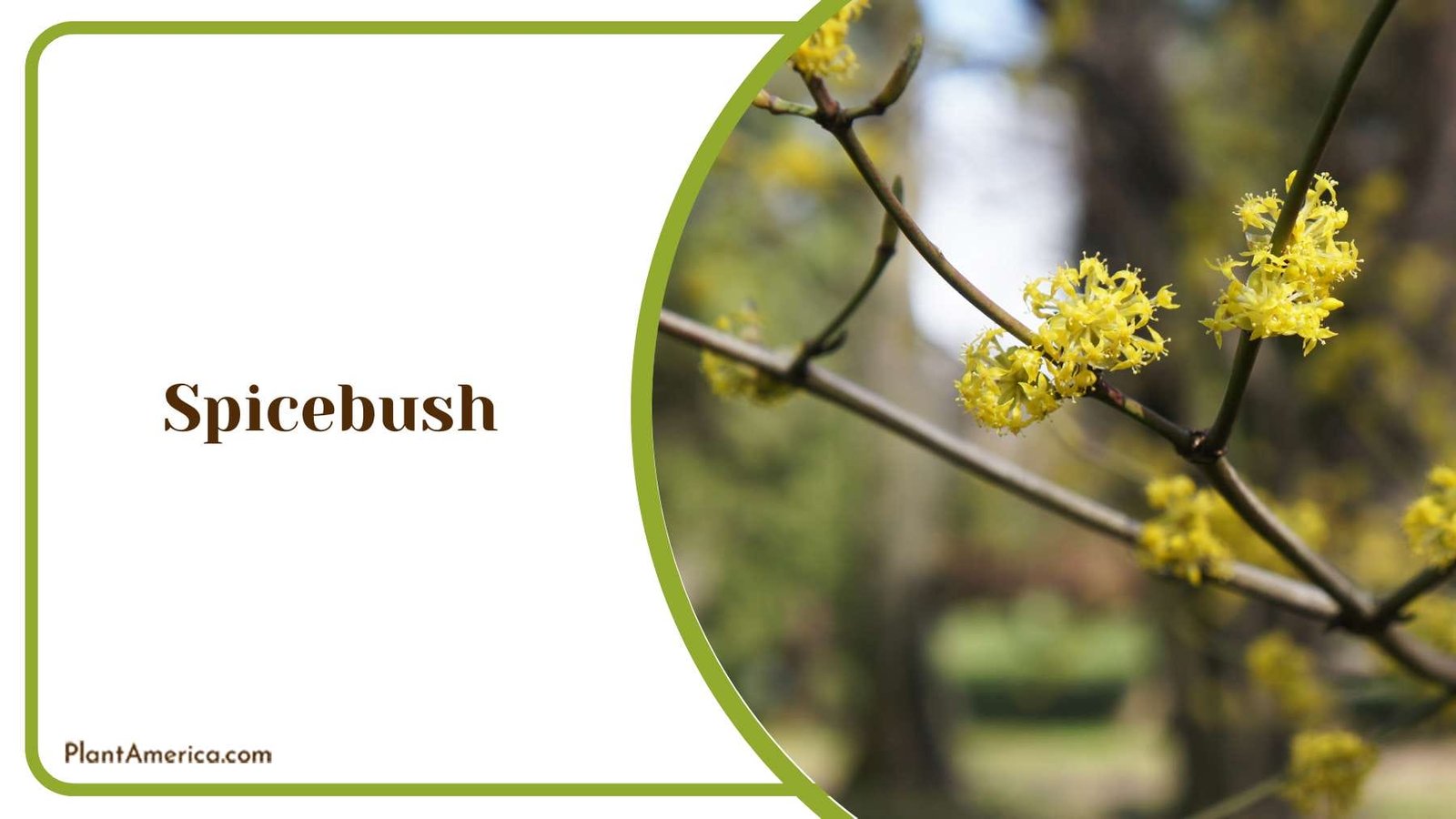
Spicebush shrubs thrive in Florida’s warm climate, producing fragrant yellow flowers in spring followed by distinctive red berries. Its plants bear simple, elliptic leaves that turn shades of yellow and orange in fall. Spicebush is unique for its sweet fragrance, abundant fall foliage, and wildlife value provided by the red berries. Reduce fertilizer and apply organic remedies to control pests like scale insects and spider mites.
The ornamental foliage remains attractive all year, especially come autumn when vibrant colors paint the shrub. Spicebush offers seasonal interest across the calendar while providing habitat value for thirsty birds flocking to feast on berries in winter, and the distinctly aromatic experience appeals to multiple senses.
13. Schefflera

- Growing Season: Spring, Year-round
- Leaf Shape: Palmately Compound, Broad
- Specific Needs: Moist soil, Bright, indirect light
- Common Pests: Mealybugs, Spider mites
Schefflera indoor plants thrive in Florida’s tropical climate, requiring little care beyond occasional pruning and watering, they produce palmately compound leaves that unfurl from woody stems. Schefflera is perfect for your yard due to its eye-catching foliage and architectural form offered with minimal effort. Apply neem oil or insecticidal soap to control pests like mealybugs and spider mites.
The leathery leaves remain attractive all year, arranged in an artful manner that mimics a modern sculpture. Schefflera plants offer effortless interest and style when positioned as a focal point, imparting vibrancy to Florida’s indoor spaces. The dramatic proportions command attention naturally.
14. Cordyline

- Growing Season: Spring, Year-round
- Leaf Shape: Linear, Simple ridges
- Specific Needs: Full sunlight, Partial shade
- Common Pests: Mealybugs, Aphids
Cordyline plants thrive in Florida’s tropical climate thanks to their durability and lush foliage, their plants produce long, sword-like leaves along thick stems topped with floral spikes. I recommend cordyline for the architectural accents and ornamental appeal of their dense, upright form. Reduce fertilizer and apply organic remedies to control pests like mealybugs and aphids.
The attractive, textured leaves remain perky year-round, growing larger with age. Cordyline plants offer affordable elegance for the modern landscape or indoors, imparting a sense of vitality and dimension with their straight upright habit and the tightly spaced leaves exhibit fine details upon close inspection.
15. Citrus
- Growing Season: Spring, Year-round
- Leaf Shape: Elliptic, Simple
- Specific Needs: Full sunlight, Well-drained soil
- Common Pests: Scale insects, Mealybugs
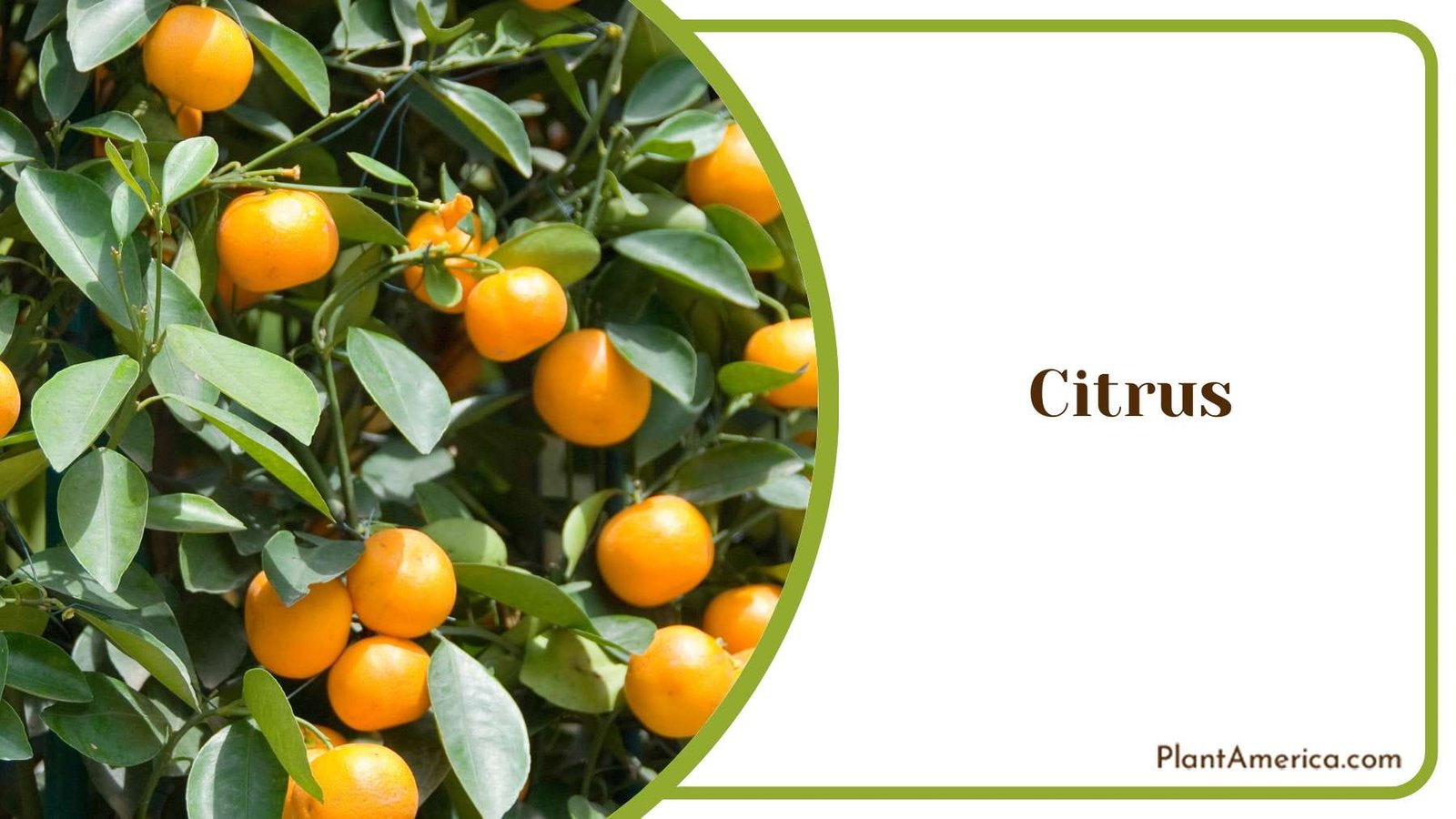
Citrus trees thrive in Florida’s tropical climate thanks to their adaptability and exceptionally high yields; they bear simple, elliptical leaves and sweet-smelling blooms followed by delicious fruit. Citrus is unique for its fresh flavor and tropical fragrance, plus ease of care compared to many landscape plants. Prune as needed and control pests like scale insects and mealybugs using organic treatments.
The evergreen foliage remains attractive year-round, often taking on a waxy appearance. Citrus trees offer functional beauty while imparting a feeling of sunshine and happiness with their cheerful disposition and sweet fruit harvest and the architectural structure has an air of timelessness and simplicity.
16. Canna Lily

- Growing Season: Spring, Fall
- Leaf Shape: Lanceolate, Simple
- Specific Needs: Partial shade, Fertile soil
- Common Pests: Caterpillars, Grasshopper
Canna lily plants thrive in Florida’s warm, humid climate, producing large tropical blooms on tall stalks; they bear narrow, elliptic leaves and showy flowers in red, orange, yellow, or peach shades. Canna lilies are unique for their vibrant display of color and tropical style achieved with minimal effort. Remove spent flower stalks and apply organic remedies to control pests like caterpillars and leaf spots.
The ornamental foliage remains attractive until frost, providing structure and ground cover when not in bloom. Canna lilies offer cheerful color that brightens up any dull spot in the landscape, imparting a splash of joy with each bloom that seems to emerge overnight, and the bushy habit and repeated reblooming create an air of abundance.
17. Heliconia

- Growing Season: Spring, Year-round
- Leaf Shape: Linear, Lanceolate
- Specific Needs: Moist soil, Fertile soil
- Common Pests: Scale insects, Birds
Heliconia plants thrive in Florida’s tropical climate, producing colorful bracts and curving nectar tubes in exotic shapes. The plants bear lancelike foliage on thick, upright stems topped by eye-catching flowers. I recommend heliconia for their unusual beauty and lush size in warm climates, fertilization should be minimal, and apply organic remedies to control pests like scale insects and leaf spot diseases.
The sword-like leaves remain attractive throughout the year, growing larger with maturity. Heliconia plants offer over-the-top tropical panache imparting an intoxicating sense of faraway places with each new bloom tucked within its strange forked bracts and the robust canes persist even when not in bloom.
18. Bougainvillea
- Growing Season: Spring, Fall
- Leaf Shape: Elliptic, Simple
- Specific Needs: Full sunlight, Well-drained soil
- Common Pests: Spider mites, Scale insects
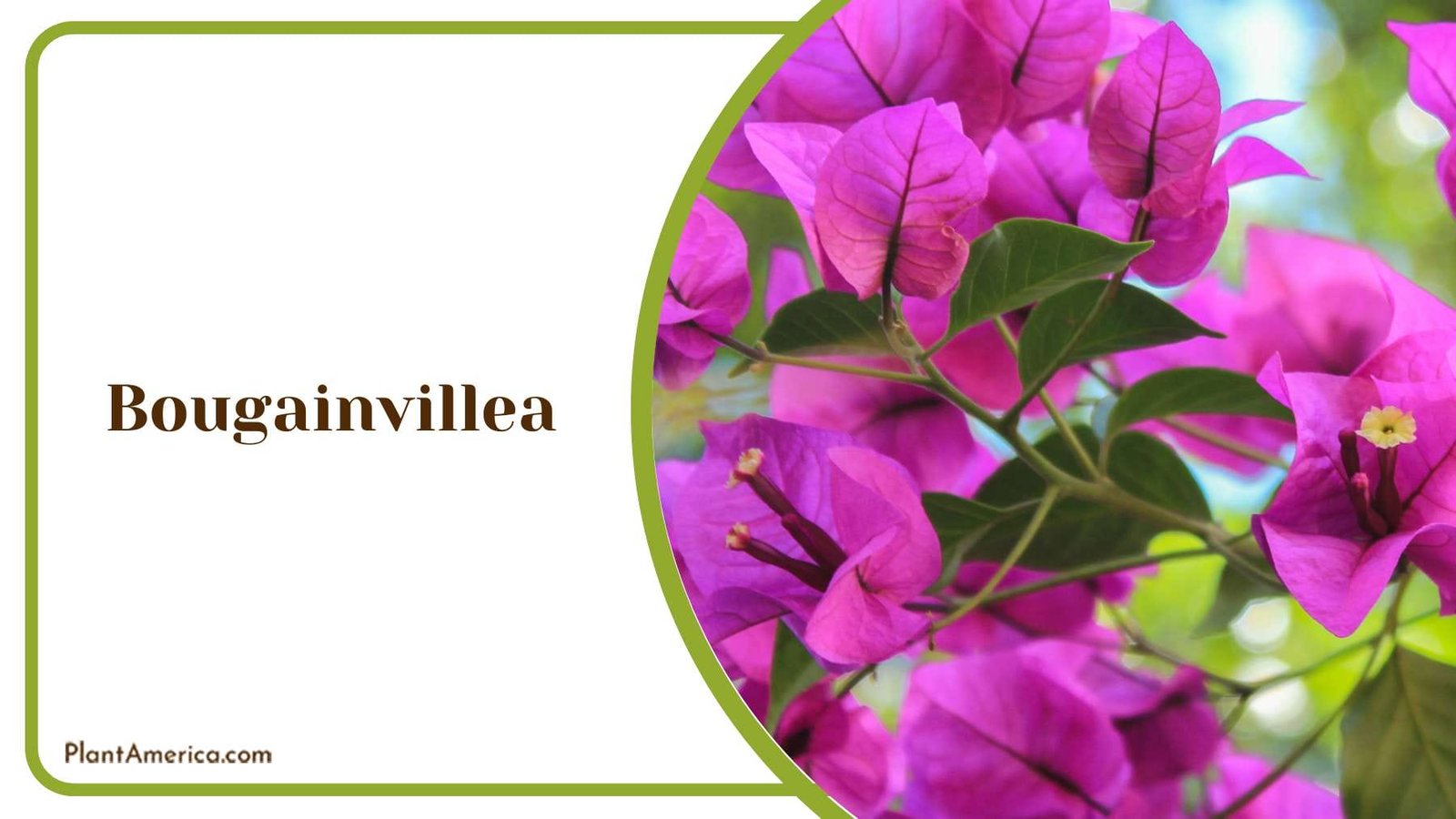
Bougainvillea shrubs thrive in Florida’s warm climate, producing colorful bracts in shades of red, purple, pink, and white; they bear simple, lanceolate leaves and flat flower clusters called bracts. Bougainvilleas are easy-care beauties and are unique for their ability to cover unsightly walls, trellises, or chain link fences. Reduce fertilizer and control pests like spider mites and scale insects with organic treatments.
The textured foliage provides a backdrop for the colorful bracts. Bougainvillea offers tropical flair and long-lasting color displays with minimal fuss, imparting dramatic style to sun-baked patios and impoverished corners of the yard. The vining or spreading habit creates cascading sheets of color.
19. Thryallis
- Growing Season: Spring, Year-round
- Leaf Shape: Oblong, Ovate
- Specific Needs: Moist soil, Well-drained soil
- Common Pests: Mealybugs, Spider mites
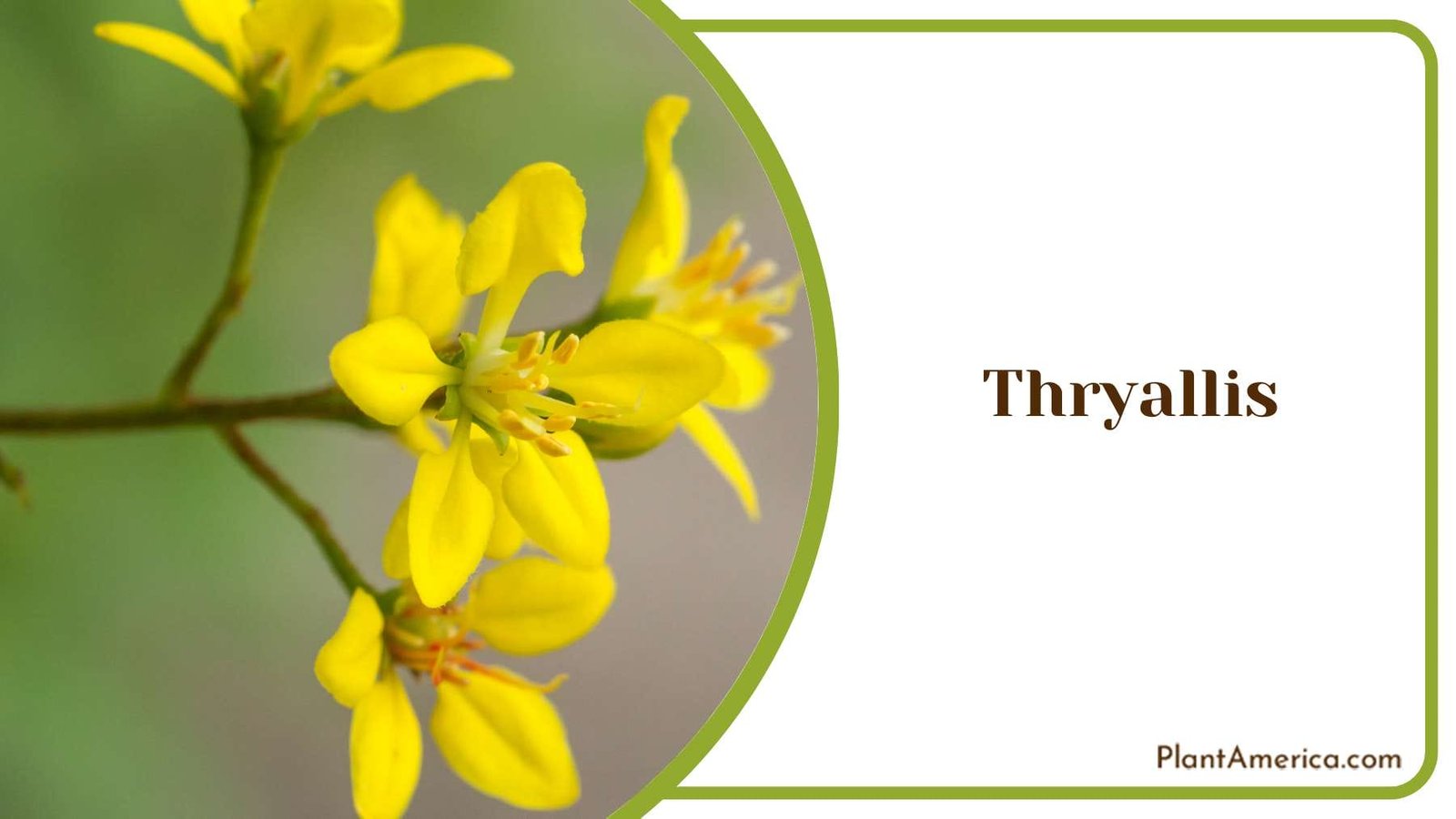
Thryallis shrubs thrive in Florida’s tropical climate thanks to their low water needs and tolerance for heat, humidity, and neglect. The plants produce oval leaves and bright yellow flowers. Thryallis’ are highly recommended for their colorful blooms, ease of care, and ability to thrive in marginal soil conditions. Prune as needed and control pests like mealybugs and spider mites using neem oil or insecticidal soap.
The evergreen foliage remains attractive throughout the year, taking on an ornamental appearance when not in bloom. Thryallis shrubs offer a reliable ambiance with bright pops of yellow when expected least, imparting cheerfulness and adding texture to any landscape. Their tough, durable nature makes them popular in commercial spaces.
20. Bulbine

- Growing Season: Spring, Year-round
- Leaf Shape: Linear, Lanceolate
- Specific Needs: Full sunlight, Well-drained soil
- Common Pests: Spider mites, Aphids
Bulbine plants thrive in Florida’s tropical conditions due to their extreme drought tolerance and low water needs; they produce narrow, sword-like leaves and bright orange flowers. Bulbine plants are unique for their effortless beauty, vibrant color display, and lush ground cover in inhospitable spots. Apply horticultural oil sprays and remove affected leaves to control pests like spider mites and aphids.
The thick, fleshy foliage remains attractive all year, growing larger with age and providing dense ground cover. Bulbine plants offer dependable performance season after season while demanding virtually nothing in return, imparting casual elegance to barren areas of the landscape.
Conclusion
Many of these plants are of vibrant colors providing colorful flowers, foliage, or fruit to brighten up the landscape throughout Florida’s long growing season, and due to their tropical origins, most require little watering beyond occasional irrigation, especially after they become established.
- Croton plants thrive in Florida’s tropical climate thanks to their tolerance of heat, humidity, and fluctuating moisture levels, their plants produce colorful foliage in shades of red, yellow, and orange.
- Peace lily indoor plants thrive in Florida’s warm climate, filtering toxins and adding beauty even in low light and the plants produce white flowers above broad, glossy lanceolate leaves.
- Red hibiscus shrubs thrive in Florida’s tropical climate thanks to low-maintenance needs and the plants bloom year-round with vibrant red flowers that stand out against the palmate leaves.
Adding low-maintenance tropical plants to your Florida garden is an easy way to bring a slice of paradise to your own backyard. Whether just getting started or expanding an existing landscape, there are many beautiful, carefree options to choose from. With a little research and the right selection for your space, you’re sure to enjoy the rewards of tropical plants with minimal effort for years to come.