
Agave plants in Florida are the plants that should be grown with proper care and knowledge about them. While it is not native to the state, most varieties of this plant can be grown here, provided you use the correct tools and care for it to flourish.
Today, we’re listing some of the best Florida-friendly agave varieties to start your journey and how to care for each one. After finishing this article, you will be able to plant the agave and grow them in the best way possible.
List of Agave Varieties To Grow in Florida
1. Foxtail Agave
| Growth season |
|
| Specific Needs |
|
| Height |
|
| Appearance |
|
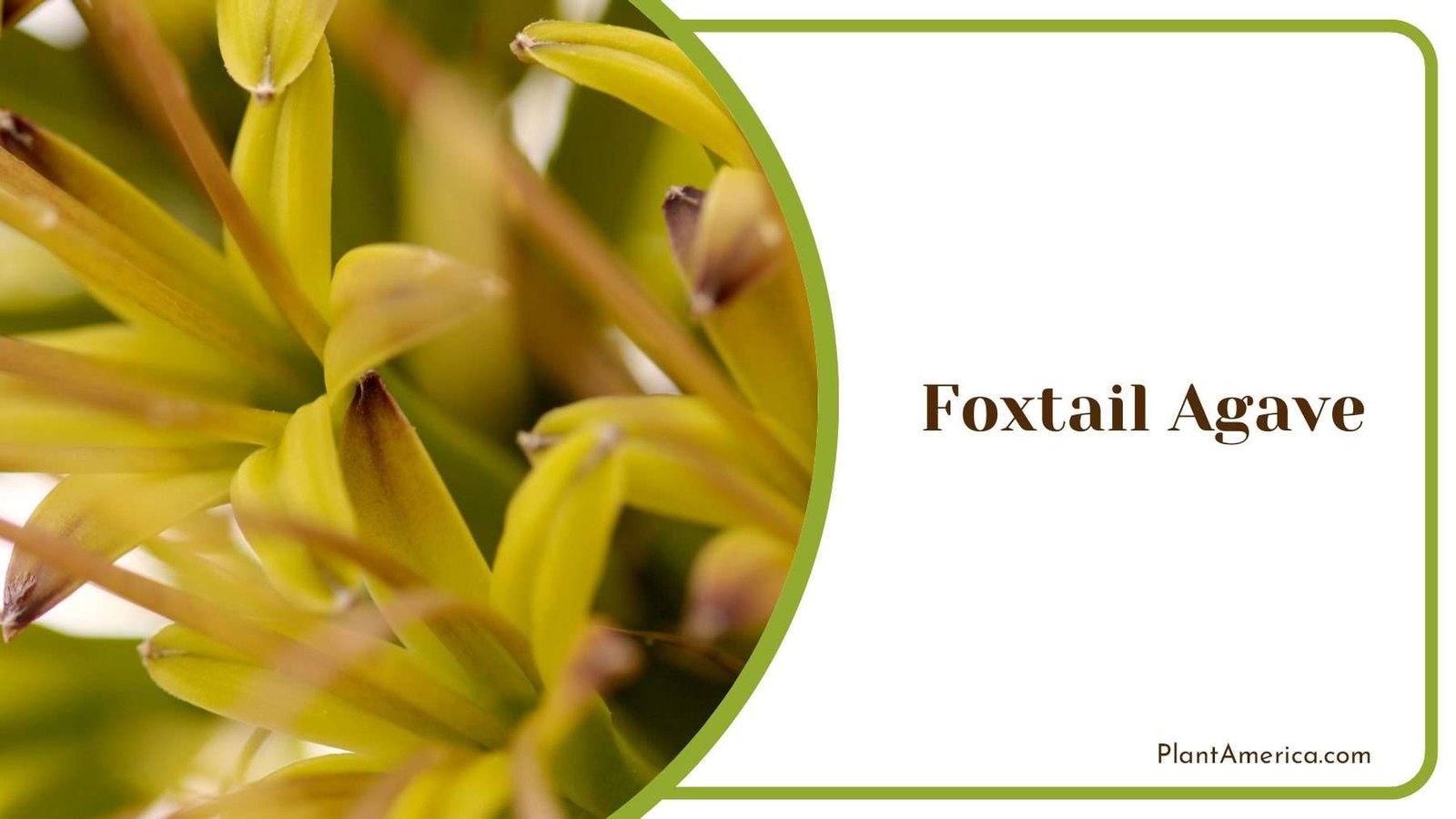
You must know how the foxtail agave plants are some of the best plants to grow in Florida, and also it is one of the most common types that if you decide to search agave plants near me this may be one that you will find. This popular succulent agave variety is recognized for its interesting appearance of giant, deep green leaves that resemble a rosette.
It is also known for its tall flowering stalk that can reach heights up to 12 inches tall and resembles a foxtail – hence the name. The foxtail agave is also one of the fast-growing varieties, making it an ideal option to plant outdoors.
This plant can appreciate full sun and partial shade, but indirect light works best, and when you place it in such a location, it will thrive in the right place. It is also a cold-tolerant variety of agave and will be able to withstand lower temperatures.
This is one of the types of agave plants Florida is known for because they are drought tolerant just as they get established, giving you more freedom with watering sessions. As for soil, foxtails grow best in well-drained mixtures, so let it dry out in between watering sessions.
One of the best parts about the foxtail variety is that it can be used in a good deal of different agave landscaping ideas, making it blend seamlessly with its surroundings. But it can also help improve the look of your Florida gardens thanks to its green leaves that grow in a rosette form. It can truly become a focal point in your lawn once fully grown.
For best care, trim your foxtail only when needed, and this is why if you see visible damage in root rot or brown leaves, get your shears. Otherwise, the plant won’t be too fussy and is low maintenance.
2. Parry’s Agave

| Growth season |
|
| Specific Needs |
|
| Height |
|
| Appearance |
|
Agave parryi, or Parry’s Agave, is second on our list of the best agave plants that you can grow in Florida. This gorgeous succulent is one of a kind in its own way.
This variety is worth adding to your collection with a luscious blue-gray hue on the leaves that form a compact rosette, and a tall flowering stalk with bright yellow blooms. These are the ones that will grow when you give them their right needs, and you will see them thrive in spring and early fall.
The flowering stalk, however, will take a few years to come in on a newly planted parry’s agave, so don’t get too anxious. It is quite a slow-growing variety and takes time fully establish. Another unique characteristic is that this variety is pretty compact. Most of its height will only reach 20 feet tall in heights.
Another reason why Parry’s Agave is also a good plant for Florida is because it’s drought-tolerant. It can withstand the high temperatures here and prove hardy, even with excessive sunlight. You will occasionally be free to water your plant when the soil dries; however, you should look for dry soils more seriously during the harsh summer weather.
Finally, using Parry’s agave in your lawn to create beautiful landscapes and have it blend seamlessly with the rest of your plants is an ideal choice. It is most popular in desert-themed gardens.
As for maintenance, like its other varieties, this agave will not be a high-maintenance plant and will give you more freedom. It is one that adapts to many different soil types and will do well in full sun and partial shade. One factor to keep in mind is that while it is a compact variety, giving the plant adequate space to grow properly is very much required.
3. Agave Weberi

| Growth season |
|
| Specific Needs |
|
| Height |
|
| Appearance |
|
The Weberi agaves are a stunning variety that can grow in large sizes and complement any landscape. It is mostly planted in rocky gardens, desert landscapes, and most lawns to create beautiful focal points. To tell you more about its size, this plant’s leaves can grow up to 5.2 feet, while the entire plant can grow up to five to six feet high, making it one of the largest agave varieties.
The leaves grow in an outward direction and are thick but rigid in texture. The color of these sappy leaves can range from a gray-blue hue to green and have a wax-like coating, making them shiny and attractive. The tips of each leaf can also become sharp and pointy, so caution is advised if you have young kids or pets to avoid hurting them in any way.
Moreover, you can also see that this type of plant will flower quite sometime after having established. That too, only once with clusters of yellow-green flowers that will attract healthy pollinators. Weberi, being native to Mexico, will easily adapt to arid climates that may be found in Florida. Like other varieties, it is highly drought tolerant, so watering it will be easy.
When talking about soil needs, it will need a well-draining mix to help reduce any risks of root rot because it is so drought friendly. The Weberi makes for an excellent garden plant and improves most landscapes thanks to its huge size and gorgeous leaves. You can also easily make it into a focal point in your outdoor space.
Just remember that this is one of the largest agave varieties to be growing, so giving it ample space considering its growth habit is necessary for making sure it can flourish properly, otherwise, it’s the perfect plant to grow in Florida.
4. Agave Neglecta

| Growth season |
|
| Specific Needs |
|
| Height |
|
| Appearance |
|
Agave neglecta, sometimes known as dwarf or octopus agave, is a smaller succulent variety. The most its leaves will grow is about five feet tall. The leaves grow in a similar shape to foxtail agave, forming rosettes of thick, green leaves. The leaves have a blueish hue, which is also similar to blue agave as they have similar shades and are smooth in their texture.
This plant will enjoy arid regions and withstand harsh heat with no problem. As long as you’re giving the plant well-draining soil to reduce the risk of root rot, you’re pretty much good to go. Watering should be timed according to how dry the soil has gotten, and this way you would see how they thrive, which is why even in colder months, you shouldn’t water them too much.
Overall, it’s not too fussy and can quite a while before the next hydration session. After several years of growth, the neglecta may grow a tall flowering stalk that grows from the center of the plants with green-yellow blooms.
You can easily plant more than one agave neglectas in your landscape to create a variety of focal points. You should also consider how it is a practical one to place because of its compact size, you do have the freedom to grow it indoors, which also looks quite tasteful.
It does prefer full sun, so keeping it next to a window indoors or someplace it can receive the required light will be ideal. Overall, it’s a beautiful plant that is easy to maintain and add in any space of your home. It’s an ideal agave choice to grow in Florida weather conditions.
5. Agave Americana

| Growth season |
|
| Specific Needs |
|
| Height |
|
| Appearance |
|
Agave Americanas, also known as the Century Plant, is another large variety of agave species. The leaves on this plant are thick and rigid in texture as the leaves are ones that also have a blue-gray hue but are most prominently green. The leaves also have quite a prominent central spine going down from each leaf. They typically will reach impressive heights of six feet tall, maximum, which is a largely grown plant.
As for flowering, it blooms once in its lifetime after having reached maturity, which can take several decades. The Americana type of agave is one of the most common varieties used to improve landscapes and add something because of its impressive size and appearance. When it comes to caring for the Americana, you don’t have much to worry about.
It has the same qualities as the rest of the variety of the same species of plants and will withstand a number of conditions, soils, landscapes, and elements. Because it can grow so large, some gardeners may think pruning it is necessary, but it’s quite the opposite.
Unless you see visible damage in the form of dead leaves or root rot, you don’t have to prune it at all. Just focus on fully establishing the plant by following its easygoing care guide.
During the winter, it is advised to bring your Americana agave indoors as they will go dormant. Watering sessions should also be completely minimal during the cold season. Finally, you can go ahead and plant these, anywhere your heart desires to make the area stand out and look visually appealing.
6. Agave Desmettiana

| Growth season |
|
| Specific Needs |
|
| Height |
|
| Appearance |
|
Last but certainly not least, the desmettiana agave is another popular variety you can grow in Florida and it is also called Smooth Agave because of its smooth leaves look, even from afar. If your landscape has a lot of texture already, planting this variety may give it an improved change and help make it stand out.
This plant grows in a rosette form with leaves hanging broad and wide, and the leaves are green in color with a light gray hue to them. What sets this variety apart from others on this list is that the leaves on this plant don’t have margins or spine-like textures.
Just like the other agaves, you can water the agave desmenttiana sparingly and grow it in well-draining soil mixes. This ornamental agave variety can really spruce up any landscape thanks to its dramatic appearance. But, just like any other plant, caring for it according to its needs is what will help fully establish it, even if it’s relatively low maintenance.
It’s a Florida-friendly variety and will look great in rock gardens, desert themes, wild gardens, and even indoors. Just be mindful of its growth habits and give it the needed space for best growth patterns.
Conclusion
There is a complete list of agave varieties to grow in Florida. Just remember these key factors:
- All agaves tend to be drought resistant, meaning overwatering can easily be an issue. Always water sparingly and use well-draining soil.
- It is ideal to bring your agaves indoors during the colder months, as frost is not ideal for this plant species.
- All the plants above can grow pointy-ended leaves, making them a hazard for young kids and pets. Always be cautious.
With this list, you’re all set to grow any, one or more, of these beautiful agave plants in your Florida homes, and you can place them, give them simple care, and see certainly added vibrancy.