
Mealybugs on Bird of Paradise aren’t a pretty sight, considering how this beautiful plant barely has any enemies. And how could anything attack something so beautiful? Unfortunately, mealybugs are one of those pests that won’t pick and choose their victim.
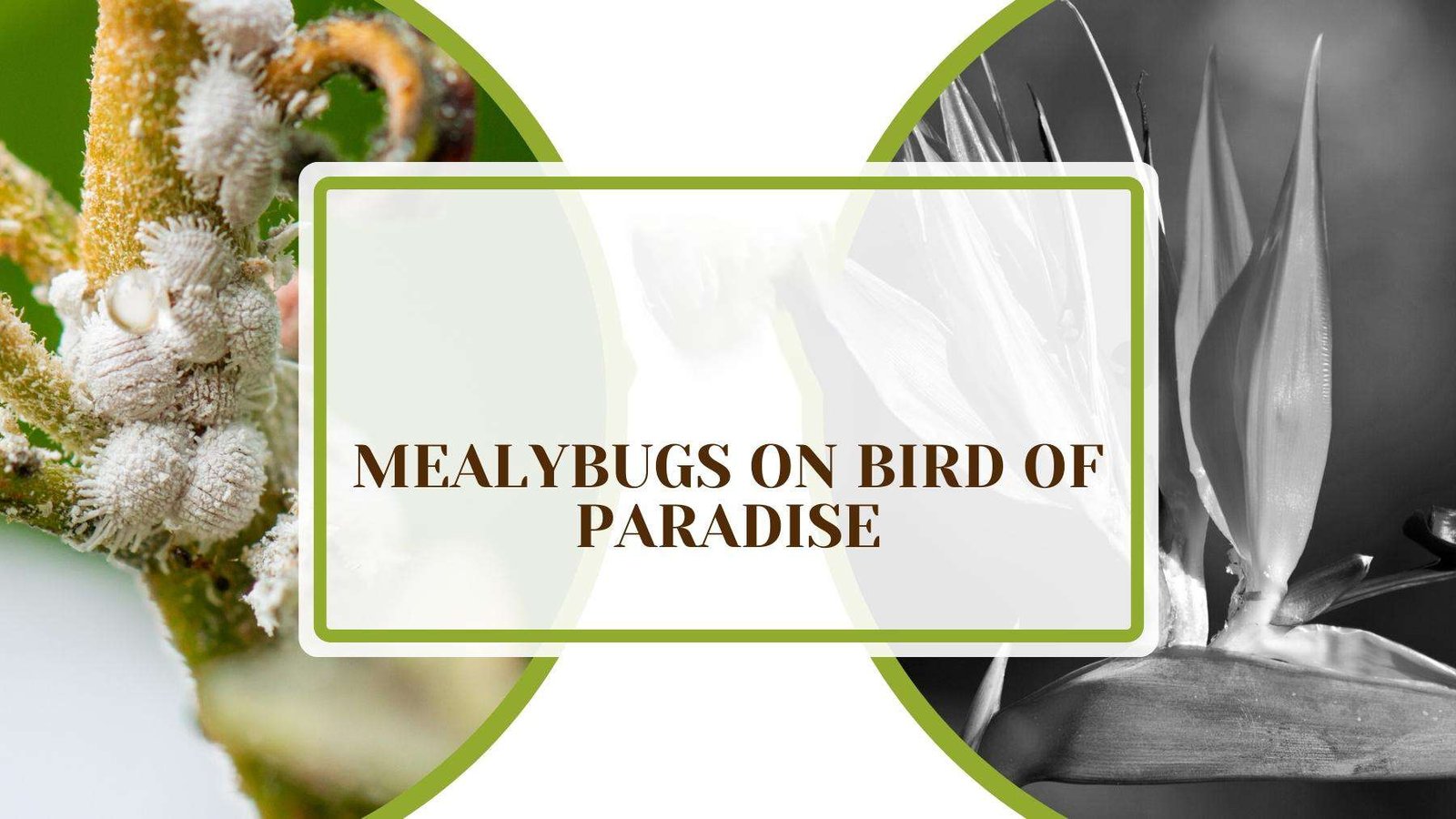
But don’t worry, in the text that follows we’re bringing just the answers you’re looking for, helping you to identify these critters and fight back.
How To Recognize Mealybugs on Bird of Paradise
You can recognize mealybugs on the Bird of Paradise plant by looking out for obvious signs, such as the presence of a waxy substance and pale clusters on the shoots of the plant. Also, you can also detect them by looking at the decreased vitality of the plant.
Birds of paradise plants don’t have many adversaries but have a tendency to draw in some common bugs, such as spider mites and mealybugs due to their tender growth and elevated nitrogen levels. In turn, mealybugs sustain themselves by extracting sap from these plants and exuding a sticky substance known as honeydew.
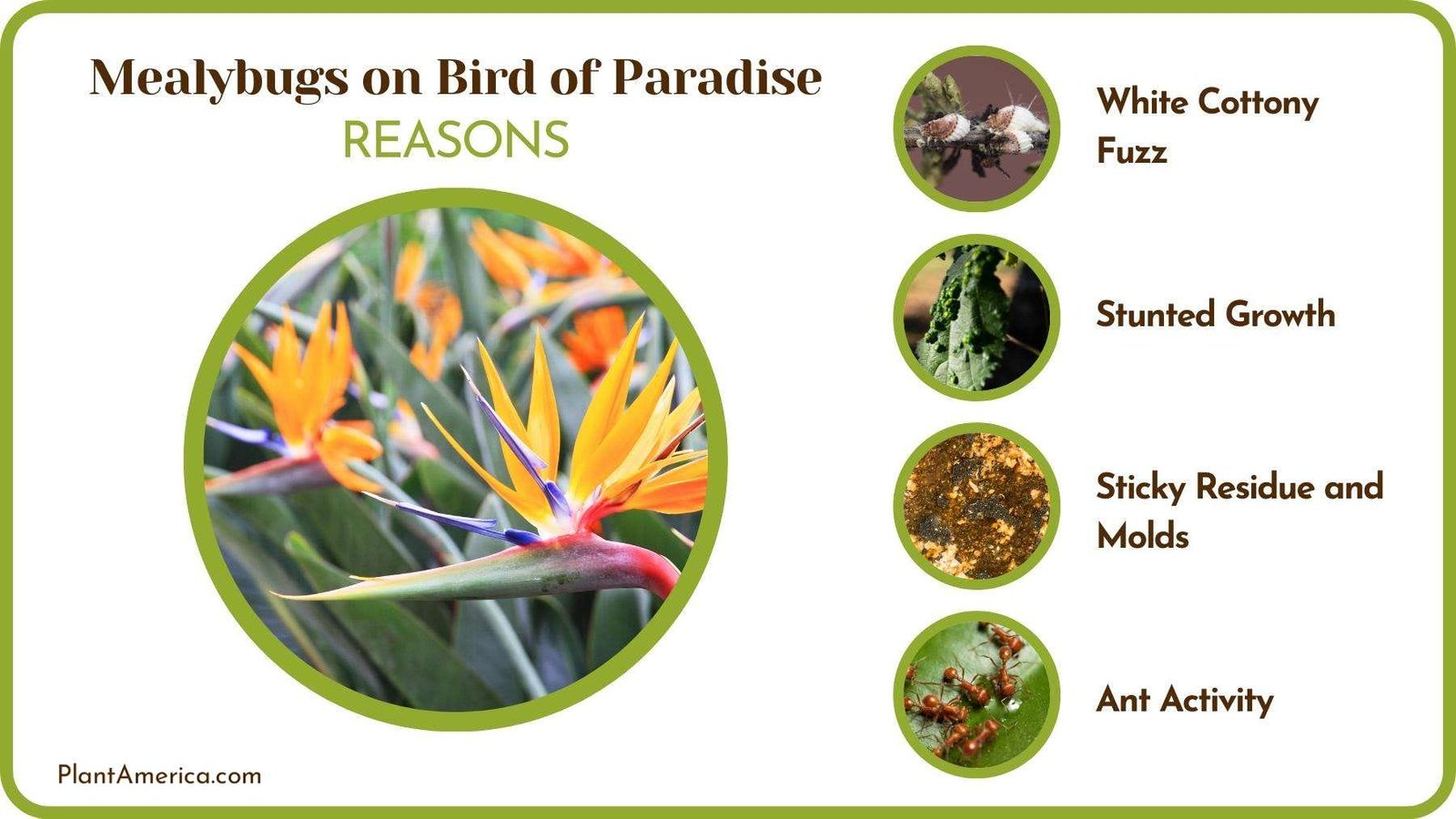
These small, segmented insects lacking wings measure around 1/20 to a fifth of an inch in size and are coated with a waxy substance resembling mealiness. They often aggregate in pale clusters on shoots, triggering a notable decline in plant vitality. The presence of mealybugs can even result in the withering of shoots and untimely shedding and curling of leaves.
Unless the harm caused by these mealybugs is addressed, the infestation has the potential to be fatal for the plant. The appearance of sooty black mold is a clear indicator of mealybug infestation affecting the plant. It is this damage that will tell you they are here.
It’s only a matter of recognizing it on time, so let’s break down the signs!
– White Cottony Fuzz
Recognizing the presence of mealybugs amidst your Birds of Paradise demands recognizing their distinctive formations of cottony colonies. Swift identification is crucial to prompt action. These groupings resemble small, white, cotton-like patches and frequently take up residence in hidden recesses of the plant.
To capture them during their development, develop a habit of regularly examining your plants. Run your fingertips delicately along the intersections of stems and in regions where stems connect with the soil.
– Stunted Growth
Mealy bugs often cause deformed growth and the emergence of yellowing leaves. These signs arise from their feeding behavior, which disrupts the plant’s nutrient uptake and overall health.
Mealybugs not only consume sap but also inject toxins into the plant while feeding on Birds of paradise leaves. These toxins can interfere with chlorophyll production in leaves, leading to discoloration. If you observe that the plant leaves are turning yellow, especially in a pattern that doesn’t seem to be related to other factors, mealybugs could be the culprit.
– Sticky Residue and Molds
A distinct indicator that catches the attention of gardeners in identifying mealybugs is the discovery of a sticky residue gracing the trees. This substance, named honeydew, essentially represents the plant sap that mealybugs have not fully processed in their life cycle. Should you chance upon any gleaming or tacky patches on your tree, it could be a signal that mealybugs are partaking in their feast.
Honeydew creates an ideal breeding environment for sooty mold — a variety of fungi. This adhesive residue offers an optimal surface for the mold to adhere to, propagate on, and envelop diverse portions of the plant, including leaves, branches, and even blossoms.
– Ant Activity
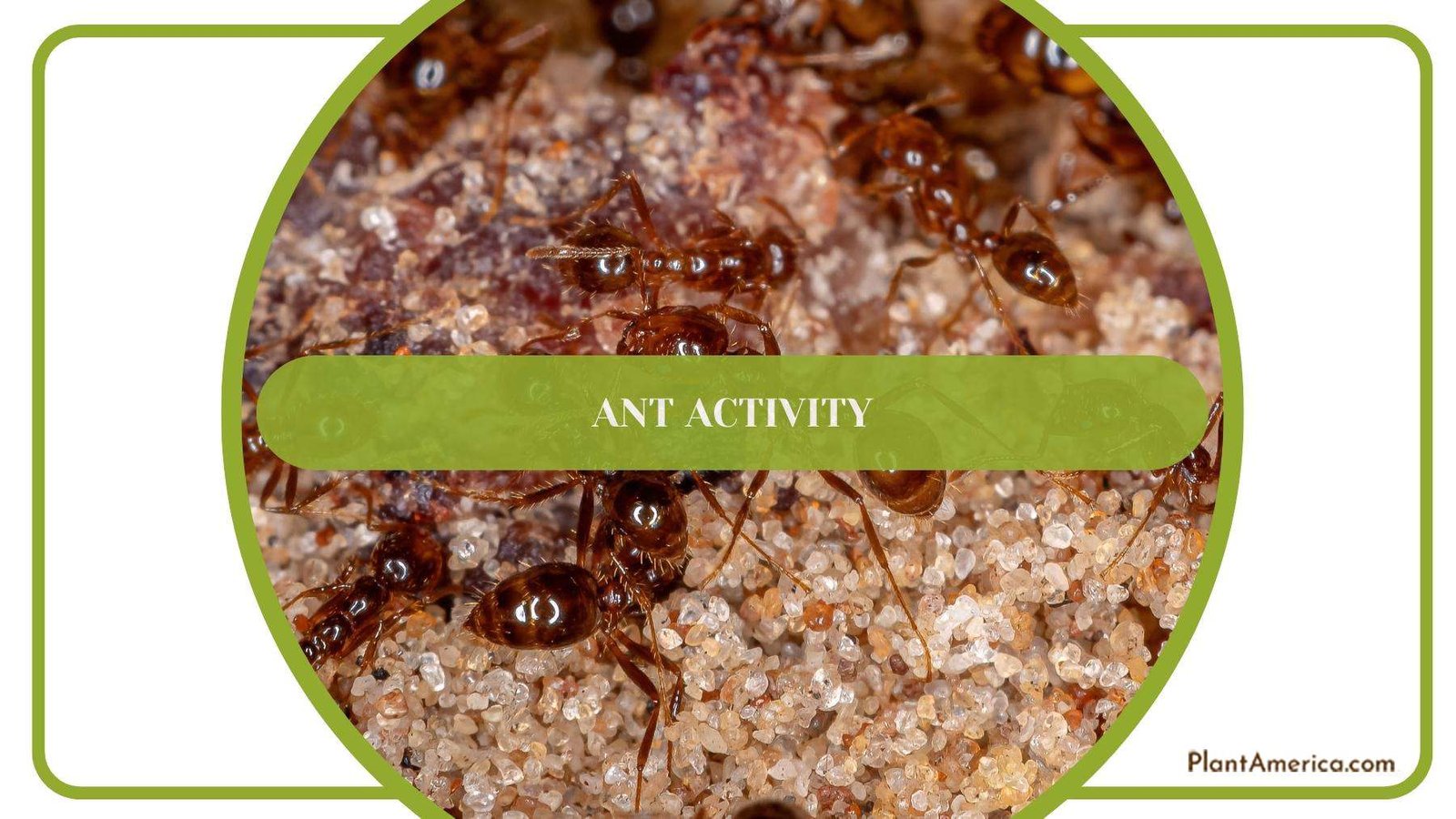
Ants are frequently drawn to mealybugs due to the sweet honeydew. This sugary substance serves as a favored nourishment for ants.
In their pursuit of honeydew, ants may not only congregate around mealybug clusters but might also actively care for these pests, safeguarding them from natural predators. Hence, if you notice an unusually heightened level of ant activity encircling your Bird of Paradise plant, it strongly suggests the possible presence of mealybugs. This connection between ants and mealybugs serves as a signal prompting you to undertake closer examination and mealybug prevention methods!
How To Get Rid of Mealybugs From Bird of Paradise Plants
You can get rid of mealybugs from bird of paradise plants by using rubbing alcohol, neem oil, soapy water and horticultural oils. These are some of the safest and easiest-to-follow remedies to get rid of mealybug infestations. Introducing beneficial insects can also prove beneficial.
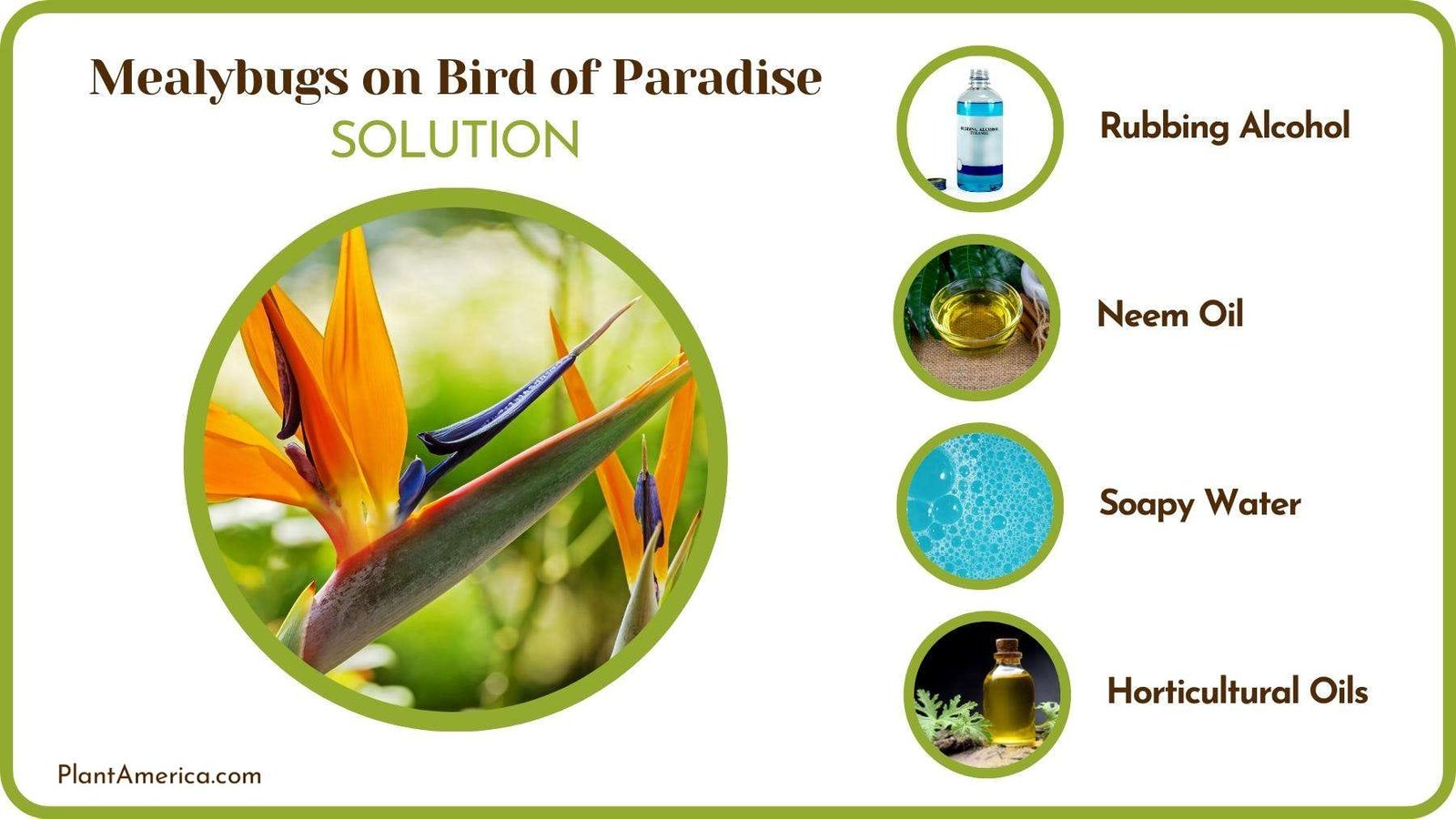
From conventional water-based remedies to harnessing the aid of natural adversaries, let’s delve into these prevention tips and proceed with resolute action!
– Rubbing Alcohol
Get a cotton ball and drench it in isopropyl alcohol. Be cautious not to use alcohol with a higher concentration. Prior to applying it to the entire plant, conduct a patch test on a single leaf to ensure the alcohol won’t cause harm.
Gently rub the mealybugs using the soaked cotton ball—this action swiftly eliminates them. Maintain this treatment weekly until the infestation is completely eradicated. To avert leaf burns and potential damage, steer clear of doing alcohol rubs during the peak of midday!
– Neem Oil
Derived from the neem tree, this oil stands as a natural substance with diverse properties. Its function extends beyond that of a repellent, as it perturbs the regular feeding abilities of mealybugs on your Bird of Paradise. Comparable to insecticidal soap, neem oil carries added advantages, including its fungicidal properties.

Neem oil operates by effectively suffocating pests that cling tenaciously to your plant’s surface. However, it’s worth noting that it might have an adverse impact on other beneficial insects like ladybugs, which are advantageous for your Birds of Paradise.
Mix two to four tablespoons of neem oil with one gallon of water in a spray bottle. Administer the oil solution away from direct sunlight to avert potential leaf burns.
Transfer your plant to a shaded area for drying. If your plant is situated outdoors and rooted in the soil, aim to execute this process during a period when direct sunlight is minimal, typically when temperatures are below 85 degrees Fahrenheit.
– Soapy Water
Employing a blend of dish soap and water stands as an additional method to combat mealybugs.
For optimal results, opt for soft water to dilute the soap and steer clear of employing dry dish soap due to its potentially harmful chemical compounds. And the recipe is pretty easy — just a tablespoon or two of liquid soap mixed with a gallon of water. Thoroughly blend the mixture.
The soapy water works by suffocating the mealybugs. If the initial application falls short of the desired results, repeat the process every few days to enhance its efficacy.
– Horticultural Oils
These oils serves as an insecticide derived from either vegetable or petroleum sources, specifically designed to suffocate mealybugs while safeguarding the well-being of your Birds of Paradise. This treatment solution stands as the optimal choice for eradicating mealybugs without being harmful to your plant.
Adhering to the instructions provided on the label, pour the horticultural oil into a spray bottle and dilute as needed. Thoroughly mist your plant using the prepared oily solution. Pay specific attention to applying the spray underneath the leaves of the infested plant.
To ensure thorough elimination of mealybugs and any hatching eggs, reapply the oil roughly every two to three weeks for a span of about two months. Avoid applying oil solutions when the temperature surpasses 80ºF or drops below 40ºF, as these extreme conditions can adversely affect its efficacy.
– Friendly Insects
Incorporating standard ladybugs or the specialized mealybug ladybird can significantly enhance your efforts. These ladybirds offer invaluable assistance by rapidly eradicating mealybug populations.
Although resembling the familiar ladybugs, the mealybug ladybird exhibits a slightly smaller size and a more subdued appearance. Departing from the iconic red wings adorned with black spots, they sport unpretentious brown wings and a modest tan head.
These natural predators can be procured through garden centers or online platforms, furnishing you with a strategic and enduring approach to effectively managing mealybug populations.
– Insecticidal Soaps
Turning to reputable products can prove pivotal when dealing with more severe infestations. Alternatively, you retain the option to concoct your very own solution utilizing common household ingredients.
Crafting a homemade spray involves a simple blend of a tablespoon of mild liquid soap, and a quart of water with some essential oils. This mixture yields a gentle yet highly effective insecticide, specifically tailored to prevent mealybugs.
The application process involves thorough and even coverage across the afflicted surfaces of your Birds of Paradise.
– Diatomaceous Earth
Diatomaceous earth is a finely ground powder derived from the fossilized remains of diatoms. This powder’s texture presents an abrasive challenge to the exoskeletons of insects. Upon contact, the substance adheres to the bodies of mealybugs, transforming into minute shards that puncture through their protective waxy coatings.
When applying diatomaceous earth, it’s wise to put gloves and a mask on to prevent inhaling the fine particles. Mealybugs exhibit diminished activity under dry and airy conditions, heightening the efficacy of this application.
Gently and precisely sprinkle a thin layer of diatomaceous earth onto the areas impacted by mealybugs on your plants. Monitoring outcomes is crucial, as occasional reapplication might be necessary.
While not a swift solution, diatomaceous earth exerts a gradual influence that aids in progressively reducing the mealybug population over time.
– Keep Your Plants Resilient
Maintaining the health of your plants is a fundamental strategy for preventing and combatting mealybugs. A healthy plant is naturally more resilient and capable of warding off pests. Here’s a plant care guide to help you achieve it:
Regularly inspect your plants for signs of stress, disease, or pest presence. Early detection allows you to address any issues promptly before they escalate into serious infestations.
Overwatering can lead to root rot and weaken your plant’s overall health, making it more susceptible to pests. Water your Birds of Paradise according to its specific needs and ensure proper drainage. Provide the right amount of sunlight that your plant needs. Insufficient light can weaken the plant, while too much direct sunlight can stress it. Find the optimal balance based on your plant’s requirements.
Use well-draining soil to prevent waterlogged roots, which can lead to serious health issues for the plant. A pot that’s too small can restrict root growth, leading to stress and vulnerability to pests, so choose an appropriately sized container.
Supply your plant with appropriate nutrients, including balanced fertilization. A healthy plant with proper nutrition can better withstand pest pressures. When introducing new plants to your collection, isolate them for a period to ensure they are pest-free before placing them near established plants.
By maintaining these healthy practices and regularly tending to your Birds of Paradise’s needs, you create an environment that is less attractive to mealybugs and more conducive to plant health. Preventing mealybug infestations becomes a natural outcome of your ongoing care and attention.

Conclusion
The unwelcome presence of mealybugs casts a shadow over these exquisite plants that seem to have few adversaries. In this article, we have provided the answers you’re searching for, so let’s remember what we’ve gone through:
- The journey begins with spotting the distinctive cotton colonies formed by mealybugs. This requires keen observation and a commitment to regular inspection, ensuring that no nook or cranny goes unnoticed. Growth deformities and yellowing leaves further illuminate the mealybug’s presence. The distinct presence of honeydew, a sticky residue on your precious trees, unveils another mealybug trail.
- In the battle against mealybugs on Birds of Paradise, a varied arsenal awaits. Rubbing alcohol emerges as a surgical strike, while neem oil stands as nature’s intervention, disrupting mealybugs’ feeding and reproductive cycles. The gentle yet potent force of soapy water offers another avenue, suffocating the invaders while horticulture oils orchestrate a suffocating siege.
- Beneficial insects, like standard ladybugs or the mealybug ladybird, stand as living allies, tirelessly eradicating mealybug populations. By upholding the well-being of your Birds of Paradise, you bestow upon them the armor of resilience.
- Regular inspection, balanced watering, appropriate lighting, and meticulous pruning form the foundation of this defense. The pursuit of a holistic environment, devoid of stagnant air and excess moisture, becomes your strategic shield.
Armed with these insights and determination, let’s embark on a journey of nurturing your beloved plants and fending off these pesky invaders.