

Tradescantia nanouk plant of the Commelinaceae family is a popular indoor plant on social media platforms these days. Its bright green, pink, and fuzzy purple leaves that grow in chunky clusters are the reason for its popularity.
Whether you’re a gardening novice or an experienced green thumb, this Tradescantia genus plant is a beautiful addition to any home. Our complete and comprehensive guide will help you understand its care requirements in depth.
Tradescantia Nanouk Care
In terms of Nanouk care, it requires relatively low maintenance. It thrives in bright, indirect sunlight and does best in well-draining soil. Water your plant regularly to keep the soil damp, but be careful not to overwater. Soggy soil can cause root rot and kill your plant.
 Water Requirements
It has relatively low water requirements, making it an excellent choice for those with busy schedules or are new to gardening.

The plant thrives in bright, indirect sunlight and prefers consistently moist and well-draining soil. To ensure optimal growth and health, water your plant once a week, and be sure to empty any excess water from the saucer to prevent root rot.
 Light Requirements
The Tradescantia nanouk plant will thrive in bright indirect light, so it is a good indoor plant to brighten up a room. Although it can survive well in direct and indirect sunlight, make sure not to leave it under the sun’s harsh rays for long periods of time.
Too much sunlight can cause scorching of the leaves and turn them brown, which will not only make the plant look weak, but will also cause it to become unhealthy.
If you want your Tradescantia nanouk to produce lots of beautiful flowers, then make sure to give it a good amount of bright indirect light. Too little light will lead to this plant’s foliage fading.
 Soil Requirements
The plant does best in fast-draining soil that is rich in organic material. To help boost your plant’s health, we recommend adding compost or a light fertilizer to the ground before planting. In terms of pH, it prefers mildly acidic to slightly bare soil with a pH between 5.5 and 7.
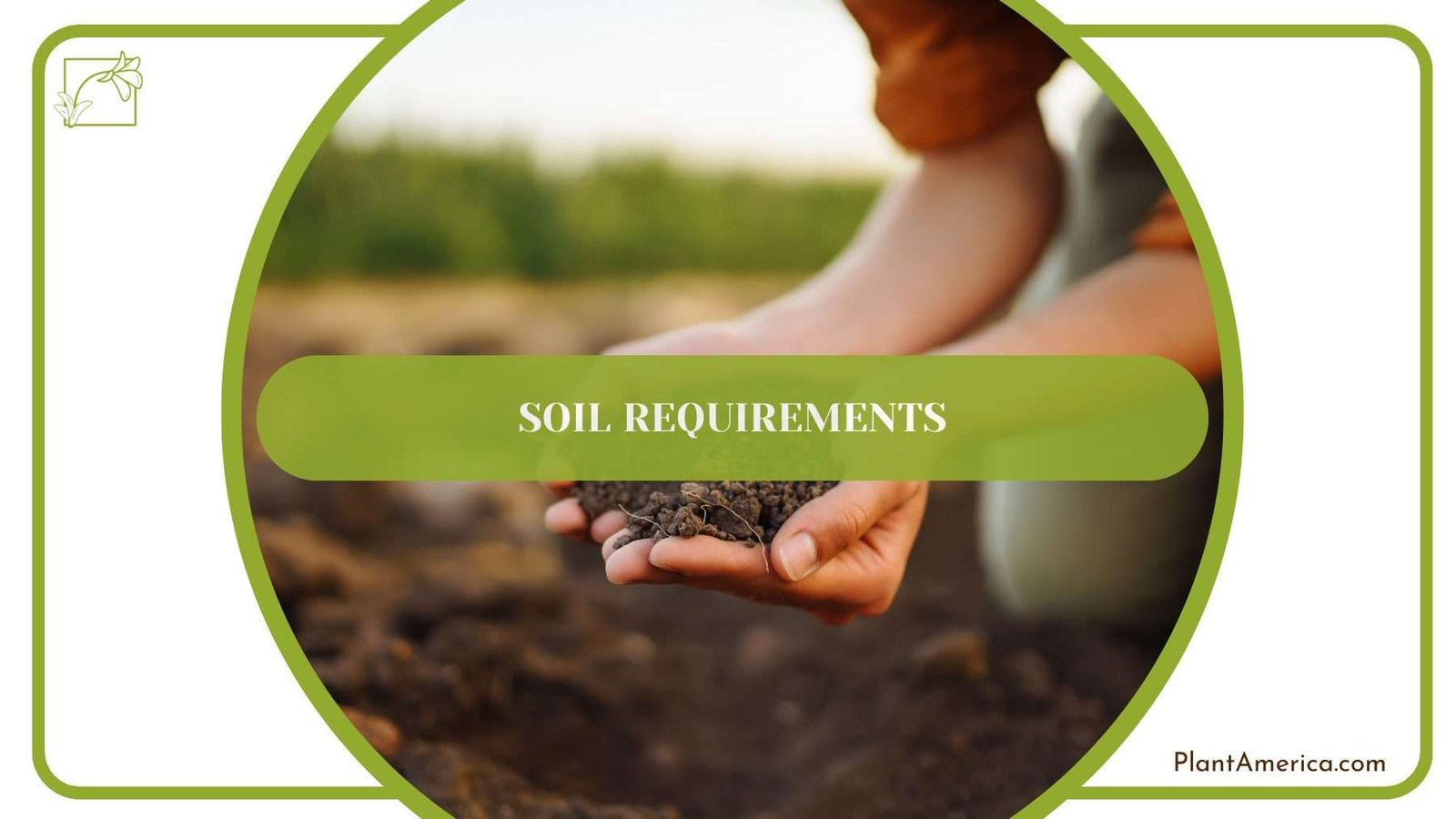
Make sure that the soil you use for this plant is well-aerated and well-draining. Waterlogged conditions may lead to root rot.
 Temperature Requirements
It thrives in various temperatures, but it does best in moderately warm climates. The plant prefers daytime temperatures between 70 and 80 degrees Fahrenheit with nighttime temperatures around 65 degrees Fahrenheit.
 Humidity Requirements
It is relatively tolerant of different humidity levels, but it prefers moderate to high humidity. To help keep your plant healthy and thriving, we recommend placing it in a room with an air humidifier or on a pebble tray filled with water.
 Fertilizing Requirements
It does not have high fertilizer requirements, but we recommend fertilizing your plant once a month during the growing season (spring and summer) to ensure optimal growth. When fertilizing, be sure to use a water-soluble fertilizer that has been diluted to half-strength to avoid damaging the plant.

 Pruning
It does not require frequent pruning, but we recommend trimming any leggy or overgrown stems to promote fuller growth. Use a sharp pair of scissors or gardening shears to snip off the excess growth.
Propagation
One of the easiest ways to propagate this plant is through stem cuttings. Use a sharp knife or a pair of scissors to snip off a 4-6 inch section of stem with at least 2-3 leaves. Next, remove the bottom leaves and place the cutting in a glass of water.
Keep the glass in a warm, sunny spot, and wait for the roots to grow before transplanting your cutting into the soil.
For best results, we recommend using fast-draining soil that is rich in organic material. Additionally, provide your new plants with plenty of bright, indirect sunlight and water them once a week to prevent root rot. With regular care and attention, your plants should begin to grow and thrive!
Problems
It is a low-maintenance plant that is relatively easy to care for. However, a few common problems can affect this pretty plant, but they are easiy taken care of by being aware of these potential problems and taking steps to prevent them. The most common issues associated with the plant are root rot, mealybugs, and spider mites.
– Root Rot
Root rot is a common problem with the plant and can quickly kill your plant if left untreated. It is caused by excessive moisture, so it’s essential to water your plant only when the soil is dry to the touch.

If you think your plant has root rot, we recommend removing it from its pot and inspecting the roots. If they are brown or mushy, you will need to trim away the affected sources and replant your nanouk in fresh, well-draining soil.
– Pests
You can take a few simple steps to prevent the plant from getting pests like mealybugs or mites. To start with, it’s important to maintain proper watering practices to reduce the risk of root rot.
We also recommend periodically inspecting your nanouk for signs of pests. By being proactive, you can help to ensure that your plant stays healthy and pest-free.
– Mealybugs
These are common pests that can affect the plant. These small, soft-bodied insects feed on the sap of your plant, resulting in distorted growth and discolored leaves. If you spot mealybugs on your plant, we recommend treating it with a natural insecticide or neem oil. It will kill off any existing bugs and prevent future infestations from occurring.
– Spider Mites
Like mealybugs, they are also common pests that feed on the sap of plants like Tradescantia nanouk. Symptoms of spider mite damage include stippling or speckling on the leaves and webbing. We recommend treating your plant with natural pesticides to get rid of mites.
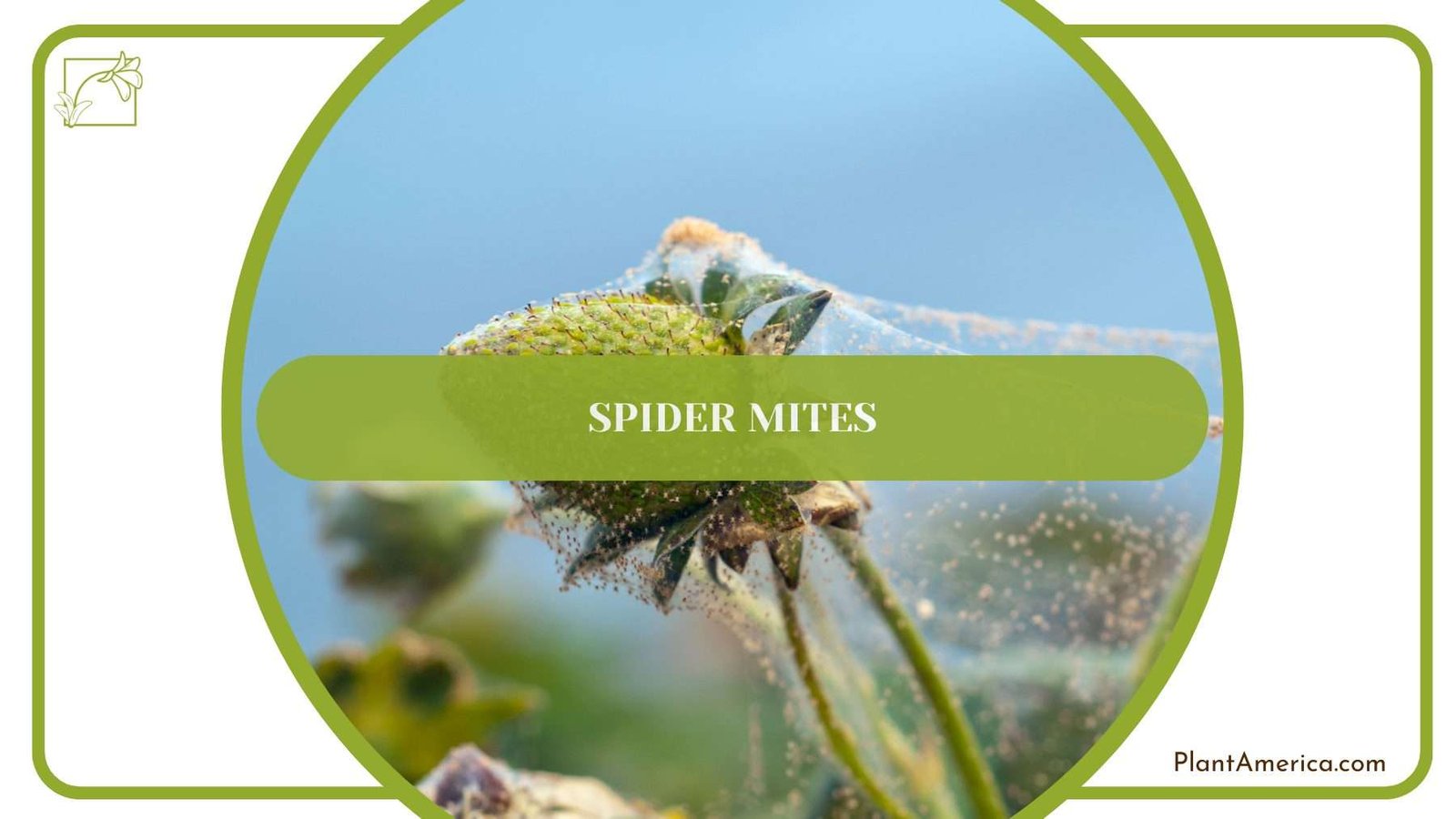
You can enjoy your Tradescantia nanouk for years to come with proper care and maintenance! However, if you encounter any problems with your plant, be sure to act quickly to prevent further damage.
– Turning Green
If your Tradescantia nanouk is turning green, it could signify that your plant is not receiving enough sunlight. It requires plenty of bright, indirect sunlight to thrive. If you cannot provide your plant with adequate light indoors, we recommend moving it to a brighter location.
– Wilting
If your plant is wilting, it could be a sign of overwatering or root rot. Root rot is a common problem with this plant and can quickly kill it if left untreated.
We recommend watering it only when the soil is dry to the touch to prevent root rot. Additionally, nanouk plants prefer fast-draining soil rich in organic material, so use a potting mix specifically designed for tropical plants.
– Dropping Leaves
Leaf drop can be a normal part of the plant life cycle, especially when the plant is experiencing rapid growth. If you notice your plant is dropping excessive leaves, it could be a sign of overwatering or underwatering.

– Toxicity
The Tradescantia nanouk plant is not toxic to cats and dogs. It can make a great addition to your home if you have pets as its fast growth rate and low-maintenance care make it an ideal choice for busy pet owners.
However, it is always wise to keep an eye on your pets around the plant, as some animals may be tempted to nibble on its leaves. If you notice your pet eating the leaves, we recommend contacting your veterinarian. The same goes for the Tradescantia Tricolor variety.