
How to transplant moss onto rocks is easy if you know what to do. Moss is a stunning and easy-to-grow plant of the Bryophytes division that can be grown anywhere.

To grow Moss, you must visit a nursery or store to buy seeds and transplant them anywhere. This article will discuss how to transplant Moss onto rocks in deep detail.
How to Transplant Moss Onto Rocks?
To transplant moss onto rocks, begin by choosing the right place, meeting all conditions, and using appropriate tools. Moss can be transplanted easily if you follow all the requirements of its care. This moss can then be used for decor and inside aquariums.
In the following context, we will reveal the tips and tricks to grow Moss beautifully and successfully.
1. Choose the Best Moss Type
Different types of Moss exist on this planet, so you must pick that you intend to grow on rocks. It is crucial because every moss type performs differently based on shape, climate requirements, and color.
There are two significant categories of moss plants: Pleurocarpous mosses and second is Acrocarpous mosses. Pleurocarpous mosses grow horizontally, while Acrocarpous mosses grow vertically.
Acroocarpous mosses are best developed on rocks because these are generally long as compared to Plerrocarpous and provide excellent growth.
2. Best Rocks and Adhesive
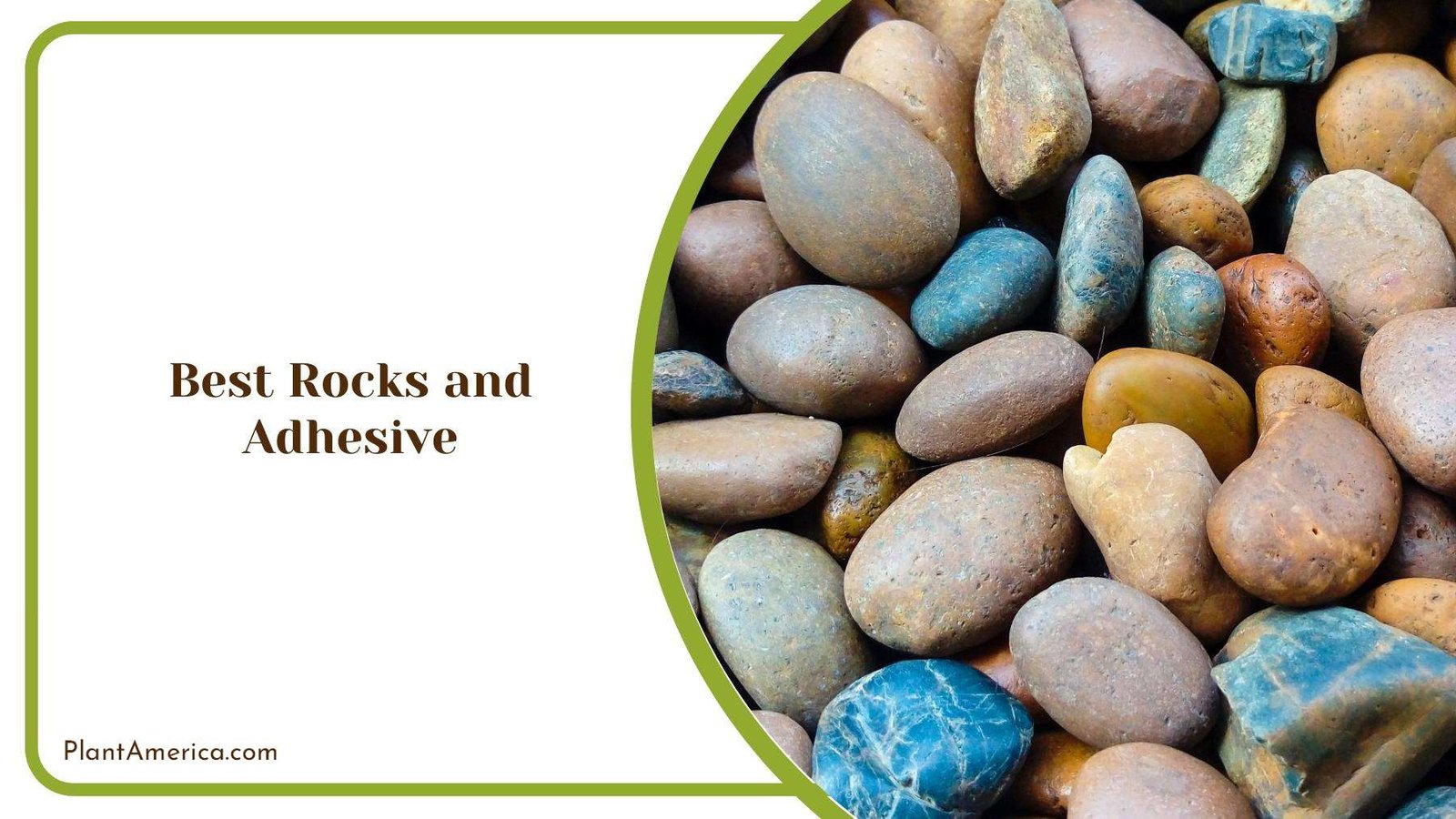
Collect a variety of rocks with a unique and stunning texture. Look for healthy patches of Moss to ensure successful and long-term transplantation.
Blend the harvested Moss with a cup of yogurt or buttermilk. Mix it and ensure the mixture should not be too thick. If it is, add some water to dissolve it. In addition, if it is too watery, add some moss to make it thick and creamy.
3. Clean the Rocks
Clean the rock and ensure it is free from debris because it is essential to provide a smooth surface for better growth. Now that you have the prepared mixture, pour the mixed solution on the rock of your choice. Ensure you have correctly spread the solution on the rock where you want to grow Moss. If you develop Moss in more than one rock, apply the same solution to that rock or stone.
4. Place the Moss
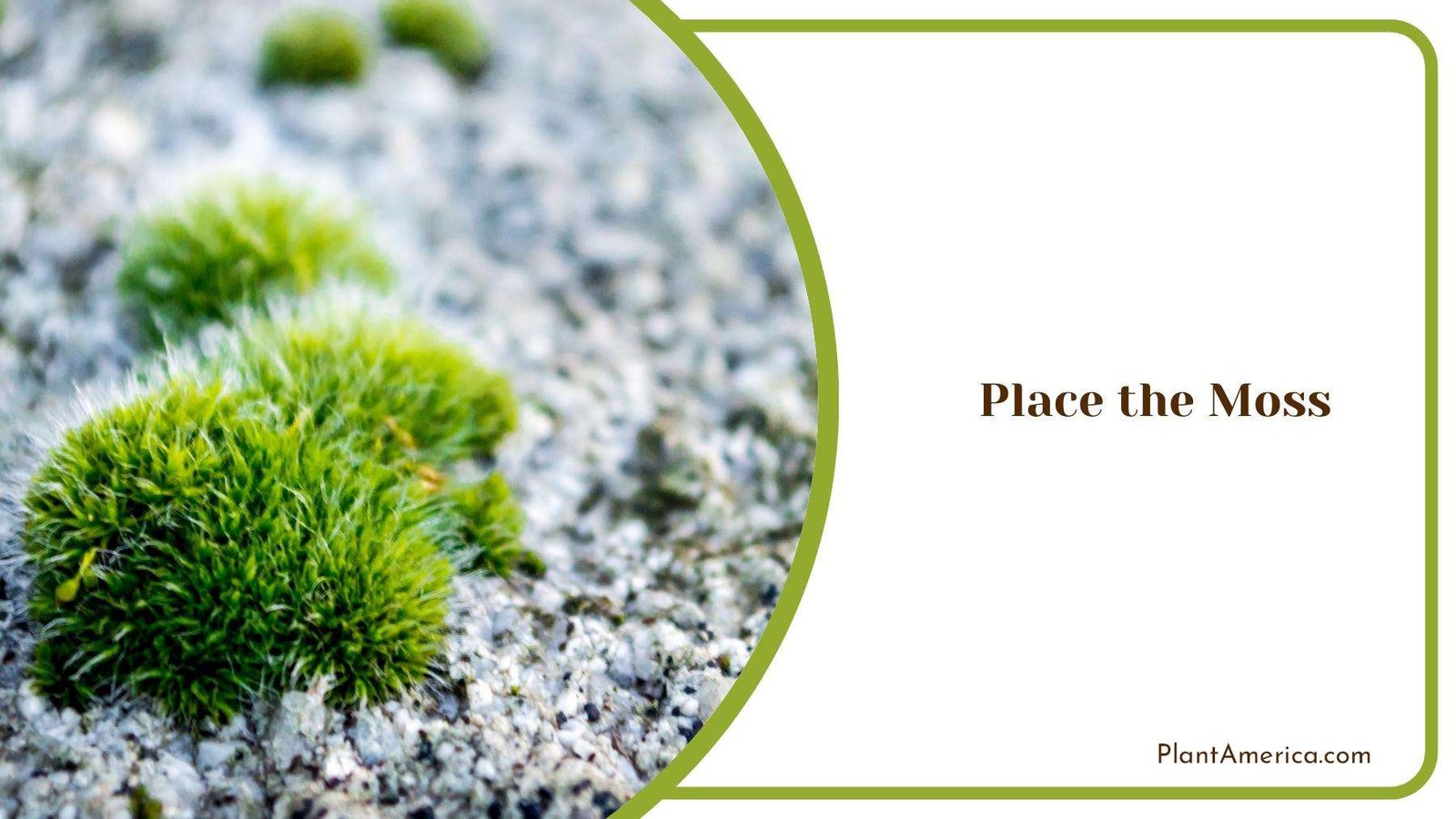
Gently place the Moss on the rock where you have applied the solution. Press firmly but not too hard because the moss structure is delicate, so it can be damaged by heavy pressure. Once you have placed the moss mist, transplant the Moss with fresh water.
Moss thrives in a humid environment, so regular misting is essential for their growth, but don’t soak the Moss, as excessive moisture can lead to mold growth.
5. Remove Weeds Around the Moss
You should remove the weeds for moss growing, especially grasses, because they can steal the moisture around the Moss, making it dry and brittle. If you see any weeds popping up around the Moss, cut them from the roots.
You have to monitor the Moss throughout the year and control these activities. Moss can spread quickly in your landscape or garden, but if it gets out of your control, you can pull it up from the roots and stop growing it.
6. Watering the Moss
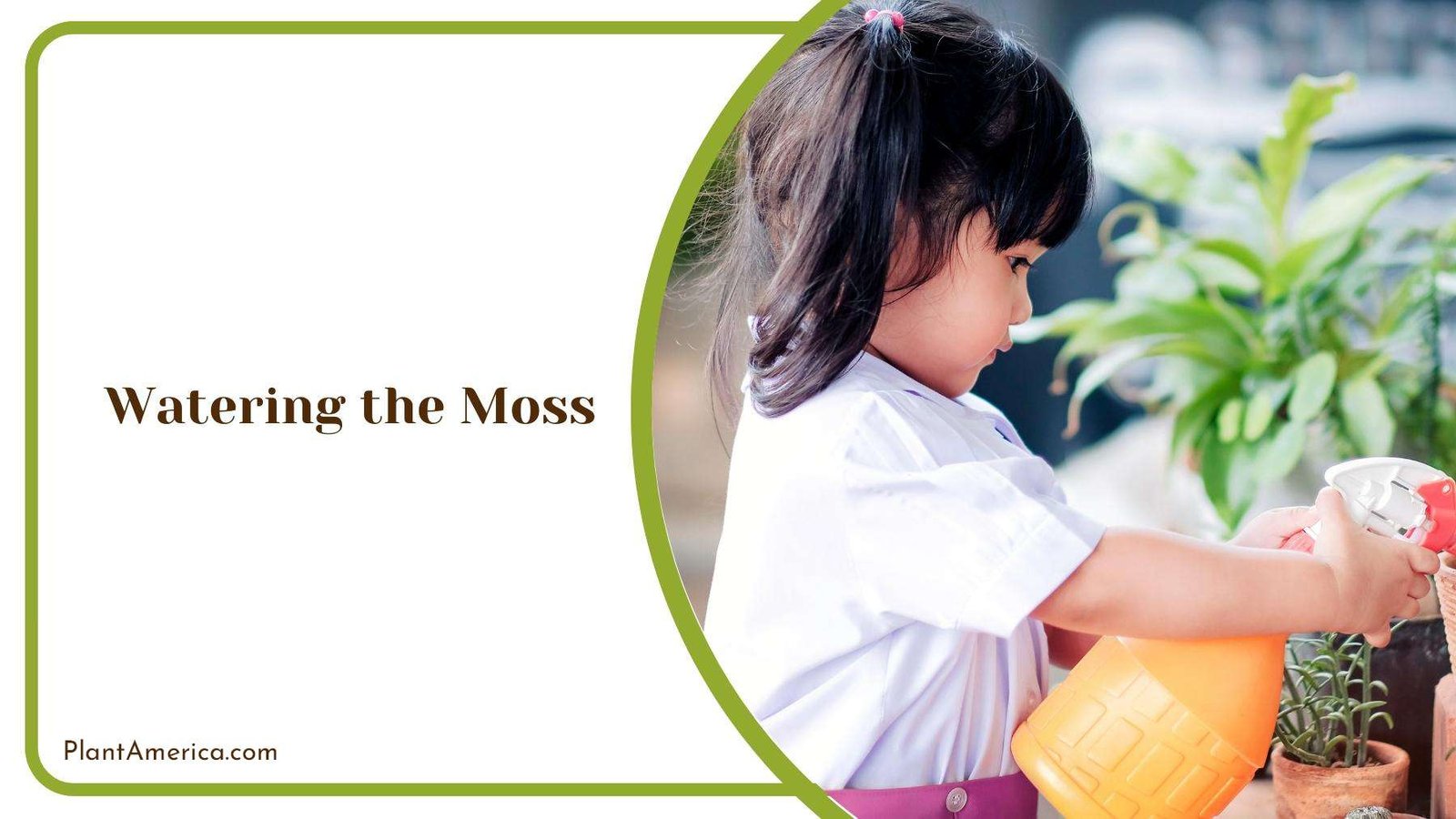
Water is essential for their growth until established, so the first 4 to 6 weeks are necessary for transplanted moss. In the hot summer, you give them water twice a day. You can use the spray bottle or hose for watering. Once the Moss is established and you realize that everything is going well and smoothly, you can mist the Moss twice a week or when you notice it drying out.
7. Have Some Patience
You might be wondering why this point is here. It is imperative because you cannot expect Moss to grow in a few days. You have to wait for some time, and eventually, you will get a decent result, and Moss will grow and give you the perfect ground cover. Just keep watering and monitor the overall progress.
What to Know About Transplanting Moss Onto Rocks
Moss has many benefits; it provides a beautiful look to your garden. In addition, moss attracts beneficiary birds such as goldfinches, robins, and chickadees. However, it offers a fantastic opportunity to measure the air pollution of your home through its colors.
These main reasons make it more unique, and every garden owner wants to grow Moss in their beautiful landscape. We will talk about everything that will help you to transplant Moss decently. Let’s get started and see what option we have.

– Timing
Learning how to grow Moss requires you to know when to grow Moss. Perfect timing always plays a vital role in any success, and many people cannot produce it because they don’t know when they should transplant Moss.
So, if you are fascinated with growing Moss, the ideal time to grow Moss is spring. The soil is usually still wet during this time, providing vital nutrients for moss growth. However, if you start transplanting Moss in the early spring, you will get proper moss growth before summer.
In addition, they would be able to face the upcoming challenges of winter. Before growing Moss, ensure no torrential downpour or frost is coming again because it’s not good for plant health.
– Environment for Moss Growth
Moss can be grown anywhere, but you can still examine the soil. Certain conditions, such as acidic soil, must be present for high growth. Moss can multiply in lands with alkalinity levels between 5 and 6.
Furthermore, for transplanting Moss, you need a damp area with some shade because, as you know, Moss does not have any real roots. It only has a little filament that can be used when it absorbs nutrients.
They get dry without water because they are not rooted, so shade is vital to prevent these little plants from sun heat. Moss cannot perform well in that area where extra weeds, dirt, and foliage are already present. So, remove all kinds of dirt where you plant Moss.
– Tools and Aids
You need different tools and materials such as a rake, gardening gloves, blender, and spray bottle to transplant moss onto rocks. On the other hand, we also need additional materials such as moss transplant, moss slurry, soil pH strip, and buttermilk.
– Time for Growth
The plant grows between 6 weeks to two years. It depends upon what kind of moss type you are using on rocks. In healthy conditions, Moss can grow 2 to 3 inches every year. Some moss varieties increase as compared to others, such as scot moss and sheet moss.
If you need to know which moss type is perfect for rocks, then you can consult with a professional gardener, or you can visit the nursery as well. Moss Garden produces a ton of oxygen that is important for living things.
Once you place the Moss, keep the area clean for better and faster growth. Moss is an excellent plant, and it can be grown anywhere. It would help if you had soil, shade, and moisture to transplant this plant. The same technique works for indoors for those asking, “how to transplant moss onto rocks indoors?”
What Factors Kill Moss Growth?
Several factors kill growth, such as direct sunlight, lack of moisture, poor drainage, etc. Protect your plant from these growth-killer things to keep your Moss safe and healthy.Rough handling and high temperature will also stop your moss from growing, so avoid these as much as possible.
– Sunlight
Mosses love to grow in shady and damp environments. Prevent them from direct sunlight; otherwise, they dry and eventually wilt.

– Lack of Moisture
Mosses need consistent moisture to grow professionally, so if the environment is so dry, then mosses cannot survive and die.
– Poor Drainage
Mosses love to grow in moisture, but stagnant water can suffocate them. In addition, poor drainage can lead to waterlogging and moss death.
– High-temperature
Moss can tolerate cold temperatures, but extra cold, like freezing temperatures, can damage their overall health. Additionally, excessive heat can dry them out and cause death.

– Nutrients Imbalance
Mosses do not need a lot of nutrients, but a nutrient imbalance in soil pH negatively impacts mosses’ growth.
– Rough Handling
Improper or rough handling can damage the Moss and stop its growth. So, if you don’t know, learn how to handle these plants without making them less likely to recover. Promoting moss growth is essential because these plants are perfect for the environment. In addition, you can transplant them anywhere you want, and they perform very well in both temperatures.
Conclusion
Mosses are non-flowered plants that produce stems and leaves. In addition, they don’t have real roots, but don’t take them too lightly. These plants are beautiful, especially when they are transplanted on rocks.
- Moss can be grown anywhere, and they only need a little attention to show progress.
- If you have transplanted them in a recommended way, you will see the results in a few weeks.
- Direct sunlight, lack of moisture, and poor soil can kill the growth of mosses, so protect mosses from these things.
Now, what are you waiting for? We have discussed how to transplant Moss and make your garden more beautiful with non-flowered plants.