
Learning how to fix leggy plants is essential if you are a serious gardener, as it will help you save your plants right on time – the first step is to provide them with more light. Leggy seedlings are new plants that have overgrown to become tall, skinny, and fragile with a yellow or pale green color.
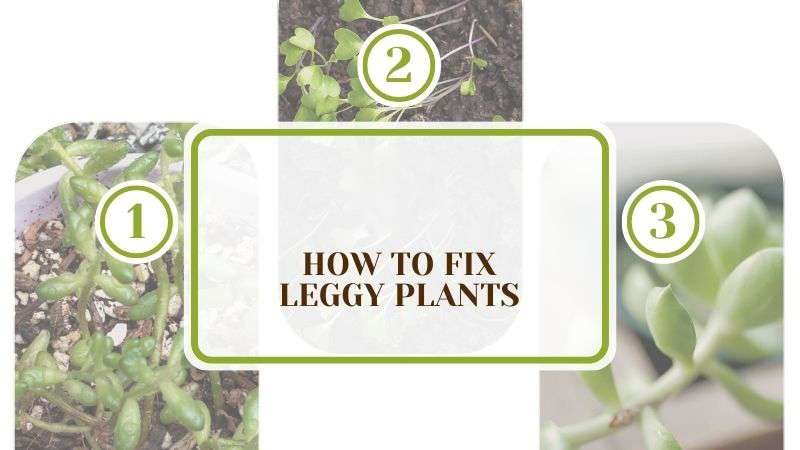
Seeing these plants grow so thin and tall can be discouraging, especially if you are new to gardening. However, be encouraged as it can be fixed according to the guide below.
How To Fix Leggy Plants Using These Simple Tips?
To fix leggy plants using these simple steps, you will need to give them adequate light, remove heat mats (if any), move them outside immediately, transplant them, space them, or plant them in deeper pots. In other words – provide optimal conditions.
1. Provide Them With More Light
First and foremost – to fix these plants you should try to provide more light. Add more grow lights, place them near a more lit window, or bring the light closer to the seedlings. Ensure your grow light has several lights covering all of the seedling’s trays.

Do not keep any seedlings on the edge of the artificial lights, as they will struggle to get adequate sunlight. Insufficient light will cause your seedlings to become leggy edges, rotate the trays from time to time to give the edges sufficient light. Also, you can add more grow lights to cover all the seedlings or place the trays outside.
2. Remove the Heat Mats
If you use heating mats when starting seeds indoors, lower or turn off the heat when you notice your seedlings are becoming leggy. Though warmth is essential for seed germination, too much heat can cause them to grow too fast.
3. Perfectly Space Your Seedlings
When seedlings germinate and produce their first true leaves, keep them perfectly spaced at least an inch apart. If you notice they are too crowded and can’t separate them, try thinning the weak ones, leaving the strong ones to grow.
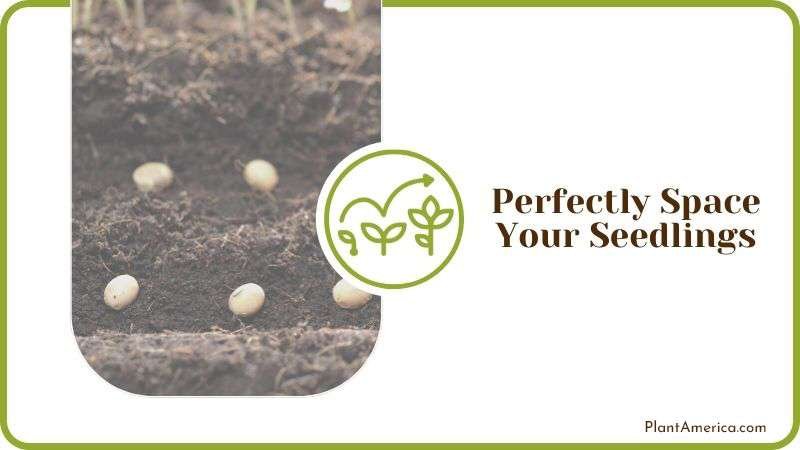
Though you will lose some of the seedlings, it will save those becoming leggy. Again, you would rather lose some and save some!
4. Use a Fan to Blow the Seedlings
As funny as this may sound, some gardeners swear that by putting a small fan to blow their seedlings helps them develop strong stems. The constant air movement makes the stems grow a “muscle” or two that leaves them better than before.
The fan also ensures there is adequate air circulation preventing common fungal diseases and dampening off. Even if you do not have a fan, you can get a DIY one by fanning the seedlings with your hands or a piece of cardboard. You will see positive results if you do this several times a day.
5. Replant the Seedlings in a Bigger Container
This is another way to fix leggy seedlings. Replant these weak seedlings into a bigger container so they can get deeper into the soil. This step comes with the risk of losing some seedlings to root rot. However, it will fix some and cause them to thrive in a few days.
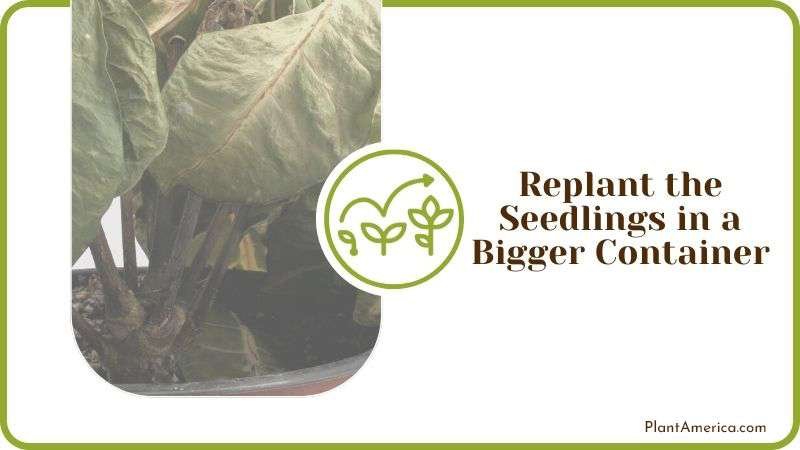
Get a deeper container than the seed tray and place the potting mix. Make a large hole in the soil where you will plant the seedling. Carefully move the leggy seedling to the ready hole.
Be gentle to ensure you don’t bend the stem as you place it in the hole. Once positioned in the hole, return the soil, gently firming it up. You can have several seedlings in one pot but ensure they are well-spaced. Water them sparingly after this and leave them to grow.
6. Water the Seedlings From Below
Instead of watering from above, as is the norm, water your plants below to ensure the soil pulls all the water it needs. This will encourage strong root growth that will save these leggy seedlings.
Most times, when watering from above, there is no guarantee that the water is adequately reaching through the soil mix to the roots. This could dry the plant, yet we think it is well watered.
To make this a success, ensure the container you use to salvage your leggy seedlings has proper drainage so the water can get in through these holes. This is the best way to water them as it will not have excess moisture in the potting mix and will only draw in what it needs.
7. Move the Seedlings Outdoors
If the weather permits, harden your leggy seedlings outdoors. Now that they are planted in the pots, moving them outdoors is easy to get more sunlight and wind. As you move them outdoors, ensure you put them under partial sunlight.
Let them enjoy the morning sun and shelter them from the afternoon sun. They will begin to form solid stems and more leaves as they adapt to the outdoor weather. Soon enough, you will have fixed and transplanted them into the garden.
8. Stop Fertilizing
The one significant cause for growing seedlings too tall is due to over-fertilizing. When you are trying to fix these plants, do not fertilize them anymore, as they will continue to grow too fast and leggy.
Allow them to absorb the nutrients in the soil until they have developed solid stems or until you transplant them to their ideal growing location. Even when planting them in the container, do not add fertilizer; instead, use a little compost to the soil for a slow even distribution of the nutrients as the plant grows.
9. Prune These Plants
If you notice some of your plants are too tall, pruning the foliage will fix them easily. Remove the top part of the plant leaving at least two or three buds and leaves to keep it growing. Remove any dead or diseased leaves also.
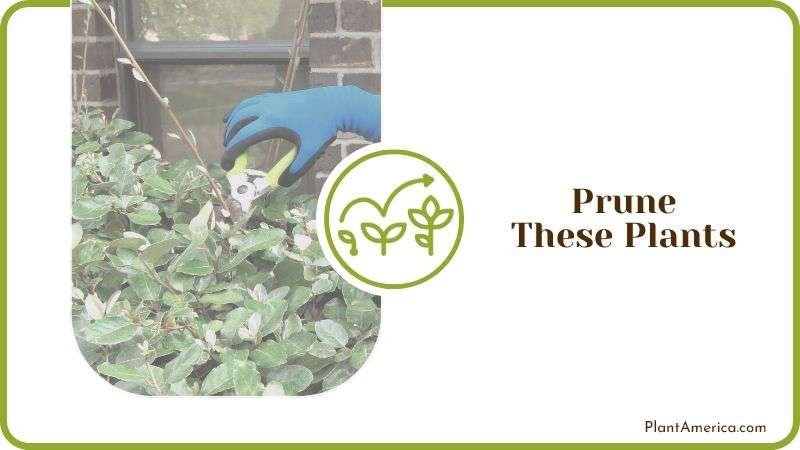
This will improve the airflow to the lower leaves and provide nutrients only to the remaining foliage, boosting its growth. Removing the unwanted foliage will cause the nutrients to be concentrated on the remaining foliage for its strength and growth.