
 Syngonium Maria of the Araceae family, also referred to as Syngonium podophyllum, is a beautiful and unique houseplant that can add a touch of elegance to any room. It is one of the Syngonium genus beautiful plants that will grow and stay green, in addition to reaching nearly 100 feet tall.
This article will provide you with a care guide for your Syngonium Maria plant. From watering tips to light requirements, we have you covered!
What is a Syngonium Maria?
A Syngonium genus is a fast-growing, evergreen climber reaching 100 feet in height. Maria is a common species in the genus and is widely cultivated as an ornamental plant. The genus Syngonium is in the family Araceae. The plant is named after the wife of the Greek god Zeus.
Syngonium Care
Syngonium Maria Care is simple. It is a beautiful, evergreen plant that makes an excellent houseplant. It is easy to care for and can tolerate a wide range of growing conditions. When given proper care, Syngonium Maria will thrive and produce new growth throughout the year.
Here is a detail on each factor that you need to consider while caring for your plant:
 Water Requirements
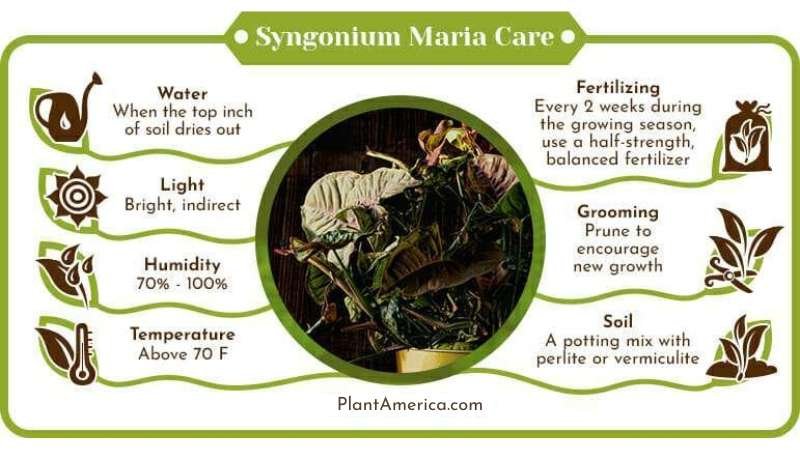
The correct answer is that Syngonium Maria does not need any water. It is a succulent plant and has adapted to survive in arid conditions. However, Syngonium Maria should be kept moist but not wet or soggy. Allow the top inch of soil to dry out before watering again. These plants are susceptible to root rot, so do not over-water.
Water your Syngonium Maria regularly, keeping the soil evenly moist but not soggy. Allow the top few inches of soil to dry out in between waterings.
The same can be applied to the other syngorium plants such as mottled syngonium, syngonium erythrophyllum, syngonium magic marble, white butterfly syngonium, syngonium wendlandii, and syngonium rayii.
 Temperature Requirements
If you’re looking to grow Syngonium Maria, you’ll need to provide it with warm temperatures. The plant won’t do well in cooler weather, so it’s best to keep it in an area that gets full sun and has a minimum temperature of 70 degrees Fahrenheit. Syngonium Maria is a tropical plant so it won’t tolerate prolonged exposure to cold temperatures – doing so will kill the plant. However, it can survive short periods of cooler weather. Just make sure to protect it from frost and keep it in a warm, sunny spot.
 Light Requirements
Place your Syngonium Maria in a location where it will receive bright, indirect light. Too much direct sunlight can scorch the leaves, so be sure to place them in a spot that gets plenty of light but is not in direct sunlight.
Syngonium Maria requires moderate to high light levels to prosper. If the plant does not receive enough light, it will become leggy, and its leaves will lose their vibrant green color.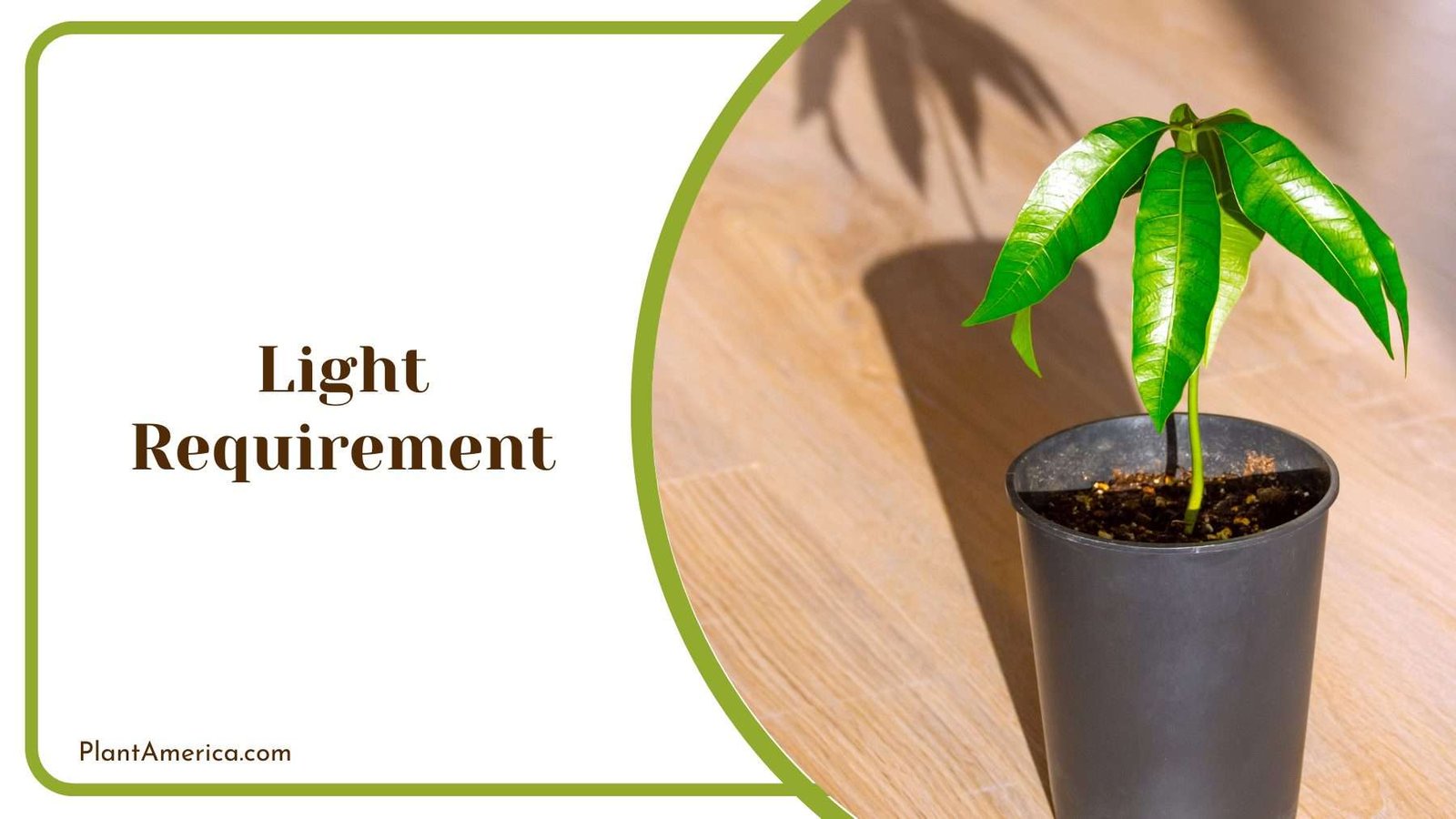 If you are growing your Syngonium Maria indoors, place it near a south- or west-facing window. If you are growing it outdoors, put it in a spot that receives partial to full sun.
In addition to adequate light, the Syngonium Maria also requires 50% or higher humidity levels. If the air around your plant is too dry, its leaves will begin to brown and curl at the edges. To increase the humidity level around your plant, you can mist it daily or set it on a pebble tray. A pebble tray is simply a tray filled with gravel or rocks with water in the bottom.
 Soil Requirements
Syngonium Maria prefers rich, well-draining soil. A potting mix with perlite or vermiculite added will provide adequate drainage. The best ground for Syngonium Maria is a rich, well-drained loam. This plant does not tolerate wet or soggy soils.
Amending the soil with organic matter before planting will help improve drainage and provide nutrients for the plant. Syngonium Maria prefers a slightly acidic to neutral soil pH (6.0 to 7.0). Since this plant does not tolerate soggy soil, mulching around the plant will help to retain moisture in the soil and control weeds.
 Fertilizer Requirements
Fertilize your Syngonium Maria monthly with half-strength, balanced fertilizer during the growing season. In order to maintain optimal growth and health, Syngonium Maria requires a regular frequency of fertilization.
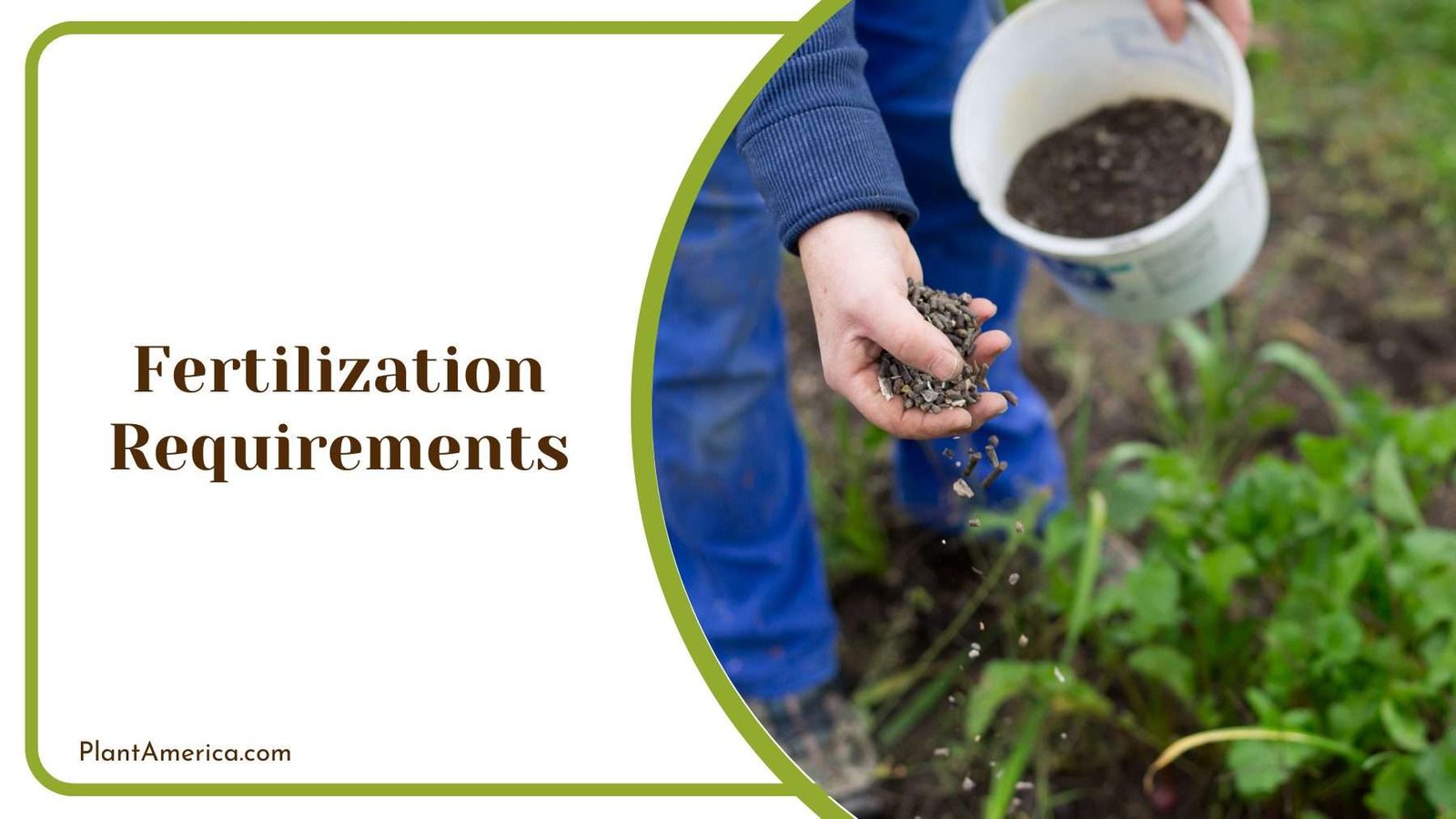 Fertilizer requirements may vary depending on the age and size of the plant and the type of fertilizer used. It is generally recommended to fertilize every two weeks during the growing season and every month during the dormant season.
The best way to determine how much fertilizer your Syngonium Maria needs is to have the plant tested by a professional. This will help you choose the optimal fertilizer requirements for your specific plant.
 Humidity Requirements
Keep in mind that this plant loves humidity, hence you have to keep the humidity between 70 to 100 percent. Don’t worry, you do not want to keep the plant next to a humidifier, it will thrive at an average of 40 to 60 percent humidity, however, it will be happier when the humidity levels are really high.
To maintain this high level of humidity you may want to place smooth pebbles around it, and fill the tray below the pot with water, as when the water evaporates, the plant will be kept between its required humidity range.
 Pruning
Pruning is important for keeping your Syngonium Maria healthy and looking its best. By pruning, you encourage new growth, which can help to keep your plant looking full and lush. Pruning also helps to control the size of your plant and shape it to create the look you desire.
Syngonium Maria can be pruned to control growth and shape as needed. Prune in the spring before new growth begins.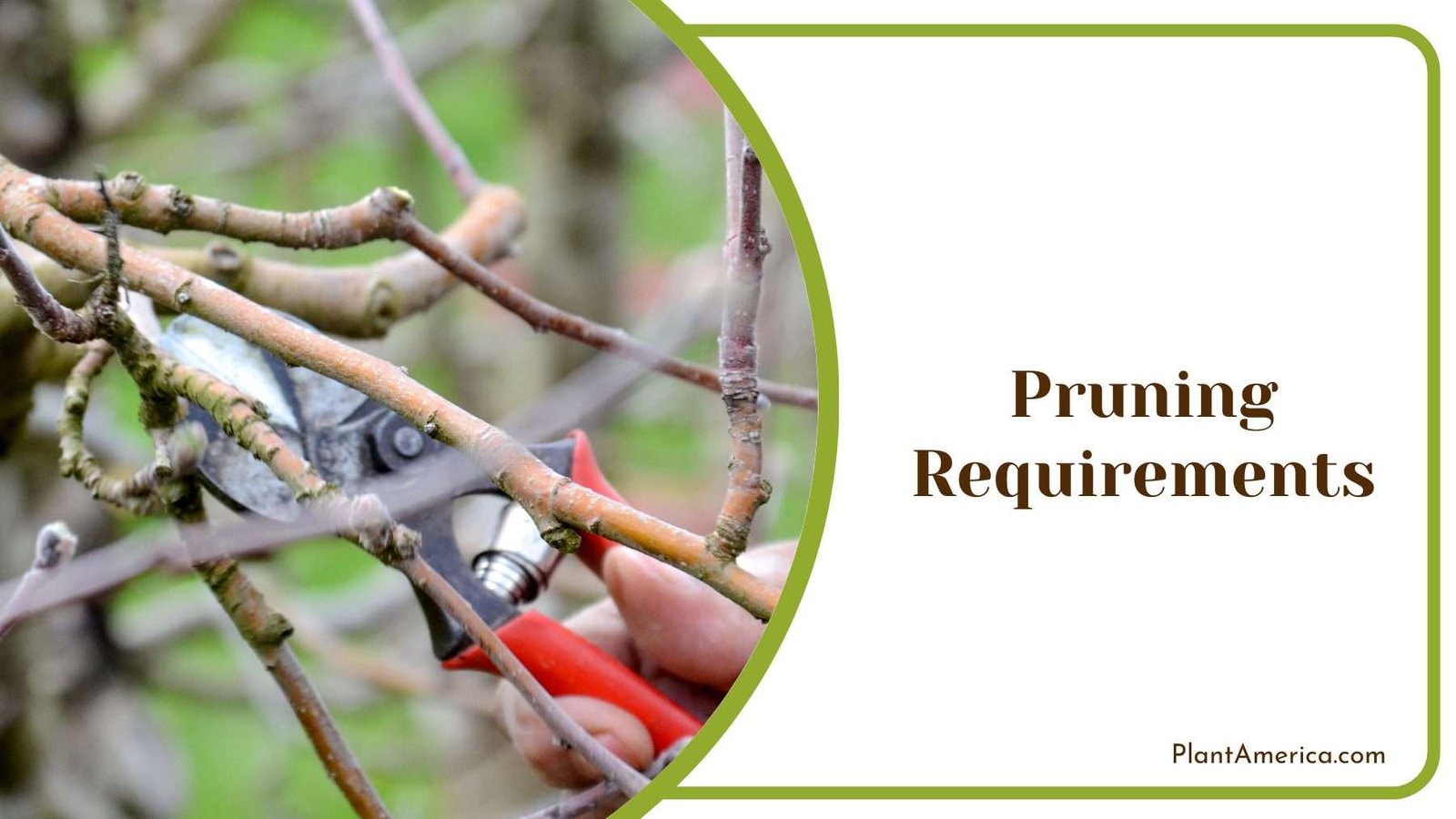
Cut back the stems to the desired length, and remove any dead or damaged leaves. Keep in mind that pruning can be done if you want to keep the size and shape of your plant. Simply cut the stems to the desired length using sharp, clean pruning shears.
Propagation
You can propagate Syngonium Maria through more than one method. Here’s a detail of the two most common ways among them:
– Stem Cutting
Stem cutting is when a piece of the plant’s stem is cut off and then planted to grow a new plant. You can use this method to propagate both new and mature plants. When propagating by stem cutting:
- It is important to choose a healthy, disease-free plant is important to take the cuttings from.
- Also, make sure that the cutting includes at least one leaf node, where new leaves and roots will grow.
- Place the cutting in a well-draining potting mix and keep moist but not wet.
- Once the cutting has rooted and begun to grow, transplant it into a larger pot or the ground.
Overall, stem cutting is a relatively easy way to propagate Syngonium Maria. With a bit of care and attention, you can successfully grow new plants from cuttings in no time!
– Division Method
If you have an adult Syngonium Maria and want to propagate it, division is the best method. You will need a sharp knife and a pot big enough to accommodate your plant’s roots. To do this:
- First, water your plant thoroughly so that the soil is moist but not soggy.
- Next, gently remove the plant from its pot and loosen the root ball.
- Carefully divide the roots into two or more sections, ensuring each section has several leaves.
- Plant each section in its pot using a fresh potting mix.
- Water your plants well and place them in bright, indirect light.
- Keep the soil moist but not soggy.
- Your Syngonium Maria should start to grow within a few weeks.
Whichever method you choose, water your Syngonium Maria regularly and keep it in a humid environment. With a little care, your plant will soon be thriving.
Problems
When it comes to houseplants, few are as popular as Syngonium Maria. It’s easy to see why; this plant is incredibly easy to care for, and its beautiful variegated leaves make it a real standout in any indoor space. However, despite its popularity, a few problems can occur when growing Syngonium Maria.
– Brown Leaves
The first problem with Syngonium Maria is that the leaves can begin to brown and drop off. This is usually caused by too much direct sunlight, so if you notice this happening to your plant, simply move it to a spot that receives less light.
– Yellow Spots on Leaves
Another common problem is that the leaves can develop yellow spots. This is usually due to a lack of humidity, so if you live in a particularly dry climate, you may need to mist your plant regularly or set it on a pebble tray filled with water.
– Overwatering
One of the most common problems with Syngonium Maria is overwatering. If the plant is overwatered, the roots will rot, and the plant will eventually die. To avoid this, water the plant only when the soil is dry to the touch.
– Underwatering
While overwatering is the most common problem, underwatering can also be an issue. If the plant does not get enough water, the leaves will drop, and the plant will eventually die. To avoid this, make sure to water the plant regularly.
– Pest Problems
Pests can also be a problem for Syngonium Maria. Common pests include aphids, mealybugs, and spider mites. To control pests, use insecticidal soap or neem oil.
If you notice any of these problems with your Syngonium Maria, don’t despair! With a little care and attention, these plants are relatively easy to fix with a little care and attention. Just be sure to give them the proper amount of light and humidity, and they should rebound in no time.
Final note:
The answer is yes! Both plants are members of the Araceae family and originate from Central and South America. They are both known for their beautiful, variegated leaves and easy care requirements. So if you’re looking for a beautiful houseplant that is easy to care for, look no further than Syngonium Maria!