
The stevia companion plants can be grown to offer or receive benefits from the mutual relationship – they include marjoram, lemon verbena and oregano. Many insects do not like stevia plants, and this characteristic can be beneficial to the plants that are grown together with it.
The insect-deterring abilities of this plant are due to its sweetness which is not preferable to grasshoppers and aphids, for example. This article will help you to identify the plants that you can grow together with this wonderful plant.
“Companion plants can stimulate growth and increase yield through biochemical interactions.”West Virginia University
A List of Stevia Companion Plants to Inform Your Choice
Some of the stevia companion plants that you can consider are thyme, marjoram, rhubarb, marigold, orange, limes, sweet woodruff, oregano, and lemon verbena. We will look at the characteristics, uses, benefits, and care needs of each plant.
We will explore some general information to help you get acquainted with the plants before you make your choices on which ones to include when you grow stevia.
1. Marjoram
[TABS_PRO id=95360]
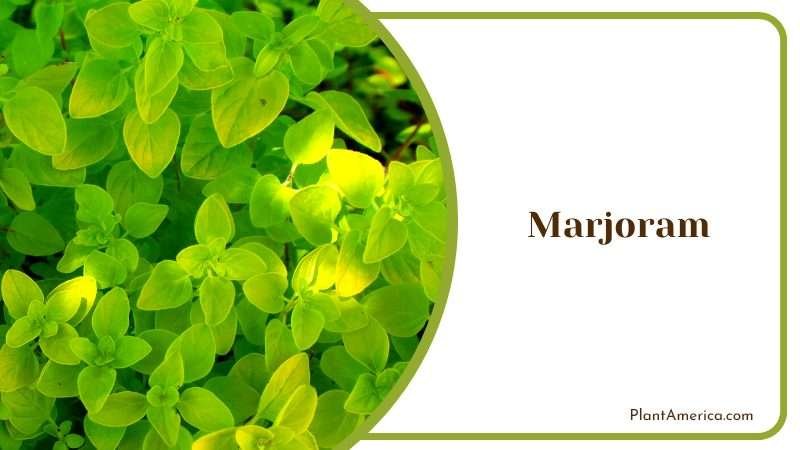
The marjoram is an aromatic perennial that is highly cold sensitive. It is a member of the mint family and for thousands of years, this plant has been grown in Western Asia, North America, and the Mediterranean.
The marjoram is similar to the oregano, but the former has a milder flavor. Please note that the marjoram is relatively safe when used for shorter periods by adults but long-term consumption might not be safe.
2. Lemon Verbena
[TABS_PRO id=95365]
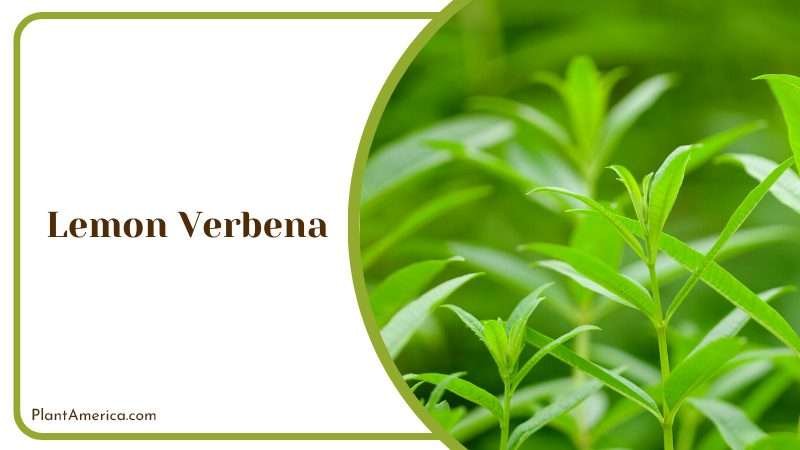
As the name suggests, the lemon verbena falls under the Verbenaceae family. Some refer to this plant as the lemon beebrush. The lemon verbena has its origins in South America.
3. Rhubarb

[TABS_PRO id=95366]
Rhubarb is a perennial that is native to Asia. The leaves of this plant are quite large, spanning approximately 2 feet across. Interestingly, the edible parts of this vegetable are the pink stalks, unlike in most cases where the leaves are consumed.
These stalks are usually prepared with lots of sugar to reduce their sour taste.
4. Marigold

[TABS_PRO id=95367]
The marigold is a bright flower of the Asteraceae family. This plant does better in summer, spring, and autumn, but not in winter because the flowers are highly sensitive to low temperatures.
The marigold flowers are also upheld for what they are believed to represent. For example, they are often associated with creativity, beauty, warmth, and the urge to succeed.
5. Thyme

[TABS_PRO id=95368]
The thyme is classified under the Lamiaceae family, which is also called the mint family. This plant is native to the Mediterranean region. Thyme exists in various varieties, of which one of the most common is the culinary cultivar, called Thymus vulgaris.
This cultivar is known by different names, which include the garden, English, or common thyme.
6. Orange
[TABS_PRO id=95369]
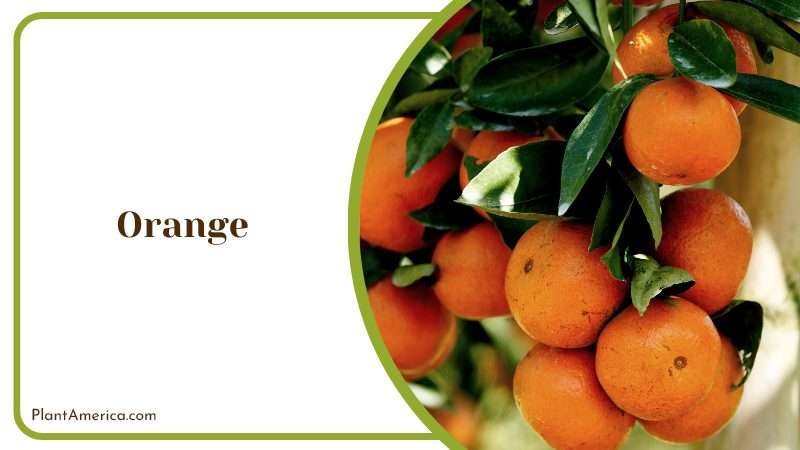
Oranges have their origins in Southeast Asia. If you decide to put fertilizers on your orange tree, how much you add depends on what you want to use the oranges for. For example, adding too many fertilizers increases the amount of oil in the peel.
7. Oregano

[TABS_PRO id=95370]
The oregano is a flowering plant that is part of the Lamiaceae family and indigenous to the Mediterranean region and western Asia. This plant contains compounds such as flavonoids that make it a powerful antioxidant. It has many other health benefits which include strengthening the human immune system and enhancing respiratory health.
8. Sweet Woodruff

[TABS_PRO id=95372]
Also known as the Gallium odoratum, the sweet woodruff is an aromatic plant. This plant, which is indigenous to central Europe and northern Africa, is an awesome ground cover, especially for shady gardens. The flowers of the plant also are short-lived but during their lifespan, they attract butterflies and other important pollinators.
Final note:
- Some of the stevia companion plants to note are rhubarb, sweet woodruff, marigold, marjoram, oregano, and lemon verbena.
References
- Marjoram. Britannica.
Retrieved from https://www.britannica.com/plant/marjoram - Daniel Preiato. (Sep 5, 2019). What Is Marjoram? Benefits, Side Effects, and Uses. Healthline Media.
Retrieved from https://www.healthline.com/nutrition/marjoram