
The String of Bananas succulents of the Curio genus makes a perfect hanging houseplant that can be either trained to trail upwards with the help of a moss pole/trellis or can be simply left hanging. It is a low-maintenance succulent that needs little to no attention, which makes it a great plant for new gardeners. String of Bananas or Senecio radicans is a hanging succulent variety native to South Africa, as they belong to the Asteraceae family. It has slightly thicker stems than the String of Pearls succulent, which makes it stronger and hardier than the latter.
Read on to find out what it takes to care for this low-maintenance succulent.
The String of Bananas Care
Some people find growing String of Bananas slightly difficult because they are unable to provide it the optimal growing conditions. It is an easy-to-grow succulent if you follow its basic care requirements.
As compared to its Senecio cousin, String of Bananas is easier to care for. Read on to find out all about the exact care for String of Bananas.
 Water Requirements
The String of Bananas is a drought-tolerant succulent that needs to be watered only when the soil dries out. Nonetheless, it does not wet feet as it causes rot and fungus growth. 
Do not let the soil become completely dry or too moist at all times. Moderation is the key when it comes to watering the String of Bananas.
The best way of watering the String of Bananas is by using the ‘soak and dry’ method in which you water the plant thoroughly by giving it a dip and do not water unless the soil has completely dried out.
This method works quite well for succulents and helps avoid overwatering-related problems such as rot and leaf discoloration.
There is no fixed schedule for watering the String of Bananas as it depends on various other factors around it such as the weather, temperature, and humidity.
But as a general rule, water your succulents only when their soil feels dry to the touch. One way of determining whether your soil is dry or not is by using the finger-knuckle test.
Insert your finger till the second knuckle and if it feels completely dry to touch, water the plant. Otherwise, let it be and check again after a few days.
It is always better to underwater this succulent and not overwater because it is highly prone to root rot. Make sure that your pot has drainage holes and you water only when required.
 Light Requirements
Growing String of Bananas both indoors and outdoors. It is commonly grown outdoors in succulent garden trays as it thrives in full sunlight.
Note that the String of Bananas cannot tolerate very low light conditions.
The string of Bananas grows well indoors in a spot where it can receive lots of light throughout the day. Lack of light indoors can be problematic in the long run, as very low-light conditions lead to wilting and stunted growth in the succulent.
An ideal spot indoors to keep your String of Bananas is a balcony or a sunny windowsill where it can receive five to six hours of direct sunlight. This way, the plant will receive an adequate amount of sunlight without getting sunburnt, additionally, you can keep your succulent under grow lights if natural light is difficult.
While growing the succulent indoors, also make sure that your plant does not touch the glass, especially during noon. It causes burns and may even kill the plant. Maintaining moderately bright light is the key to growing a String of Bananas successfully.
Growing it outdoors, where it receives five to six hours of direct sunlight, works well. However, do not expose your succulents to harsh sunlight.
Too much sun can kill your plant by causing sunburn on the leaves and eventually killing it. Protect the succulent from direct sun during noon.
 Soil Mix
String of Bananas needs an airy and loose soil mix to grow well. Mix two parts of regular potting soil with one part perlite and one part pumice or sand, All of these will help in making it well-draining.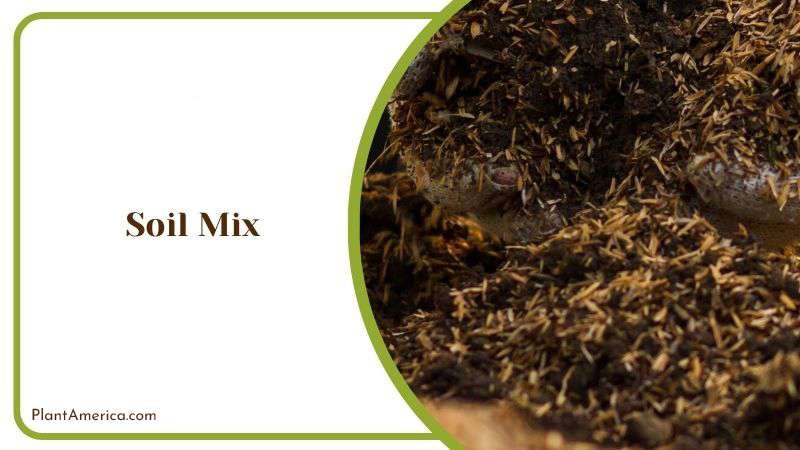 To grow the Banana vine, choose a pot that has at least one drainage hole at the bottom to prevent overwatering-related problems. The more the drainage holes, the quicker the excess water will drain out.
If you are new to growing succulents, grow your succulent in a terracotta or clay pot instead of plastic and ceramic pots. Terracotta and clay pots help to absorb excess moisture from the soil and prevent root rot due to overwatering.
String of Bananas looks the best in hanging planters or pots kept on top of shelves and bookcases where its falling trails look beautiful growing against them.
 Temperature
The String of Bananas is native to the hot and dry weather conditions of Africa, which means that it cannot stand extremely cold temperatures. It is not a frost-tolerant succulent and needs warm weather conditions all year round to grow well.
Keep the plant away from cold and drafty windows and balconies during the winter months. Exposure to extreme temperatures can cause the leaves to fall off and the plant to die.
It can tolerate temperatures as low as 30 to 50 degrees Fahrenheit but do not expose them to cooler temperatures for too long. Bring them indoors if they are kept outside in winter.
If your plant is kept outdoors and it gets very cold in winters, either shift the plant indoors or cover it with a towel outdoors. The lack of frost tolerance can severely affect the plant’s growth and health.
 Humidity Requirements
Like other succulents, String of Bananas also does not need high humidity conditions to grow well. Our homes generally have humidity levels between 30 and 40 percent. 
The usual household humidity level works well for this succulent, sit back and do not make any special efforts to increase humidity for this succulent. Instead, increasing humidity can cause root rot and other fungal problems for your plant.
 Fertilizing Requirements
String of Bananas has low fertilizer needs like other succulents and does not require regular fertilization. Feed it lightly in spring and summer with a diluted liquid fertilizer or an organic fertilizer such as worm compost or fish emulsion.
One great thing about the String of Bananas is that it can grow well without feeding too. If you do not fertilize it at all throughout the year, its growth will not suffer. Occasional fertilizing helps encourage new growth and makes the plant happier. Try to use Cactus labeled fertilizer that is specifically made for such succulents.
If you are not fertilizing your succulent at all, you may try topping the soil with one-fourth compost or one-fourth work compost. But do not overdo it, as too much fertilizer causes root burn in this low-maintenance plant.
Repotting
String of Bananas likes to be root-bound and does not need very frequent repotting. It is only required once every couple of years when there is a need to refresh and change the soil mix. Too much disturbance by repotting the plant can make it weak.
The best time to repot the Banana String succulent is in the spring and summer months because it is when the plant grows delicate, new roots.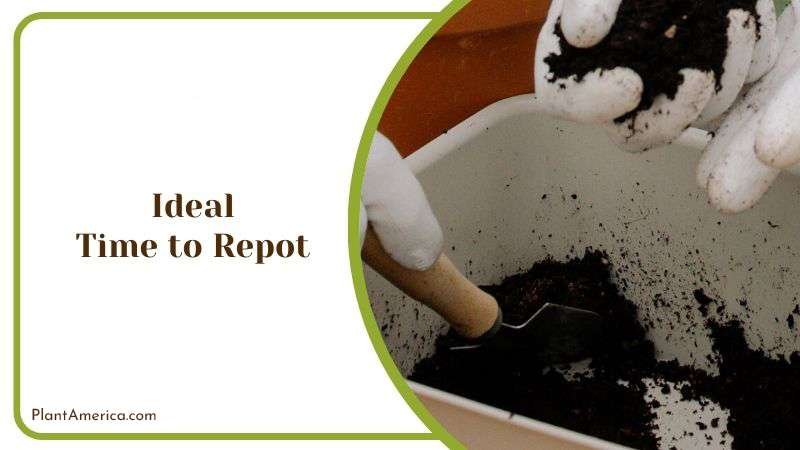 It also gives the plant’s roots ample time to recover from the replanting shock.
Propagation
String of Bananas can be propagated from stem cuttings in water and soil. Propagating the cuttings in the soil is easier than propagating them in water. Sometimes, you can see small roots forming on the mature stems, which means that the plant propagates itself.
For soil propagation, look for a healthy and established plant to take the cutting. Take a cutting two inches above the stem, remove the lower leaves from the stem, and let the cutting dry out for a few days until the wound heals. It takes about three to seven days for the wound to heal.
Once the cutting callouses, replant them in a well-draining coarse soil mix. Make sure you plant the cut part in a pot that has drainage holes at the bottom. Keep the soil evenly moist at all times until new roots form and the cutting shows any new growth.
Do not make the soil soggy by overwatering otherwise the cutting would not root but will rot. Provide just enough moisture to keep the plant from becoming bone dry.
For water propagation, take a couple of clippings from the main Banana vine, look for cuttings that have aerial roots, and cut below them.
If you cut below the aerial roots and put them in water, they will root easily. After taking the cuttings, let them dry out for two to three days and then place them in water, overall within two to three weeks, you will notice new roots.
Once the roots are a couple of inches long, shift them to the soil and grow them as you grow other plants in the soil. Within a few weeks, you will notice new root growth from many points.
– Some Extra Tips
While propagating the stem cutting of the String of Bananas in soil, lay the cutting flat on the soil so that more roots form, leading to a denser and bushier plant.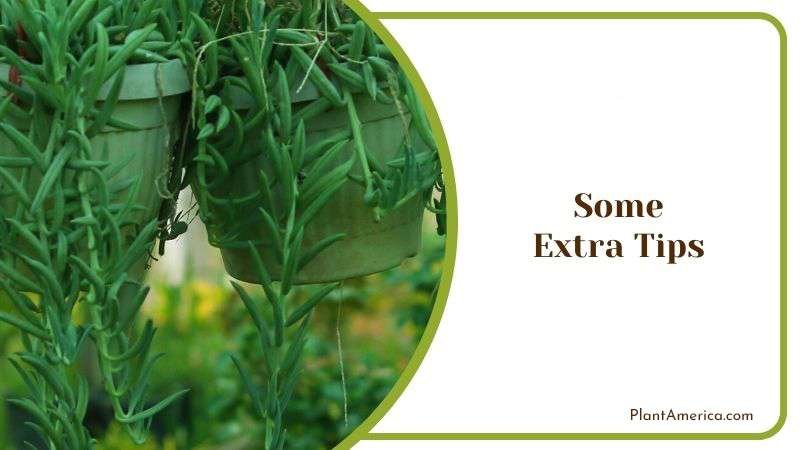
Since it is a trailing succulent, it is better to lay it flat on the soil so that it can spread horizontally all over the pot. It is a much quicker way of propagating the plant as compared to vertically planting many cuttings.
Problems
The string of Bananas does not generally face major issues such as pests and diseases. However, some problems that affect most succulents and houseplants can also affect this one. Let us discuss some of these in detail and how you can control them.
– Stretching Out and Leggy Growth
If your plant has started to become leggy and stretched out, it is probably because it is trying to reach out for light and is not receiving enough light.
The more spaced-out growth does not look visually appealing and indicates a lack of sufficient light. To solve this problem, shift your succulent to a brightly-lit spot where it can grow comfortably.
– Root Rot
Root rot is one of the most common problems faced by succulents like the String of Bananas. Root rot happens when there is too much water available to the plant roots, nonetheless, placing the plant in very dark environments makes them highly prone to catching fungal diseases and root rot. To prevent the problems related to root rot and fungal growth, avoid overwatering your succulents. Always use the finger knuckle test to determine whether your plant needs water and follow the soak and dry method to water.
If you notice rot symptoms on the leaves of your succulents, remove the plant from the soil and check its roots. Remove the dead and damaged roots and stems and replant them in a fresh soil mix.
– Deflated Leaves
Although this problem is not too common, underwatering causes the leaves to deflate, showing little to no growth, and eventually, the leaves fall off. Too much sunlight with an irregular watering schedule will cause scorching of the plant’s leaves.
In this case, move the plant to a darker location in slightly cooler temperatures. Increase the watering frequency so that the leaves come back to their normal size.
– Pests
Pests such as aphids, mealybugs, scale insects, and spider mites can attack the String of Bananas and slow down its growth.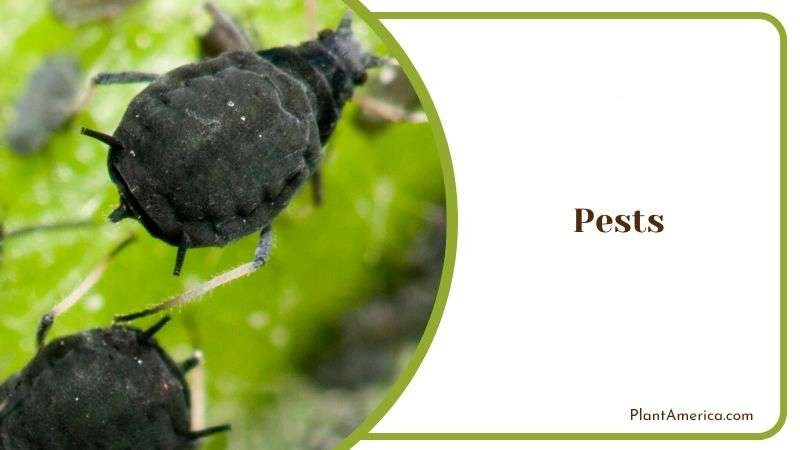 Let us take a look at some of them.
Aphids, also called plant lice, suck the sap from the shoots and leaves of the plant. They damage the plant growth by first sucking the sap and slowing down their growth and by injecting their saliva into the plant parts, which can easily spread from one plant to another.
Aphids also secrete a sticky substance called ‘honeydew’ that contributes to the development of sooty mold. Sooty mold affects the plant’s ability to photosynthesize.
The effects aphids have on a plant’s growth include stunting, curling, and wilting of the leaves and delayed flower production. You can use some organic ways such as blasting water on the affected parts and attracting beneficial insects such as ladybugs to help in controlling the aphid population.
Use insecticidal soap or homemade garlic spray to get rid of these unwanted pests. Avoid using chemical solutions unless the infestation is severe, as chemicals also affect the plant’s overall health.
Scale insects are tiny, sap-sucking insects that attack the leaves, stems, and branches of the plant. They are sometimes mistaken for fungal or bacterial diseases. It is tricky to eliminate them because the adult scales are covered in armor coating.
To control their population, prune the affected parts if there is a limited infestation. Additionally, you can treat the affected plant parts with rubbing alcohol and also by spraying horticultural oil. Use insecticidal soap to kill the larvae. You can also apply neem oil to the affected parts.
Like most sap-sucking insects, spider mites also suck the juice from the leaves making them look yellow and dry or covered with blotches. They also cause white spots on the leaves sucking the chlorophyll from them. These pests are not visible to the naked eye so be careful if you notice any difference in the plants.
In normal circumstances, a simple water spray helps in driving them away from the leaf undersides and stems. Use insecticidal soaps and oils to kill them as they are quite effective against mites. Neem oil is another safe, organic solution to control mites.
For a long-term solution, attract predators and beneficial insects such as ladybugs, lacewings, predatory thrips, and soldier bugs. They feed on spider mites and help in keeping control over their population.
Mealybugs suck the sap and secrete a powdery wax-like substance. They thrive in warm-weather conditions and cause yellowing of leaves. They are related to scale insects. Initially, they cause yellowing of the leaves, and eventually, the leaves drop.
Wash them away with water in case of little infestation, it is recommended to use isopropyl alcohol, neem oil, and insecticidal soap to control the spread. If the infestation seems out of control, try using chemical sprays and if it still does not work, get rid of the plant so that mealybugs do not spread to other houseplants.