
How to transplant monstera plants is something many plant enthusiasts wonder about. The popular indoor plant Monstera deliciosa plant, and also the Swiss cheese plant, are known for their distinctive split leaves.
 Your Monstera genus plant may eventually outgrow its pot, necessitating a transplant. Although transplantation may seem frightening, don’t worry; we’ve got you covered in this article.
How to Successfully Transplant a Monstera?
To successfully transplant a monstera plant, you need to follow several steps that involve knowing the best time to transplant the plant, preparing the right pot, using the right procedure, and maintaining good care by providing ideal light and moisture levels.
We’ll take you step by step through transplanting your monstera in this comprehensive guide. Let’s ensure your monstera thrives and expands.
1. Time of Transplanting
Knowing when to transplant your monstera (swiss cheese plant or the deliciosa) is the first step to doing it successfully. Here are some indicators that your monstera needs a larger space:
- Slow development: Your Monstera may have outgrown its current pot if its development has stalled.
- Watering Frequency: Your Monstera may need additional room if you notice that you need to water it more frequently than normal.
- Root crowding: Transplant your plant if you notice roots encircling the pot’s interior or popping out of the drainage.
2. Selecting the Proper Monstera Pot
Making the appropriate choice of plant pot is essential to the health of your monstera. Here are some things to think about:
- Size: Select a pot with a diameter 1-2 inches larger than the existing one. A premature expansion can result in overwatering.
- Material: Choose a terracotta or ceramic pot with adequate drainage. Steer clear of pots without drainage.
Pick a pot that blends nicely with your interior design while letting your monstera’s beauty stand out.
Prepare your monstera for transplanting before you begin:
- Watering: Give your monstera a healthy drink a day or two before transplanting. Work with hydrated roots is simpler.
- Equip Yourself: Prepare your pot, new potting soil, trowel, and saucer.
- Workspace: Pick a spot where you can comfortably transplant your tidy and well-lit monstera.
3. Procedure for Transplantation
The exciting part is about to begin: transplanting your monstera! Take these actions:
- Gently tap the pot to dislodge the root ball before removing your monstera. Slide your monstera out of the pot with care.
- Examine the Roots: Look for any rotting or sickly roots. Use clean pruning shears or scissors to trim them.
- Get the new pot ready: Fill the bottom of the new container with a fresh layer of soil.
- How to Place Your Monstera: Make sure your monstera is positioned in the center of the pot at the same height as it was in the last one.
- Fill with Soil: Add repotting monstera soil mix to the pot, gently pressing it down as you go to remove any air layering bubbles.
4. Soak Your Monstera Well
Your monstera requires some TLC following the transplant:
- Position in Bright Indirect Light: Position your Monstera in a location with direct, bright sunshine. Avoid the sun’s direct rays to prevent stressing the plant.
- Maintain Consistent Moisture: Don’t let the soil become soaking wet. A newly transplanted Monstera may be sensitive to excessive moisture, so don’t overwater.
Monstera flourishes in a humid habitat. Use a humidity tray, or think about spraying the foliage. Don’t fertilize your newly transplanted monstera for a few weeks. During the growing season, use a balanced, diluted fertilizer.
5. Avoid These Common Transplanting Errors:
Avoid these typical errors to guarantee a flawless transplant procedure:
- Wrong Pot Size: Overwatering and root rot might result from choosing a pot too large too soon.
- Leaving out Hydration: Transplanting a Monstera that is parched can stress it. Pre-watering a transplant is a must.
- Not Examining the Roots: Ignoring the health of the roots can cause issues later. Remove any weakened or decaying roots growing.
- Using the Wrong Soil: Monstera thrives in regular potting soil. Steer clear of dense, moisture-retentive soils.
- Overwatering: Monitor post-transplant moisture levels. Avoid letting your monstera sit in soggy soil.
How to Care For a Recently Transplanted Monstera?
To care for a recently transplanted monstera, make sure to provide it with the right balance of water, environment, pruning, and some other steps. Now that your cherished plant has a new location, giving it the attention it requires to flourish is crucial.
In this detailed guide, we’ll lead you through the necessary actions and advice for plant care of your transplanted monstera. You may see your monstera thrive and develop into a rich, lovely addition to your indoor area by providing the proper care.
1. Post-transplant Adjustment Time:
Your monstera will go through an adjustment period following the transplant. It is critical to provide the correct settings to help it settle into its new home. Here’s what you may expect:
- Stress: Transplanting your Monstera might cause leaf drooping or browning. This is both natural and transient.
With appropriate care, your monstera will heal and start growing new leaves.
2. Finding a Happy Medium
Light is essential for the growth of your monstera, but finding the perfect mix is critical:
Indirect Light: Place your Monstera in a location that receives direct and indirect sunlight. Avoid direct light, which can cause the monstera leaves to burn. Turn your monstera every couple of weeks to expose all sides to light to encourage uniform development.
3. Finding the Right Amount of Watering
Many Monstera owners make mistakes when it comes to watering. Here’s how to do it correctly: Keep the soil moist by keeping it moist but not wet. When the top inch of soil seems dry, water thoroughly.
- Drainage: To prevent water from pooling at your pot’s bottom, ensure it has drainage holes.
4. Creating a Comfortable Environment With Humidity:
Monstera thrives in humid environments, and higher levels can promote healthy growth:
- Misting: Mist the leaves regularly to enhance humidity around your monstera.
- Humidity Tray: Place a tray filled with water and pebbles near your plant to produce a humid microenvironment.

5. Fertilizing and Feeding Your Monstera
Feeding your monstera supplies it with vital nutrients. Here’s what you should know:
Fertilize every 4-7 weeks with a balanced fertilizer during the growth period (spring and summer).
- Dilution: Always dilute the fertilizer according to the package instructions.
6. Maintenance and Pruning
Pruning and general care can help your monstera stay healthy and beautiful:
- Pruning: Remove yellow or brown leaves and prune regularly to encourage bushier growth.
- Support: Repotting Monstera with Stakes or trellises can assist your Monstera climb and keep its shape.
7. Drainage:
Monstera’s health is dependent on proper drainage. Ignoring it might result in damp soil and unhappy roots:
- Water might gather at the bottom of the container without appropriate drainage, drowning the roots.
- Use pots with drainage holes at all times. Allow water to escape by elevating the pot slightly.
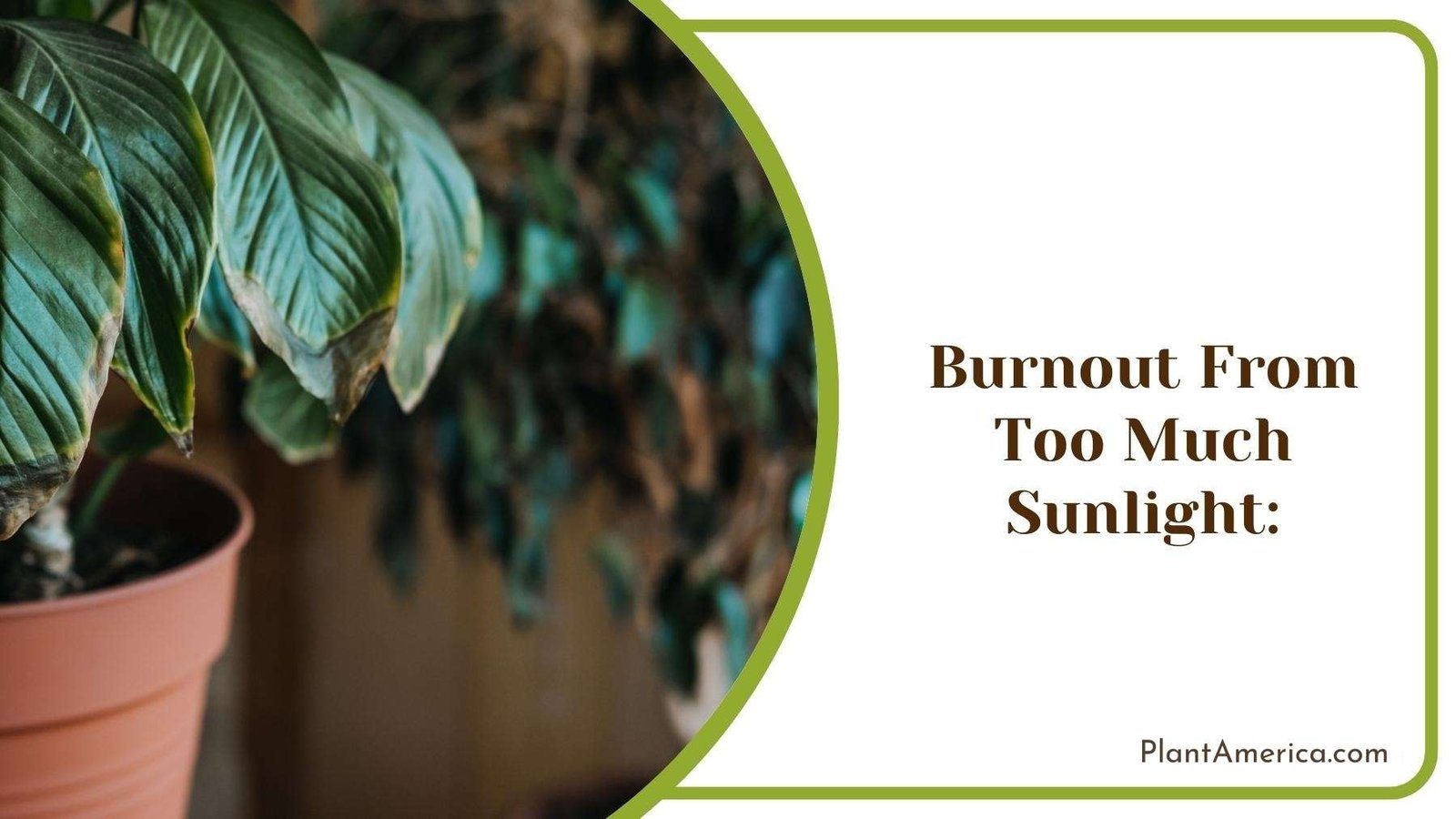
8. Burnout From Too Much Sunlight:
Monstera likes bright, indirect light; however, too much sun might be harmful:
- Problem: Direct sunlight can scorch the leaves, causing brown areas or burns.
- Solution: Position your Monstera in bright, indirect sunshine. Protect it from the hot midday sun.
9. The Dry Period
Monstera grows well in a humid environment, although low humidity might cause problems. The problem is dry air can cause leaf browning, crunchy and curly edges, and poor growth. Mist the leaves, and use a humidity tray or a room humidifier to increase humidity.
10. Pests
Pests such as scale and spider mites can infiltrate your monstera invisibly: Neglecting pests can result in leaf damage, slowed growth, and overall plant stress. Inspect your Monstera for pests regularly. If you see any, treat them immediately with neem oil or insecticidal soap.
11. Rushed Repotting
Transplanting should be done carefully since hurrying it might cause stress to your monstera: Repotting Monstera too soon after getting it home can cause transplant shock (Monstera transplant shock) and poor growth. Before transferring your monstera, wait until it shows signs of outgrowing its current pot.
12. Pruning Ignorance
Pruning is necessary for a healthy, well-shaped Monstera. Failure to prune can result in tangled vines, a lean appearance, and decreased leaf output. Trim back lanky growth and spent vines regularly to stimulate bushier growth.
Conclusion
Your monstera can be transplanted without it being intimidating. Here is what to do:
- You may give your cherished plant a new place to thrive if you time it correctly, choose the right pot with a moss pole, and take good care of it.
- Avoid common mistakes most planters make right after the new transplantation.
- Make sure to provide your monstera with the best care and maintenance.
Enjoy seeing your monstera flourish, expand, and adorn your living area with rich, green splendor. Enjoy your transplants!