
Types of chrysanthemum flowers truly offer endless beauty to your garden. Whether you’re looking to fill cottage garden beds, add height and color to borders, or brighten up patio pots, chrysanthemum genus plants thrive in cool weather and offer long-lasting fall color when many other flowers have faded.
So read on to discover the stunning chrysanthemum flowers you can grow to make the most of summer’s end! We’ll cover blooms from vivid reds and golds to purples and whites, plant care tips to keep them healthy, and ideas for where to place them in your landscape.
Types of Chrysanthemum Flowers To Add Color and Beauty
1. Single Bloom
- Growing season: Spring, Fall
- Leaf shape: Lance-shaped, Simple
- Specific needs: Even Moisture, Full Sun
- Common pest: Aphids, Mealybugs, and Spider Mites
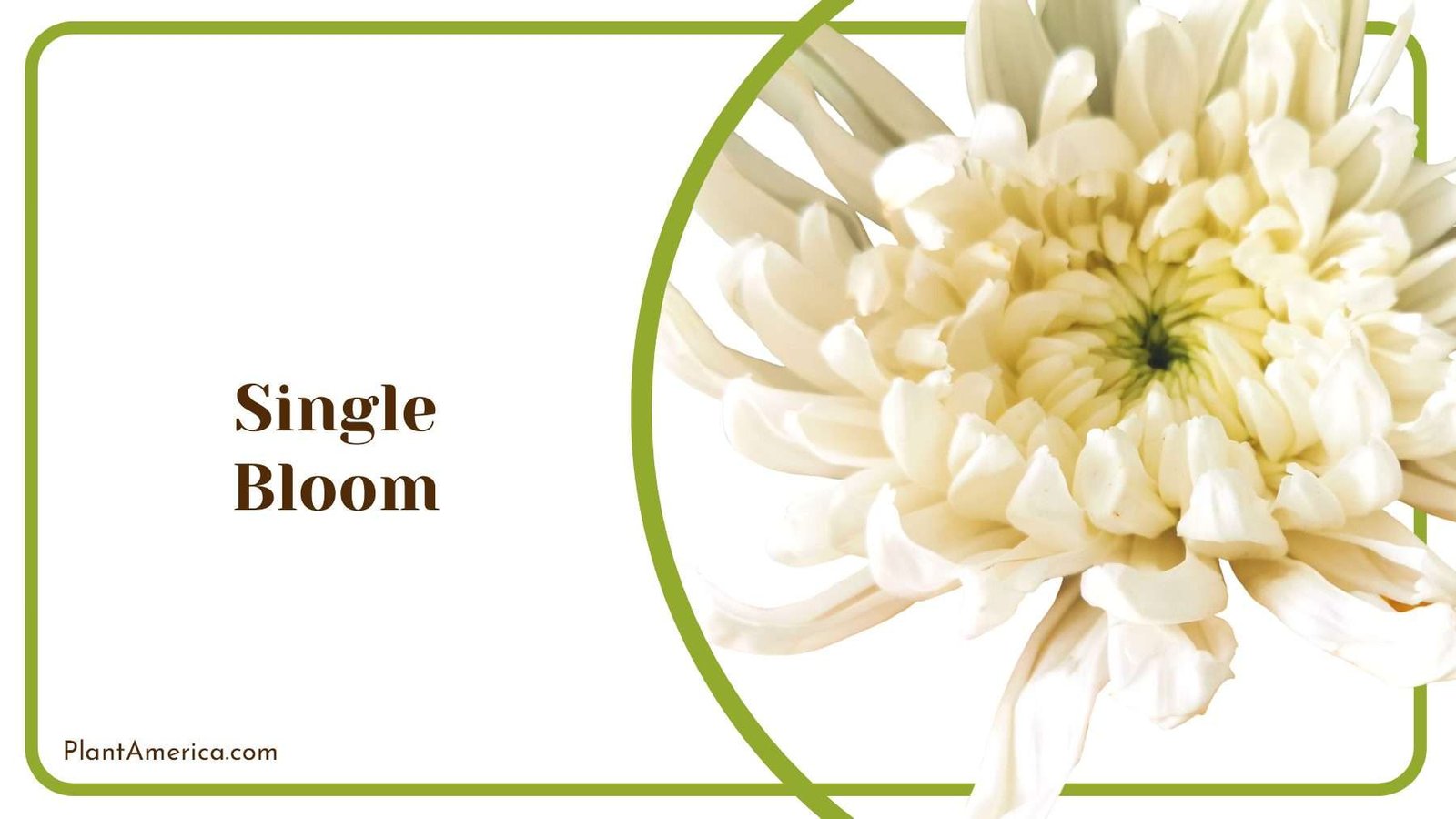
Single chrysanthemums are known for their solitary blooms that resemble large daisies atop each stem. Gardeners often appreciate their simple yet elegant beauty, choosing single chrysanthemums to refresh autumn floral arrangements. The blooms feature a solitary flowerhead and come in a wide palette ranging from traditional shades like soft yellows and rust tones to vibrant purples and reds.
This diverse color selection makes single chrysanthemums a versatile option for the autumn garden, with their solitary blooms adding colorful accents in October and November borders, beds, and containers. The single-stemmed structure and classic daisy shape imbue these chrysanthemums with a timeless beauty that complements most fall decorating schemes.
2. Anemone
- Growing season: Spring, Fall
- Leaf shape: Alternate, Pinnate
- Specific needs: Even Moisture, Full Sun
- Common pest: Aphids, Spider Mites
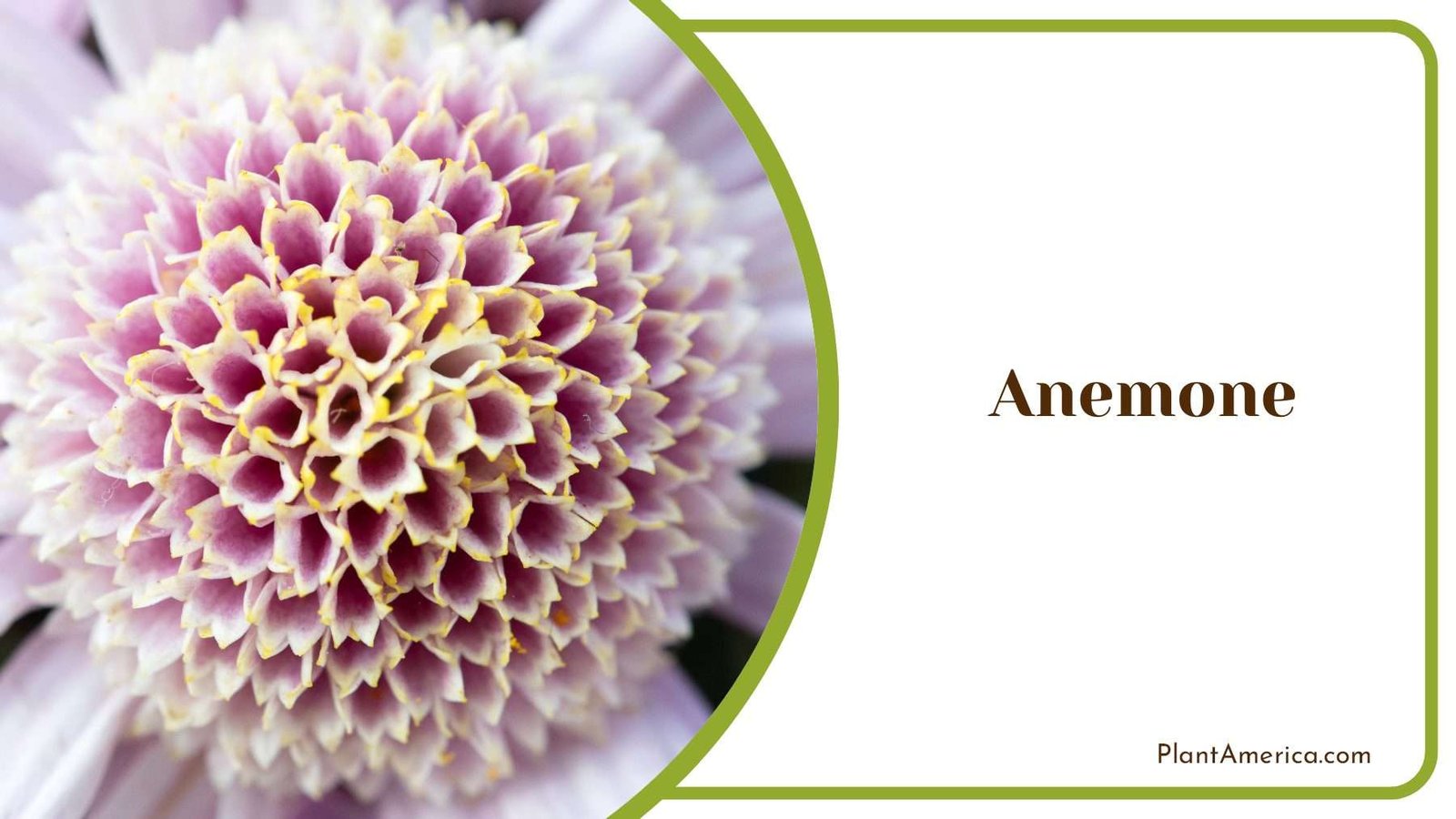
Anemone-flowered chrysanthemums feature clusters of small daisy blooms on long stems, resembling anemones. They tend to bloom later in the fall and offer an excellent way to prolong the chrysanthemum season. You will especially love the variety ‘Apple Blossom’ with its clusters of pale pink double blooms.
3. Pompom
- Growing season: Spring, Fall
- Leaf shape: Lance-shaped, Simple
- Specific needs: Even Moisture, Full Sun
- Common pest: Aphids, Spider Mites
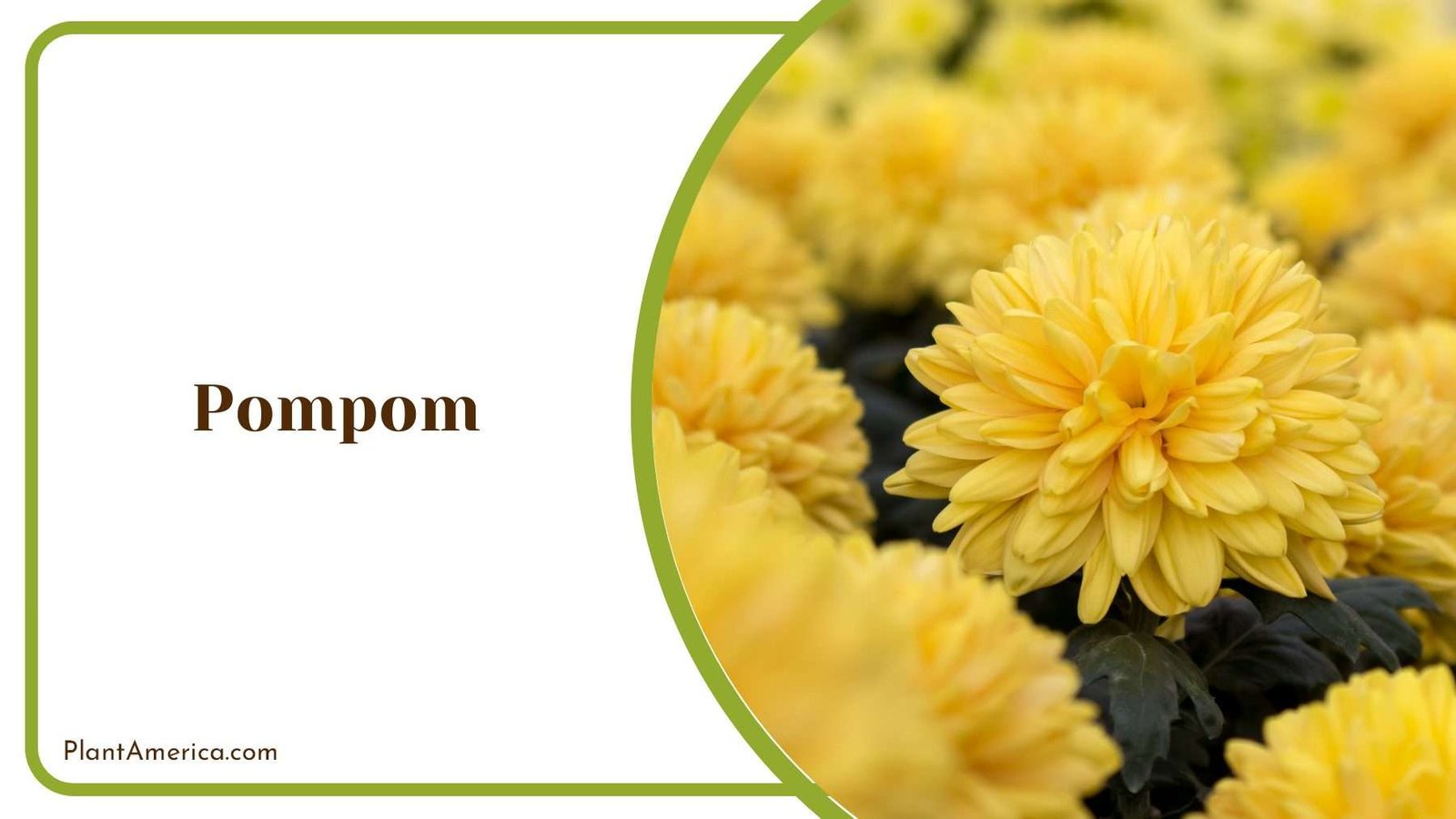
Pompom or button chrysanthemums are characterized by their tiny, rounded flower heads that emerge in clustered formations along sturdy stems. Due to their compact, bushy form, pompom chrysanthemums thrive in containers, rock gardens, and other confined spaces where their dense blooms can really stand out.
The pom-pom blooms typically range in color from soft yellow tones through bronzy hues and arise in great profusion during the autumn season. Their abundance of pom-pom-shaped blooms makes pompom chrysanthemums excellent choices for creating eye-catching fall floral arrangements and decorations.
For gardeners seeking chrysanthemums with a compact, overflowing habit, pompom varieties deliver maximized impact with their bountiful displays of rounded blooms. Their earliness and longevity of bloom also extend the fall interest provided by pompom chrysanthemums for months on end.
4. Spider
- Growing season: Spring, Fall
- Leaf shape: Lance-shaped, Flat
- Specific needs: Even Moisture, Full Sun
- Common pest: Aphids, Spider Mites
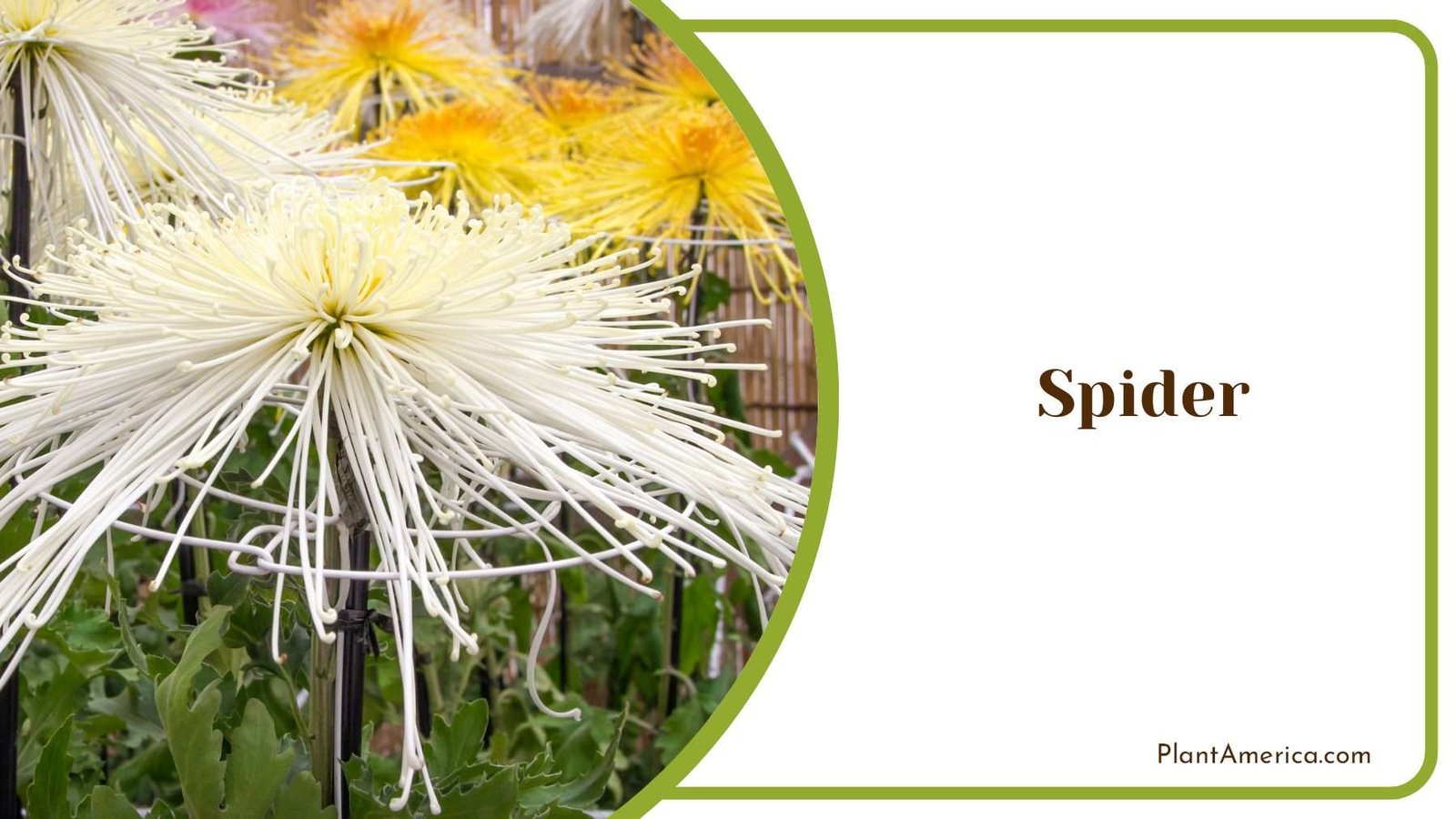
Spider chrysanthemums get their name from the long, wispy petals that resemble spider legs radiating from a central disc floret. These chrysanthemums feature solitary daisy blooms atop thin, wiry stems that arch gracefully downward under the weight of the enlarged heads.
Spider chrysanthemums typically bloom earlier in the autumn season than other types, making them valuable for providing a vivid display of color as soon as fall arrives. Varieties like ‘Snow Lamp’ produce masses of pure white blooms that have an airy, ethereal appearance – like clouds of snow drift – delighting the eye and heralding the change of season.
The solitary blooms and arching stems give spider chrysanthemums an elegant, graceful habit that contrasts with their playful, spider-like flowers. As the long, wispy petals catch the breeze, the blooms seem to dance on slender stems, enlivening the autumn garden with whimsy charm.
Though they flower earlier and for a shorter period than some other chrysanthemum varieties, spider chrysanthemums make up for their transient beauty with an otherworldly appeal. Their unusual form and feathery white, pink, or apricot blooms add a delicate, ethereal touch to autumnal arrangements and garden beds – a girlish charm to delight the senses as the year winds down.
For gardeners seeking a pleasantly peculiar chrysanthemum to usher in the fall season, spider varieties deliver an unmistakable visual impact with their unusual shape and propensity to bloom months before any spider-like mums emerge in nature.
5. Quilled
- Growing season: Spring, Fall
- Leaf shape: Lance-shaped, Robust
- Specific needs: Even Moisture, Full Sun
- Common pest: Aphids, Spider Mites
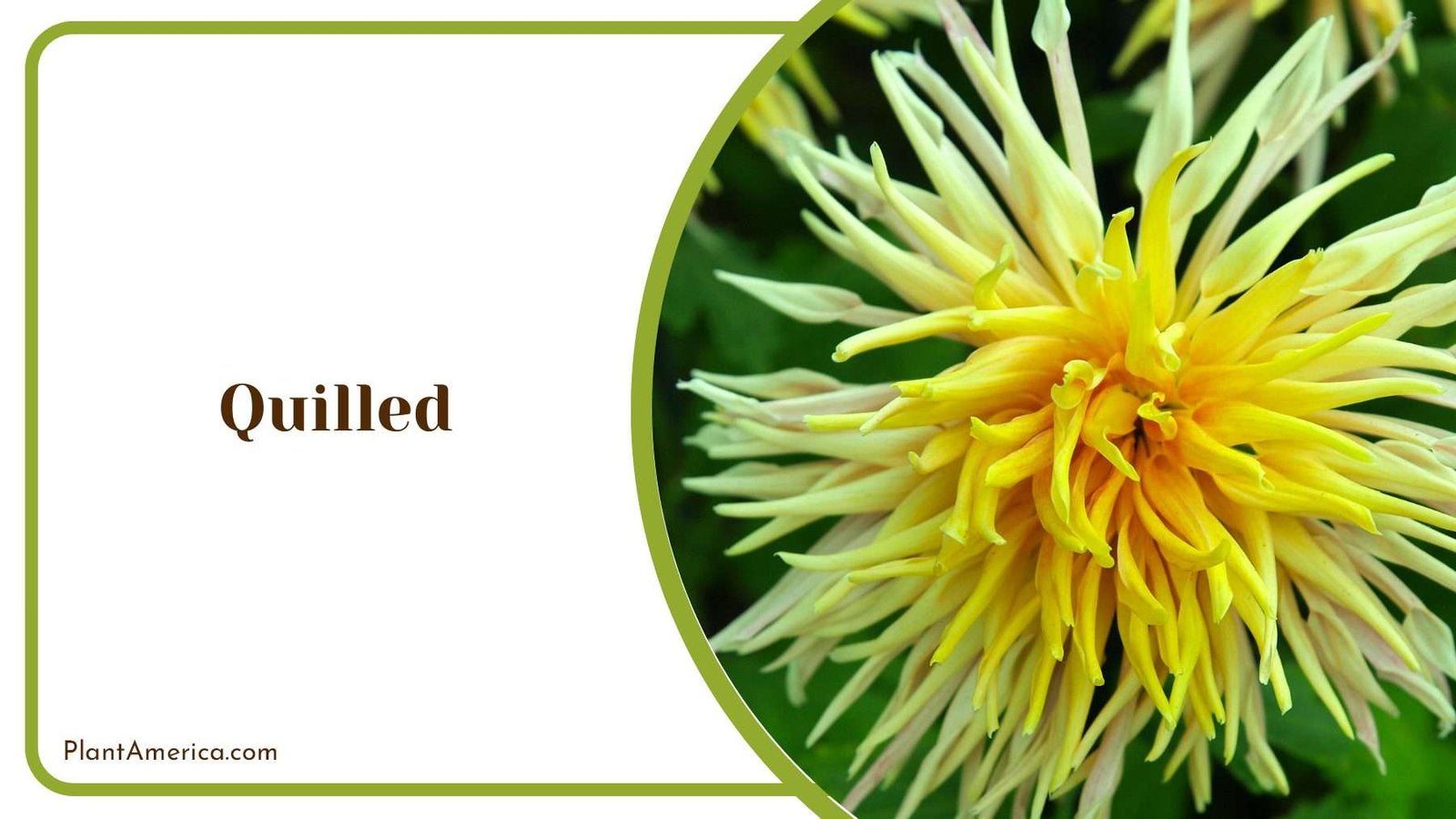
Quilled chrysanthemums feature blooms characterized by long, cylindrical petals that curl inwards towards the disc floret, resembling the quill of a feather. The tubular petals emerge in early and mid-autumn in a variety of warm-toned hues ranging from rusty reds and bronzes to soft yellows.
The unique curling shape and a hint of vintage nostalgia imparted by the formation of the petals give quilled chrysanthemums an old-fashioned charm that gardeners enjoy for adding textural visual interest to autumn flower arrangements and borders.
Quilled chrysanthemums may not produce the profusion of blooms offered by other varieties, but what they lack in abundance, they make up for with intricate beauty and a distinct character that perfectly captures the essence of old-world autumn. Their curled cylindrical petals imbue the fading year’s end with whimsy and grace, transporting the spirit back to simpler times remembered through sepia lenses.
For those seeking chrysanthemums that stir the soul as well as delight the senses, quilled varieties deliver maximum impact with their gracefully twisting, time-warp blooms, which hint at autumn past while ushering in each new fall anew.
6. Curved
- Growing season: Spring, Fall
- Leaf shape: Pinnate, Flat
- Specific needs: Even Moisture, Full Sun
- Common pest: Aphids, Spider Mites
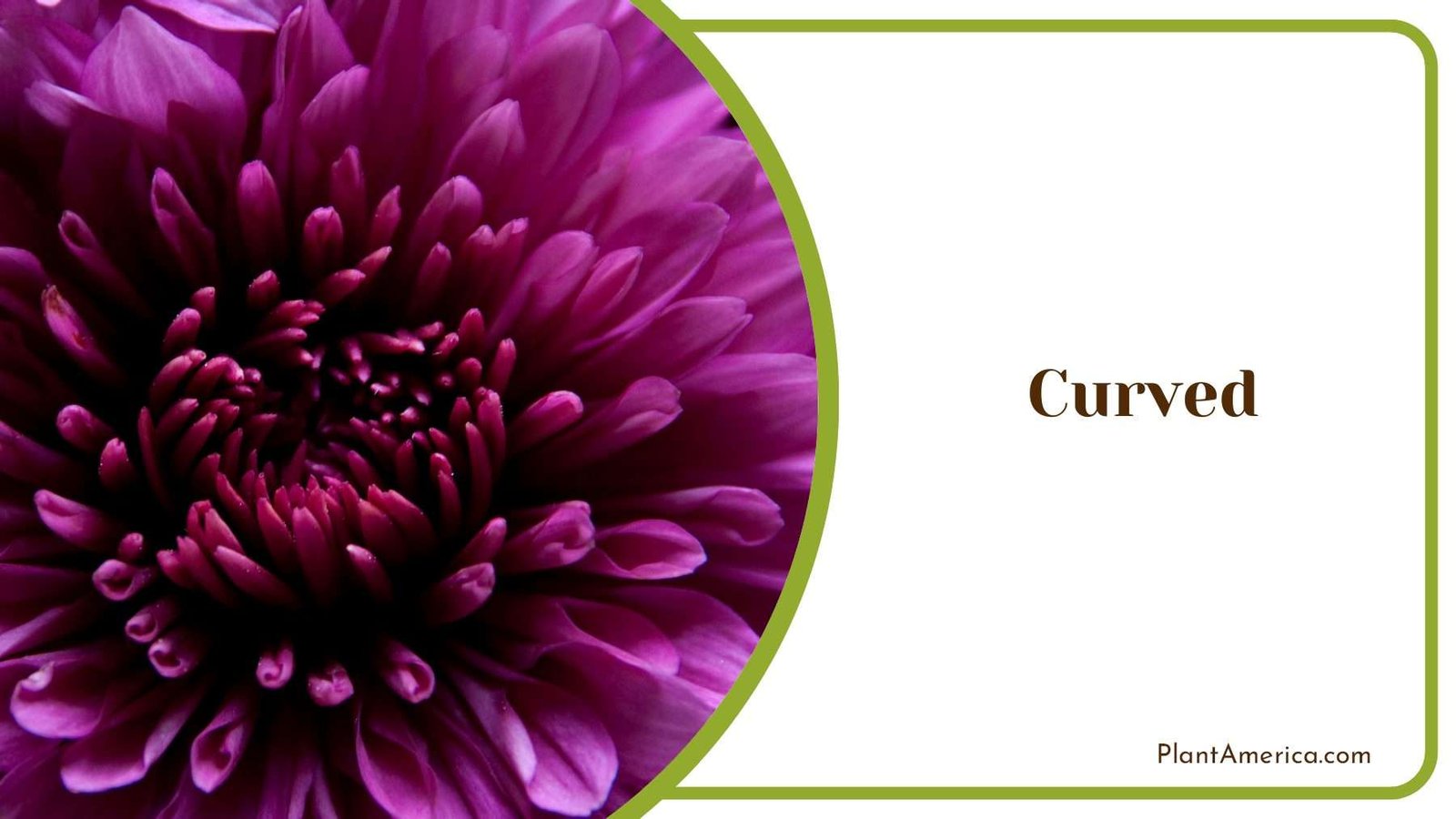
Curved chrysanthemums are characterized by blooms with petals that bend backward, curving away from and then back towards the center of the flowerhead. This distinct reflexed shape creates an elegant, nodding silhouette that rises up from the foliage on graceful stems.
Curved chrysanthemums typically bloom in mid-autumn and offer a neat alternative to the more common daisy-shaped blooms. Their unique reflexed petal formation results in bloom shapes that catch the eye for their sculptural quality and dimensionality.
Varieties like ‘Geraldine’ with its bronzy-red reflexed petals, particularly appeal for their distinctive, sculptural bloom form. As the petals curve outward and then backward in on themselves, they create an intricate, three-dimensional structure that is a joy to behold.
Curved chrysanthemums bring a welcome dash of whimsy and wonder to the autumn garden through their sculptural, reflexed bloom shapes – nodding gently on slender stems while embracing the season’s change with grace.
7. Incurve
- Growing season: Spring, Fall
- Leaf shape: Lance-shaped, Flat
- Specific needs: Even Moisture, Full Sun
- Common pest: Aphids, Spider Mites
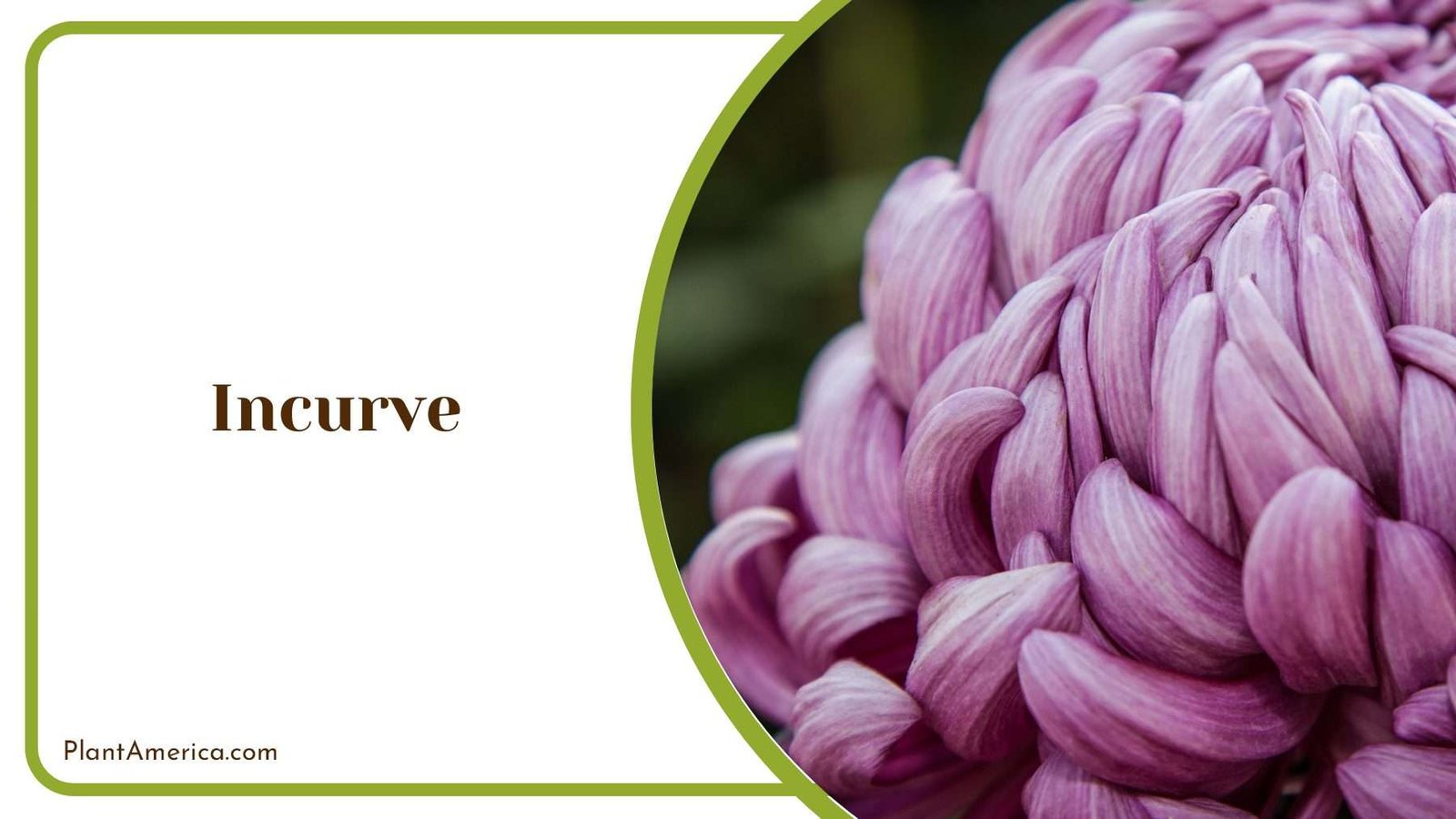
Incurve chrysanthemums are characterized by blooms with petals that bend inward, curving towards the center of the flower head. This inward-curving shape creates a more condensed, cupped silhouette in comparison with regular chrysanthemum daisies.
These incurve chrysanthemums typically bloom in mid to late autumn and offer an abundance of color just as the season is nearing its end. Varieties featuring soft shades of ivory and yellow particularly stand out for bringing warmth and cheer to fall containers, gardens, and borders during the waning weeks of the year.
The cupped, self-contained shape of incurve chrysanthemum blooms is appealing for its ability to capture and radiate color outward evenly in all directions. As the petals curve gently inward, they form a circular enclosure that seems to trap shafts of golden autumnal sunshine, holding them in place for a time.
Incurve chrysanthemums may not boast the cascading habit of other varieties, but what they lack in the spread, they more than make up for in simplicity, symmetry, and proportion. Their minimalist cup shape appeals to those seeking an unadorned yet profoundly beautiful representation of seasonal transition and change.
For gardeners looking to infuse closing scenes of fall with understated grace notes of ivory and gold, incurve chrysanthemums deliver maximum visual impact. Their compact blooms cling stubbornly to the waning year, quietly yet insistently glowing with the harnessed warmth of stolen sunlight one moment more.
8. Reflexed
- Growing season: Spring, Fall
- Leaf shape: Lance-shaped, Simple
- Specific needs: Even Moisture, Full Sun
- Common pest: Aphids, Spider Mites
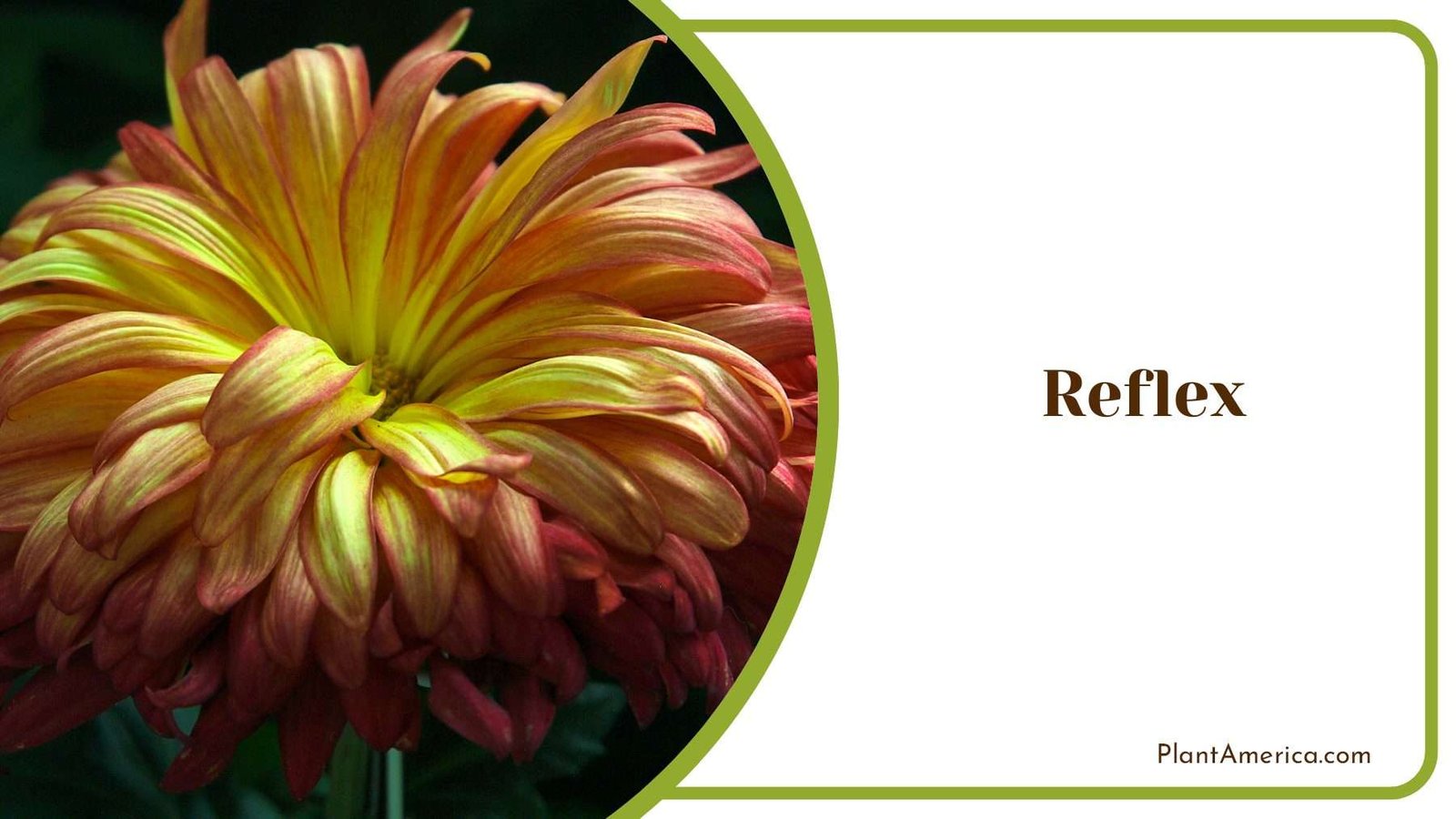
Reflexed or curved chrysanthemums feature blooms with petals that bend backward, away from the center of the flower. They tend to bloom in mid-fall and have colors ranging from pale yellow to deep bronze. Reflexed chrysanthemums have an elegant, nodding character that you will enjoy as it adds graceful curves to autumnal arrangements. Varieties like ‘Gay Paree’ with its pumpkin-colored, gracefully curving petals will particularly catch your eye.
9. Spoon
- Growing season: Spring, Fall
- Leaf shape: Alternate, Pinnate
- Specific needs: Even Moisture, Full Sun
- Common pest: Aphids, Spider Mites
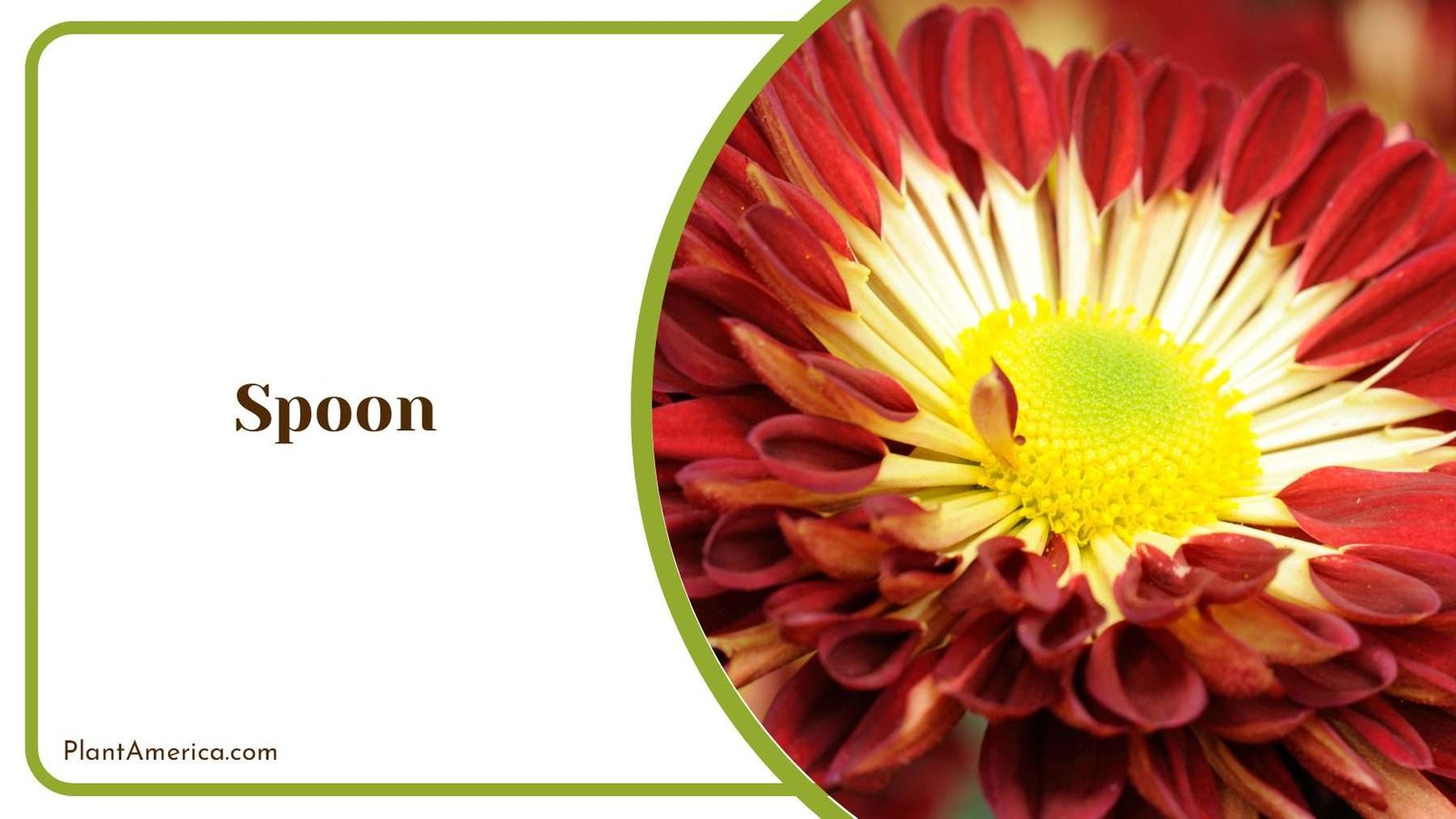
Spoon or corneal chrysanthemums feature blooms characterized by long, narrow petals that curve gracefully downward in a spoon-like shape. They typically bloom during the middle of the fall season and come in an array of colors ranging from rusty reds and yellows to shades of bronze.
The informal, scattered look created by the long, spooned petals of these chrysanthemums appeals to gardeners seeking a more laid-back texture for fall containers, garden beds, and bouquets. Varieties like ‘Red Success’ with its cascades of rusty red, spoon-shaped petals particularly catch the eye for their casual, carefree appearance.
As they curve gently downward, the elongated spooned petals of these chrysanthemums seem to spill beyond the confines of the bloom itself, contributing to an unkempt aesthetic that contrasts nicely with the precision of other chrysanthemum types. Their loosely gathered, willowy petals imbue these flowers with a cheerful raffishness, a vivacious joie de vivre that captures the spirit of autumn at its most unguarded.
While spoon chrysanthemums may not boast the profusion of some rounded varieties, their unique bloom shape more than makes up for lack of abundance. The downward curving spoon petals distract the eye from numbers, directing focus instead to graceful lines, warm shades, and casual charm.
For gardeners seeking chrysanthemums that capture fall’s carefree spirit through unbound, spooned curves, these varieties will definitely deliver. Their rusty red spooned petals whisper of lingering summers and coming winters in a single pleasant sigh, breathing life and delight into the vulnerable present.
10. Button
- Growing season: Spring, Fall
- Leaf shape: Lance-shaped, Flat
- Specific needs: Even Moisture, Full Sun
- Common pest: Aphids, Spider Mites
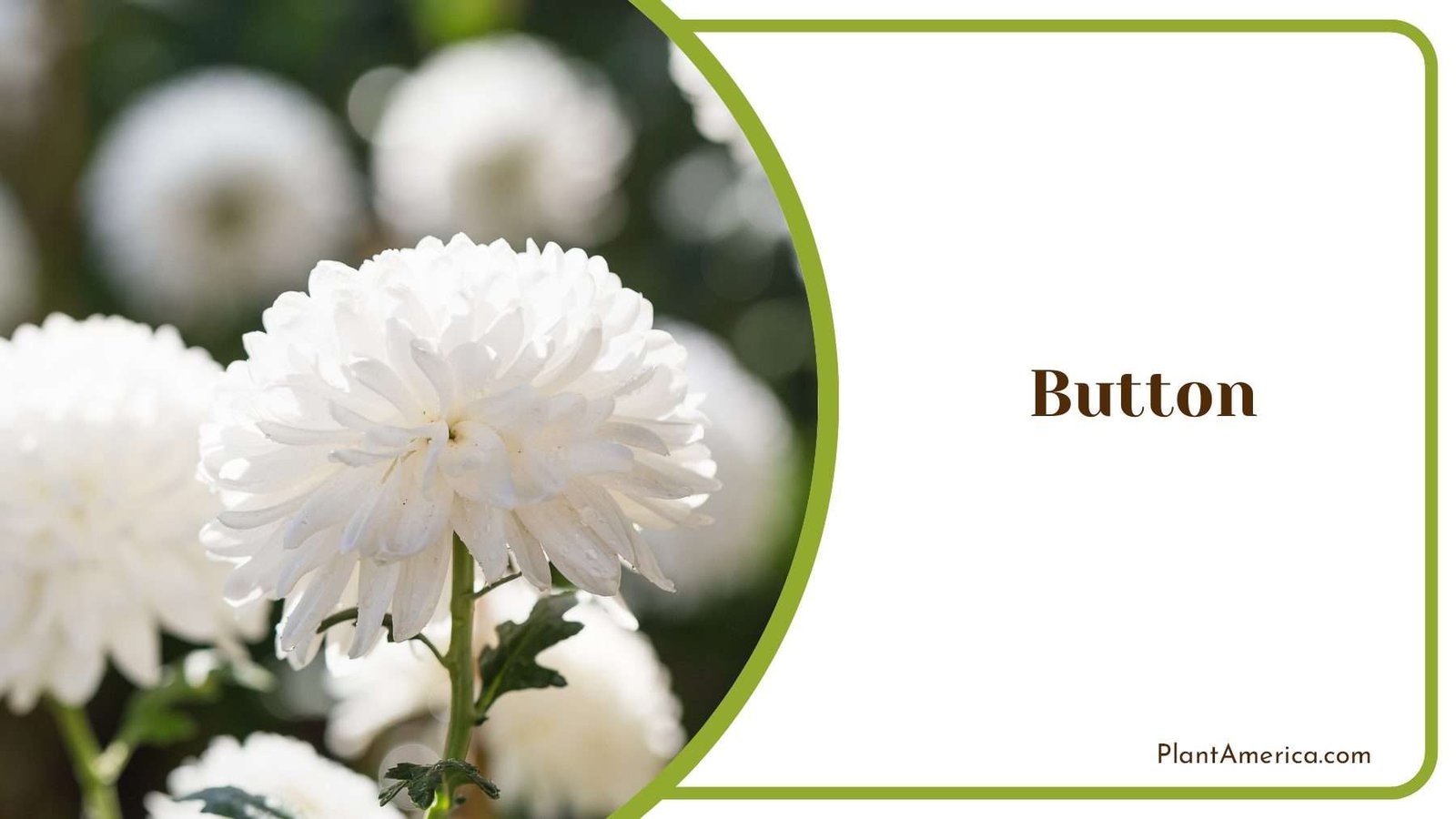
Button or pompom chrysanthemums feature tiny, rounded flower heads that emerge in clusters. They tend to bloom late in the season and come in a wide palette of colors from bronzes to yellows.
Pompom varieties have a dense, prolific look that you will enjoy for filling out autumnal containers, gardens, and arrangements. Varieties like ‘Bronze Buttons’ with masses of tiny bronze blooms will particularly catch your eye for their bountiful display.
11. Decorative
- Growing season: Spring, Fall
- Leaf shape: Pinnate, Robust
- Specific needs: Even Moisture, Full Sun
- Common pest: Aphids, Spider Mites
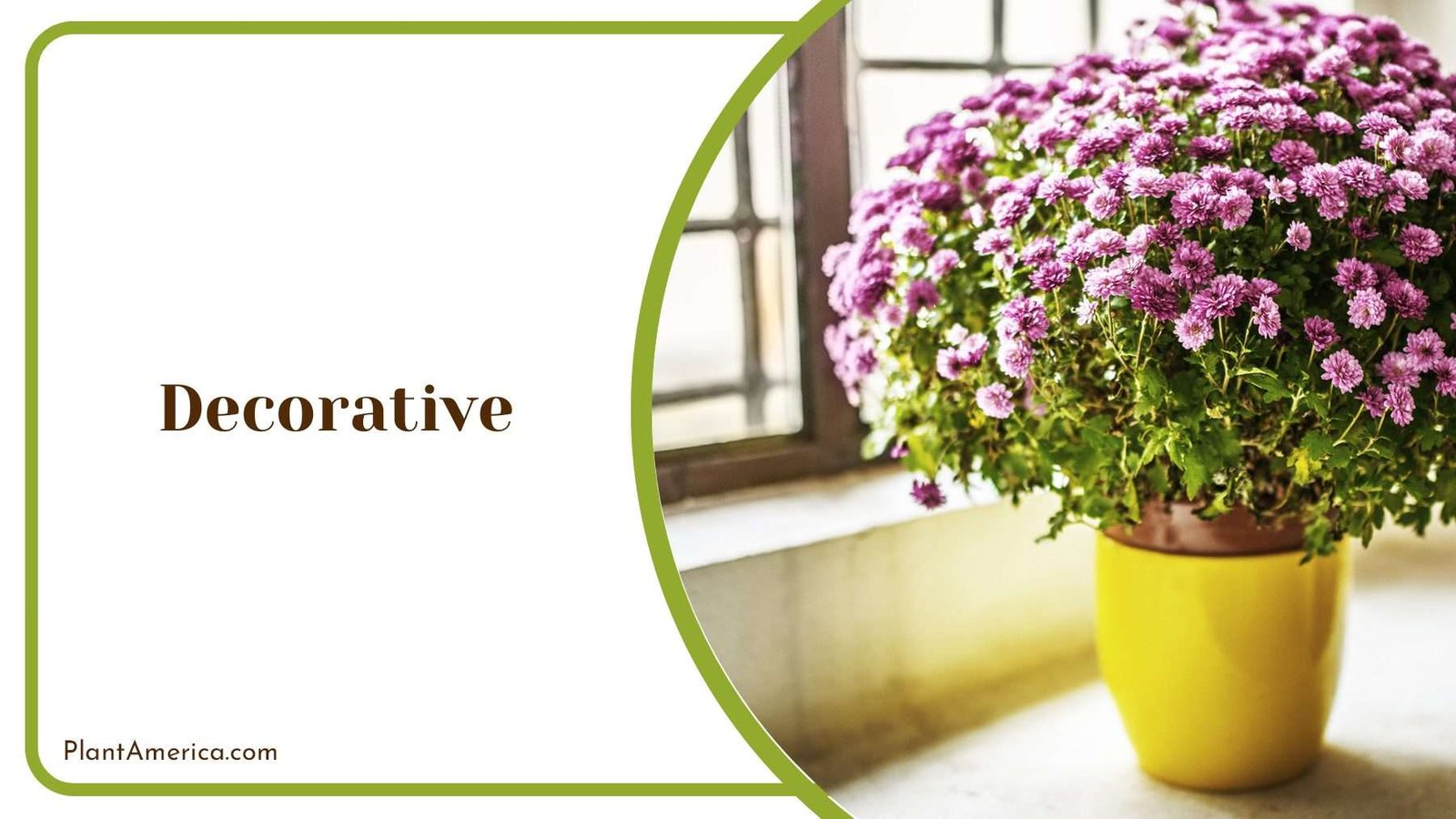
Decorative chrysanthemums feature large blooms in a wide assortment of unusual shapes and forms. They typically emerge in mid to late fall and come in almost any color imaginable. Decorative varieties have sculptural, often over-the-top forms that most people enjoy for adding drama and whimsy to fall gardens, pots, and bouquets. Varieties like ‘Stella D’Oro’ with its golden, twisted blooms are particularly well-known types.
12. Cushion
- Growing season: Fall, Summer
- Leaf shape: Lance-shaped, Flat
- Specific needs: Even Moisture, Full Sun
- Common pest: Aphids, Spider Mites
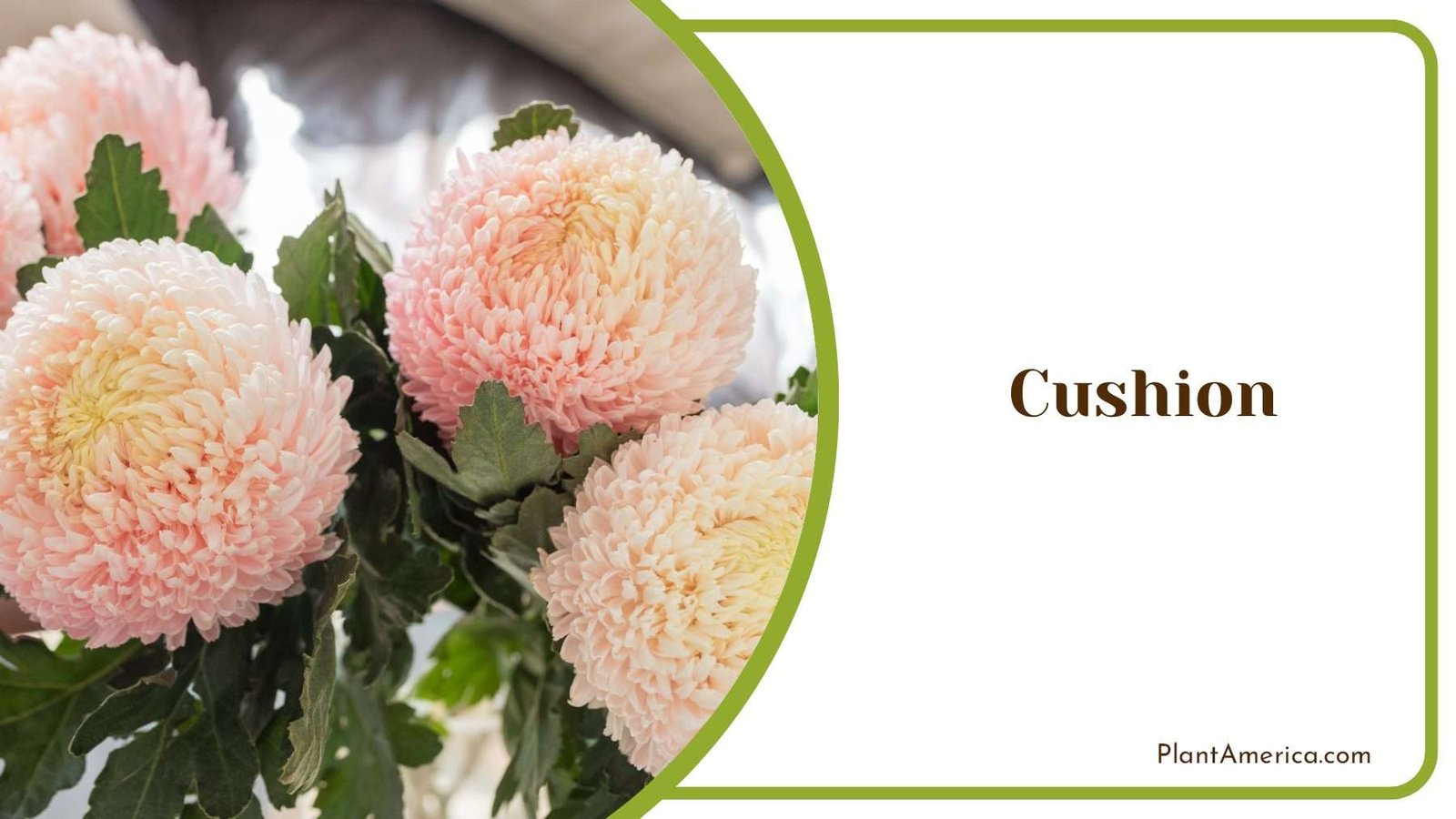
Cushion chrysanthemums form compact, mounded shapes clothed in clusters of small blooms. They typically flower in mid to late fall and emerge in an array of vibrant colors, especially oranges and bronzes. Cushion varieties have an adorable, dense character that you will enjoy for filling garden beds, tucking into pots, and nestling into arrangements. Varieties like ‘Bronze Beauty’ with its mounded form clothed in tiny bronze blooms particularly catch people’s eye.
13. Irregular Incurve
- Growing season: Fall, Spring
- Leaf shape: Alternate, Pinnate
- Specific needs: Even Moisture, Full Sun
- Common pest: Aphids, Spider Mites
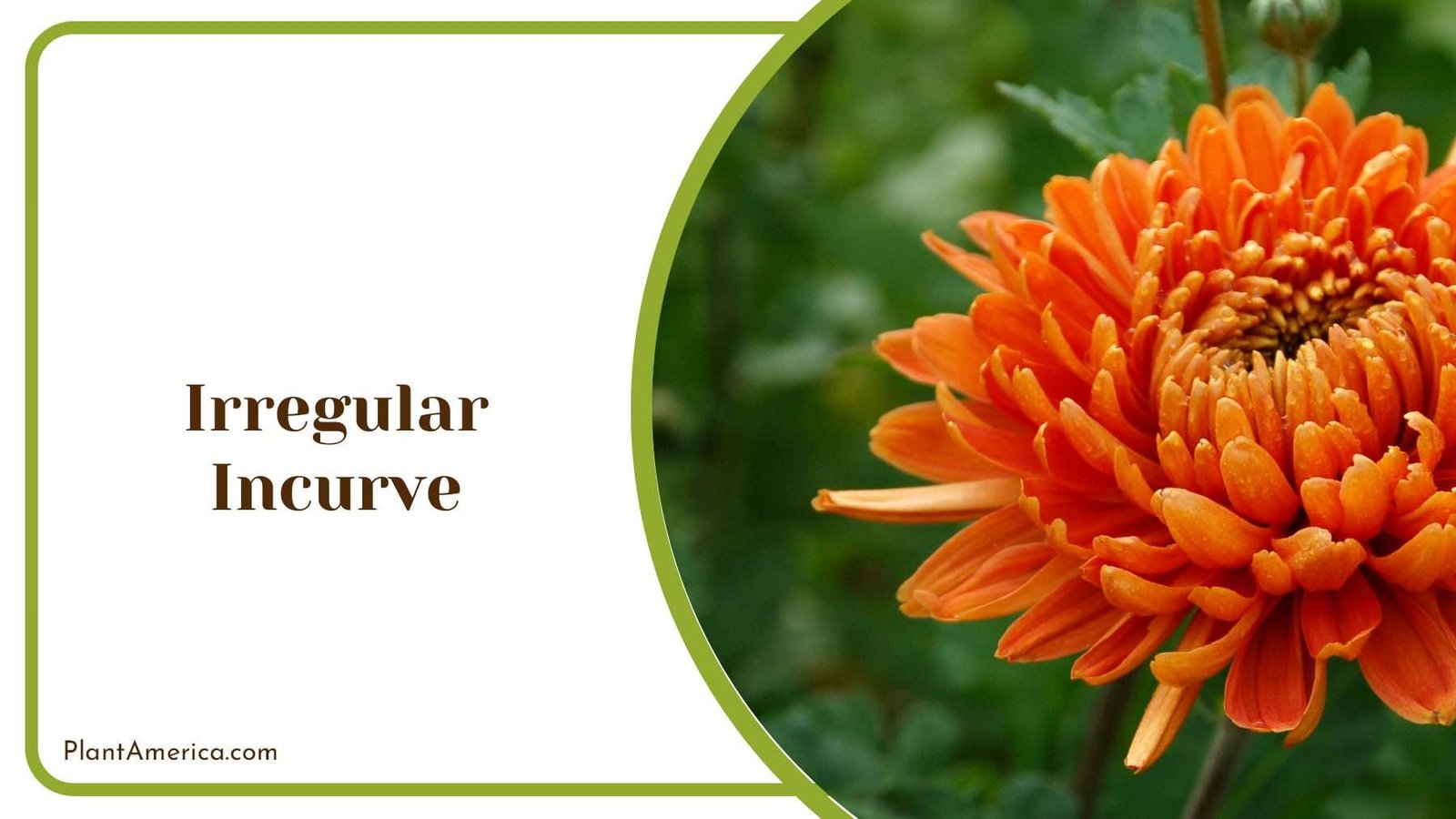
Irregular incurved chrysanthemums feature flower heads with petals that curve and twist in uneven directions. They tend to bloom in mid to late fall and emerge in a wide color range. Irregularly incurved varieties have an artistic, free-flowing character that we can enjoy for adding originality and wildness to autumnal arrangements. Varieties like ‘Twist and Shout’ with its riot of curving, twisting petals will particularly appeal to most gardeners.
14. Intermediate Incurve
- Growing season: Fall, Summer
- Leaf shape: Alternate, Pinnate
- Specific needs: Even Moisture, Full Sun
- Common pest: Aphids, Spider Mites
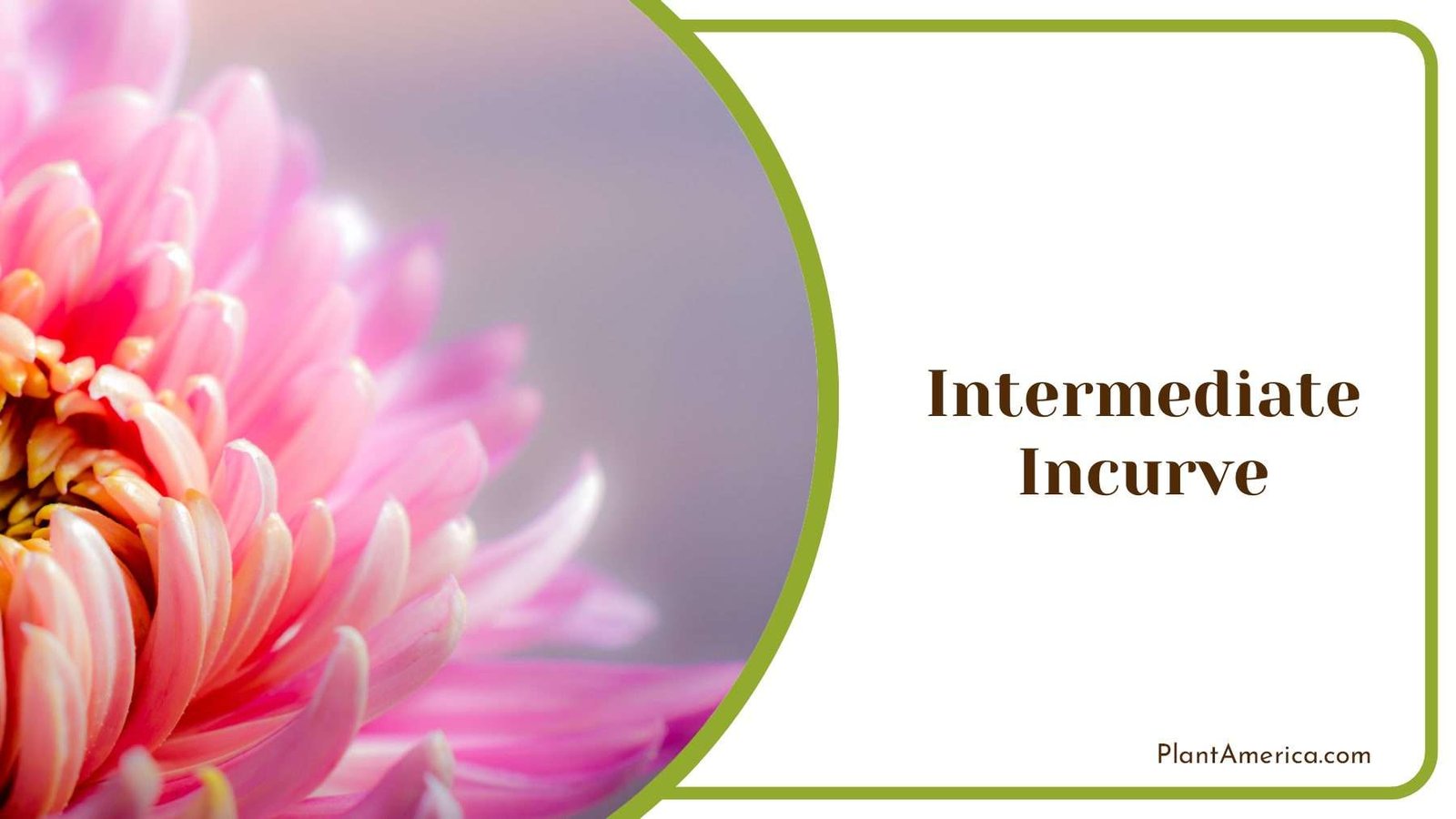
Intermediate incurved chrysanthemums feature flower heads with petals that curve inwards, but not as tightly as full incurved varieties. They tend to bloom in mid to late fall and emerge in a kaleidoscope of warm tones, especially yellows, bronzes, and rusts.
Intermediate incurved varieties have an open, breezy character that you can enjoy for adding graceful curves and movement to fall containers and garden beds. Varieties like ‘Sunburst’ with its cascades of curving petals in rust and gold colors are particularly popular.
15. Clara Curtis
- Growing season: Fall, Summer
- Leaf shape: Elliptical, Ovate
- Specific needs: Even Moisture, Full Sun
- Common pest: Aphids, Spider Mites
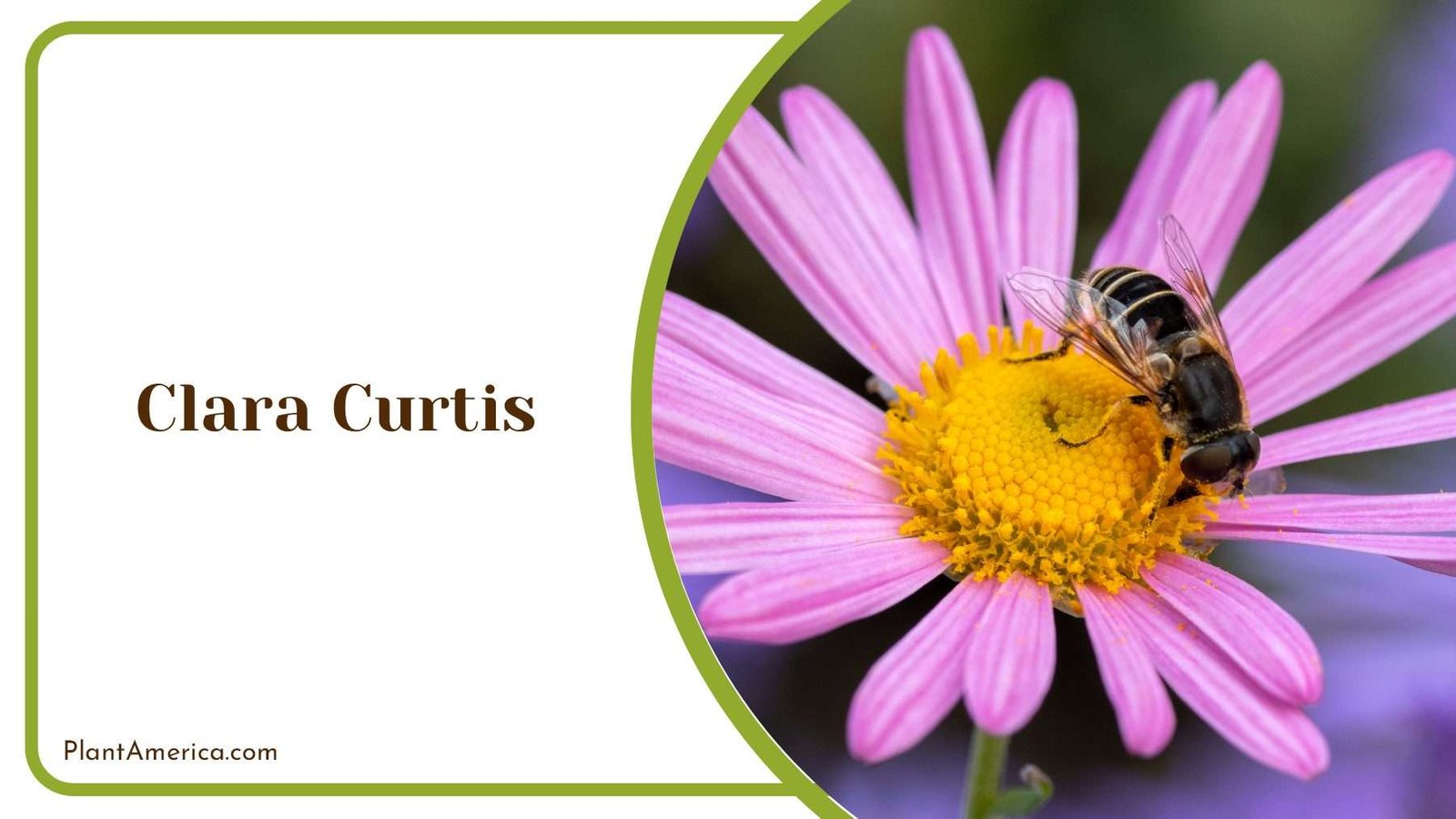
The Clara Curtis variety of chrysanthemum is known for its abundance of soft peach-colored blooms. This chrysanthemum comes into full bloom in late fall, right as nights grow long and darkness falls early. Its lush display of prolific orangey-peach blooms has a graceful, romantic charm that successfully brightens the melancholy mood of late autumn.
The Clara Curtis chrysanthemum’s profusion of peach-toned petals spills elegantly over garden walls, mounded borders, and ornamental pots, imparting a cheery glow just as winter’s approach seems most imminent. The blossoms fill the air with a honeyed fragrance that hints at fleeting memories of long summer days, trying to hold onto warmth for a little while longer.
The prolific blooms of this chrysanthemum variety signify perseverance in the face of shorter days and colder temperatures, a brave display of life and beauty that refuses to abide by winter’s onset just yet. Their peach tones echo the pinkish hues of early dawn — a promise of spring to come that sustains the spirit through months of darkness.
The Clara Curtis chrysanthemum’s characteristic abundance of peach blooms makes it well-suited to large containers or mixed borders where its graceful form and cheery color can really shine. The elegant spillover of profuse blossoms creates a romantic backdrop for evening strolls that invigorate the senses and lift the heart, providing a brief respite from fall’s waning glow.
For gardeners seeking chrysanthemums that impart late autumn’s bittersweet beauty through abundant blooms of lustrous peach, the Clara Curtis variety delivers. Its generous display rallies color, fragrance, and grace against winter’s edge in a full-hearted final fling of fading summer’s gold.
16. Ruby Mound
- Growing season: Fall, Spring
- Leaf shape: Elliptical, Ovate
- Specific needs: Even Moisture, Full Sun
- Common pest: Aphids, Spider Mites
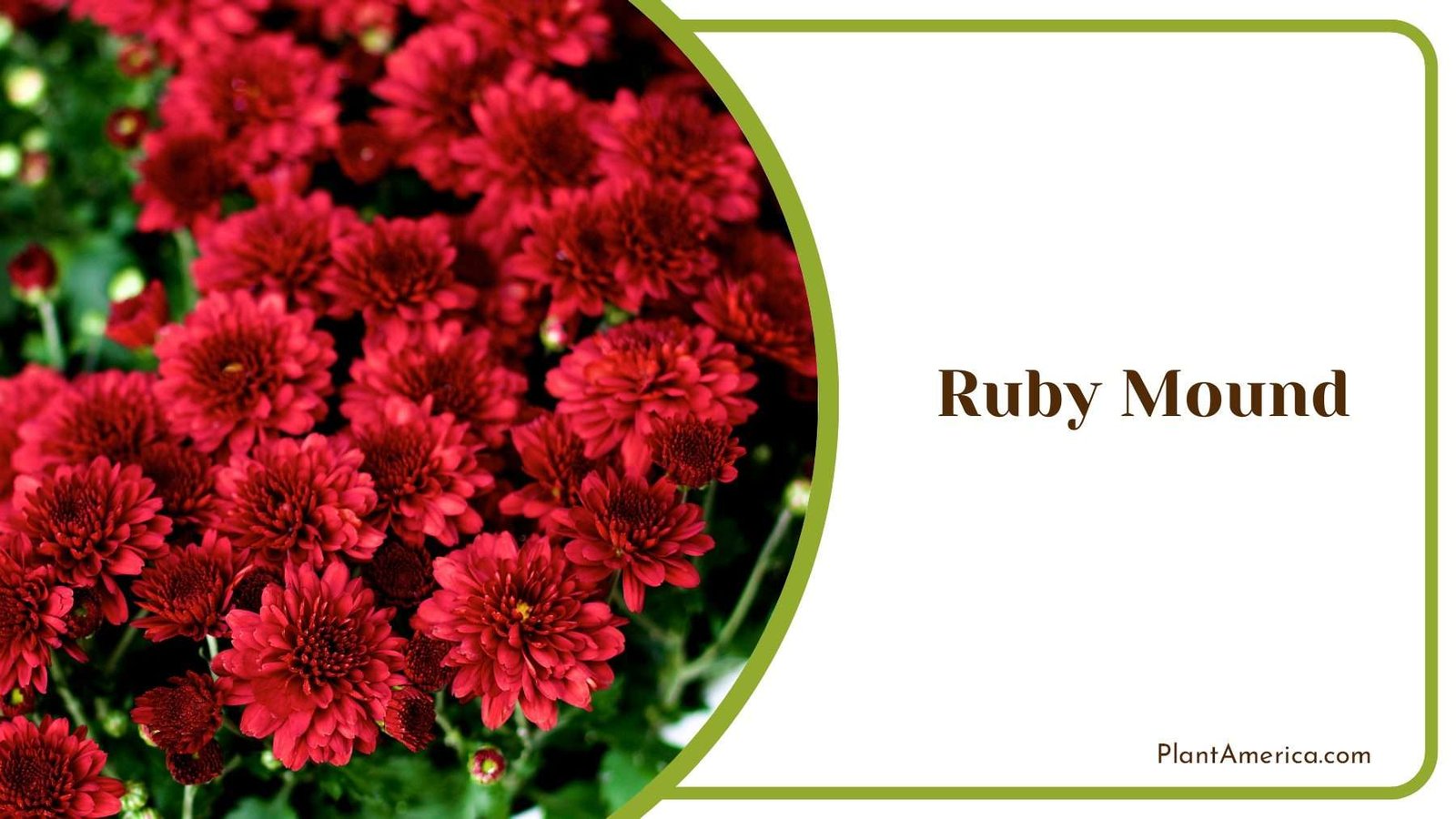
The Ruby Mound variety of chrysanthemum forms a dense mound of deep and rosy red blooms. The Ruby Mound comes into full flower in late fall, adding rich splashes of color to garden beds, borders, and containers. Its dark red blossoms have an elemental beauty — like drops of fire — that warms the gray days of late autumn. The Ruby Mound thrives with minimal care, making it a good choice for beginner gardeners.
17. Fall Color
- Growing season: Fall, Spring
- Leaf shape: Alternate, Pinnate
- Specific needs: Even Moisture, Full Sun
- Common pest: Aphids, Spider Mites
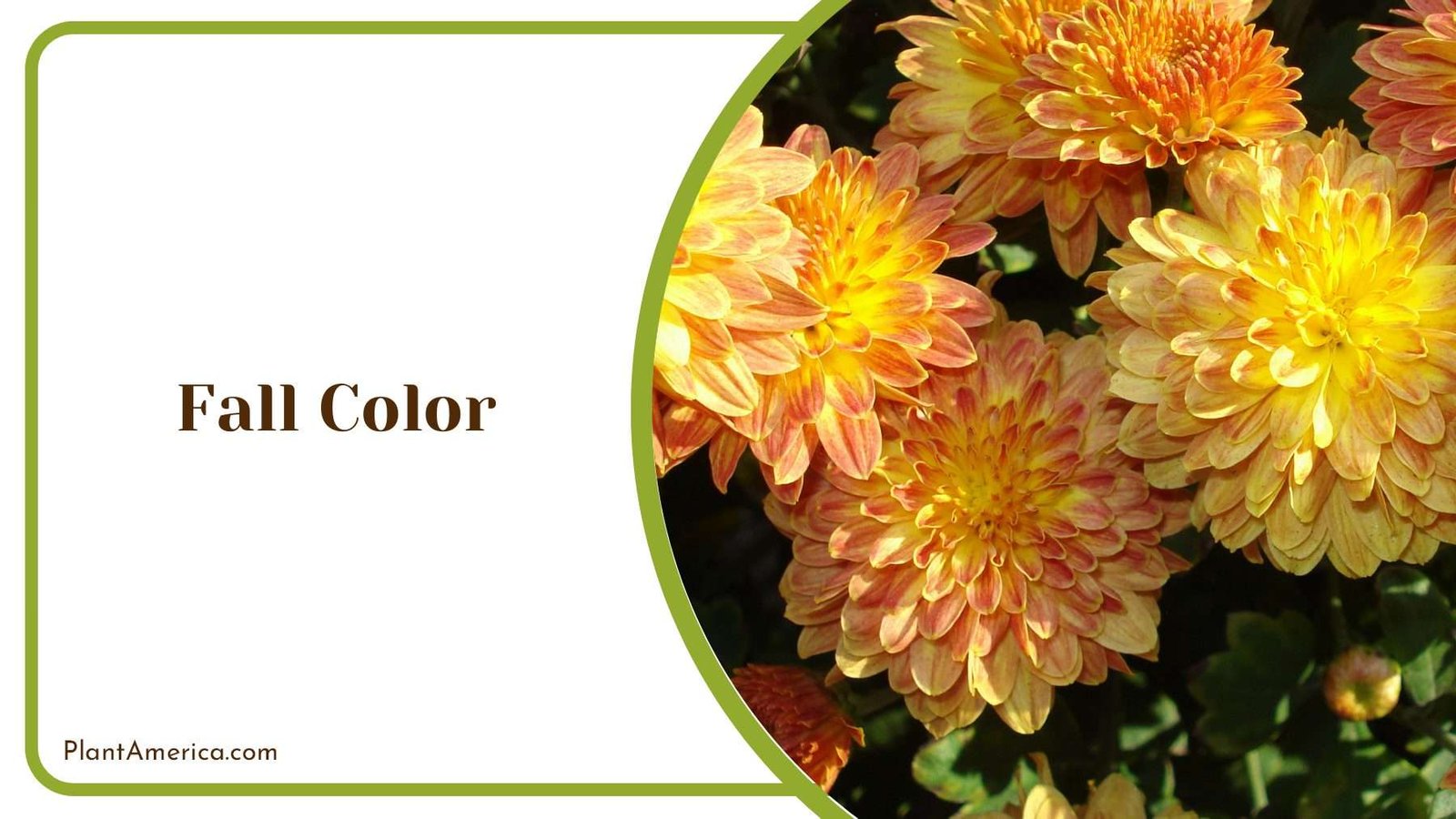
Chrysanthemums are prized for the brilliant fall color they offer gardens. From rusty oranges and bronzes to rich reds and purples, chrysanthemums run the full spectrum of autumnal hues when they come into bloom during September and October. Their dependably showy flowers provide a burst of color just as other garden stalwarts begin fading for the season. Many chrysanthemum varieties bloom for several months, prolonging the garden’s fall display well into November and beyond.