
Types of succulents come in an amazing variety of forms, sizes, and colors that can add visual interest to any garden or indoor space. Succulents are an irresistible choice for many gardeners because they are so easy to care for yet provide remarkable benefits.
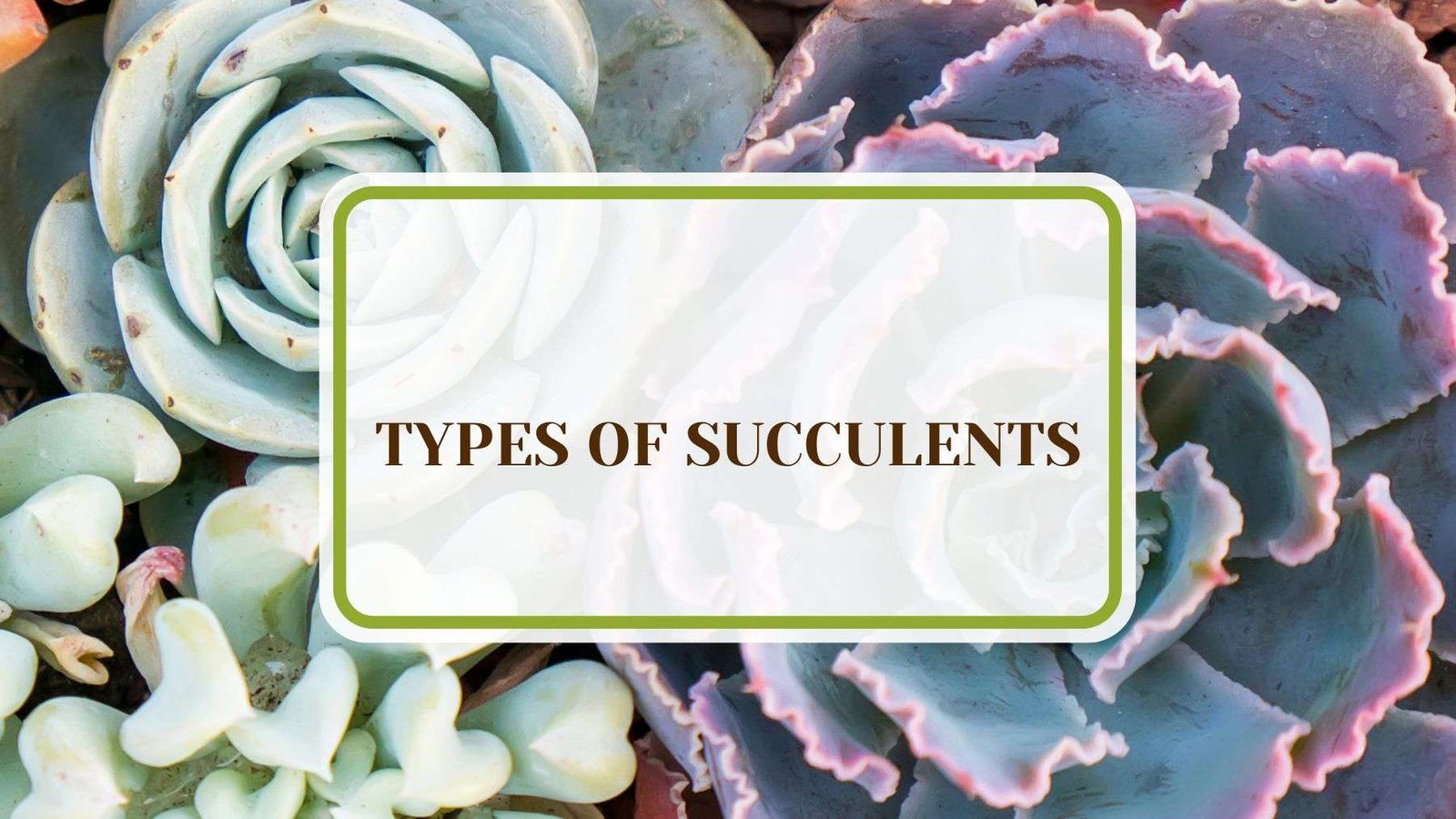
Their unique shapes and structures have evolved to survive harsh desert conditions, yet in our homes and gardens, they transform into lively accent plants that reward us with beauty and wonder. In this article, we will discuss 21 of the most popular succulents you should know about, whether you are a beginner or an experienced gardener.
Essential Types of Succulents to Fill Your Garden with Variety
1. Jade Plant
- Growing Season: Spring, Summer, Fall
- Leaf Shape: Ovate, Succulent
- Specific Needs: Bright indirect light, Well-drained soil
- Common Pests: Mealybugs, Spider mites
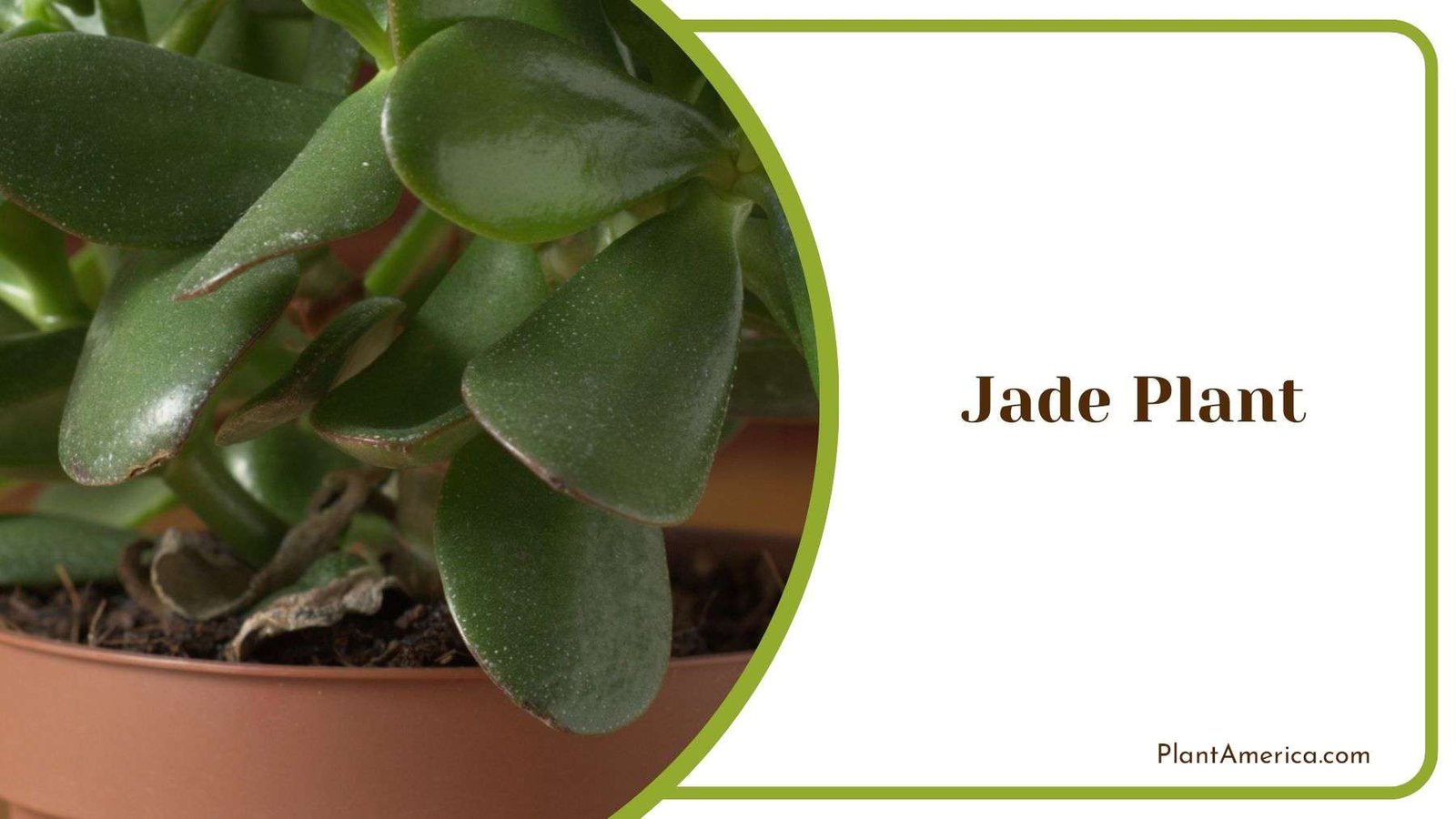
The jade plant is one of the most popular succulents due to its thick evergreen leaves that form a dense rounded shape. These succulents are both low maintenance and aesthetically pleasing.
Jade plants thrive in bright indirect light and require occasional watering when the soil is dry. They respond well to exposure on a west-facing windowsill where they get plenty of light but no direct afternoon sun. The plant should be watered about once every two weeks. The leaves tend to turn a richer shade of green with sufficient light levels.
2. Aloe Vera
- Growing Season: Spring, Summer
- Leaf Shape: Fleshy and lance-shaped
- Specific Needs: Bright light, Well-draining soil
- Common Pests: Mealybugs, Aphids
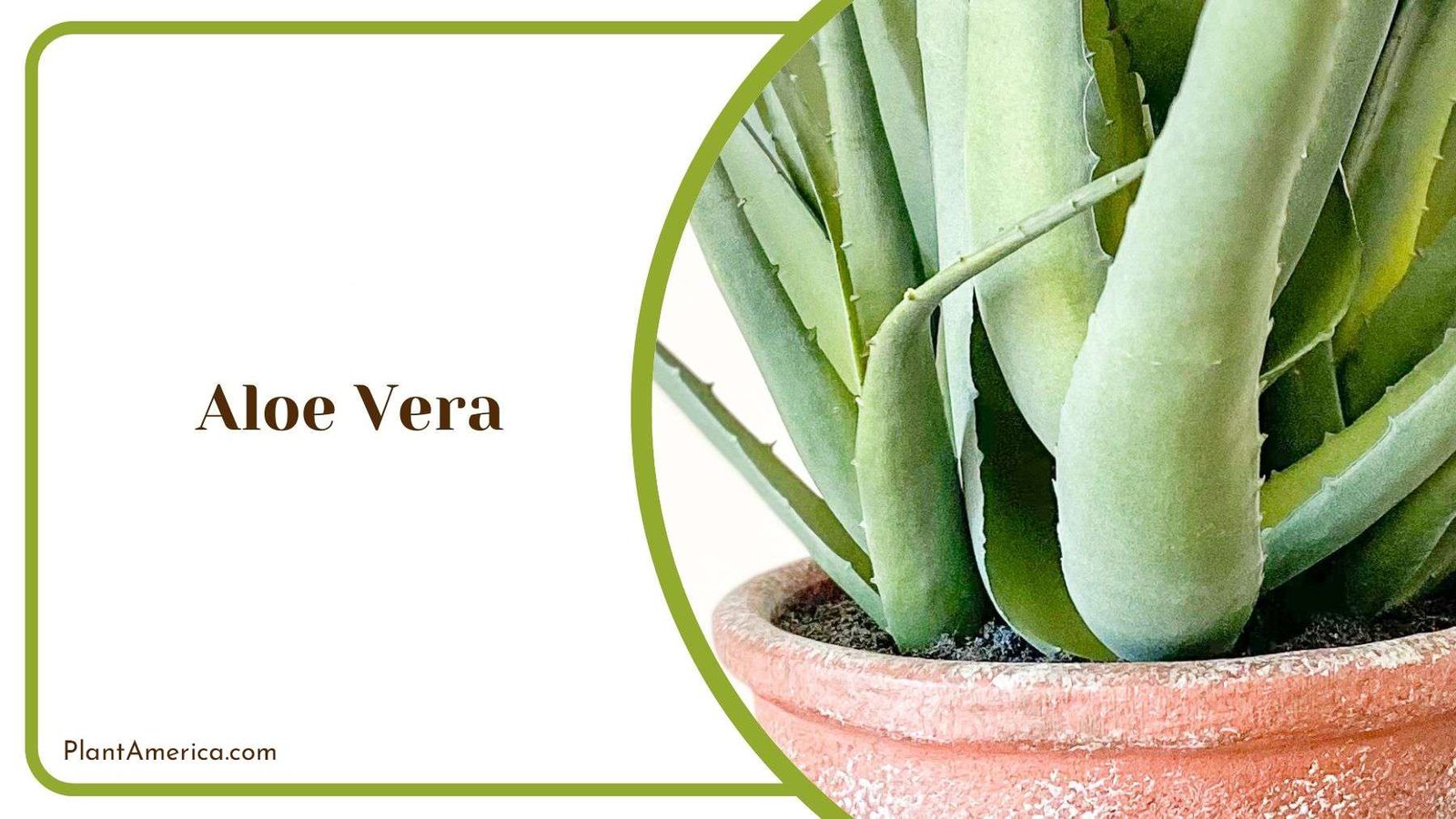
Aloe vera is a popular medicinal succulent for its thick fleshy leaves containing water-rich gel. Though they can tolerate some shade, these succulents grow well in bright light conditions. The plant requires little water and must only be watered once every two weeks when the soil is dry.
Like most succulents, aloe vera thrives in well-draining potting mixes that allow excess water to evaporate quickly. The fleshy lance-shaped leaves are firm with serrated edges and taper to a point.
The thick gel inside the leaves contains the plant’s various compounds touted for their medicinal benefits, like healing minor burns and moisturizing skin. However, aloe vera plants are toxic to pets if ingested, so keep them out of reach of animals.
3. Zebra Plant
- Growing Season: Year Round
- Leaf Shape: Strap-like, Succulent
- Specific Needs: Full sun, Well-drained soil
- Common Pests: Mealybugs
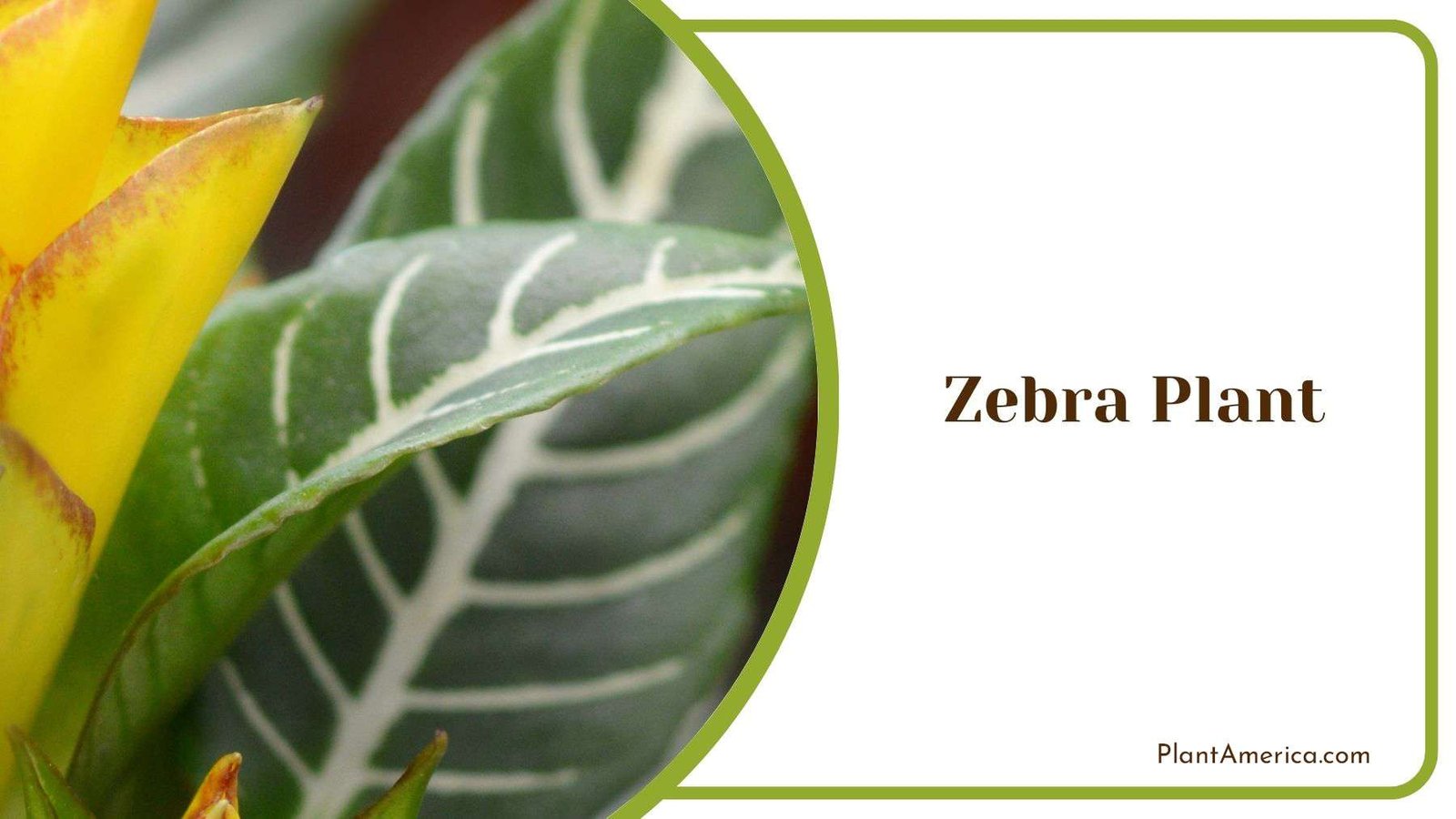
The zebra plant, also called Haworthia cooperi, is a popular succulent noted for its pale green triangular leaf tips that look like zebra stripes when the leaves are lined up. This succulent typically grows rosette from a central stem with cylindrical leaf tips that begin translucent green and turn whitish as they age.
The strap-like succulent leaves have sharp edges and small marginal teeth along the borders that help the plant retain water within its thick fleshy structure. These leaves only grow to around two to three inches long. The zebra plant grows slowly, producing offsets that can be removed and replanted to multiply the plant.
4. Hen & Chicks
- Growing Season: Spring, Summer
- Leaf Shape: Compact rosette, Miniature offsets
- Specific Needs: Full sun, Well-drained soil
- Common Pests: Mealybugs
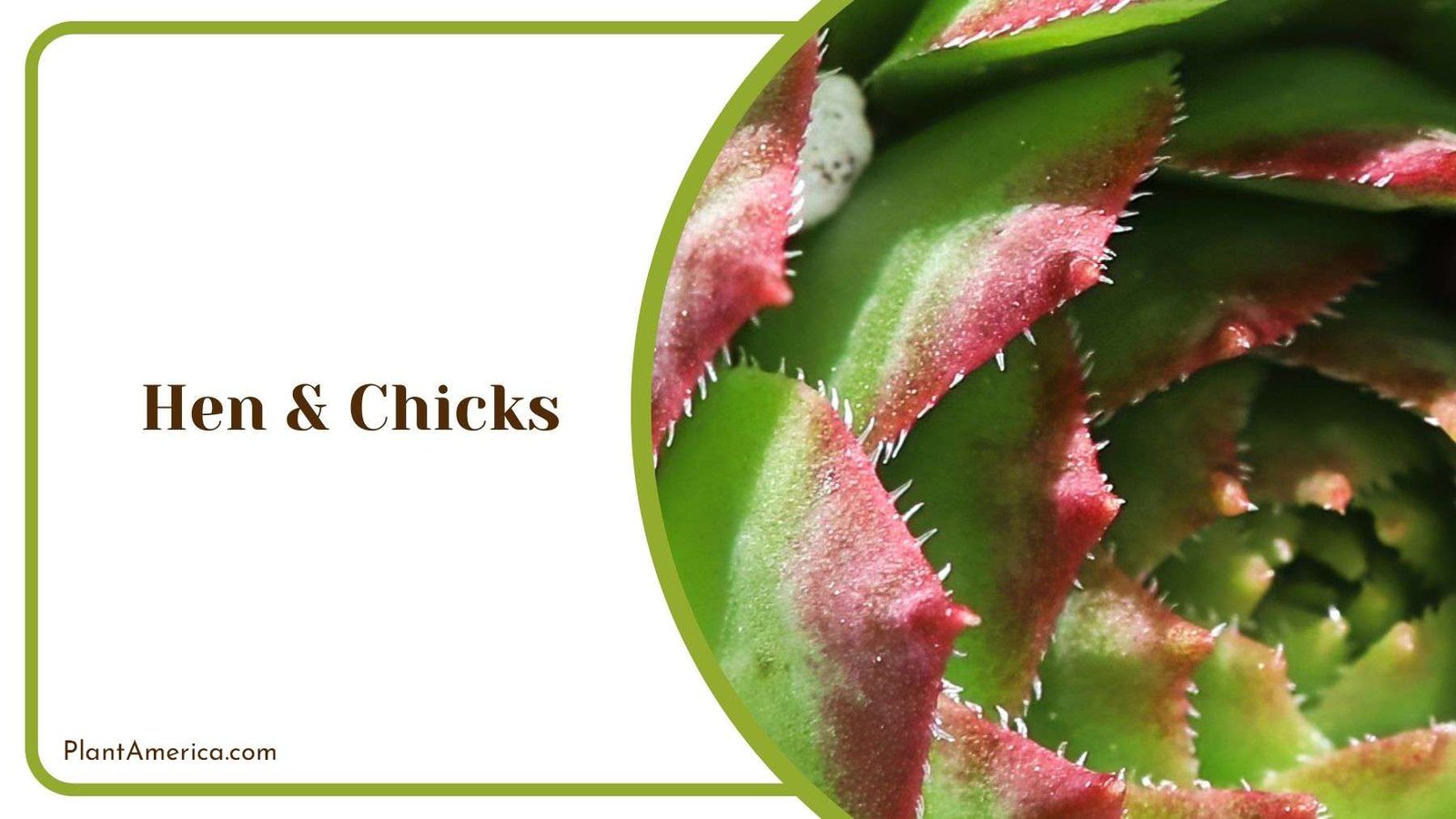
“Hen and chicks” refers to several varieties of succulents within the Sempervivum genus that form a ground-hugging rosette (the ‘hen’) which gives rise to numerous tiny offset rosettes (the ‘chicks’). These plants thrive in cooler climates due to their hardiness and adaptability.
The larger center rosettes or ‘hens’ range from two to six inches wide, producing small’ chicks’ plantlets along their outer edges. These miniature offsets quickly root and form rosette clusters around the central hen.
Hen and chicks grow best in full sun and require fast-draining soil. Place these succulents in south or west-facing windows where they receive intense light for much of the day. Water hen and chick plants infrequently, allowing the soil surface to dry between waterings.
Hen and chick varieties pair well with other Rocky Mountain natives, including stonecrops, houseleeks, and spike moss. The contrasting rosette shapes provide visual variety that balances the similarly hardy plants. Planted among stones or in rock gardens, hens and chicks resemble their natural alpine habitat.
5. Christmas Cactus
- Growing Season: Late Summer, Fall
- Leaf Shape: Flat, Jointed pad
- Specific Needs: Indirect light, Well-drained soil
- Common Pests: Mealybugs
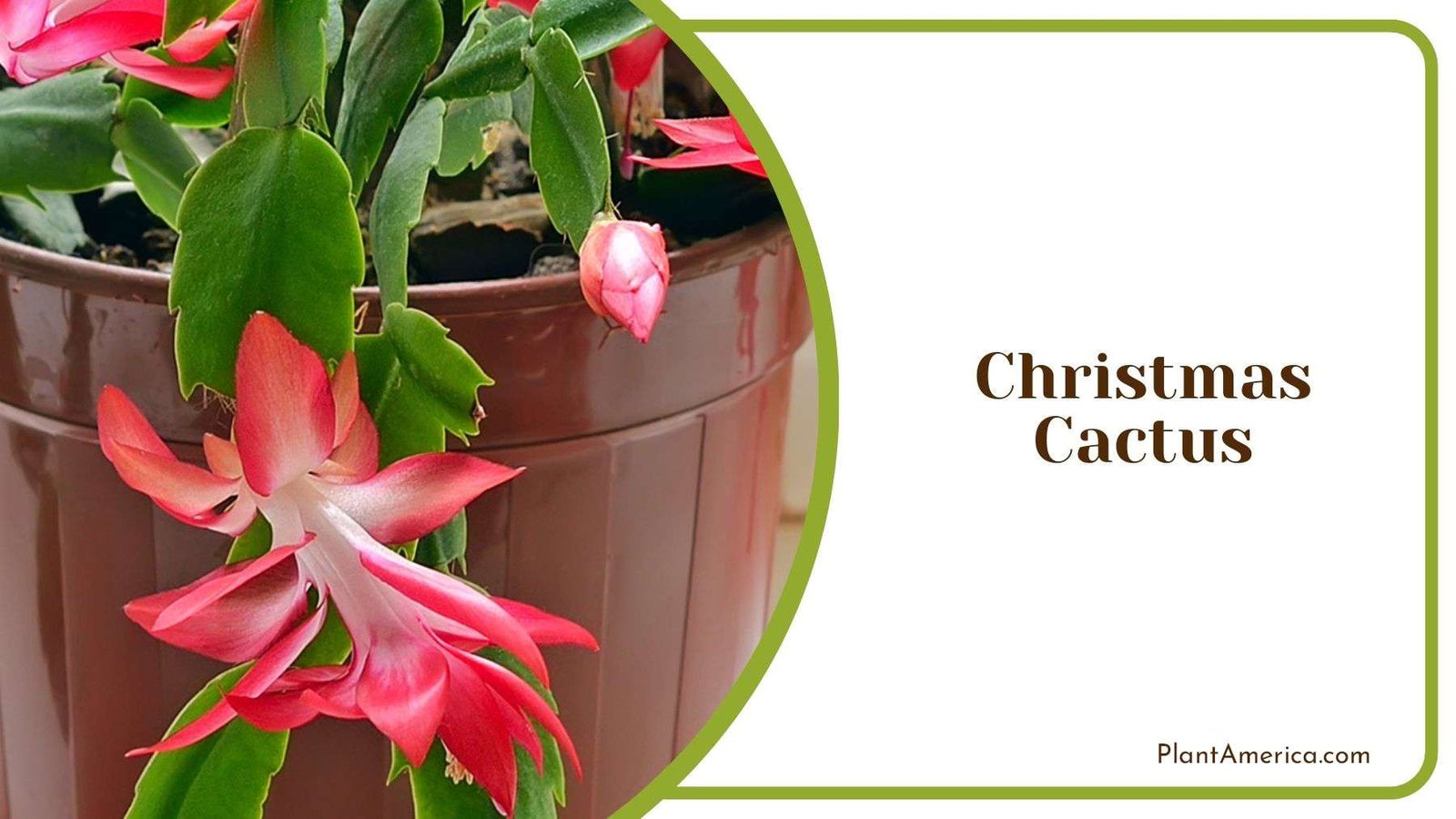
The Christmas cactus, scientifically known as Schlumbergera bridgesii, is a popular houseplant grown for its colorfully clustered holiday blooms. As an epiphytic cactus, this succulent does not require the arid conditions of true desert cacti.
Christmas cacti have flat jointed pads instead of cylindrical stems that grow fan-like. The pads are rounded with tooth-like projections along the edges.
The Christmas cactus pairs well with similar epiphytic succulents like the Thanksgiving and Easter cactus. These companions share a similar growth habit of flat-jointed segments and benefit from the same growing conditions with indirect light and seasonal watering routines.
Planting Christmas and Thanksgiving cactus in hanging pots provides an eye-catching display of orchid-like blooms during the fall and winter.
6. Echeveria
- Growing Season: Spring, Fall
- Leaf Shape: Fleshy rosette
- Specific Needs: Full sun, Well-draining soil
- Common Pests: Mealybugs
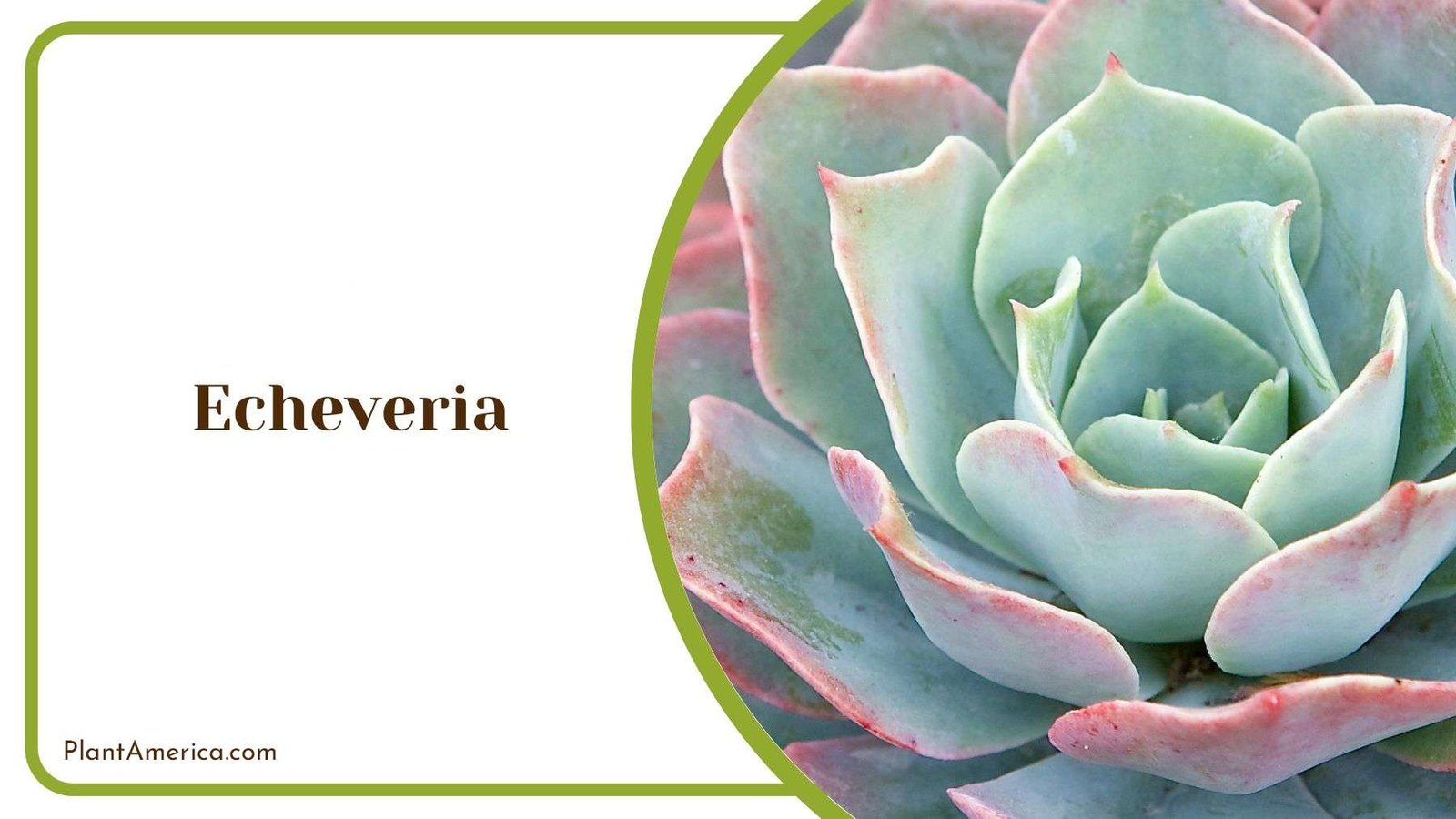
Echeveria succulents are often likened to roses due to their attractive rosette form with fleshy pointed leaves. The leaves emerge from a central stem in an overlapping manner similar to rose petals.
Echeveria comes from the Latin word meaning “crest” or “helmet,” which aptly describes the rosette silhouette. These succulents come in various leaf shapes, sizes, colors, and patterns, including frilled, ruffled, and even cubic forms.
Echeveria prefers full sun and requires little water outside their primary spring and summer growing seasons. During dormancy from late fall to early spring, reduce watering frequency to twice monthly and provide good drainage to prevent root rot.
Echeveria pairs well with sedum and sempervivum relatives that also form rosette shapes. Arrange clusters of different-sized echeveria together in shallow pots for an eye-catching vintage-style succulent terrarium.
The various contours of the rosette forms provide visual interest, while the blue-gray foliage of the ghost echeveria contrasts well with the red-tipped echeveria.
7. Sedum

- Growing Season: Spring, Fall
- Leaf Shape: Fleshy, Aromatic
- Specific Needs: Full sun, Well-drained soil
- Common Pests: Mealybugs
Sedum is a genus of over 500 succulent plant species commonly known as stonecrops. These succulents form low creeping mats, upright clumps, or mound-like bushes with fleshy aromatic leaves. The leaves may be terete (rounded in cross-section), flattened, or triangular and range in size from less than an inch to over five inches long.
Numerous sedum varieties are available with various foliage colors, including green, red, grey, and blue shades and variegated patterns. The common sedum, stonecrop, produces flat leaves and pink flowers in late spring. Other varieties, like doughnut stonecrop, form a tight mound with round yellow flowers.
Sedum varieties pair well with complementary succulents, including sempervivum hens & chicks and small echeveria types. Planting low-growing sedum in rock gardens or between taller spike and aloe plants provides ground cover and textural contrast. Clusters of sedum in shallow bowls or dishes mimic vintage-style succulent terrariums.
8. Kalanchoe
- Growing Season: Year Round
- Leaf Shape: Thick, fleshy leaves
- Specific Needs: Bright light, Well-drained soil
- Common Pests: Mealybugs
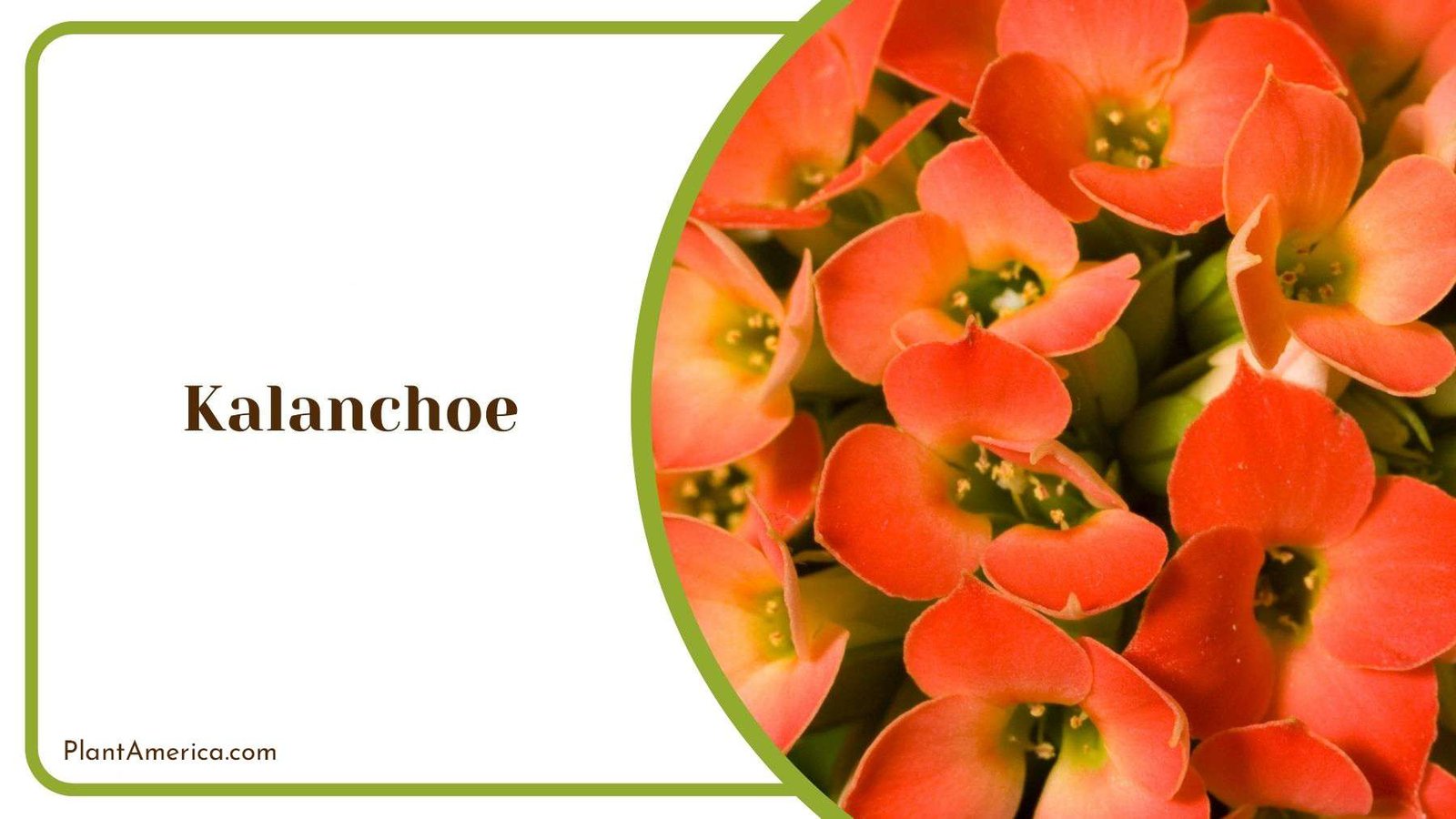
Kalanchoe succulents are well known for prolific propagation through plantlets that form along the edges of their leaves. These “baby plants” can be easily detached and potted to generate numerous new kalanchoe plants with minimal effort.
Different kalanchoe species display various leaf shapes, sizes, and colors. Common types include flapjacks with thick flat leaves and mother of thousands with toothed leaves that generate plantlets along the notches.
Other varieties form thick cylindrical stem segments or produce colorful leaves in green, burgundy, and pink shades.
These succulents grow best in full spectrum lighting from a south-facing or west-facing window. However, some Kalanchoe varieties can tolerate lower shade conditions. Kalanchoe pairs nicely with small aloe vera and similar thick-leaved succulents.
Arrange kalanchoe of various sizes together in shallow pots for a lively display of color and texture. The plantlets forming along their leaves provide opportunities to propagate multiple new plants that can be planted with companion succulents.
9. Snake Plant
- Growing Season: Year Round
- Leaf Shape: Long, blade-like leaves
- Specific Needs: Bright, indirect light
- Common Pests: Fungus gnats
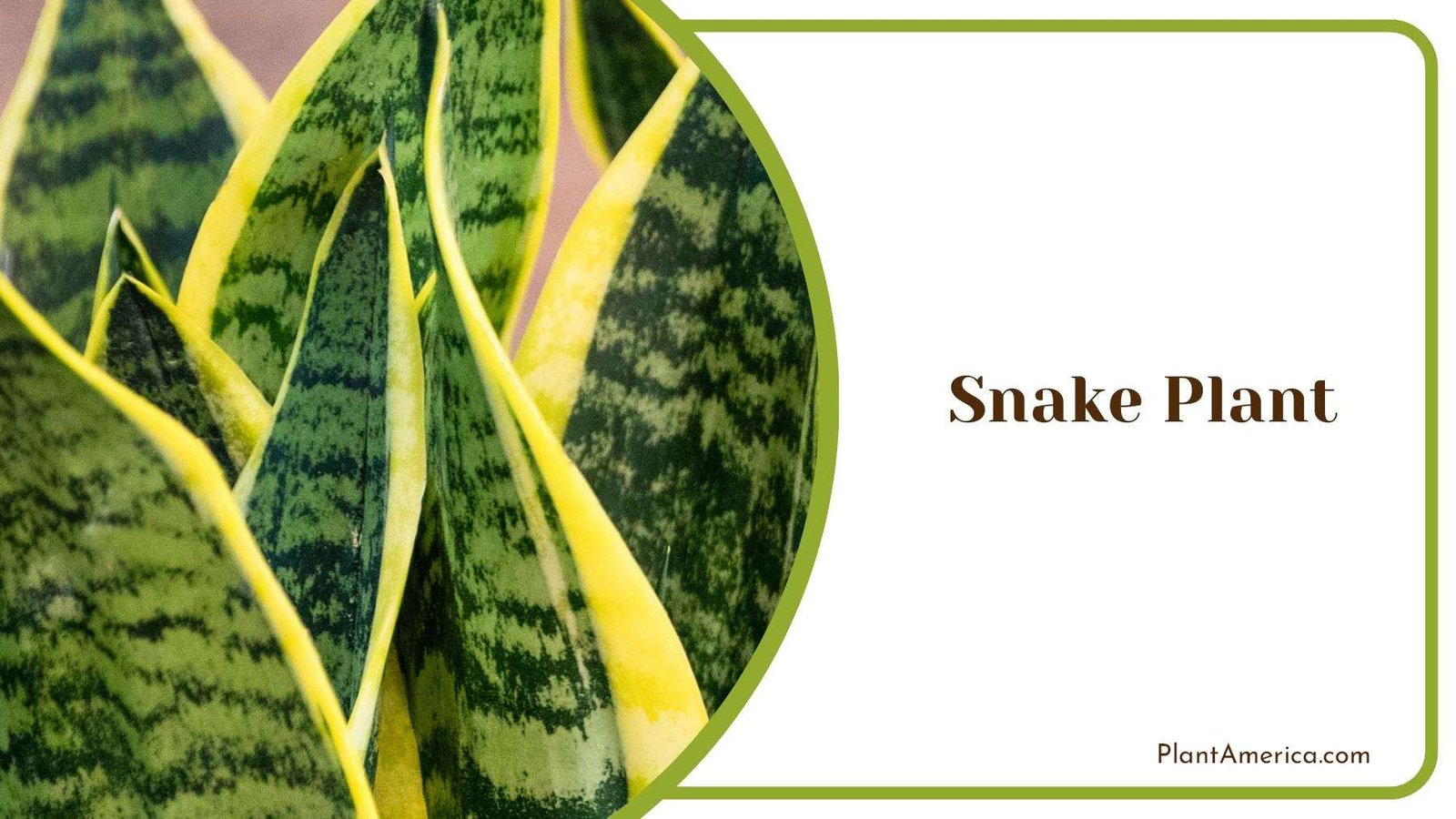
Snake plants, mother-in-law’s tongues, are popular air-purifying succulents well-suited for low-light conditions. They tolerate moderate neglect and require little care, making them an easy choice for beginner plant parents.
Snake plants form dense rosettes of long, blade-like leaves that emerge from an underground rhizome. The leaves are dark green with light variegated stripes and grow upright to around two to three feet in height. New leaves are born at the center of the plant from the rhizome.
These succulents grow best in bright, indirect light but can also tolerate low light levels. They thrive in medium to bright diffused light, filtering it through sheer curtains. In lower light, the leaves will grow longer and narrower in search of more sun exposure.
Propagate new snake plants easily from offsets that form at the base of the parent plant. Remove an offset once its roots are developed and replant in cactus mix soil. Newly propagated snake plants benefit from frequent but small amounts of water until they become established.
10. Crassula
- Growing Season: Spring, Fall
- Leaf Shape: Thick, fleshy stems
- Specific Needs: Full sun, Well-drained soil
- Common Pests: Mealybugs
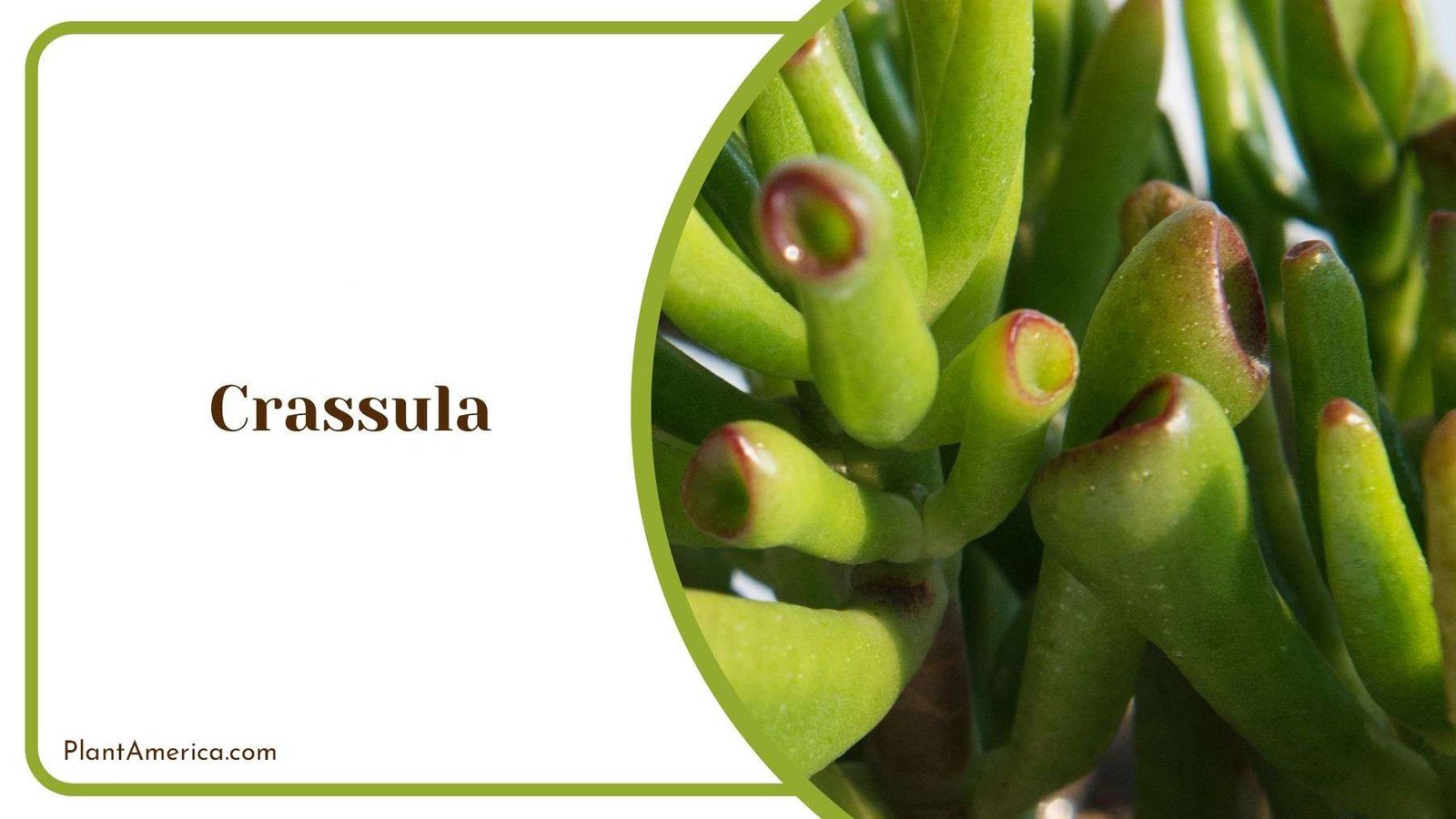
Crassula succulents are known for their thick fleshy stems and aesthetically pleasing rosette forms. The genus Crassula, called crassula or jade plant – comprises over 100 succulent species native to Africa and Eurasia.
These succulents require very little water and grow best in full sun or bright filtered light. Place crassula in south or west-facing windows to receive the most sunlight indoors.
Crassula generally benefits from a slightly drier period during winter dormancy to simulate seasonal conditions. During this time, reduce watering frequency and provide adequate drainage while withholding water to avoid rot.
Crassula varieties pair well with echeveria cousins that also form rosette-shaped succulents. The varied rosette contours provide visual contrast while similar care needs help compatible succulents thrive when planted together.
Arrange clusters of crassula plants together in shallow pots for an eye-catching vintage-style succulent terrarium. Nestle crassula between taller spiked succulents for an artistic leafy contrast.
11. Moonstones
- Growing Season: Spring, Summer
- Leaf Shape: Thick, ovate leaves
- Specific Needs: Bright, indirect light
- Common Pests: Mealybugs
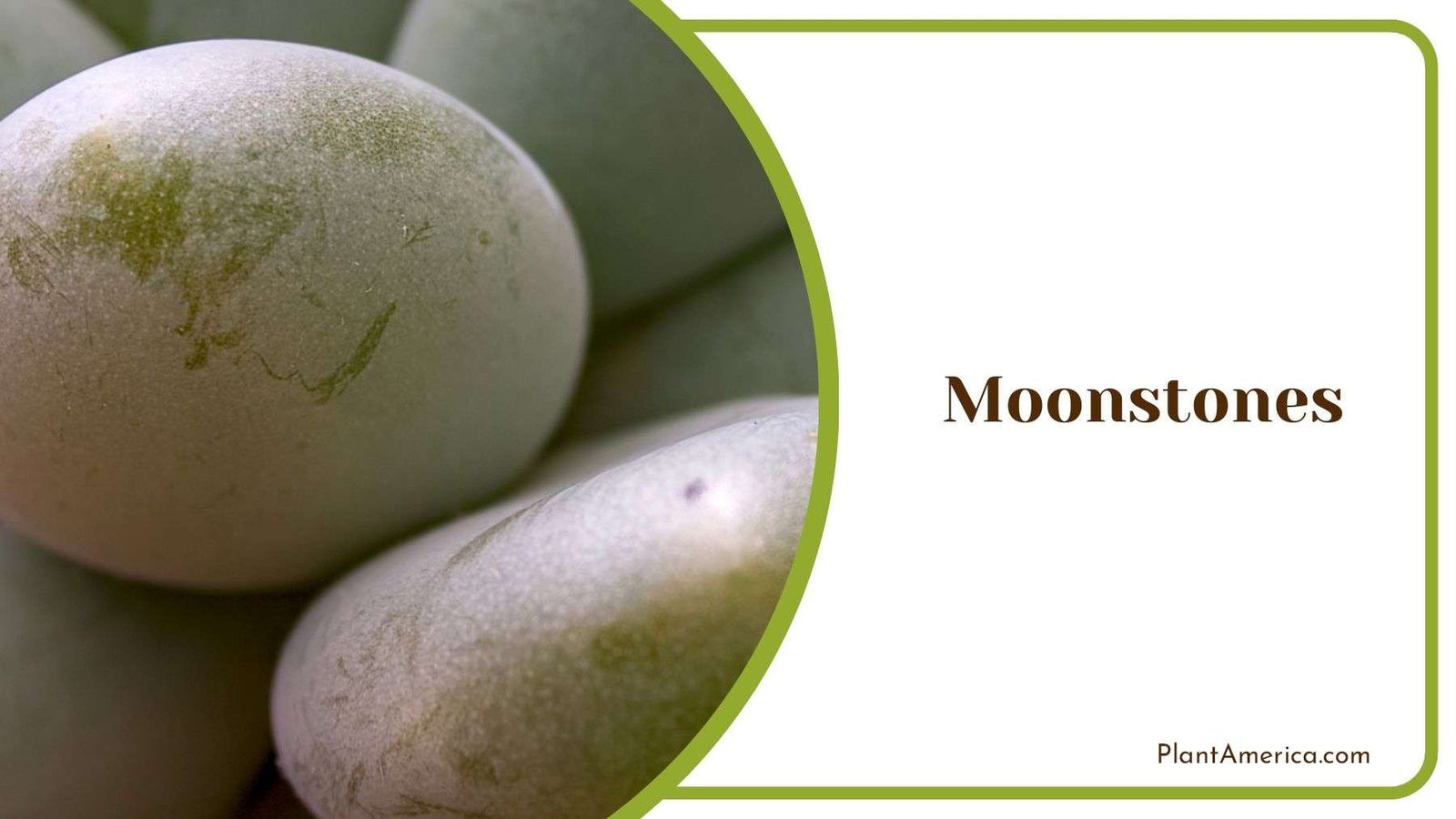
Moonstone succulents refer to several closely related species within the genus Pachyphytum. These succulents form dense rosettes of thick fleshy leaves ranging from pale to bluish-gray. The rounded oval leaves shimmer with an iridescent sheen, earning the common name ‘moonstone.’
Moonstones grow best in bright filtered or indirect light. Place these succulents in an eastern or western window where they receive morning or evening light but are shaded from the intense midday sun. Too much direct sunlight can scorch their thick leaves, while low light conditions will cause etiolation with long stem growth.
The fleshy leaves of moonstones form dense rosettes that grow in tight clusters. Over time, these succulents develop multiple rosettes at the base, which can be separated to propagate new plants. Twist or cut off a small offset rosette once it has developed some roots.
12. Panda Plant
- Growing Season: Year Round
- Leaf Shape: Oval, thick
- Specific Needs: Bright, indirect light
- Common Pests: Mealybugs
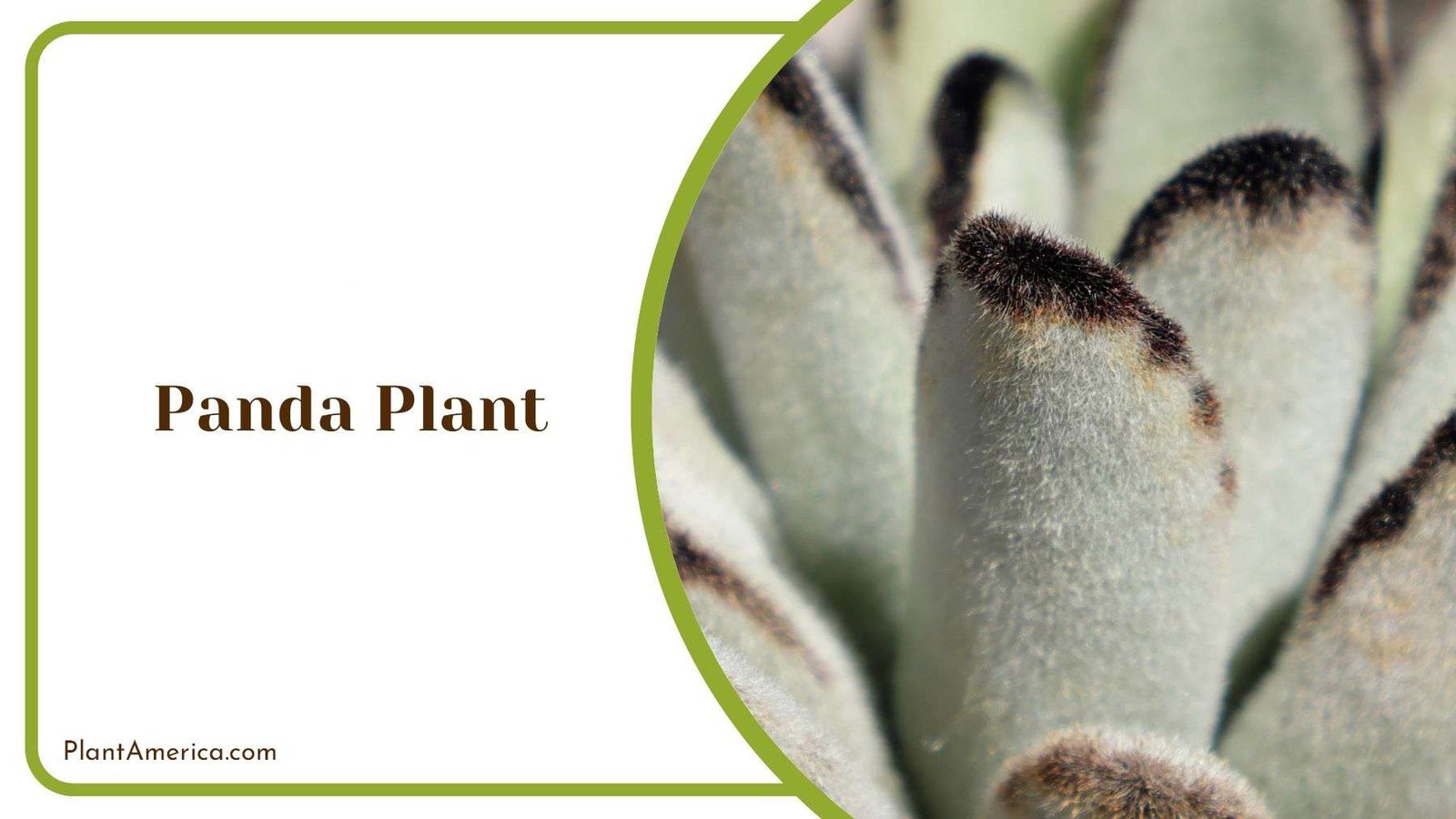
The panda plant, scientifically known as Kalanchoe tomentose, is a popular succulent known for its fuzzy gray-green leaves and eye-catching panda-like coloration. The thick oval leaves are densely covered with fine gray hairs that give the plant a soft, furry appearance.
Panda plants grow best in bright, filtered, or indirect light. Place these succulents in an east or west-facing window where they receive morning or evening light but are shaded from the harsh midday sun. The thick oval leaves can scorch if exposed to prolonged direct sunlight.
Water panda plants thoroughly when the top one or two inches of soil dry out. Allow the soil surface to dry moderately between waterings before soaking the plant. Panda plants store water within their thick leaves, so the potting mix must only be slightly moist.
The furry leaves grow in compact rosettes that layer on one another. Over time, panda plants produce plantlets along the outer edges of their leaves, which can be easily detached and rooted to generate numerous new plants.
13. Burro’s Tail
- Growing Season: Spring, Summer
- Leaf Shape: Linear, fleshy leaves
- Specific Needs: Bright, indirect light
- Common Pests: Mealybugs
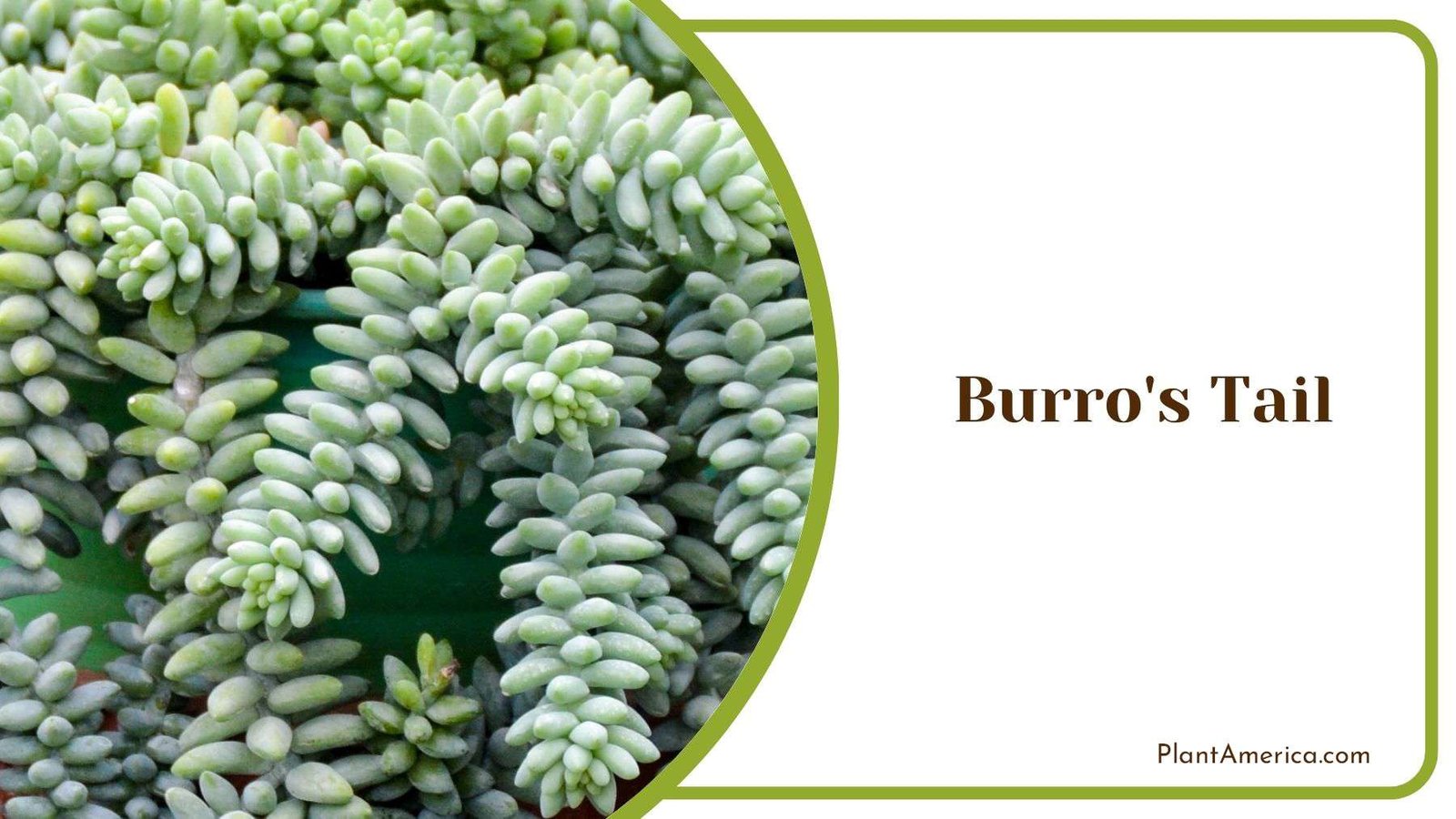
The burro’s tail succulent, also called donkey’s tail, is well known for its long cascading leaves that resemble the hanging mane of a donkey or mule. The tangled branches of linear fleshy leaves produce an attractive weeping effect that works well in hanging baskets or as a trailing ground cover.
Burro’s tail produces thick paddle-shaped leaves one to three inches long. The leaves emerge from woody stems in pairs and hang downwards as the stems elongate. Over time, the burro’s tail will develop multiple stems that grow outward and cascade downward from the container.
These succulents grow best in bright, filtered, or indirect light. Place the burro’s tail in an eastern or western window where they receive morning or evening sunlight but are shaded from harsh midday rays. Too much direct sun can scorch their long trailing leaves.
14. Agave
- Growing Season: Year Round
- Leaf Shape: Rosette shaped, Fleshy leaves
- Specific Needs: Full sun, Well-drained soil
- Common Pests: Mealybugs
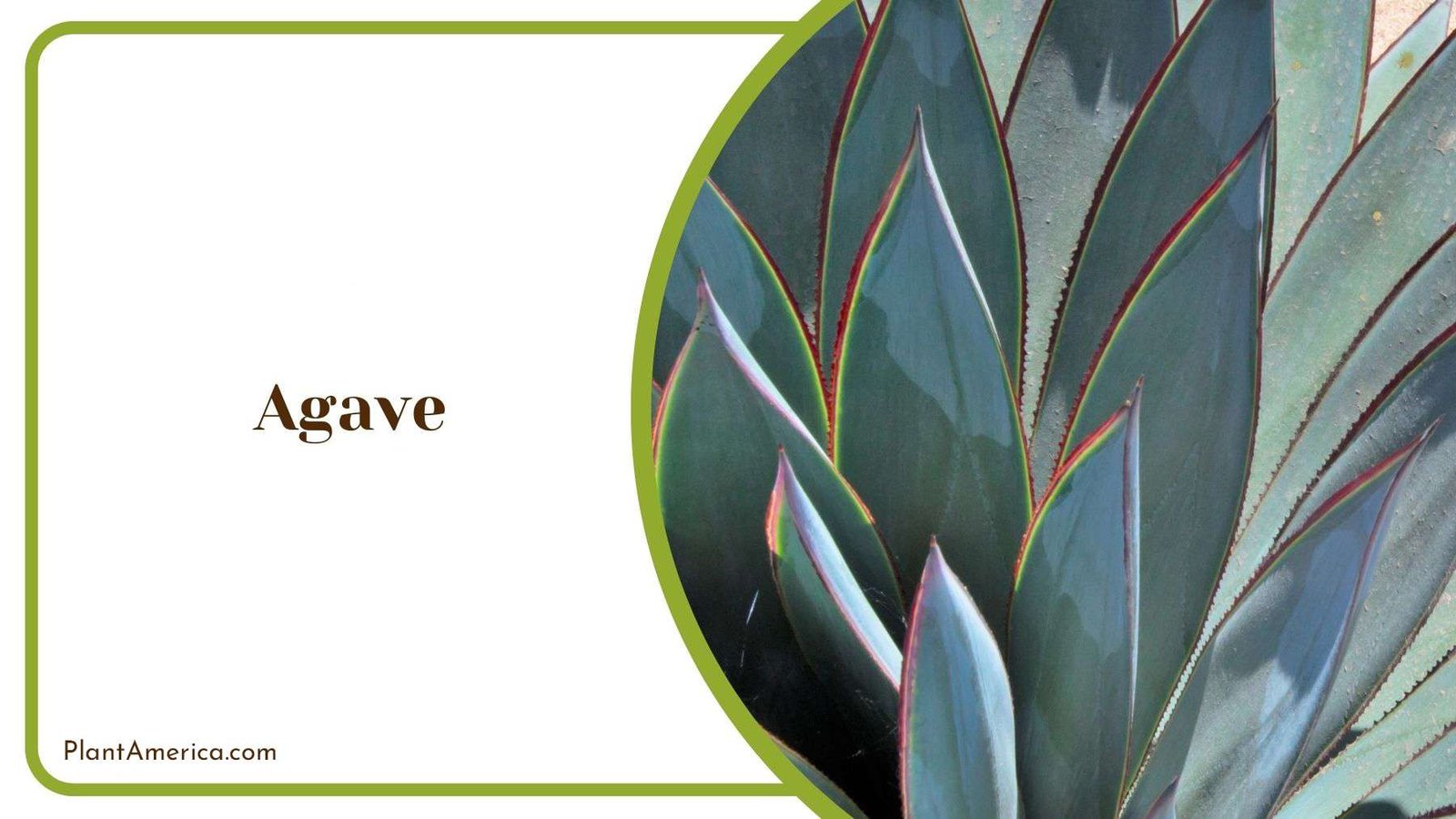
Agave succulents are characterized by their rosette-shaped arrangement of thick fleshy leaves that form at the base of a central stem. Well known for producing flower stalks or “majestic blooms,” agave plants can live for decades before flowering.
The flat rigid leaves of agaves range from blue-gray to dark olive green and feature sharp spines along the leaf edges and tips. Some forms are variegated with stripes or spots of contrasting color. Notable agave varieties include the century plant, feather duster, and the ornate flowering agave ocahui.
Agaves pair nicely with cacti, aloe vera, and other hardy succulents. Planting agaves as tall centerpieces surrounded by lower-growing companions provides a sculptural quality and a variety of leaf textures. Agave can also serve as a natural border in gardens, hedging paths with their spined foliage and rosette silhouettes.
15. Bunny Ears Cactus
- Growing Season: Spring, Fall
- Leaf Shape: Jointed, cylindrical stems
- Specific Needs: Full sun, Well-drained soil
- Common Pests: Mealybugs, Aphids
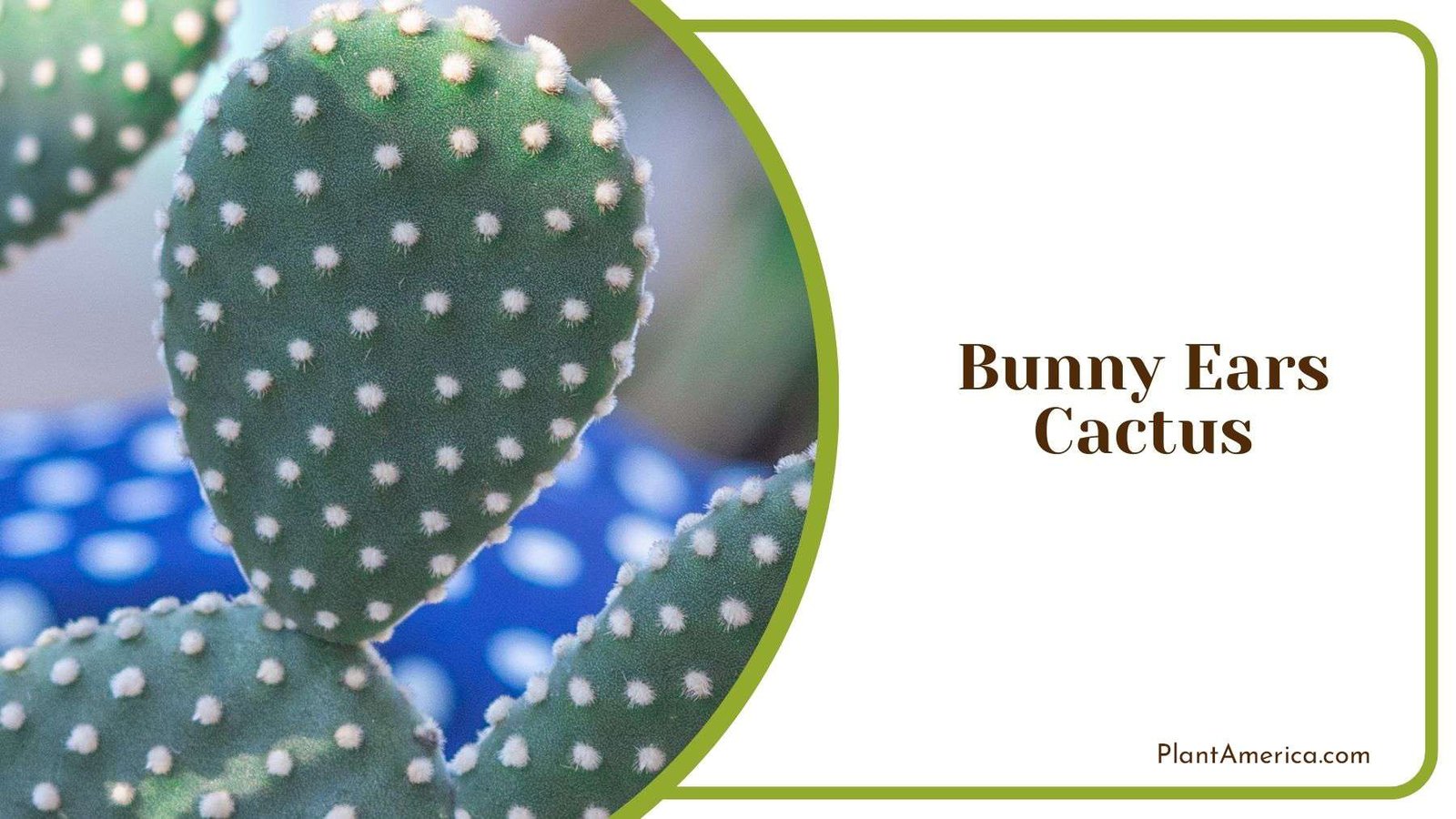
The bunny ears cactus, scientifically known as Opuntia microdasys, is a low-growing cactus prized for its long slender jointed stems that resemble rabbit ears. Multiple jointed stems emanate from a central point as the plant matures, giving the cactus its characteristic bunny-like silhouette.
Bunny ears cacti grow best with full sun exposure and require little water. Water these plants infrequently, allowing the top inch of soil to dry out between waterings. During winter months, withhold water completely while the plant remains dormant.
Place bunny ears cacti in pots with well-draining cactus soil or a soil-free rooting mix. These plants prefer fast-draining soil conditions that allow excess moisture to evaporate quickly. Bunny ears cacti grown in constantly moist soils are prone to root rot.
Pair bunny ears cacti with similar low-growing cacti and succulents. Arrange bunny ears cacti as ground cover between small aloe plants and prickly pear relatives. The contrasting leaf forms and spines provide an artistic balance and variety of textures in xeriscape or rock gardens.
16. Ghost Plant
- Growing Season: Year Round
- Leaf Shape: Fleshy, succulent rosette
- Specific Needs: Bright, indirect light
- Common Pests: Spider mites
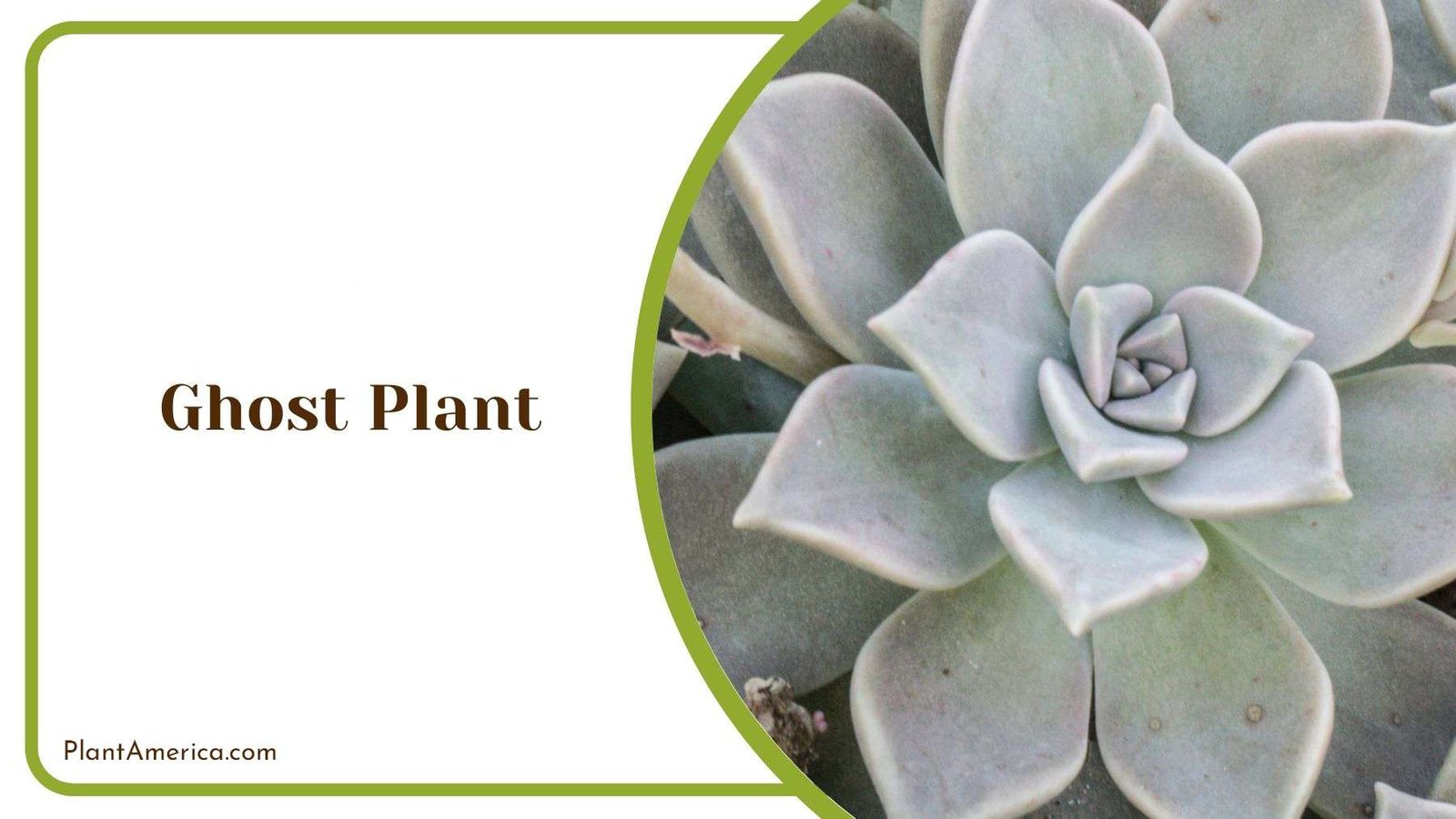
Ghost plants, also known as Graptopetalum paraguayense, form dense rosettes of blue-green fleshy leaves tinged with red and purple hues. As the plant matures, offshoots emerge from the sides of the base rosette to create clusters of rosettes that resemble a colony of tiny blue-green alien beings – hence the common name ‘ghost plant.’
The leaves of ghost plants are thick and oval-shaped, ranging in size from less than an inch to around three inches long. The blue-green coloring of young foliage pales and fades as leaves age to reveal attractive markings and color shifts.
Ghost plants grow best in brightly lit conditions. Place these succulents in an eastern or western window where they receive direct sunlight in the morning or evening but are shaded at midday. The thick leaves can sunburn if exposed to excessive UV rays for prolonged periods.
Ghost plants propagate easily from stem or leaf cuttings. Allow cut ends to dry and form a callous before placing the cutting in a succulent soil mix. Keep soil slightly moist while new roots develop, checking frequently until new growth appears.
17. Cathedral Window Haworthia
- Growing Season: Spring, Summer, Fall
- Leaf Shape: Round, Fleshy leaves in stacked rows
- Specific Needs: Part shade, Well-draining soil, Low water
- Common Pests: Mealybugs, Scale insects
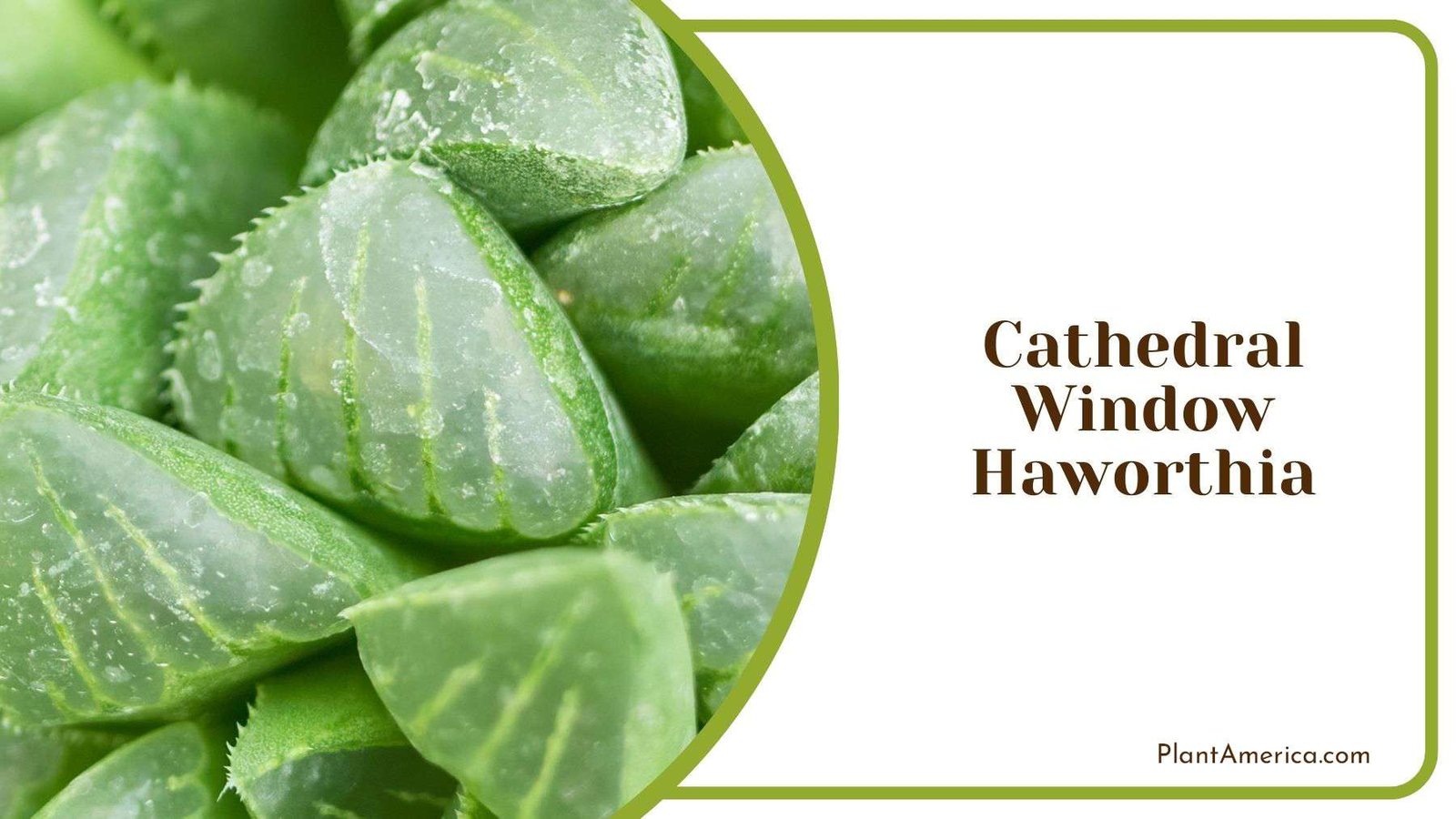
The Cathedral Window Haworthia is one of the unique succulents you’ll want to add to your collection. As the name suggests, its round leaves are arranged like stained glass windows in stacked rows. It originates from South Africa and thrives in climates similar to its native region.
During the warm seasons of spring through fall, make sure to provide it with part shade and soil that drains well so the roots don’t sit in moist conditions and rot. Water only when the soil is dry.
Its colorful leaves make it a showstopper on your windowsill. Be watchful of common pests like mealybugs and scale insects that may feed on the leaves. With the right care, you’ll enjoy this succulent’s architectural beauty for many years.
The architectural beauty of the Cathedral Window Haworthia makes it a must-have for any succulent lover. Its rounded leaves arranged in colorful stained glass-like windows add visual interest to your plant collection.
Keeping this succulent stress-free during spring and summer with partial shade and well-draining soil allows it to thrive naturally as it does in its native South African landscapes. Ensure pests like mealybugs and scale don’t disrupt its ethereal display by keeping a watchful eye. With a little TLC, you’ll be enchanted by its unique charm for future seasons.
18. Dwarf Jade
- Growing Season: Year Round
- Leaf Shape: Glabrous and fleshy
- Specific Needs: Bright, indirect light
- Common Pests: Mealybugs
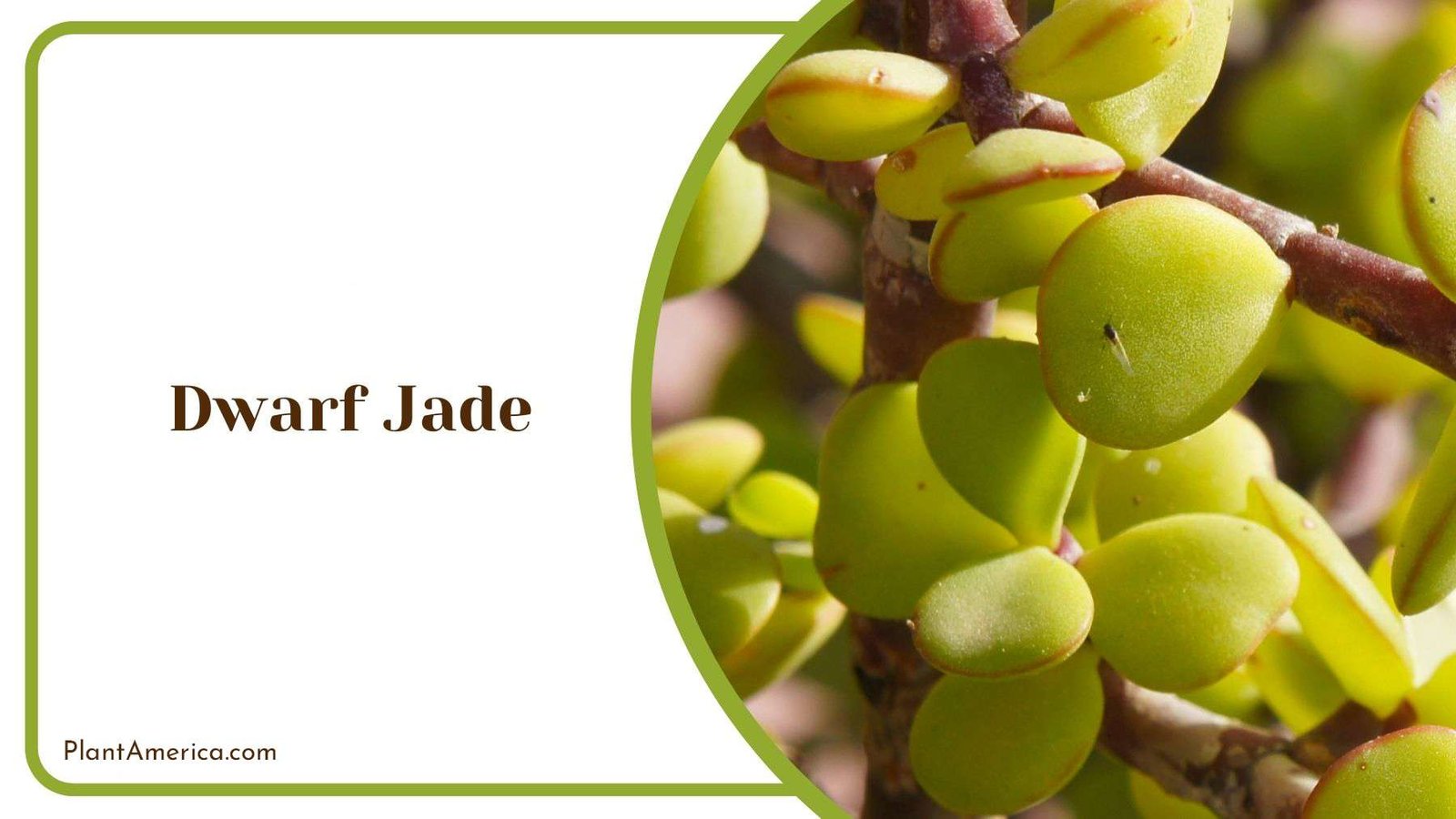
Dwarf jade plants, also known as crassula ovata ‘miniature,’ are compact varieties of the common jade plant. These miniature succulents form low mounds or clusters of fleshy rounded leaves that resemble their standard-sized counterparts.
The broad oval leaves of dwarf jade plants are glossy green and lack the fuzzy tomentum covering leaves of standard jade plants. The smooth glabrous leaves give the plants a neater, more sculptural appearance suited for bonsai and containers.
Dwarf jade plants thrive in bright filtered or indirect light conditions. Place these succulents in eastern or western-facing windows where they receive morning or evening sunlight. The rounded, fleshy leaves can sunburn if exposed to harsh direct sunlight for prolonged periods.
19. Elephant Bush
- Growing Season: Year Round
- Leaf Shape: Elongated, jointed stems
- Specific Needs: Full sun, Well-drained soil
- Common Pests: Mealbugs
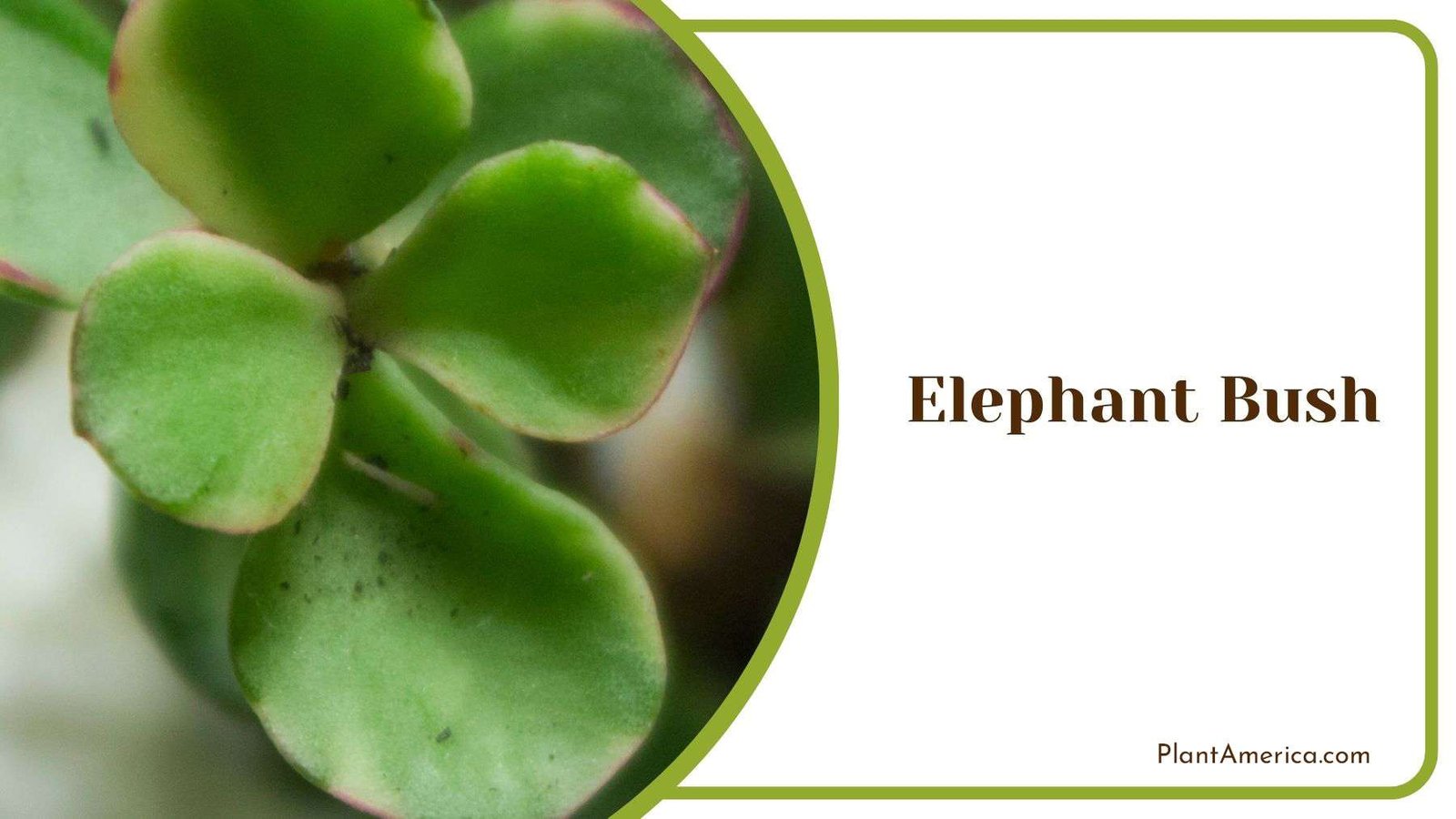
Elephant bush succulents, scientifically called portulacaria afra, form dense multi-branched clusters of thick-jointed stems. The stems are green to grayish-green and resemble an elephant’s thick legs and trunk, hence the name ‘elephant bush.’
Elephant bush grows best with full sun exposure and requires fast-draining soil. Place these succulents in south or west-facing windows where they receive intense natural light for much of the day. Water elephant bush plants when the top one or two inches of soil feels dry. The thick jointed stems enable the succulent bush to retain moisture, making it drought-tolerant once established.
20. Prickly Pear Cactus
- Growing Season: Spring, Fall
- Leaf Shape: Flattened, jointed stems
- Specific Needs: Full sun, Well-draining soil
- Common Pests: Cochineal scale insects
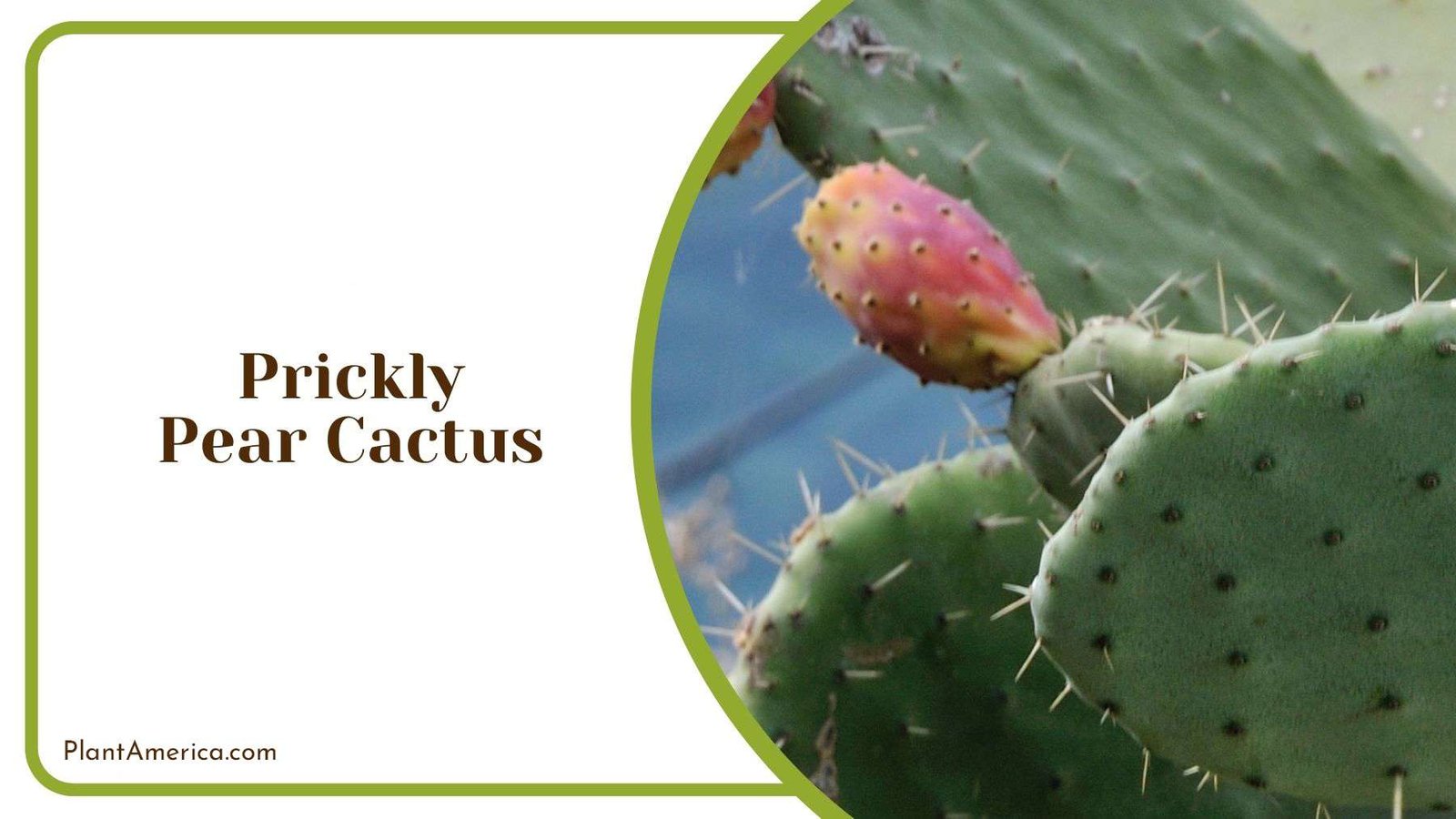
Prickly pear cacti feature flat paddle-shaped stems called cladodes that emerge from a main jointed root system. The paddle-shaped cladodes may be ribbed or notched and bear clusters of sharp spines used for plant defense. Prickly pear cacti primarily reproduce through stem offsets and prolific fruit production.
Their flat shape enables prickly pear cacti to store water efficiently. The plant produces showy flowers in summer, followed by edible fruit known as prickly pears or tunas. Prickly pear cacti grow best in full sun and require very little water. Water prickly pear infrequently, allowing the soil surface to dry between waterings.
Prickly pear cacti grow well in containers filled with fast-draining cactus soil. These xeric plants can develop root rot when kept in constantly moist soils. During winter dormancy, withhold water completely while the cactus remains inactive.
21. Copper Spoons
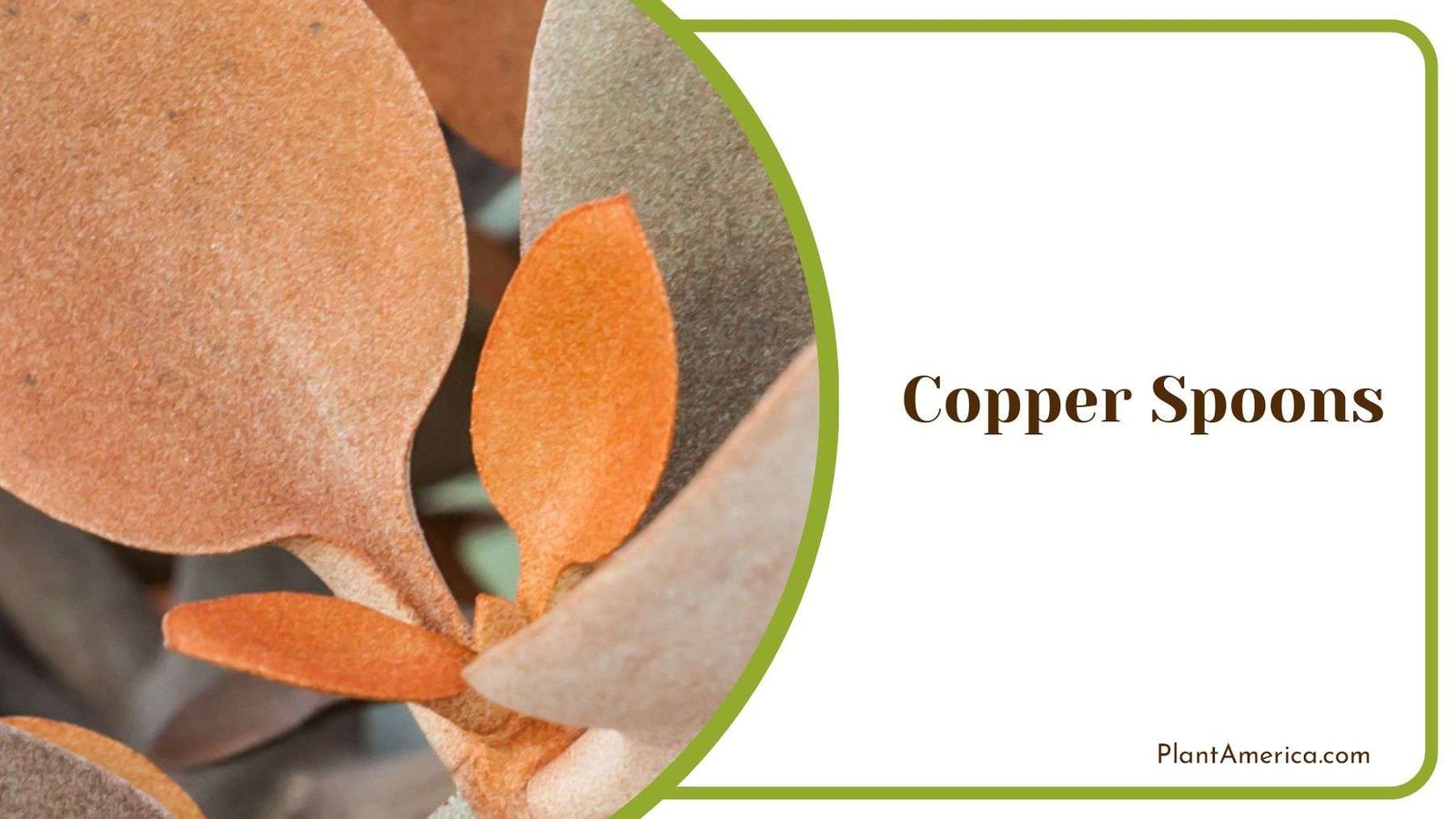
- Growing Season: Year Round
- Leaf Shape: Fleshy, spoon-shaped leaves
- Specific Needs: Bright, indirect light
- Common Pests: Mealybugs
The copper spoons are succulent, scientifically known as Asparagus plumosus ‘Sprengeri,’ and form rosettes of densely layered spoon-shaped leaves. As the plant grows, arching branches emerge from the center rosette and cascade gracefully over the edges of hanging pots.
Copper spoons grow best in bright filtered or indirect light conditions. Provide these succulents with morning or evening sun and shade from harsh direct sunlight, especially when the leaves are young and tender.
Propagate new copper spoon plants easily from stem or leaf cuttings. Allow cut ends to dry and form calluses before placing them in a succulent soil mix. Monitor soil moisture levels closely as new roots develop. Newly propagated copper spoons benefit from occasional liquid fertilizer to aid strong new stem growth.
Conclusion
Succulents come in a remarkable variety of shapes, sizes, colors, and care needs. Here are some of the best succulents to consider:
- The prickly pear cactus needs minimal water and care while thriving in full sun with its flat paddle-like cladodes that store water efficiently.
- The Haworthia forms tufts of short fleshy leaves in bright colors and patterns, including some with transparent windows. It enjoys bright indirect light.
- The Moonstone forms rosettes of thick bluish leaves with an iridescent sheen and pleasing texture. It thrives with moderate conditions and bright filtered light.
Though initially daunting, succulents make wonderful plants for beginners due to their adaptability, drought tolerance, and low maintenance needs. Growing succulents can nurture patience, observation skills, and a connection to the natural world, so start today.