
South facing window plants are perfect options to grow in your home, providing visual appeal and adding vibrancy to your space.
If you have a southward window, you have an advantage for growing plants that demand lots of sunlight. We’ll discuss 24 different plant varieties suited to thrive under a south-facing window, from familiar picks like succulents and snake plants to lesser-known gems worthy of your windowsill!
South Facing Window Plants Worthy of Your Windowsill
1. Snake Plant
- Growing season: All year round, Evergreen
- Leaf shape: Long, Narrow, Stripey
- Specific needs: Low moisture, Low light
- Common pest: Mealybugs, Spider mites
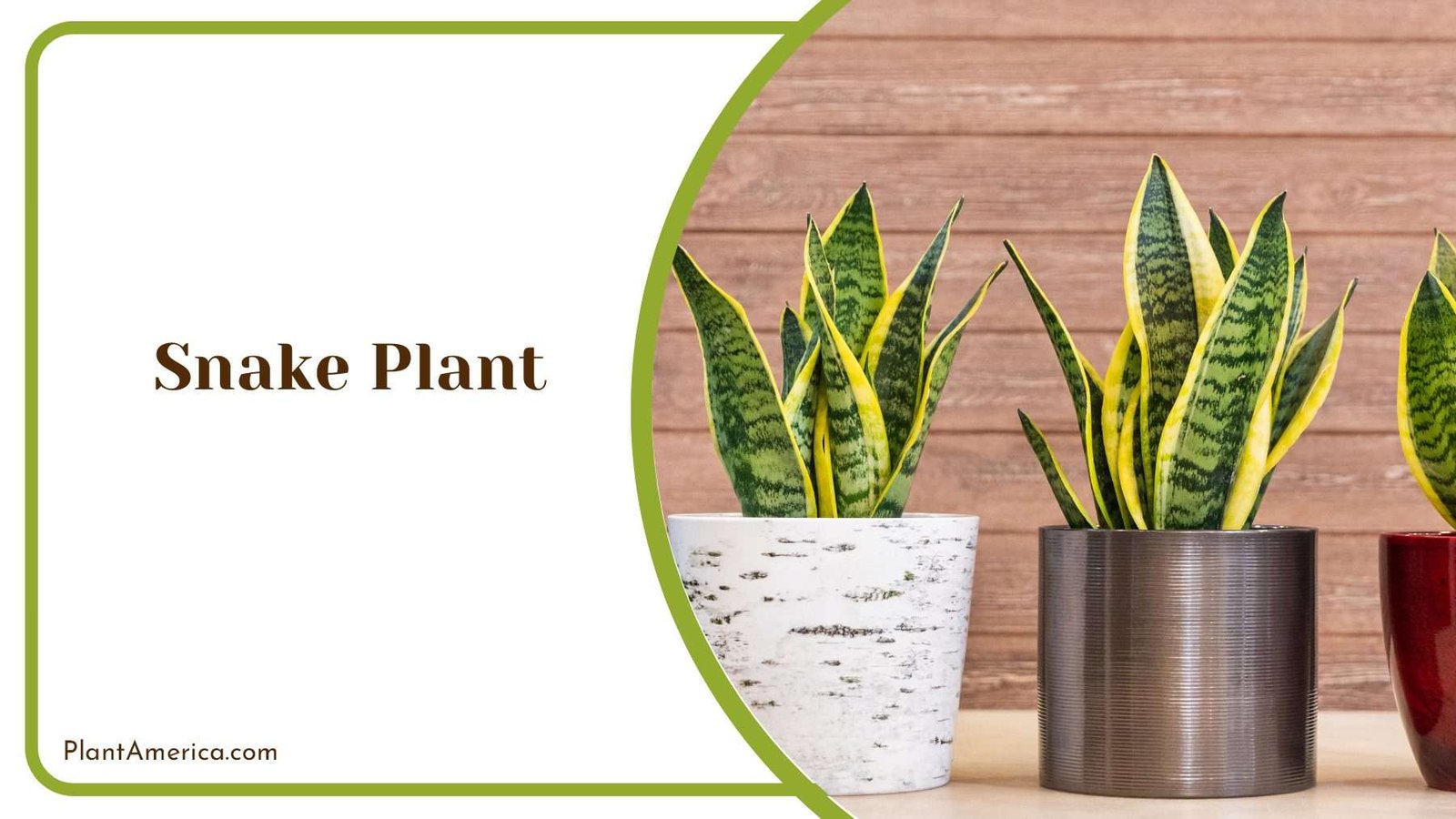
Snake plants, also known as sansevieria trifasciata, are durable plants that thrive in sunny locations. Their waxy leaves require infrequent watering, making them ideal plants for neglected south-facing windows with direct sunlight. Snake plants’ capacity to eliminate toxins from the air also renders them popular air-purifying indoor plants. When provided ample sun exposure, the tall leaves will develop attractive yellow stripes, and new plantlets will sprout from the base.
The snake plant’s toughness and adaptability have earned it the nickname “mother-in-law’s tongue.” They are notorious for withstanding long periods of neglect or insufficient light and water and will inform owners of thirst with droopy leaves rather than outright dying.
While snake plants can survive for months when left alone, regular watering once every two to four weeks and exposure to bright, indirect sunlight will promote healthy growth and stress tolerance. New leaves will emerge at the center of the rosette, eventually unfurling to reveal lime-green tips fringed with distinctive yellow stripes.
2. Jade Plant
- Growing season: All year round, Evergreen
- Leaf shape: Thick, Fleshy, Rounded
- Specific needs: Low water, Bright light
- Common pest: Mealybugs, Aphids
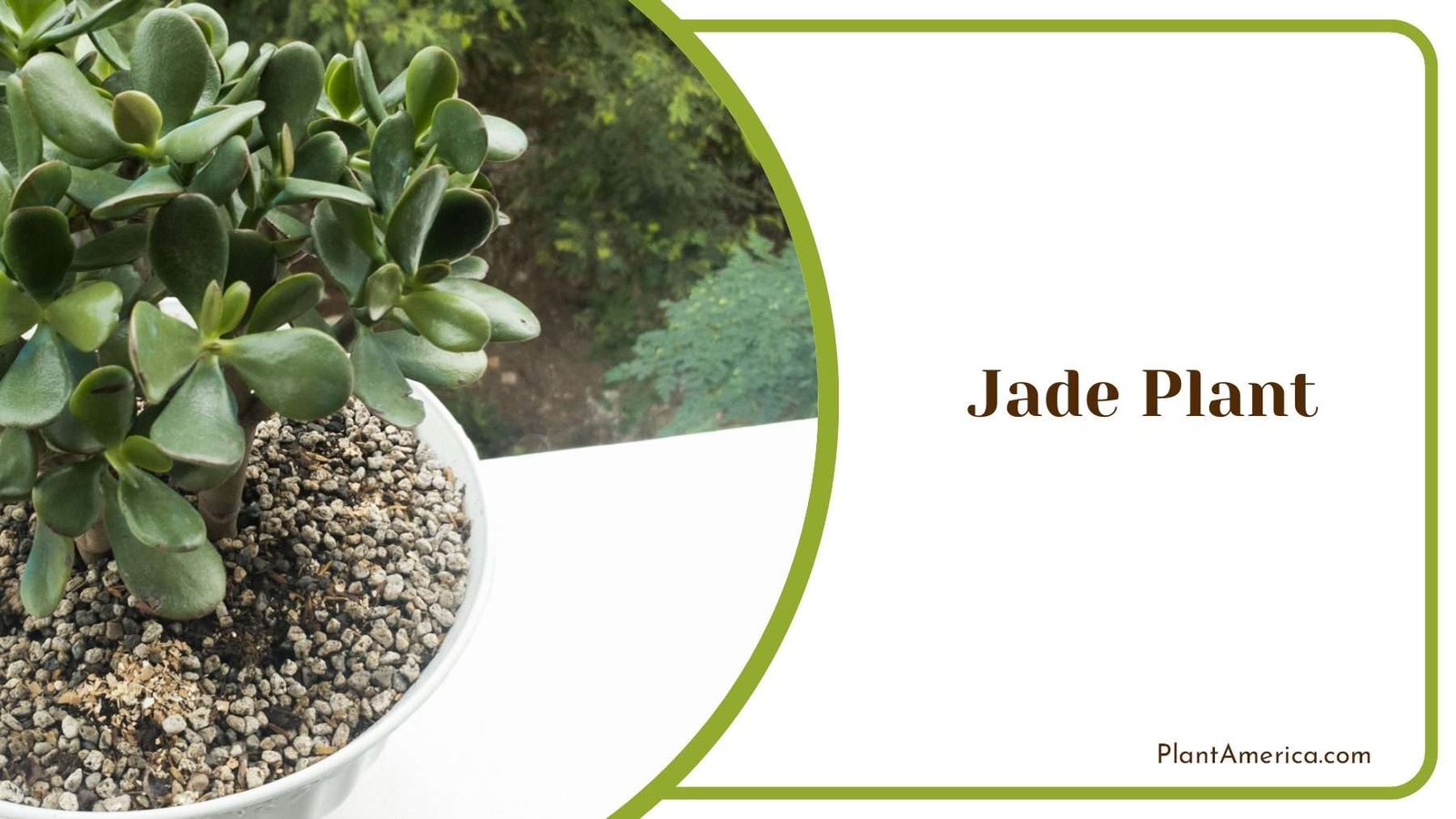
The jade plant, also known by its botanical name, crassula ovata, is an evergreen succulent well-suited to sunny, south-facing window exposures.
The thick, waxy leaves enable the jade plant to go for extended periods without water while taking full advantage of available direct sunlight. When in good health and receiving sufficient light, jade plants will develop a bushy habit and produce small white or pink flowers.
Overwatering can result in leaf drop, so water only when the top few inches of soil are dry and dust has accumulated on the leaves. Allow the jade plant topsoil to dry out between waterings to avoid root rot from overly damp soil.
Jade plants are relatively low maintenance and drought tolerant once established. They thrive in bright, indirect light for at least six hours daily and prefer room temperatures between 65 to 80 degrees Fahrenheit. Fertilize jade plants lightly in spring and summer with a cactus fertilizer or liquid plant food.
3. Aloe Vera
- Growing season: All year round, Evergreen
- Leaf shape: Fleshy, Pointed
- Specific needs: Very low water, Bright light
- Common pest: Mealybugs, Aphids
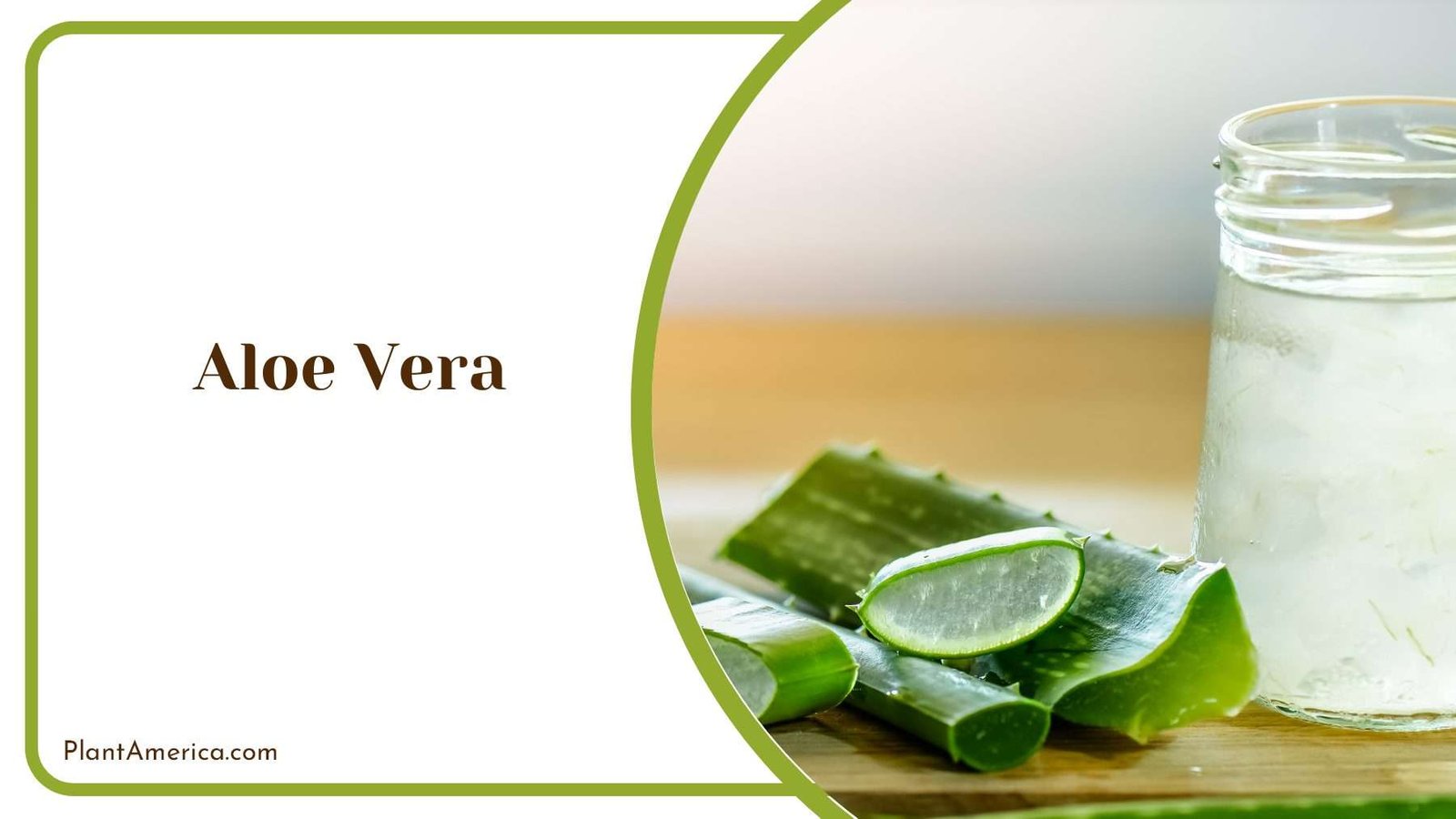
The aloe vera plant is one of the most well-known choices for south-facing windows due to its attractive rounded shape, sharp gray-green leaves, and ability to withstand intense direct sunlight.
Aloe vera stores water in its thick leaves, allowing extended periods without watering when grown in sunny windows. During winter, the aloe will produce an upright spike of small orange or yellow flowers that attract hummingbirds.
Minimal watering and occasional cleanings to remove built-up dust will help keep your aloe healthy for many years. While aloe vera can tolerate long dry spells, providing it with adequate water during the spring and summer growing seasons will ensure optimal growth and bloom production.
Too much shade or infrequent watering can cause the leaves of the aloe plant to become thin, pale, and frail. Place the pot in bright, direct light for at least six hours daily and water when the top two inches of soil are dry. Water thoroughly and allow the excess liquid to drain from the bottom of the pot.
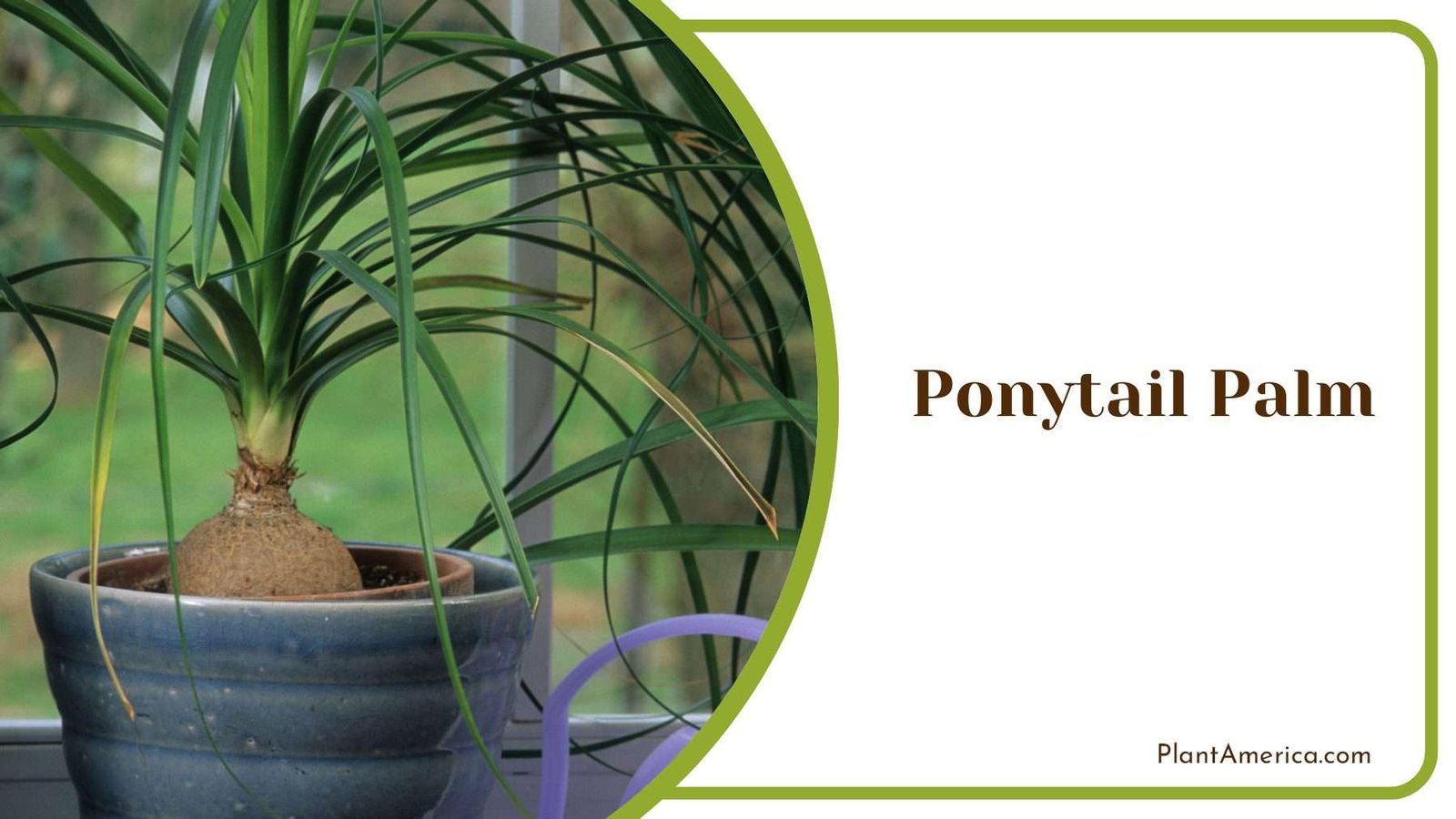
4. Ponytail Palm
- Growing season: All year round, Evergreen
- Leaf shape: Tall, Thin, Cylindrical
- Specific needs: Low to moderate water, Bright light
- Common pest: Mealybugs, Spider mites
The ponytail palm, scientifically known as beaucarnea recurvata, is valued for its architectural shape miming a palm tree. The tall, stiff stems grow to 6 feet tall and arch gracefully, topped with thin green leaves.
Ponytail palms thrive in sunny south-facing windows, requiring pots with ample drainage. They are very low maintenance, only needing water when the top inch of the ponytail palm soil feels dry. Additionally, ponytail palms make excellent air-purifying indoor plants by absorbing carbon dioxide and releasing oxygen.
Ponytail palms will produce offset stems at the base that can be separated and reported as new plants when given sunlight. Regular air circulation and temperatures between 60 to 80 degrees Fahrenheit help promote optimal growth.
Infrequent watering and extremely dry conditions can cause the thin leaves at the top of the ponytail palm to shrivel and brown. To revive a ponytail palm with dried leaves, water thoroughly and move it to a brighter area. Healthy leaves will grow at the top as the plant recovers from dry conditions. Proper care and full sun exposure will result in lush leaves and trunks up to 3 inches thick.
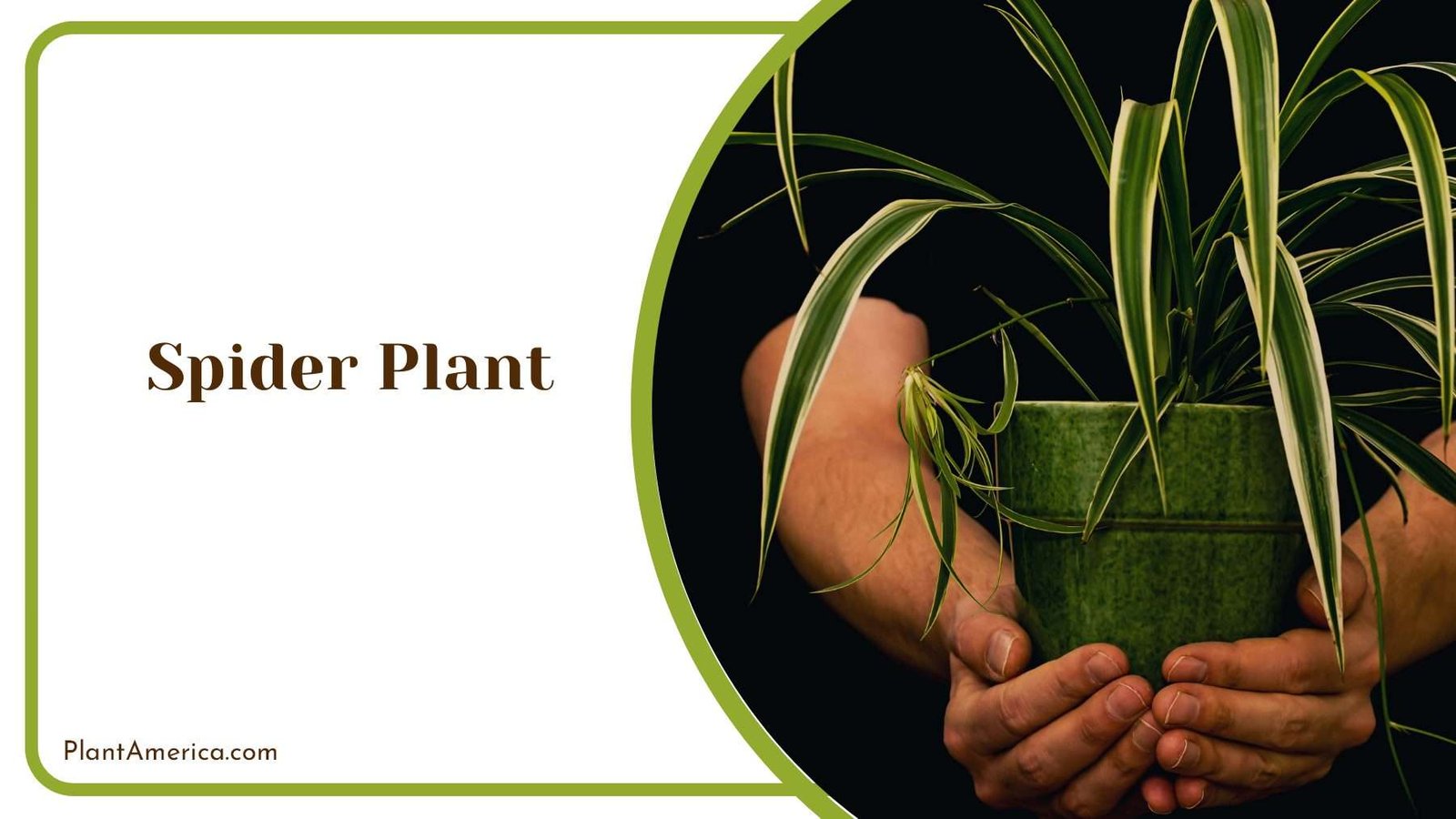
5. Spider Plant
- Growing season: All year round, Evergreen
- Leaf shape: Long, Narrow, Striped
- Specific needs: Moderate water, Medium to bright light
- Common pest: Mealybugs, Spider mites
The spider plant, or chlorophytum comosum, is a popular household favorite for its ability to prosper in various south-facing window environments. The slim green leaves feature white stripes and emerge in triangular clumps from aerial roots, lending the plant its “spider-like” appearance. Spider plants flourish best in bright, indirect light and should be watered when the top of the soil becomes dry.
During spring and summer, the plant produces small white flowers known as spider plantlets that can be propagated to create new spider plants. To propagate, remove a plantlet from the mother plant and place the roots in water until new growth emerges, then transfer to soil.
Trimming untidy brown leaf tips occasionally helps promote a fuller, more compact appearance. Spider plants are notorious for cleansing indoor air by removing toxins like formaldehyde and xylene through their leaves.
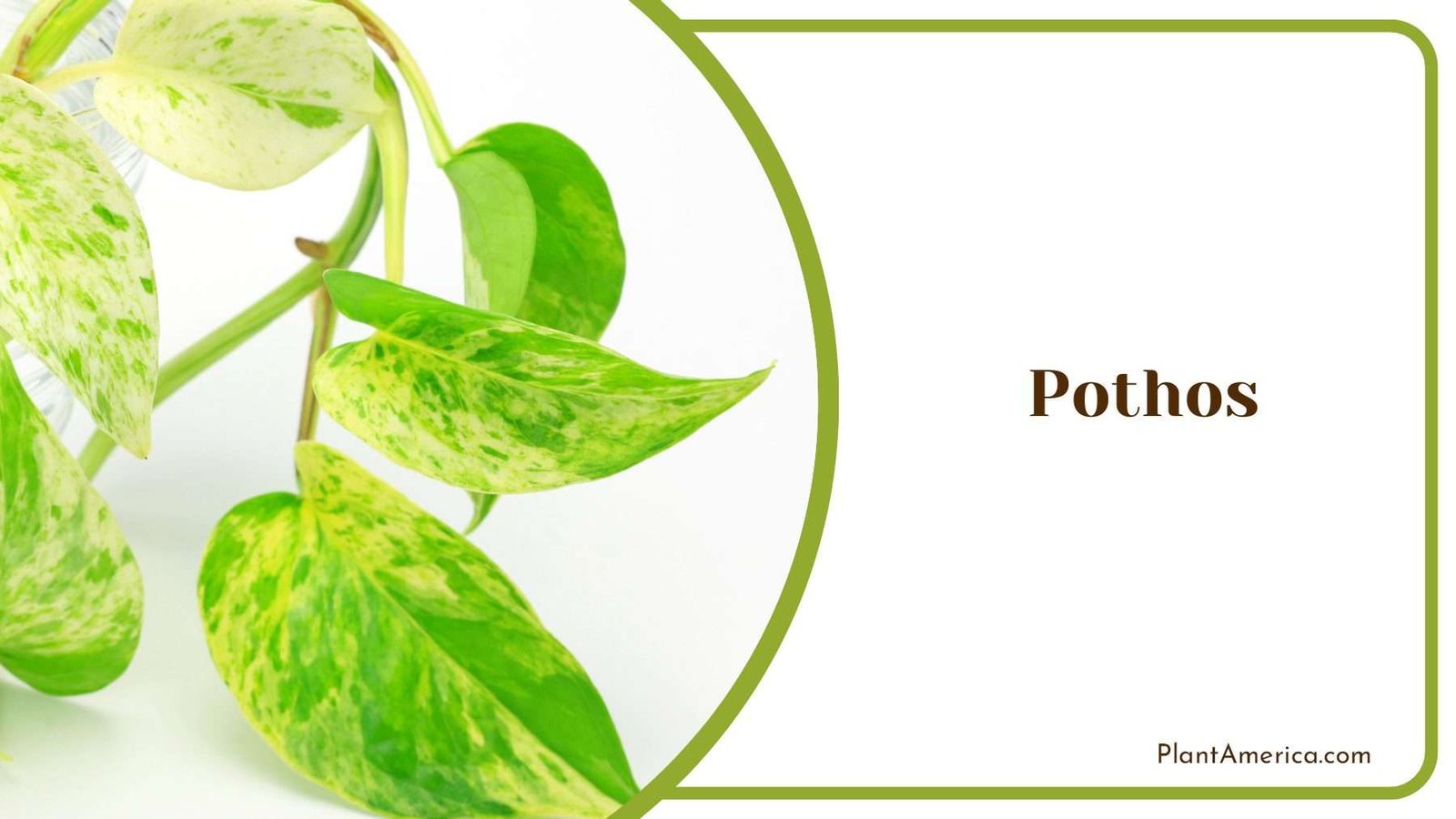
6. Pothos
- Growing season: All year round, Evergreen
- Leaf shape: Long, Heart-shaped, Variegated
- Specific needs: Low water, Low to bright light
- Common pest: Mealybugs, Spider mites
Pothos, or Epipremnum aureum, is a versatile climbing vine renowned for growing in low to bright light conditions. The trailing stems produce heart-shaped leaves, often variegated with white or yellow. Pothos plants make lovely tabletop decorations when draped over objects or trained up a moss pole.
Pothos are extremely easy to care for, requiring infrequent watering and thriving in most indoor environments. They also give off oxygen at night, making them superb air-purifying plants.
These plants can tolerate several weeks of dry conditions between waterings but will benefit from moderate humidity levels. Infrequent trimming to remove leggy or damaged growth will encourage a fuller appearance. Pothos are ideal for beginner plant parents due to their resilience and adaptability. They will inform owners of thirst by developing drooping leaves that perk back up after watering.
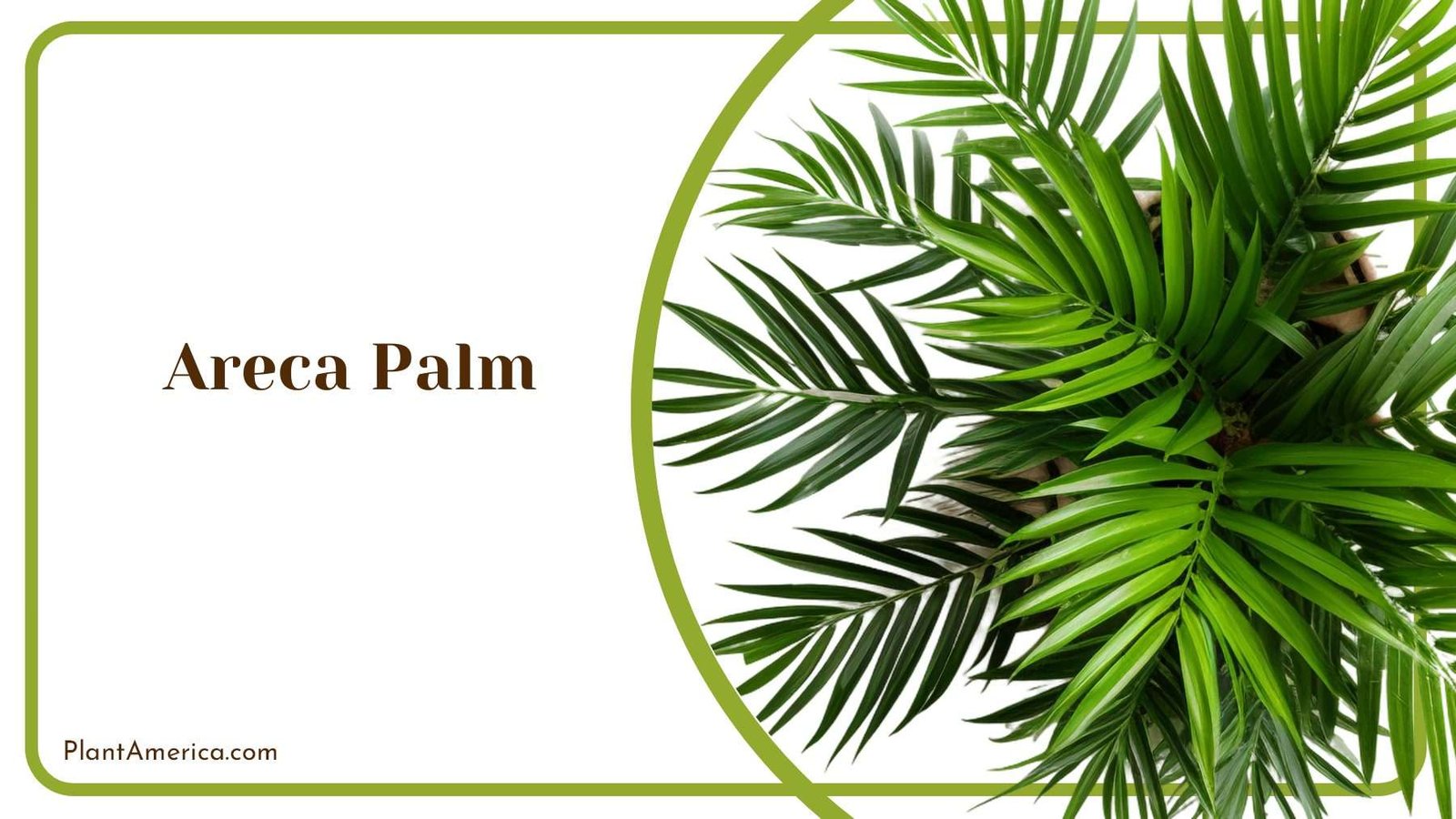
7. Areca Palm
- Growing season: All year round, Evergreen
- Leaf shape: Long, Stuffed, Pointed
- Specific needs: Low water, Low to bright light
- Common pest: Mealybugs, Spider mites
The Areca Palm (Dypsis lutescens), also known as the Butterfly Palm or Golden Cane Palm, is a popular and elegant tropical houseplant that brings a touch of paradise to indoor spaces. Native to Madagascar, this palm species is cherished for its graceful arching fronds and feathery, lush green appearance.
Areca Palms thrive in bright, indirect light, making them perfect for well-lit indoor areas away from direct sunlight. They require regular watering to keep the Areca Palm soil consistently moist but not waterlogged.
Beyond their aesthetic appeal, Areca Palms are known for their air-purifying properties, effectively removing toxins like formaldehyde, benzene, and even carbon monoxide from the surrounding environment, contributing to healthier indoor air quality.
Due to their relatively low maintenance and ability to adapt to indoor conditions, Areca Palms have become a popular choice for homes, offices, and public spaces, offering a taste of the tropics and a sense of tranquility to any setting.
8. Succulents
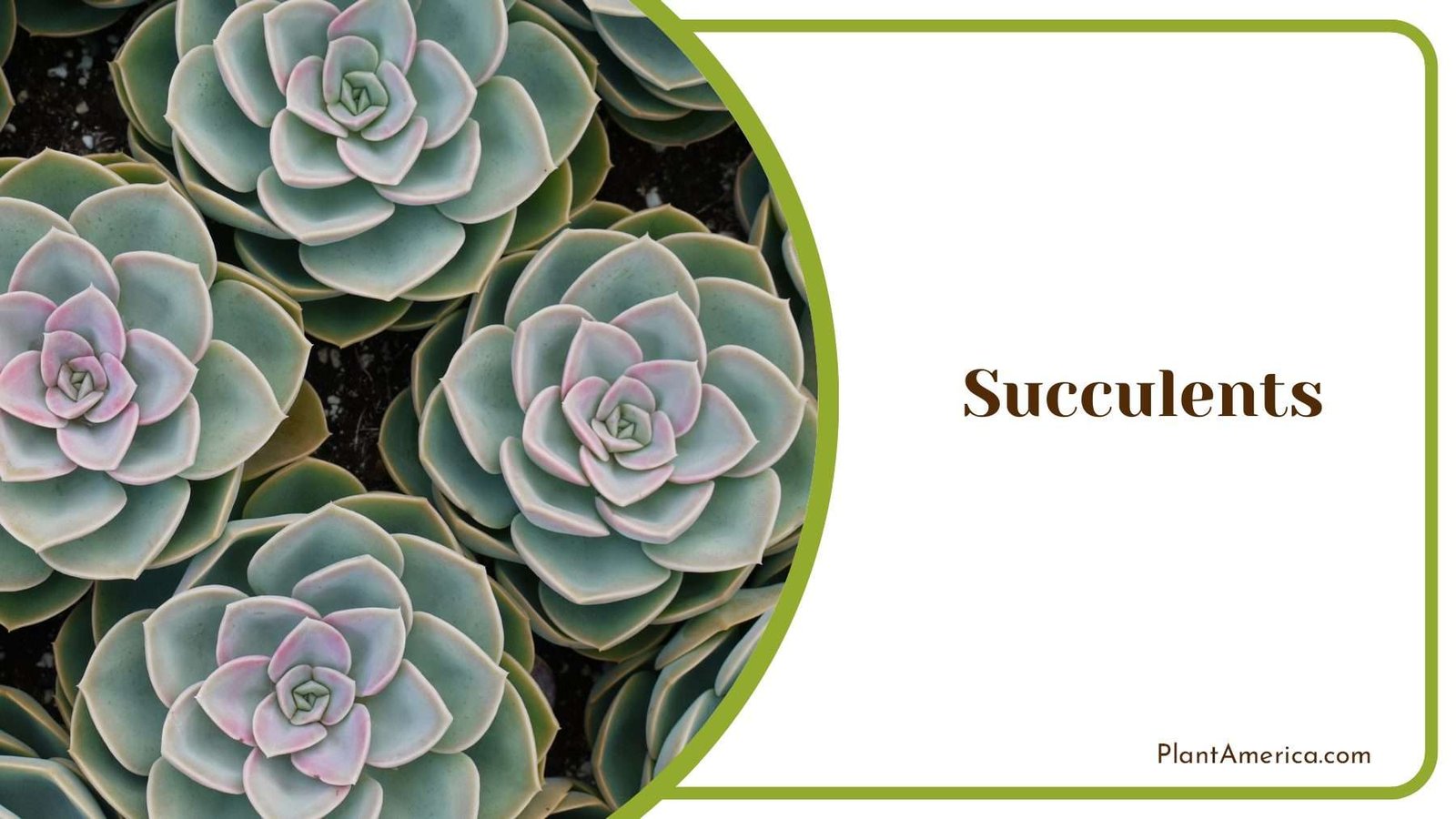
- Growing season: Spring to Fall, Dormant in Winter
- Leaf shape: Thick, Fleshy, Varied
- Specific needs: Infrequent water, Bright light
- Common pest: Mealybugs, Aphids
Succulent plants like echeveria hens and chicks make fantastic south-facing window plants due to their tolerance for intense sunlight and ability to go without water. The thick leaves and waxy coatings help succulents store water, allowing them to thrive in hot south-facing windows that receive all-day direct sun. When grown in bright south window conditions, succulents will develop vibrant colors ranging from red to purple to blue hues.
While succulents can survive for weeks or even months without water, providing them with adequate moisture during the spring and summer growing seasons will optimize growth and bloom production. Regular misting and moderate humidity levels will also help keep succulent leaves firm and colorful.
Trimming off shriveled or damaged leaves throughout the year helps promote compact, healthy growth. Placing pots of succulents in south-facing windows transforms ordinary spaces into miniature gardens, boasting an array of interesting leaf shapes, textures, and vibrant colors.
9. Money Tree

- Growing season: All year round, Evergreen
- Leaf shape: Broad, Oval, Glossy
- Specific needs: Moderate water, Medium to bright light
- Common pest: Mealybugs, Spider mites
The money tree, or pachira aquatica, is a popular feng shui plant beloved for its braided trunk and lush, rounded leaves. These south-facing window plants thrive in warm indoor conditions and medium to bright indirect light. The broad oval leaves are glossy dark green and unfurl new foliage continuously throughout the year. For optimal growth, water when the upper inch of soil is dry and rotate the pot periodically to ensure even growth.
Infrequent watering and low humidity levels can cause the leaves of money trees to turn yellow and drop prematurely. To remedy this, thoroughly soak the soil when dry and mist the leaves occasionally. Placing the money tree pot on a pebble tray filled with water also helps increase humidity around the plant.
Pruning off any damaged or diseased leaves helps promote healthy new growth. Fertilizing once a month during the duration of spring and summer growing months with a balanced houseplant food can boost leaf production and stalk thickness. Place money trees away from direct sun or drafty windows in bright, indirect light.
10. ZZ Plant
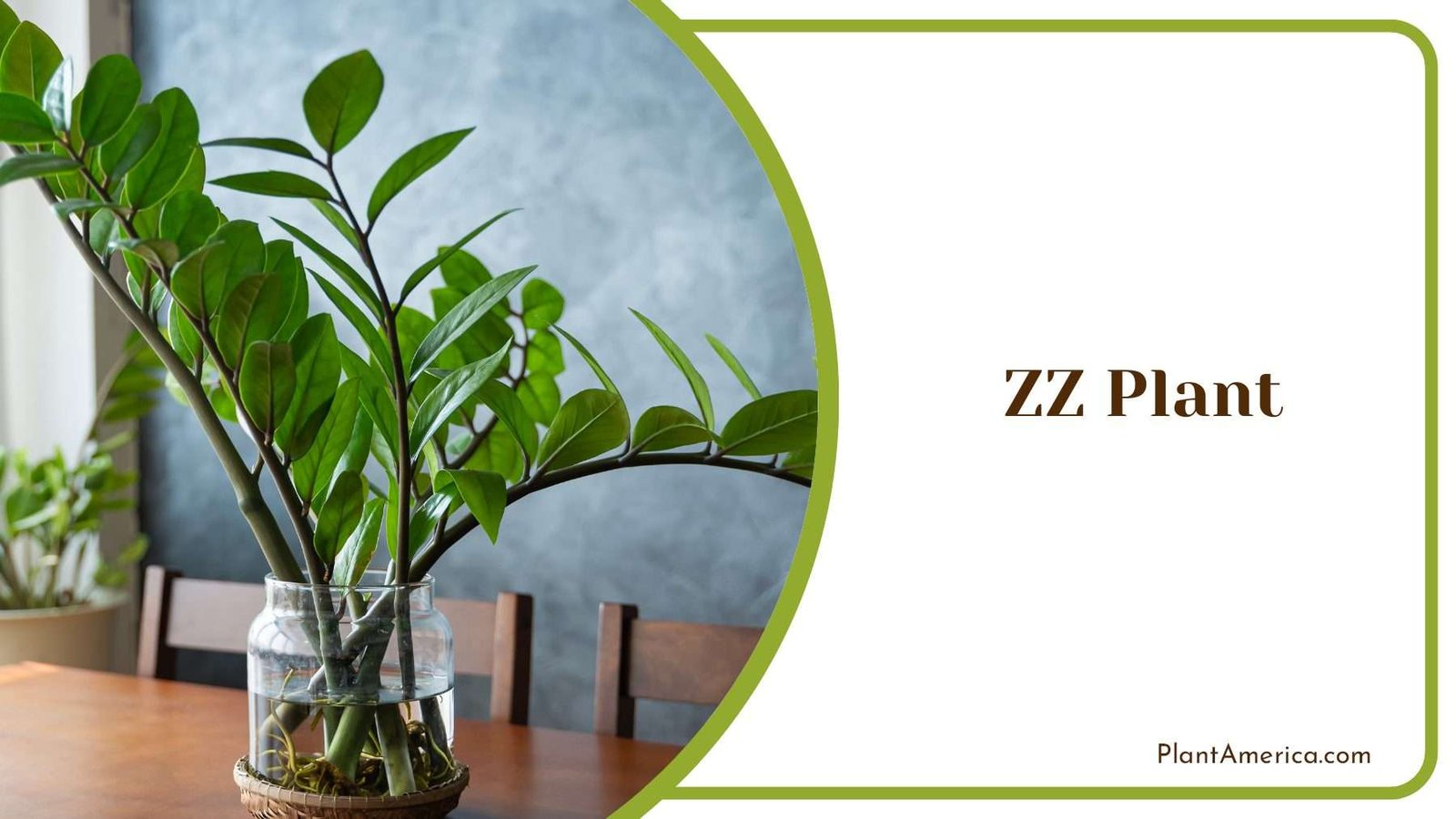
- Growing season: All year round, Evergreen
- Leaf shape: Broad, Oval, Waxy
- Specific needs: Low water, Low to bright light
- Common pest: Spider mites, Aphids
The ZZ plant, or Zamioculcas zamiifolia, is renowned as one of the lowest maintenance plants for south-facing windows. The thick waxy leaves require little watering and tolerate a wide range of light conditions from low to direct south light.
ZZ plants develop fuller growth and longer stems between leaves when grown in sunny windows. While ZZ plants can survive for weeks or months with infrequent watering, providing adequate moisture during the spring and summer growth periods will optimize leaf production. Regular misting and moderate humidity levels will also help keep leaves green and healthy.
Pruning off yellow or brown tips throughout the year helps promote compact, bushy growth. Infrequent fertilizing with a balanced houseplant food once a season can boost growth rates.
Place ZZ plants in medium to bright indirect light to mimic their native shady forest habitats. They thrive in warm temperatures between 65 to 80 degrees Fahrenheit and remove indoor toxins like formaldehyde from the air through their leaves.
11. Cacti

- Growing season: Spring to Fall, Dormant in Winter
- Leaf shape: Round, Thick, Spiny
- Specific needs: Infrequent water, Bright light
- Common pest: Mealybugs, Spider mites
Cacti such as pencil cactus and Christmas cactus make ideal south-facing window plants due to their preferences for intense direct sunlight and infrequent watering. The spherical or cylindrical stems allow cacti to store water, enabling them to thrive in hot south windows. Cacti will produce vivid yellow, pink, or red blossoms during spring and summer when grown under adequate bright light conditions.
To ensure healthy cacti, water only when the soil is dry and avoid excessively damp conditions, which can cause root rot. Cacti also require excellent drainage, so only water thoroughly and allow excess water to drain.
While cacti can survive for weeks or months with little water, providing adequate moisture during the spring and summer growth periods will optimize bloom production. Regular misting and moderate humidity levels will also help keep leaves firm.
Trimming off shriveled or discolored parts once a year helps promote new growth. Fertilizing monthly during the growing season with a cactus-specific fertilizer can boost vigor. Cacti make beautiful accent plants in south-facing windows, where they can take full advantage of sunlight.
12. Fiddle Leaf Fig
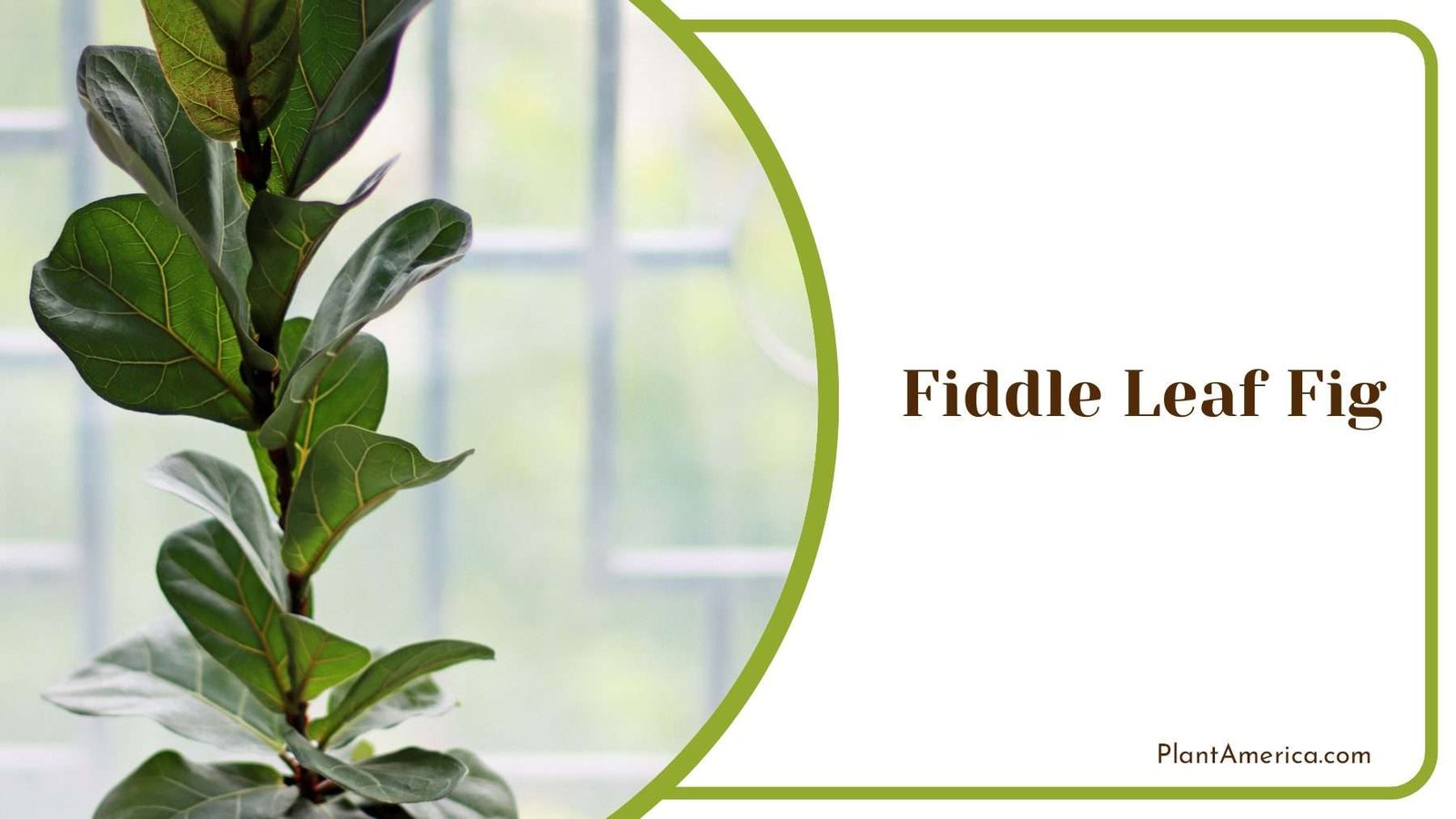
- Growing season: All year round, Evergreen
- Leaf shape: Broad, Rounded, Wavy-edged
- Specific needs: Moderate water, Medium to bright light
- Common pest: Spider mites, Scale insects
The fiddle leaf fig or ficus lyrata is a well-known foliage plant prized for its broad, wavy leaves and statuesque growth habit. These south window plants thrive in medium to bright indirect light conditions and slightly warmer indoor temperatures above 65 degrees Fahrenheit. Fiddle leaf figs require regular watering, especially during the growing season from spring to fall.
When grown in sunny windows, the broad leaves will develop a dark green waxy coating on top and vibrant reddish stems on the undersides. Though fiddle leaf figs typically reach six to 10 feet, smaller varieties make excellent tabletop specimens.
Infrequent watering and low humidity levels can cause leaf drop, especially for the lower leaves. To remedy this, thoroughly soak the soil when dry and mist the leaves occasionally. Placing the pot on a pebble tray filled with water also helps increase humidity around the plant.
Pruning off any damaged or diseased leaves helps promote healthy new growth. Fertilizing once in early spring with a balanced houseplant food can boost leaf production. Place fiddle leaf figs away from direct sun or drafty windows in medium to bright indirect light.
13. Palm

- Growing season: All year round, Evergreen
- Leaf shape: Long, Narrow, Clustered
- Specific needs: Moderate water, Medium to Bright light
- Common pest: Mealybugs, Scale insects
Palms like the bamboo palm and lady’s palm make lovely additions to any south-facing window. Their tropical appearance and ability to withstand warm indoor temperatures make them well-suited for sunny exposures.
Palms prefer medium to bright indirect light conditions so they may need supplemental lighting during winter. Most palm varieties require regular watering, especially during warmer months and when new leaves emerge.
Growing palms in bright south-light conditions will help promote lush, full growth with dark green leaves. Occasional cleanings will help remove dust that accumulates on palm fronds. Infrequent watering and low humidity levels can cause leaf tip browning. To remedy this, thoroughly soak the soil when dry and mist the leaves occasionally. Placing the pot on a pebble tray filled with water also helps increase humidity around the palm.
Pruning off any damaged or diseased fronds helps promote healthy new growth. Fertilizing once in early spring with a balanced palm fertilizer can boost leaf production. Place palms in medium to bright indirect light away from direct sun or drafty windows. Maintaining warm temperatures above 65 degrees Fahrenheit is also important for palm health.
14. Air Plants
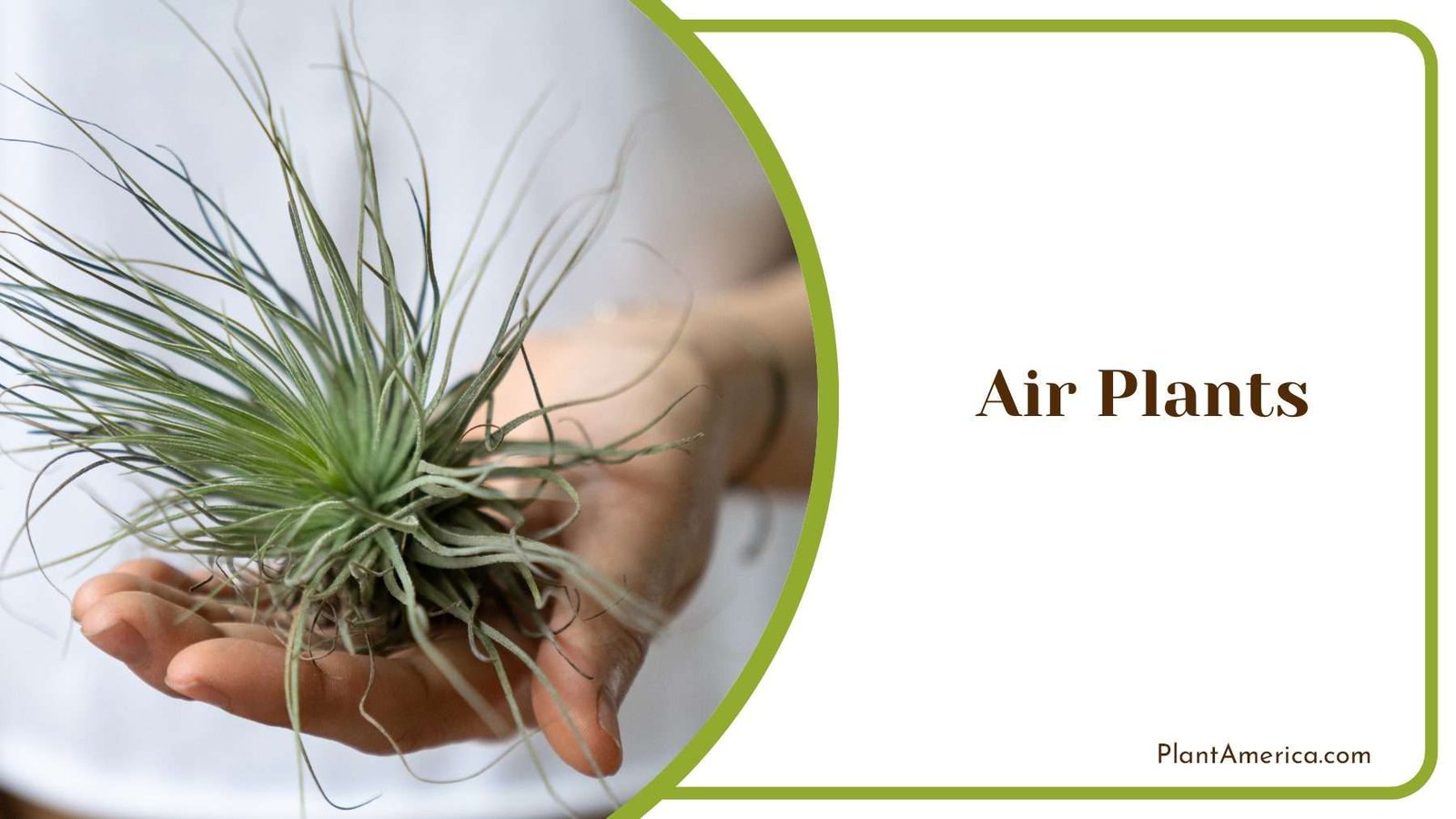
- Growing season: All year round, Evergreen
- Leaf shape: Broad, Rounded, Varied
- Specific needs: Infrequent water, Medium to Bright light
- Common pest: None
Air plants or tillandsia are perfect for south-facing windows due to their low maintenance needs and ability to thrive in various light conditions. These low-water plants absorb moisture and nutrients through their leaves rather than roots. Air plants come in various leaf shapes and sizes, forming compact rosettes or long trailing shapes.
Air plants will develop vibrant red, pink, and purple shades when grown under direct sunlight through southern windows. Air plants only require watering once a week by soaking in water for 10 to 20 minutes. Allowing them to dry out between waterings in a bright window fully is important to prevent rot. Air plants also benefit from occasional misting and moderate humidity levels.
Trimming off brown roots or damaged leaves helps promote compact, healthy growth. Fertilizing once a month during the growing season with a diluted liquid fertilizer can boost vigor. Place air plants in medium to bright light conditions on a south-facing window sill or under artificial grow lights. Avoid dark corners and excessively damp conditions.
Air plants make delightful low-maintenance additions to any sunny window, transforming ordinary spaces into miniature living art exhibits boasting an array of intriguing leaf shapes and colorful hues. Their ability to thrive without soil makes them ideal for beginner plant parents.
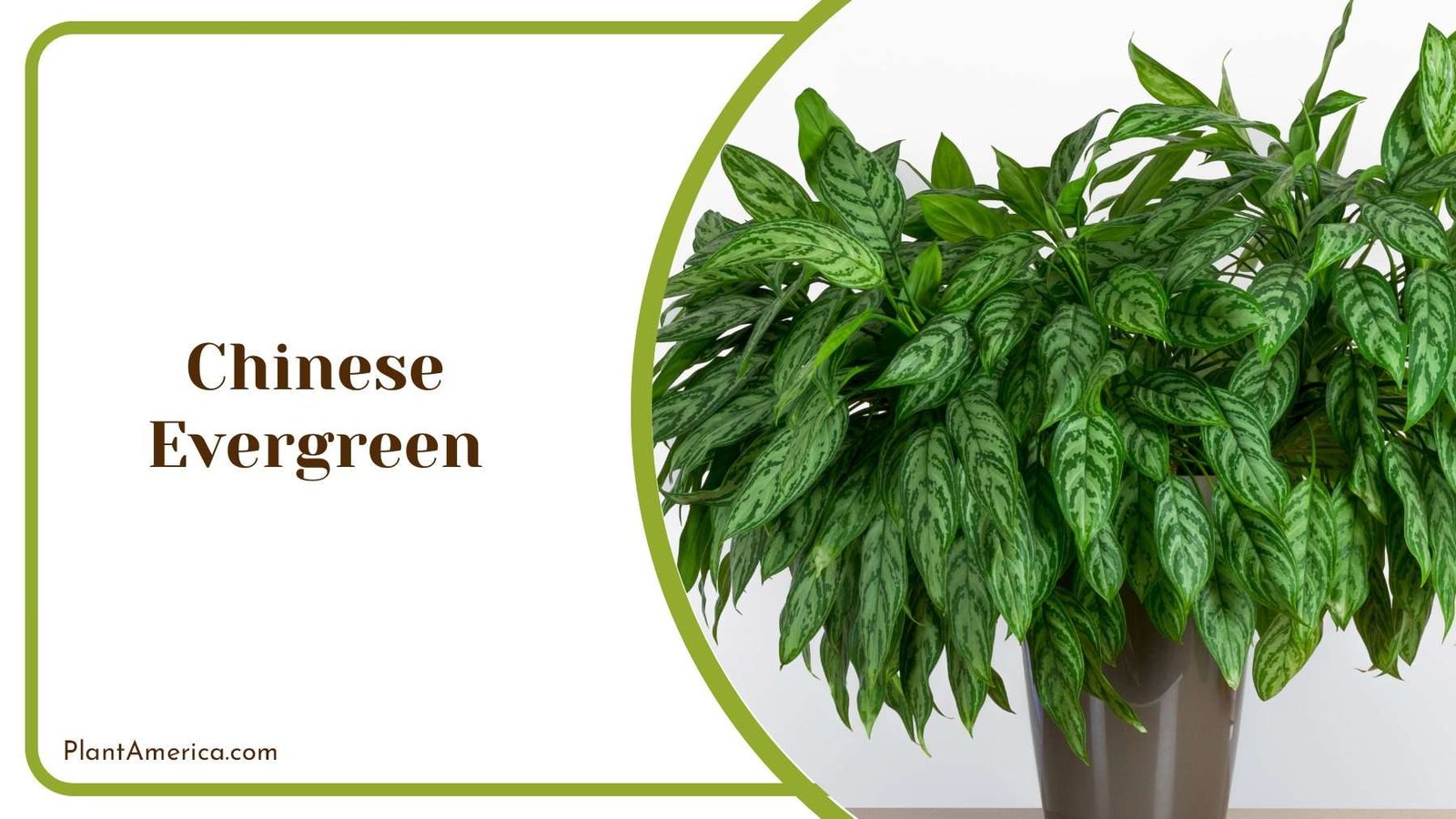
15. Chinese Evergreen
- Growing season: All year round, Evergreen
- Leaf shape: Ovate, Lance-shaped with a margin
- Specific needs: IModerate water, Medium-light
- Common pest: Mealybugs, Aphids
Chinese evergreens or aglaonema make lovely foliage plants for south-facing windows. The broad oval leaves unfurl new foliage continuously and come in various colors, from solid green to green-and-cream variegated.
These perennial plants thrive in medium indirect light conditions and do well in bright south windows that filter the sun’s rays. Chinese evergreens require consistent moisture, so water when the top one to two inches of soil are dry.
They do best at temperatures above 60 degrees Fahrenheit and appreciate occasional fertilizer applications and cleanings to remove dust buildup. Chinese evergreens make lovely tabletop or floor plants in south-facing windows, where their broad leaves can soak up filtered light to encourage lush leaf production. If ingested, these low-maintenance plants are toxic to pets, so keep them out of reach.
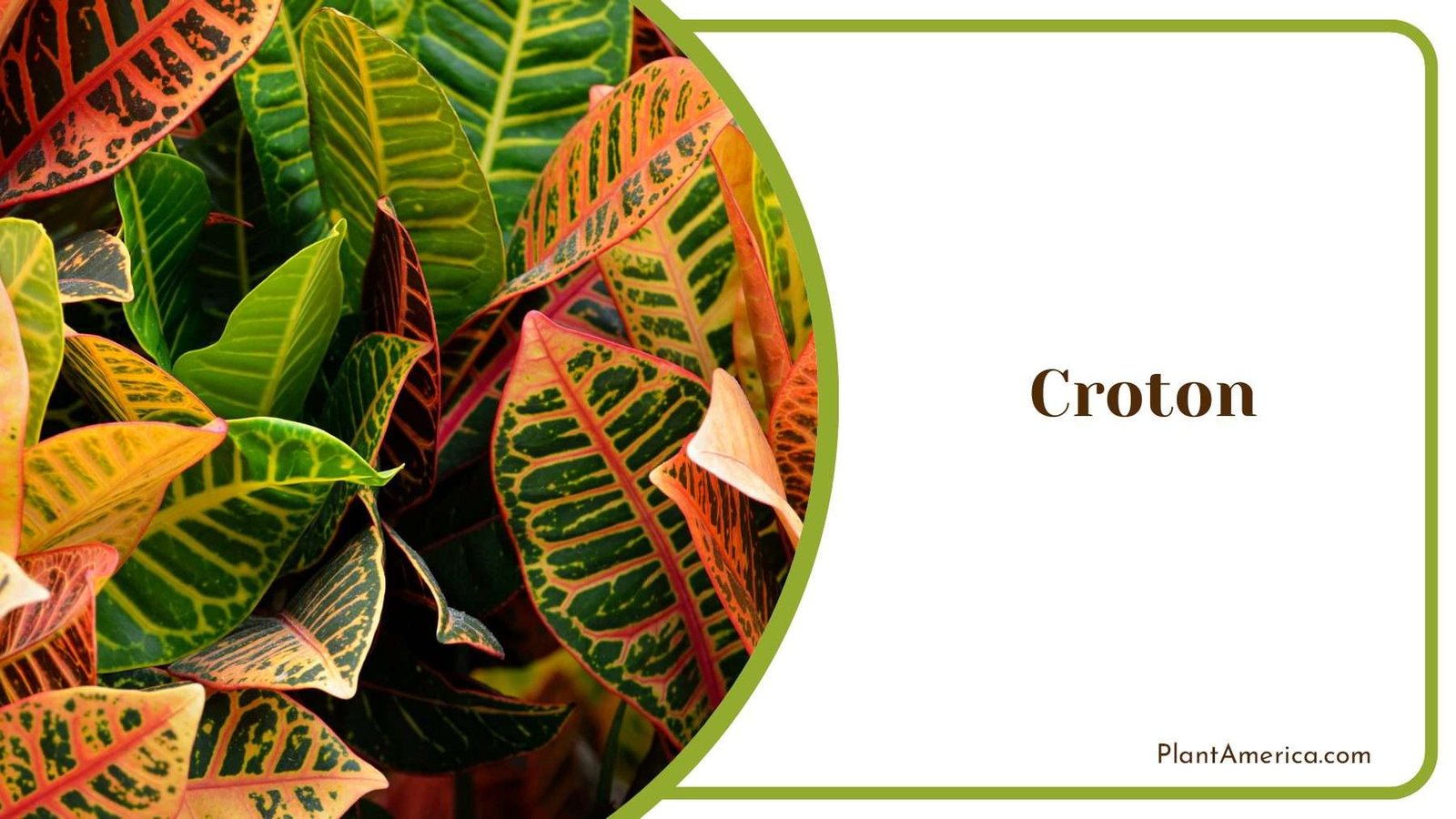
16. Croton
- Growing season: Spring to Fall, Deciduous in Winter
- Leaf shape: Broad, Varied, Colorful
- Specific needs: Moderate water, Medium light
- Common pest: Mealybugs, Scale insects
Crotons or Codiaeum variegatum produce vividly colored leaves, making them eye-catching plants for south-facing windows. The broad oval leaves come in shades of gold, red, pink, and orange, all along the same stem.
These perennial flowering plants thrive in warm indoor conditions above 65 degrees Fahrenheit and do best in medium indirect light. Growing crotons in sunny south windows with adequate moisture and nutrients will help promote maximum leaf color. However, they can drop leaves if exposed to direct sun rays for prolonged periods. Crotons prefer consistently moist soil, so water when the top two inches are almost dry.
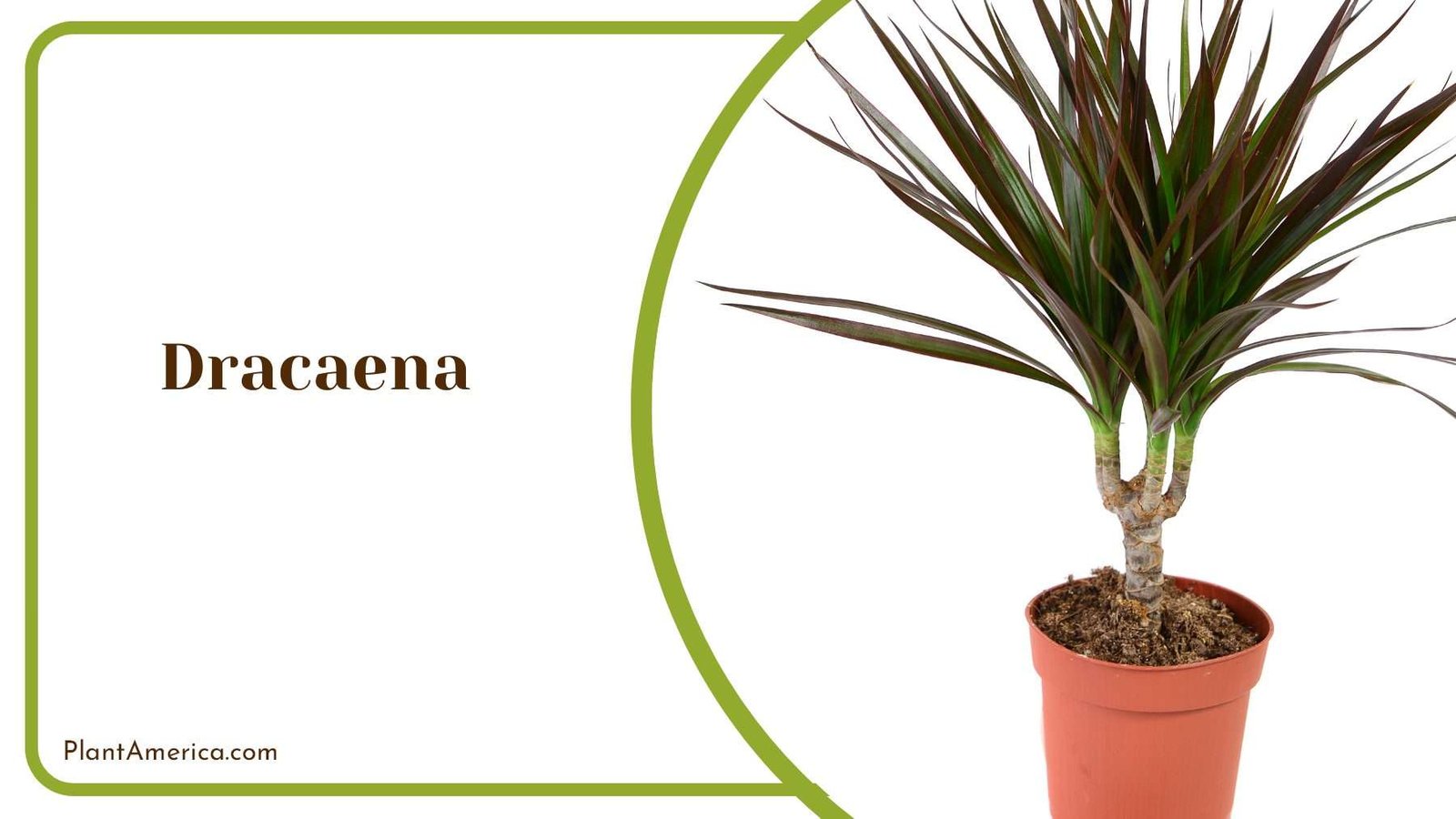
17. Dracaena
- Growing season: All year round, Evergreen
- Leaf shape: Long, Narrow, Strap-like
- Specific needs: IModerate water, Medium to bright light
- Common pest: Spider mites, Scale insects
Dracaena or Dracaena marginata plants make lovely tall accent plants for south-facing windows. They thrive in medium to bright indirect light and warmer indoor temperatures. These perennial plants have slender stems with long, strappy leaves that cascade downward and fan out at the ends. When grown in south-light conditions, dracaena produces longer stems between leaves.
Regular watering is required while these plants are actively growing, allowing the top two inches of soil to dry out slightly. Occasional cleanings will remove dust buildup on the leaves. Place your dracaena where it can be enjoyed yearly since these plants keep their foliage.
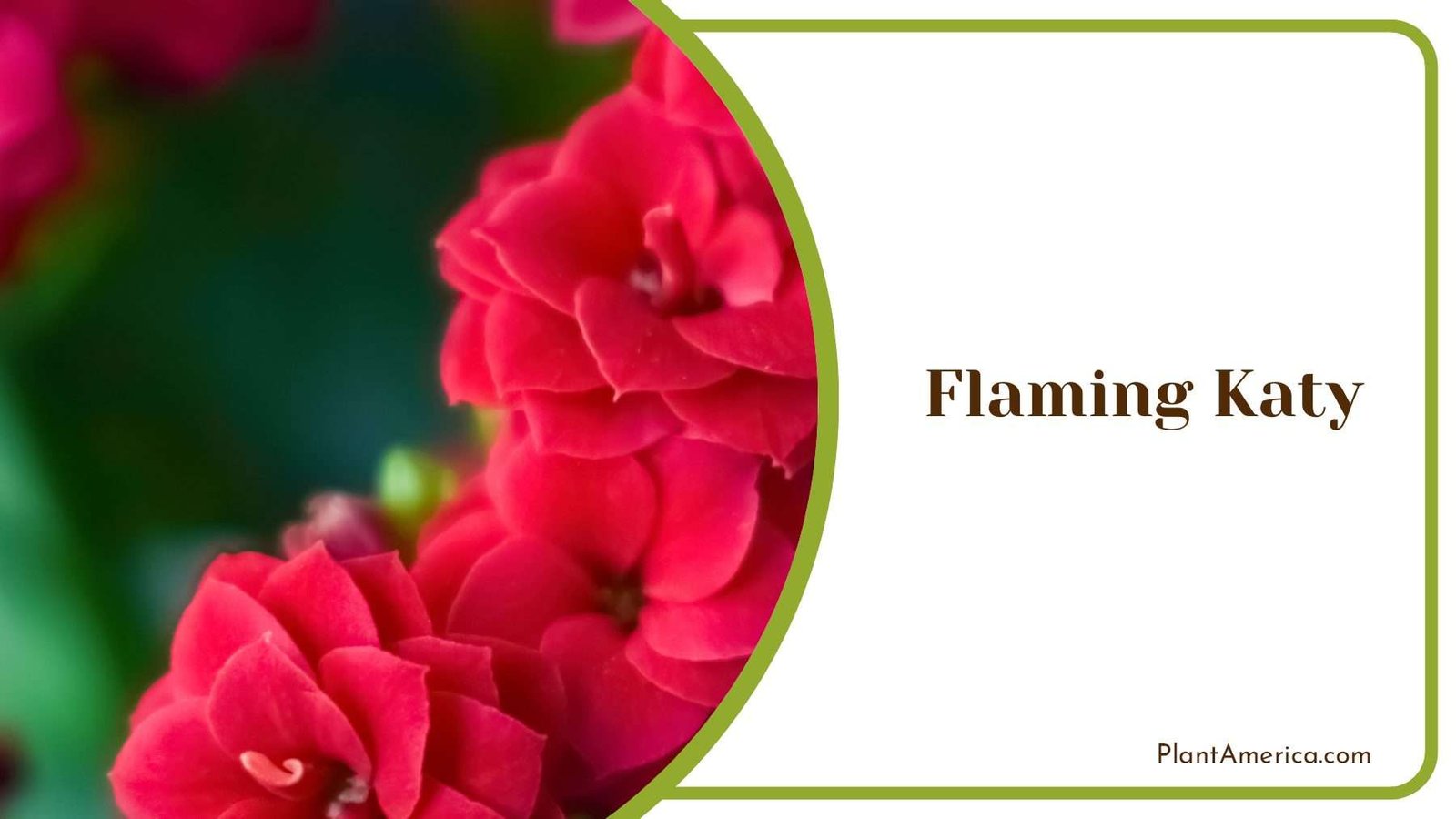
18. Flaming Katy
- Growing season: Spring to Fall, Deciduous in Winter
- Leaf shape: Oblong, Lance-shaped
- Specific needs: Moderate water, Medium to bright light
- Common pest: Spider mites, Aphids
The flaming katy or Kalanchoe blossfeldiana is a colorful, easy-to-grow, south-facing window plant. These perennial succulents produce dense rosettes of thick fleshy leaves in shades of green, burgundy, and dark purple. When grown in bright south window conditions with adequate warmth and moisture, flaming katy plants will produce tall stalks of bright red tubular flowers during winter and spring.
Though drought tolerant, kalanchoe appreciates regular watering during warm months and infrequent watering over cooler periods. Water thoroughly when the flaming katy soil is dry and allow the excess liquid to drain, avoiding overly soggy conditions which can cause root rot.
19. Lavender

- Growing season: All year round, Evergreen
- Leaf shape: Broad, Ovate, Lanceolate
- Specific needs: Moderate water, Medium light
- Common pest: Spider mites, Scale insects
Lavender (Lavandula) is a beloved and versatile herb renowned for its enchanting fragrance, delicate appearance, and numerous practical uses. Native to the Mediterranean region, lavender has been cherished for centuries for its calming aroma and therapeutic properties.
The lavender plant features slender, silver-green leaves and clusters of tiny, aromatic flowers that range in color from pale purple to deep blue. Its alluring scent makes it a popular choice for aromatherapy, essential oils, and potpourri.
Gardeners adore lavender for its resilience, as it thrives in sunny, well-draining soil and requires minimal watering. As a symbol of serenity and beauty, lavender has become a cherished addition to gardens, landscapes, and homes worldwide.
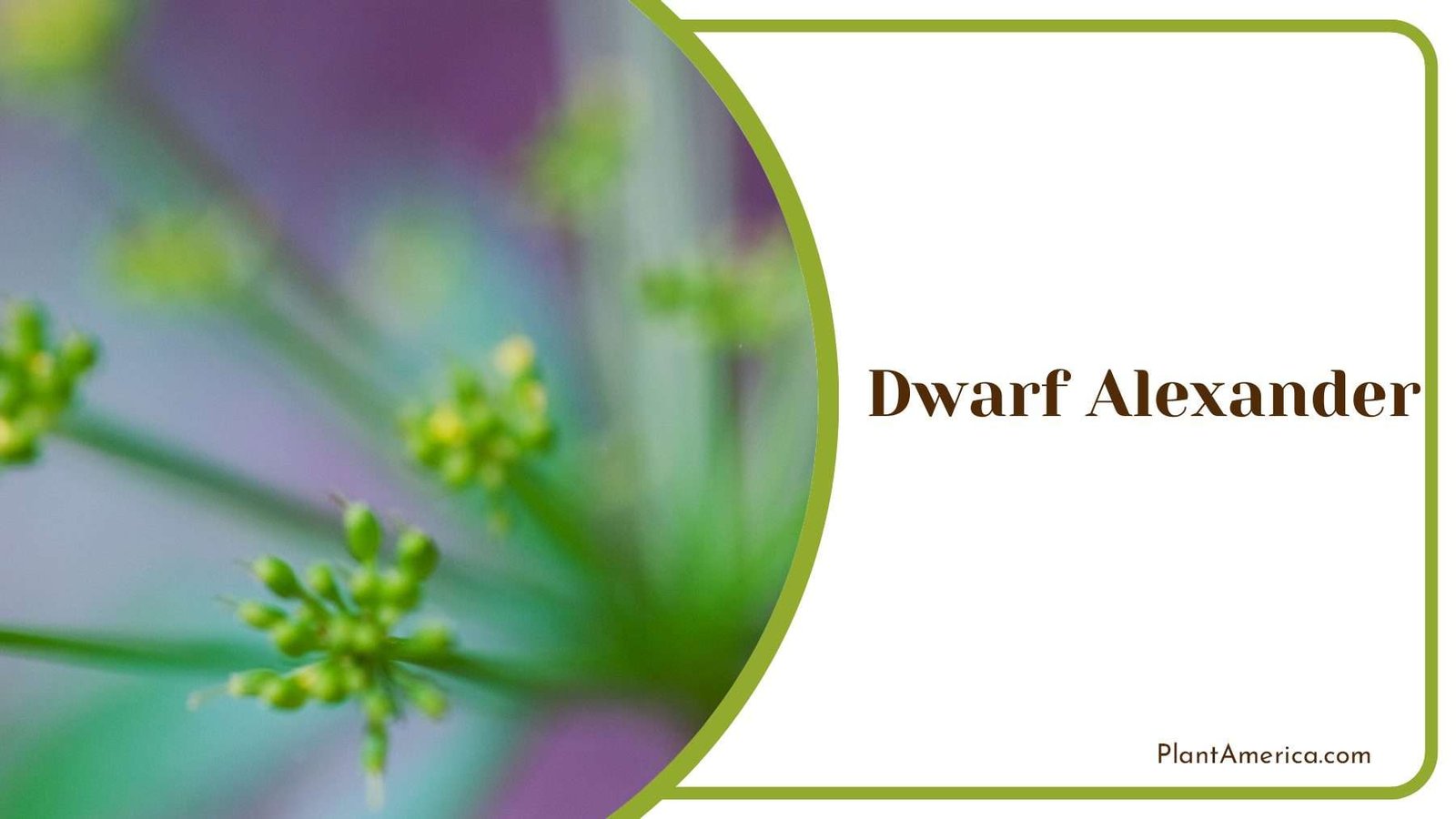
20. Dwarf Alexander
- Growing season: Spring to Fall, Deciduous in Winter
- Leaf shape: Linear to oblong, Leathery
- Specific needs: Moderate water, Medium to Bright light
- Common pest: Spider mites, Scale insects
Dwarf oleander or Nerium oleander ‘compacta’ make lovely flowering south-facing window plants. These smaller cultivars reach only three to four feet tall versus the typical six to 12-foot height of oleander plants. Dwarf oleanders thrive in medium to bright indirect sunlight and warmer temperatures.
When provided with adequate light and water, the plants will produce clusters of colorful pink, red, or white flowers lasting from late spring to summer. Only the smaller cultivars are recommended for indoor growing since mature oleander plants contain heart-damaging toxins throughout the plant.
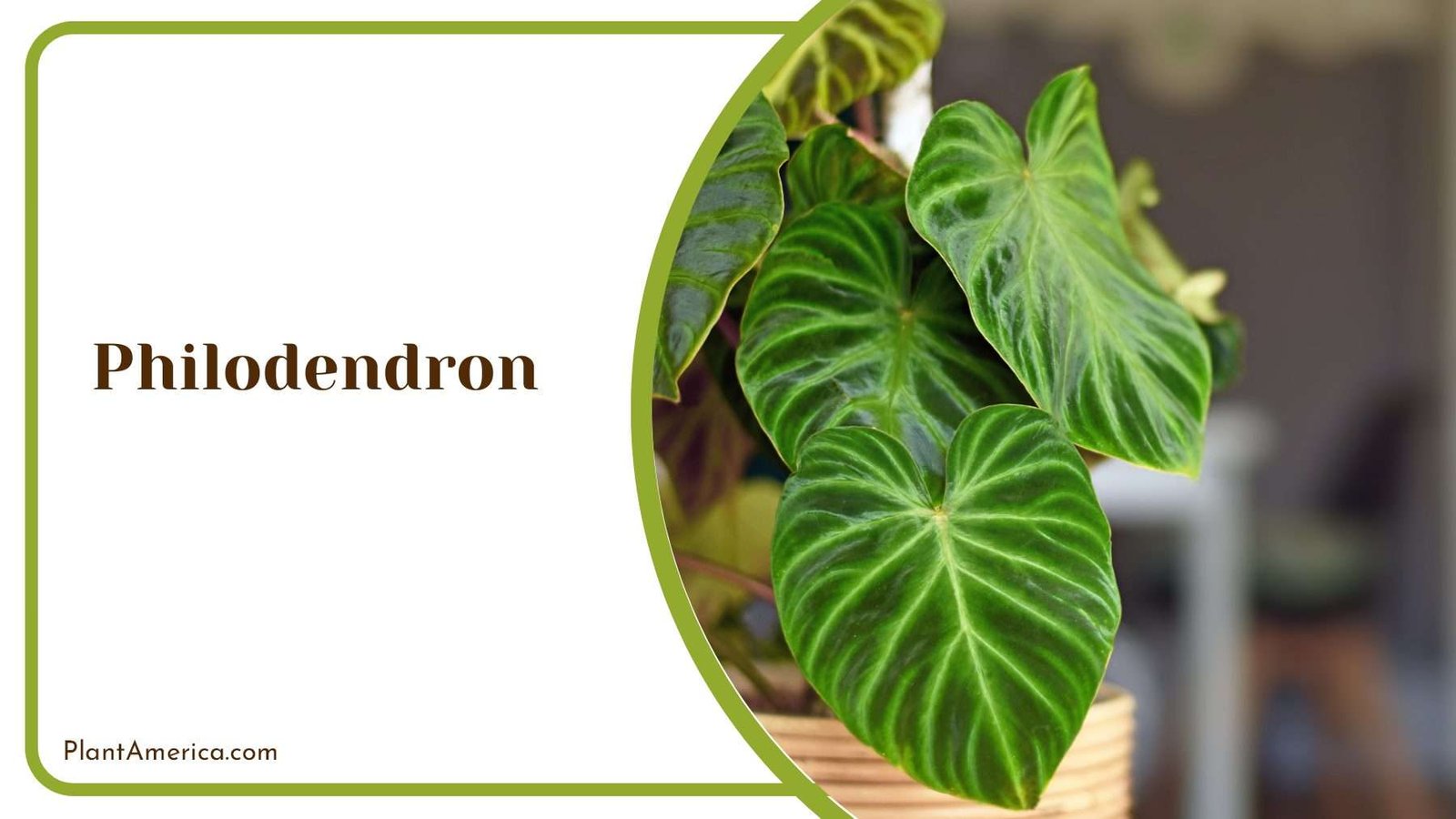
21. Philodendron
- Growing season: All year round, Evergreen
- Leaf shape: Broad, Heart-shaped, Lanceolate
- Specific needs: Moderate water, Low to bright light
- Common pest: Spider mites, Scale insects
Philodendrons make lovely south-facing window plants with their elegant foliage and adaptability to various light conditions. The heart-shaped leaves unfurl continuous new growth and range from solid green to variegated with shades of cream, pink and dark burgundy.
These perennial climbers thrive in warm indoor temperatures above 65 degrees and grow best in medium indirect light. When given bright south light, philodendrons produce larger leaves with broad lobes. Regular watering and occasional cleaning of the foliage will help keep your philodendron thriving for many years.
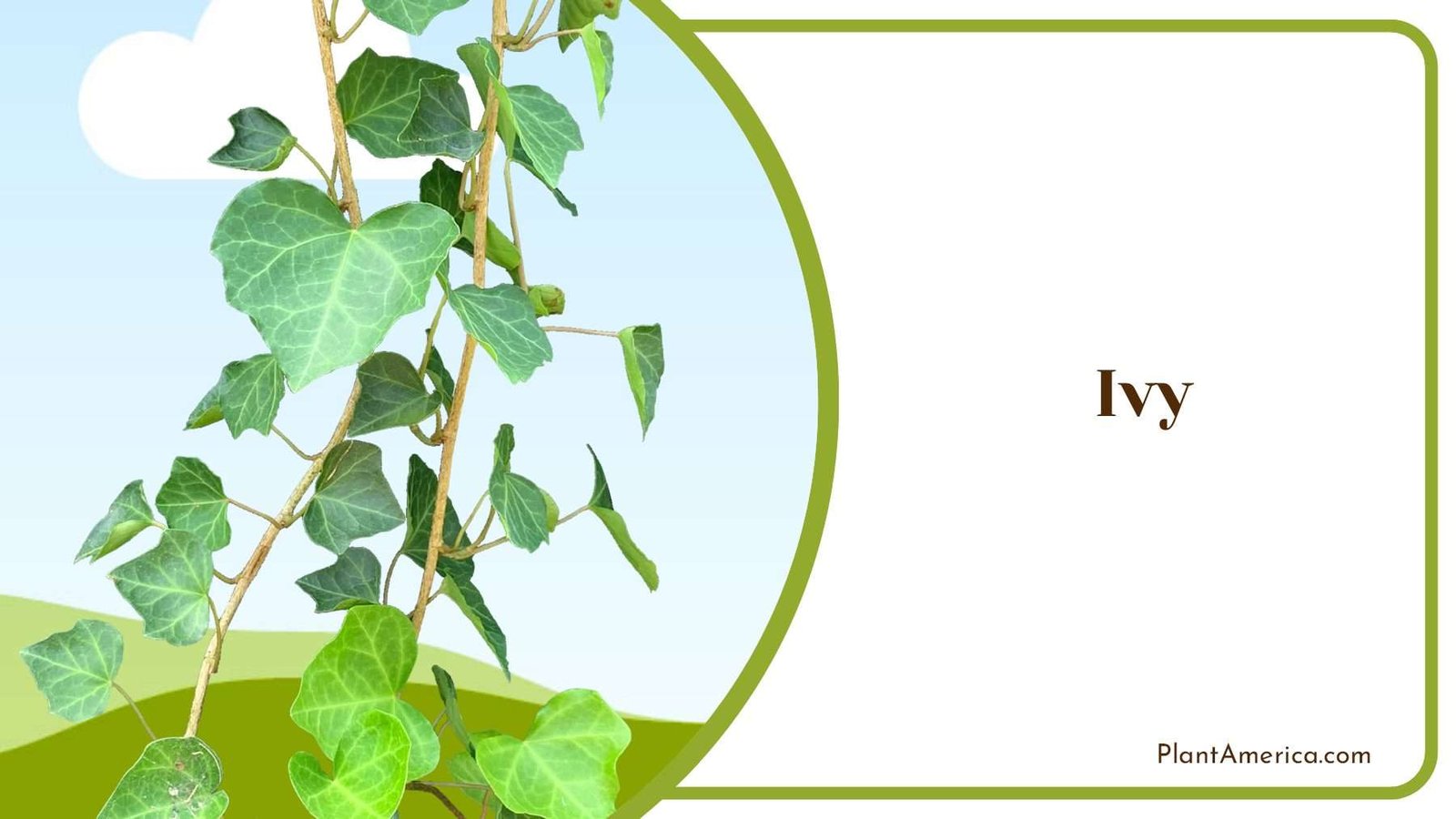
22. Ivy
- Growing season: All year round, Evergreen
- Leaf shape: Oblong, Lanceolate
- Specific needs: Moderate water, Low to bright light
- Common pest: Spider mites, Scale insects
English ivy or hedera helix makes a lovely trailing south-facing window plant. This vine climber is characterized by its dense foliage and aerial rootlets, which allow it to cling to surfaces. Ivy plants thrive in variable light conditions from low to bright, tolerating medium indirect light from the south up to several hours.
These perennial plants prefer consistently moist soil, so water whenever the top inch feels dry. To promote lush growth, prune ivy vines occasionally to encourage bushier foliage. Place pots near walls or allow ivy to climb speakers, shelves, and other surfaces for an eye-catching vertical display.
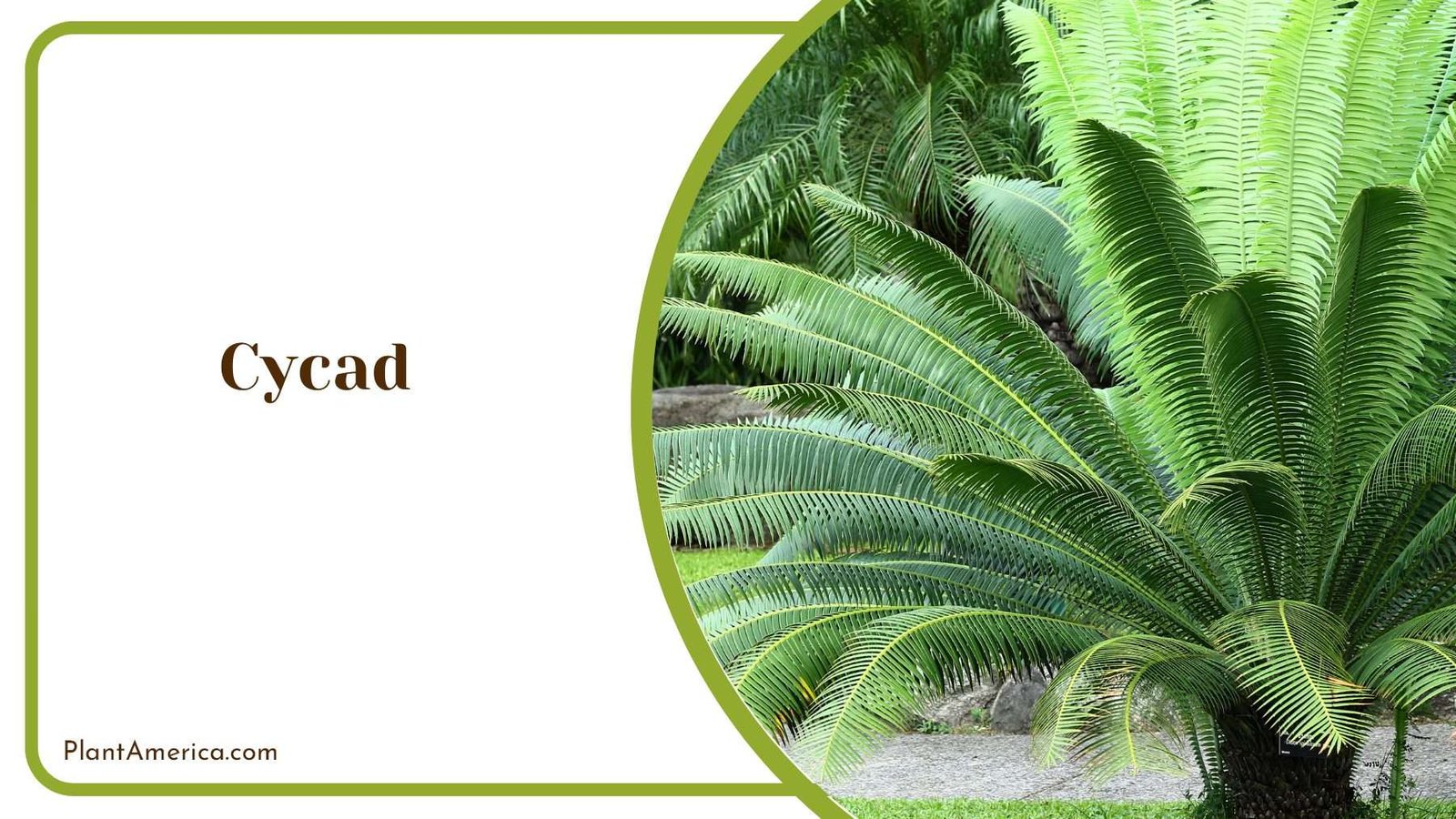
23. Cycad
- Growing season: All year round, Evergreen
- Leaf shape: Palmate, Angular
- Specific needs: Low water, Medium to bright light
- Common pest: Mealybugs, Scale insects
Cycads make unique south-facing window plants due to their prehistoric palm-like appearance and tropical preferences. Cycads resemble palm trees closely with their tall upright growth habit and palm-like fronds. These slow-growing plants thrive in warm indoor temperatures above 65 degrees and grow best with medium indirect to bright south light.
Cycads are very low maintenance plants, requiring minimal water and fertilizer. Only water when the top inch of the soil starts to dry out and apply liquid fertilizer twice a year during the growing season. Choose a cycad that fits your desired size since some varieties can reach over 6 feet tall indoors.
24. Citrus Trees
- Growing season: All year round, Evergreen
- Leaf shape: Oval, Oblong
- Specific needs: Moderate water, Medium to bright light
- Common pest: Spider mites, Scale insects
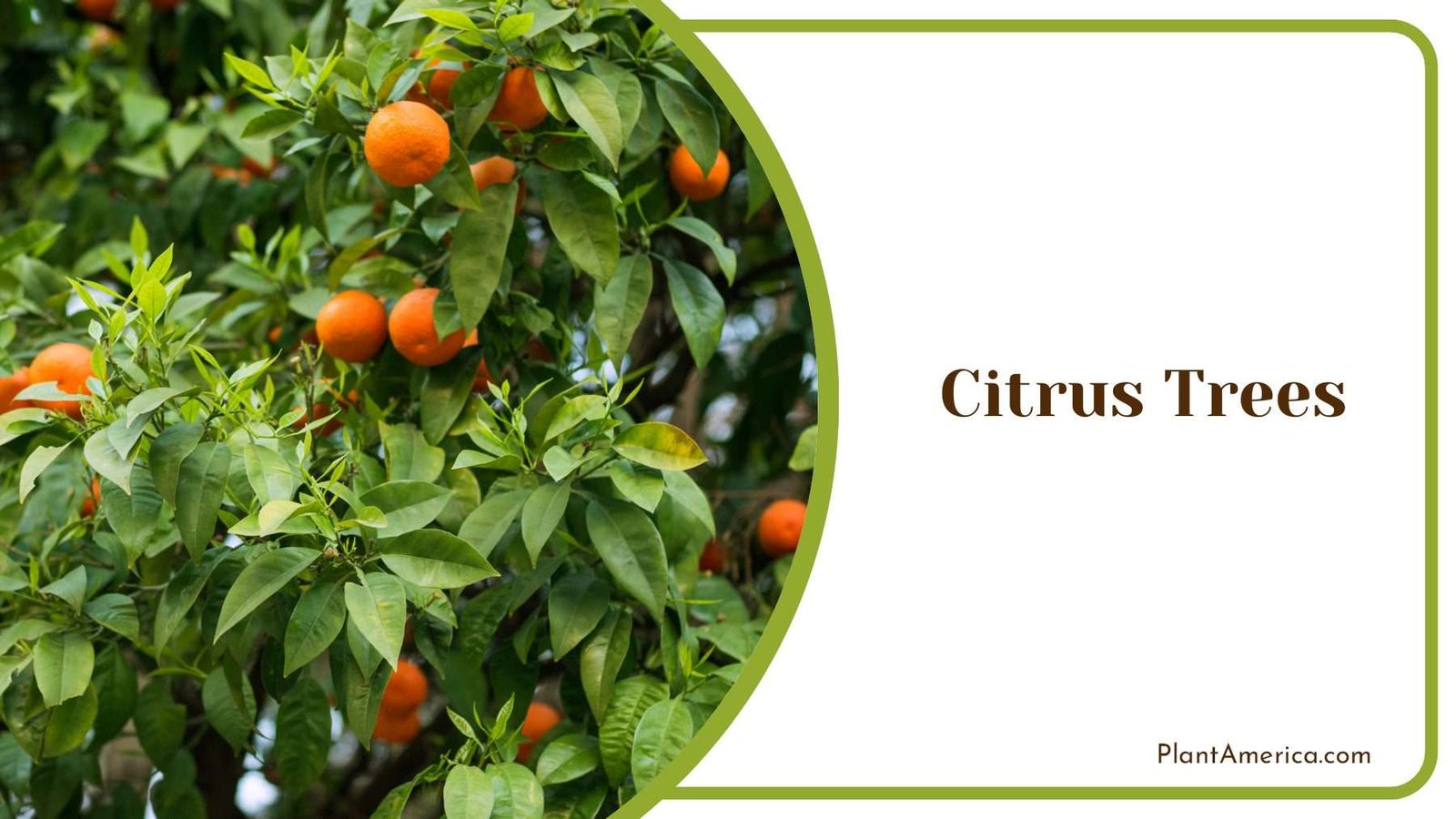
Citrus trees, such as lemon and lime trees, make unique additions to any south-facing window. When positioned in a sunny spot, citrus trees can produce abundant fragrant blossoms and fruit over time.
These evergreen trees thrive in warm indoor temperatures above 65 degrees and require medium to fairly bright light — up to several hours of direct sun exposure through south windows. Citrus appreciates regular watering, allowing the top one to two inches of soil to dry slightly.
Regular fertilizing during spring and summer will help promote healthy foliage growth and fruit production. Citrus is shallow-rooted plants, so choose a pot roughly two to three times the diameter of the root ball.
Conclusion
We’ve covered 24 different south-facing window plants suited to thrive under harsh UV rays and here are our top three:
- Philodendrons make lovely south-facing window plants with their elegant foliage and adaptability to various light conditions.
- Air plants or tillandsia are perfect for south-facing windows due to their low maintenance needs and ability to thrive in various light conditions.
- The money tree, or pachira aquatica, is a popular feng shui plant beloved for its braided trunk and lush, rounded leaves.
Ultimately, the right plant for your space depends on your preferences and care requirements. But any of these tough, sun-loving varieties will surely add beauty, vibrancy, and the benefits of “indoor greenery” to your home for many seasons!