
Signs of mealybugs on succulents are vital to recognize for any plant enthusiast. The main ones include white cottony spots, sticky residue, and distorted leaves.
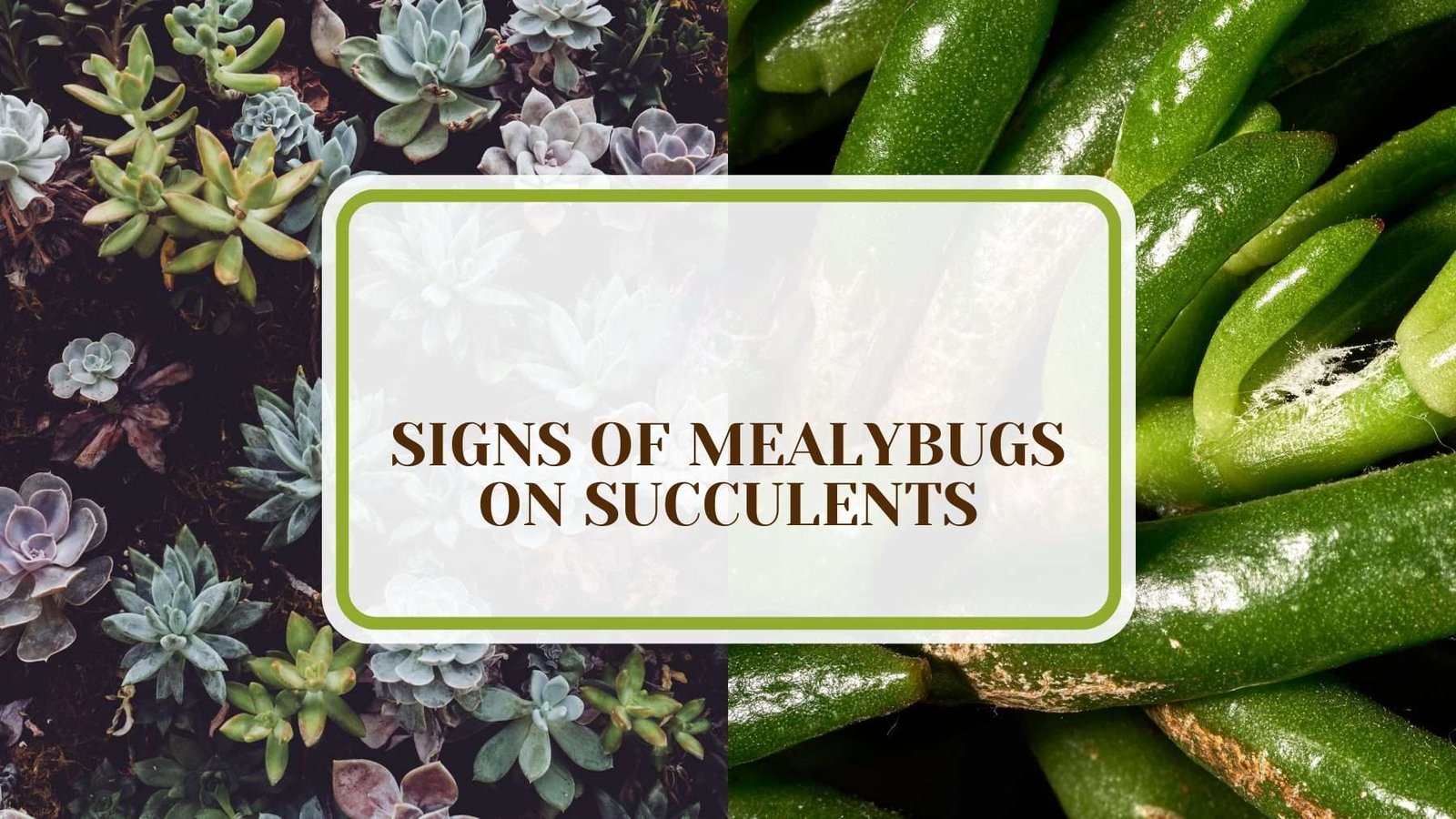 Fortunately, if you identify these symptoms early, you can help save your succulents from severe damage. So, stay to the end to learn all about what these signs look like!
Top 7 Signs of Mealybugs on Succulents
Signs of mealybugs on succulents include white cotton patches, sticky residue on the plant, sooty mold growth, yellowing or distorted leaves, and stunted growth. Observing ants, dead mealybugs, or even hearing leaf-sucking sounds are additional indicators of these common pests.
1. White Cottony Substance
| Aspect | Details |
| Appearance | White fluffy or cotton-like substances on parts of the plant. |
| Problems Linked To the Signs | · Female mealybugs laying egg sacs
· Protective mechanism of mealybugs getting stronger · Shelter for young mealybugs |
| Does It Indicate Light or Severe Infestation | Moderate to severe, depending on spread |
| What To Do After Noticing This Sign? | · Isolate the infected plant
· Wipe off bugs with a soft brush or cloth · Spray with alcohol · Check plants regularly |
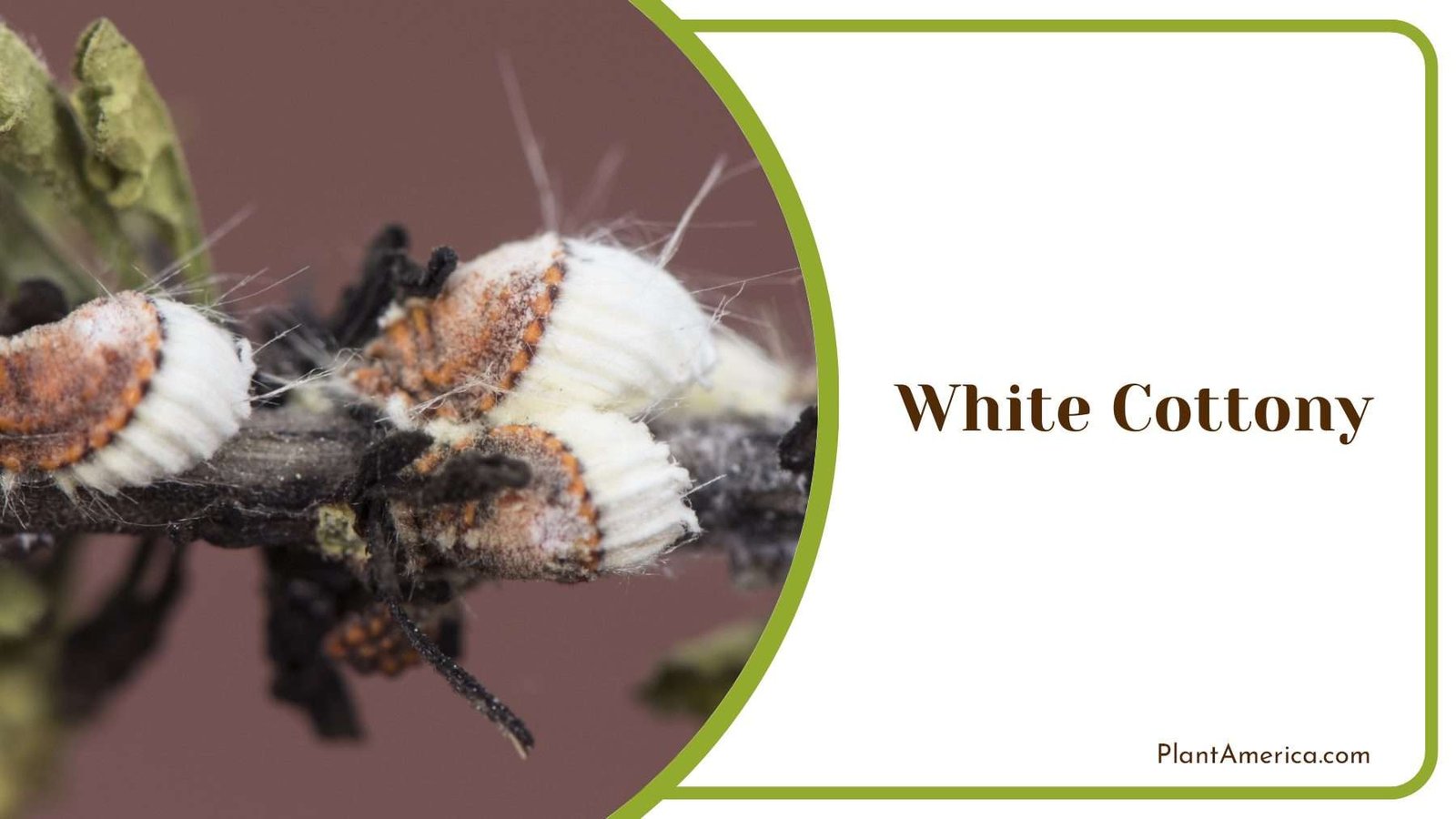
If you notice a white fuzz on succulents, it’s a sign that should not be ignored. This fuzzy appearance is not a natural part of your plant but a clear indication of a mealy bug infestation.
So, what exactly is this white fuzz?
Mealybugs are insects with soft bodies coated in a white, waxy substance. When they assemble on succulents, they appear as white cottony clusters. This is often the first thing gardeners notice. But it’s not just the bugs themselves; they excrete a white powdery substance that sticks to the plant, making them even more noticeable.
While you might find this white fuzz on any succulent part, it’s more commonly seen in the nooks and crannies. If you see this white cottony stuff, acting quickly is essential. Left unchecked, mealybugs will multiply and can cause significant damage (sucking out the sap and weakening your plants).
2. Sticky Residue (Honeydew)

| Aspect | Details |
| Appearance | Sticky, glossy film covering parts of the succulent. |
| Problems Linked To the Signs | · Attraction of other pests
· Formation of sooty mold · Reduced photosynthesis in plants |
| Does It Indicate Light or Severe Infestation | Light to moderate; presence of other pests can indicate severity. |
| What To Do After Noticing This Sign? | · Clean the sticky area with damp cloth
· Increase plant monitoring · Use insecticidal soap or neem oil · Ensure proper plant spacing for air circulation |
Another clear sign of a mealybug invasion is a sticky substance on your plants. This sticky residue is called honeydew, and it’s the excretion of the mealybugs.
If you’ve dealt with succulent pests and diseases, you’ll know that honeydew is not exclusive to mealybugs. Honeydew is more than just an unpleasant mess, as it’s a significant concern for a few reasons.
Firstly, honeydew is a magnet for ants. Ants love its sweet taste and will often be found wherever honeydew is present. This is problematic because ants protect mealybugs from their natural predators, ensuring their survival and allowing them to continue their damaging work on your plants.
Secondly, honeydew can lead to the growth of sooty mold. This powdery fungus grows on the honeydew (making photosynthesis difficult). If your succulent can’t photosynthesize effectively, it won’t get the energy it needs, leading to further health problems.
Lastly, the presence of honeydew combined with the white cottony substance is one of the common pest signs that should never be ignored.
3. Yellowing or Distorted Plant Leaves
| Aspect | Details |
| Appearance | Leaves appearing yellow, misshapen, or with a twisted form. |
| Problems Linked To the Signs | · Blockage of nutrients to leaves
· Reduced photosynthesis · Toxins introduced by mealybugs |
| Does It Indicate Light or Severe Infestation | Moderate; significant leaf distortion can indicate advanced infestation. |
| What To Do After Noticing This Sign? | · Remove severely affected leaves
· Ensure proper watering · Introduce beneficial insects · Consider systemic insecticides |
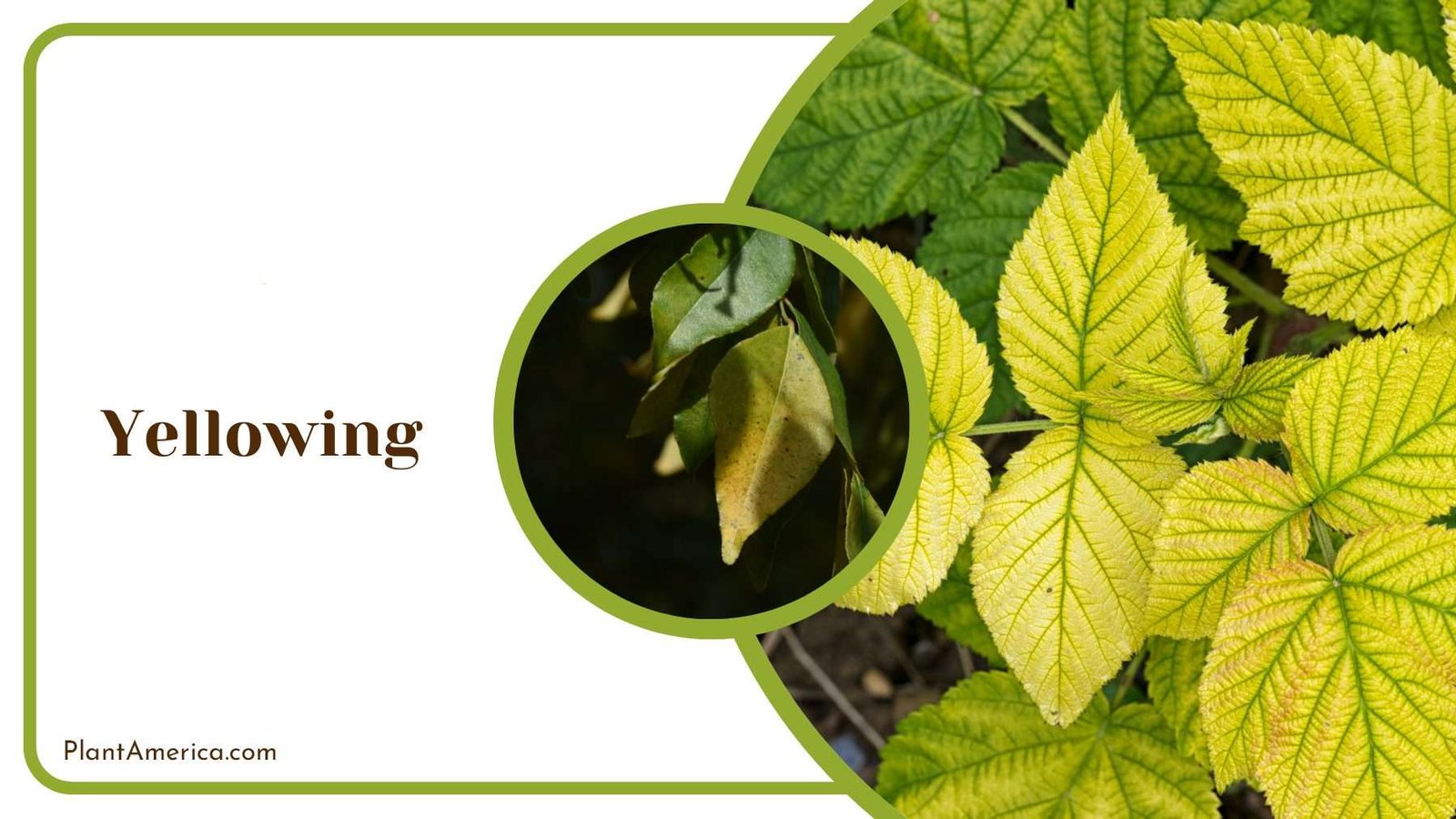
One of the clear indicators of a pest issue in plants is the health and appearance of their leaves. With mealybugs, one of the first things you might notice is the yellowing or distortion of the succulent leaves. While subtle, this sign can rapidly progress if the infestation is not addressed.
The signs of mealybugs on succulents leaves start with small yellow spots. These are the areas where the mealybugs have been feeding. As they suck out the sap from the leaves, they deprive that area of essential nutrients, causing it to turn yellow. Over time, if the feeding continues, entire leaves can turn yellow and even fall off.
But yellowing isn’t the only issue. The feeding action of mealybugs can also cause the leaves to become distorted. Instead of the usual plump, full leaves that succulents are known for, you might see them becoming thin, twisted, or misshapen. This is a direct result of the loss of sap and the damage caused by the feeding mealybugs.
It’s worth noting that while yellowing or distortion of leaves can be caused by other factors like over-watering or insufficient light, the presence of the white fuzz or honeydew, as discussed earlier, alongside these symptoms, makes it evident that mealybugs are the culprits.
4. Stunted Growth
| Aspect | Details |
| Appearance | Plant growth appears hindered, not reaching its full potential. |
| Problems Linked To the Signs |
· Reduced nutrient uptake · Potential root damage |
| Does It Indicate Light or Severe Infestation | Severe; stunted growth indicates prolonged pest presence. |
| What To Do After Noticing This Sign? | · Re-pot the plant if roots are affected
· Use growth-enhancing fertilizers · Introduce beneficial insects · Regularly check soil and roots |
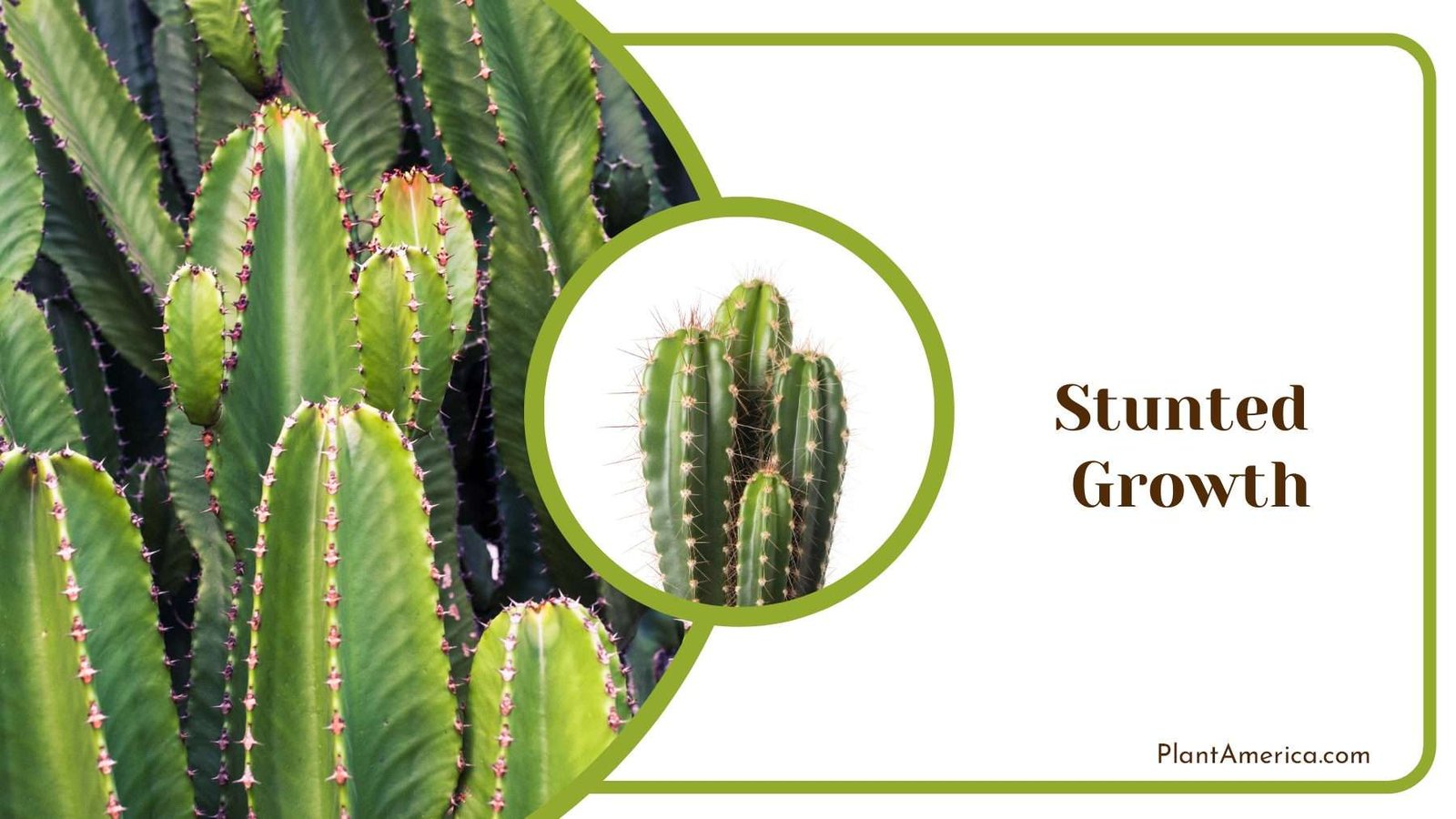
One of the signs of mealybugs on succulents indoors is stunted growth. Mealybugs, by their very nature, are sap-sucking pests. This means they draw out the vital juices that succulents need for growth.
Recognizing stunted growth might be challenging for new gardeners or those unfamiliar with their succulents’ typical growth patterns. However, a few signs can alert you. For instance, new leaves might be smaller than older ones, or the spaces between leaves (known as internodes) might be shorter than usual. The plant might also appear smaller and less vibrant than other succulents of the same age and species.
Moreover, indoor succulents are especially prone to getting pests like mealybugs. The absence of natural predators indoors allows these pests to thrive unless intervened.
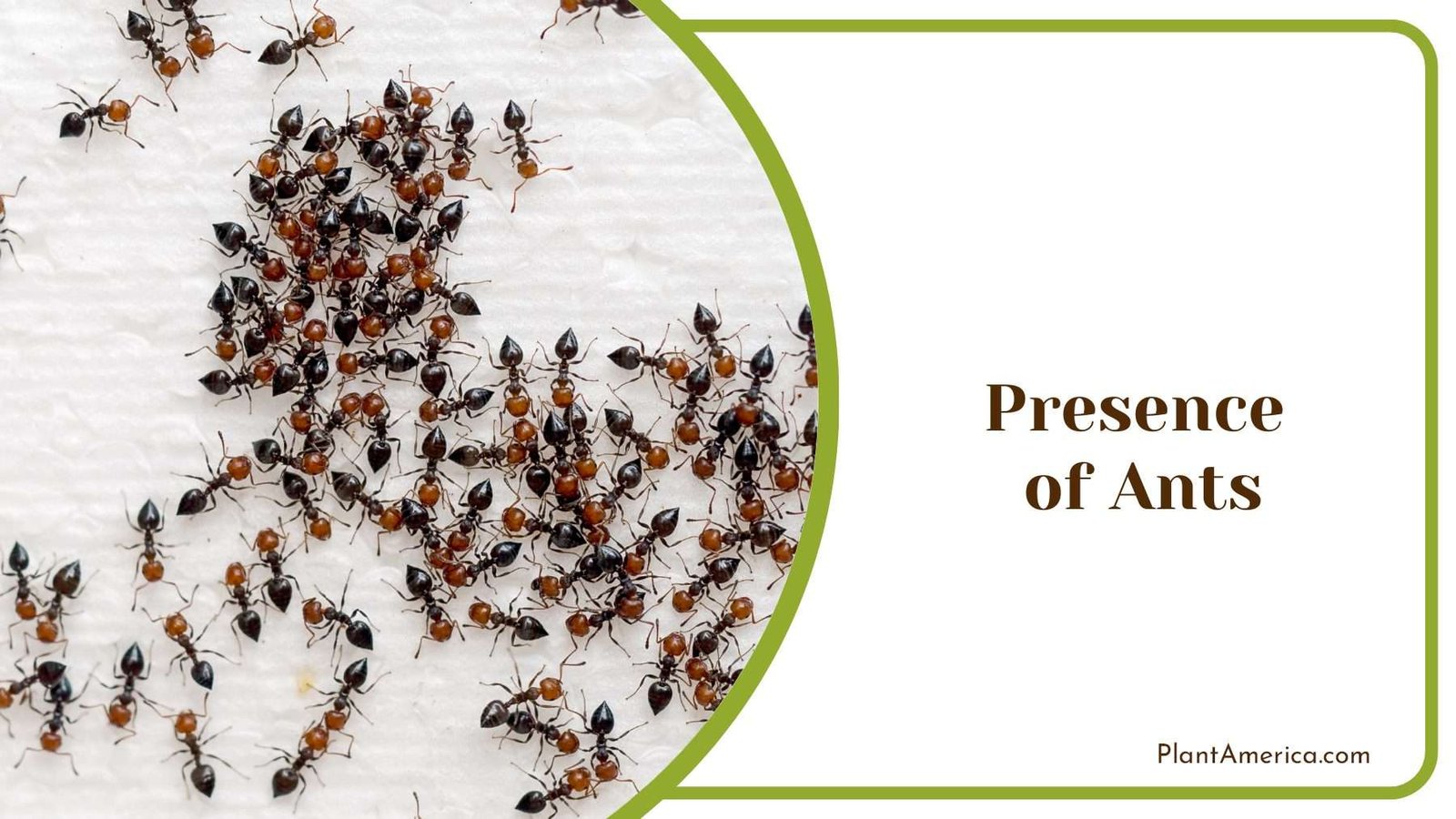
5. Presence of Ants
| Aspect | Details |
| Appearance | Increased ant activity around and on the succulent. |
| Problems Linked To the Signs | · Ants protect mealybugs from predatory insects.
· Ants carry bugs everywhere (help them spread). · Invitation to other pests |
| Does It Indicate Light or Severe Infestation | Light to moderate; ants are more of an indirect sign. |
| What To Do After Noticing This Sign? | · Address the mealybug issue first
· Use ant deterrents or traps · Check the soil for ant nests · Consider repotting the plant |
While ants themselves aren’t direct threats to your succulents, their sudden interest in your plants can be a warning sign. When ants begin to gather around your succulent plants consistently, it’s time to pay close attention.
Ants and mealybugs have a special relationship. Mealybugs make honeydew, a sugary stuff that ants feed on. In return, ants guard the mealybugs from enemies, helping them survive and spread.
To fully understand why ants are suddenly attracted to your succulents, we need to look at the life cycle of the mealybug. In their early stages, mealybugs can be mobile, looking for the perfect spot to feed.
Once they’ve settled, they begin producing honeydew. As the mealybugs grow and multiply, the production of honeydew increases. This is when the ants start to take notice. The more mealybugs there are, the more honeydew is produced and, subsequently, the more ants you’ll find around your succulent.
Although ants themselves don’t directly damage the plant, their presence suggests a bigger problem: a rising mealybug population. If you reduce the population of ants in your garden, you can tackle mealybugs’ infestation before it worsens.
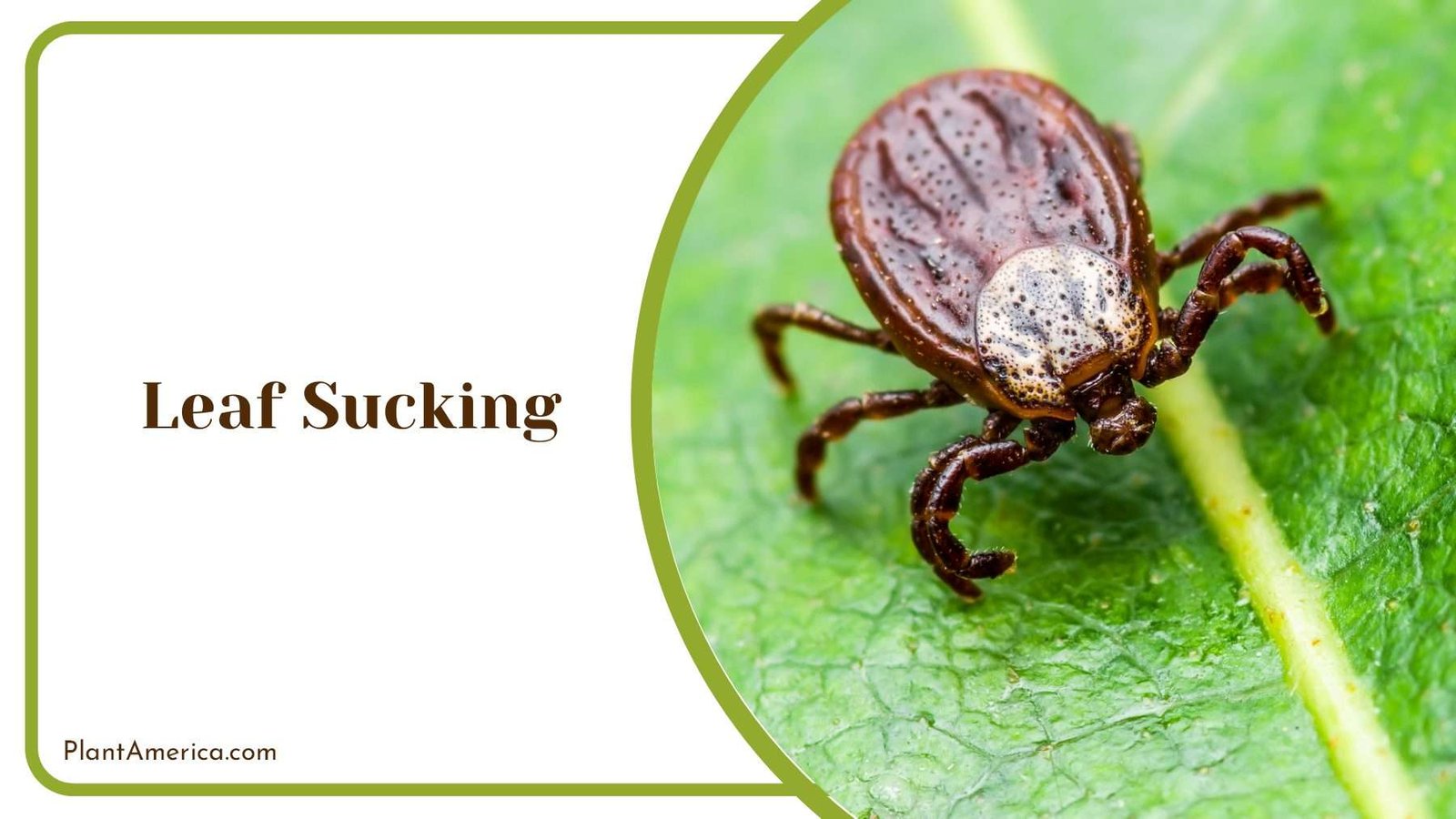
6. Leaf Sucking Sounds
| Aspect | Details |
| Appearance | Audible, subtle sounds of sucking or movement from the plant’s leaves. |
| Problems Linked To the Signs | · Disruption of plant’s natural processes
· Loss of sap at rapid rate |
| Does It Indicate Light or Severe Infestation | Severe; indicates a significant number of mealybugs feeding concurrently. |
| What To Do After Noticing This Sign? | · Isolate the plant immediately
· Use a strong solution like isopropyl alcohol to dab on bugs · Consider a systemic insecticide · Consult with a plant health expert |
Among the more subtle signs of mealybug infestations is the faint, almost inaudible noise they make while feeding on your succulents. It’s reminiscent of a tiny, microscopic version of sucking or slurping.
The mechanism behind this noise is simple yet fascinating. When many of these pests congregate on a plant and begin feeding, the collective noise of their feeding can sometimes be heard. Think of it as the quiet hum of a crowd, where each individual might not be loud, but together they produce a noticeable sound.
Recognizing this noise can be challenging, especially in a typical household or garden setting with other ambient sounds. The most effective method is to closely inspect plants you suspect in a calm and quiet setting. Lean in, and listen. While the noise is soft, once you’ve identified it, it becomes unmistakable.
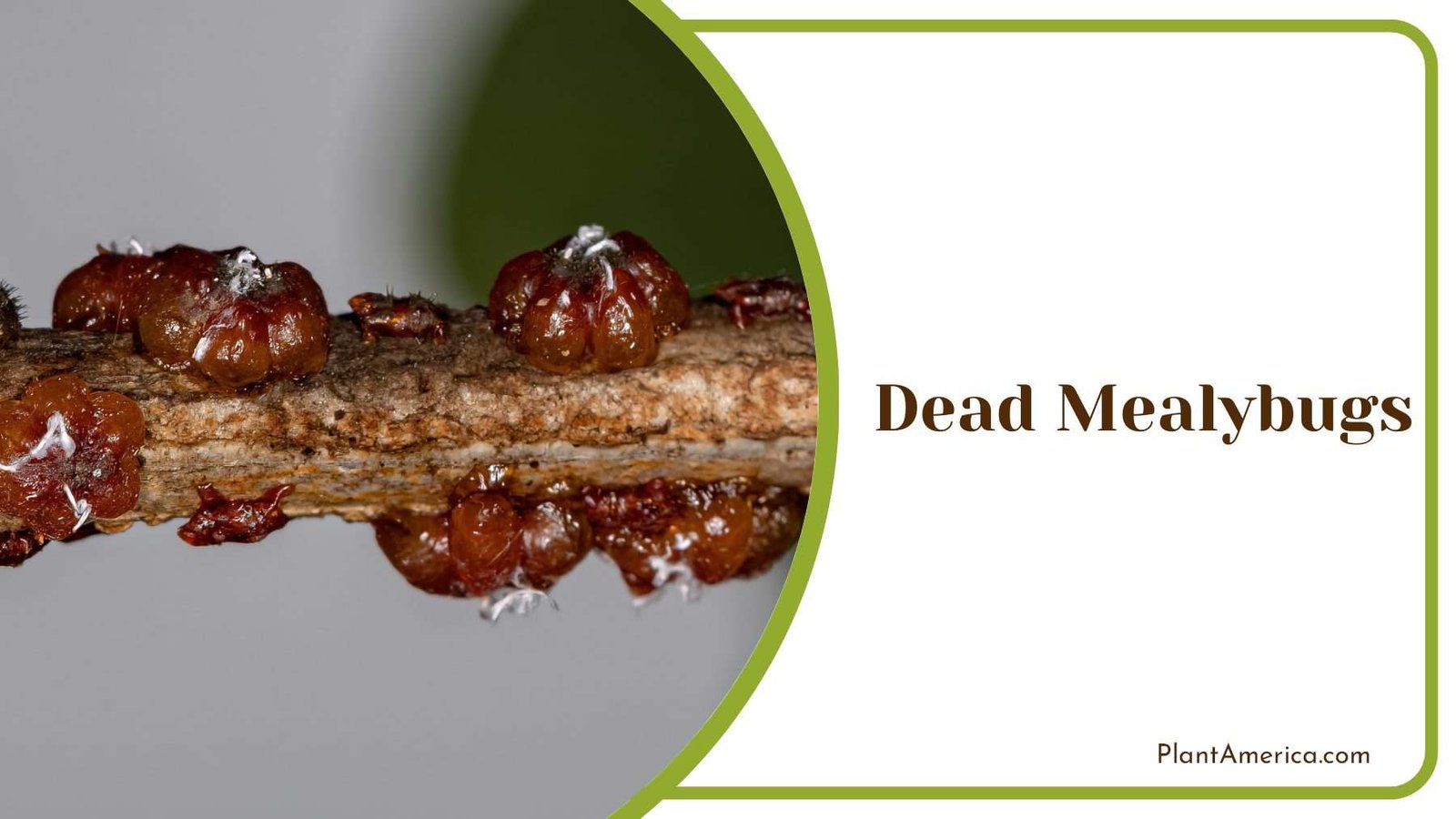
7. Dead Mealybugs Laying Around
| Aspect | Details |
| Appearance | Desiccated or lifeless mealybugs present on the plant or around the pot. |
| Problems Linked To the Signs | · Environmental stress factors
· Overapplication of treatments (that may harm plants too) |
| Does It Indicate Light or Severe Infestation | Can indicate past severe infestation, but the current situation may be under control. |
| What To Do After Noticing This Sign? | · Clean up dead bugs regularly
· Continue monitoring for live mealybugs · Maintain use of treatments like neem oil or insecticidal soap · Consider introducing beneficial insects to the environment |
One sign that might bring a brief moment of relief to garden enthusiasts is spotting dead mealybugs around their plants. However, while this indicates that some pests are no longer a threat, it’s also a clear sign that a mealybug infestation has been ongoing.
The sight of dead mealybugs can arise due to various reasons. Perhaps natural predators or beneficial insects like ladybugs or lacewings have been feasting on them. Or maybe the environmental conditions weren’t conducive to their survival. So, how to get rid of mealybugs on succulents (or any other plants)? Here are a few tried-and-tested methods:
Dish Soap: A simple dish soap and water solution can be potent against mealybugs. The soapy water dehydrates pests (which kills them). Succulent could be sensitive to harsher treatments, so dish soap can be a safe option.
Isopropyl Alcohol Spray & Rubbing Alcohol: These are essentially the same thing and are a popular choice against mealybugs. By using a spray, you can target larger infestations, while a cotton swab dipped in rubbing alcohol can be used to tackle individual pests. Always test a small area of the plant before a complete application to ensure no adverse reaction.
Insecticidal Soap Spray To Prevent Mealybugs: Like the dish soap approach, this specially designed soap is created to fight against various pests, including mealybugs. Its action is to target the exoskeleton of the bugs, ensuring they can’t survive for long once exposed.
Neem Oil: This organic solution is a favorite among many gardeners because it can tackle mealybugs in a few days.
However, be cautious with the treatments. Please ensure they don’t overly coat the succulent, which could hurt it a lot.