
Climbing roses are such a joy to grow. In this post, we’ll explore 16 stunning varieties that thrive when planted up fences, arbors, and trellises where you can appreciate their beauty. From classic climbers like ‘New Dawn’ to eye-catching flowers of golden yellow, you’re sure to find gorgeous blooms that will transform your garden all season long.
Whether you’re new to rose growing or a seasoned veteran, we hope this list gives you ideas and inspiration to add more twining and twirling lovelies to your cozy outdoor retreat.
Stunning Climbing Rose Varieties to Dress Up Your Garden
1. Cécile Brunner
- Growing Season: Spring, Fall
- Leaf Type: Glossy, dark green leaves. Compound
- Specific Needs: Needs full sun. Regular watering and feeding
- Common Pests: Aphids, Powdery mildew
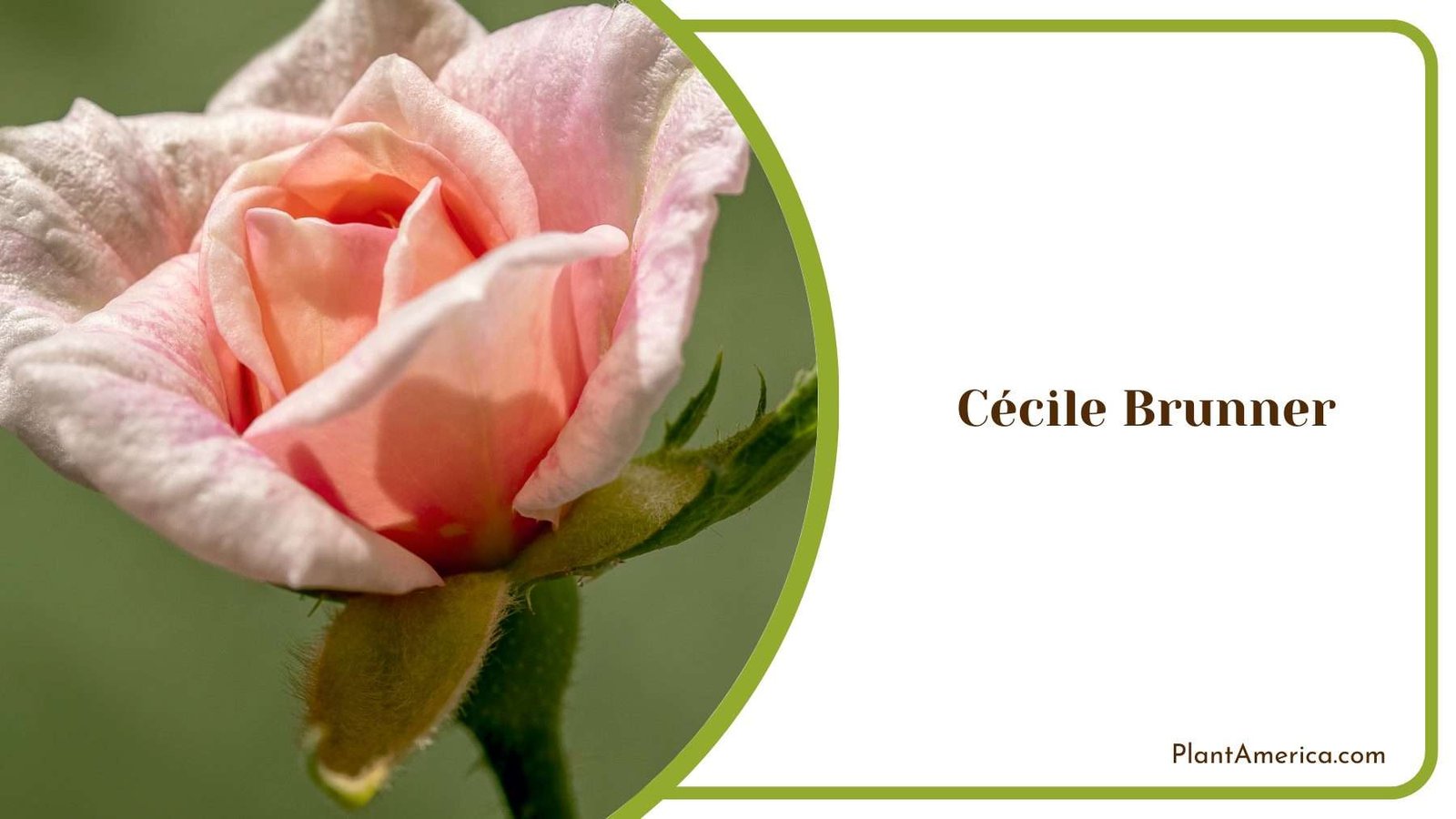
Cécile Brunner is considered one of the finest climbing roses for beautifying gardens. Originating in Europe in the 19th century, this heirloom variety has withstood the test of time thanks to its outstanding hardiness, disease resistance, and prolific blooming habit.
A profusion of small but sweetly fragrant yellow flowers covers the vines from spring until fall frosts. Unlike many other climbers that display sporadic bloom periods, Cécile Brunner is remarkable for its continuous floral production all year long. This reliability makes it a top pick for those seeking non-stop color in their landscape.
Its attractive, finely-cut green foliage provides an ideal backdrop for highlighting the bounty of pale lemon blossoms. Combined with the plant’s dense, vigorous growth, Cécile Brunner is superb for covering fences, arbors, walls, or pergolas with an ever-changing tapestry of visual appeal. Minimal pruning is required to maintain its form-fitting shape.
Well-adapted to a wide range of growing conditions, Cécile Brunner thrives in full sun but can tolerate some light shade if needed. This climber has proven durability against common insect pests and fungal diseases where other varieties may struggle. With consistent water and occasional fertilizer, it remains healthy year after year.
For the gardener seeking long-lasting natural beauty without high-maintenance needs, Cécile Brunner fits the bill perfectly. Its dependability in flowering continuously for seasons on end, coupled with low-care requirements, make this antique rose a stunning yet sensible choice to dress up any outdoor space. Add charm and color to your garden by planting this beloved climbing variety.
2. Tangerine Skies
- Growing Season: Spring, Summer bloom
- Leaf Type: Glossy, Dark green Pinnate leaves
- Specific Needs: Prefers full sun. Average soil
- Common Pests: None
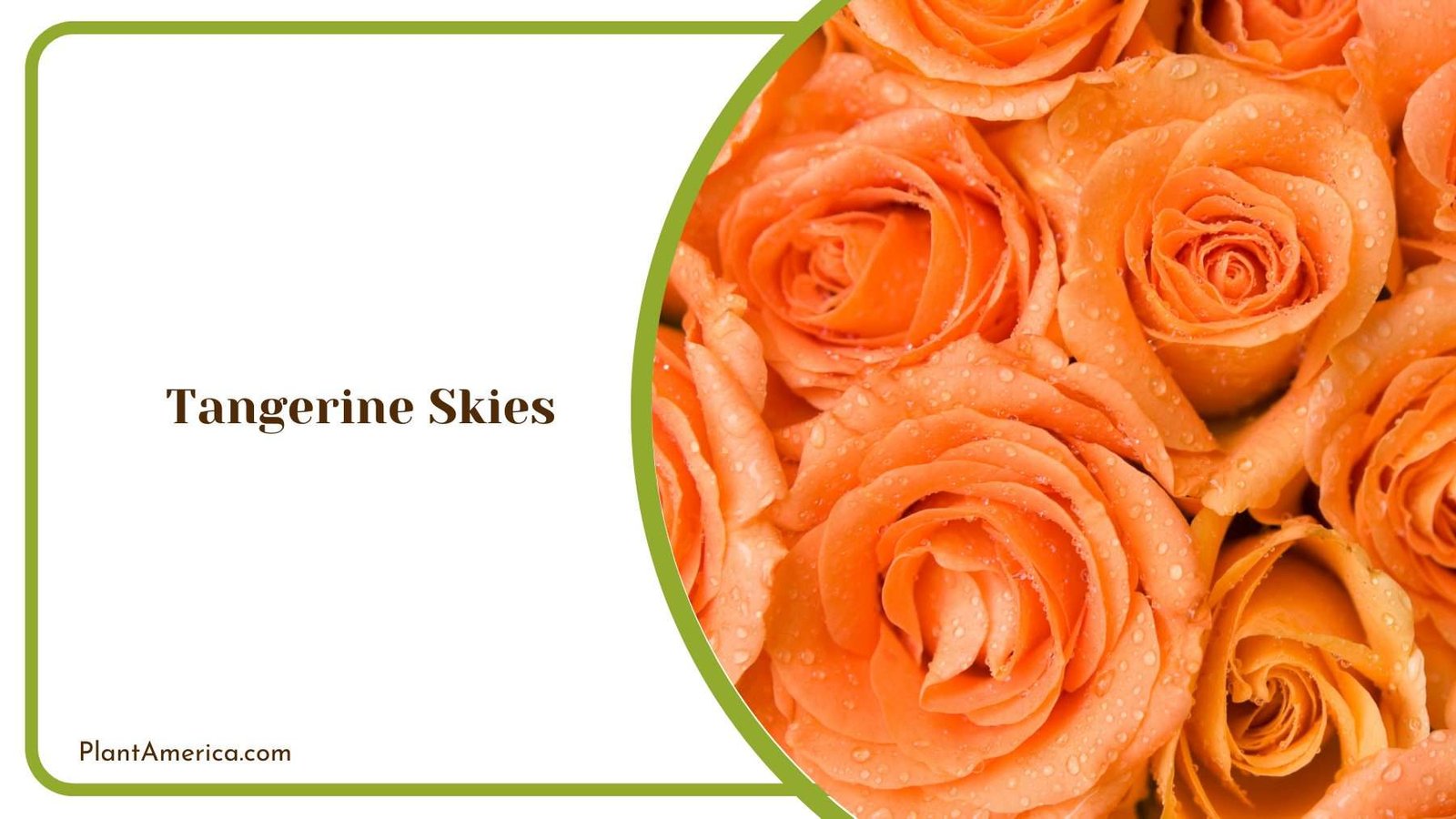
Tangerine Skies is sure to dazzle with its semicircular blooms of vibrant tangerine-orange. This eye-catching climbing rose produces steady flowers from spring through summer that shine brilliantly when planted along fences or arbors. Its glossy, compound leaves provide an attractive backdrop to the clusters of ruffled blooms.
For best results, plant Tangerine Skies in an open, sunny spot with soil that drains well. These conditions will allow the blooms and lush foliage to flourish. Be diligent about air circulation, too, as common rose diseases like powdery mildew and rust can take hold more easily in still, moist air. Providing good airflow will help minimize issues with these pests.
Regular pruning after spring blooms will encourage bushier growth and repeat flowering. Staking or trellising the canes will give this vigorous climbing rose the support it needs to climb gracefully without being weighed down.
The bright orange-red flowers of Tangerine Skies shine against a backdrop of greenery or a bright blue sky. Its eye-catching blooms create a stir and bring bees and butterflies to the garden all season long. Tangerine Skies will surely deliver its showy performance throughout summer and early fall.
3. Don Juan
- Growing Season: Spring, Fall
- Leaf Type: Glossy, Dark green Compound leaves
- Specific Needs: Prefers full sun. Well-drained soil
- Common Pests: None
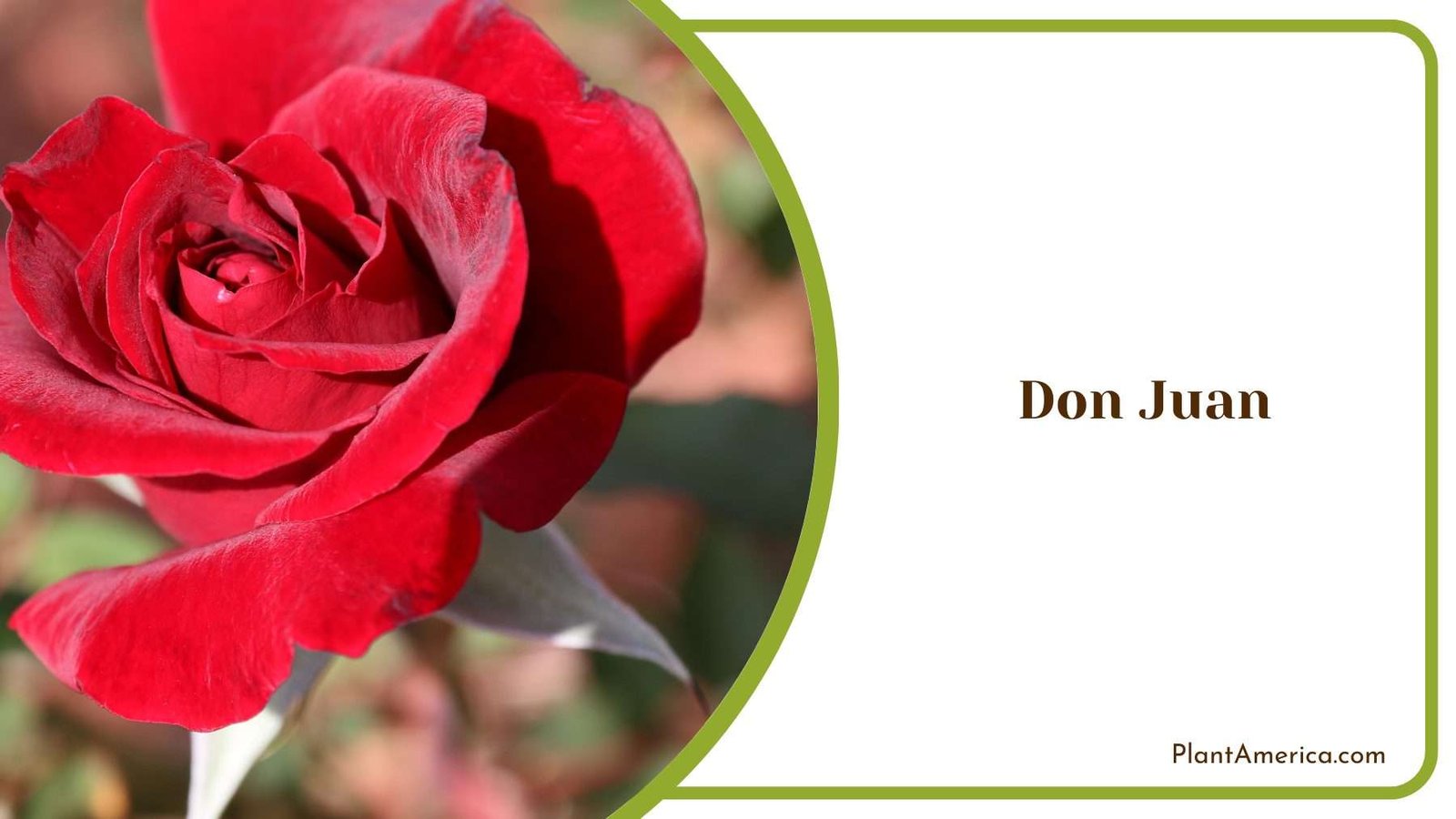
Don Juan grabs your attention with its stunning crimson blooms adorned with white centers. This captivating climber sprouts frilly, cup-shaped flowers that are an absolute showstopper. It loves to drape walls, trellises, or fences in a riot of color from spring through fall.
It thrives under full sun and in well-draining soil to keep Don Juan at its best. This helps prevent pesky fungal problems like blackspot and powdery mildew, especially in damper conditions. Make sure to prep the planting area with organic materials for perfect drainage before putting it in the ground. Once it settles in, you won’t need to water it much except during dry spells.
Give it a good prune in spring to keep its shape and let air flow through its leaves. This little trick helps keep diseases away by keeping things dry and breezy. Boost its blooms by feeding it a balanced organic rose fertilizer every month during its active growth phase.
Don Juan’s an energetic climber, so give it sturdy support as it sprawls over large areas. Those cherry red blooms will steal the show, whether clinging to a cottage wall or adding pizzazz to a mixed border. With its long blooming season, it’s perfect for arbors, pergolas, and fences—bringing its breathtaking color indoors and out for months.
4. Rambling Rector
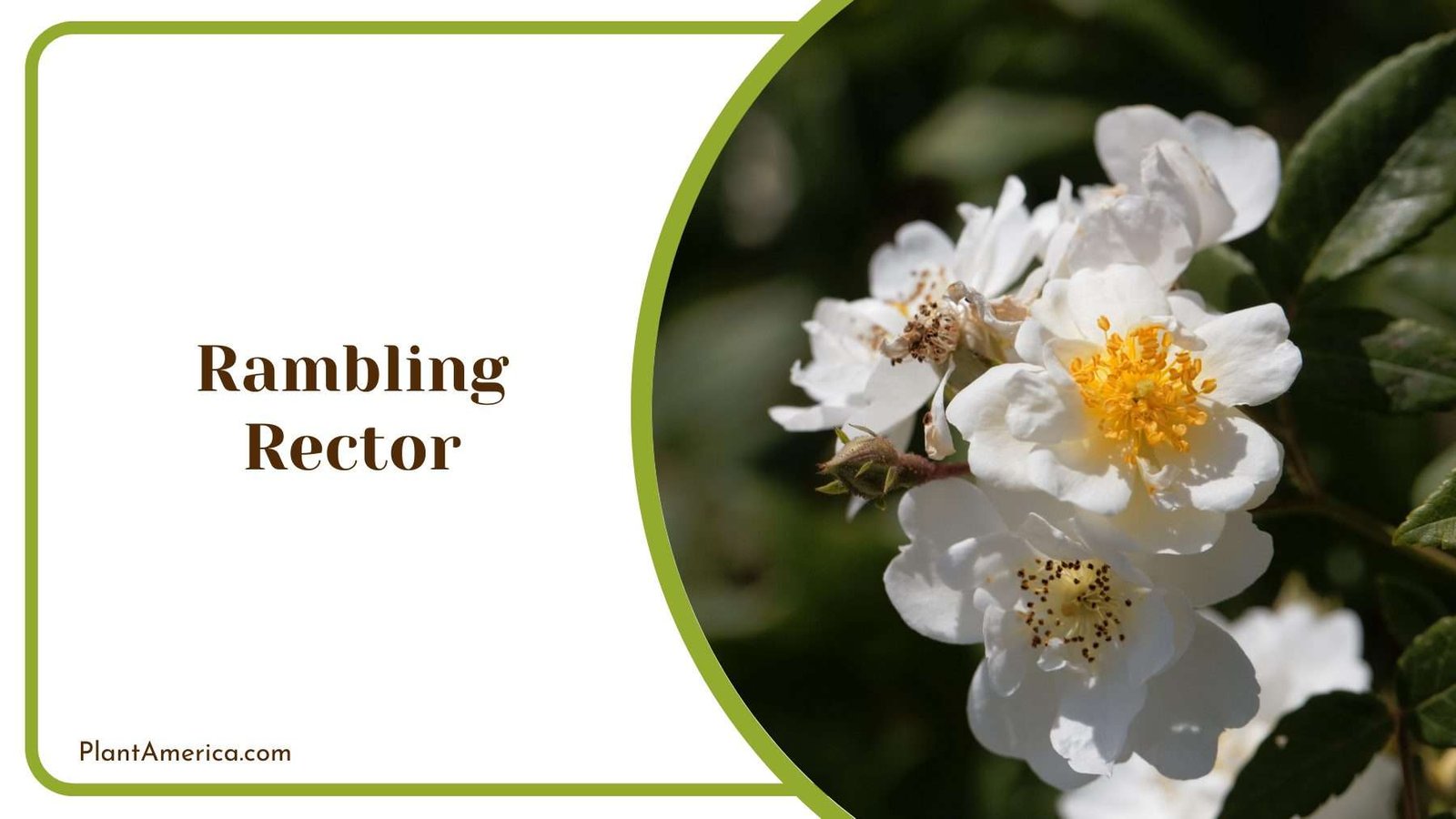
- Growing Season: Spring, Summer
- Leaf Type: Broad, Dark green leaves
- Specific Needs: Prefers full sun. Moisture-retentive soil
- Common Pests: None
Rambling Rector brings a vibrant glow to your garden with these cheerful clusters of bright pink blooms that keep popping up all summer. This go-getter of a climber earned its name for how quickly it spreads and covers large areas.
For this beauty to thrive, it loves soaking up the full sun and needs soil that retains moisture just right. Mix in organic goodies like compost or shredded leaves before planting to help the soil keep that ideal moisture level. Keep up with watering during the flowering times to ensure you get loads of those beautiful blooms.
Give it a trim in early spring by snipping the canes down by about one-third to encourage fresh, dense growth. Watch out for those pesky black spots, especially shady and damp ones. Keep the air flowing and the leaves dry, and if any leaves show signs of disease, pluck them off pronto to stop them from spreading.
When this charmer starts climbing up arbors, fences, or walls, those bright pink blooms put on a happy show. You’ll have bursts of color from spring to summer, lightly scented and sure to attract helpful pollinators. And here’s a tip: trim off the spent flowers to keep this prolific producer going strong with blooms all season. Its knack for climbing makes it the perfect pick for adding a lovely touch to any structure.
5. Golden Showers
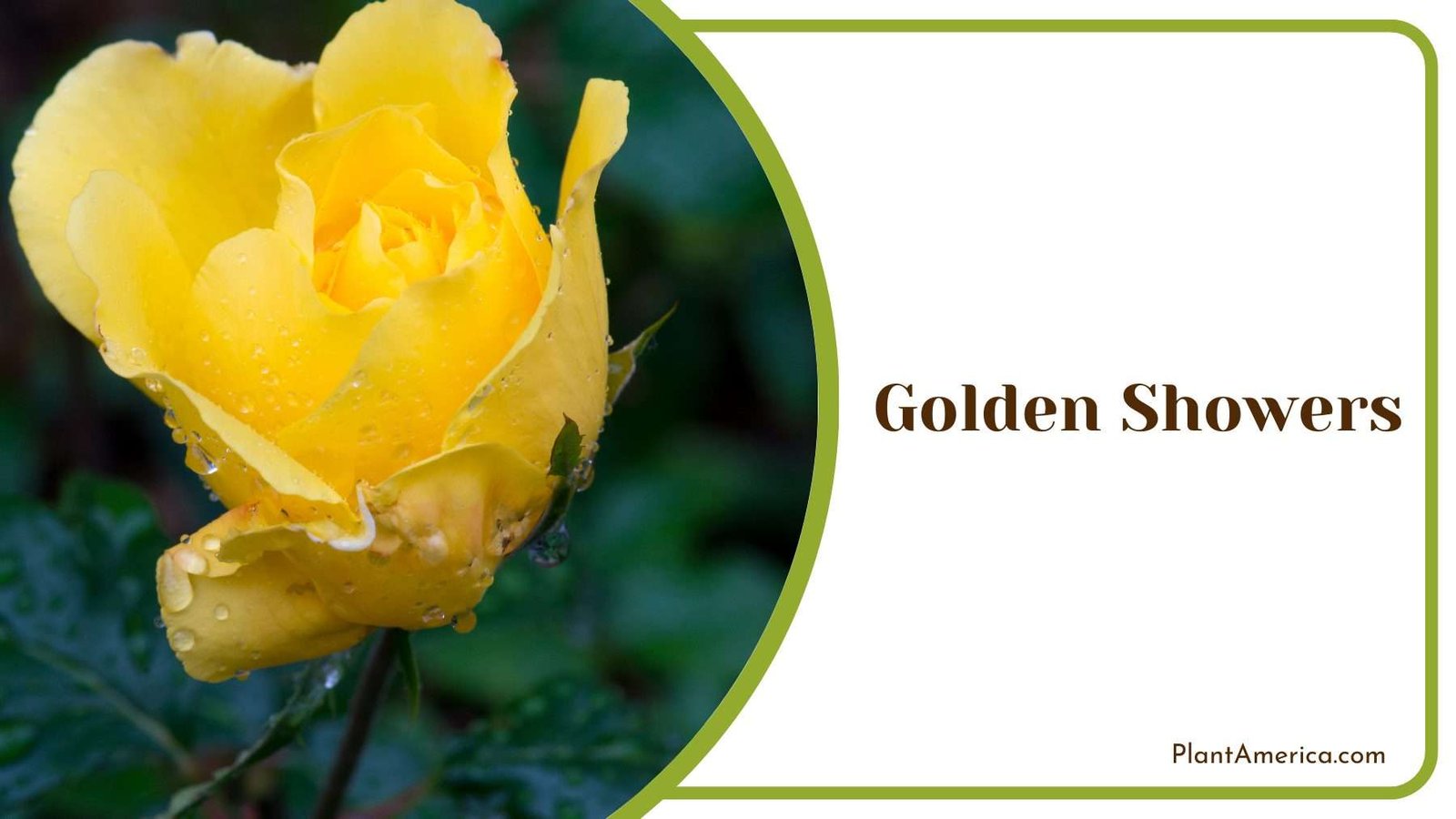
- Growing Season: Spring, Fall bloom
- Leaf Type: Glossy, Compound leaves
- Specific Needs: Prefers full sun. Moisture-retentive soil
- Common Pests: Mildew
Golden Showers draw attention with an explosion of bright golden yellow blooms. Clusters of frilly flowers smother this hardy climbing rose from spring through fall. Its vibrant color makes quite a visual impact when blanketing fences, trellises, or walls.
Golden Showers need a site with full sun and soil with good moisture retention, like amended planting beds, to thrive. Consistent water is essential, especially in the hot summer, to keep leaves and blooms lush.
Feeding monthly with an organic fertilizer high in phosphorus and potassium will boost blooming. These balanced nutrients encourage more flowers and support the plant’s extensive growth habit. Staking guides as it climbs vigorously.
The cheerful display of golden flowers cheers up any garden space for months. Their bright color and a swarm of yellow make quite a memorable floral display whether you view them from indoors looking out or outdoors passing by. Plus, Golden Showers attract many pollinators with its abundant nectar source. It’s easy to see why this is such a favorite old garden rose for cladding walls and draping trellises in constant summer sunshine.
6. White Dorothy Perkins
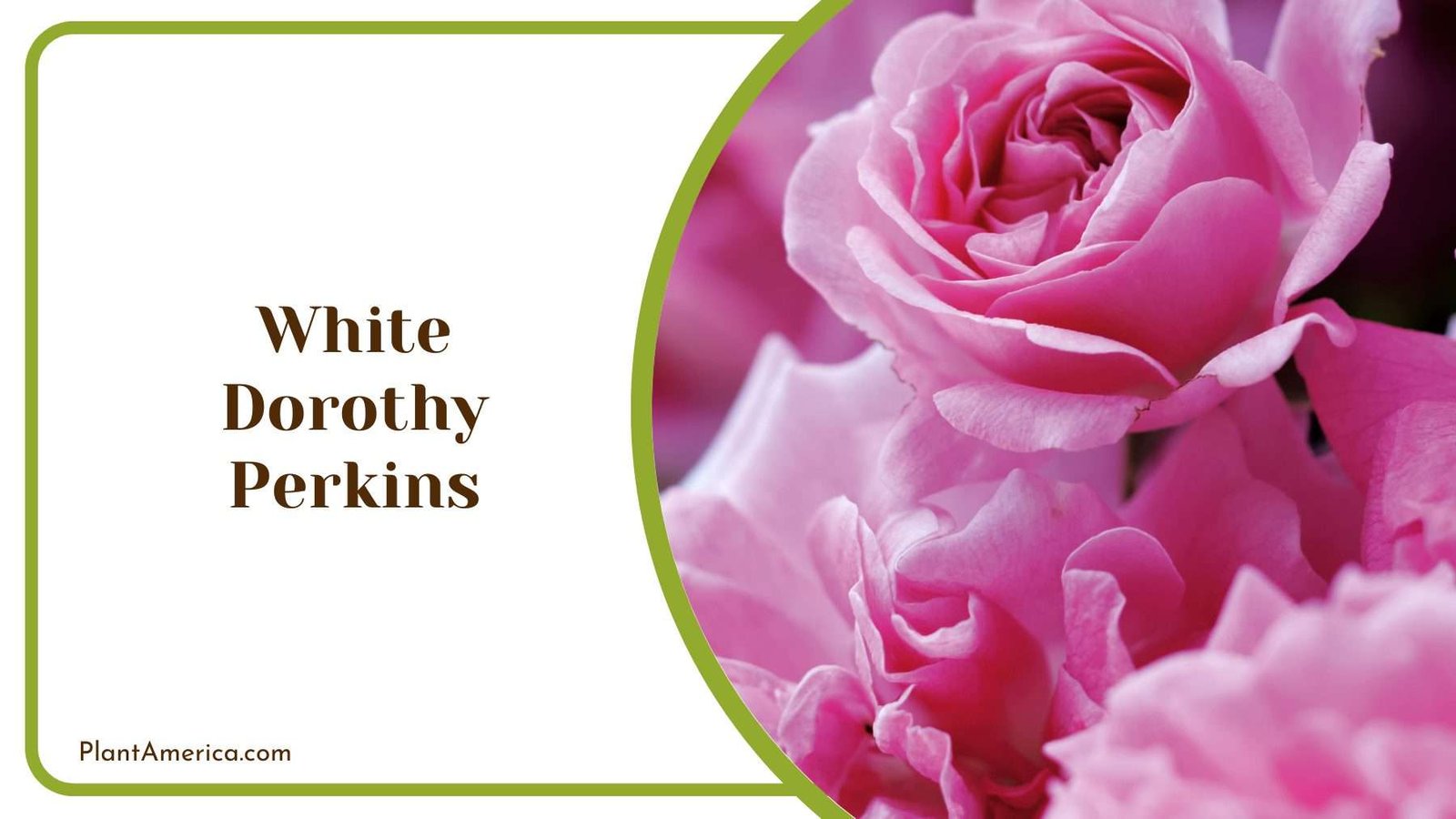
- Growing Season: Spring, Fall
- Leaf Type: Compound, Dark green
- Specific Needs: Prefers full sun. Average soil
- Common Pests: Aphids
White Dorothy Perkins is prized for its vigorous climbing habit and pure white blooms. Clusters of small, double flowers completely smother available surfaces from spring through fall. Its rapid growth makes it perfect for use as a screen or for quickly covering large areas like walls or fences.
This adaptable climbing rose thrives with at least six hours of direct sun daily and average, well-draining soil. Ensure good moisture by amending planting beds before planting and watering consistently throughout flowering periods.
White Dorothy Perkins is useful for screening unsightly areas or providing privacy between yards. It is also economical to install, as a few plants are needed to produce a dense, blooming screen quickly. It’s also lovely when trained onto an obelisk, archway, or other focal structure where abundant flowers can be viewed up close.
Fast-growing and wholly covered with single white blooms for months, it’s easy to see why this variety has been popular since the early 1900s. Low-maintenance and versatile, White Dorothy Perkins is sure to dress up any spot in your garden.
7. New Dawn
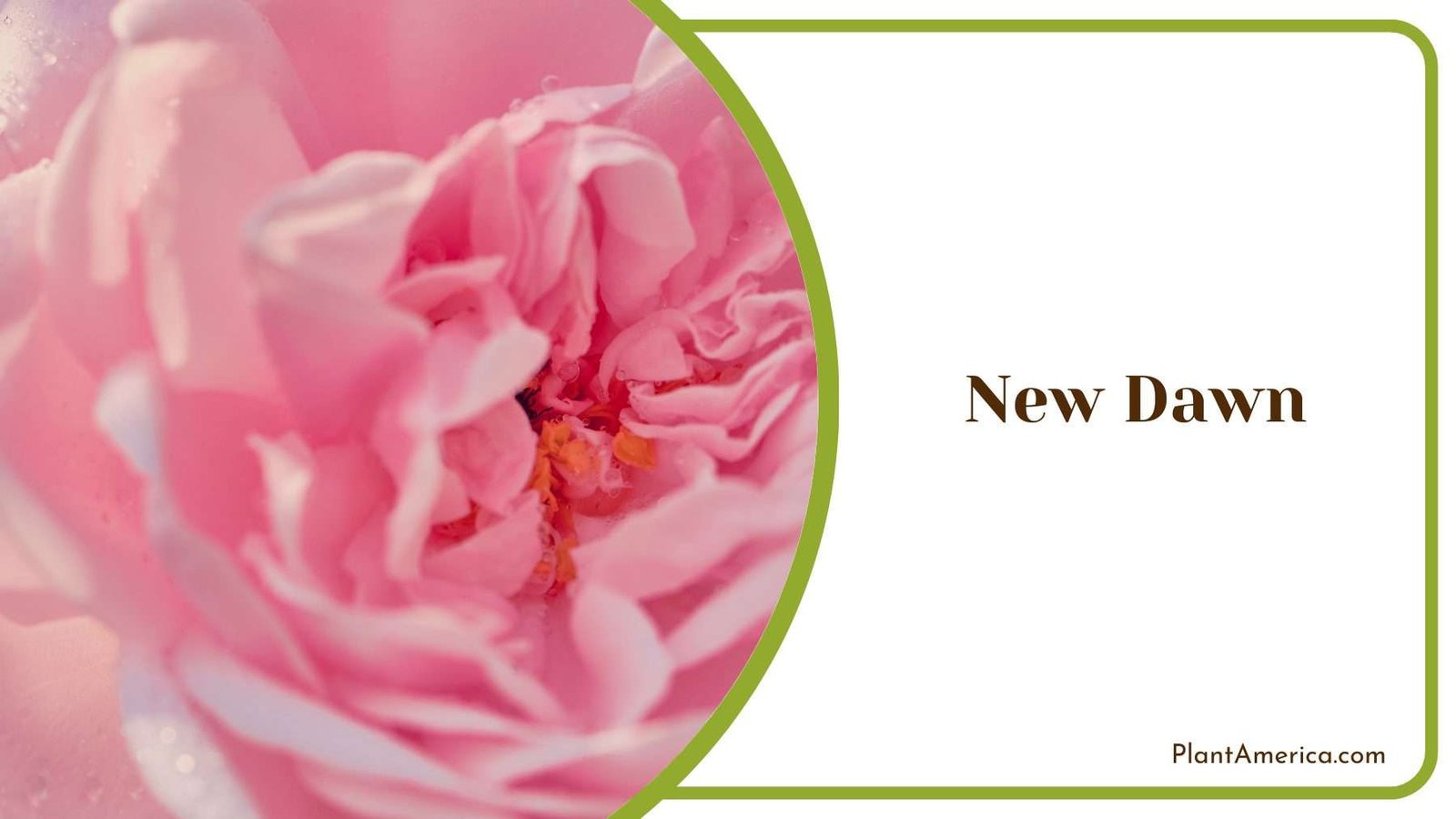
- Growing Season: Spring, Fall bloom
- Leaf Type: Glossy, Compound leaves
- Specific Needs: Prefers full sun. Average soil
- Common Pests: Powdery mildew
New Dawn is a gem known for its fragrant blooms that grace us from spring right through to fall. Picture this: pink buds slowly unfurl into stunning pale blush flowers with a white center, and as they mature, they take on these lovely soft pink tones.
This hybrid tea rose has a knack for growing in a vase-like shape, which makes it a superstar for covering arbors and trellises. Its shiny leaves create a beautiful backdrop for those clusters of blooms. Give it plenty of sun and well-draining soil, and prep the planting area before popping it into the ground. Keep up with watering when the flowers are out to play.
Come spring, give it a little trim to shape it up and let the air flow through—it keeps those pesky fungal issues at bay. And to amp up those blooms, give them a monthly dose of fertilizer during their peak flowering times. Plus, give it some support with stakes or a trellis so those medium-sized bushes can show off their blooms in all their glory.
New Dawn’s blooms are like artwork, adding splashes of color and sweet scents to gardens almost all year round. The best part? They keep changing hues from soft pink to white throughout the season. No matter where you are, this hybrid tea climbing rose will surely steal your heart with its charm.
8. Lady of Shalott
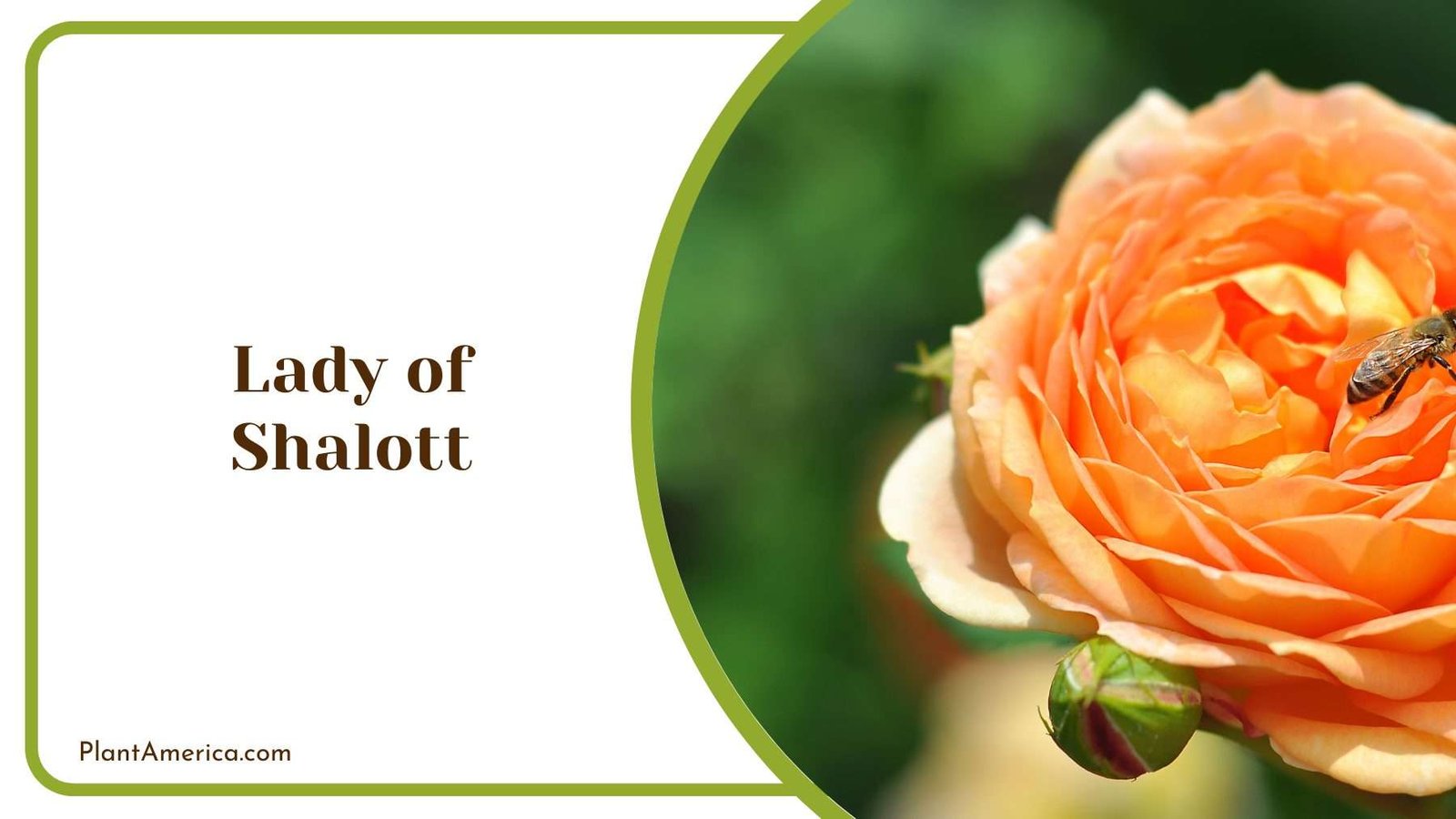
- Growing Season: Spring, Summer
- Leaf Type: Glossy, Compound leaves
- Specific Needs: Prefers full sun. Fertile soil
- Common Pests: Powdery mildew
Lady of Shalott enchants with cups of soft apricot pink blooms. This repeat-blooming climber produces lovely clusters of ruffled flowers throughout the warmer months. Its glossy, deep green foliage provides an attractive backdrop for the glowing blooms.
Lady of Shalott thrives with at least six hours of direct sun each day and soil rich in organic matter for optimal nutrient levels. Amending beds before planting and applying a balanced organic fertilizer monthly ensures the soil meets its needs. Pruning in early spring promotes vigorous new growth.
The twining stems proliferate to cover fences and walls with beautiful ruffled blooms. Staking or trellising provides support and guidance as the canes twist upwards over the summer. Climbing roses require pruning after flowering to maintain a flexible framework for new growth.
Lady of Shalott offers a delightful, fragrant display from early summer until fall frost. Its soft pink blooms shed an almost ethereal glow, adding romantic charm to any garden setting. Deadheading spent flowers prolong the season of bountiful color. Blackspot and powdery mildew are occasional issues if the foliage is kept dry.
Overall, Lady of Shalott makes a superior choice to decorate porches, arbors, and pergolas where its lovely apricot flowers can be better appreciated. Its long season of graceful blooming is sure to be treasured.
9. Paul’s Himalayan Musk
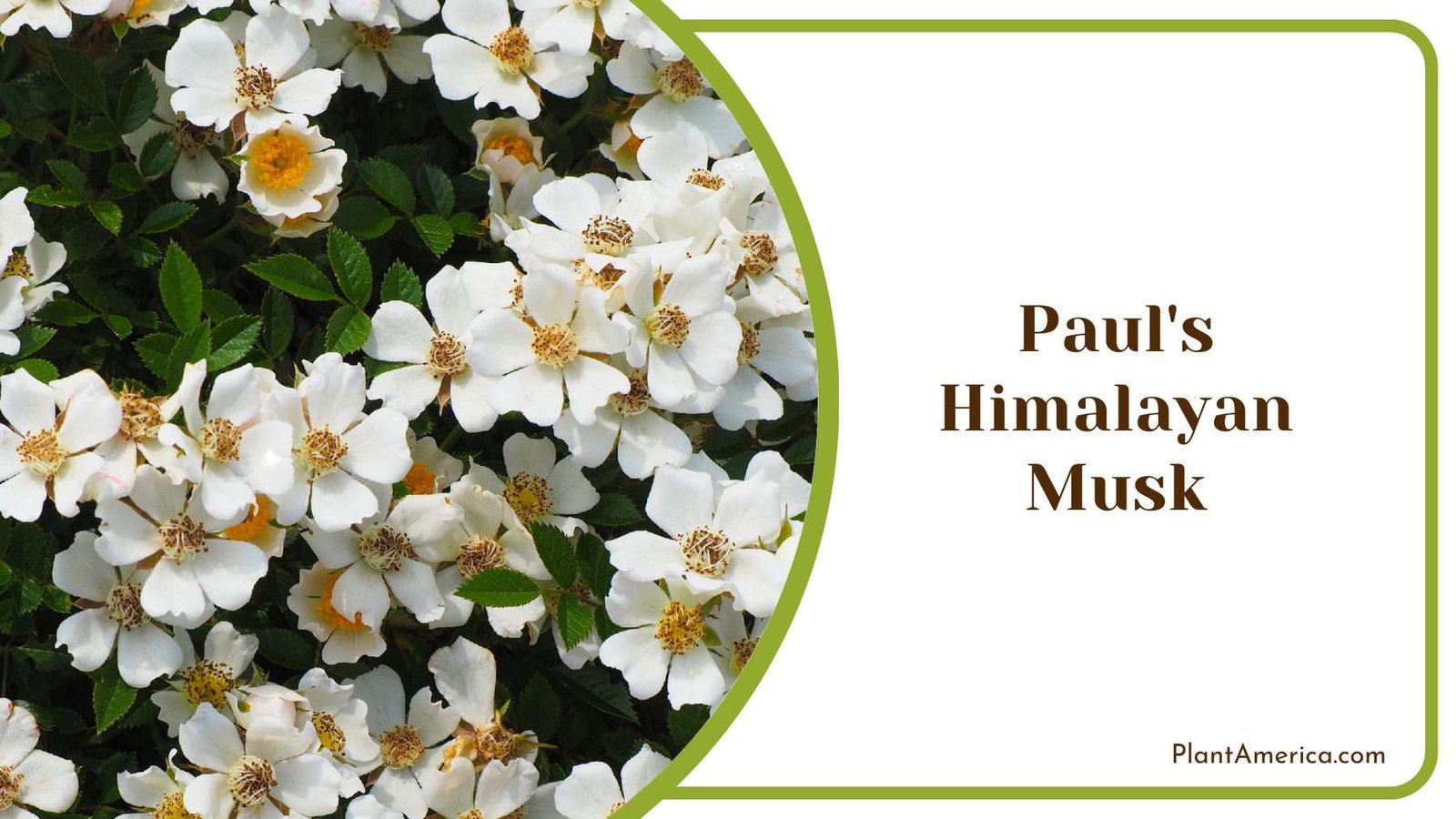
- Growing Season: Spring, Summer
- Leaf Type: Glossy, Compound leaves
- Specific Needs: Prefers full sun. Cold hardy
- Common Pests: Mildew
Paul’s Himalayan Musk is like a fragrant breeze in the garden, showing off its ruffled, soft peachy-pink blooms. This lively climbing rose doesn’t hold back, blessing us with bunches of five-petaled flowers throughout the warmer months.
It’s a tough cookie, thriving in various climates from USDA zones 5 to 9, earning its stripes as one of the hardiest tea roses. Hailing from the rugged Himalayan mountain regions, it’s a champ against temperature swings and all sorts of weather. Those shiny leaves make a perfect backdrop for its cheerful blooms.
This rose is a sun-lover and likes its soil nice and drained. Start by mixing in some organic goodness before planting, and keep it watered well during dry spells to keep those roots happy. After its flowering spree in spring, give it a little trim to shape it up and watch it burst with new growth. And don’t forget to lend it a hand with stakes to support those arching canes as they reach for the sky, carrying those fragrant flowers.
It’s a buzzing hotspot for bees and other pollinators, treating them to nectar galore during the summer months. And that sweet perfume? It drifts on the gentle breeze, spreading joy wherever it goes. As autumn rolls around, it surprises us with ornamental rose hips in shades of coral, adding a touch of winter charm to the landscape.
If you’re after a low-maintenance star for your garden, Paul’s Himalayan Musk is your go-to. It’s a reliable beauty, filling up beds and borders with charm from spring to fall. Trust me, few climbers deliver this level of beauty season after season with so little fuss.
10. Dortmund
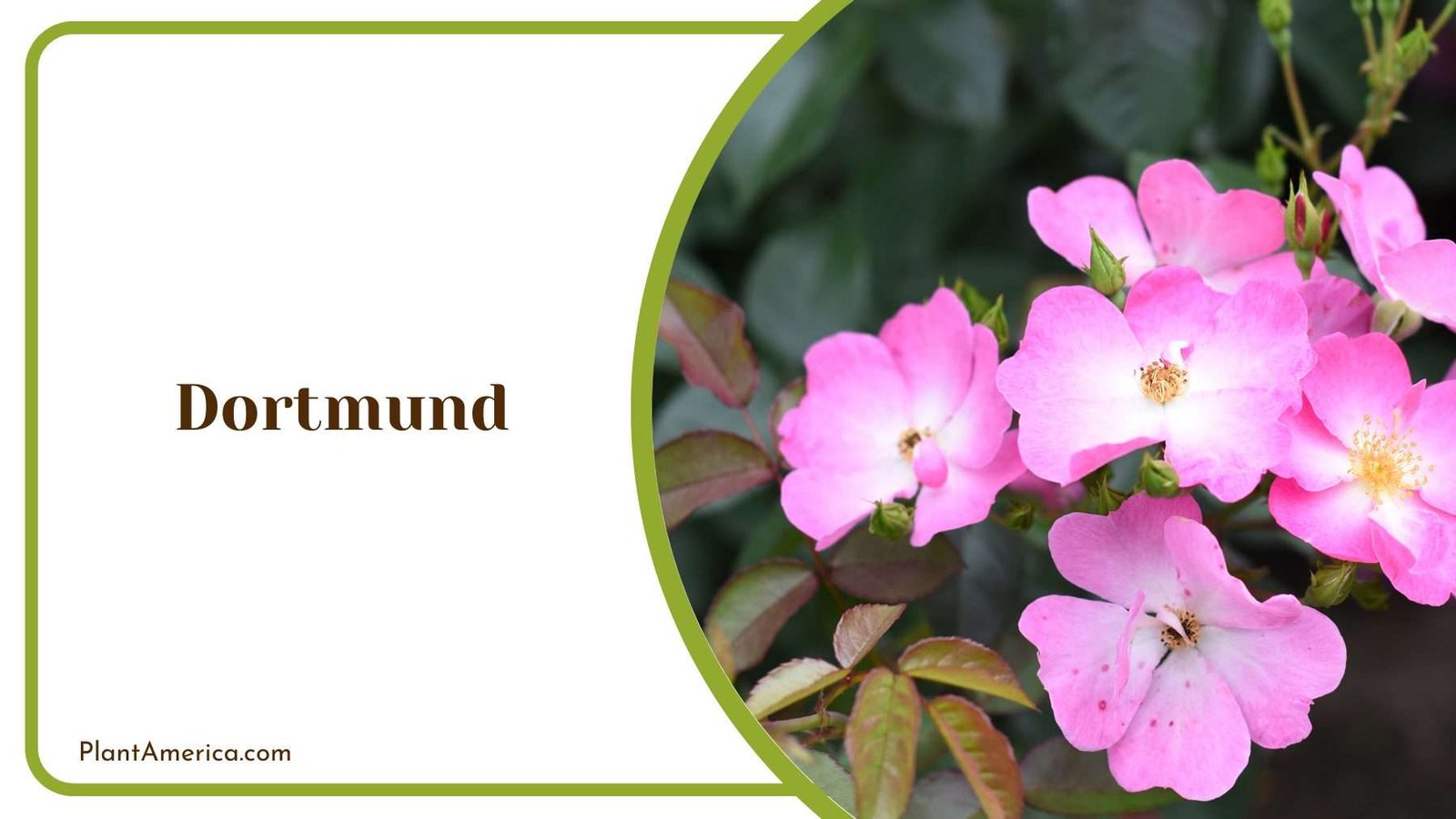
- Growing Season: Spring, Summer bloom
- Leaf Type: Glossy, Dark green leaves
- Specific Needs: Prefers full sun. Well-draining soil
- Common Pests: None
Dortmund stops passersby with its vivid blooms of rich, velvety red edged in dark purple. This climbing rose produces abundant, ruffled flowers that glow stunningly against surrounding greenery from spring through fall.
Dortmund needs a site offering at least six hours of direct sun daily for best results. The soil should drain well to avoid fungal diseases. Amend planting beds with compost or manure before planting to improve drainage and nutrients. Its glossy foliage provides an attractive backdrop for the striking blooms. Prune in early spring before buds swell to shape the plant and promote air circulation to dry leaves quickly.
Staking lends support as the vigorous canes quickly twine upwards. Resistant to disease and pests, it remains reliably floriferous all season. The bold blooms create quite a splash, whether sweeping across an arbor or tumbling over a fence in thrilled abundance.
Dortmund’s bright, cheerful color adds glorious punctuation to beds and borders for months. Throw in the occasional blackspot or mildew issue, but its natural growth habit easily outstrips such ordinary troubles. A premium climbing rose that brings timeless beauty.
11. Bright Smile
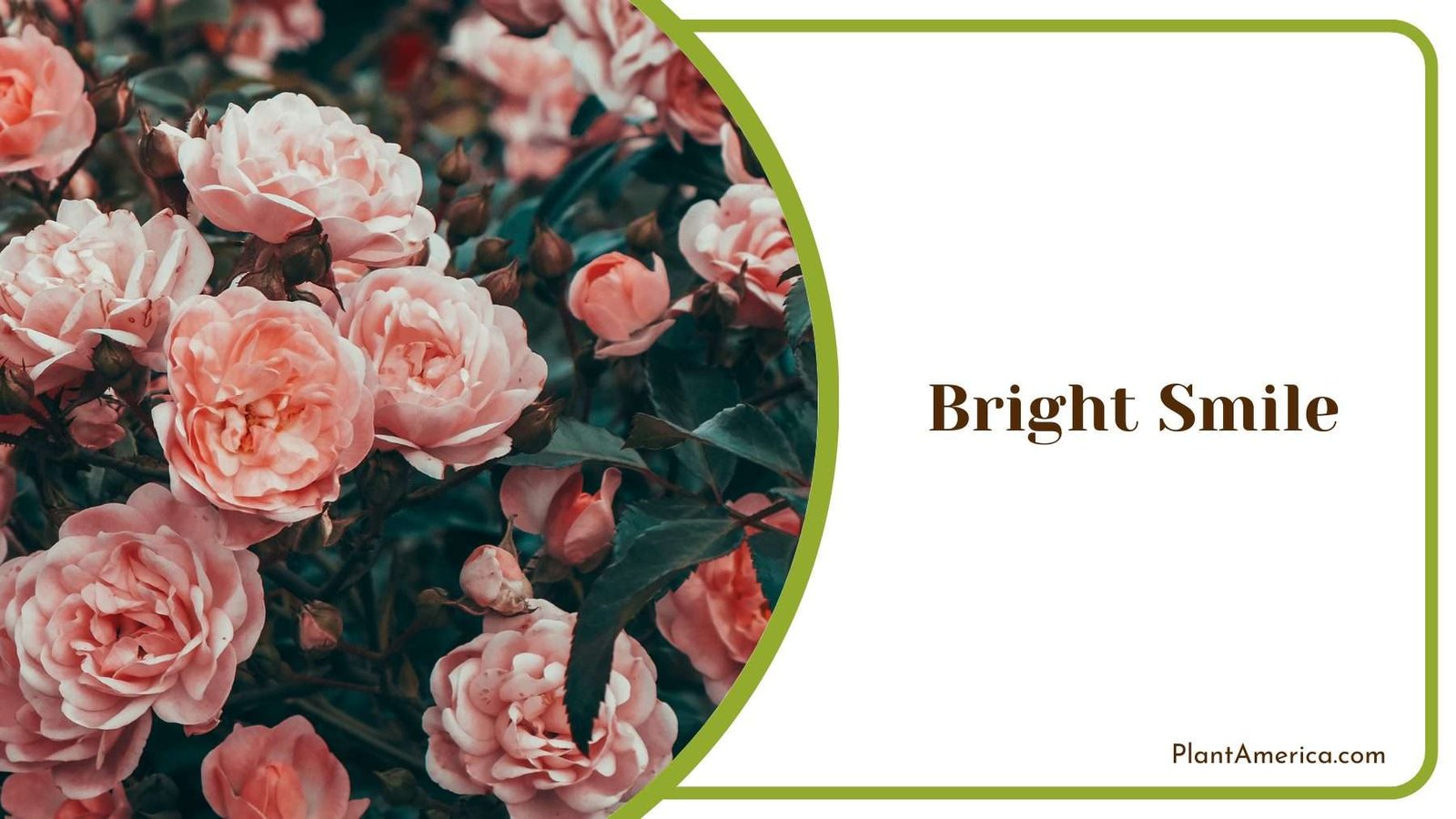
- Growing Season: Summer
- Leaf Type: Compound, dark leaves
- Specific Needs: Full sun. Moisture-retentive soil
- Common Pests: None
Bright Smile is a garden dazzler, boasting loads of semi-double blooms in a stunning raspberry-red hue. These flashy blooms keep coming, putting on a show from mid-summer to fall. And let’s talk about its lush foliage, a perfect backdrop that makes those vibrant flowers pop.
For this beauty to really shine, it craves full sun and some rich, well-draining soil. Before planting, boost those beds with organic stuff to keep the moisture levels in check and give them the nutrients they love. Keep the watering consistent when it’s in bloom. And come early spring, trim it to keep things in shape and the air flowing.
Snip off the faded flowers to keep the blooming party going strong well into the fall. And here’s a tip: feed it some balanced organic fertilizer monthly during its active growth to keep those blooms coming indoors. Look for rust and black issues, especially in damp conditions. If you spot any sick leaves, remove them promptly to keep those problems in check.
Picture bright smile’s raspberry-red blooms tumbling down arbors, pergolas, or pillars, creating this colorful cascade. And when autumn swings by, it surprises us with ornamental hips, adding that extra visual oomph. Those flexible canes need a little guidance, so sturdy stakes come in handy, helping them reach for the sky and shower us with flowers.
There aren’t many climbers that can light up a dull space like Bright Smile. It’s like a summer oasis creator, adding this cheerful charm that’s hard to miss. Its natural charm? Oh, it definitely leaves an impression.
12. Graham Thomas
- Growing Season: Spring, Summer
- Leaf Type: Dark green, Matte leaves
- Specific Needs: Full sun. Moisture-retentive soil
- Common Pests: Rust
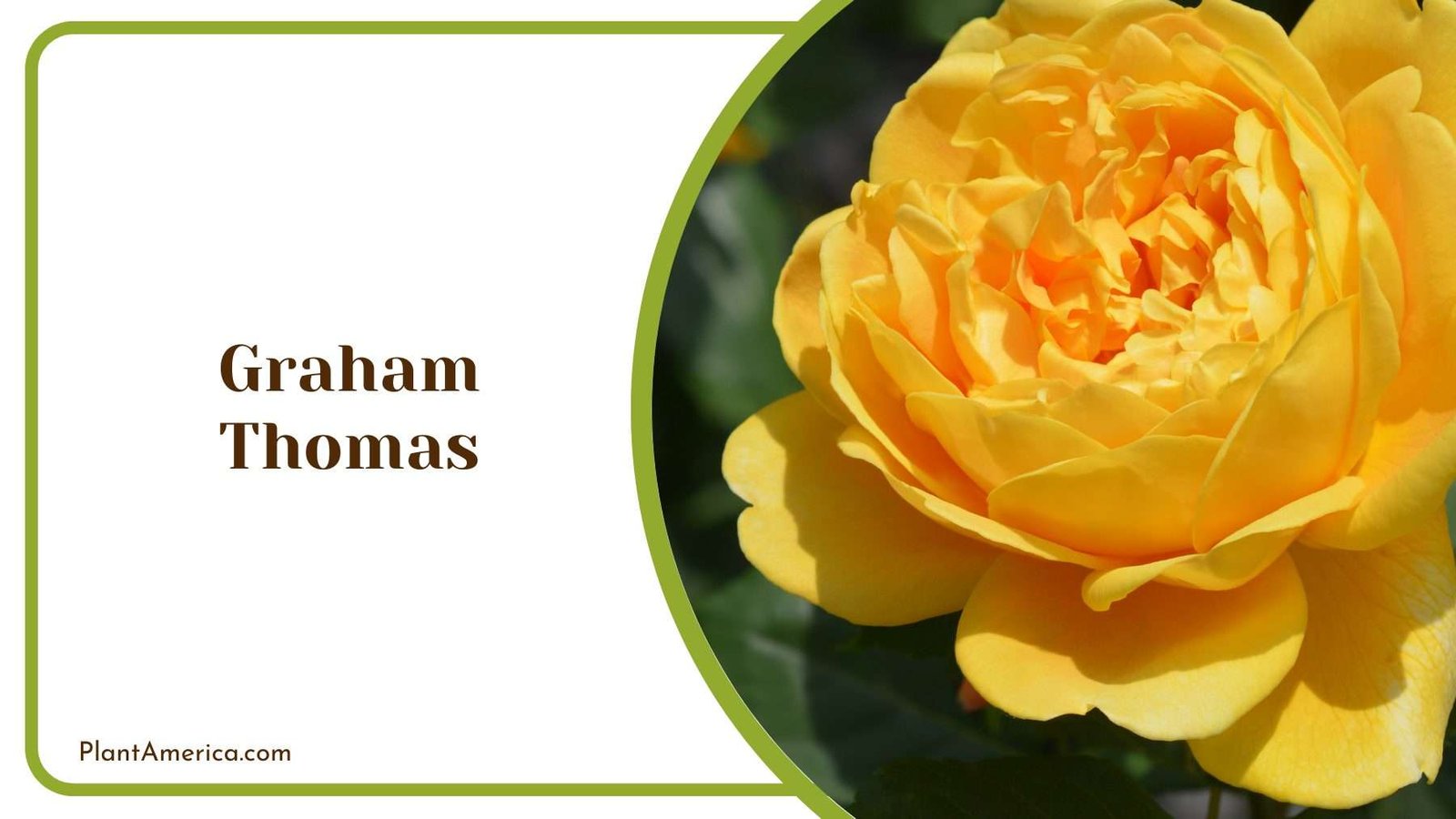
Graham Thomas is a stand-out climbing rose with striking bi-color blooms. Starting as rich, velvety red buds, flowers slowly open wide to reveal a ruffled interior of creamy white. Graham Thomas thrives with at least six hours of direct sun daily for optimal performance. Consistent watering during flowering periods is also necessary.
Its lustrous dark leaves provide an elegant backdrop for the showy blooms. Deadheading spent flowers prolongs the seasons of color. In wet, shady conditions, Graham Thomas may be prone to blackspot or rust, so remove diseased foliage promptly at the first sign.
Whether tumbling over an arbor, blanketing a fence, or draping a pillar, Graham Thomas makes quite the visual impact with its dramatic two-tone blooms. Bees and butterflies flock to feast on its ample nectar supply throughout summer. Come fall, decorative rose hips add ornamental interest into the dormant season.
This vigorous climber is at home, covering large surfaces with a sheet of floral cheer. Staking guides as it weaves its way skywards. Few roses outdo Graham Thomas’ ability to transform a space into a glorious summer showplace year after year with minimal care. Combined hardiness, charm, and dependability make it an ideal choice for filling empty corners with seasonal splendor.
13. Mary Rose
- Growing Season: Spring, Summer
- Leaf Type: Glossy, Dark green leaves
- Specific Needs: Prefers full sun. Well-draining soil
- Common Pests: None
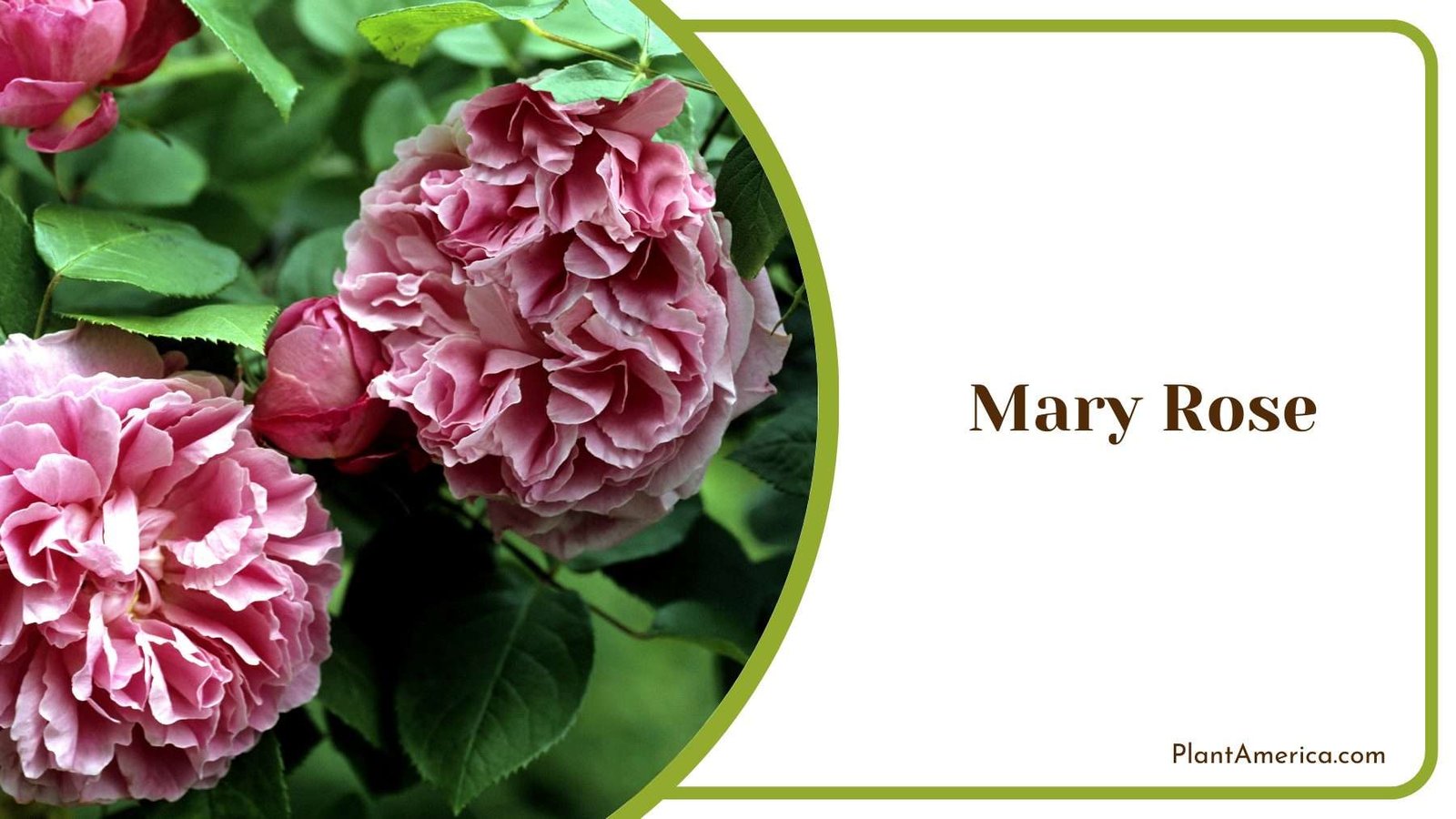
Meet Mary Rose, a heart-stealer with her abundance of soft pink blooms that keep coming from spring to fall. This lively climbing rose throws out clusters of those frilly flowers in this lovely pale blush color.
Mary’s all about that sun. She thrives on at least six hours of it every day for her best performance. She’s particular about her soil, too, and likes it well-structured and free-draining, but throws in some organic goodies for that extra boost. This way, the soil stays just right, not too soggy but packed with nutrients.
She’s a bit thirsty during flowering and fruiting times, so keep that water coming consistently. And when winter rolls around, give her a gentle trim to keep her shape in check and help the air move around. It keeps those pesky mildew and rust issues at bay.
For months, imagine Mary Rose draping herself over a garden arch, swirling up a pergola, or happily spilling over a fence, painting everything in cheerful pink. She’s not just pretty; she’s reliable, too, sticking around well into late fall, giving us that last bit of summer spirit.
Mary Rose is your girl if you want a corner, pathway, or empty wall to shine. She’s got the looks, the toughness, and that enduring charm that never goes out of style. Trust me, a few bouquets can match up to Mary Rose, year after year, with a bit of care and lots of sunlight. She’s a true showstopper.
14. Thérèse Bugnet
- Growing Season: Spring, Summer
- Leaf Type: Deep green, Glossy leaves
- Specific Needs: Full sun. Well-draining soil
- Common Pests: Powdery mildew
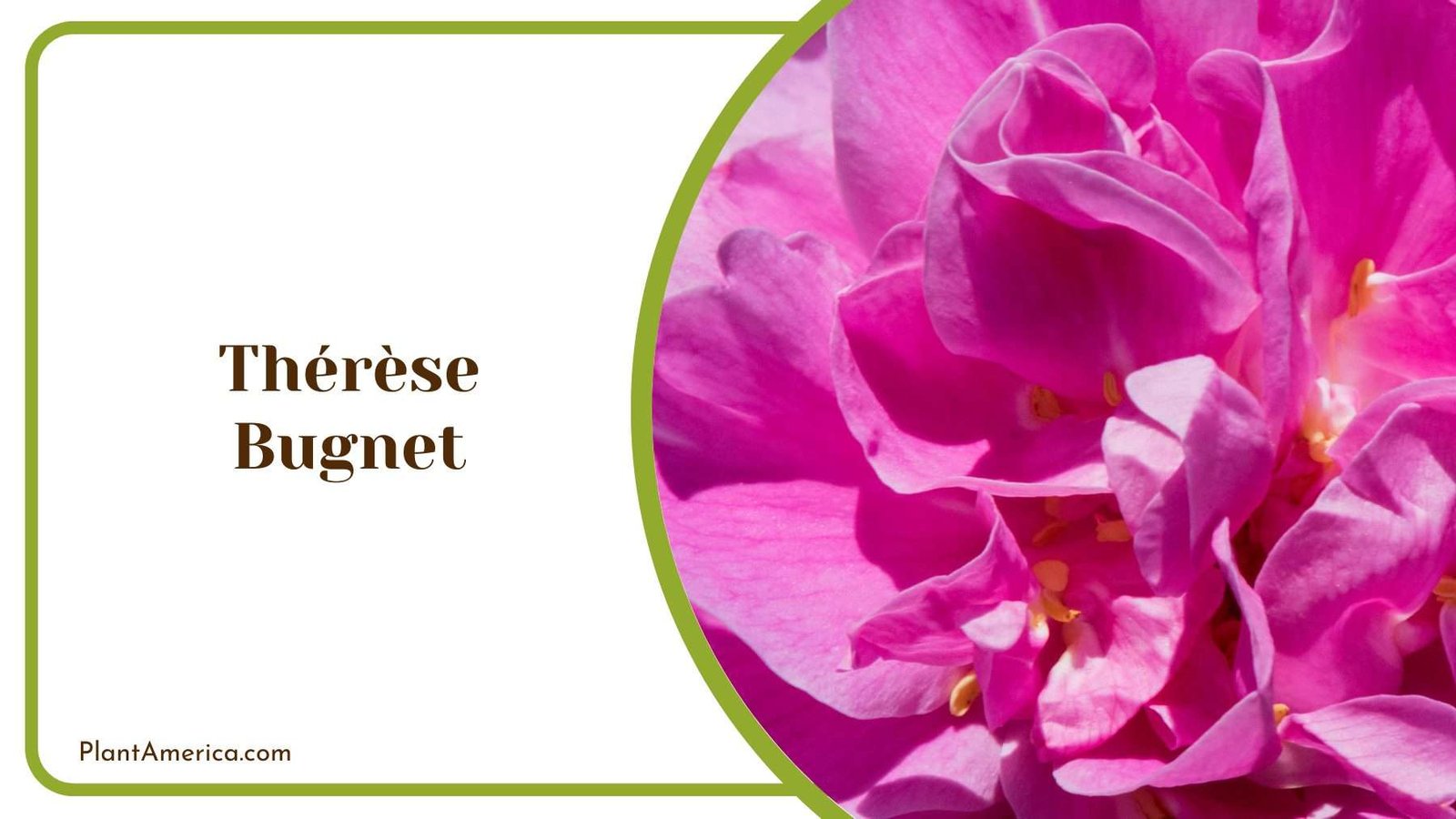
Let me introduce you to Thérèse Bugnet, an absolute treasure with its lush display of semi-double blooms in this warm, welcoming apricot hue. These ruffled flowers come in large bunches, covering those long canes from spring to fall, painting any surface in vibrant, cheerful colors.
This climber is all about that sunshine and some well-drained soil. Prep that soil with loads of organic goodness before planting, and Thérèse will thank you. Keep the watering consistent during flowering to keep those blooms coming non-stop. When winter knocks, give it a gentle prune to keep it open and ready for new growth.
To keep that floral parade going strong well into autumn, it’s important to snip off the faded flowers. Thérèse Bugnet’s glossy leaves are the perfect backdrop, drawing in beneficial insects and butterflies. Keep an eye on the leaves—dampness might invite trouble like black or powdery mildew. If you spot any affected leaves, then act fast to stop the spread.
Imagine this beauty gracing a sunny doorway, flowing gracefully along a fence, or providing a natural screen. Thérèse Bugnet can transform any spot into a picturesque oasis with those charming apricot flowers. And when fall arrives, those rose hips add an extra touch of visual appeal, making transitions between seasons even more beautiful.
What’s impressive about Thérèse Bugnet is how effortlessly stunning it is while being so low maintenance. It’s like a steady shower of blooms all season long with hardly any fuss. Adding this splendid rose to your garden will bless any space with its lasting beauty every summer.
15. Zéphirine Drouhin
- Growing Season: Spring, Summer
- Leaf Type: Glossy, Compound leaves
- Specific Needs: Full sun. Rich soil
- Common Pests: None
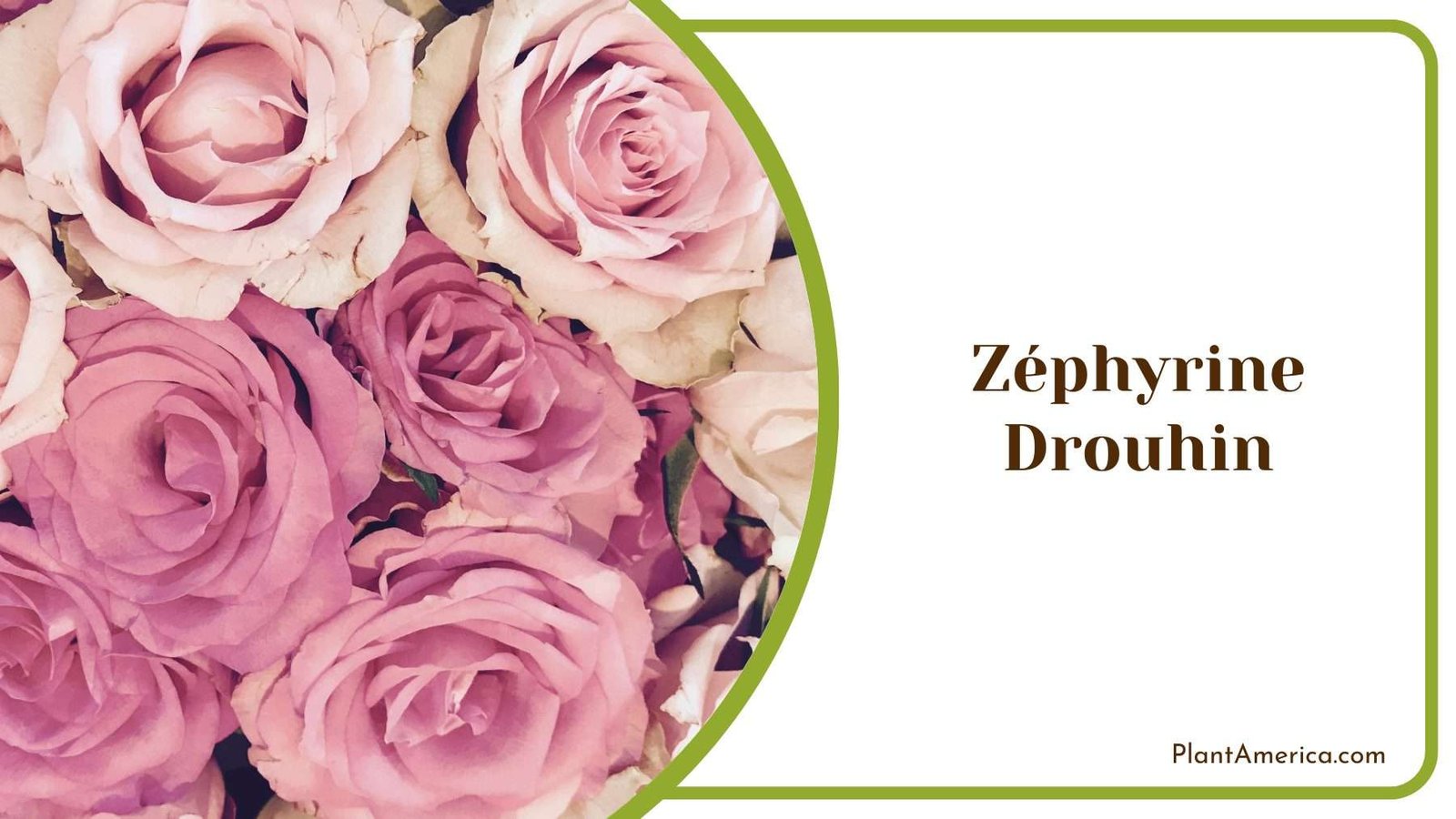
Zéphyrine Drouhin delights with an explosion of ruffled pink blooms appearing continuously from spring through fall. Abundant posies smother this vigorous climber in waves of cheerful color. Thriving best in nutrient-rich soil with at least six hours of direct sun daily, Zéphyrine Drouhin flourishes with consistent care. Amend planting beds before planting and provide balanced organic fertilizer for continuous bloom cycles.
Prune lightly after flowering each year to maintain an airy framework well-suited for its exuberant growth. Deadhead spent flowers to enjoy floral displays deep into fall. Monitor leaves and remove any becoming diseased. Whether covering an arbor entrance or draping a fence line in flowing tiers of pink, Zéphyrine Drouhin transforms dull areas into summer oases. Wildlife happily shares in its prolific nectar rewards too.
16. Blush Noisette
- Growing Season: Spring, Summer
- Leaf Type: Glossy, Compound leaves
- Specific Needs: Full sun. Well-drained soil
- Common Pests: Powdery mildew
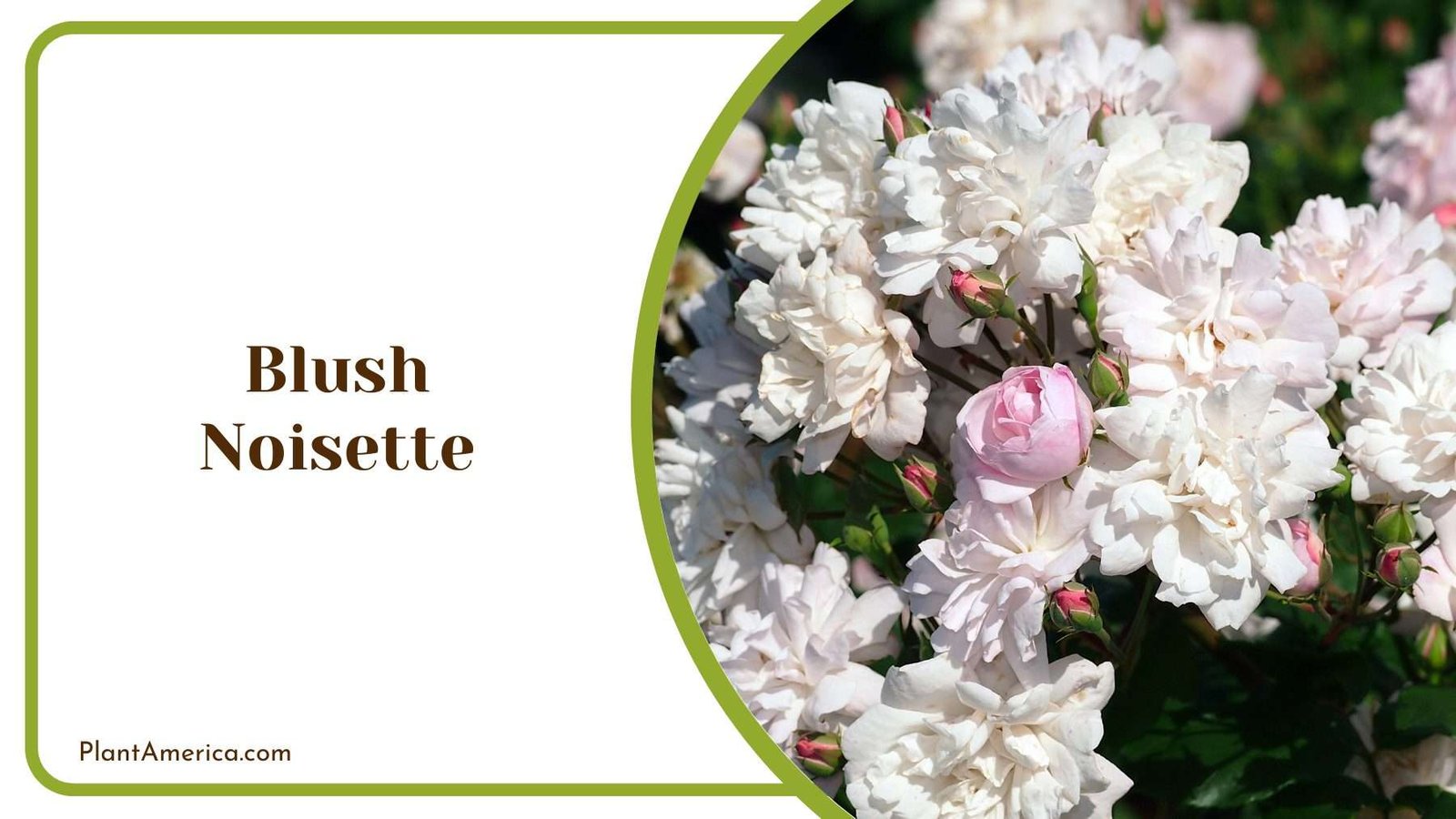
The Blush Noisette is a true charmer in the garden. Its blooms start in this soft apricot pink and cleverly fade into a creamy white, creating a beautiful spectacle. And guess what? These frilly flowers keep coming all the way from spring through to autumn, giving you a constant blanket of beauty.
This climber loves soaking up the sun for at least six hours daily and prefers soil draining well. Before planting, boost its future home by adding some organic goodness to help the soil stay just right; not too dry, not too soggy, especially during flowering when consistent moisture matters.
Once the blossoms finish their run, a light prune keeps things looking open and airy. And if you want more of those gorgeous blooms, snip off the spent ones. Oh, and keep an eye on those leaves. Remove anything that seems unwell to keep things healthy.
This rose is a gem, giving us endless waves of fragrance and petals without needing much attention. Staking helps guide its graceful climb, spreading that radiant color across landscapes year after year. Blush Noisette isn’t just charming; it’s reliable, making it a top choice for any garden.
Conclusion
Climbing roses truly transform outdoor living spaces into floral oases. Some top recommendations include:
- The Lady of Shalott flourishes with abundant apricot blooms spring through fall, renowned for hardiness and disease resistance.
- Graham Thomas is prized for striking bi-colored blooms and a vigorous nature that allows it to fill even the largest areas with prolific flowers.
- Hardy and highly fragrant, Paul’s Himalayan Musk rewards with continual soft pink blooms surviving both heat and cold from summer into fall.
These select climbing roses offer lasting natural beauty with minimal effort. Their resilience means the vibrant color will climb, crawl and cascade reliably for seasons to come.