
Edible perennials provide a tasty way to landscape your yard while cutting down on weeding costs. In this article, you will discover perennial edible plants that yield harvests year after year with little ongoing maintenance.
 From hardy herbs to nutrient-dense greens, the perennials on this list will keep your family enjoying homegrown goodness for seasons to come. Whether you seek low-calorie snacks straight from the garden or ingredients for memorable homemade meals, these edibles can transform any landscape into a low-effort food source worth savoring.
32 Edible Perennials to Plant In Your Garden This Spring
1. Asparagus
- Growing Season: Spring, Early Summer
- Leaf Shape: Fern-like leaves, Spears
- Specific Needs: Full sun, Well draining soil
- Common Pests: Asparagus beetles, Slugs, Snail
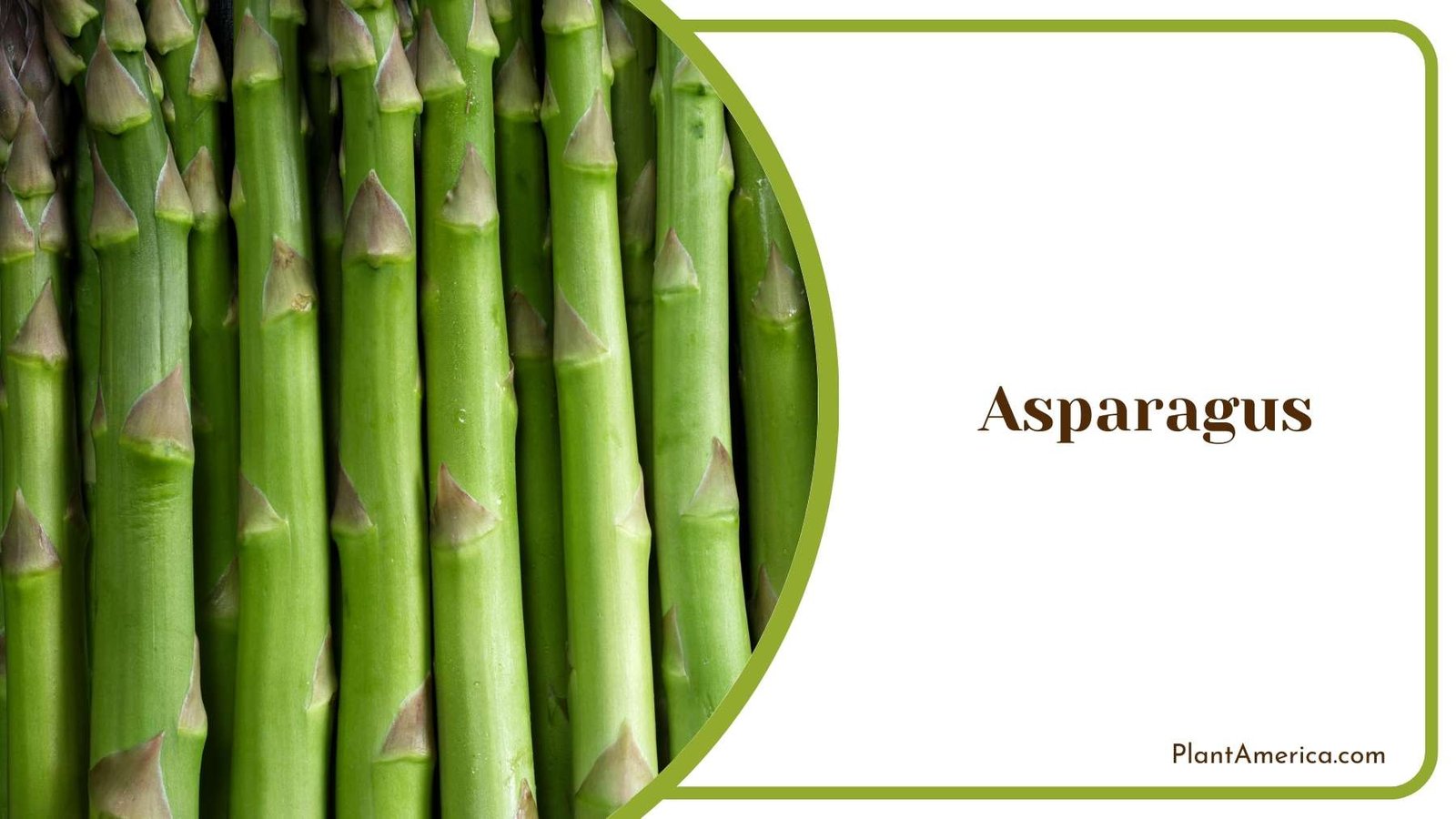
Asparagus is amongst the most delicious perennial vegetables you can grow. Every spring, it provides tasty green spears for several weeks of harvests. The spears are incredibly versatile and can be eaten raw or cooked in many ways. You’d love tossing fat-roasted asparagus spears with a bright lemon-infused olive oil for a simple yet flavorful side dish.
To enjoy maximum harvests from your asparagus bed for many years, give the plants lots of sunshine and keep the soil rich and nutritious. When prepping the soil in your asparagus patch, be generous with compost or other organic matter to feed the deep roots. Asparagus grows rapidly in fertile, drained soil. The only real pest is occasional damage from asparagus beetles, which can chew on the spears.
However, their effects are usually minor before the first autumn frosts. With a little care put into the soil and sunlight requirements, asparagus will reward you with delicious fresh spears to enjoy each spring for 15 years or more. The harvest period may be short, but the perennial nature of asparagus means many satisfying seasonal meals to come.
2. Artichokes
- Growing Season: Spring, Early Summer
- Leaf Shape: Large, Thistle-like
- Specific Needs: Full sun, Well draining soil
- Common Pests: Asparagus beetles, Slugs, Snail
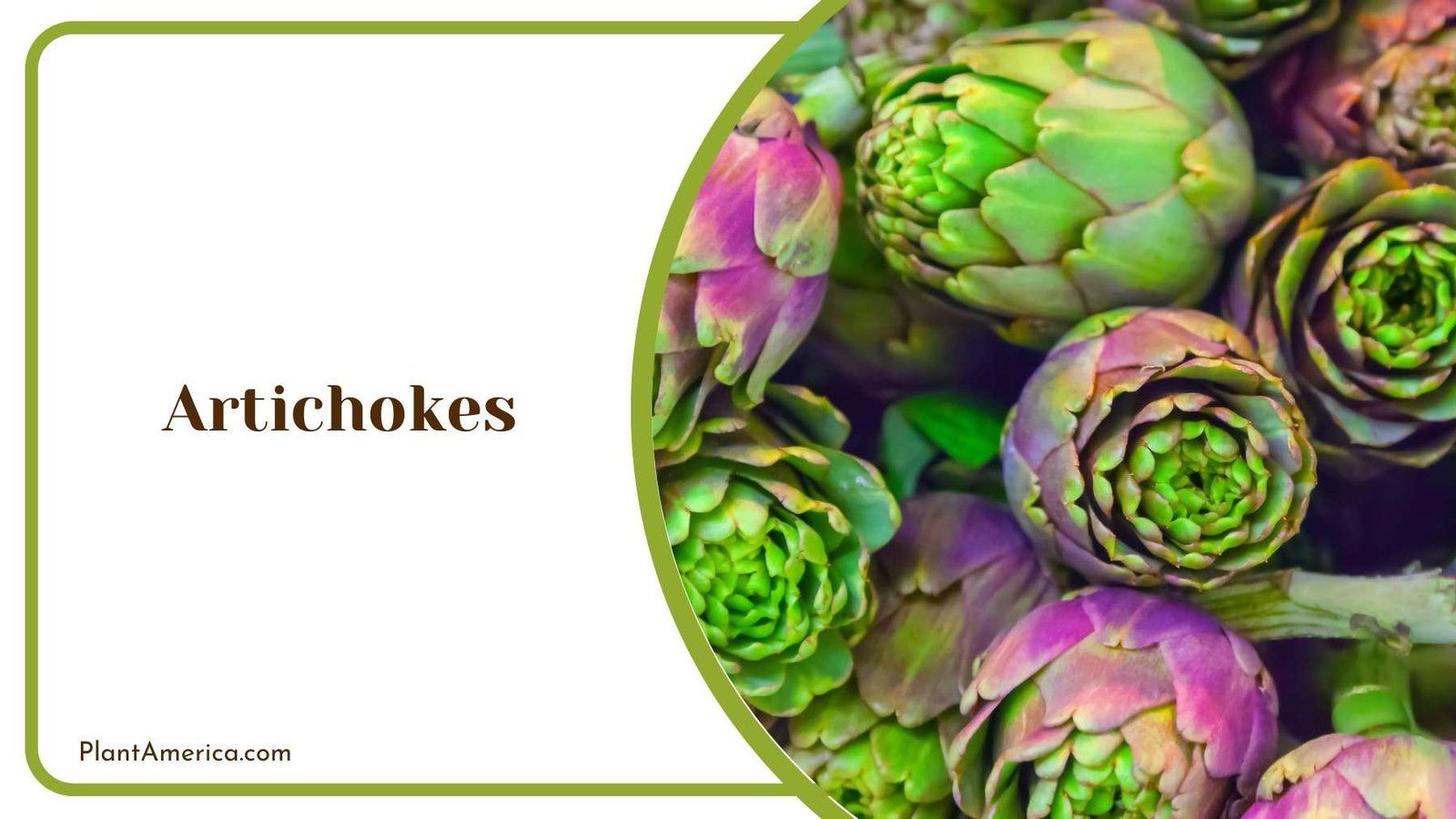
Artichokes are a special vegetable worth the extra effort required to grow and overwinter their tender crowns if you live in colder, hardiness zones. When harvest season arrives, artichokes offer incredible versatility in the kitchen. You’d love nibbling on them raw in salads for their crisp texture and flavor.
But another nice way is to roast entire artichokes low and slow until all the leaves pull off like the petals of an edible flower to reveal the tenderhearted. If you can only grow artichokes as an annual in an area with hard frosts, carefully plan your sowing or transplanting time to allow the plants enough time to mature and produce food before the first fall frost arrives.
Artichokes can face challenges from slugs and snails that love to feast on the large leaves as much as the buds inside. Check underneath leaves before dusk when they slide out to feed. With the right protective measures and a little TLC, you’ll be rewarded with a delicious crop of the “choke” well worth the effort for months of meals.
3. Rhubarb
- Growing Season: Spring, Early Summer
- Leaf Shape: Strap-like green, Vibrant red stalks
- Specific Needs: Full sun, Moist but well-drained soil
- Common Pests: Aphids, Slugs, Leafhoppers
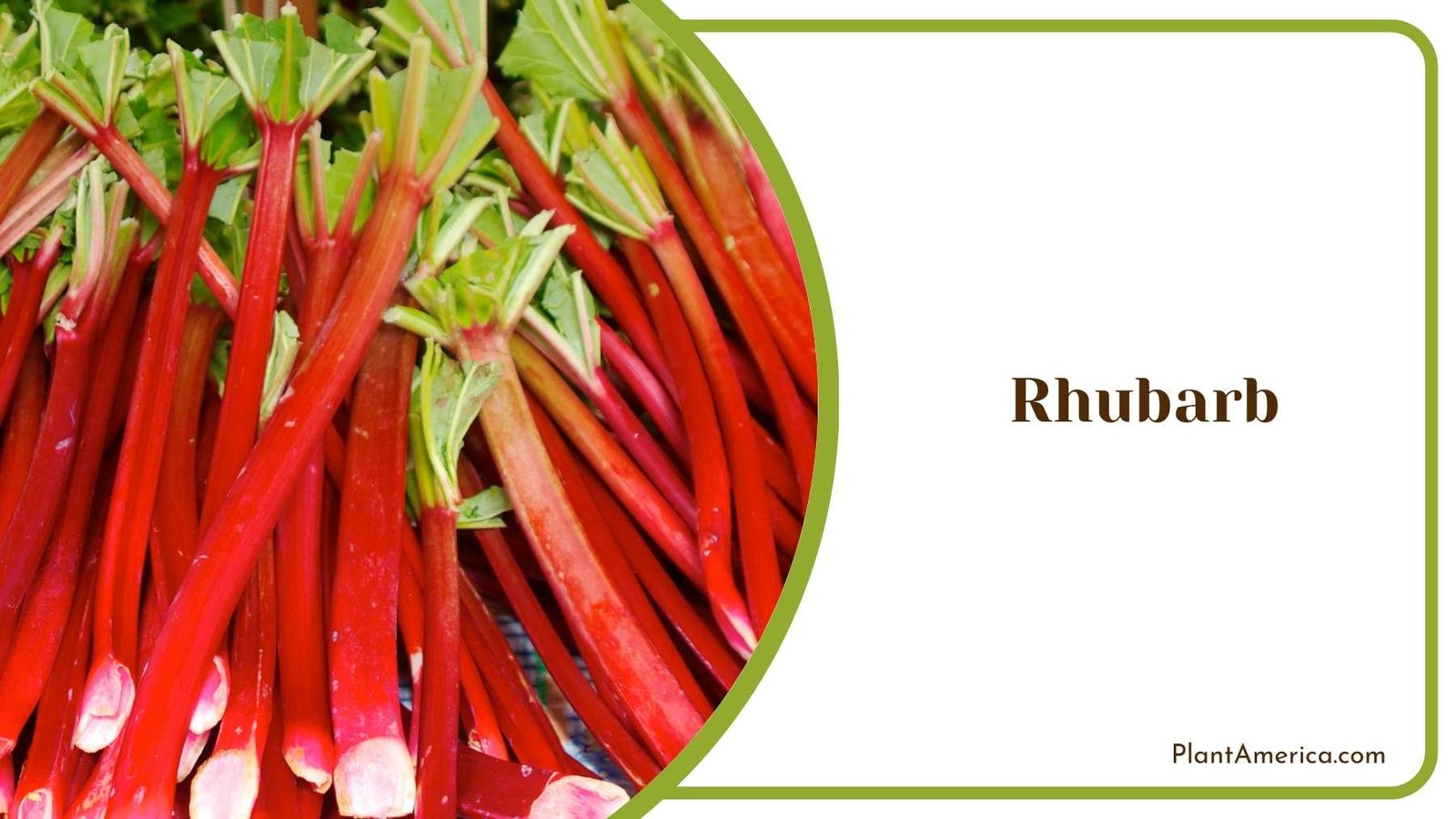
Rhubarb stalks add gorgeous pink hues to pies and crumbles each spring. There is something so cheerful about spotting the vivid pink stalks of rhubarb emerging each spring. Beyond traditional pies and crumbles, You’d enjoy experimenting with unique sweet and savory preparations highlighting rhubarb’s tantalizing tart flavor. Be sure never to consume the rhubarb leaves themselves, as they are toxic.
When preparing the stalks, always discard the leaves and do not compost them where other plants may be affected. Slugs and snails also favor the tender new growth of rhubarb. It’s a good idea to check the underside of leaves periodically for any slimy slugs trying to hide out and feast.
Other than keeping slugs and snails in check, rhubarb requires very little other care through the growing season. It truly is one of the perfect low-effort perennial garden additions. With minimal watering during droughts and no staking required, rhubarb happily returns bigger and better every spring for many years.
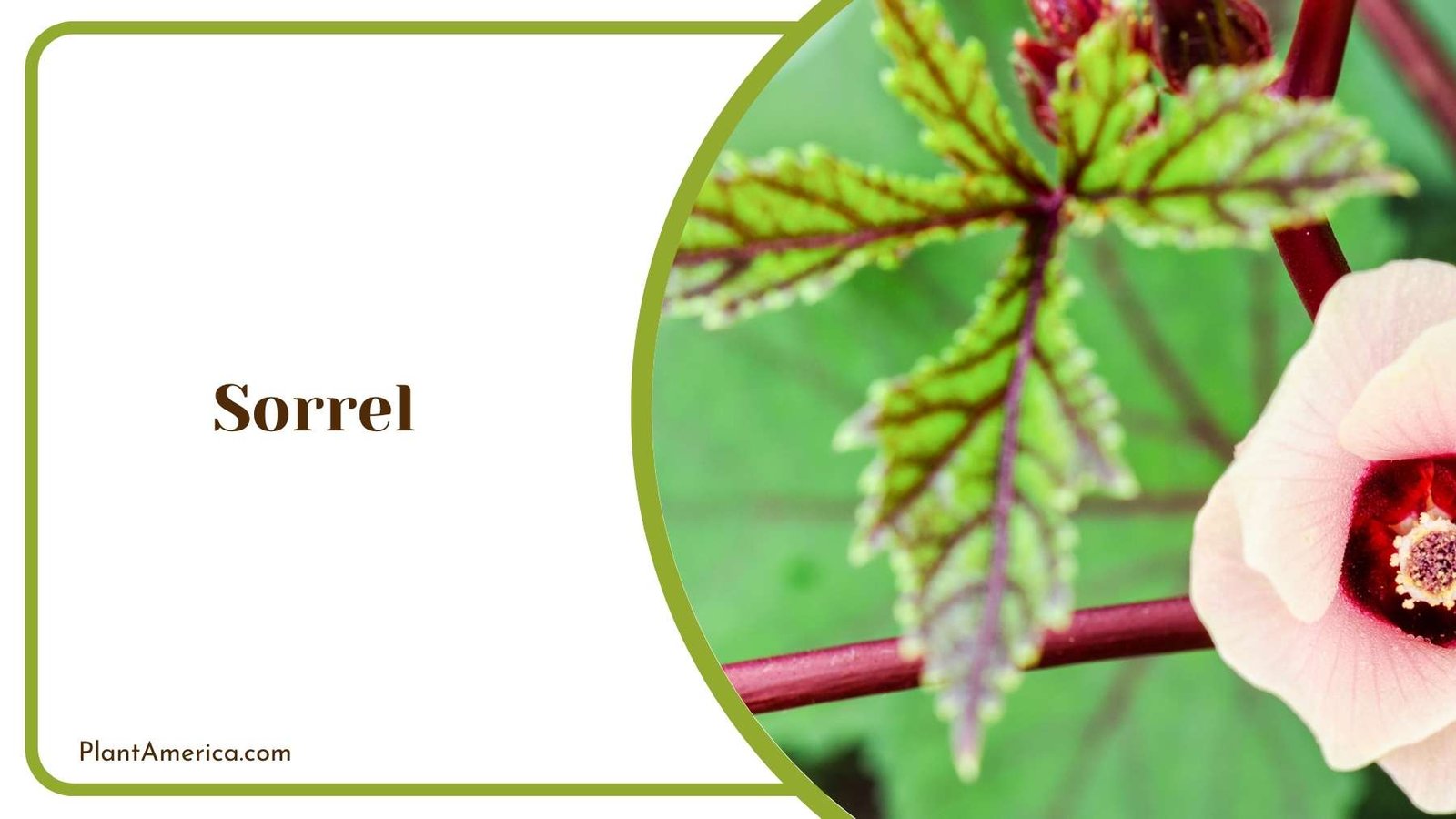
4. Sorrel
- Growing Season: Spring, Early Summer
- Leaf Shape: Arrow-shaped, Green leaves
- Specific Needs: Partial sun, Moist soil
- Common Pests: Slugs, Leafhoppers
The tangy lemony flavor of sorrel is a wonderful addition to soups, salads, and other dishes. As a perennial plant, sorrel only needs minimal care to keep returning year after year. You’d like to harvest the outer leaves from sorrel plants as needed throughout the growing season so that the inner growth remains to keep the plants bushy.
Underneath the leaves is one place slugs seem especially fond of hiding out to feast on sorrel’s succulent foliage. Be sure to periodically check the undersides of leaves and remove any slimy pests.
Applying a protective mulch of straw or leaves around the plant crowns in colder months helps prevent heaving from frost. With occasional harvesting, slug removal, and mulching – sorrel happily spreads to provide that zesty kick of flavor season after Season with little effort. It’s a wonderful perennial herb to grow.
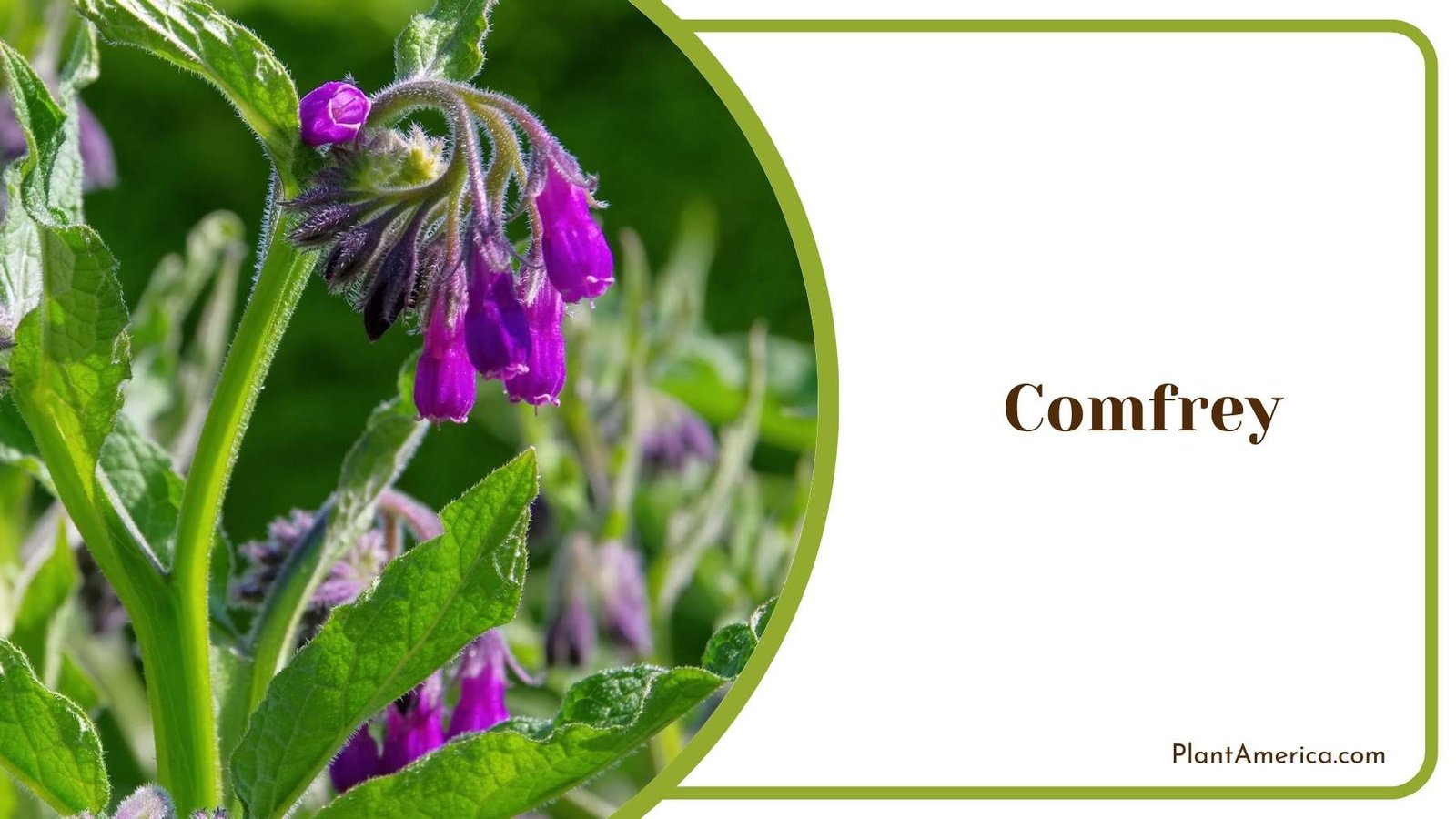
5. Comfrey
- Growing Season: Spring, Summer, Fall
- Leaf Shape: Large, Hairy leave
- Specific Needs: Partial sun, Rich moist so
- Common Pests: Slugs, Leafhoppers
Comfrey is a useful plant to grow in the garden for its edible qualities and ability to act as a natural fertilizer. It grows incredibly rapidly, soon providing plenty of tough leaves that can be directly added to the compost pile or used to make nutrient-dense infused teas. The leaves are tougher than other herbs, but that only sometimes stops curious bunnies from occasionally nibbling on them if other more tender treats are unavailable.
For this reason, it’s best to keep comfrey separated from vegetable beds where you want to prevent potential pest issues. The texture of comfrey is also generally considered better suited to thicker dishes like soups rather than raw in salads. However it is used, comfrey repays the gardener through rapid growth that nourishes plants and soil with its copper, potassium, and nitrogen-rich foliage.
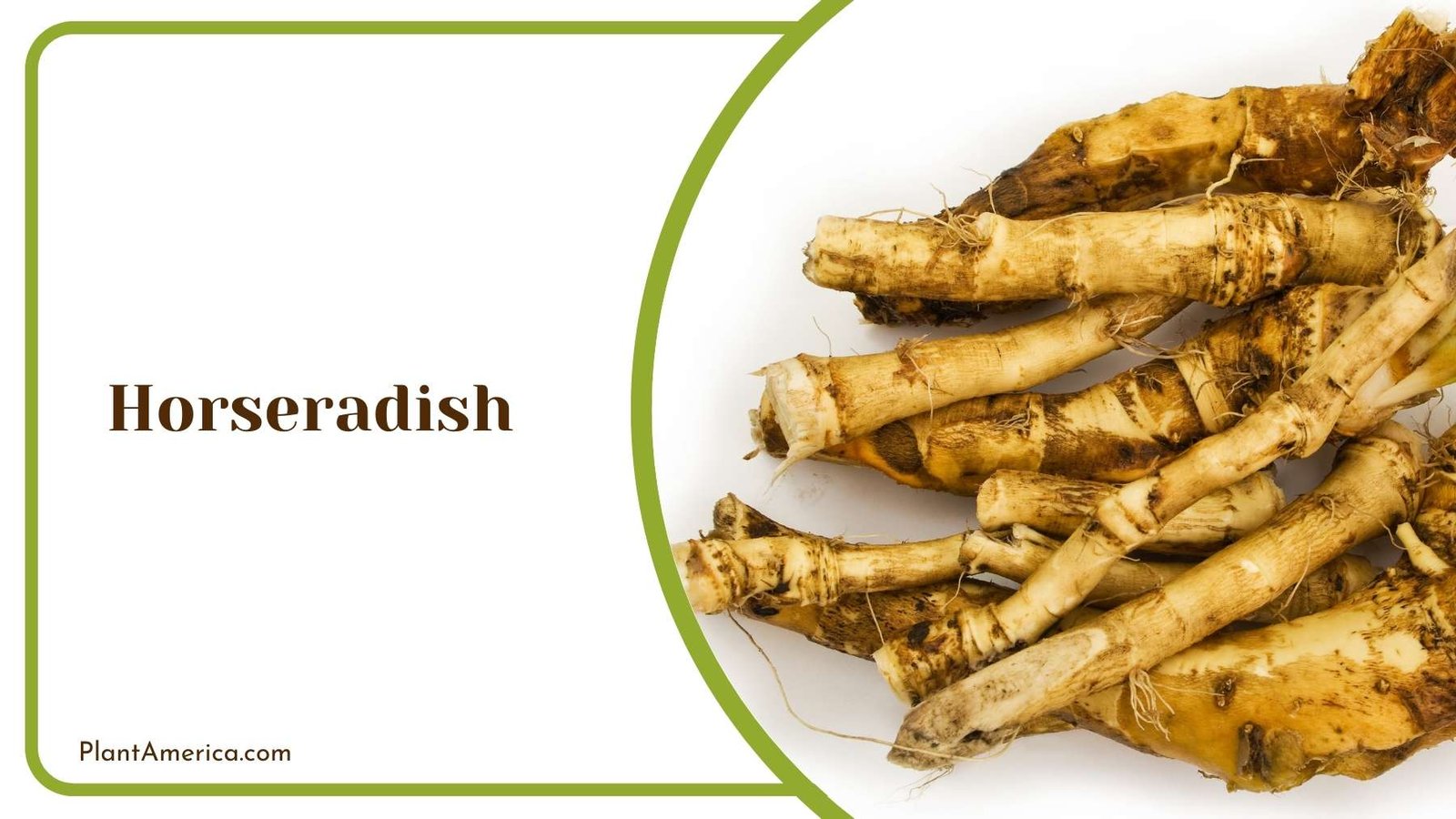
6. Horseradish
- Growing Season: Spring, Summer, Fall
- Leaf Shape: Broad, Rounded
- Specific Needs: Full sun, Rich, Moist soil
- Common Pests: Slugs, Leafhoppers
Horseradish is a wonderfully hardy perennial plant well-suited to growing in cool climate gardens. It thrives with very little coddling or fussing over. The root harvested from horseradish adds an incredible zing of heat to deliciously liven-up sandwiches, soups, salad dressings, and sauces. However, one must take care when handling fresh horseradish, as its sharp, pungent flavor comes with sinus-clearing potency!
The root grows vigorously each season with minimal requirements beyond the sun and average garden soil. Come fall, and horseradish roots can be divided if the clump has enlarged more than desired to spread out.
Its adaptability to various soil and light conditions makes horseradish a reliably low-maintenance perennial to keep tucked away in a part of the garden. While its “kick” demands caution, horseradish gratefully gives heat and tang for years with little care from the gardener.
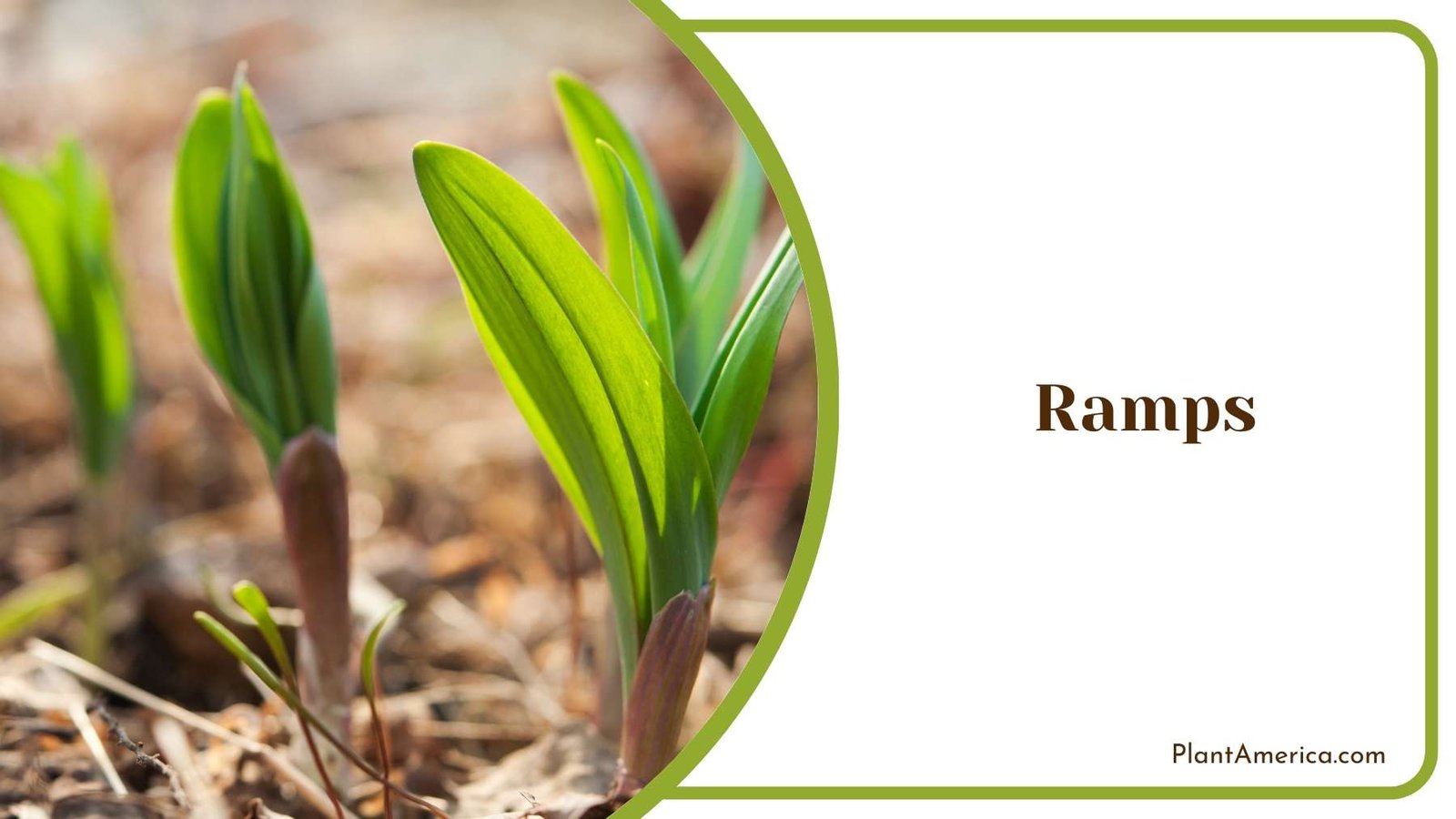
7. Ramps
- Growing Season: Spring
- Leaf Shape: Broad, Grass-like
- Specific Needs: Woodland shade, Rich soil with dappled light
- Common Pests: Slugs, Over-harvesting by foragers
One of the signs that spring has truly arrived in the forest is coming upon the aromatic ramps pushing up their green shoots and mottled brown bulbs from the woodland floor. Their distinctive wild, leek flavor adds unique zest to dishes like omelets, pasta primavera, or roasted potatoes. When harvesting ramps, be sure to only carefully gather from the outer edges of the patch while leaving plenty of the inner ramps undisturbed.
This encourages the natural spread of ramps over the ensuing years. Providing the preferred partially shaded conditions under hardwood forests will help your ramps slowly multiply. It’s always best to leave some portion of the bulbs intact when foraging to allow continued propagation.
This also discourages the over-harvesting of ramps in the area by others. With some patience and sustainable harvesting, the small pleasures of wild ramps can be enjoyed from the same patch for many more springs to come.
8. Dandelion
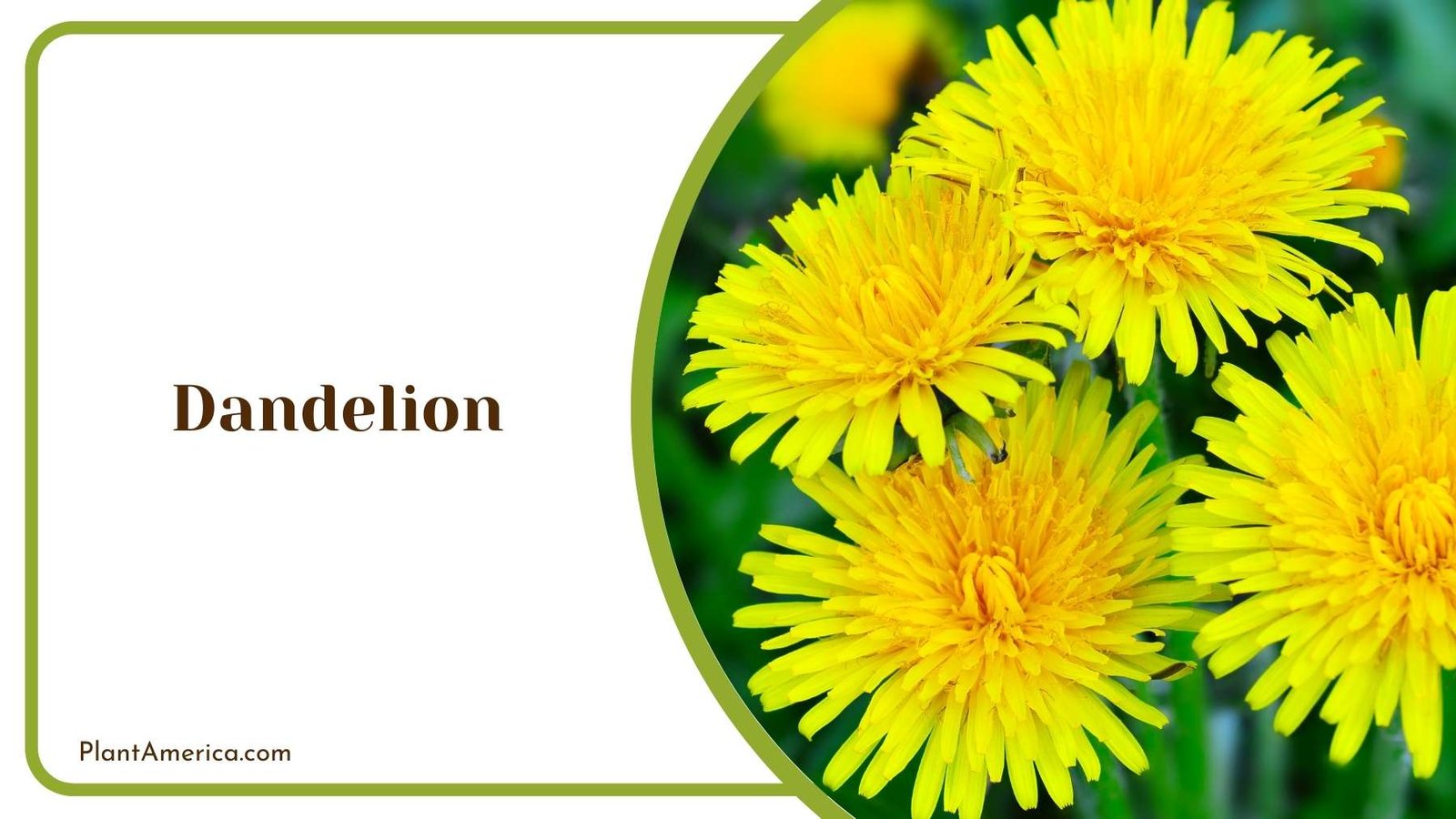
- Growing Season: Spring, Summer
- Leaf Shape: Toothed, Jagged
- Specific Needs: Tolerates most conditions, Full sun
- Common Pests: Aphids, Foraging animals
Often considered a nuisance weed, the persistent dandelion deserves more admiration for the nourishment it provides to both wildlife and people alike. Before they bolt and their leaves become too bitter, You’d enjoy harvesting the tender dandelion greens to eat raw in salads or sauté, as well as digging the root for brewing into the dandelion root.
Even the bright yellow flowers can be transformed into delicious dandelion jelly. Dandelions will forever persist in colonizing any landscape they inhabit, no matter how many times one tries removing them. All parts of dandelion are edible for humans when harvested young but deer and rabbits will readily browse the plant’s foliage.
Let the resilience of dandelions inspire you to find beauty or uses even in plants commonly disliked or overlooked as weeds. Their persistence across habitats demonstrates nature’s ingenious ways of sustaining nourishment for diverse species everywhere.
9. Mint
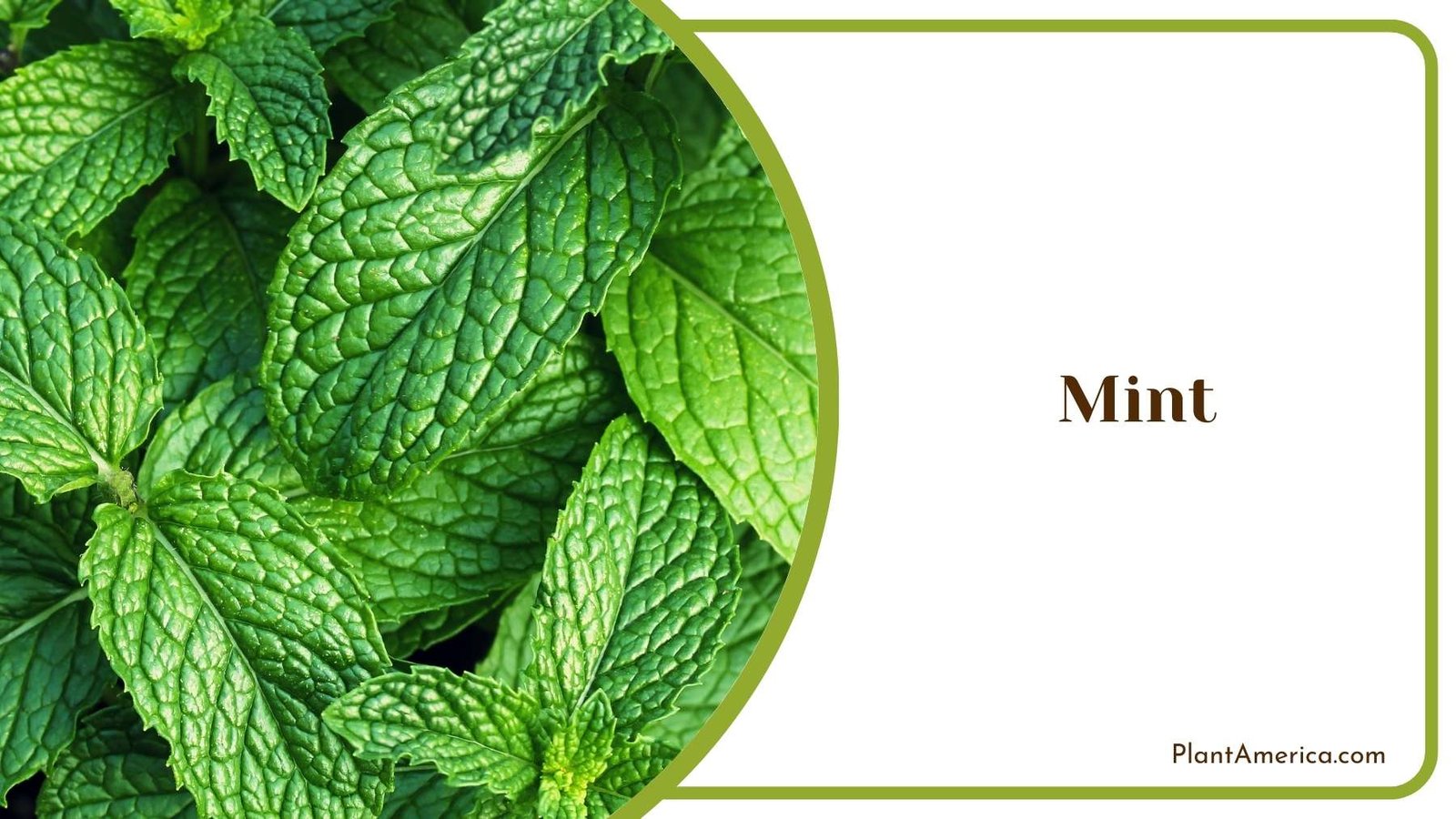
- Growing Season: Spring, Summer
- Leaf Shape: Aromatic, Roundish
- Specific Needs: Partial shade, Moist soil, Containment
- Common Pests: Aphids, mites
With its ability to quickly spread and add bright flavor to so many dishes, mint is a herb garden favorite. It refreshes beverages, salads, sauces, and more with its sweet aroma. To prevent the mint from bolting and going to seed early in warm sun, give the plants partial shade. An even better approach if you value garden order is to grow mint in a large, buried container.
This keeps the aggressively spreading roots contained, as mint can otherwise easily overtake a whole garden if not limited by barriers. Simply pluck sprigs to infuse water pitchers for refreshing drinks. Cutting back mint stalks after flowering also encourages lush new bushy growth instead of straggly stems developing.
Despite its benefits, mint does require balanced cultivation techniques to harness its versatile qualities while avoiding letting it overrun other plants. With the right growing method, mint amply delivers its signature bright flavors season after season.
10. Lavender
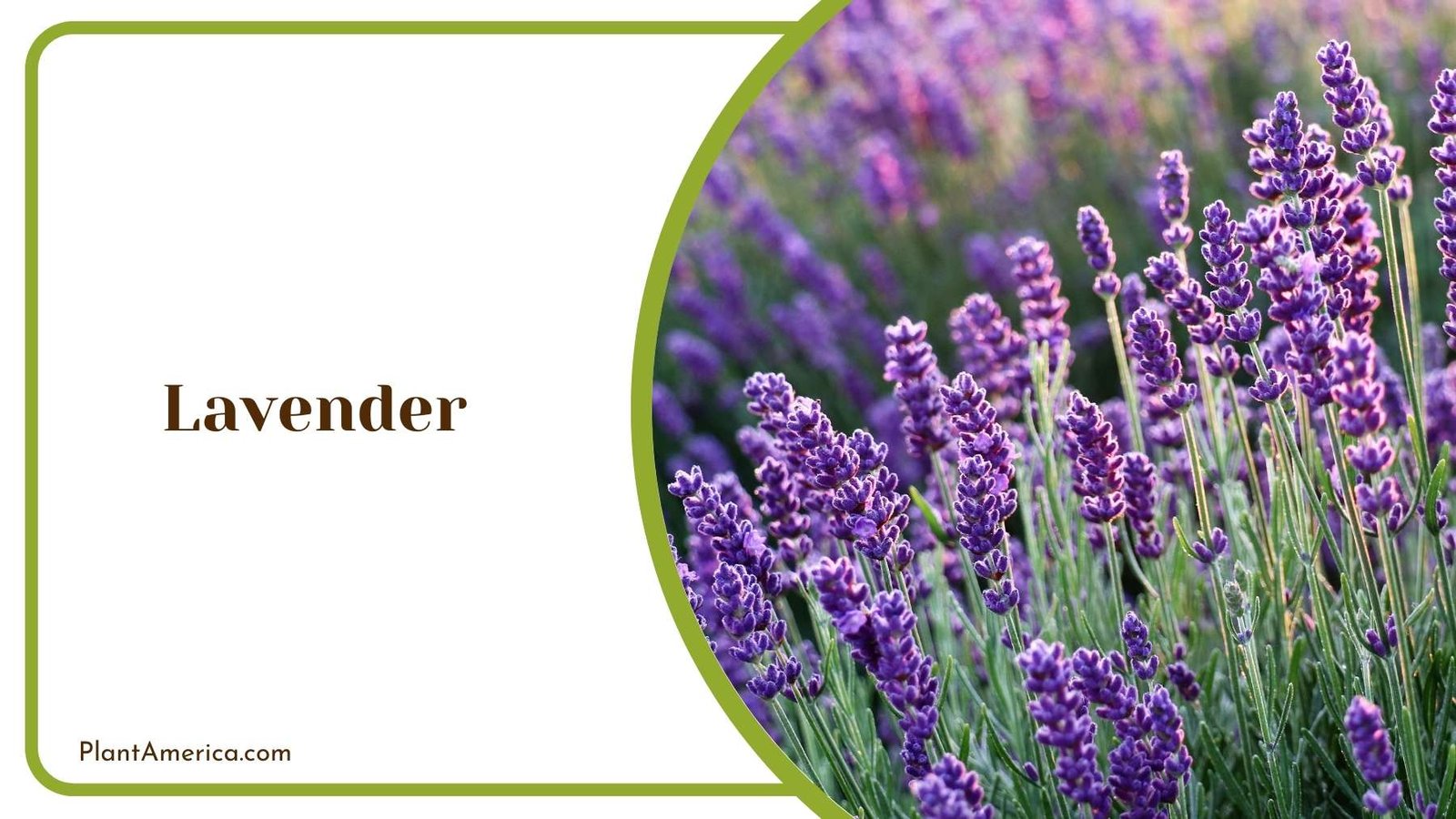
- Growing Season: Spring, Summer
- Leaf Shape: Aromatic gray-green foliage, Purple flower spikes
- Specific Needs: Full sun, Well draining soil
- Common Pests: Aphids, Spider mites
Lavender’s calming fragrance lifts the spirits with ease. Its aromatherapy benefits require little work from the gardener. Deadheading spent flower spikes allows lavender to bloom for an extended season. Lavender thrives in hot, sunny exposures with sharply drained soil. To meet these needs, plant lavender on raised mounds to ensure good drainage from the root zone.
Its lovely scent deters some garden pests; however, monitor for aphids and powdery mildew during extremely dry periods, intervening swiftly if seen. For potpourris and sachet gems, harvest fragrant buds just before opening when oils are most concentrated.
Allow harvested buds to dry fully laid out on screens away from direct sun. Properly cultivated, low-maintenance lavender repays the gardener with relaxation through its soothing bouquet wafting anytime a bloom is brushed. Little effort brings much sensory reward.
11. Thyme
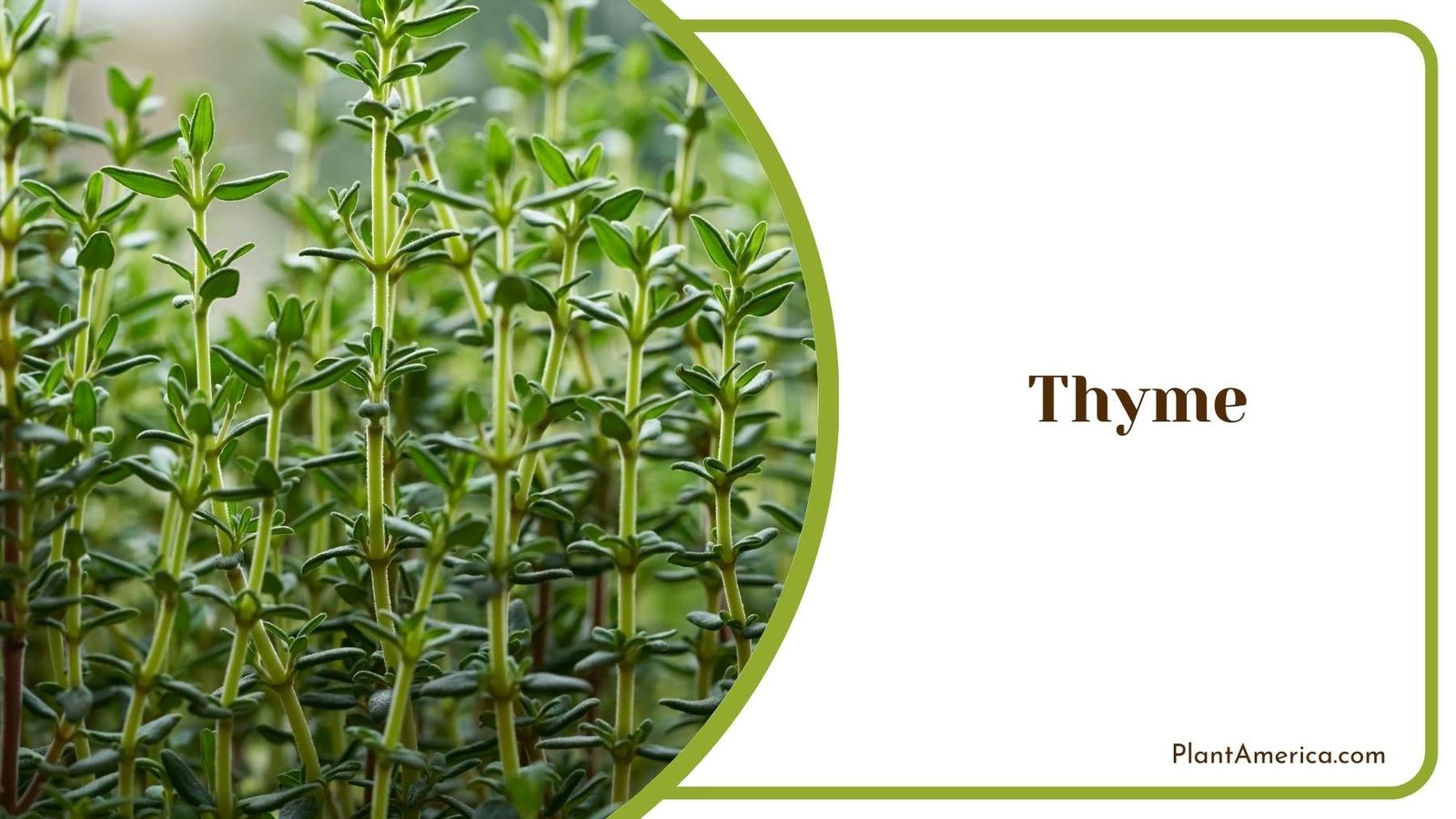
- Growing Season: Spring, Summer
- Leaf Shape: Aromatic, Tiny evergreen
- Specific Needs: Full sun, Well draining soil
- Common Pests: Aphids, Spider mites
The woodsy fragrance of thyme makes it an indispensable herb for enhancing soups, stews, roasted meats, and savory dishes. Its subtle notes impart complex depth when substituted for other herbs. Thyme is delightfully low-maintenance in the garden. Simply clip branches as needed throughout the growing season for kitchen use.
Alternatively, harvest entire flowering stems by cutting just below fresh growth right before blooms open to dry for winter use. Providing excellent drainage is key, as thyme is prone to root rot in constantly wet soil. Beyond ensuring good drainage, thyme requires little else.
It tolerates some foot traffic within borders and needs an occasional trim to maintain its mounded shape rather than extensive care. Thyme’s ease of cultivation and versatility brighten any kitchen craft with its welcoming contributions.
Other than keeping pests in check, thyme requires very little other care through the growing season. It truly is one of the perfect low-effort perennial garden additions. With minimal watering during droughts and no staking required, it happily returns bigger and better every spring for many years.
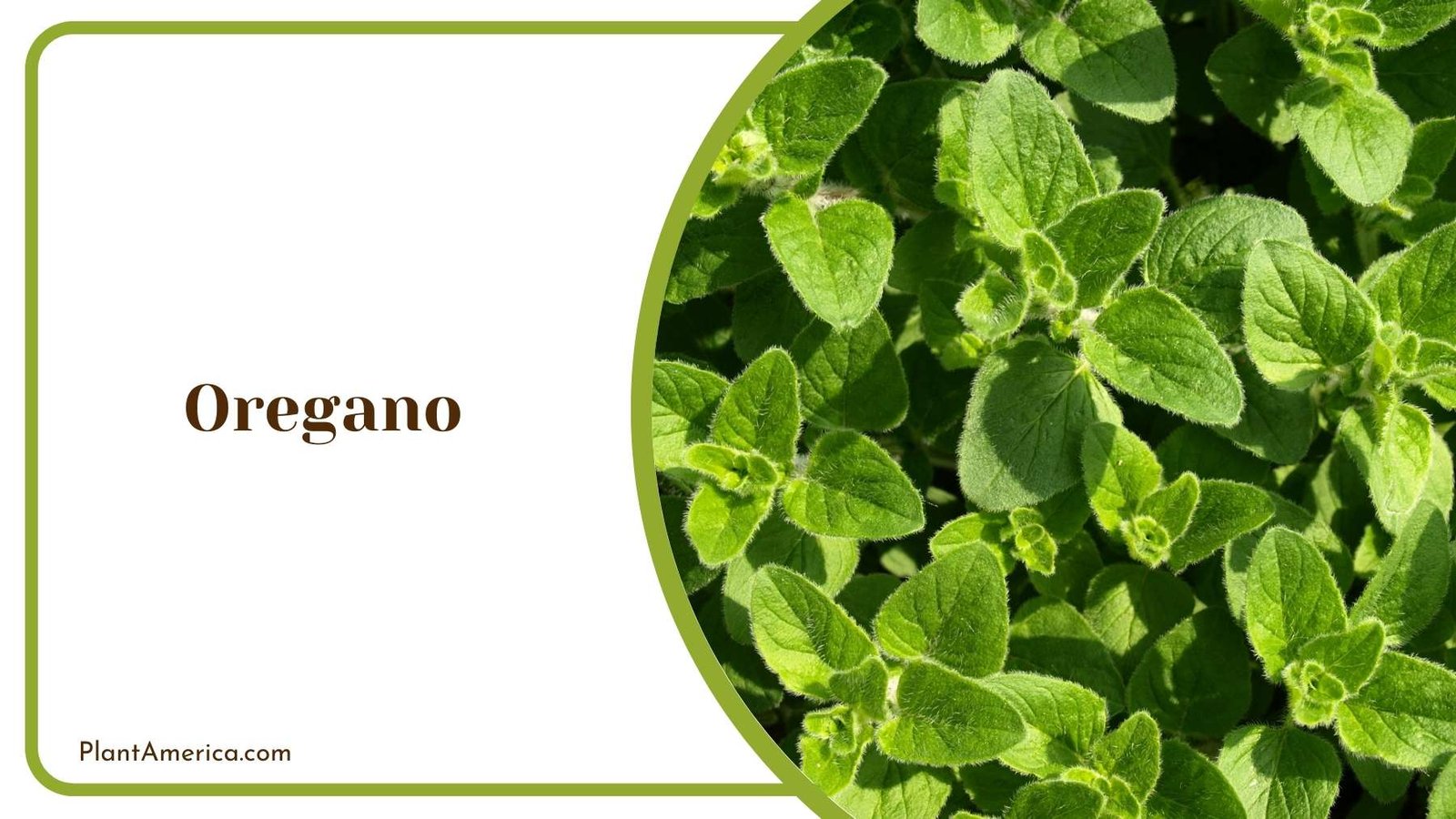
12. Oregano
- Growing Season: Spring, Summer, Fall
- Leaf Shape: Aromatic, Spoon-shaped
- Specific Needs: Full sun, Well draining soil
- Common Pests: Aphids, Spider mites
Oregano is a herb garden staple for its robust flavor profile enhancing pizza, pasta, Greek, Mexican and other Mediterranean-inspired dishes. To ensure maximal oregano harvests require minimal effort, allow plants generous space to grow into bushy specimens. This provides easy access to individual stems that can simply be clipped throughout the season directly into recipes.
Excellent drainage is a must to avoid root rot issues in soggy soils. Regularly trimming stems also keeps oregano growth compact and inclined toward leafy green portions rather than woody stems. Removing flower buds focuses energy on vegetative growth, though leaving some to bloom allows for potential fresh seed collection as well.
With drainage and the occasional pruning, low-care oregano beautifies borders while meeting all kitchen seasoning needs handsomely through its unpretentious yet bold, savory contributions.
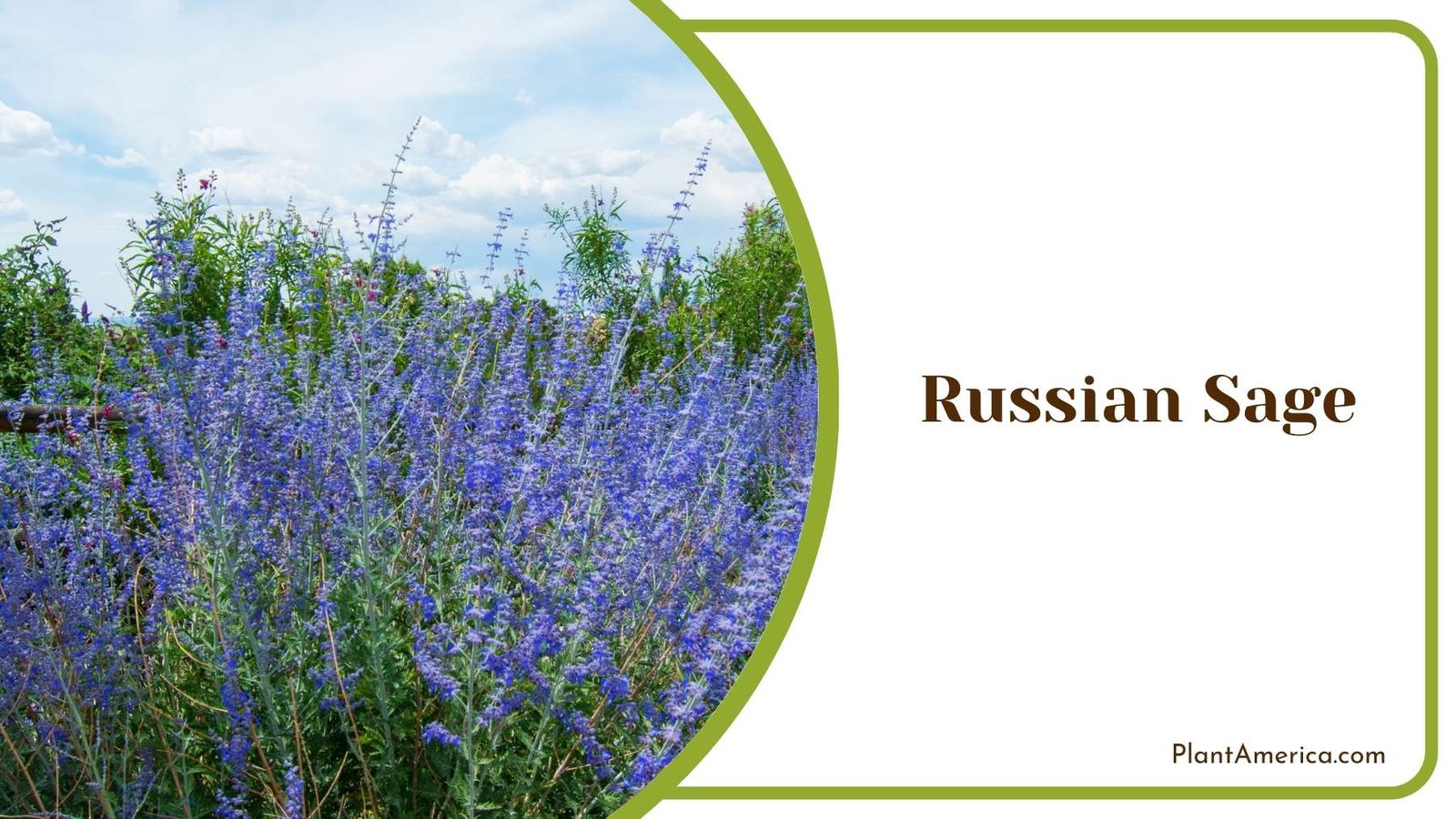
13. Sage
- Growing Season: Spring, Summer, Fall
- Leaf Shape: Aromatic, Gray-green
- Specific Needs: Full sun, Well draining soil
- Common Pests: Aphids, Spider mites
Sage is one of my favorite culinary herbs, nicely complementing poultry, turkey stuffing and various autumn dishes. It is well-suited for herb gardens but also makes an attractive evergreen edging plant when pruned into shape. Sage thrives with half to full shade if afternoon sun bakes the soil excessively dry, and shade allows a fuller foliage display.
Regularly snipping off flowering spikes discourages the plant from bolting and encourages bushier growth. Sage releases its strongest aromatic oils when the leaves are crushed or rubbed between the fingers. An established sage plant remains handsomely green through the winter season.
With a little care taken to provide needed afternoon shade and keeping it trim through removal of flowers, sage persistently provides its signature taste and texture to cooking while also framing garden beds beautifully through the changing seasons.
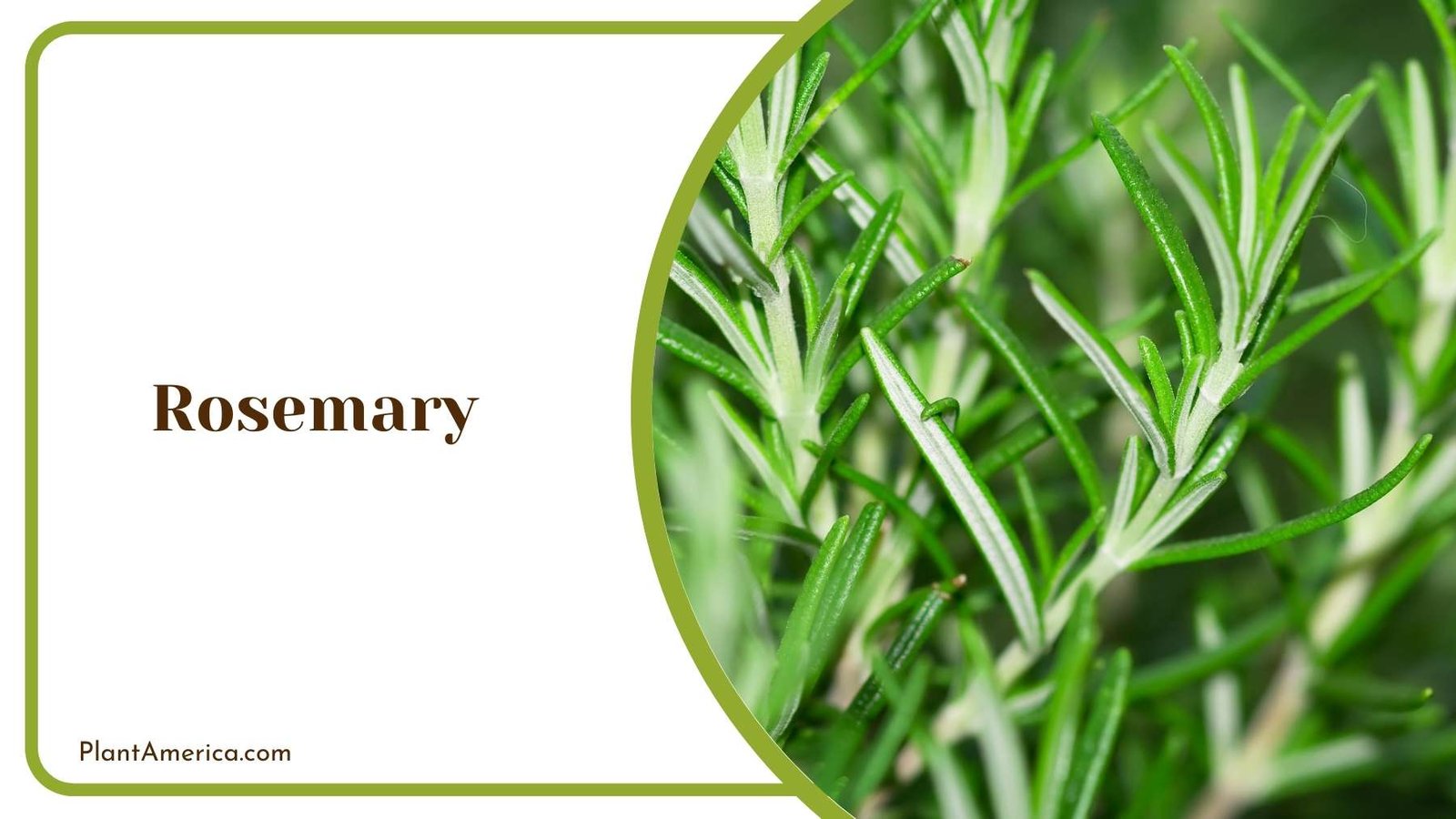
14. Rosemary
- Growing Season: Spring, Summer, Fall
- Leaf Shape: Aromatic, Needle-like
- Specific Needs: Full sun, Well draining soil
- Common Pests: Aphids, Spider mites
Rosemary lends a rich pine undertone to roasted meats, vegetables, and baked goods. A hardy evergreen subshrub, it thrives with warmth, sunlight and sharply drained soil. Provide adequate space outdoors and containers to allow airflow, preventing disease in confined pots. Prune back after spring blooms to shape and encourage lush new growth.
Given support, rosemary will quest adventurously with stems that can be trained upwards or cascading over walls. Guide runner growth where most ornamental. Repot container specimens yearly to maintain vigor as soils become depleted quickly in confines.
Its beautiful grayish foliage brings texture against stone walls where roses linger happily through seasons and improvise topiaries with minimal water even in huge summer droughts and parched weather. Tend through pruning; it rewards gustatory and aesthetic.
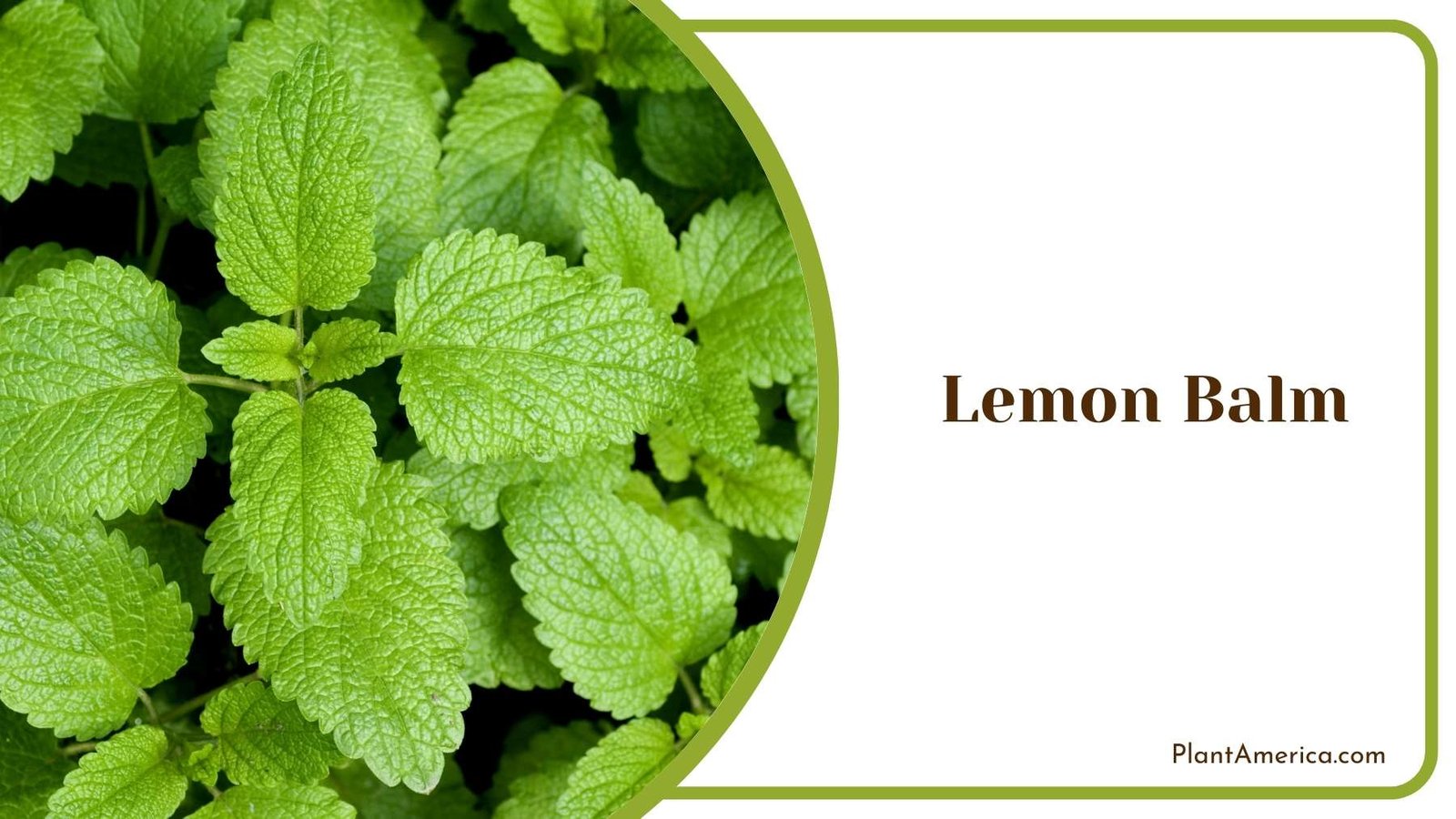
15. Lemon Balm
- Growing Season: Spring, Summer, Fall
- Leaf Shape: Aromatic, Heart-shaped
- Specific Needs: Partial shade, Moisture-retentive soil
- Common Pests: Aphids, Spider mites
Lemon balm is a versatile herb that enlivens iced tea, lemonade, cakes, pesto, and other dishes with its bright lemony flavor and delicate fragrance. The leafy green stems emerge vigorously from the stalks if left unpruned. However, regularly snipping off the newly emerging growth tips helps prevent the plant from flowering too early and encourages it to take on a bushy habit that is optimal for continual harvesting all season.
The creeping roots and self-sown seeds also allow lemon balm to spread quite vigorously if given free range. To keep it contained, lemon balm is perfectly suitable for growers with limited space by planting it in containers.
This herb prefers partial afternoon shade, especially in climates with hot afternoon sun, as full sun can cause the tender leaves to wilt rapidly. Partial shade also encourages a flush of soft new growth that is preferred for use in cooking and beverages compared to the more mature leaves.
With only occasional clipping to harvest leafy stems, lemon balm wants little other care throughout its growing period. It is adaptable to various conditions, making it suitable to grow in patio containers, ornamental borders, or allowing it to naturalize in shady nooks in the landscape.
The versatile culinary applications and ease of cultivation mean lemon balm is a wonderful addition to any garden. It provides a soothing lemon essence that can be snipped fresh as needed from late spring through fall.
Whether brewing iced tea on a hot summer day or adding its bright flavor to lemon pound cake, lemon balm is a delight to cook with and offers soothing fragrance throughout the growing season. Its hardiness and adaptable nature make it a pleasure to gardeners of all skill levels..
16. Chives
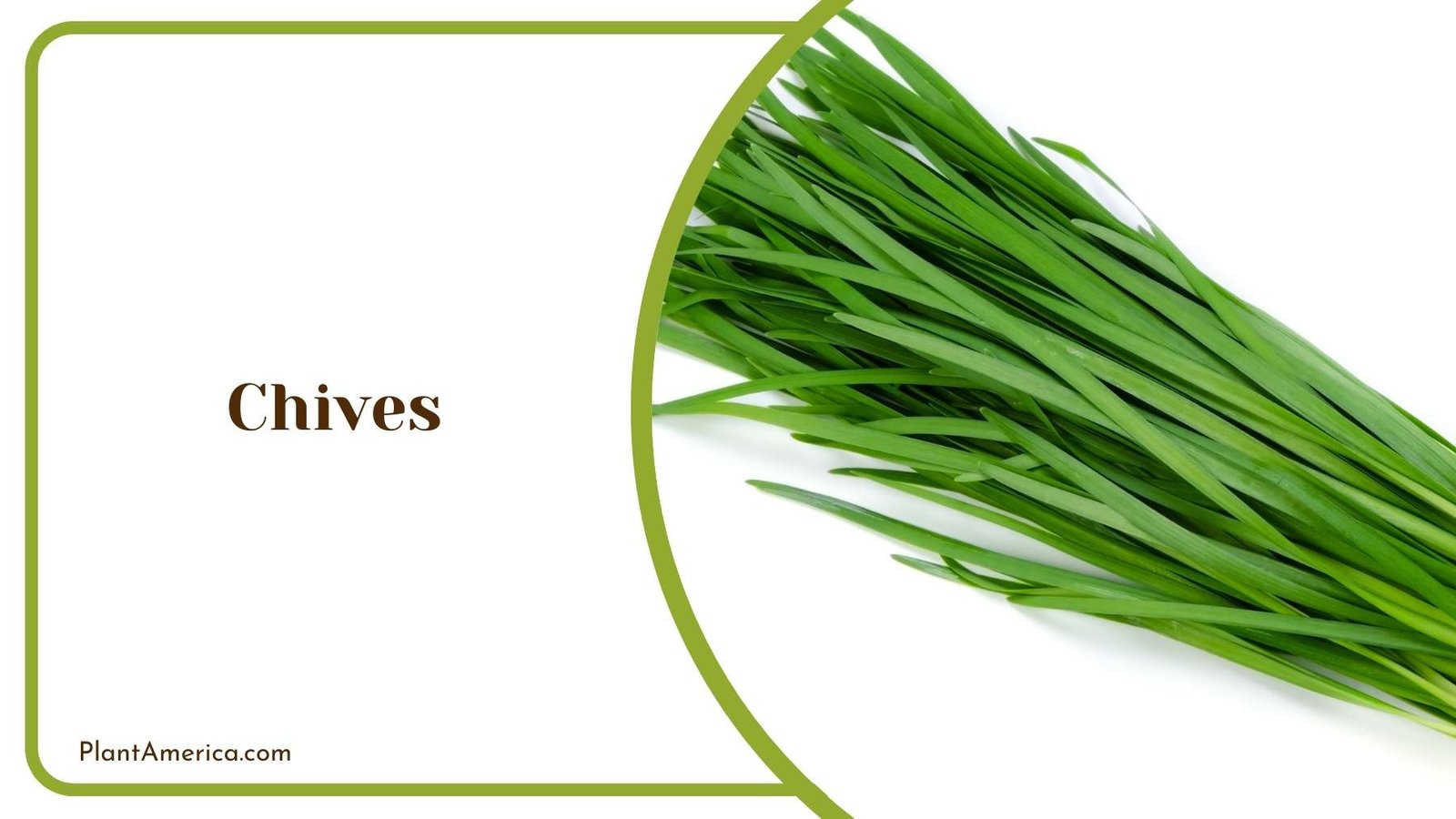
- Growing Season: Spring, Summer, Fall
- Leaf Shape: Tubular, Hollow green
- Specific Needs: Full sun, Average soil with regular water
- Common Pests: Aphids, Spider mites
Chives’ subtle onion aromatics subtly enhance so many dishes, from potatoes to pancakes. Simply snip the hollow leaves at any stage of growth for a burst of brightness in cooking and atop salads and spreads. Come flowering, watch chives produce attractive pastel pom-pom blooms that also have a deliciously mild onion taste.
To keep the plants bushy and productive of leaves, cut back flower spikes after blooming and trim off seed heads if any form. Occasional reduction of stalks also prevents leggy straggly growth.
Needing just a sunny spot and occasional harvests, these decorative edibles reward the gardener after cutting leaves throughout the growing period. Chives’ continual crops require minimal fuss while providing abundant, flavorful harvests for the culinary enthusiast to enjoy.
17. Garlic
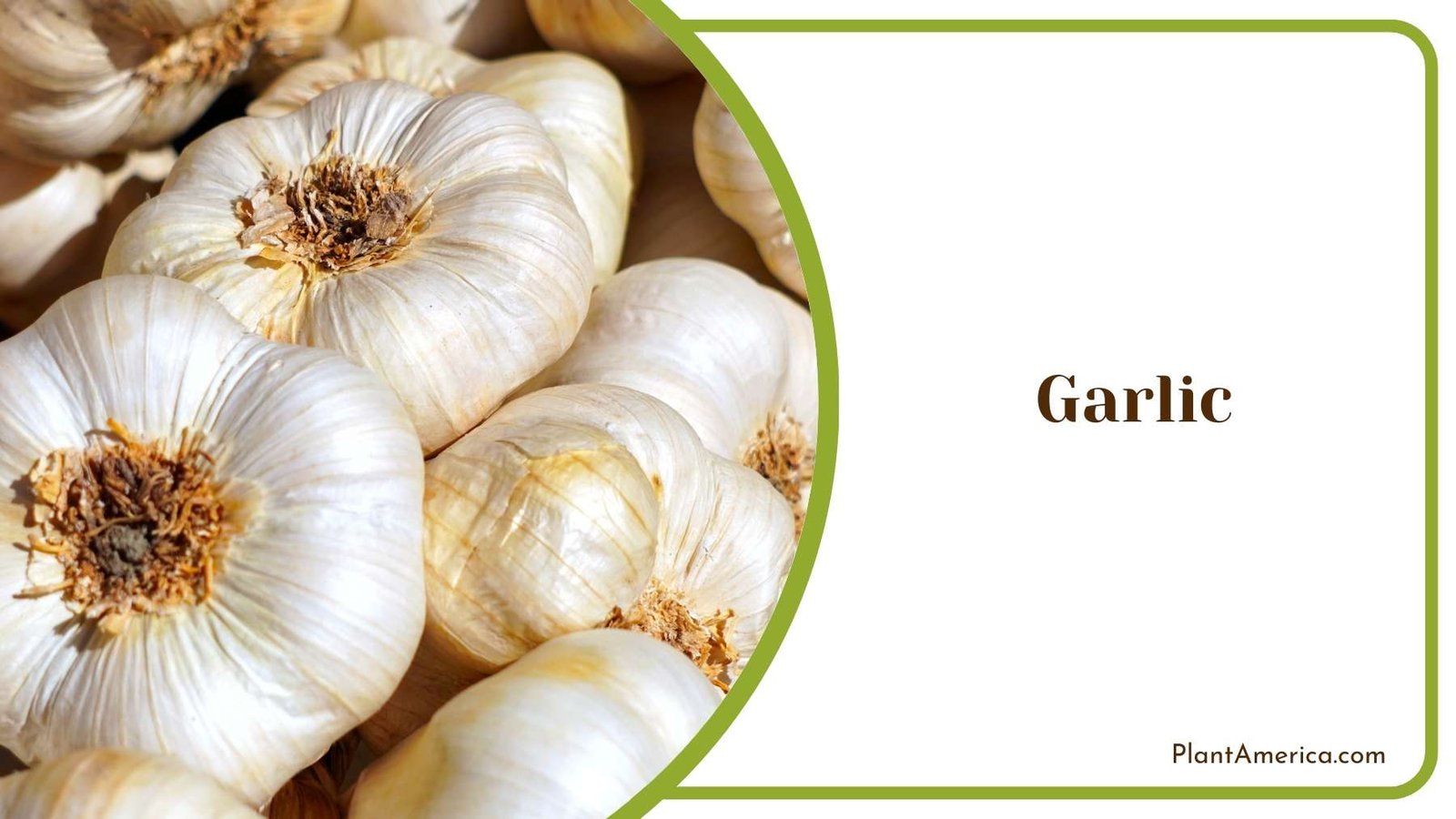
- Growing Season: Summer, Fall
- Leaf Shape: Flat, Green leaves
- Specific Needs: Full sun, Loose, Nutrient-rich soil
- Common Pests: Aphids, Spider mites
Culinary uses span the globe, yet homegrown garlic maintains super freshness. Space bulbs four to six apart in fall for summer harvest. Slightly improve your soil each Season. Harvest when leaves are yellow for drier storage. Monitor for signs of rot in rainy regions, improving drainage if needed. Cured bulbs keep flavor throughout winter.
18. Leeks
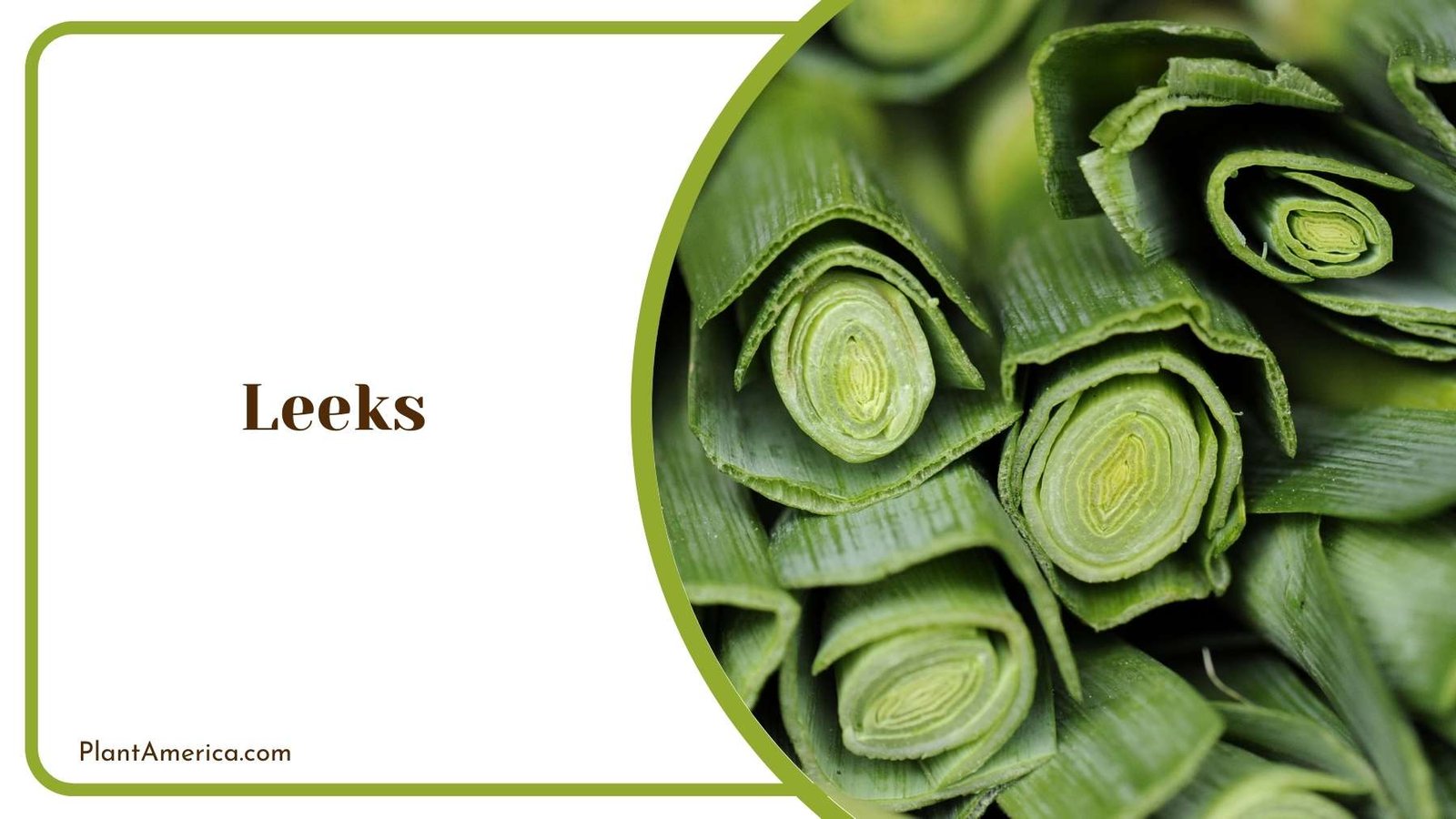
- Growing Season: Summer, Spring, Fall
- Leaf Shape: Soft, Long green leaves
- Specific Needs: Full sun, Moist soil, Nutrient-rich soil
- Common Pests: Onion maggots, Slugs, Snails
Hardy herbaceous perennial leeks offer a mild onion flavor that is perfect for baking into soups, quiches, or using whole in braised dishes. Leeks thrive when planted as seeds or small transplants in trenches during early spring, once the risk of frost has passed.
To plant, dig a shallow trench about 6 inches deep and space the seeds or young leek plants only a few inches apart in rows. As the leeks begin to grow, gradually pile additional loose soil up the stems of the emerging green shoots. Mounding soil this way blanches the lower portions of the stems, resulting in thick white shanks that are highly prized by cooks.
Throughout the hot summer months, it is crucial to keep the densely planted leek beds well watered to ensure optimal growth. As fall arrives and nighttime temperatures begin to cool, the leeks will have formed sizable white bulbs swelling within the soil. At this stage, it is time to harvest.
Gently lift the leeks from the ground, taking care to remove as much dirt clinging to the white shanks as possible. The large white stems can be trimmed and washed, then stored in the refrigerator for several weeks to enjoy the mild onion flavor in recipes. Proper care and timing are needed to cultivate leeks from seed to harvest, but homegrown leeks offer a rewarding harvest of a versatile culinary allium.
19. Fruit Trees
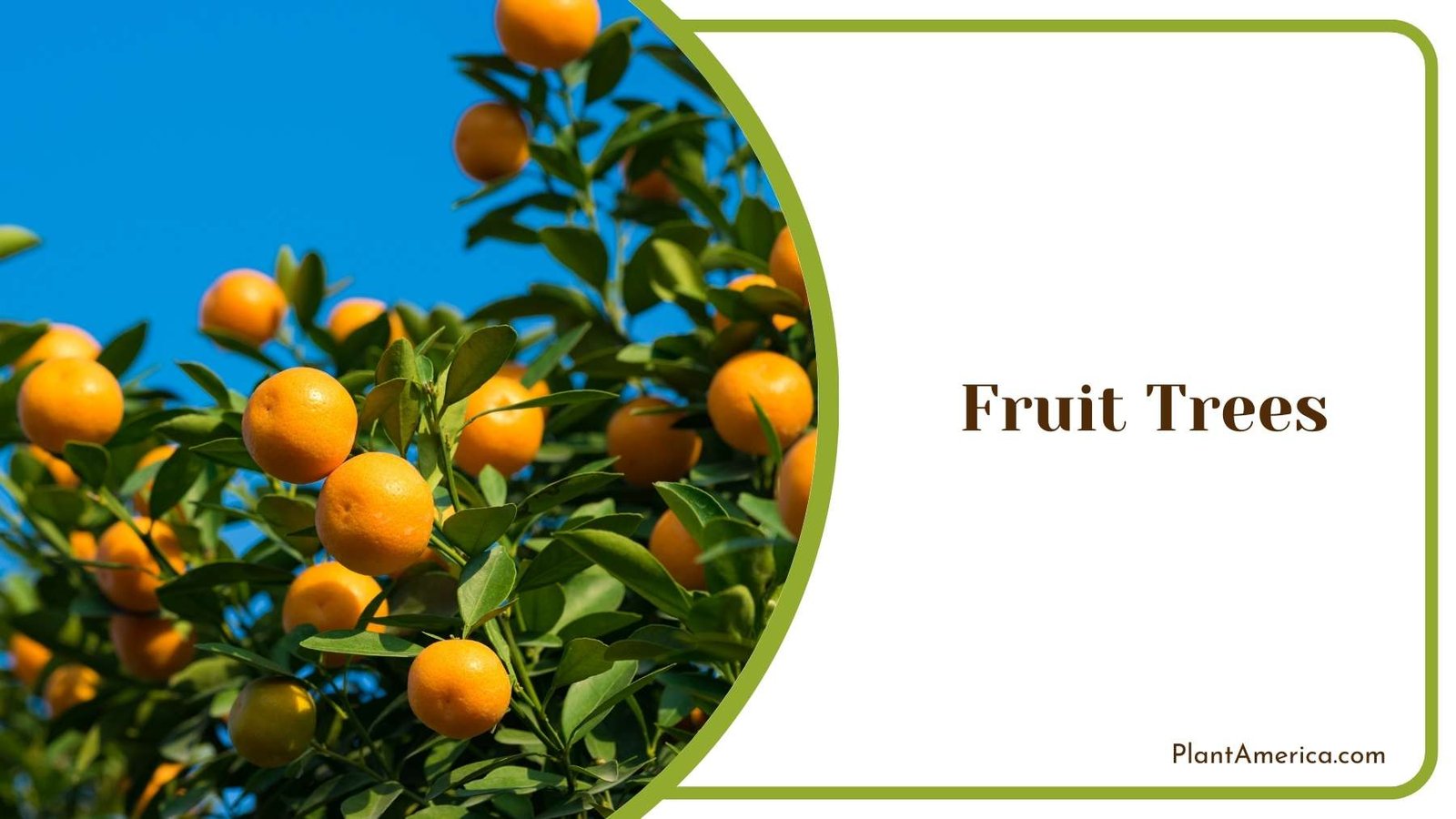
- Growing Season: Summer, Spring, Fall
- Leaf Shape: Soft, Long green leaves
- Specific Needs: Full sun, Well-draining soil, Pollinator
- Common Pests: Scale, Aphids, Wildlife
Perennial fruit trees offer harvests for years with care. Dwarf varieties save space. Choose two compatible pollinators. Prune sparingly annually, shaping new growth. Monitor closely for pests your first few seasons to catch early. Consider netting vulnerable fruits like cherries from birds. Orchards require winter chill to bloom consistently.
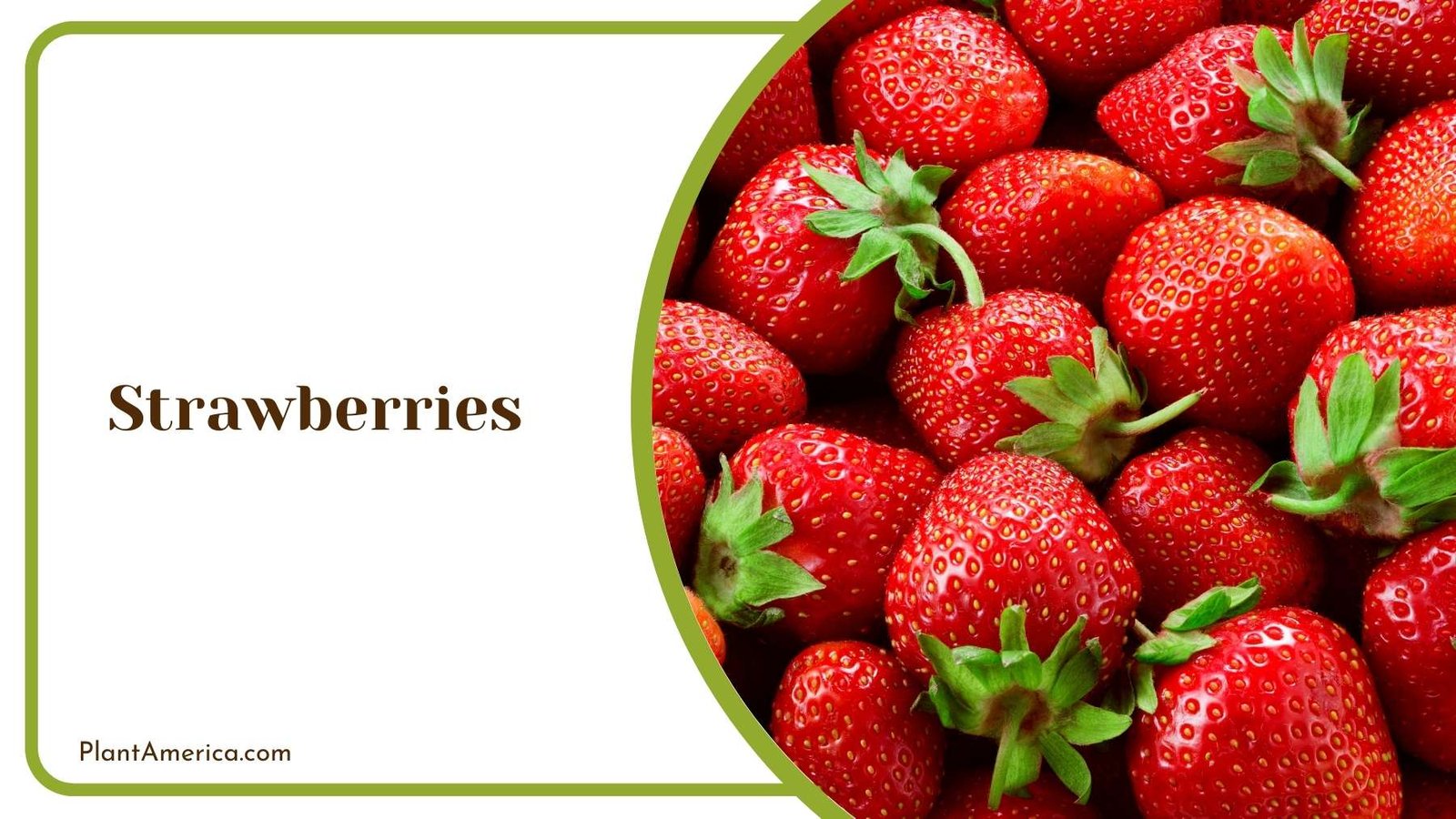
20. Strawberries
- Growing Season: Summer, Spring
- Leaf Shape: Compound leaves, Low-growing runners
- Specific Needs: Rich moist soil, Winter protection
- Common Pests: Birds, Slugs
Nothing says summer like juicy strawberries! Plant dormant crowns in beds or containers. Allow runners to spread, pinching off berries until full crown establishment. Feed monthly and watch out for slugs hiding under leaves at night. Enjoy perpetual picking as new blooms replace ripe berries weekly. Overwinter with protections like straw if you’re freezing strawberries.
21. Raspberries

- Growing Season: Summer
- Leaf Shape: Compound, Alternate
- Specific Needs: Rich moist soil, Winter protection, Full sun
- Common Pests: Aphids, Rodents eating berries
Raspberries bear sweet summer delicacies on prickly canes, perfect for edging gardens. Choose summer or fall varieties. Prune off aged canes each Season. Watch early for aphids congregating undersides, dislodging with spray. Slugs hiding under leaves also damage leaves. Enjoy snacks straight from Vine or bake into fools.
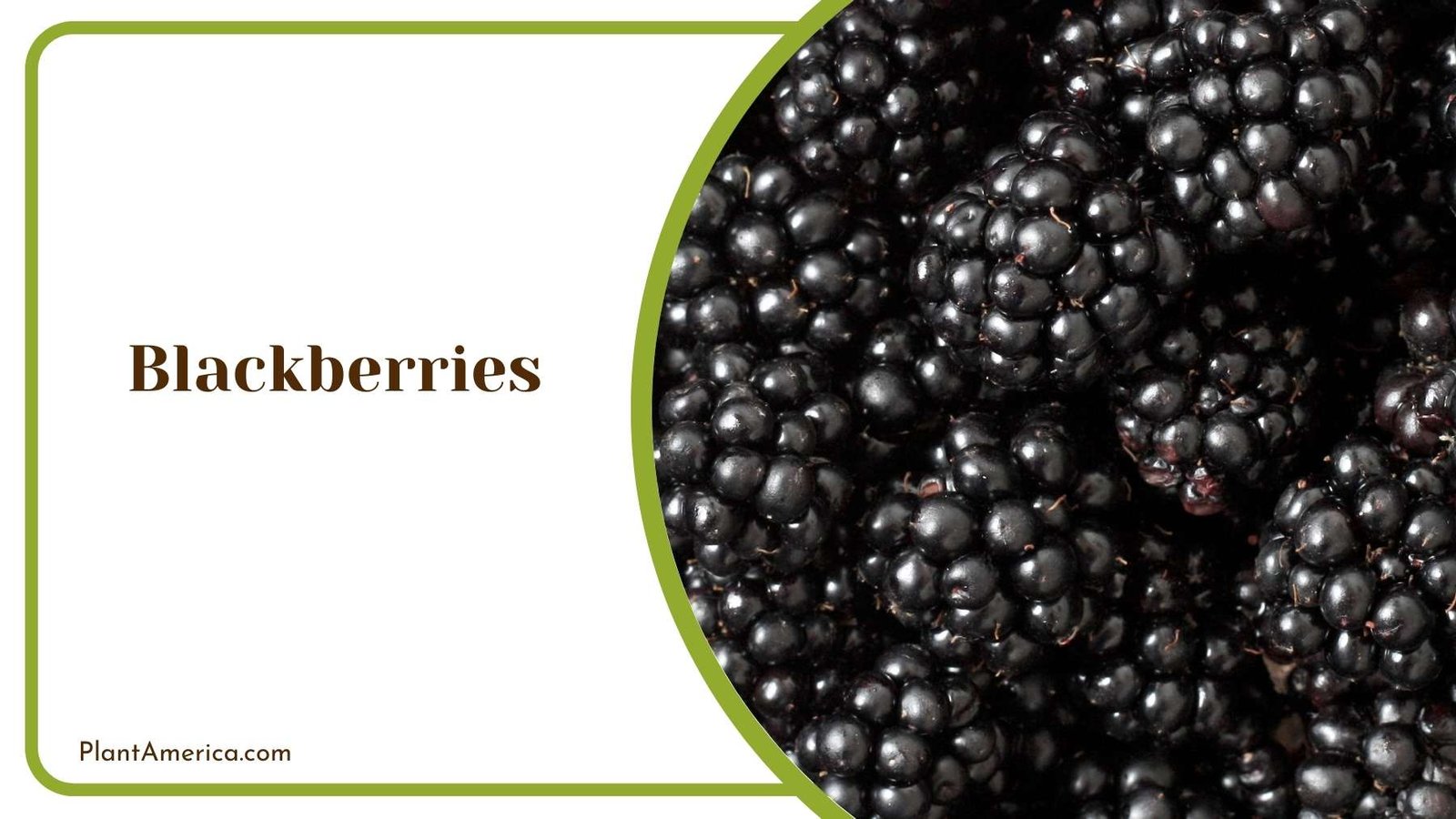
22. Blackberries
- Growing Season: Summer
- Leaf Shape: Compound, Alternate
- Specific Needs: Rich moist soil, Winter protection, Full sun
- Common Pests: Aphids, Rodents eating berries
Vigorous blackberry vines trail beautifully while feeding your sense of adventure with their tiny prickles. Pin last season’s fruited canes to the ground or remove them to encourage new growth. Keep supports sturdy and basal canes tied horizontally. Birds and chipmunks dearly love these juicy berries, so beat them to the ripening harvest or cover patches.
23. Blueberries

- Growing Season: Summer
- Leaf Shape: Oval, Smooth margins, Short petioles
- Specific Needs: Acidic soil, Full sun, Regular water in heat
- Common Pests: Moths, Birds eating berries
Nothing says summertime like deep blue-hued blueberries! Choose lowbush or bush varieties. Before planting, adjust the soil with organic materials to lower pH. Pollinate with two compatible cultivars for larger crops. Mulch well and monitor for pests in berry clusters like moths and aphids. Enjoy berries straight off the bush, or use them in pies, muffins, and more.
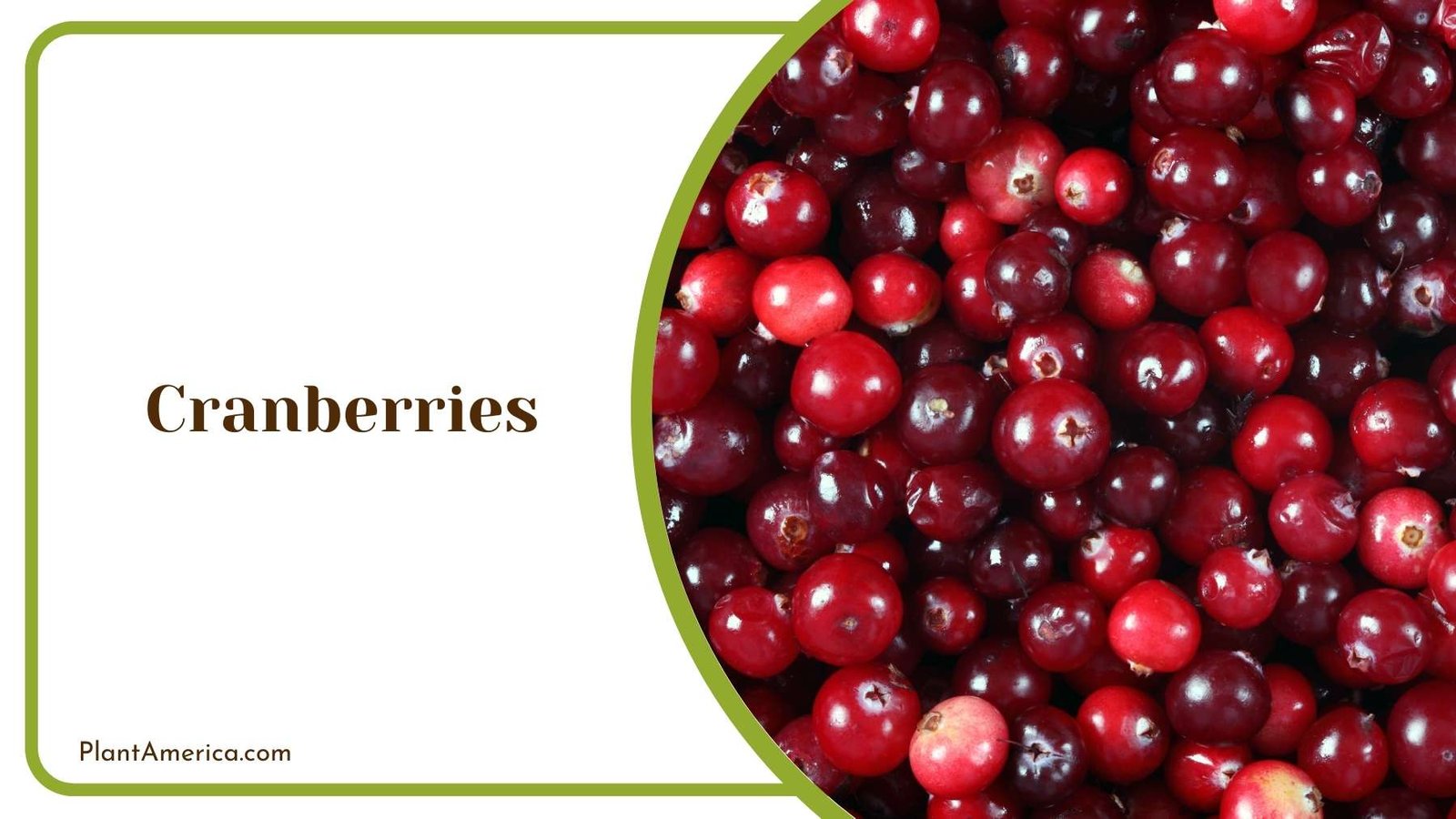
24. Cranberries
- Growing Season: Fall
- Leaf Shape: Oval, Leathery evergreen
- Specific Needs: Acidic soil, Full sun, Bog-like conditions
- Common Pests: Moths, Aphids
These ruby-red autumn gems thrive in conditions mimicking their native bogs. Plant rooted cuttings in late spring beds with constant moist acidic soil and grow medium-like peat. Native bees efficiently pollinate upright white flowers. Flood beds several inches in fall, jostling ripe berries loose to harvest. Refresh soil each spring. Their unique flavors shine brightest fresh or roasted.
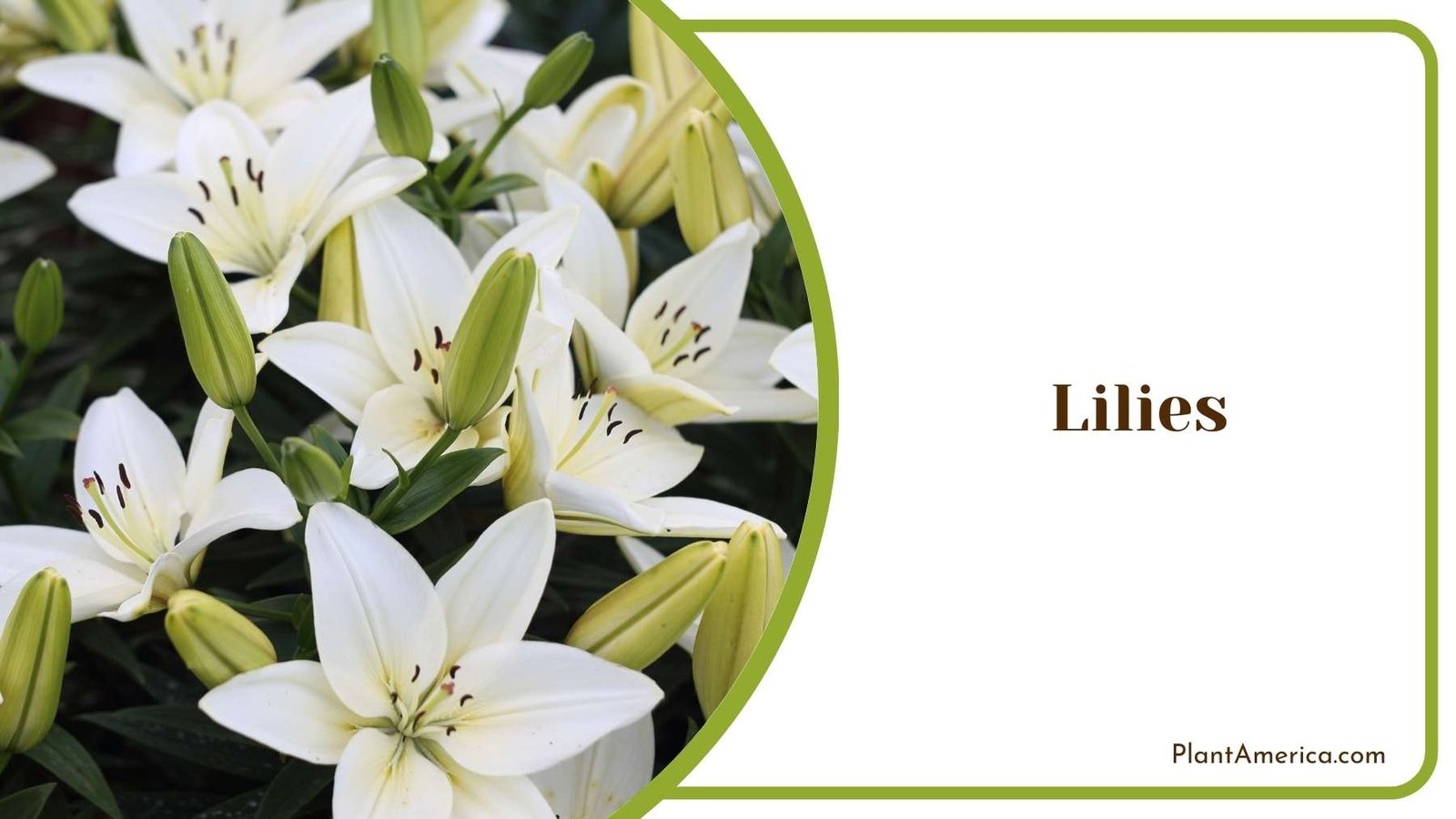
25. Lilies
- Growing Season: Summer
- Leaf Shape: Long, Narrow straplike leaves in a fan-like cluster
- Specific Needs: Full sun to part shade, Rich, Well-draining soil
- Common Pests: Slugs, Snails, Fungal leaf spots in humid weather
Lilies grace summer gardens with gorgeous trumpet blooms in hues from white to orange. Divide bulbs every two to three years in the fall after foliage dies back. Avoid overcrowding to prevent disease. Deadhead spent flowers to conserve energy for rebloom. Enjoy eating immature flowers and bulbs steamed or pickled. Monitor soil moisture during periods of sun and watch for slugs.
26. Culantro
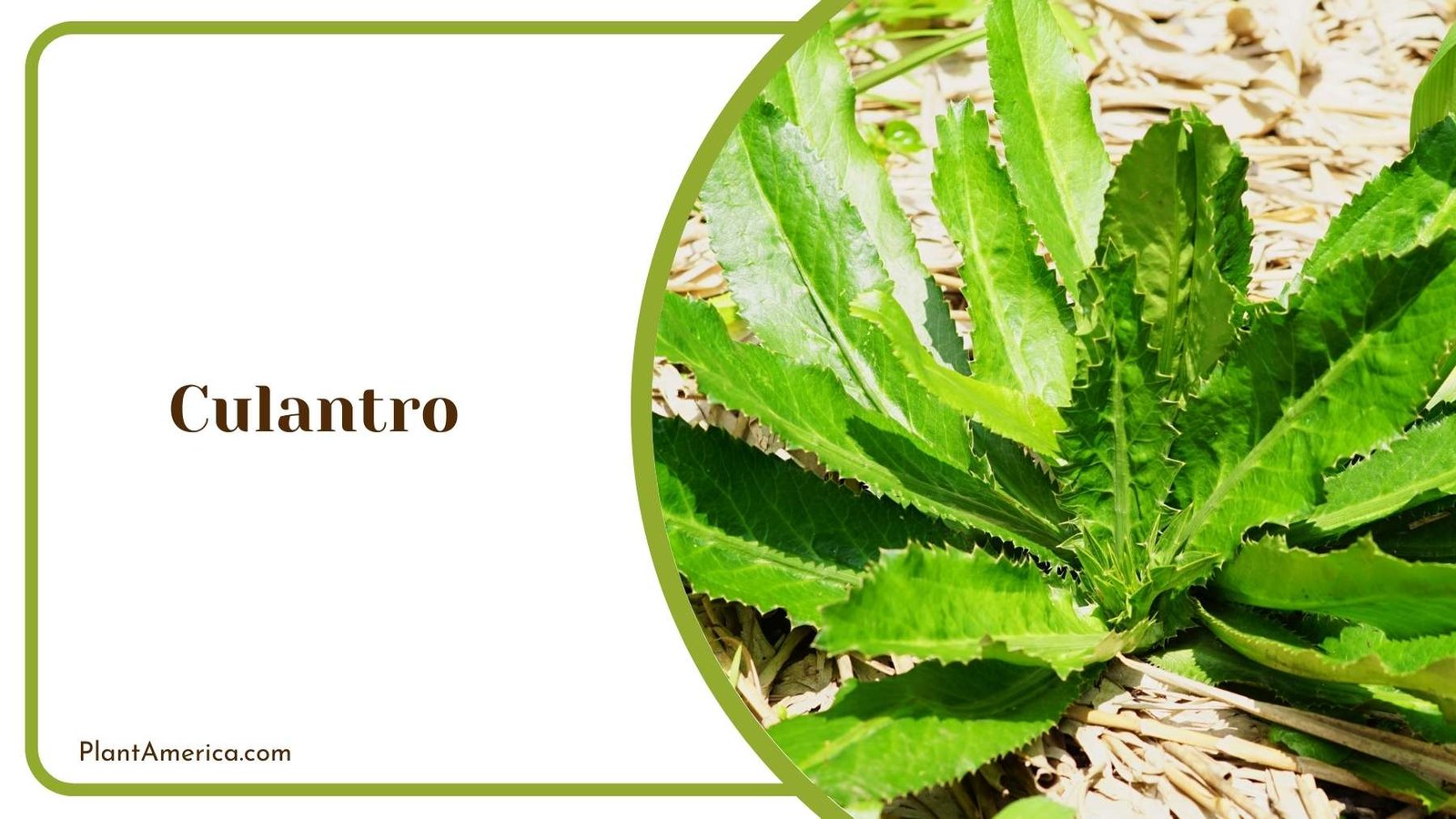
- Growing Season: Summer, Fall
- Leaf Shape: Compound, Toothed
- Specific Needs: Full sun, High humidity, Well-draining soil
- Common Pests: Aphids, Fungal diseases
Also known as Mexican coriander or recap, culantro brings a unique citrusy-licorice flavor to Caribbean culinary delights like rice and beans. Grow from seed or transplant seedlings. Provide partial afternoon shade if soils dry out—snip outer leaves to promote continuous growth. Monitor for aphids and powdery mildew in humid conditions and treat issues early. Its bold yet slightly bitter bite adds flair.
27. Yacon
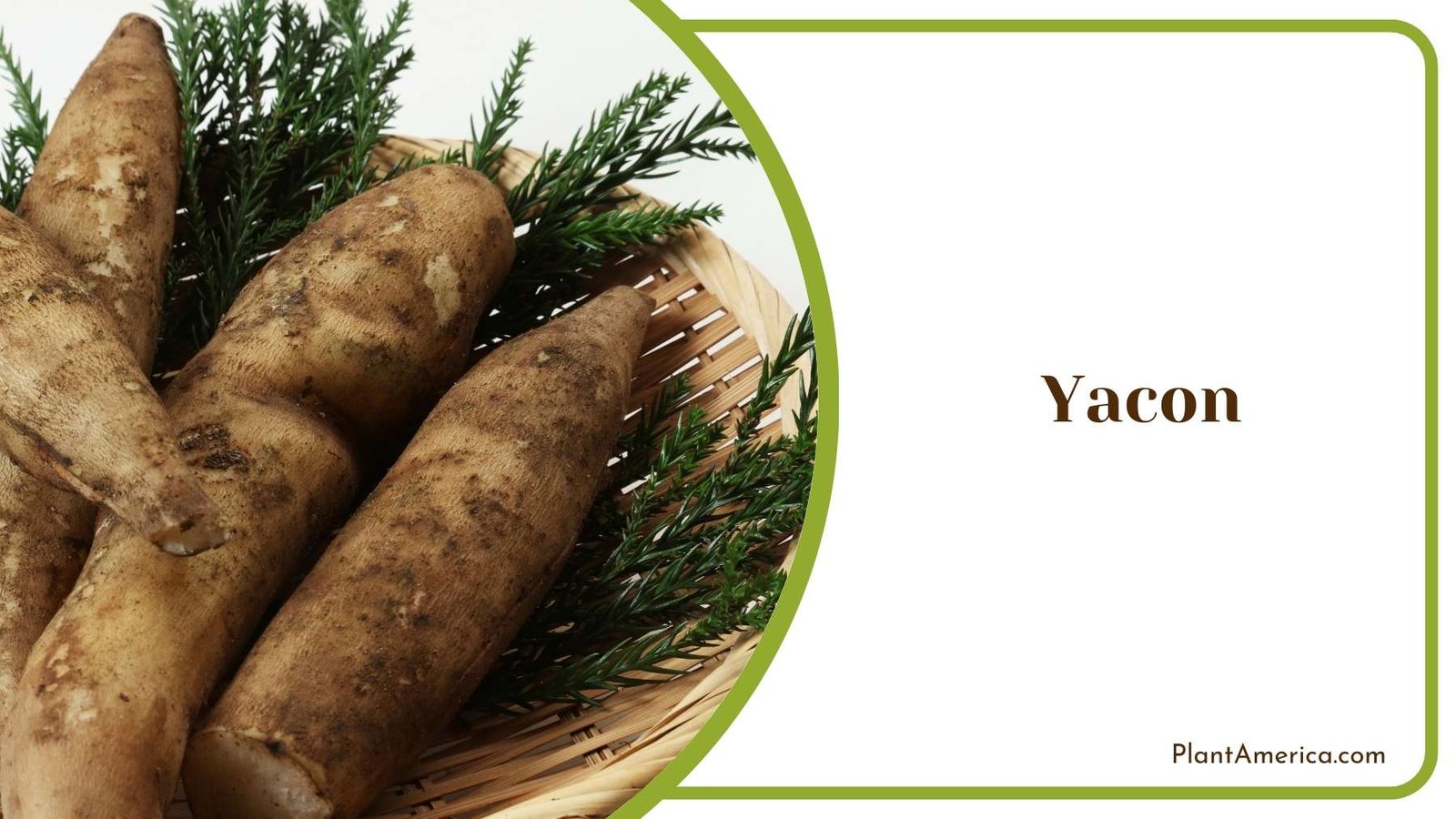
- Growing Season: Summer, Fall
- Leaf Shape: Palmate, Simple
- Specific Needs: Partial shade, Consistent moisture, Frost protection
- Common Pests: Aphids, Slugs
These sunny tubers store carbohydrates below ground, like Jerusalem artichokes. Provide refuge from the intense summer sun. Harvest when larger tubers swell at the soil surface in fall. Enjoy raw like jicama, apples, or juice for a lightly sweet, low-calorie treat. Protect from frost with hay. Divide crowded clumps every few years in spring.
When preparing the stalks, always discard the leaves and do not compost them where other plants may be affected. Slugs and snails also favor the tender new growth of yacon. It’s a good idea to check the underside of leaves periodically for any slimy slugs trying to hide out and feast.
Other than keeping slugs and snails in check, yacon requires very little other care through the growing Season. It truly is one of the perfect low-effort perennial garden additions. With minimal watering during droughts and no staking required, it happily returns bigger and better every spring for many years.
28. Lemongrass
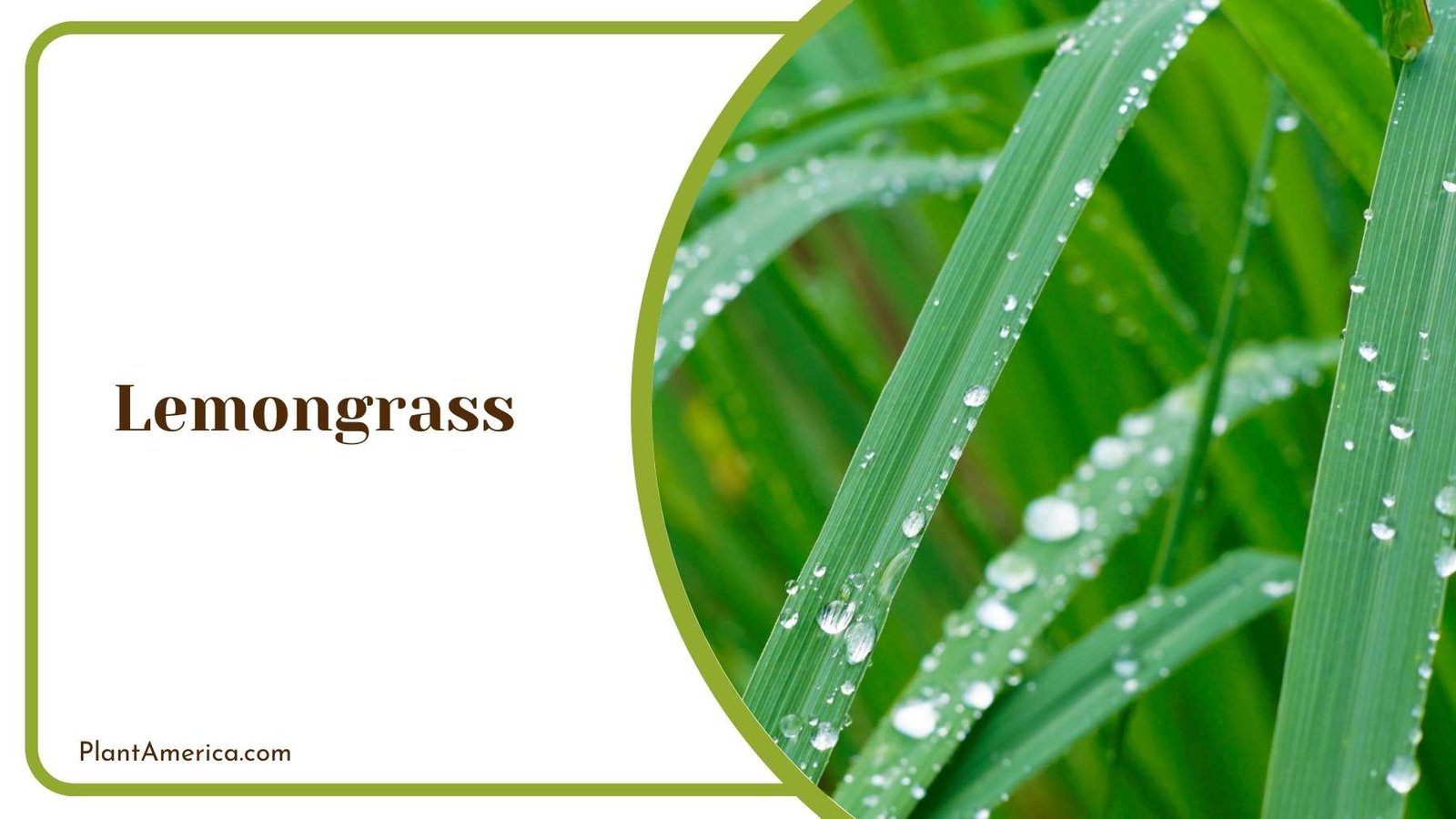
- Growing Season: Summer
- Leaf Shape: Long, Stiff green leaves resembling the base of a scallion
- Specific Needs: Partial shade, Consistent moisture, Frost protection
- Common Pests: Mold, Rot in cold or poorly-draining soil
Fragrant lemongrass adds zest to Asian soups and curries. Grow as a tender perennial indoors in a pot. Trim brown flower heads as they emerge. Divide rootstock or start new clumps from offshoots in spring. Provide good drainage as lower leaves are yellow if soggy. Cut stalks just above soil level to stimulate bushy regrowth—dry leftover stalks for tea.
29. Arrowroot
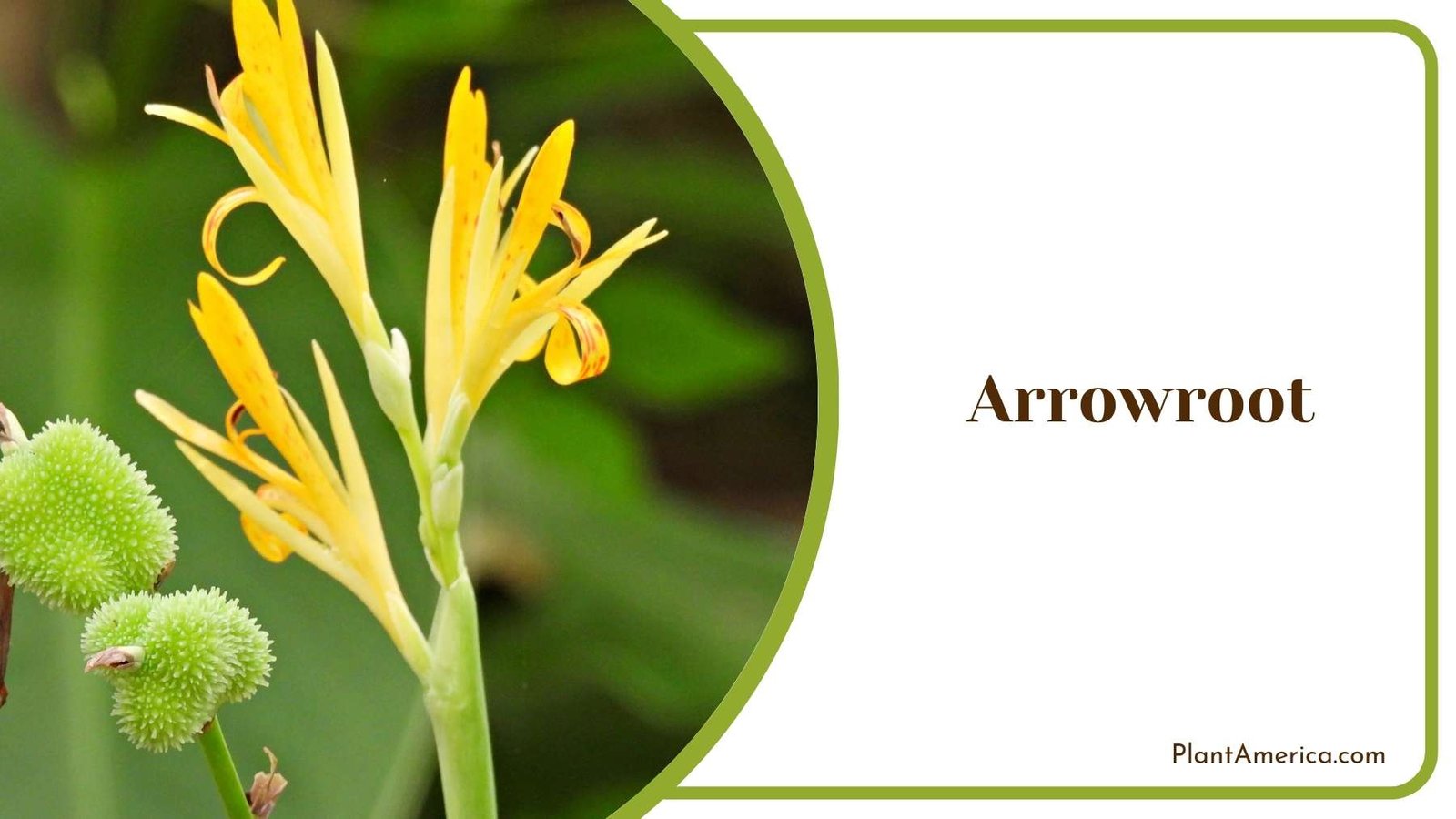
- Growing Season: Summer
- Leaf Shape: Heart-shaped leaves, Spirally arranged on creeping stems
- Specific Needs: Partial shade, Consistently moist sandy soil
- Common Pests: Aphids, Slugs
This tropical perennial produces edible rhizomes prized for thickening sauces, porridges, and more. Provide partial shade and keep it slightly moist, not wet. Divide crowded rootstocks every two to three years in spring. Rhizomes can be dug in the fall, peeled, dried, and stored for use year-round. Give soil good drainage to prevent root rot in rainy seasons.
30. Ginger
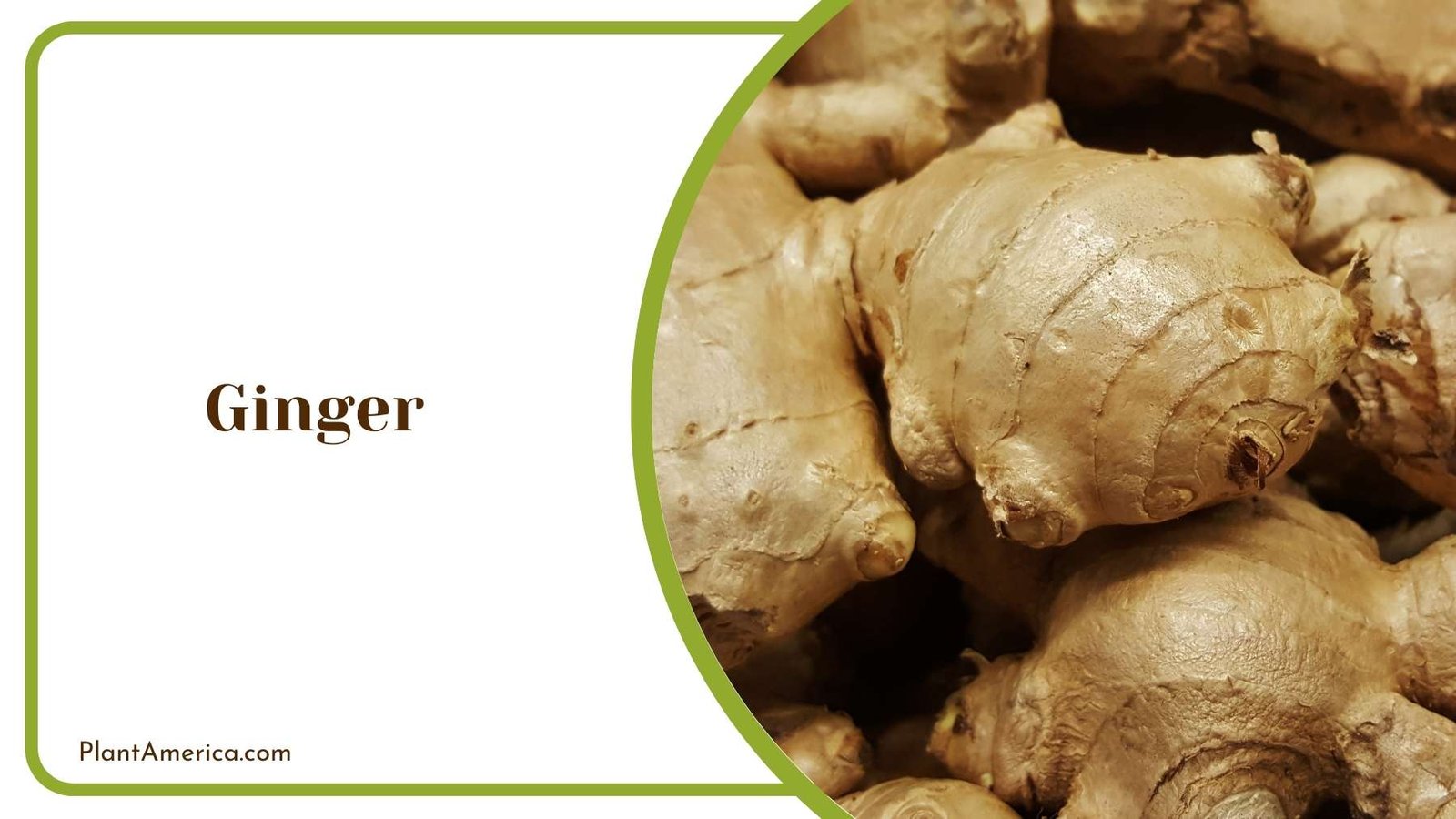
- Growing Season: Summer
- Leaf Shape: Long green reed-like leaves originating from a horizontal rhizome
- Specific Needs: Partial shade, Consistently well-draining soil
- Common Pests: Aphids, Slugs
This tender perennial adds zing to myriad cuisines around the world. Provide partial afternoon shade and keep well-amended soil slightly moist. Divide rootstocks in spring or start rooted pieces in containers. Enjoy fresh rootlets in stir-fries or grate-dried mature rhizomes for baking. It may survive mild winters if the soil is insulated by mulch.
31. Turmeric

- Growing Season: Summer
- Leaf Shape: Large heart, Arrowhead-shaped
- Specific Needs: Partial shade, Consistently well-draining soil
- Common Pests: Aphids, Slugs
This rhizomatous perennial adds warm golden hues and health benefits to culinary creations. Provide partial shade in hot zones. Harvest barrel-shaped underground roots once foliage yellows in autumn. Peel and dry slices in the sun before grinding to a powder. Turmeric grows slowly but multiplies readily through root division. Freshly grated roots provide superior flavor.
32. Kencur
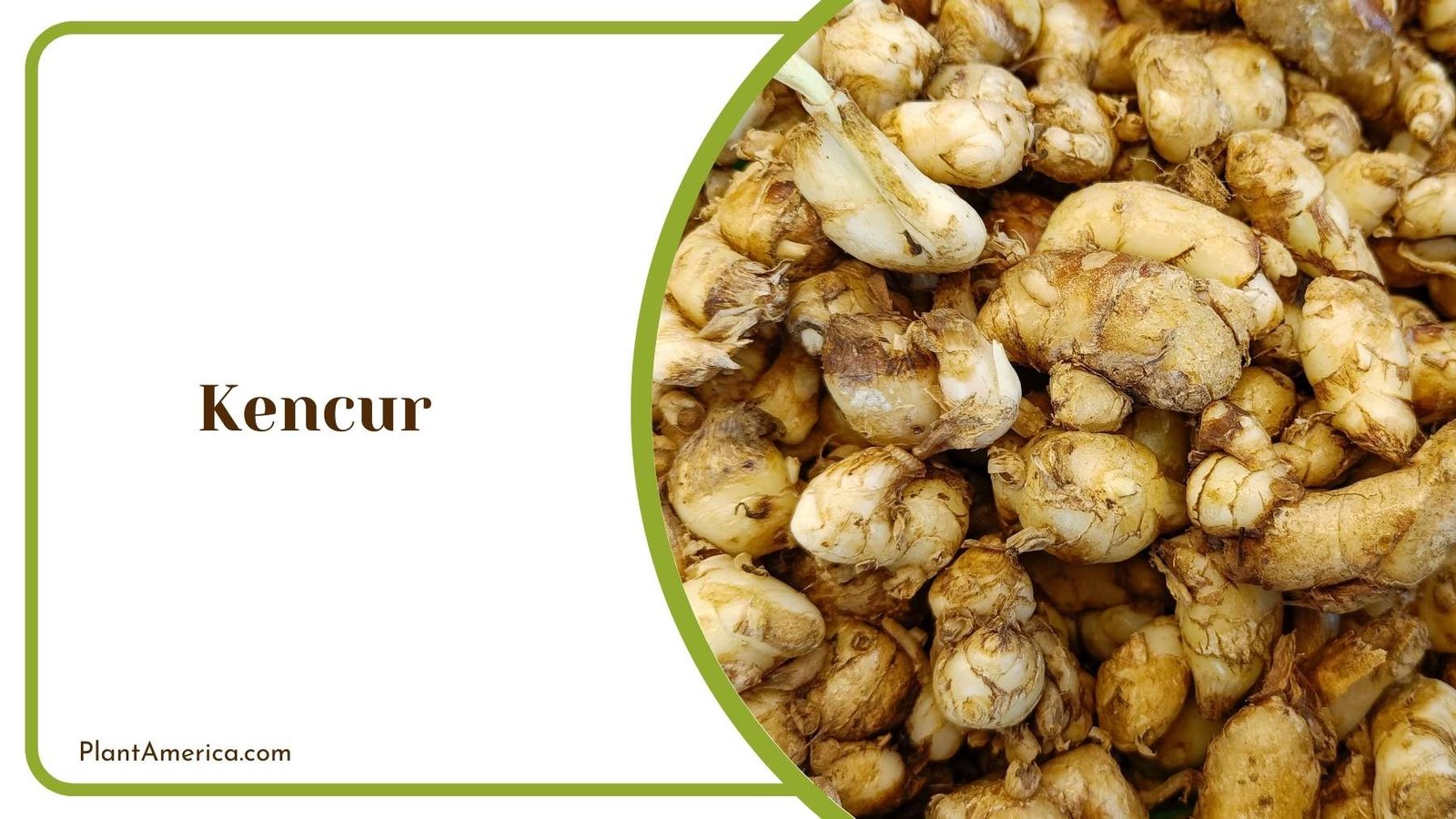
- Growing Season: Summer
- Leaf Shape: Reed-liken, Simple
- Specific Needs: Partial shade, Consistently well-draining soil
- Common Pests: Aphids, Slugs
Kencur is a Southeast Asian herb valued for its strong flavor. It grows from spreading rhizomes and can be cultivated as a perennial. The rhizomes contain aromatic compounds that give kencur a pungent scent and earthy taste when crushed. Cooks commonly add small amounts to curries and soups for flavor. Kencur also contains medicinal properties and can be harvested from its hardy, perennial rhizomes year after year.
Conclusion
Growing edible perennials is a rewarding way to sustain home-cooked nutrition season after season.
- Comfrey is a useful plant to grow in the garden for its edible qualities and ability to act as a natural fertilizer.
- Artichokes are a special vegetable worth the extra effort required to grow and overwinter their tender crowns if you live in colder, hardiness zones.
- Fragrant lemongrass adds zest to Asian soups and curries. Grow as a tender perennial indoors in a pot.
Whether starting a few tried-and-true staples or experimenting with more unusual herbs and vegetables, your palate and garden will thrive from the perennial partnership. Have fun exploring new tastes from your yard and enjoying the sustainable bounty for years.