
Purple leaf plants offer a dramatic pop of color to the landscape. From hardy perennials featuring deep burgundy foliage to flowering shrubs with striking violet leaves, we’ll introduce you to our favorites for brightening your outdoor space.

Whether you prefer perennials with deep burgundy foliage, flowering shrubs with striking violet leaves, or tropical accents with an unmistakable purple hue, these purple-leaf beauties will lift your spirits every time you step outside. We’ll cover a wide range from native shade plants like coral bells to showstoppers in the ornamental cabbage family.
16 Purple Leaf Plants You Should Plant in Your Garden
1. Tradescantia Pallida
- Growing Season: Spring, Fall, Year round
- Leaf Shape: Ovate, Hair like, Soft
- Specific Needs: Full sun, Well-drained soil, Even moisture
- Common Pests: Mealybugs, Spider mites
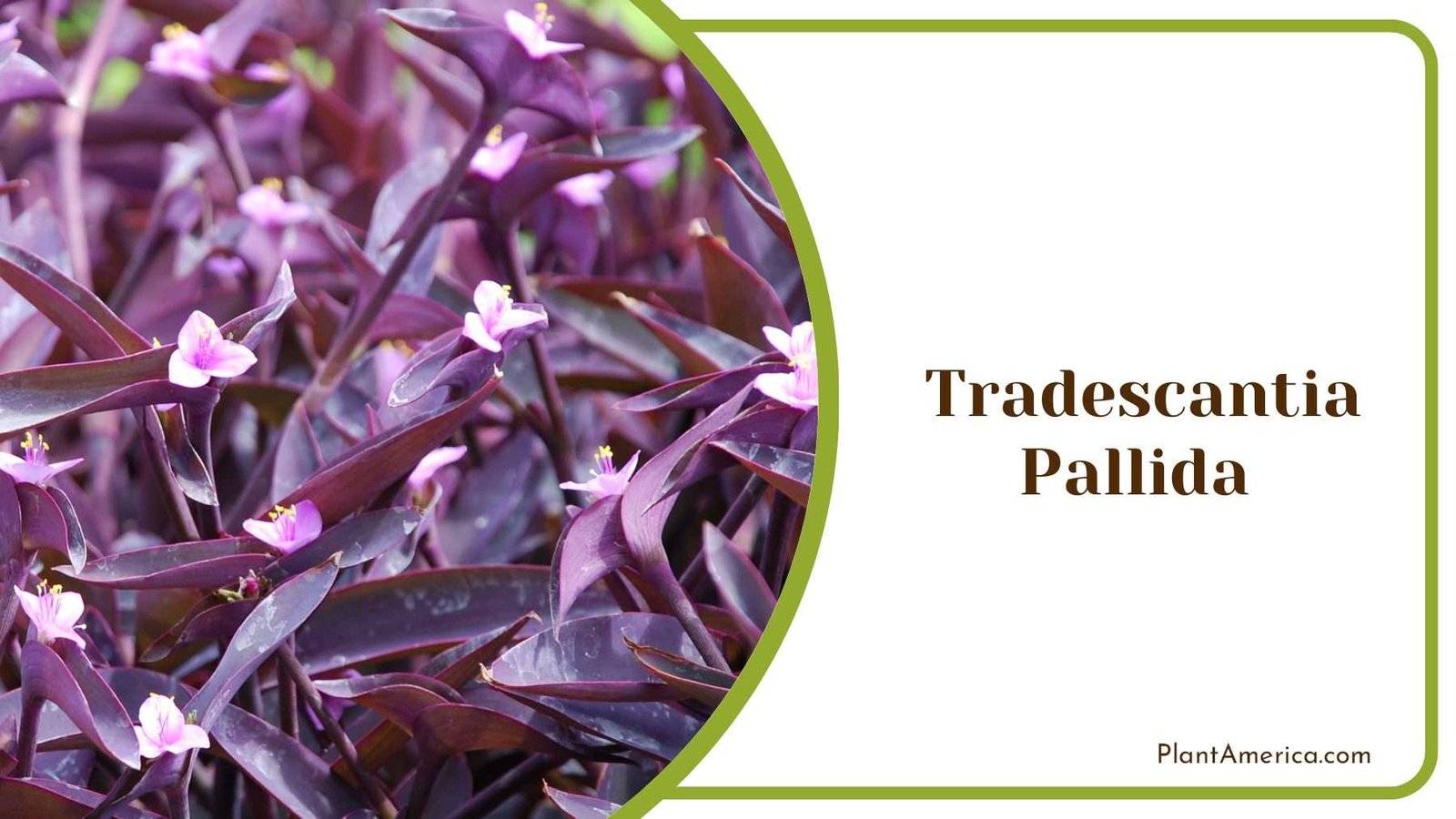
Also commonly called purple queen, Tradescantia pallida is particularly prized for its spectacular cascades of eye-catching purple flowers and vibrant foliage. In early spring, the oval-shaped leaves emerge with striking shades of deep burgundy coloration. As temperatures increase during warmer months, the leaves intensify further to a lush, rich eggplant purple hue.
Tradescantia pallida forms dense, bushy masses of these grassy foliage that spill and cascade gracefully over walls or when trailing from containers, creating concentrations of beautiful color. This purple wandering jew tolerates some filtered shade but truly thrives and produces its best color when planted in locations with full morning sunlight and dappled afternoon light.
The soil needs to be kept consistently and evenly moist by watering regularly, allowing it to dry slightly between waterings but not becoming soggy or saturated. Cutting off any faded flower clusters encourages reblooming to prolong the blooming season. During colder periods, protect the plants from drying winter winds and provide consistent moisture to help the leaves maintain their rich color.
While traditionally being quite easy to care for with minimum effort, Tradescantia pallida can become invasive if not properly contained. It is best to place the plant in an appropriate confined container or to regularly cut back any strays to minimize spread. Keeping plant saucers free of excess moisture also helps control spread. Checking regularly for signs of mealybugs or spider mites is important as these pests favor feeding on this plant’s dense, lush foliage.
With just a moderate level of care, Tradescantia pallida rewards gardeners with a lavish display of beautiful shades of deep plum-indigo plants all season long. As an excellent choice for groundcover, hanging baskets or containers on sunny patios and decks, this purple-leaf perennial provides a sensational avalanche of purple leaves and dangling flowers.
2. Purple Emperor
- Growing Season: Year round, Slow grower
- Leaf Shape: Shallow lobed, Lobed
- Specific Needs: Partial shade, Well-drained soil
- Common Pests: Aphids, Spider mites
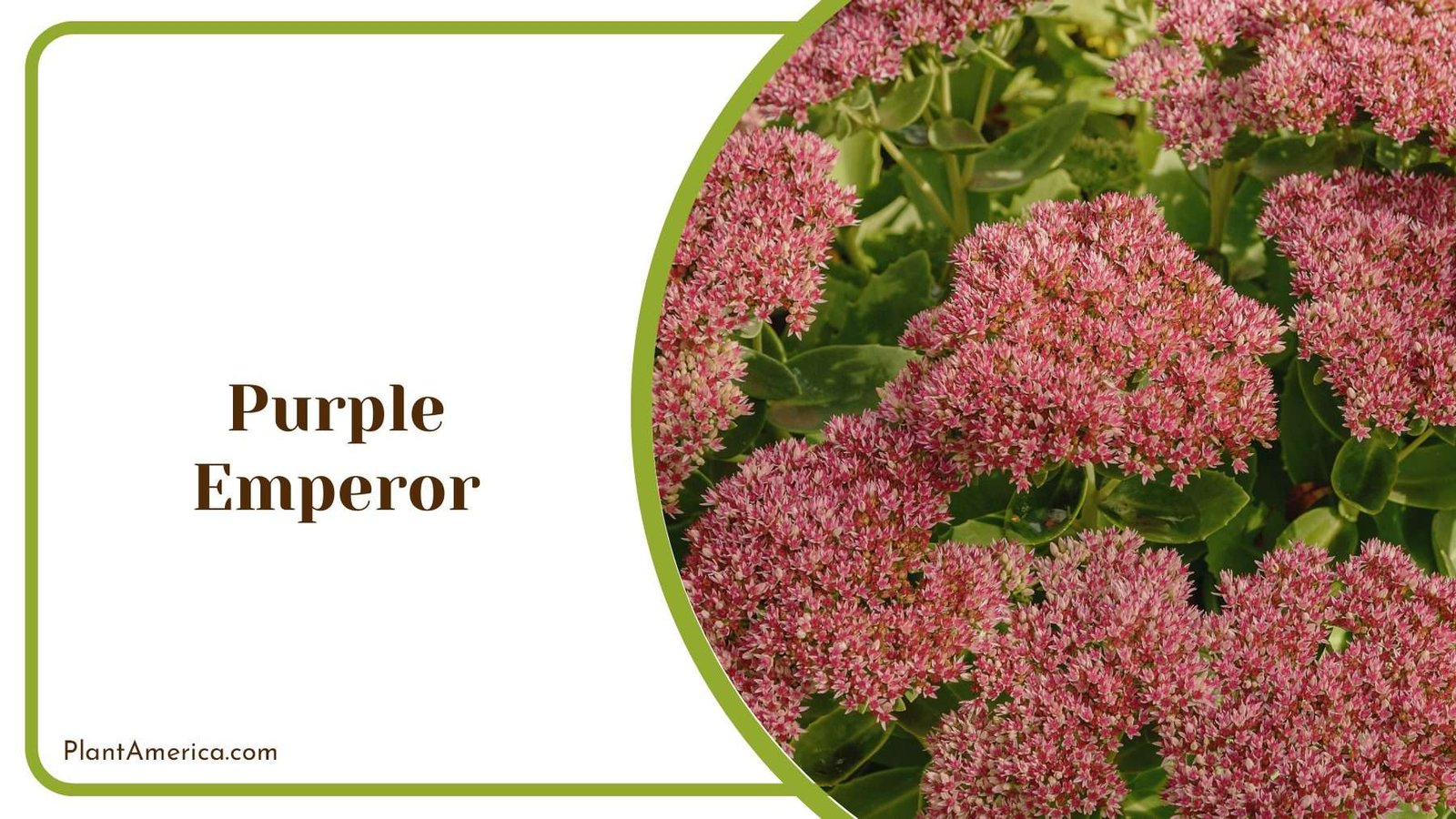
Purple emperor (Sedum telephium ‘Atropurpureum’) features succulent, upright stems of broad leaves with wine-purple overtones. As new growth emerges in spring, the intensity of color increases before becoming thick enough to withstand the scorching summer sun. During the hottest months, the plant becomes more purple-gray-green before regaining its deep purple hue in the fall.
This perennial groundcover thrives in planters, borders, and rock gardens in partial shade to full sun. It flowers pink to cream in early summer, but ornamental foliage is the true showstopper. Monitor soil moisture and fertilize once or twice a year. Leave foliage on the plant during winter as insulation.
Purple Emperor tolerates cool temperatures and Drought but needs good drainage for ideal health. Prune back faded or overgrown stems in late winter to keep the plant full. Snip off any flowers to boost color development. Watch for potential issues like powdery mildew or aphids, which may cluster on new growth.
With thick foliage that turns deep wine-purple in fall, Sedum telephium ‘Atropurpureum’ adds the richness of purple hues while remaining tough and reliable all year round. Grow it as a spiller in a container or mass planting for a variegated pop of color in your garden.
3. Red Leaf Cordyline
- Growing Season: Year round
- Leaf Shape: Linear, Stiff
- Specific Needs: Direct light, Well-drained soil, Moist soil
- Common Pests: Mealybugs, Fungal
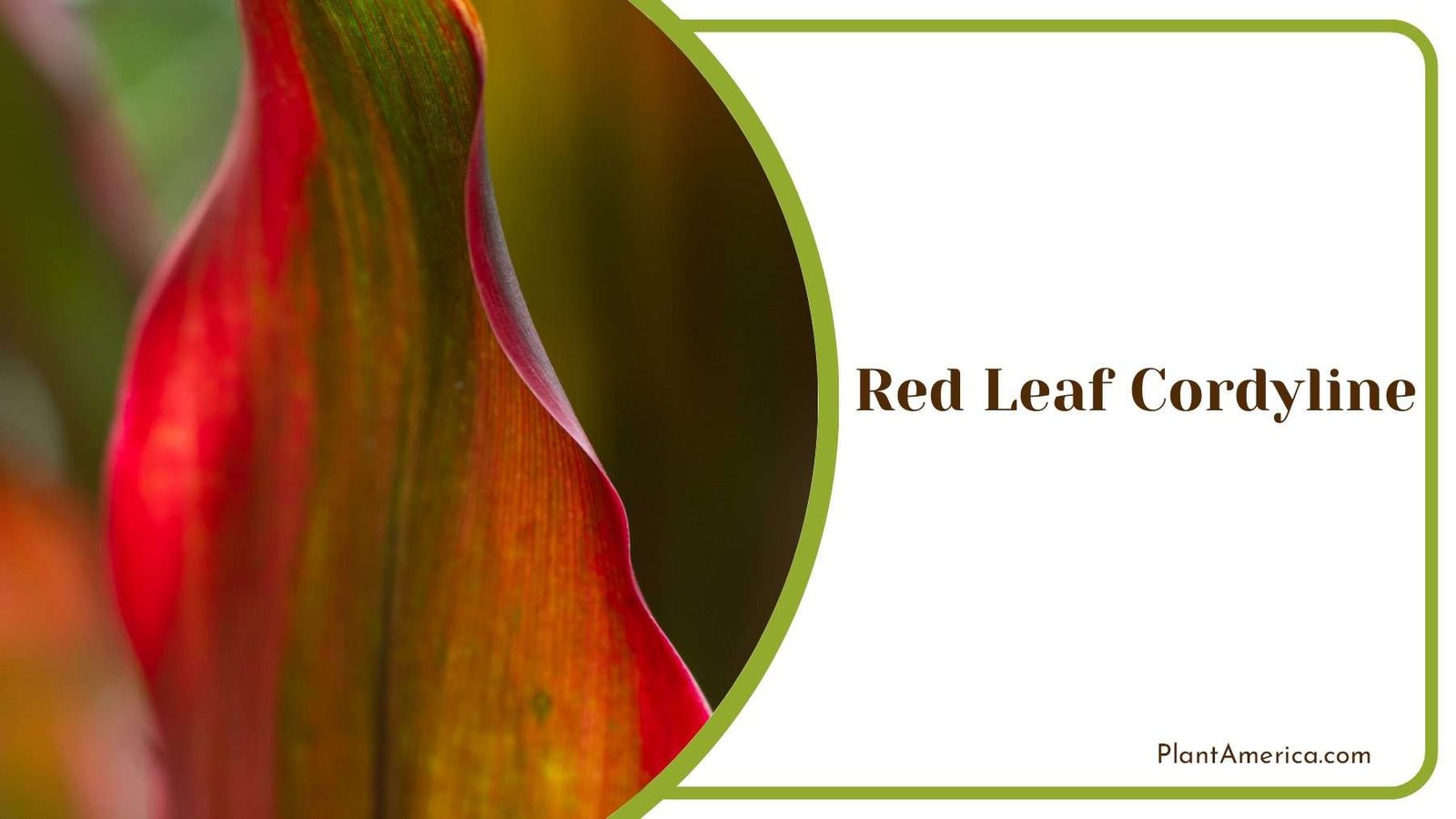
Cordyline fruticosa ‘Red Sister,’ or red leaf cordyline, features arching leaves of deep burgundy to garnet red that intensify during winter months. The fleshy, narrow leaves emerge lime green and gradually mature to rich shades of purple and maroon. New foliage emerges at the center of the plant, pushing outwards in an attractive fan-like formation.
Grow this plant in bright, indirect light away from hot sun exposure for optimal red leaf color. Place it indoors near a south-facing or west-facing window. Supplement natural light with artificial light as needed. Keep soil evenly moist and not soggy, and let the top 1 inch to 2 inches dry between waterings.
Fertilize red leaf cordyline once per month during spring and summer. Water and mist leaves frequently boost humidity, as this purple leaf plant is prone to issues like fungal rot and infestation by mealybugs. Over time, older leaves may lose color and can be trimmed back for a tidier look.
With its architectural foliage of brilliant deep-red hues, the red leaf cordyline makes a striking statement indoors or out. Use it as a central focal point in containers, group several plants together for maximum impact, or showcase it solo in a large pot for year-round visual interest.
4. Rex Begonia
- Growing Season: Year round
- Leaf Shape: Deeply lobed, Glossy leaves
- Specific Needs: Direct light, High humidity
- Common Pests: Spider mites, Fungal
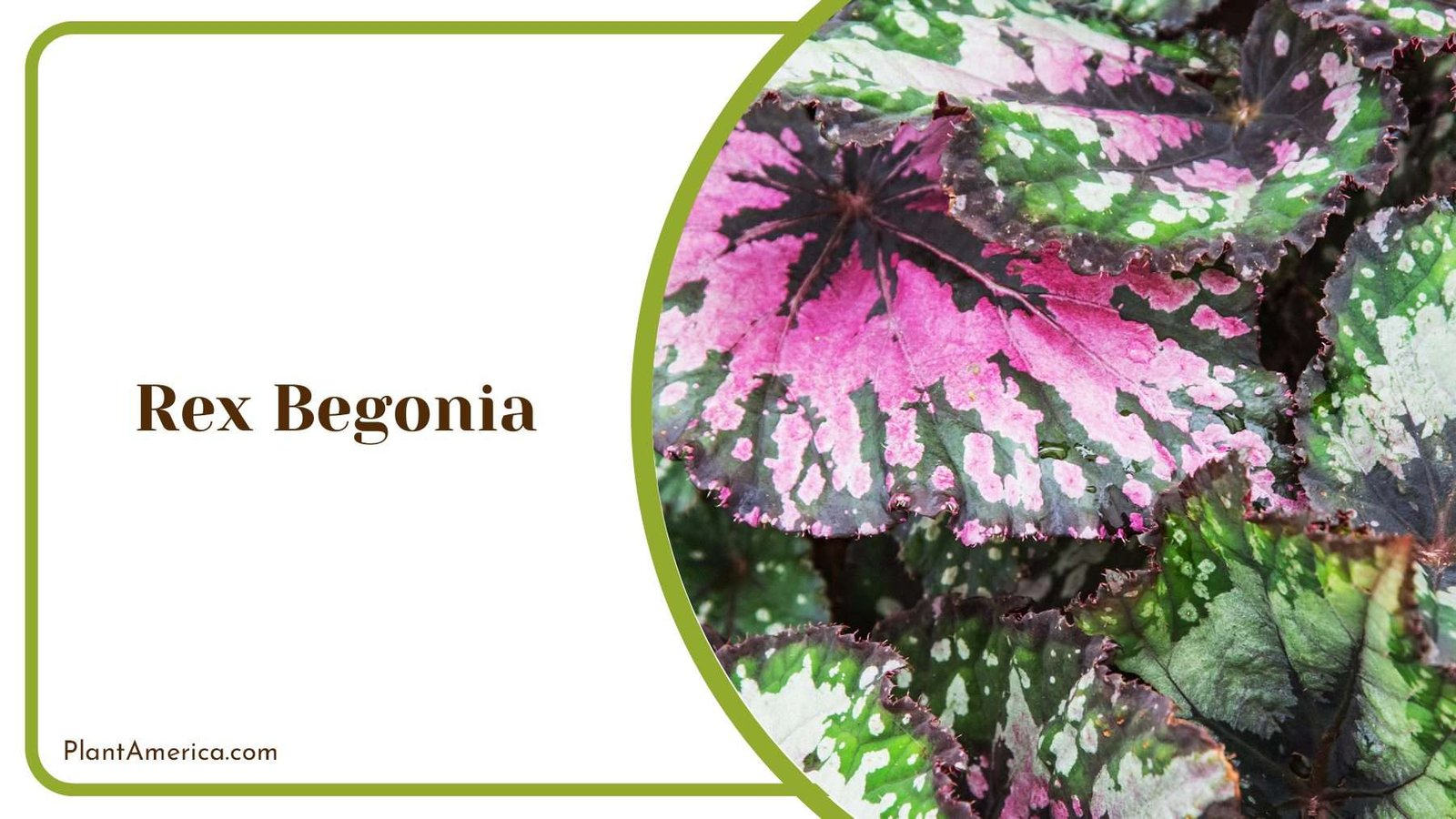
Rex begonia (Begonia rex) features glossy, deeply-divided leaves marked in rich burgundy, plum, and maroon shades. Some selections may also have silver and green variegation and deep purple tones. New leaves emerge, tinged in bright red and purple, before darkening as they mature.
Place rex begonias in spots with high humidity and indirect light to keep leaves from wilting and fading. Supply supplemental artificial light if needed. Keep soil moist and not soggy, and allow the surface to dry partially between waterings.
These purple-leaf begonias typically require indoor temperatures between 60 to 75 degrees Fahrenheit. Water from below, and most frequently the leaves, to boost humidity to 40 percent to 60 percent. Foliage can become yellow or brown from excess sun, dry air, or cool drafts. Monitor carefully for spider mites or fungal issues.
With its elegant lobed leaves in deep shades of purple and maroon, rex begonia offers sophisticated visual appeal to any indoor setting. Grow several in a colorful arrangement or put a single specimen on display. The glossy surface and intricate patterns of rex begonia leaves make it a premier foliage plant for heightened beauty.
5. Purple Shamrock
- Growing Season: Year round
- Leaf Shape: Tri-lobed, Palmate
- Specific Needs: Indirect light, Well-drained soil, Moist soil
- Common Pests: Scale insects, Fungal
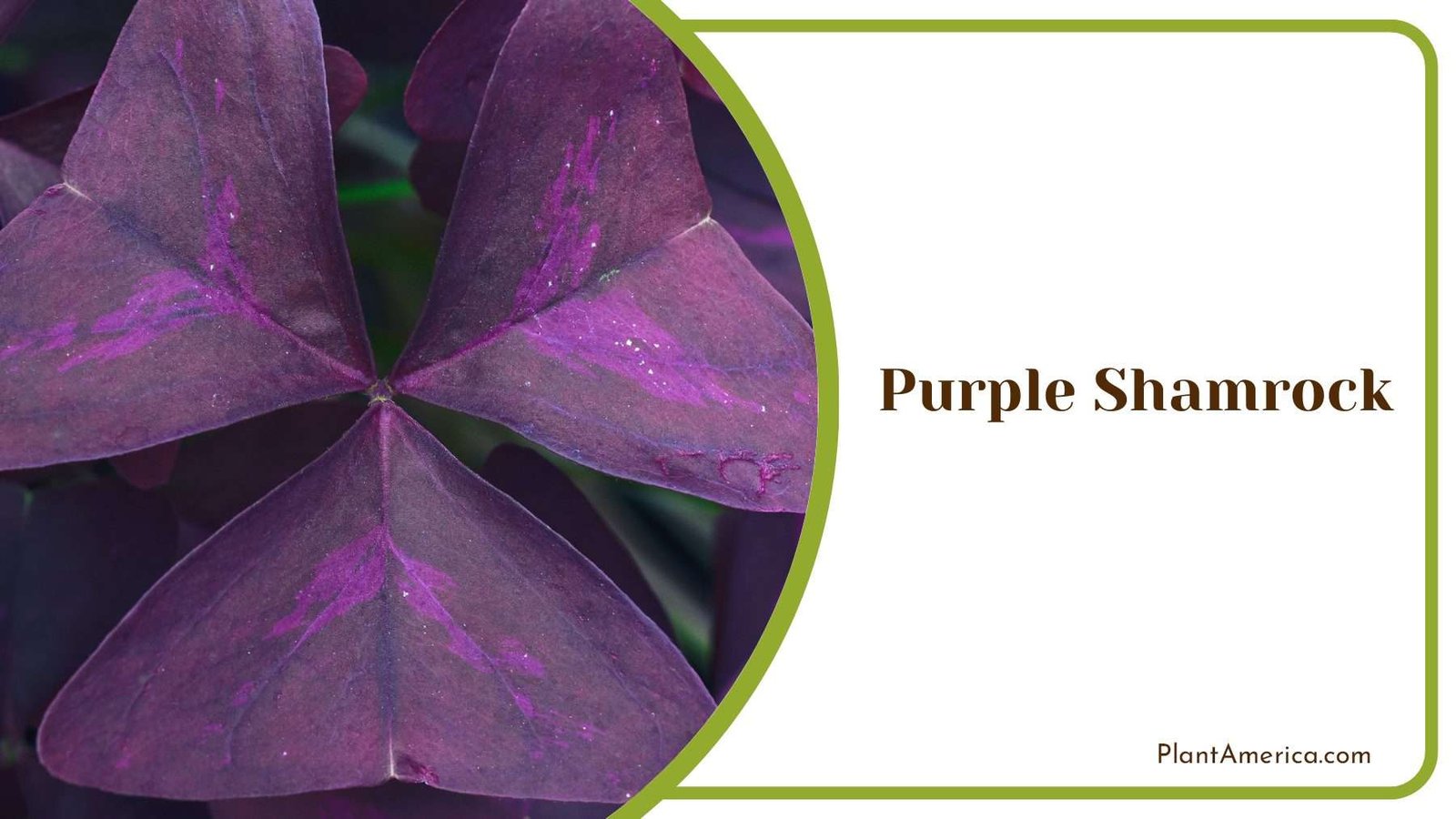
Oxalis triangularis, or purple shamrock or oxalis, features elegant leaves with three pointed lobes marked by deep burgundy pigmentation. In spring and summer, droughts of bright pink to purple flowers also appear and contrast beautifully with the dark foliage. When mature, leaves can measure up to four inches across.
To promote the richest purple leaf color, grow purple shamrocks in bright, indirect light or part shade. The plant prefers cooler temperatures between 55 degrees Fahrenheit to 65 degrees Fahrenheit and high humidity levels around 60 percent. Keep soil evenly moist but well-draining. During dormancy in winter, water sparingly and avoid fertilizing.
Although easy to care for, purple shamrock can be susceptible to fungal diseases under poor growing conditions. Inspect leaves regularly for brown or yellow spots, powdery mildew, and leaf drop, which indicate issues like excessive sun or dry air. Monitor too for scale insects, especially during warmer months.
Characterized by its tri-lobed, oxblood leaves, and cherry blooms, purple shamrock adds a splash of engrossing color to any indoor setting. It recovers quickly from minor leaf damage, making it ideal for easily distracted plant parents in search of low-maintenance purple foliage.
6. Royal Purple
- Growing Season: Year round
- Leaf Shape: Elliptic, Fragrant
- Specific Needs: Partial shade, Well-drained soil, Moist soil
- Common Pests: Spider mites, Fungal
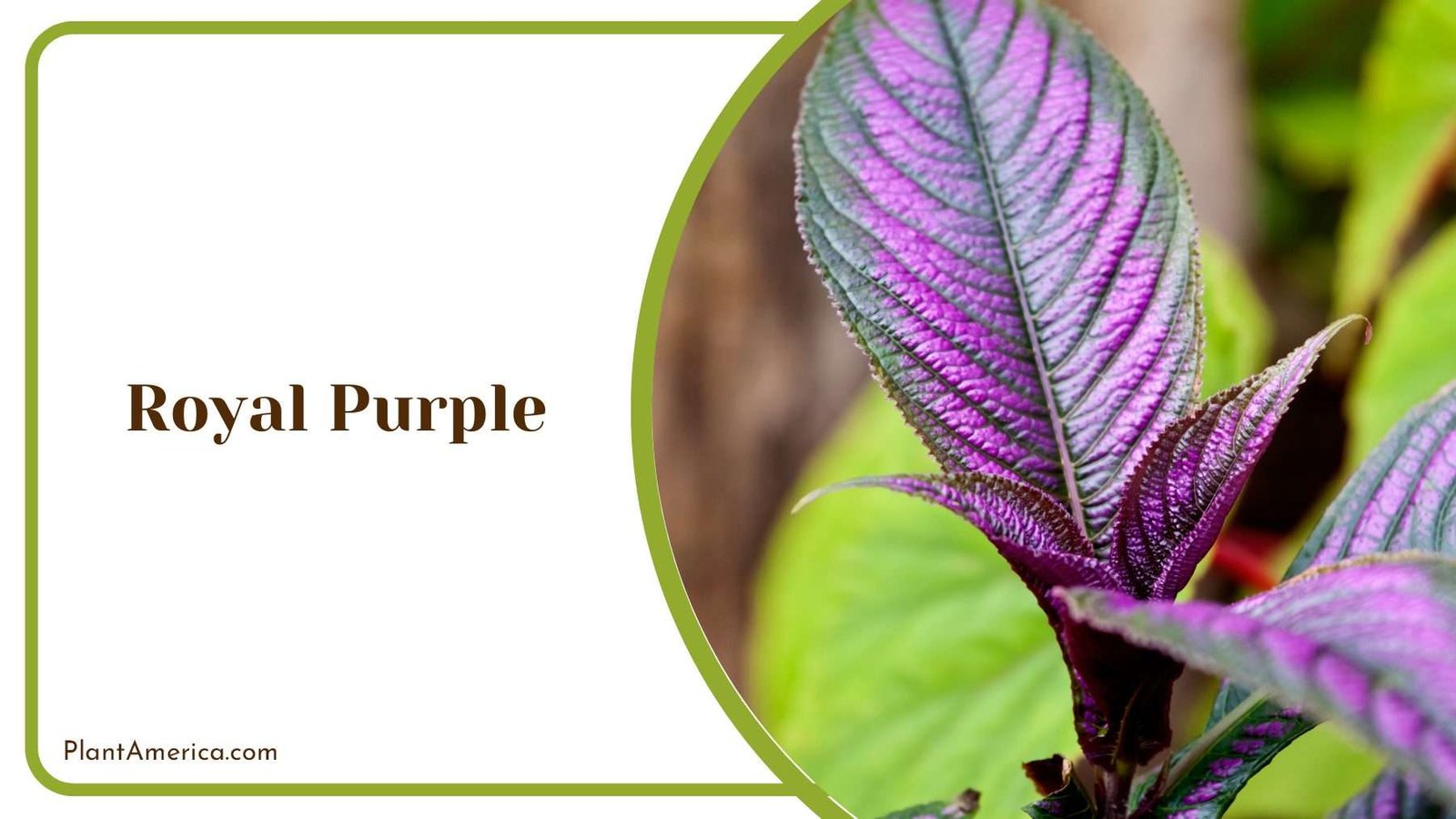
Cotinus coggygria ‘Royal Purple features oval leaves that emerge burgundy and then color up to a striking deep purple as spring turns to summer. The fringe-like leaves contrast beautifully against the hazy pink blooms and gray branches of the smoke bush shrub. Leaves may develop bronze tinges in the fall before dropping for winter dormancy.
For maximum purple color, grow royal purple smokebush in full sun to part shade and keep soil evenly moist. Provide shelter from harsh winter winds and plenty of room to develop into a large rounded shrub that may reach 8 feet to 15 feet tall. The plant spreads slowly to about 10 feet wide.
Prune and shape royal purple smokebush once established to promote fuller growth. It tolerates heat, Drought, and most soil types except those that retain excess water. Leaves may scorch from the hot sun, so provide some afternoon shade to help preserve purple pigmentation. Be on the lookout for potential spider mites and fungal issues that can impact new growth.
Boasting of its dramatic deep purple foliage that contrasts beautifully against blushed pink smoke-like flower clouds, the royal purple smokebush offers eye-catching color for shrub borders, courtyards, and landscapes. It adds striking vertical interest to a garden scheme while attracting pollinators with its fragrant bloom.
7. Velvet Plant
- Growing Season: Year round
- Leaf Shape: Elliptic, Glabrous, Smooth
- Specific Needs: Partial shade, Well-drained soil, Moist soil
- Common Pests: Aphids, Fungal, Thrips
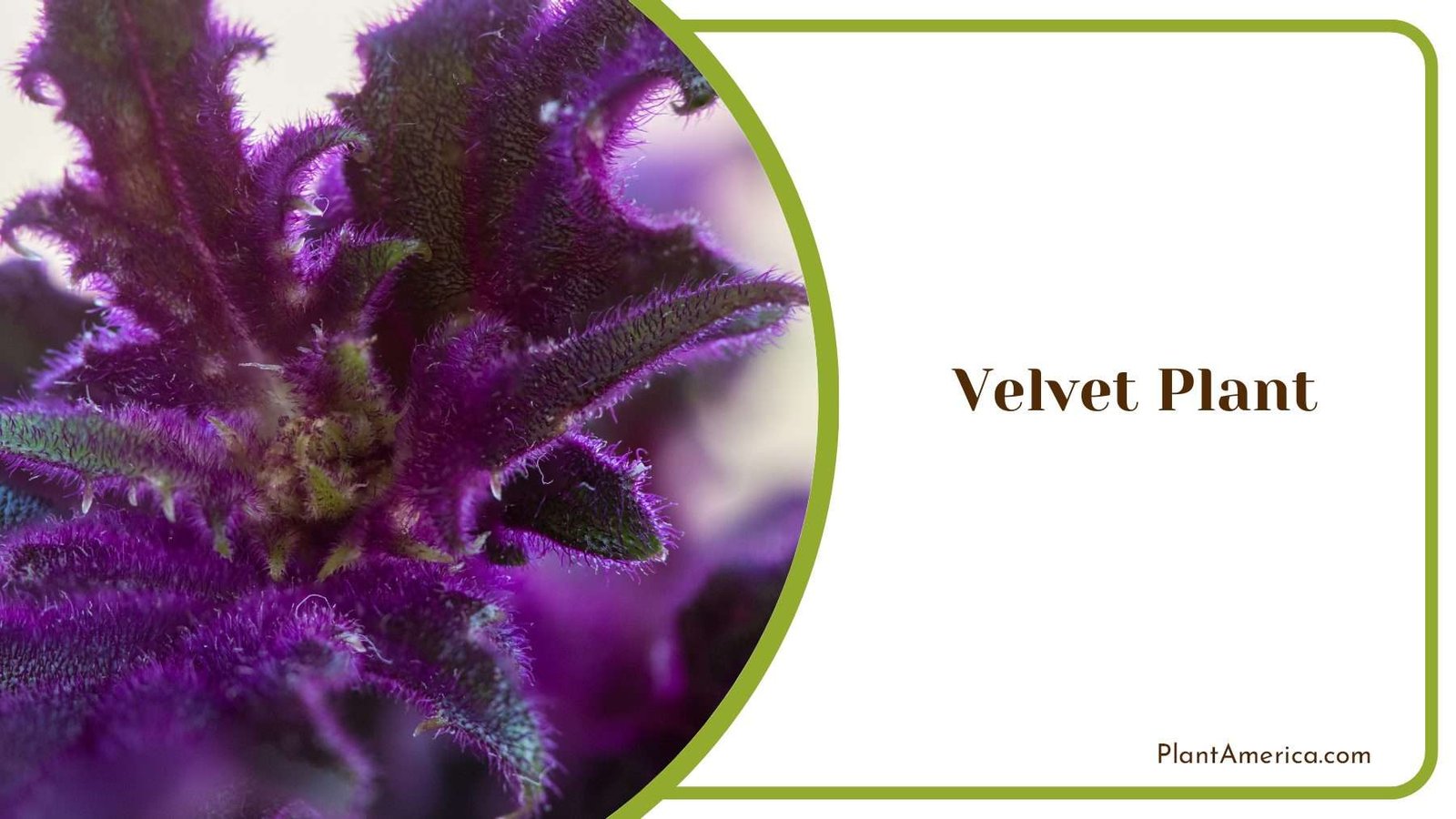
Gynura aurantiaca, also known as velvet plant or purple passion plant, features leathery elliptic leaves with striking purple undersides and green tops. The dense foliage grows in an upright, bushy habit perfect for spilling from containers or mass plantings. Velvety new growth emerges, tinged in rich burgundy before the upper surface turns lime green.
For optimal purple color, grow velvet plants in bright, filtered light indoors. Keep soil evenly moist and not soggy, and mist leaves regularly to boost humidity. Increase water and fertilizer as new growth appears in spring. Trim blooms and prune periodically to maintain a full, rounded shape.
Velvet plants thrive in humid conditions between 65 to 85 degrees Fahrenheit. Monitor carefully for yellow or brown leaf tips and spots, which indicate issues like excessive sun, dry soil, or infestation by thrips and aphids. Proper air circulation helps minimize the potential for fungal disease.
With year-round deep purple undersides and contrasting lime green tops, velvet plant offers downright stunning color to any indoor setting. Use it as a striking accent piece in containers or group several plants together to make a powerful visual statement. The foliage’s soft, velvety texture adds visual appeal and tactile interest.
8. Waffle Plant
- Growing Season: Year-round
- Leaf Shape: Rounded, Crinkled, Textured
- Specific Needs: Direct light, Well-drained soil, Moist soil
- Common Pests: Thrips, Spider mites, and Mealybugs
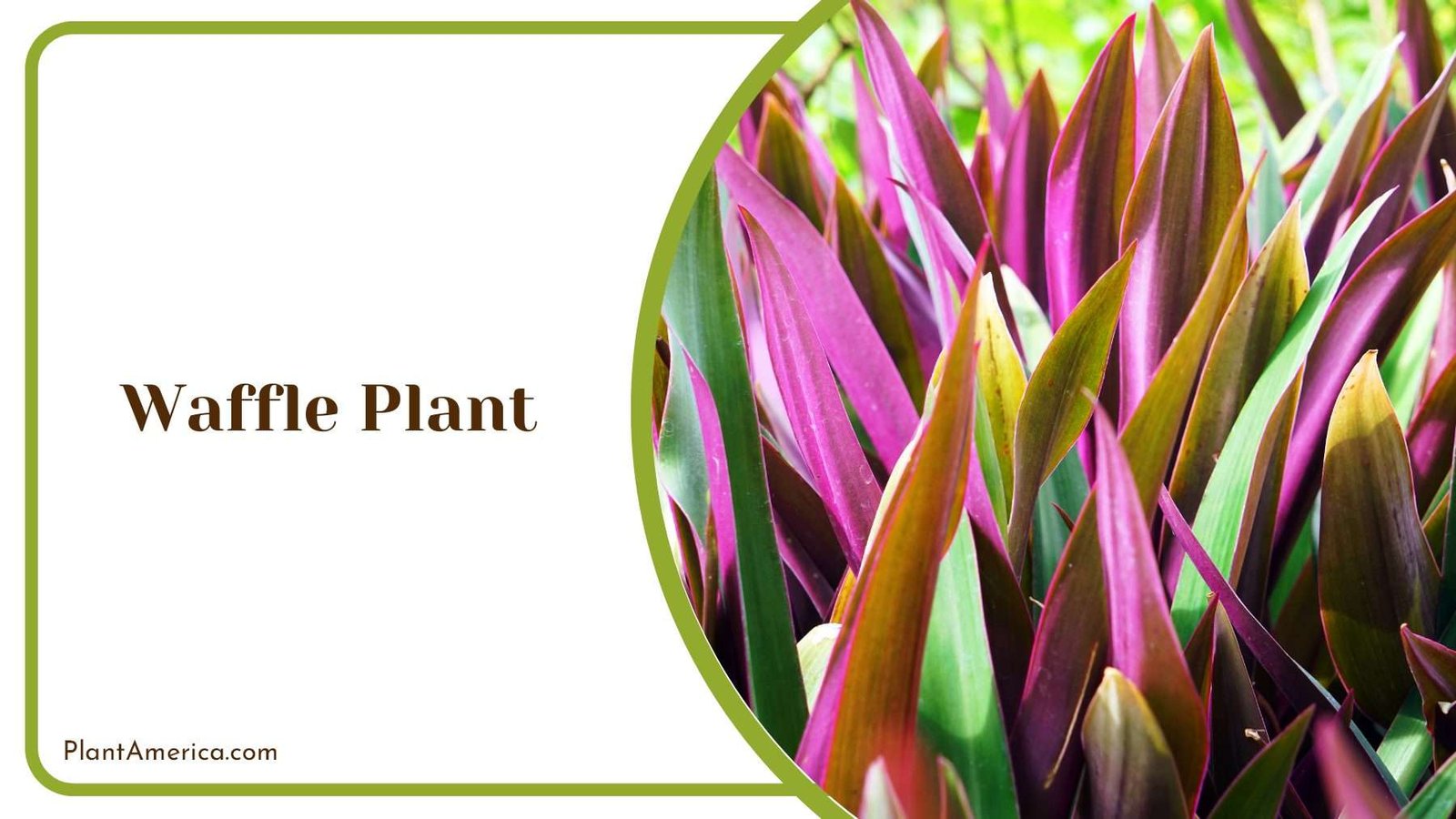
Tradescantia spathacea, commonly called spiderwort or waffle plant, features purplish-green, succulent leaves marked with light crinkled patterns and wavy edges. When young, the foliage emerges in tones of deep burgundy that gradually fade to purple-green with maturity. Star-shaped flowers appear in shades of pink, purple, or deep fuchsia.
Waffle plants thrive in bright, indirect light and a temperature range of 65 to 80 degrees Fahrenheit. Keep soil moist but not soggy and boost humidity around the plant with misting. Increase watering and feeding as new growth appears in spring. Prune spent flowers for tidy shape and prompt re-blooming.
Although easy to grow, waffle plants may develop yellow leaves from overly wet soil conditions. Infestations by spider mites and thrips, especially in dry air, can stunt growth and distort foliage color. Leaves may turn brown from excess sun or cool drafts. Regular inspection and proper light levels help avoid common issues.
With its unique crinkled leaves marked in rich shades of purple and green, the waffle plant adds textural interest to any indoor space. Use it as a hanging basket, place it atop a tall stand, or tuck it into a crowded corner for year-round visual appeal. The showy flowers provide an extra burst of color when in bloom.
9. Ajuga Reptans
- Growing Season: Year-round
- Leaf Shape: Rounded, Basal lobed, Decomposed
- Specific Needs: Partial shade, Well-drained soil, Moist soil
- Common Pests: Aphid, Spider mites, Leafhopper
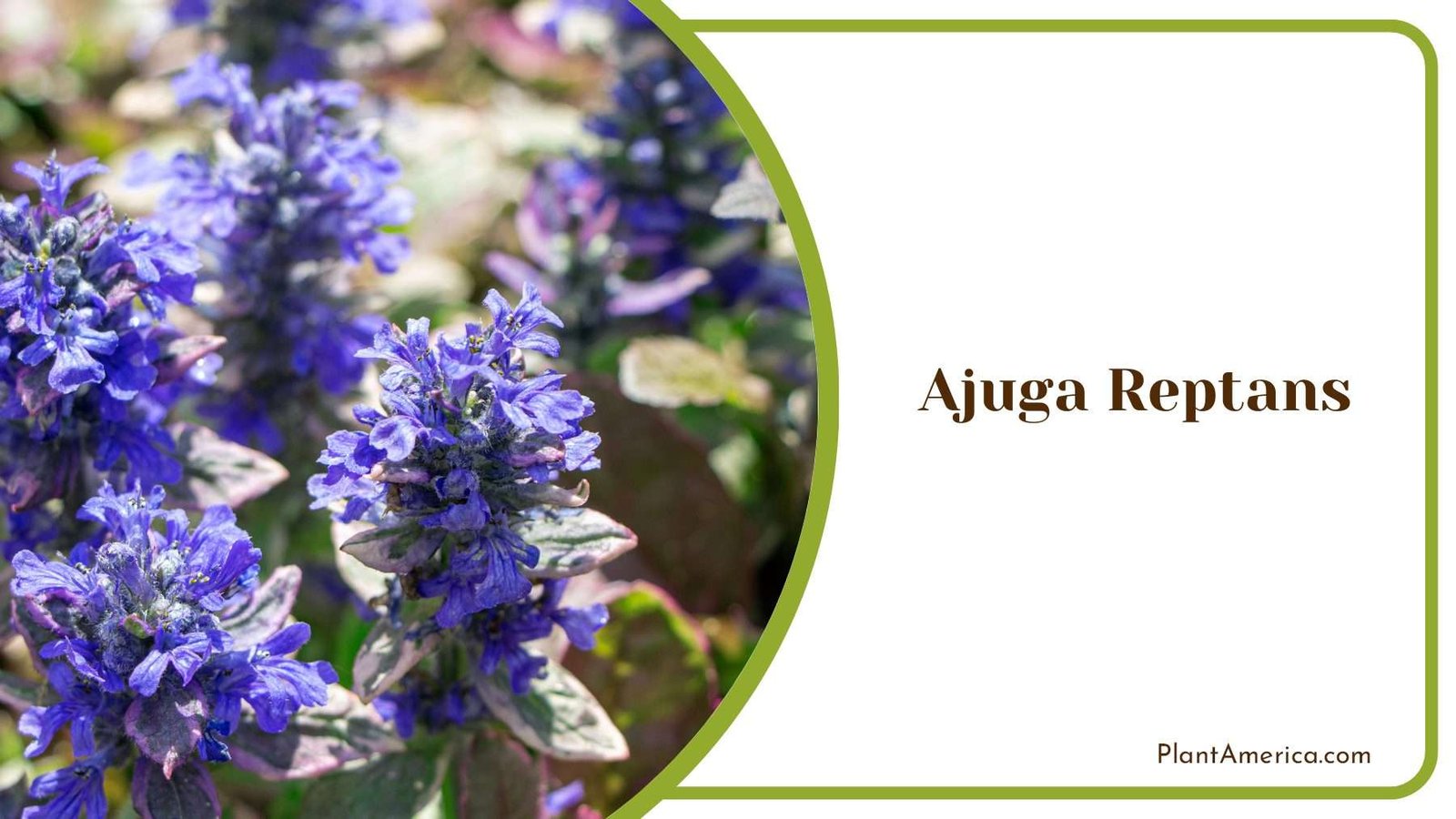
Ajuga reptans, commonly called bugleweed, feature mounding clumps of round-lobed leaves in deep shades of red-purple to nearly black. The purplest varieties emerge in spring with bronze leaves that quickly transition to rich plum tones as temperatures rise. Delicate blue flowers bloom sporadically over foliage in late spring and early summer.
Grow ajuga reptans in part shade to full shade and keep soil evenly moist. These purple-leaf plants prosper in woodland areas and benefit from a layer of leaves or mulch to keep roots cool and moist. Increase water and fertilizer in spring as new growth develops.
Ajuga reptans require temperatures between 40 to 65 degrees Fahrenheit. Mist leaves frequently and boosts air circulation to help manage potential problems like aphids, spider mites, and leafhoppers, which cluster on new growth. Established plants tolerate periods of dryness, but waterlogged soil causes them to fade in color.
With its plump, textured foliage that emerges nearly black in spring, bugleweed adds rich tones of deep purple to shady gardens and pathways. The creeping growth habit allows ajuga reptans to completely cover ground, cascading over walls and spilling from containers for continuous color.
10. Berberis Thunbergii
- Growing Season: Deciduous, Fall, Spring
- Leaf Shape: Spiny, Entire leaves
- Specific Needs: Full sun, Well-drained soil, Drought resistant
- Common Pests: Aphid, Spider mites
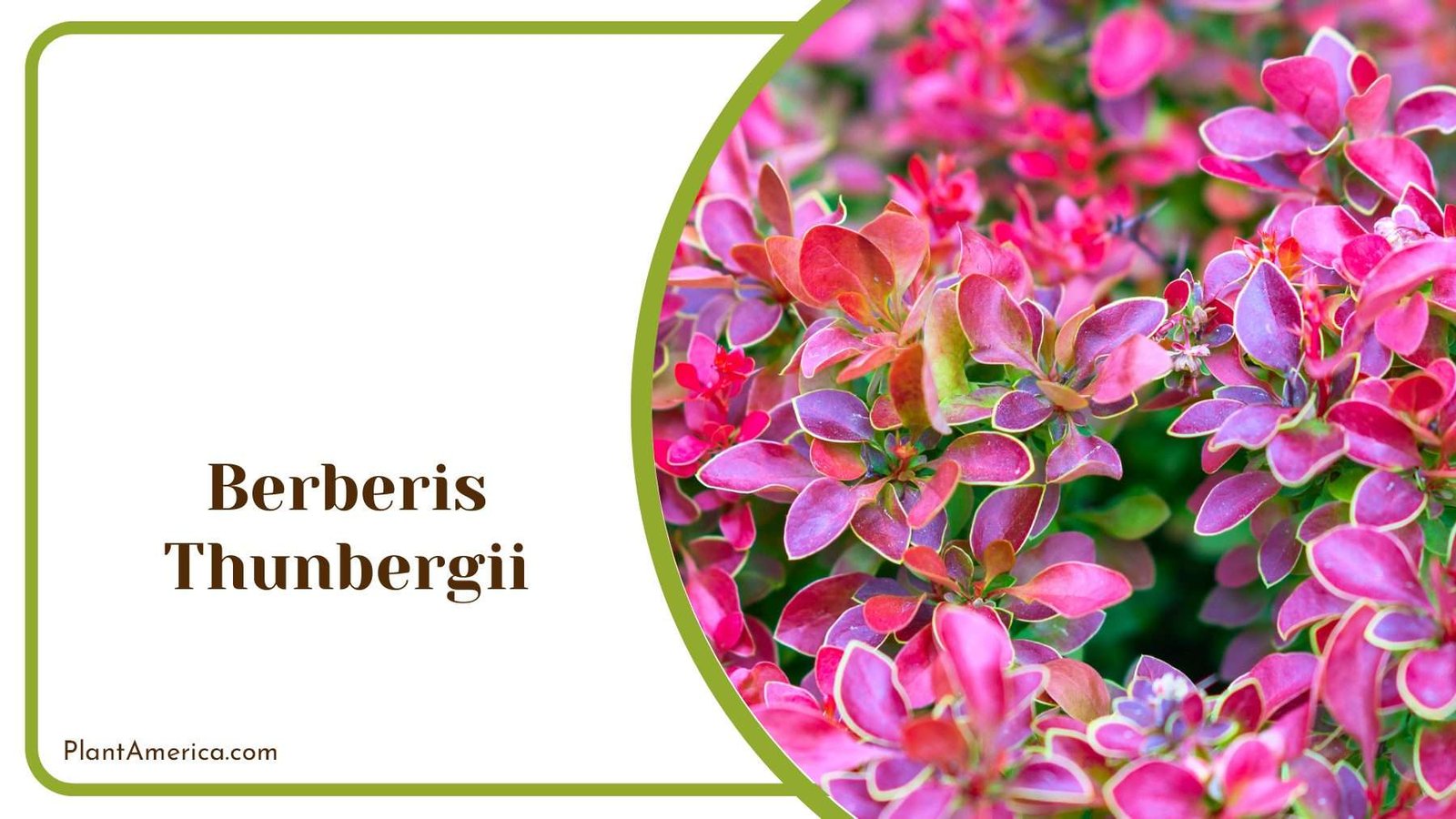
Berberis thunbergii, commonly called Japanese barberry, features spiny oval leaves that color up beautifully in shades of dark maroon to nearly black in fall and winter. As they unfold in spring, new leaves emerge, tinged in shades of bronze and burgundy before maturing green. Clusters of yellow flowers give way to glossy red fruits that persist into winter.
Grow Japanese barberry in full sun and keep the soil moderately moist but well-draining. Prune after leaf drop in fall to maintain a compact, rounded habit and stimulate new growth. Fertilize lightly once in spring.
Japanese barberry tolerates heat, humidity, and most soil types. During winter months, dormancy, and water minimally. Check leaves regularly for yellow or brown spots indicating potential issues like leaf diseases, aphids, or spider mites. Overly wet soil can also stress plants and cause lower leaves to turn yellow and drop.
Characterized by its blend of spiny oval leaves that color spectacularly purple and burgundy in winter, Japanese barberry offers reliable fall interest for foundation plantings, massing, and mixed perennial borders. The dense growth habit makes barberry an excellent choice for creating year-round hedges, screens, and barriers.
11. Brassica Oleracea
- Growing Season: Year-round
- Leaf Shape: Rounded, Nonflowering, Leathery leaves
- Specific Needs: Full sun, Well-drained soil, Moist soil
- Common Pests: Aphid, Mealybugs, Cabbage
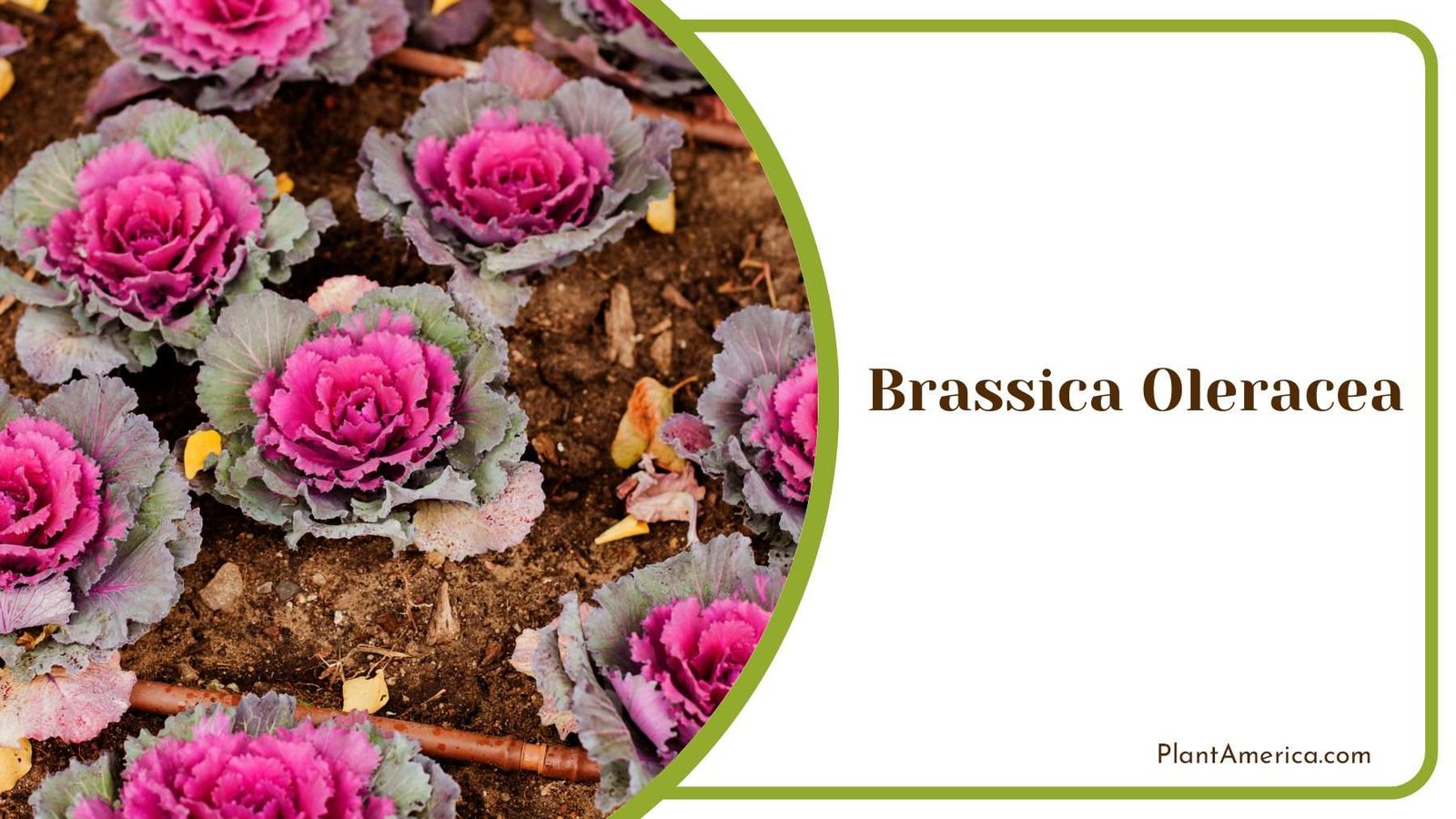
Ornamental cabbage and kale feature thick, leathery leaves that come in stunning and vibrant shades of deep purple and burgundy. The leaves form rounded, puckered shapes and textures that add visual interest to the landscape. Mature plants develop lush, spreading mounded rosettes, some reaching diameters of up to eight inches across.
As temperatures warm, new foliage emerges with subtle tinges of bronze that darken and intensify into the rich hues during warmer weather. To bring out the richest, most vivid leaf coloration, ornamental cabbages and kale require full sun exposure throughout the day. The soil needs to be kept consistently and evenly moist by watering regularly, allowing the top inch to dry between waterings so the roots are not constantly saturated.
Fertilizer should be applied on a routine schedule to nourish the plants and encourage robust, lush foliage production. These cold-hardy plants thrive best in slightly cooler temperatures around 65 degrees Fahrenheit.
While generally low-maintenance and pest-free, occasional pests like cabbage worms, mealybugs, and aphids may be drawn to dine on the foliage. Sustained temperatures below freezing of 25 degrees Fahrenheit can cause leaf drop.
It is important to monitor soil moisture levels to prevent overly wet conditions, as saturated soil has been shown to diminish the intensity of the colorful foliage display. Plants may need to be relocated indoors or covered during severe storms or winter weather.
With their bold, striking leaves in beautiful shades of deep purple and burgundy, ornamental cabbages and kale add vibrant pops of rich color to enhance any landscape as low-maintenance ascent and filler plants. Their lush, spreading mounded forms also make them excellent choices for colorful container specimens on patios and decks.
12. Chinese Fringe
- Growing Season: Deciduous, Fall, Spring
- Leaf Shape: Linear, Entire
- Specific Needs: Partial shade, Well-drained soil, Moist soil
- Common Pests: Leaf spot, Spider mites
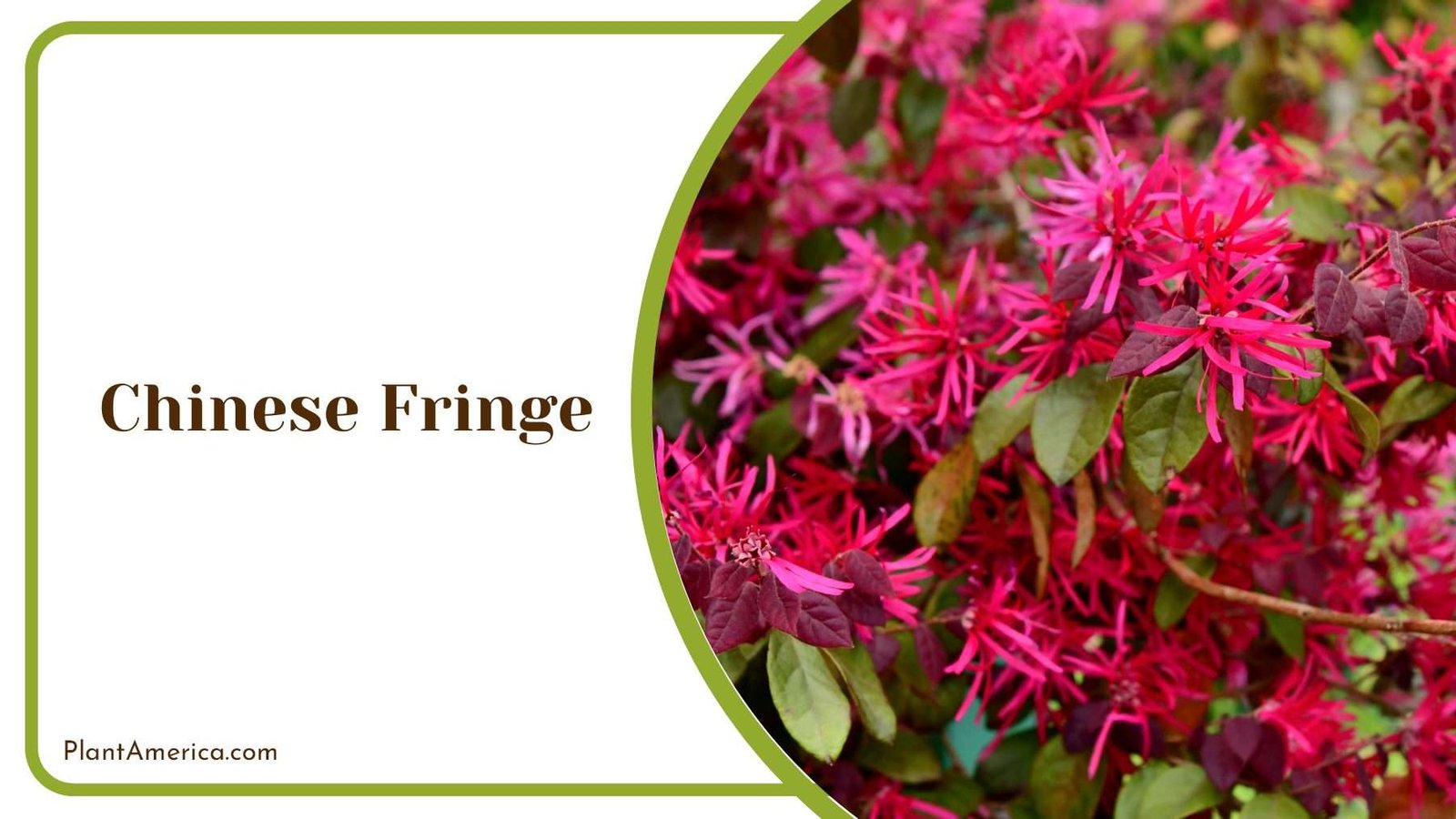
Loropetalum chinense, commonly called the Chinese fringe flower, features narrowly-elongated leaves that emerge in early spring with striking shades of greenish-purple coloration. As temperatures increase through summer, the hues intensify to a richer, deeper burgundy. In autumn during the plant’s natural senescence stage, the foliage transforms, developing beautiful shades of maroon and vibrant orange before dropping for winter dormancy.
Elegant bell-shaped flowers of bright magenta bloom sporadically throughout the plant from winter into spring, set against the textured leaves. Chinese fringe flowers thrive when planted in partial shade to fully shaded locations with protection from strong afternoon sun, while keeping the soil consistently moist through regular watering. During fall and winter when growth slows, allow the topsoil to partially dry between watering sessions and reduce fertilizer applications.
These fast-growing shrubs perform best within a temperature range between mild lows of 60 degrees Fahrenheit up to comfortable highs of around 80 degrees. Loropetalum chinense establishes itself as a tough, resilient shrub, tolerating warm humid climates as well as heavier clay soils. The fast-spreading plants require occasional judicious pruning to maintain a neat, compact shape and prevent scraggly overgrowth.
Leaves should be monitored regularly for early signs of problems like powdery white fungal growth, yellow or discolored spots indicating issues such as leaf spot disease, or spider mites which can sap plant vigor.
With its elegant, uniquely-textured foliage that transforms through stunning shades of purple, magenta and orange colors across the seasons, the Chinese fringe flower makes an outstanding landscape addition. Used in perennial beds, mixed shrub borders or as a foundation planting, its attractive spring flowers provide additional aesthetic appeal and sensory interest to enhance any garden.
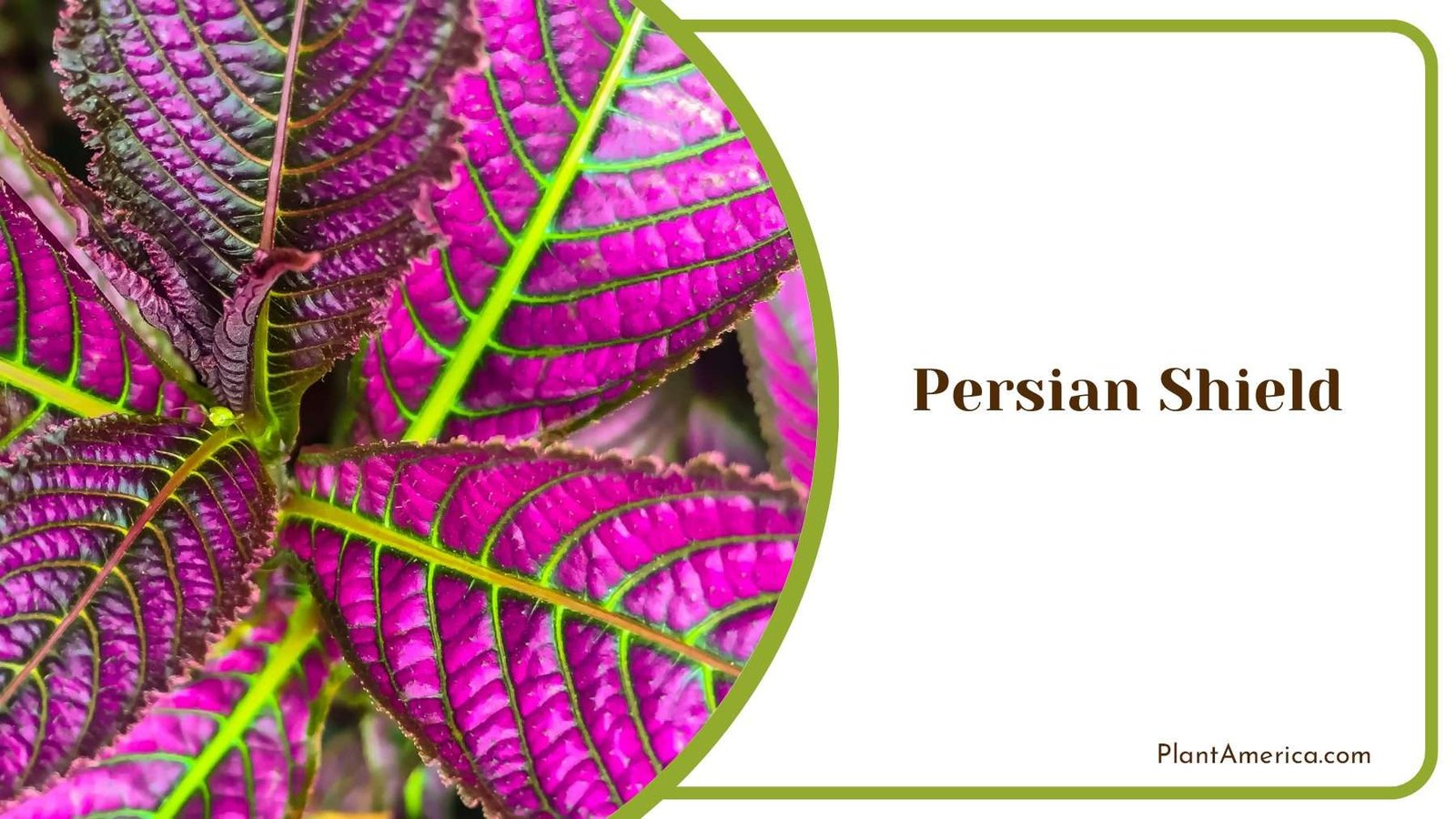
13. Persian Shield
- Growing Season: Year-round
- Leaf Shape: Elliptic, Leathery, Lanceloate
- Specific Needs: Partial shade, Well-drained soil, Moist soil
- Common Pests: Aphid, Spider mites, Scale insects
Strobilanthes dyeranus, commonly known as the Persian shield, features leathery oval leaves in hues ranging from deep purple to crimson and burgundy. As new growth emerges, younger foliage develops richer tones that spread outward across the leaf surface. Mature plants form upright bushes with architectural, sword-like foliage.
For optimal color, grow a Persian shield in part shade and keep the soil evenly moist. Increase watering and feeding during warmer months, as leaf color tends to fade in heat and dry conditions. Trim unsightly stems to encourage denser growth.
The Persian shield thrives in conditions with shade, high humidity, and warm temperatures between 65 degree Fahrenheit to 85 degree Fahrenheit . Monitor regularly for potential issues, especially during colder or drier periods when spider mites, scale insects, and aphids pose a threat. Brown leaf tips indicate water or fertilizer imbalance.
With its dramatic sword-like foliage that emerges in vivid tones of purple and burgundy, the Persian shield brings rich hues to any indoor landscape. Place in bright spots for a bold feature, group several together for maximum visual impact, or grow in hanging baskets for a splash of purple color downwards and add some of Persian Shield’s companion plants.
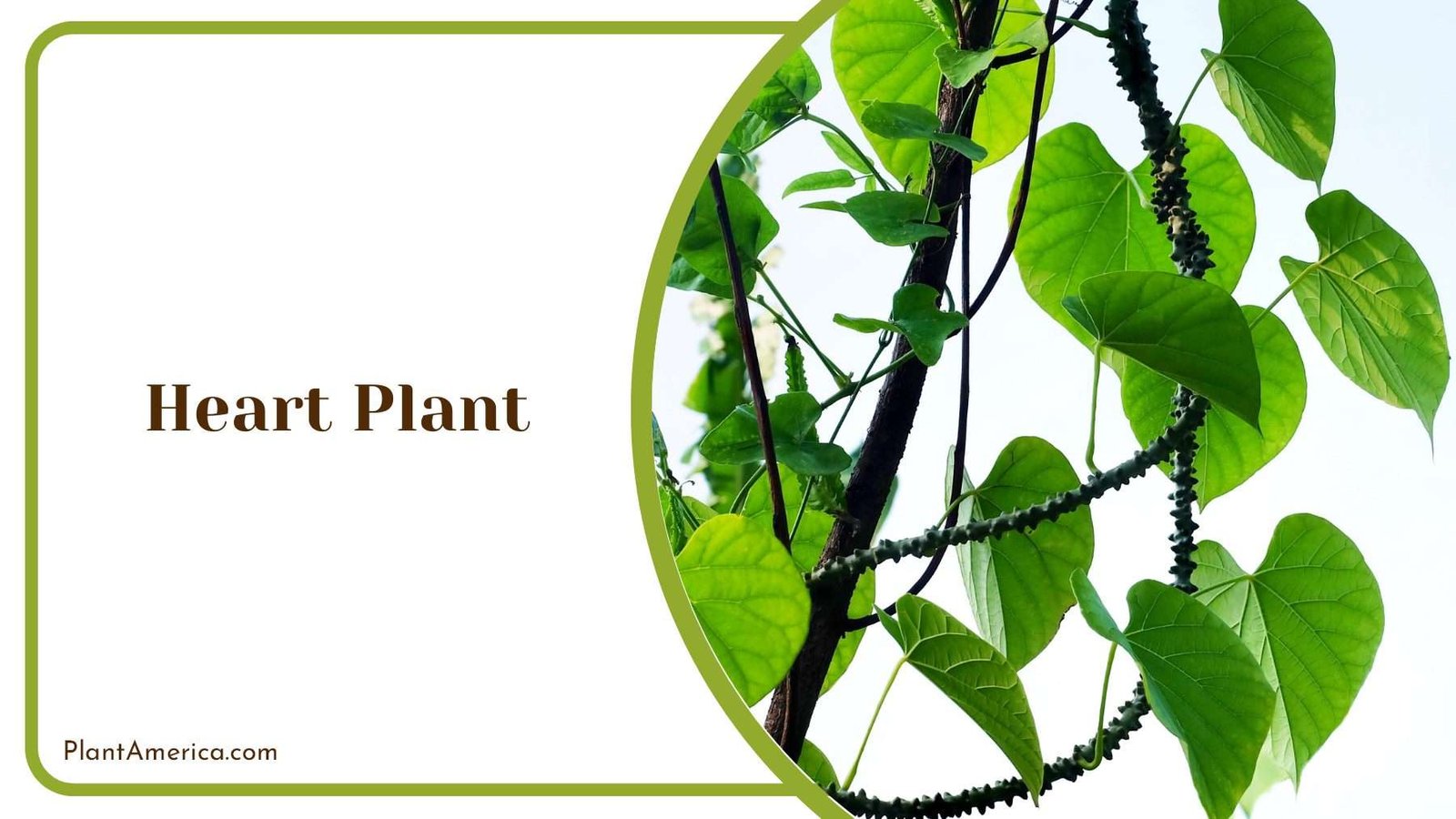
14. Heart Plant
- Growing Season: Year-round
- Leaf Shape: Oval, Elliptic, Heart-shaped
- Specific Needs: Partial shade, Well-drained soil, Moist soil
- Common Pests: Fungal diseases, Spider mites
Kalanchöe pinnata, commonly called heart plant or Mexican hat plant, features thick succulent leaves in the shape of hearts or arrowheads. When young, emerging foliage develops deep tones of burgundy that shift towards maroon and purple-tinged green hues with maturity. Panicles of tubular pink or white flowers appear sporadically over the plant.
Heart plants thrive in bright, indirect light and temperatures between 60 degrees Fahrenheit to 75 degree Fahrenheit. Grow in gritty, well-draining soil and water moderately once the soil surface is slightly dry to the touch. Boost humidity during dry winter months by misting the leaves frequently.
Overwatering can easily damage heart plants by rotting roots and decaying stems. Ensure good air circulation by spacing plants apart and placing them near open windows. Let the soil surface dry slightly between waterings to avoid susceptibility to infestations like thrips and spider mites. Regularly inspect leaves for yellowing or brown tips indicating potential health issues.
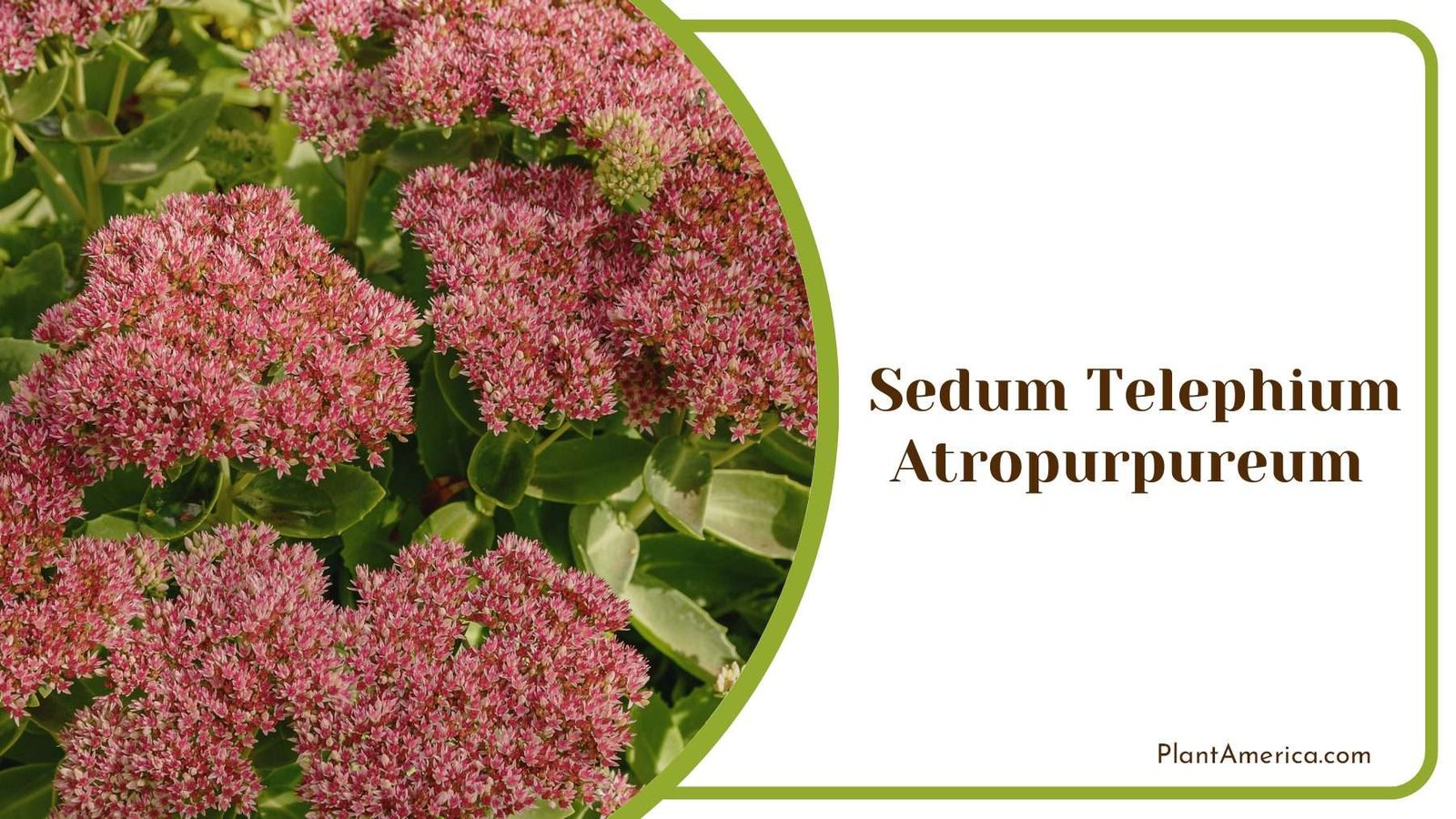
15. Sedum Telephium ‘Atropurpureum’
- Growing Season: Year round
- Leaf Shape: Oblong, Lobed, Thick
- Specific Needs: Full sun, Well-drained soil, Moist soil
- Common Pests: Aphid, Thrips
Sedum telephium ‘atropurpureum,’ commonly called purple stonecrop or purple orb, features fleshy oblong leaves with shallow lobes colored deep burgundy to nearly black. New growth emerges, tinged in shades of bronze and maroon before fully coloring up during warm weather. Panicles of starry pink flowers appear towards fall.
Grow sedum in full sun and moist soil to promote the richest purple tones. Provide shelter from harsh weather during colder periods. Prune after flowering to maintain the ideal shape and size. Fertilize lightly once per year in spring.
Sedum thrives in heat and drought conditions, making it a suitable option for xeriscaping. Tolerates poor soil but requires good drainage to prevent root rot. Monitor regularly for issues like powdery mildew, which creates white spots on leaves, and damage from pests like thrips and aphids.
With its fleshy, thick leaves that develop stunning tones of deep purple in summer, sedum makes an outstanding trailer or groundcover for enhancing full-sun landscapes and gardens. The ease of care and hardy nature also make sedum an adaptable succulent for container growing.
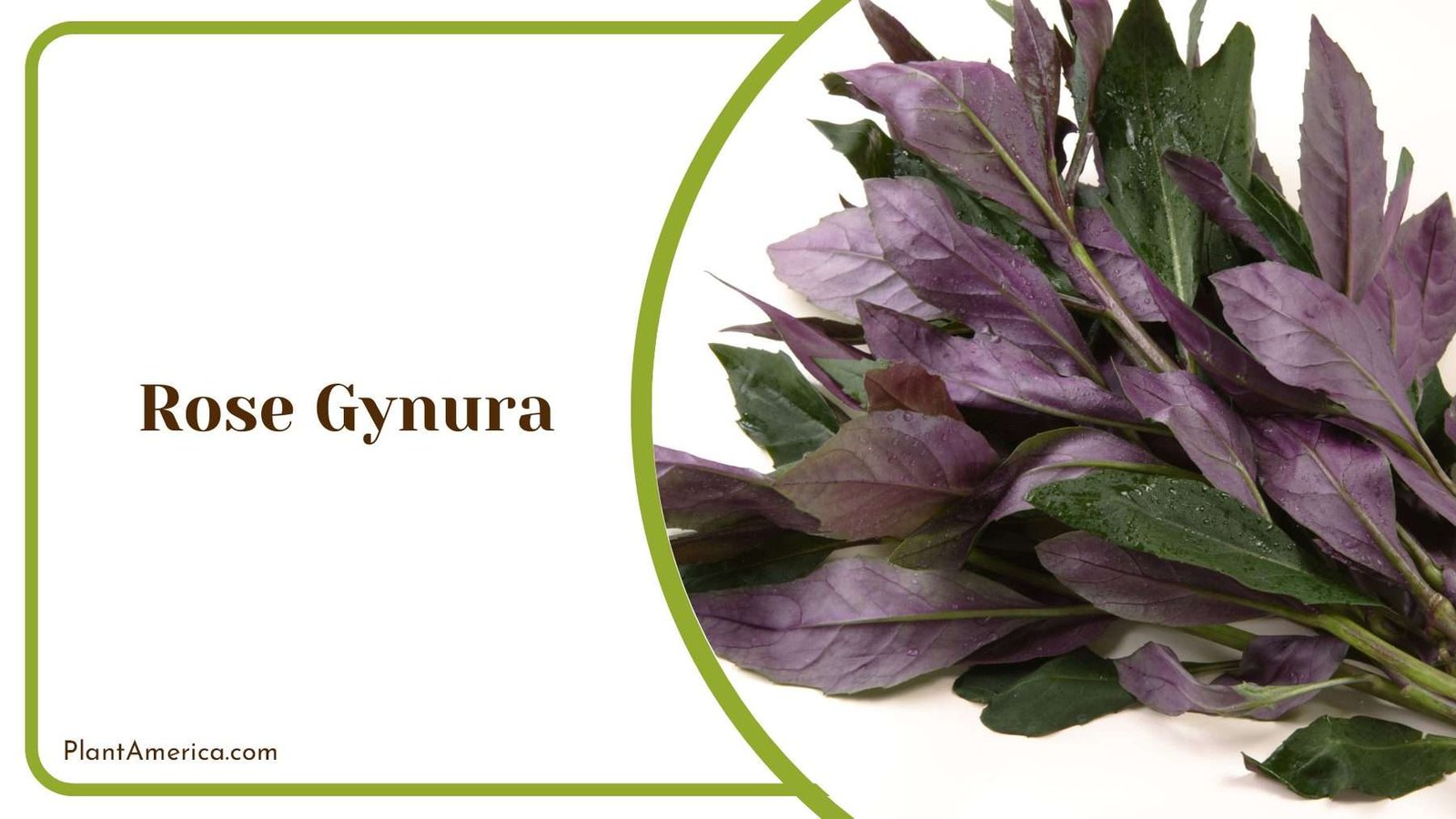
16. Rose Gynura
- Growing Season: Year round
- Leaf Shape: Elliptic, Shiny leaves
- Specific Needs: Partial shade, Well-drained soil, Moist soil
- Common Pests: Scale insects, Spider mites, Root rot
Gynura aurantiaca ‘Rosea,’ also called rose gynura or purple passion vine, have oblong leaves flushed with vibrant shades of pinkish-purple and rosy magenta. Unlike the species, rose Gynura develops foliage color on both sides of its leaves. When mature, plants form dense, bushy mounds of arched stems clad in striking colors.
For optimal leaf color, grow rose gynura in bright, indirect light and high humidity levels of around 60 percent. Keep soil evenly moist and frequently boost humidity. Increase watering and feeding as new growth appears in spring. Trim spent blooms to encourage branching.
Rose gynura thrives in temperatures between 65 to 90 degrees Fahrenheit and soil with good drainage to prevent issues like root rot. Monitor for yellow or brown leaf tips and spots indicating potential problems. Provide good air circulation to minimize susceptibility to pests like scale insects and spider mites.
With its lush, rounded habit and oblong leaves colored in beautiful shades of rosy purple, rose Gynura brings a soothing personality and dramatic beauty to any indoor space. Use it as a striking accent piece in containers or group them to make a powerful visual statement.