
White Flowers can instantly transform any garden into a summertime oasis of beauty and serenity. In this guide, we’ll explore 26 of the best white flowering plants you can grow to bring timeless elegance and tranquility to your outdoor space.
From classic white beauties like roses and tulips to lesser-known lovelies like sweet alyssum and mock orange, we’ve got you covered with flowering plants that bloom pure white all season long. So whether you’re looking to fill flower beds, line walkways, or add stunning accents, these easy-to-care-for white blooms are sure to become the favorites in your garden.
26 Best White Flowers for a Peaceful Garden
1. White Lily

- Growing Season: Spring, Summer
- Leaf Type: Long, Narrow, Stalkless
- Specific Needs: Rich, moist soil, Partial shade
- Common Pests: Aphids, Slugs
The white lily produces cup-shaped blooms perfect for a timeless garden beauty. White lilies thrive in moist but well-drained soil and prefer partial shade. Provide consistent watering in late summer and mulch around the bulbs to keep the roots cool.
White lily flowering plants are relatively low maintenance, beautiful white once established. The white blooms emit a beautiful fragrance of white flowering that complements an English garden or Zen landscape. Plant white lilies among hostas and ferns for a peaceful shade scene or in groupings between ornamental grasses.
The blooms come in many sizes, from mini to large trumpet shapes. Select varieties based on bloom time, including some flowering plants in early spring, others during summer, and even into autumn beautiful white.
2. Gardenia
- Growing Season: Spring, Summer
- Leaf Type: Leathery, Elliptical, Glossy green
- Specific Needs: Humus-rich, Well-drained, acid soil
- Common Pests: Aphids, Caterpillars
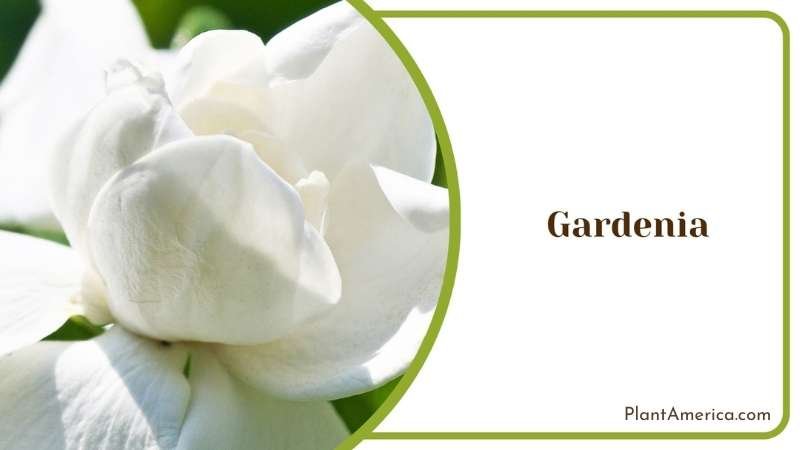
Gardenia is a popular white flowering shrub with dark green foliage and heavily fragrant white blooms that bloom nearly continuously from late spring through late summer beautiful white flowers. Gardenia bushes prefer partial shade and a location with protection from strong winds. These flowering bushes need an acidic soil with consistent moisture, although they cannot tolerate flooded roots.
The tropical-looking glossy leaves and clusters of waxy white blooms make Gardenia an ideal choice for borders or foundation plantings pure white. Prune gardenia after flowers finish to maintain a shapely bush. Some gardenias develop an attractive red tinge to foliage in late autumn.
Gardenia flowers are renowned for their rich, heavy fragrance that perfumes nighttime air. The fragrant white blooms are prized for dried floral arrangements, beautiful white, and in leis for their traditional Hawaiian aesthetic.
3. Camellia
- Growing Season: Late winter, Early spring
- Leaf Type: Leathery, Elliptical, Glossy green
- Specific Needs: Humus-rich, acidic, well-draining soil
- Common Pests: Scale, Caterpillars
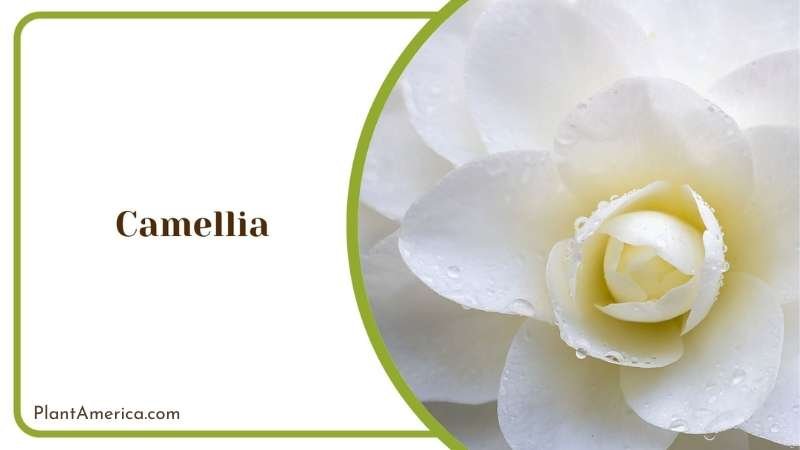
Camellia is an eye-catching flowering shrub valued for its late winter and early spring blooms of pure white. The glossy evergreen foliage provides year-round interest in the landscape. Two main types of camellias are common in cultivation. Japanese camellias like ‘Alba Plena’ have simple white blooms during late winter and early spring white flowering.
Tea camellias, including ‘Mathotiana Supreme,’ produce clusters of tiny semi-double to double white flowers throughout spring and into early summer flowering plants. Camellia flowers may range from two to five inches wide depending on the variety.
Camellias can grow rapidly when young but growth slows as the plant ages. Fertilize camellias in early spring before growth starts. Prune in late winter after flowering finishes by thinning crowded branches. Be aware that some camellia scales can cause damage during infestations.
4. White Rose

- Growing Season: Spring, Summer
- Leaf Type: Compound, alternate, Serrated leaflets
- Specific Needs: Full sun, Well-drained soil
- Common Pests: Aphids, Japanese beetles, Spider mites
White roses are a classic flower for the garden, known for their lovely fragrance and pristine blooms of pure white. Roses prefer full sun and well-draining soil amended with organic matter. Consistent moisture is essential, especially during bloom time.
Many white roses are available, from modern hybrid teas to antique species. ‘First Crush’ is a popular hybrid tea white rose with large three to five-inch blooms that re-flower throughout the season. ‘Sterling Silver cascading roses feature fragrant double white flowers in spring and sporadic rebloom of pure white. Care must be taken to prune and shape modern roses for maximum flowers.
White roses bring classic beauty and fragrance to the garden, especially when paired with other colorful blossoms. With proper care, your white roses will reward you with years of charming blooms and delightful aromas.
5. Baby’s Breath
- Growing Season: Spring, Fall
- Leaf Type: Linear, Very finely divided
- Specific Needs: Full sun, Well-drained soil
- Common Pests: Aphids, Powdery mildew
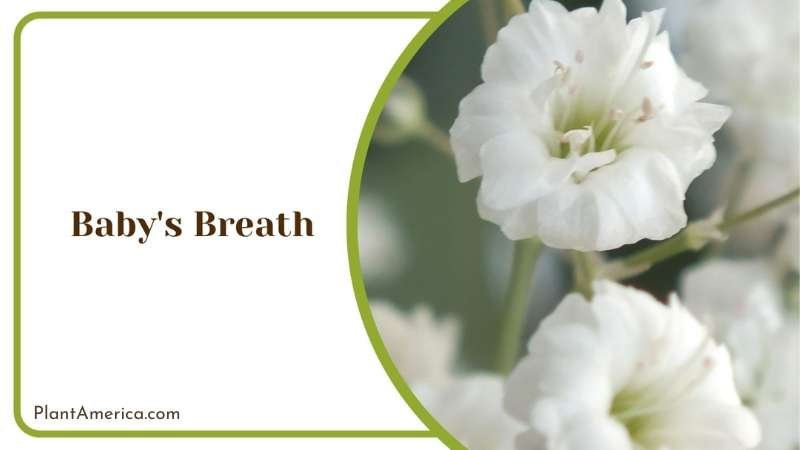
Baby’s Breath is a perennial plant valued for its delicate lace-like foliage and tiny white blooms. Native to Eurasia, this plant naturalizes easily and self-sows prolifically. The fountain-like form and variable height from one to three feet make Baby’s Breath an excellent choice for beds, borders, and containers.
The numerous tiny white flowers appear in sprays or globular clusters along arching stems from spring through fall pure white. Individual florets are less than a quarter inch wide, but the profusion creates an ethereal cloud of white.
Since the flowers are so small, they make ideal filler and accent flowers for large bouquets in late summer. To control the spreading habit of Baby’s Breath, divide clumps in spring or fall and apply a thick organic mulch to discourage self-seeding.
6. Plumeria
- Growing Season: Summer, Early fall
- Leaf Type: Glossy, narrow, Oval to elliptic, Smooth edges
- Specific Needs: Well-drained soil, Part shade when young
- Common Pests: Spider mites, Aphids
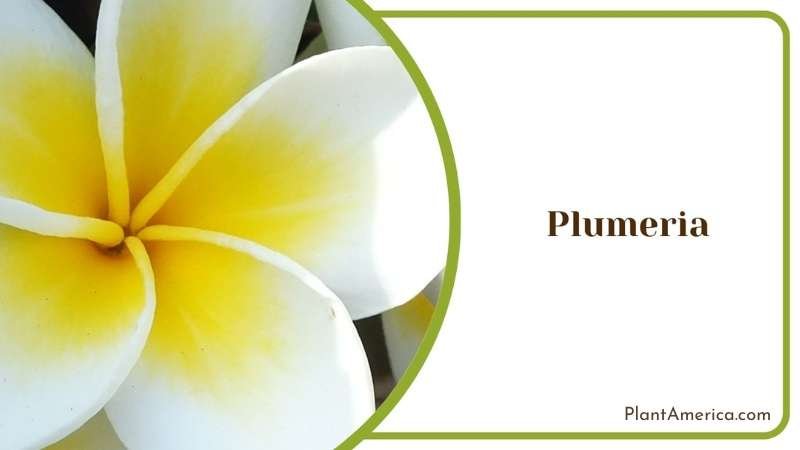
Plumeria, or frangipani, is a beautiful small tree with fragrant white blooms and glossy evergreen leaves. Native to Central America, plumeria thrives in tropical and subtropical climates, where it is valued for its year-round greenery and stunning summer flowers in pure white. When mature, plumeria trees develop multiple trunks and reach heights up to 20 feet.
Plumeria flowers cascade down the branches in clusters or individually on long flexible stems from late spring through early fall. Many cultivars produce white, yellow, or bi-colored blossoms ranging from two to eight inches wide.
Plumeria plants are relatively low maintenance besides pruning for shape. Cut branches back to the main trunk or large side branches to maintain a smaller tree or to rejuvenate old limbs. Fertilize lightly in spring and again after the bloom ends. Provide winter protection in colder climates by covering the roots and moving indoors.
7. Moon Flower
- Growing Season: Summer, Early fall
- Leaf Type: Alternate, Triangular to oval leaves, Toothed edges
- Specific Needs: Well-draining soil, Consistent moisture
- Common Pests: Vine borers, Slugs, Snails
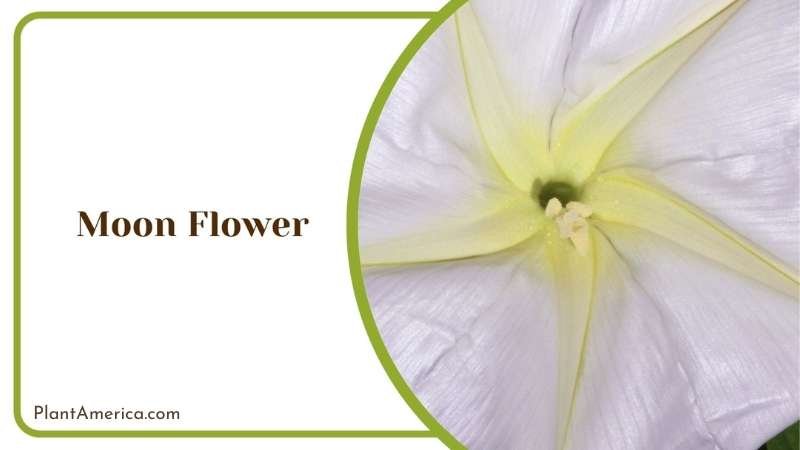
Moonflower is a climbing vine valued for its large, fragrant white flowers that bloom at night pure white. This fast-growing plant produces huge trumpet-shaped blossoms up to eight inches wide and may climb up to 20 feet tall in late summer.
Moonflower thrives in full sun and well-draining soil rich in organic material. Provide consistent moisture and support for the vines to climb. Plant moon flowers near arbors, trellises, or fences to showcase their extravagant flowers.
The blossoms of moon flowers open around sunset and close again by the following day. Flowers only last one to two nights, so the plant produces many in succession during the growing season of beautiful white flowers. Some cultivars, like Ipomoea alba, produce ruffled white blooms, while ‘Sanderae’ features yellow centers.
Fertilize moon flowers regularly during the growing season to support their rampant growth. Prune stems back to the ground after the first frost. Look out for vine borers that damage stems and slugs/snails that feed on foliage.
8. Magnolia
- Growing Season: Early spring, Late spring
- Leaf Type: Leathery, Alternate, Ovate to elliptical
- Specific Needs: Well-drained, acidic soil, Full sun to partial sun
- Common Pests: Borers, Scales, Aphids
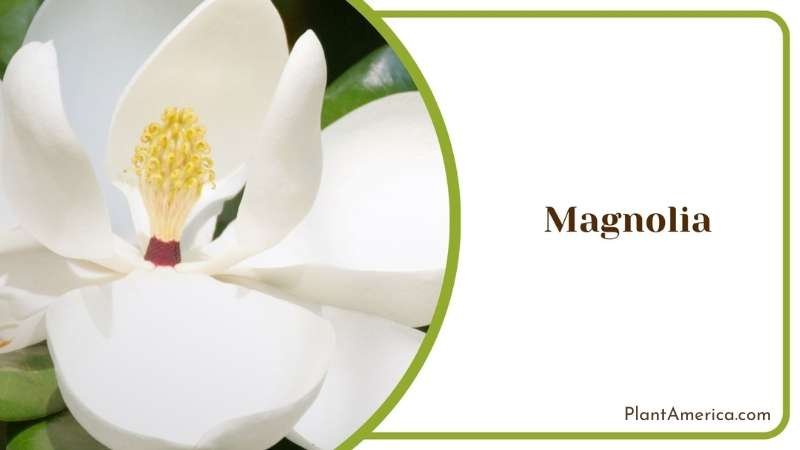
Magnolia trees and shrubs offer striking white blooms in early spring before leaves appear on the branches pure white. Their tropical appearance and heavy fragrance make magnolias a favorite addition to the garden.
Magnolia plants prefer moist, well-drained, acidic soil and part shade when young. Once established, they can tolerate a range of soil types and conditions. The large leathery leaves provide lush texture and visual interest even when the plant isn’t flowering.
Magnolia flowers range from four to 12 inches wide, depending on the type of beautiful white. ‘Molly Maguire’ magnolias produce fragrant white blooms that appear before the leaves in early spring. Magnolia trees and shrubs offer year-round interest with textural foliage and fragrant white blooms in early spring. With proper care, these stunning plants will reward you with beauty for many years.
9. Wisteria

- Growing Season: Late spring, Early summer
- Leaf Type: Compound, Alternate, 9-19 leaflets
- Specific Needs: Full sun, Well-draining, fertile soil
- Common Pests: Aphids, Japanese beetles
Wisteria is a vigorous vine well known for its long drooping clusters of fragrant white blossoms in spring-blooming plants. This fast-growing vine produces showy flowers that gradually fade from white to lilac as they age flowering plants.
Wisteria vines thrive in full sun and require sturdy structures for support as they can grow up to 30 to 40 feet long. Provide well-draining soil amended with organic matter. Consistent moisture is needed during the growing season.
The drooping clusters of white flowers emerge in late spring and bloom for two to three weeks while flowering. Wisteria vines bring beauty and grace to gardens for a short time each year. Their lovely fragrance and airy blooms dangling down from trellises create an ethereal picture of spring.
10. Jasmine
- Growing Season: Late spring, Early summer
- Leaf Type: Opposite, Compound, 1-7 oval leaflets
- Specific Needs: Well-draining, slightly acidic soil, Part shade
- Common Pests: Spider mites, Scale
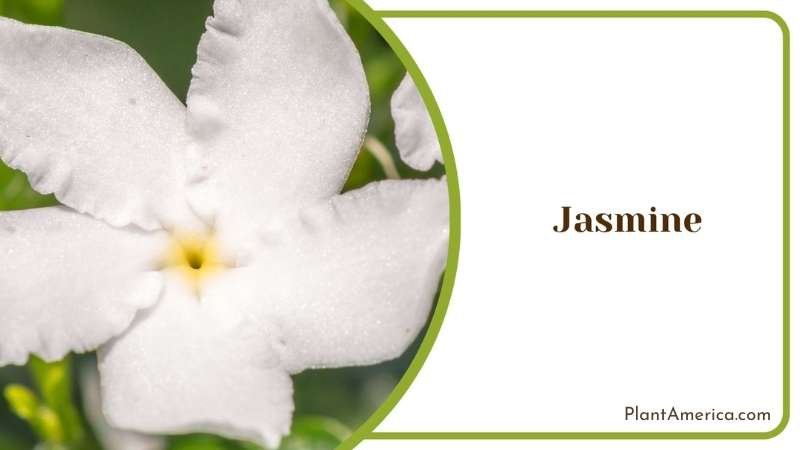
Jasmine plants are woody vines or shrubs prized for their intensely sweet fragrant white flowers blooming plants. Native to warm temperate and tropical regions, jasmine performs best in USDA hardiness zones eight through 11.
Jasmine flowers appear in spring, summer, or fall, depending on the type. Star jasmine produces small white flowers throughout summer that are heavily scented at night pure white. Winter jasmine blooms from late winter through spring, releasing its strong fragrance during the daytime. Support jasmine vines like J. polyanthum as they grow 20 feet or longer.
Jasmine plants require minimal care once established. Keep soil evenly moist and provide winter protection in colder climates. Look for signs of damage from spider mites or scales and treat accordingly.
11. Stock
- Growing Season: Summer
- Leaf Type: Linear, Alternate, Entire
- Specific Needs: Full sun, Well-drained soil
- Common Pests: Aphids, Mites, Mildew
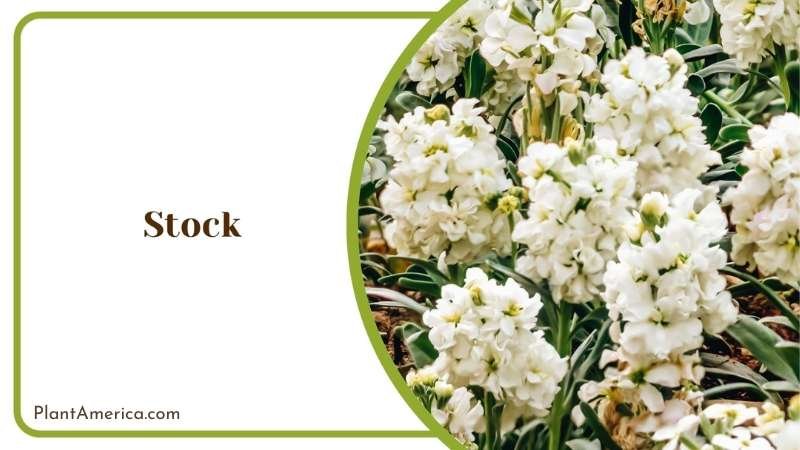
Stock plants produce beautiful spikes of tiny fragrant white flowers loved for cutting gardens and borders pure white. These cool-season annuals thrive in full sun and well-draining soil. Stock flowers form dense six to 24-inch spikes of white blooms that release a spicy, sweet fragrance white flowering. ‘Bradbury’s Hybrids’ produce small double white blooms from spring through fall.
Cultivars like ‘Mont Snowflake’ feature 10-inch spikes with single-floret white flowers in late summer. Feedstock plants regularly with an organic fertilizer to boost flowering. Deadhead spent blooms to encourage rebloom throughout the growing season.
Cut stems when flower spikes first emerge for long-lasting cut flower arrangements. Watch for signs of pests like aphids, spider mites, or mildew disease and treat accordingly. Provide support for taller varieties growing in flower beds using stakes or cages.
12. Dahlia
- Growing Season: Summer, Early fall
- Leaf Type: Alternate, Oval, pointed, Serrated or lobed margins
- Specific Needs: Full sun, Rich, moist well-drained soil
- Common Pests: Mites, Aphids, Slugs
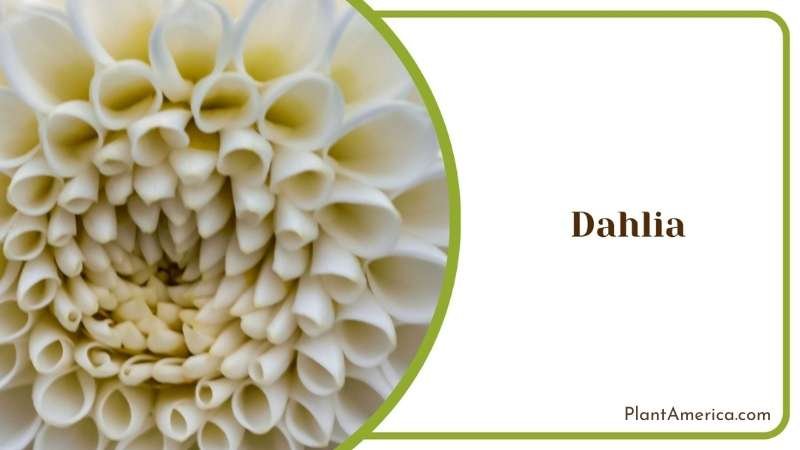
Dahlias produce cheerful daisy-like blooms in various colors, including delicate shades of pure white. These herbaceous perennials grow from tuberous roots and prefer full sun. Dahlia tubers are planted in spring after the danger of frost has passed. Provide rich, well-draining soil amended with plenty of organic material. Consistent moisture is vital during the growing season, especially as the bulbs develop and swell.
Feed dahlias monthly with an organic fertilizer to produce maximum blooms. Tall varieties may need staking. Cut stems when flowers first open for long-lasting cut arrangements. Lift and store tubers indoors before the first freeze.
Common pests include slugs/snails, aphids, and mites. Watch for signs of damage and use organic controls as needed. Dahlias add long-lasting color, texture, and beauty to the summer garden. Their versatility, hardiness, and cheerful disposition make these flowers worth the effort for many months of garden joy.
13. Gerbera Daisy

- Growing Season: Spring, Fall
- Leaf Type: Compound, Alternate, Toothed leaflets
- Specific Needs: Full sun, Well-drained soil
- Common Pests: Aphids, Spider mites
Gerbera daisies produce cheerful, brightly colored flowers, including pure white varieties. These perennials grow from rhizomatous roots and prefer full sun. Gerbera daisies thrive in well-draining soil that is rich in organic material. They also require consistent moisture, especially while flowering. Grow gerberas in containers, raised beds, or as annuals in the flower garden.
The large composite flowers of gerbera daisies range from three to 8 inches wide and resemble the petals of a single daisy in late summer. ‘Pure White’ cultivars produce four to six-inch blooms with perfect white petals. Depending on the variety, some gerberas rebloom throughout the growing season if spent flowers are removed.
Feed gerbera daisies regularly with a balanced fertilizer to promote flowering. Stake taller specimens to prevent wind damage to flowering plants. Divide clumps in spring every couple of years to maintain vigor. With proper care, gerbera daisies can reward you with cheer for many seasons.
14. Calla Lily
- Growing Season: Summer, Early fall
- Leaf Type: Long, strap-shaped, Arranged in a basal rosette
- Specific Needs: Consistently moist, humus-rich soil, Partial shade
- Common Pests: Leaf blights, Rot
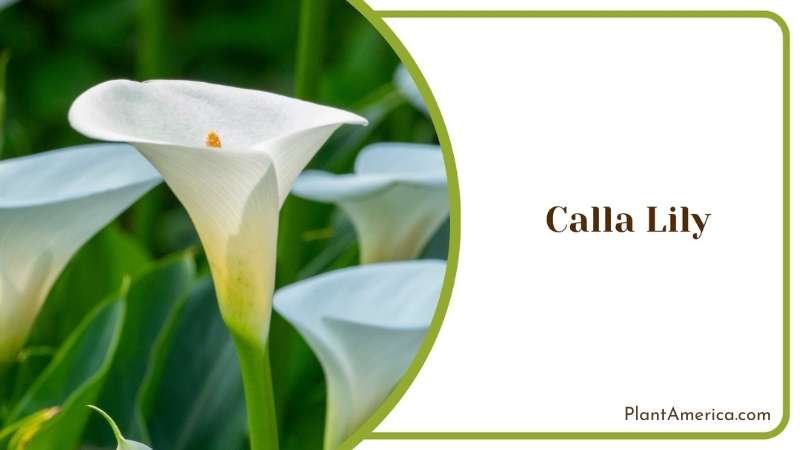
Calla lilies produce beautiful arrow-shaped flowers in white and various other colors. These perennial plants grow from rhizomatous roots. Calla lilies prefer partial shade and consistently moist, humus-rich soil. The deeply cut strap-shaped leaves can grow up to 18 inches long flowering plants.
Calla lily flowers consist of a calla or spathe (leaf-like bract) that encloses a stalk with true, clustered flowers called spadix blooming plants. ‘Grandiflora’ cultivars produce sizable white calla lilies up to six to eight inches wide in summer and early fall pure white.
Feed Callas monthly with an organic liquid fertilizer formulation to boost blooms. Provide winter protection by digging up rhizomes and storing them in a cool, dry place. Watch for leaf blight, root rot, waterlogging soil, and cutting off spears before the calla develops. Treat issues promptly by improving growing conditions.
15. Hydrangea
- Growing Season: Spring, Summer
- Leaf Type: Opposite, Simple, Deciduous
- Specific Needs: Part shade, Acidic, organic soil rich in humus
- Common Pests: Spider mites, Lacebugs
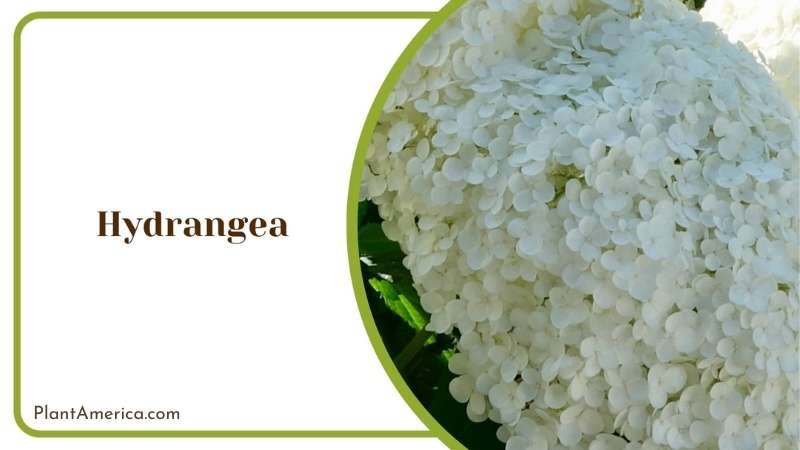
Hydrangeas are beloved flowering shrubs that bloom in white and other colors from late spring through summer pure white. Their long-lasting flowers and interesting bloom forms make hydrangeas a favorite garden plant.
Hydrangea shrubs prefer evenly moist, well-draining, highly organic soil amended with peat moss. They grow best in part shade to protect delicate blooms and help moderate soil moisture. Consistent moisture is critical, especially during bud development and bloom time. Fertilize in spring at bud break and again when new growth resumes in summer flowering plants.
Most hydrangea flowers consist of large sterile flowers surrounding smaller fertile flowers. Mophead hydrangeas form spherical flower clusters up to one foot wide with tightly packed sterile flowers. Hydrangeas inspire the garden with their many flower forms, intriguing bloom process, and incredible vase life. Their ability to bloom well in the shade or part sun makes hydrangeas perfect for enhancing almost any landscape with long-lasting beauty and grace.
16. Freesia
- Growing Season: Late winter, Early summer
- Leaf Type: Linear, fleshy leaves, Arranged in basal rosettes
- Specific Needs: Consistently moist, well-draining soil, Full sun
- Common Pests: Bulb mites, Nematodes
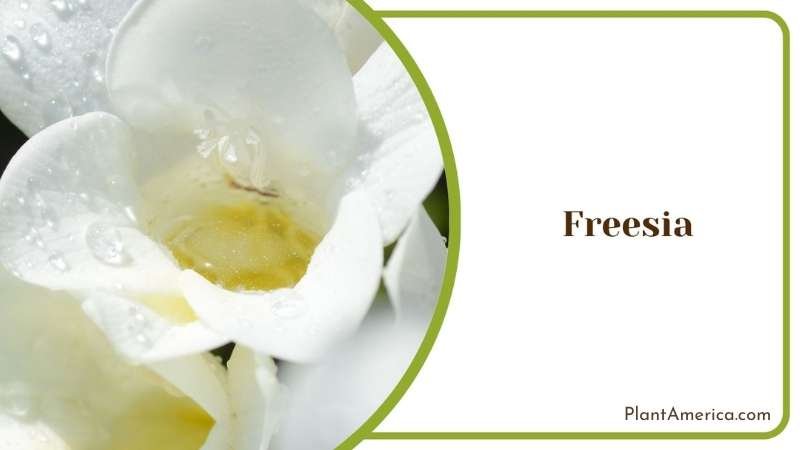
Freesia plants produce cheerful, fragrant blooms in shades of white, yellow, and purple in late spring. These cool-season bulbs prefer full sun and consistently moist, well-draining soil. Freesia bulbs are planted in the fall and remain dormant over winter.
The fragrant, delicate flowers bloom on slender stalks above the basal leaves of flowering plants. White freesia cultivars like ‘Annie Elizabeth’ produce clusters of up to 10 small, lightly fragrant blooming flowering plants.
Freesia prefers a consistently moist yet well-drained growing medium so the foliage does not rot white flowering. After blooms fade, allow foliage to die naturally before cutting it off at the soil level. Common pests include nematodes, mites, and fungal rots affecting the bulbs. Carefully check bulbs and foliage for signs of damage.
In a cool climate garden, freesia plants are excellent choices for early spring color. Their delicate flowers and heavenly fragrance herald the end of winter doldrums and signal the coming of a new season of growth and promise.
17. Almond Blossom

- Growing Season: Winter, Early spring
- Leaf Type: Linear, Pointed
- Specific Needs: Full sun, Well-draining soil
- Common Pests: Mites, Scale, Rose Chafers
Almond trees produce masses of fragrant white blossoms in early spring before their leaves emerge. These ornamental trees thrive in full sun and well-draining soil. Most almond trees are deciduous and remain dormant over winter until triggered to bloom by cooling temperatures.
The profusion of delicate pinkish-white blossoms covers branches from midwinter through early spring pure white. Almond flowers gradually transition to small folded leaves and flat oval leaves.
Depending on the variety, almond trees can reach heights from 15 to 40 feet at maturity. Slow-growing dwarf almond trees make suitable options for small gardens and flowering plants. Provide winter protection for young, cold-sensitive almond trees with mulch.
Fertilize almond trees in early spring when new growth begins and again after leaves form. Prune out dead or damaged branches to maintain a healthy structure with beautiful white flowers.
18. Star of Bethlehem
- Growing Season: Winter, Early spring
- Leaf Type: Linear, grass-like leaves, Arranged in basal rosettes
- Specific Needs: Consistently moist, well-draining soil, Full sun
- Common Pests: No pests issues
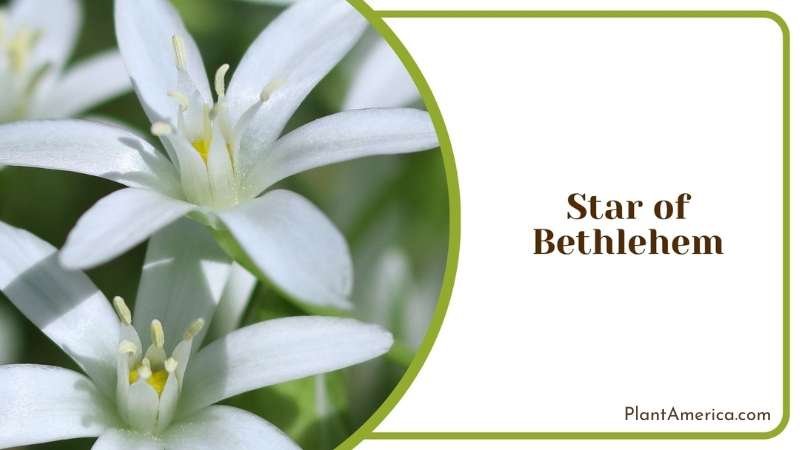
Star of Bethlehem plants produce beautiful star-shaped white flowers in early spring. These cold-hardy bulbs prefer full sun and consistently moist, well-draining soil. Star of Bethlehem corms are planted in fall and remain dormant over winter. The arching stems emerge in early spring and carry fragrant, delicate flowers in late winter. ‘Albiflora’ cultivars produce clusters of small creamy white blooms with prominent yellow stamens flowering plants.
Star of Bethlehem prefers a consistently moist yet well-drained growing medium so the foliage does not rot white flowering. After blooms fade, allow foliage to die naturally before cutting it off at the soil level.
Star of Bethlehem plants offer a welcome sight in early spring by blooming with beautiful five-pointed blooms that herald a new beginning. Their delicate flowers and heavenly fragrance usher at the end of winter and signal the coming of springtime growth.
19. Honeysuckle
- Growing Season: Spring, Summer
- Leaf Type: Ovate to elliptical, Smooth edges
- Specific Needs: Full sun to partial shade, Well-drained soil
- Common Pests: Leaf rollers, Spring canker
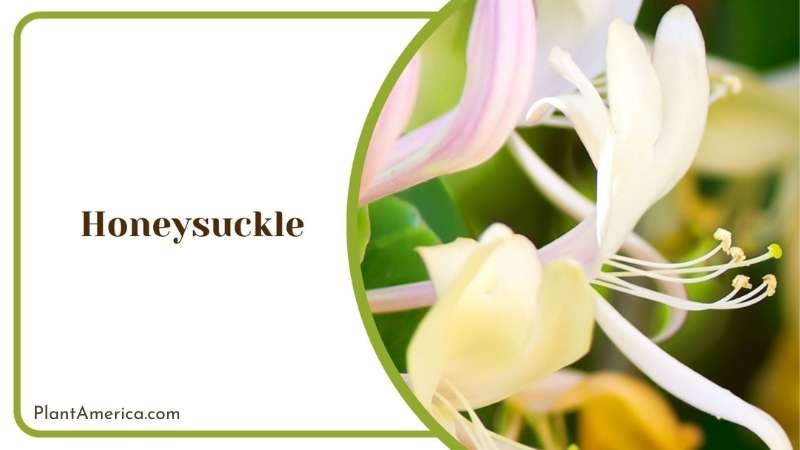
Honeysuckle vines are beloved for their fragrant white and yellow trumpet-shaped flowers, late spring through midsummer pure white. These woody vines prefer full sun to light shade and well-draining soil.
Honeysuckle vines climb by twining their stems to provide sturdy supports like trellises and fences. The opposite leaves are ovate with smooth leaf margins. After blooms fade, many honeysuckle vines produce reddish-orange to red berries for fall and early winter interest.
Depending on cultivar and species, honeysuckle vines range in habit from perfectly hardy to somewhat invasive or short-lived. Fragrant white honeysuckles like ‘Halliana’ produce tubular flowers throughout summer that release a strong fragrance at dusk beautiful white flowers. Yellow honeysuckle varieties also exist.
Prune honeysuckle vines in late winter before new growth begins to maintain a healthy shape and maximize flowering. Provide winter protection for young vines with mulch. Check for signs of damage from leaf rollers or spring cankers and treat accordingly.
20. Sweet Alyssum
- Growing Season: Spring, Fall
- Leaf Type: Simple, oval to oblong, Tapered ends
- Specific Needs: Full sun, Well-drained soil
- Common Pests: Looper caterpillars, Aphids
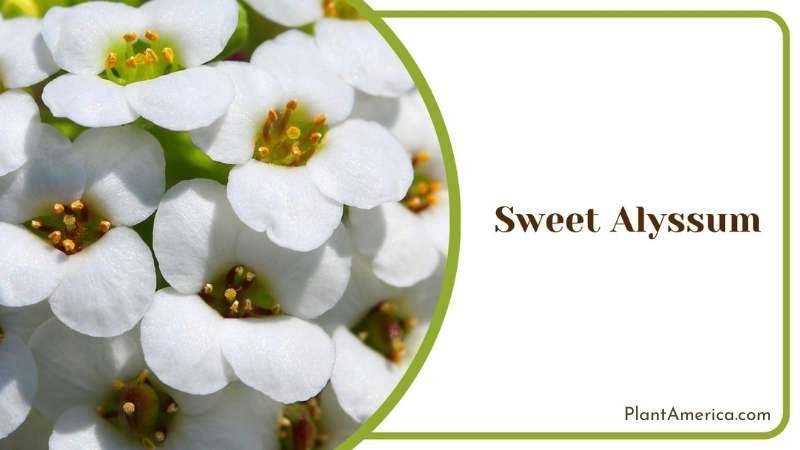
Sweet Alyssum is an easy-care groundcover valued for its profusion of tiny fragrant white blossoms that spring through fall pure white. These low-growing annuals prefer full sun and well-draining soil.
Clusters of tiny, star-shaped white flowers appear on arching terminal stems from spring through frost flowering plants. ‘Snow Princess’ produces fragrant white blooms that attract beneficial insects in late spring blooming plants. Sweet Alyssum often reblooms if spent flowers are promptly removed.
Regularly clip spent flowers or shear entire plants back by one-third to encourage continued blooming. Fertilize every four to six weeks with an organic formulation. Watch for looper caterpillar and aphid damage, also treat with organic controls as needed.
21. Garden Phlox
- Growing Season: Summer, Fall
- Leaf Type: Opposite, Simple, Broad oval
- Specific Needs: Full sun, Well-drained acidic soil
- Common Pests: Leaf spots, Powdery mildew, Aphids
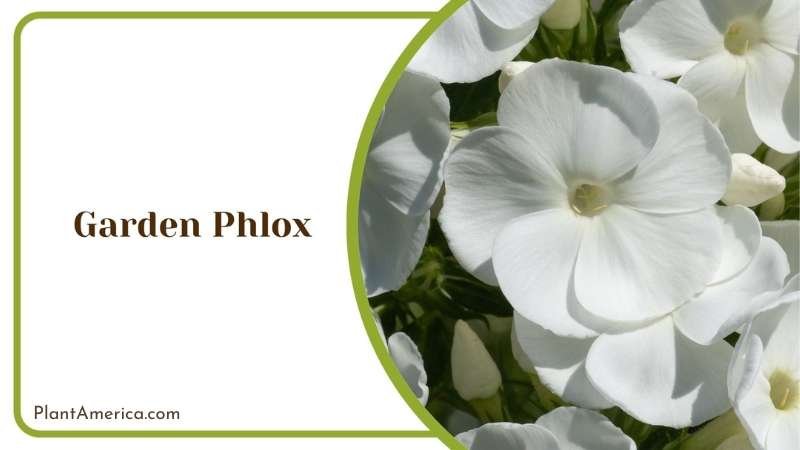
Garden phlox plants produce showy flower clusters in summer in white and various colors. These herbaceous perennials grow from rhizomatous roots and prefer full sun. Garden phlox thrives in well-draining soil enriched with organic material. Provide consistent moisture during active growth periods to keep roots hydrated. Fertilize in spring and again after the bloom cycle ends. Cut stems back immediately after the last flowers fade.
The dense flower heads consist of numerous clustered florets per stem, usually in a ball or cylindrical shape midsummer. Pure white garden phlox cultivars like ‘David’ produce sturdy 24-inch tall stems with four four-inch flowerheads of fragrant white blooms in summer pure white.
Divide crowded phlox clumps every three to four years in early spring. Trim stems to within several inches of the ground after flowers have faded. Check for leaf spots or powdery mildew issues and treat as needed.
22. Snowdrop
- Growing Season: Early spring
- Leaf Type: Linear, basal leaves rise after flowers bloom
- Specific Needs: Consistently moist, well-draining soil, Part shade or full shade
- Common Pests: None
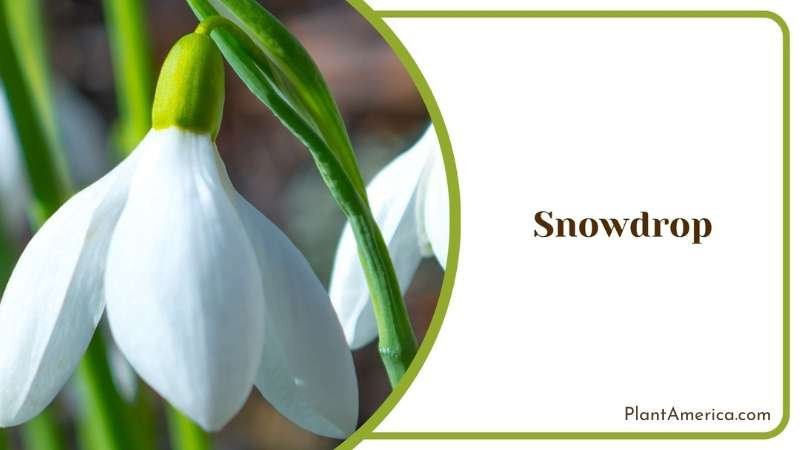
Snowdrop flowers produce dangling bell-shaped blooms in early spring before their leaves emerge. These hardy bulbs prefer moist, well-draining soil and part to full shade. Snowdrop bulbs are planted in fall and remain dormant over winter. The nodding white flowers appear on fragile stems in mid to late winter before basal leaves emerge pure white. ‘Double’ snowdrop cultivars feature ruffled blooms with extra petals and early spring flowering plants.
Snowdrop bulbs prefer a consistently moist yet well-drained growing medium so foliage does not rot early spring flowering plants. Ensure soil has adequate organic matter to retain moisture. After blooming, allow the foliage to die naturally before cutting the foliage back to white flowering. Divide clumps every five to seven years after flowers fade.
Snowdrops are treasured for how they brighten up shady corners of the garden each early spring. Their modest beauty and heavenly fragrance herald the end of winter slumber and promise of rebirth yet to come just over the horizon pure white flowering plants.
23. Peony
- Growing Season: Spring, Early summer
- Leaf Type: Compound, alternate, Serrated leaflets
- Specific Needs: Full sun, Well-draining, fertile soil
- Common Pests: Aphids, Slugs, Japanese beetles
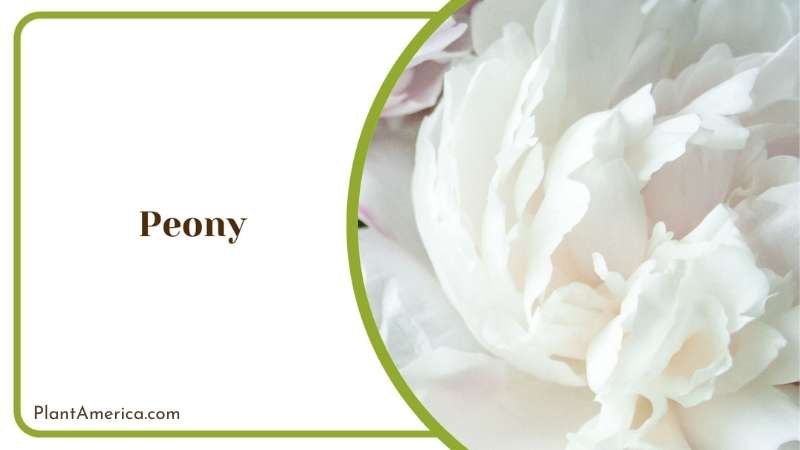
Peony plants produce large beautiful flowers in shades of white, pink, and red in late spring. These herbaceous perennials grow from rhizomatous roots and prefer full sun. Peonies thrive in fertile, well-drained soil amended with organic matter. They require consistently moist conditions during bloom time but prefer drying out slightly between waterings. Provide winter protection for emergent foliage and flower buds with mulch.
Depending on the variety, peony flowers range from three to ten inches wide in mid to late-spring blooming plants. Itoh peonies feature simple, single blooms. Intersectional peonies have multiple rows of petals in shapes ranging from bowl-like to plate-like to high-centered. White peonies often have a very high center.
Prune or disbud peony plants immediately after blooming to reduce disease risk. Apply organic, balanced fertilizer in spring and fall. Dividing and replanting peonies every four to six years helps maintain vigor.
24. Primrose
- Growing Season: Spring, Early summer
- Leaf Type: Simple, Oblong or ovate
- Specific Needs: Full to partial sun, Consistently moist, well-draining soil
- Common Pests: Aphids, Slugs
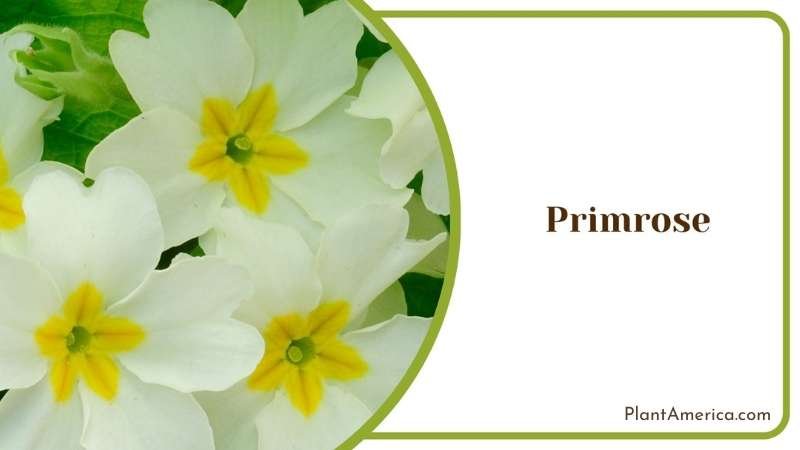
Primrose plants produce cheerful fragrant flowers in shades of white and other colors, spring through early summer pure white. These perennials grow from a thick underground root system called a rhizome.
The largely solitary bell-shaped blooms arise on slender upright stems above the basal leaves in late spring pure white. Large-flowered English primroses like ‘Pale Lemon’ produce cup-shaped blooms up to two inches wide flowering plants. The blooms feature a prominent yellow central eye and papery petal texture blooming plants.
Cut stems to the ground after the first flush of flowers has faded midseason to encourage a secondary bloom two to three weeks later. Divide plants every three to four years for white flowering. Fertilize primroses monthly while in active growth. Watch for damage from aphids or slugs and treat with organic controls as needed. Protect from winter winds and snow once the foliage dies back for overwintering.
25. Narcissus

- Growing Season: Winter, Early spring
- Leaf Type: Linear, Grass-like basal leaves
- Specific Needs: Consistently moist, well-draining soil, Full sun
- Common Pests: Slugs, Mites, Nematodes
In early spring, Narcissus bulbs produce beautiful trumpet-shaped blooms in white and other colors. These cold-hardy bulbs prefer full sun and fertile, well-draining soil. Narcissus prefers a consistently moist yet well-drained growing medium so foliage does not rot flowering plants. Allow foliage to die naturally after blooming before cutting it back to the ground. Divide crowded clumps every three to five years for early spring flowering plants.
Regularly check emerging foliage and flower stems for signs of pests like slugs, mites, or nematodes attacking narcissus bulbs. Treat infestations promptly using organic methods or barriers. Narcissus plants are treasured for how they herald the arrival of spring atop graceful stems with perfectly formed fragrant blooms in a dazzling array of colors and forms.
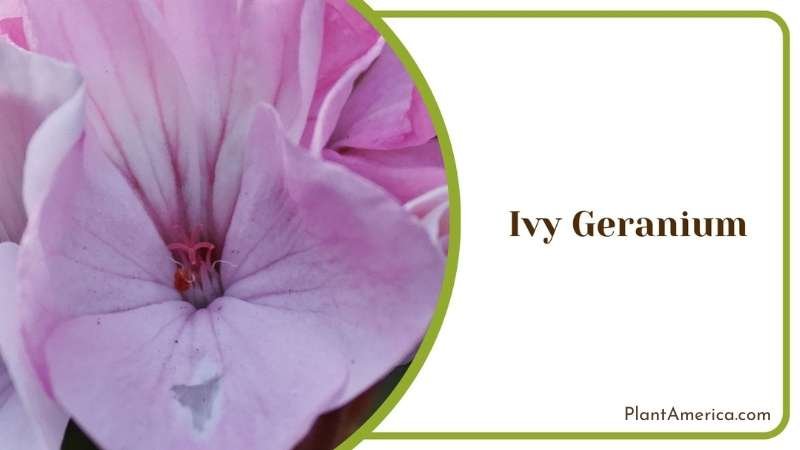
26. Ivy Geranium
- Growing Season: Spring, Fall
- Leaf Type: Palmate, Lobed into 3 to 5 sections
- Specific Needs: Full sun, Well-drained soil rich in organic matter
- Common Pests: Spider mites
Ivy geraniums produce beautiful funnel-shaped flowers from spring through fall in white and other shades of pure white. These compact-mounded annuals thrive during the warmer months. Ivy geraniums thrive in full sun and well-draining soil rich in organic matter. They require regular watering, especially during hot weather. Feed ivy geraniums every two weeks with an organic liquid fertilizer for maximum flowering.
‘Snowline’ produces crisp white flowers with a deep yellow eye for summer and fall blooming plants. Shear spent flower stems above a leaf node to encourage more blooming plants. Cut ivy geranium stems back by half after last spring’s frost to encourage a more compact habit. Provide winter protection for container plants by moving indoors. Check for spider mites and treat infestations promptly.
Conclusion
White flowering plants have an enduring, pure appeal that can enhance any garden with timeless style. Recommended varieties include:
- Tulips produce simple, graceful blooms that quietly herald the arrival of spring.
- Gerbera daisies form large cheerful composite blooms that brighten up summer gardens.
- Hydrangeas produce abundant long-lasting flowers over a long bloom period that enhance landscapes.
- Honeysuckle vines have fragrant blooms and berries from twining vines that add beauty and interest all season.
With patience, care, and minimal effort, these plants will reward you for years with consistency, style, and grace, allowing you to discover peace and joy in their simple yet profound beauty. Start small and grow your collection one plant at a time; savor each season and variety that comes your way.