
Learning how to transplant trees from woods is just what you need to grow that beautiful tree from the woods in your garden. Trees from the woods will surely add a special look to the landscape.

After getting the right approvals and collecting all your needed tools, you can get started with the tree transplanting. Read this article to learn everything you need to know about transplanting trees from the woods.
How to Transplant a Tree From the Woods
To transplant a tree from the woods, collect the necessary approvals in your locality and then select your preferred tree. Water the tree a day before you transplant it and ensure that you already have a hole in a suitable location for it. After planting it, water and mulch it.
1. Check Local Laws and Get Permission
Before you go to the woods to collect trees, you need to check the local laws if it is permissible for you to just collect trees from the woods. Remember that some trees are protected, poisonous, or invasive. To be certain, ask the locals, especially those living very close to the woods, for any law prohibiting the collection of trees from the woods.
Even if there’s no law prohibiting tree collection in your area, you still have to ask if you need permission. If you need permission, ensure that you collect the necessary approval from the necessary institution or office before you proceed to collect the tree. After collecting your approval, you can move on to the next step.
2. Gather Everything That You Need
To successfully transplant your trees from one location to another, you need the following tools:
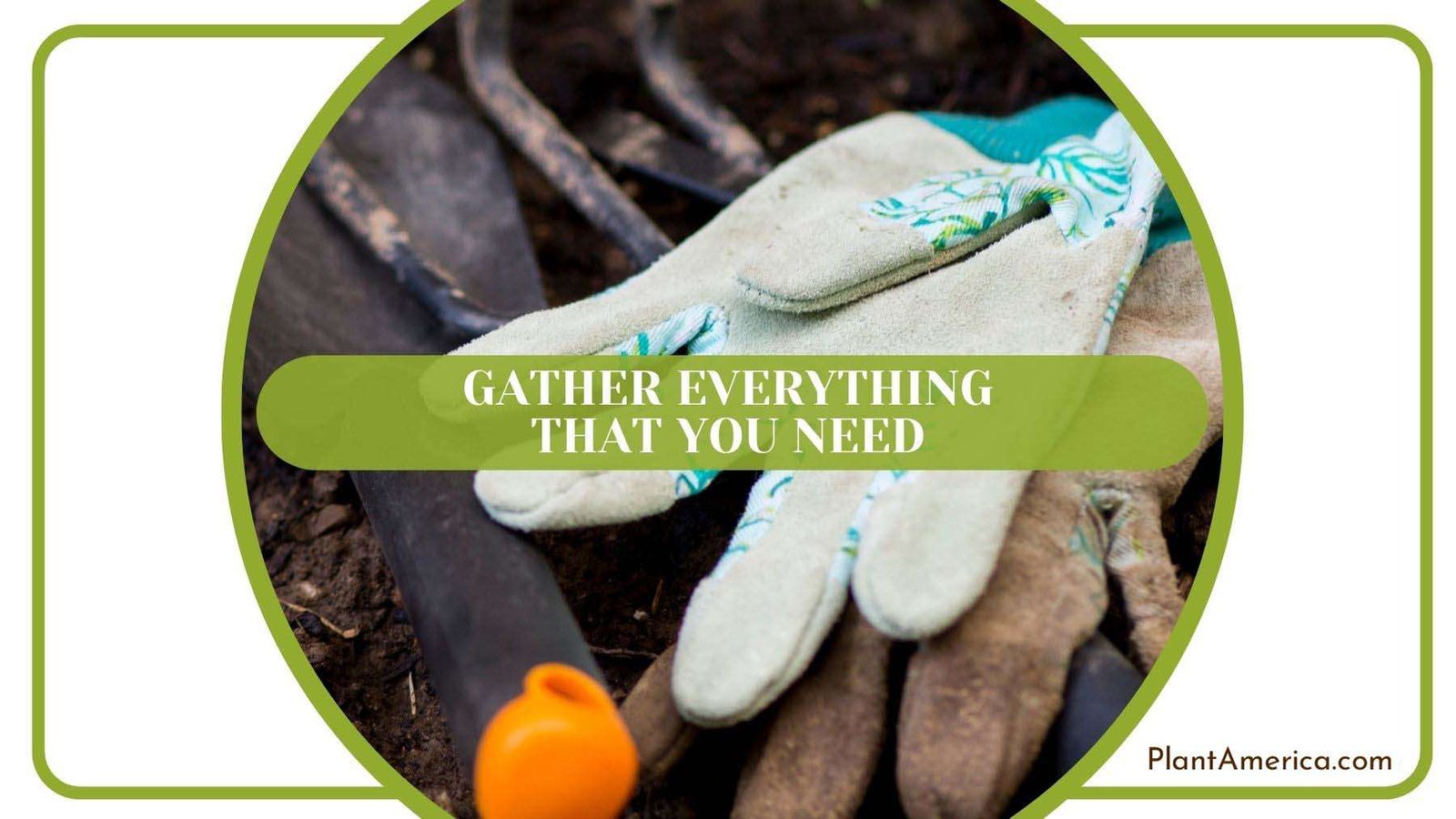
- Water source: you have to water the tree before transplanting it and after planting it in its new hole.
- Spade or shovel: you need these tools to dig a tree out of the ground.
- Pruning tools: some trees may need root pruning so that you can easily transport them.
- Burlap: this will keep the roots of your trees protected and hydrated while transporting the trees to their new location.
- Mulch: mulch is a good product to protect and enrich the roots of your transplanted trees.
- Truck: you need a vehicle to transfer the tree from one location to another.
Ensure that you gather all that you need before you proceed to transplant the trees.
3. Choose a Good Time to Transplant the Tree
The best time to transplant a tree is in its dormant season. This is usually in the fall months for most trees. However, the best way to tell that the tree is in its dormant season is when its leaves start dropping. As for evergreen trees, you can check publications for the best season to transfer the particular tree of your choice.
When you know the dormant season of your tree, you also have to decide the best day and time of the day to transplant it. Transplant your tree on the least busiest day of the week in your city. Transplant it early in the morning or the evening when the temperature is quite cool. This will help prevent the tree from getting shocked due to transplanting.
4. Select Your Preferred and Suitable Tree
Of course, it is completely up to you to decide the type of tree to transplant. So long as you have permission to transplant it, go for it. However, some factors are worth considering first before transplanting your trees. For example, your tree has to be healthy, small, and evenly branched.

The best trees to transplant from woods are trees growing at the edge of the forest. Only trees growing at the edge of a forest can survive the exposure to sun, wind, and other atmospheric factors in your yard. After knowing your preferred tree, start searching for it in the woods around you.
5. Go to the Nearest Woods
When searching for your preferred and suitable tree, the best woods to collect the tree from are the woods nearest to you. Trees that are growing in the woods closest to you are already exposed to the growing conditions in your yard. Some growing conditions to consider are temperature, humidity, and USDA hardiness zone.
This means that the easiest way to successfully grow a tree after transplanting it is to ensure that the tree is growing in the same conditions that it was used to. How else can you get the same growing conditions of your tree if you go to a very far away woods? If you can’t find your preferred tree in the nearest woods, check the second nearest woods.
6. Prepare the New Location for Your Tree
Before you go digging out your tree from the woods, ensure that a hole is already waiting for the tree back home. Dig a large hole that you are sure will contain the entire root system of the tree. Measure the drip line or canopy of the tree then dig a hole with the same or a larger width of the tree canopy. The hole depth can be quarter of the length of the tree.

When selecting a good location for the new tree, ensure that it has sufficient exposure to light. Most trees in the wild receive six to eight hours of sunlight, so ensure that the hole gets that amount of sunlight. Also, ensure that the point where the hole is does not get completely dry too quickly. If it does, consider installing a watering system.
7. Water the Tree Hours Before Transplanting It
You are almost ready to transplant your tree. Before you dig the tree off the ground, water it. Water the tree at most a day beforehand. This will help to prevent tree transplant shock, especially if the distance between the woods and your home is far. It will also help you to be sure that your tree is well-hydrated.
Water the tree deeply. This means that you have to drench the soil with water. Ensure that the soil around the tree is evenly watered. Aside from keeping the tree hydrated, watering it will help soften the soil so that you can easily dig the tree off the ground.
8. Make a Trench Around the Drip Line of the Tree
Before you start digging, you have to make a trench under the tree canopy. The trench should just be roughly the size of the tree canopy. This will help you to properly dig out the root structure while you are digging. It will also help keep the sensitive parts of the tree root system, as the roots closer to the base are very sensitive.
After making the trench, pour water into it to soften it (optional). Also, now is the time to remove every rock or debris on the ground just around the tree. If there are grasses or weeds ground around the tree, uproot the ones growing within the trench that you have dug.
9. Dig Out the Tree
It is time to dig out the tree from the ground. The way you dig out the tree depends on the type of tree. You can dig the bare roots of the tree out of the ground if the tree is still very small like a shrub. This method is best for deciduous trees, as they easily regrow so long as you are transplanting them in their dormant season.

As for evergreen trees or relatively large deciduous trees, use the balled-and-burlapped method. In this case, you are transferring the tree with the roots still well-covered in soil that you dug out. This method is optimal, especially if the tree is in its growing season.
It does not matter whether you are transferring your tree with its roots covered in the soil or not, wrap the base and roots of the tree in a burlap or any similar material. This will keep the tree hydrated and free from shock while you move it to its new hole.
10. Plant the Tree in Its New Hole
After successfully bringing the tree to its new location, you have to plant it in the hole. When planting the tree, take note of the part of the canopy that was facing north when the tree was in its old location. Ensure that the north-facing parts of the tree continue facing the north.
This will help the tree to quickly get used to its new environment. As earlier stated, remember to plant the tree in a hole that receives the same amount of exposure to sunlight and other atmospheric factors.
Carefully drop the tree in its new hole so that you do not damage the roots. If you feel that the hole is not wide enough, widen it first so that you don’t force the roots of your tree into it.
11. Cover the Roots and Then Water Them
Carefully cover the roots of your tree with soil. Pour the soil slowly and gently so that you don’t leave air pockets in the ground. You can pat the soil while pouring it so that you can fill the air pockets while adding more soil. Continue pouring soil until the entire hole is covered. Don’t add more soil afterward.
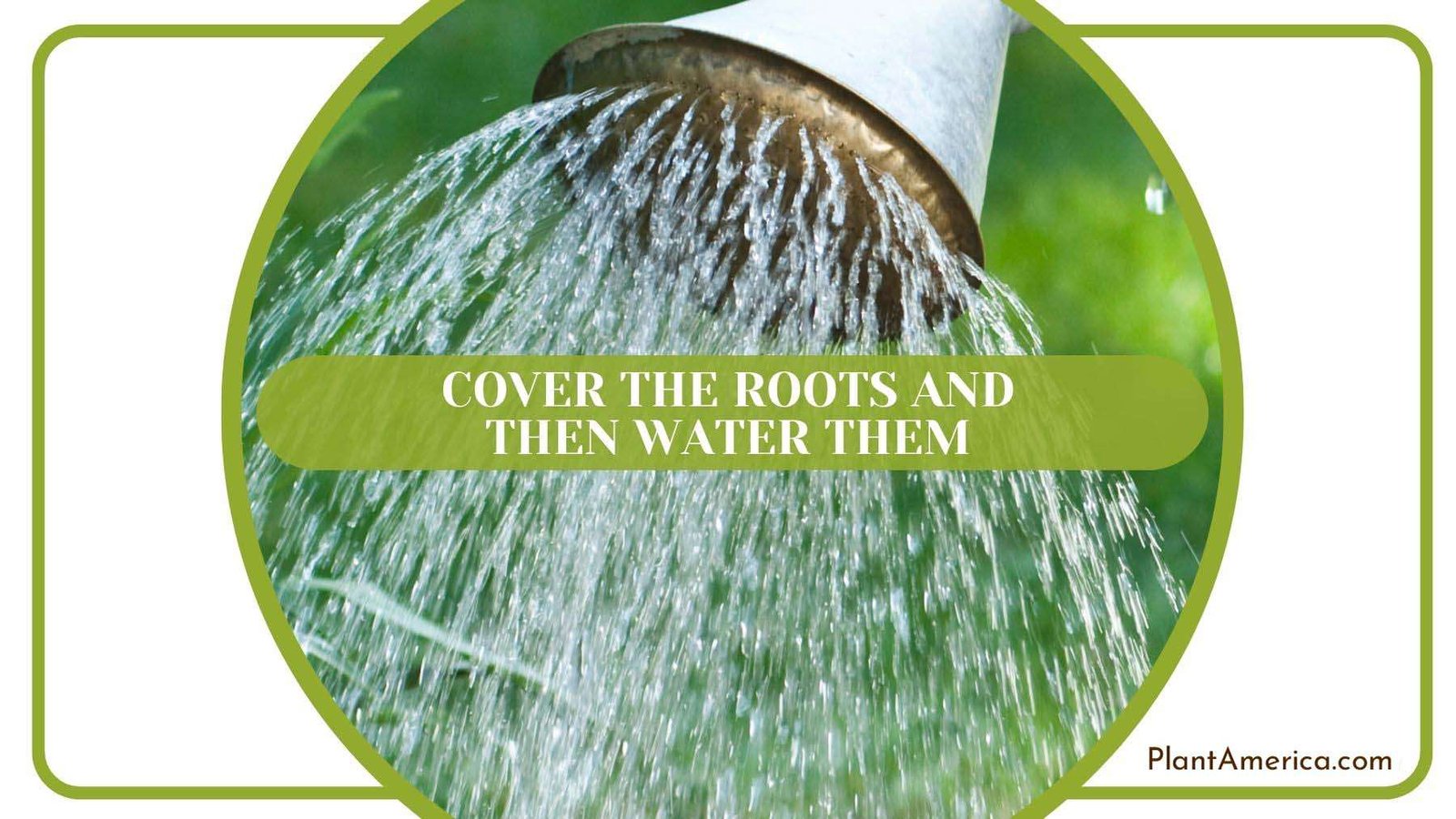
When the tree root system is covered, water the soil. Watering the soil will help reduce the air pockets so that you can add more soil. Watering the soil will also keep your tree’s roots hydrated and encourage them to start adapting to their new environment.
12. Continue Caring for the Tree
Congratulations, as your tree is successfully growing in a new location. However, this is just the start of a new journey for you. Now is the time to start caring for your tree. You have to mulch it so that you can protect its roots, water it for hydration, and continue monitoring it to ensure that it is safe.
If the tree is not stable in its hole, consider supporting it by installing a stake around it. Keep it fixed to the stake until it is well-established on the ground. So long as you continue to care for your new tree, it will grow successfully when the new growing season comes.
There are also some species-specific care tips that you must know. Ensure that you learn more about your preferred tree, especially how to care for it so that you can successfully grow it.
Conclusion
With what you’ve learned so far, you’d surely transfer every tree you want like a pro. Here are a few tips from this article as a reminder:
- Select trees from the woods nearest to you, as those trees will be the most suitable to grow in your yard.
- Ensure that you take appropriate permissions before you go collect trees from the woods.
- Whether you transplant a tree bare-rooted or not depends on the size and type of the tree.
- Remember to make the new holes for your trees ready before you bring them from the woods.
- Mulch your trees and ensure proper watering after you transplant them to their new location.
Now, nothing is stopping you from transplanting the trees that you want, right? Remember to stick to the tips in this article.