
Best flowers to grow for cutting make it easy to enjoy fresh bouquets throughout the season. We’ve found some of the best options for your garden that re-bloom reliably so you can clip stems to arrange however your heart desires.

In this guide, we’ll explore top flowers to cut including perennials and annuals that will provide you with armfuls of blooms to bring the beauty of your backyard indoors. From tidy rose bushes to carefree sunflowers, keep reading to discover flowers that will furnish you with flowers for any occasion year after year.
Our Picks of Best Flowers to Grow for Cutting and Gorgeous Bouquets
1. Pansies

- Growing Season: Spring, Winter
- Leaf Shape: Simple, Round
- Specific Needs: Fertile soil, Well drained soil
- Common Pests: Aphids, Slugs
Pansies are one of the easiest and most popular easy flowers for beginner gardeners. You’ll love them for their charming face-like blooms that add cheerful dashes of color in the spring and fall.
Pansies like cool temperatures and thrive with minimal care from early spring through summer, even in partial shade. You need to water regularly, especially when the weather is hot and dry, and ensure the soil doesn’t dry out completely.
Pansies grow from bulbs you plant in the fall before the first frost, or you can plant seedlings in spring. Their bright blossoms in hues from yellow and orange to purple and red will keep them happy for months.
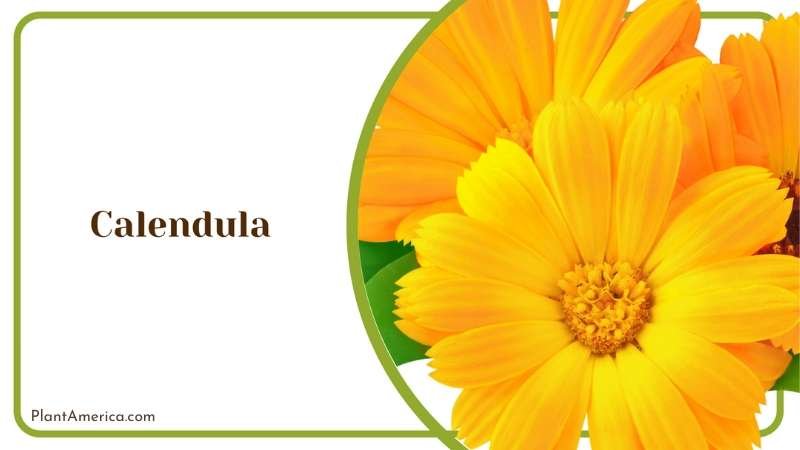
2. Calendula
- Growing Season: Spring, Summer
- Leaf Shape: Oval, Deeply lobed
- Specific Needs: Sunlight tolerant, Well drained soil
- Common Pests: Aphids, Leaf miners
Calendula is also known as pot marigold, it is a hardy that blooms profusely from early summer until the first frosts with little care. We recommend planting calendula as it spreads cheer throughout your flower beds and borders with its cheerful orange, yellow, and cream blooms.
Calendula needs a site with full sun and reasonably fertile soil that you keep consistently moist. It also makes excellent fillers as they grow quickly to around 12 to 24 inches tall. The edible flowers add a citrusy flavor and vibrant color to salads, soups, and butter. Snip individual flowers for a constant supply of cheerful blossoms indoors.
3. Sweet Pea

- Growing Season: Springa, Summer
- Leaf Shape: Alternate, Pinnately compound
- Specific Needs: Sunlight tolerant, Well drained soil
- Common Pests: Aphids, Slugs
Sweet peas make an excellent choice for beginner gardeners seeking easy-to-grow. Recommending sweet peas for their stunning fragrance, bright colors, and ability to thrive with minimal effort.
Sweet peas flourish when planted in full sun and well-draining soil. Sow seeds directly into the ground in spring after the last frost, spacing them two to four inches apart. Provide a trellis or support for the vines to climb. The simple yet charming, sweetly scented flowers in shades of white, pink, purple, and red will produce continuously if spent flowers are removed.
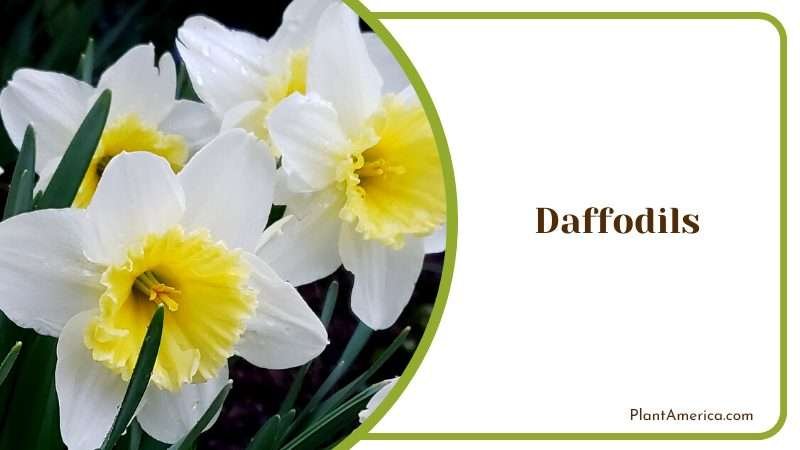
4. Daffodils
- Growing Season: Spring, Summer
- Leaf shape: Linear
- Specific Needs: Cold climate, Full sunlight
- Common Pests: Snails, Thrips
Daffodils are an unbeatable choice for a springtime flower show that will greet you joyfully year after year with little maintenance. We recommend planting daffodils as their cheerful golden flowers will bloom reliably for many springs to come once established.
Plant the bulbs in fall, ideally six weeks before the ground freezes, then allow the foliage to die back naturally after the flowers fade.
Daffodils prefer full sun and well-drained soil that is consistently moist during the growing season. While slugs and snails may nibble on the leaves, the flowers are unattractive to most common garden pests. The intoxicating spring fragrance and readily multiplied bulbs make daffodils a smart choice for any novice gardener’s flower patch
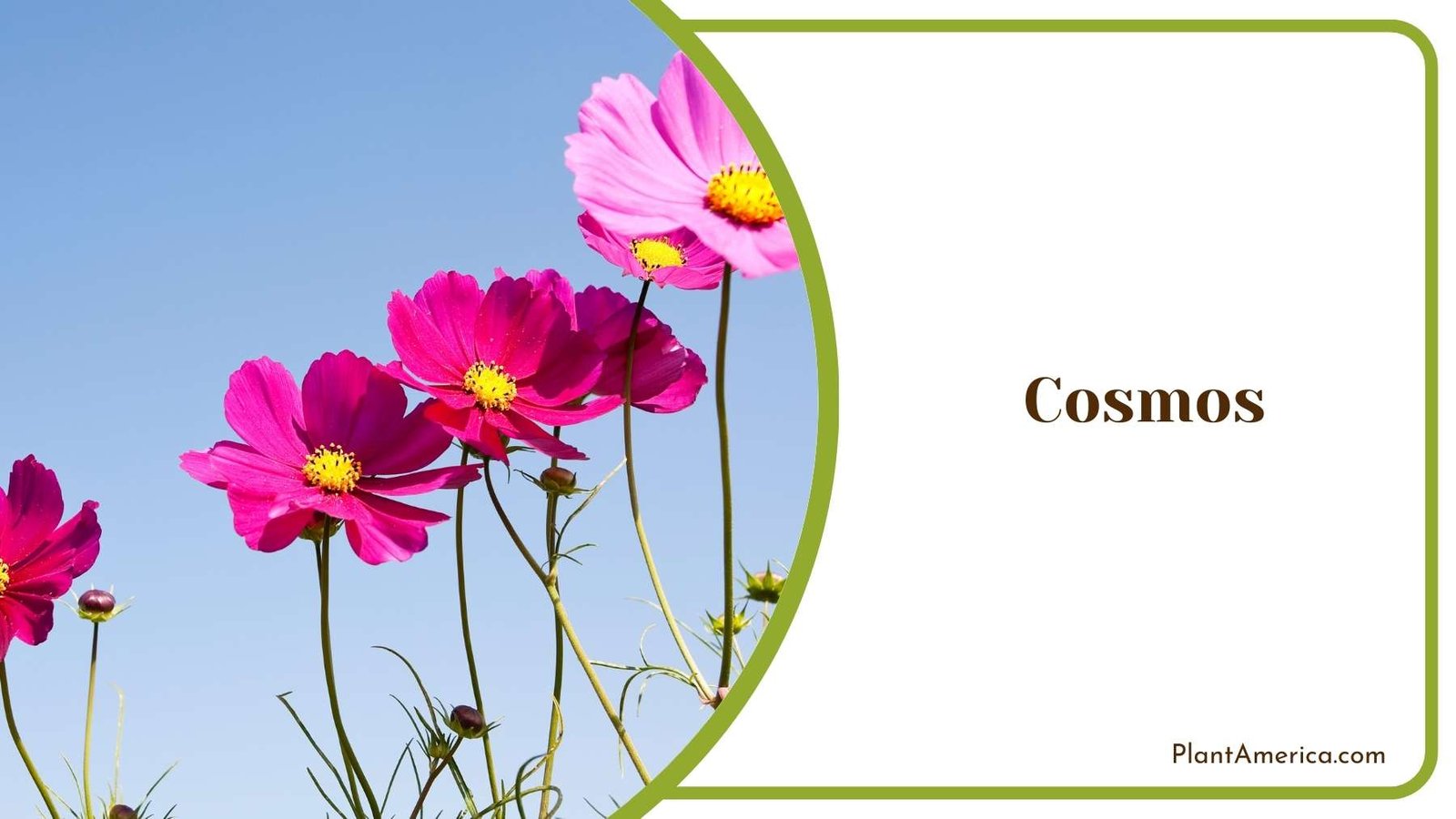
5. Cosmos
- Growing Season: Fall, Summer
- Leaf shape: Feathery, Rounded
- Specific Needs: Average soil, Full sunlight
- Common Pests: Aphids, Spider mites
Cosmos are an underrated but delightful choice for adding color and texture to your summer and fall. We recommend the cosmos for their ability to thrive with little baby and sprout colorful daisy-like flowers over a long period.
Cosmos grow quickly to around two to four feet tall and produce single or double blooms in shades of pink, red, white, and yellow. Snip individual flowers to enjoy the cosmos indoors. The lacy, feathery leaves and cheerful blossoms make the cosmos a must for any easy collection.
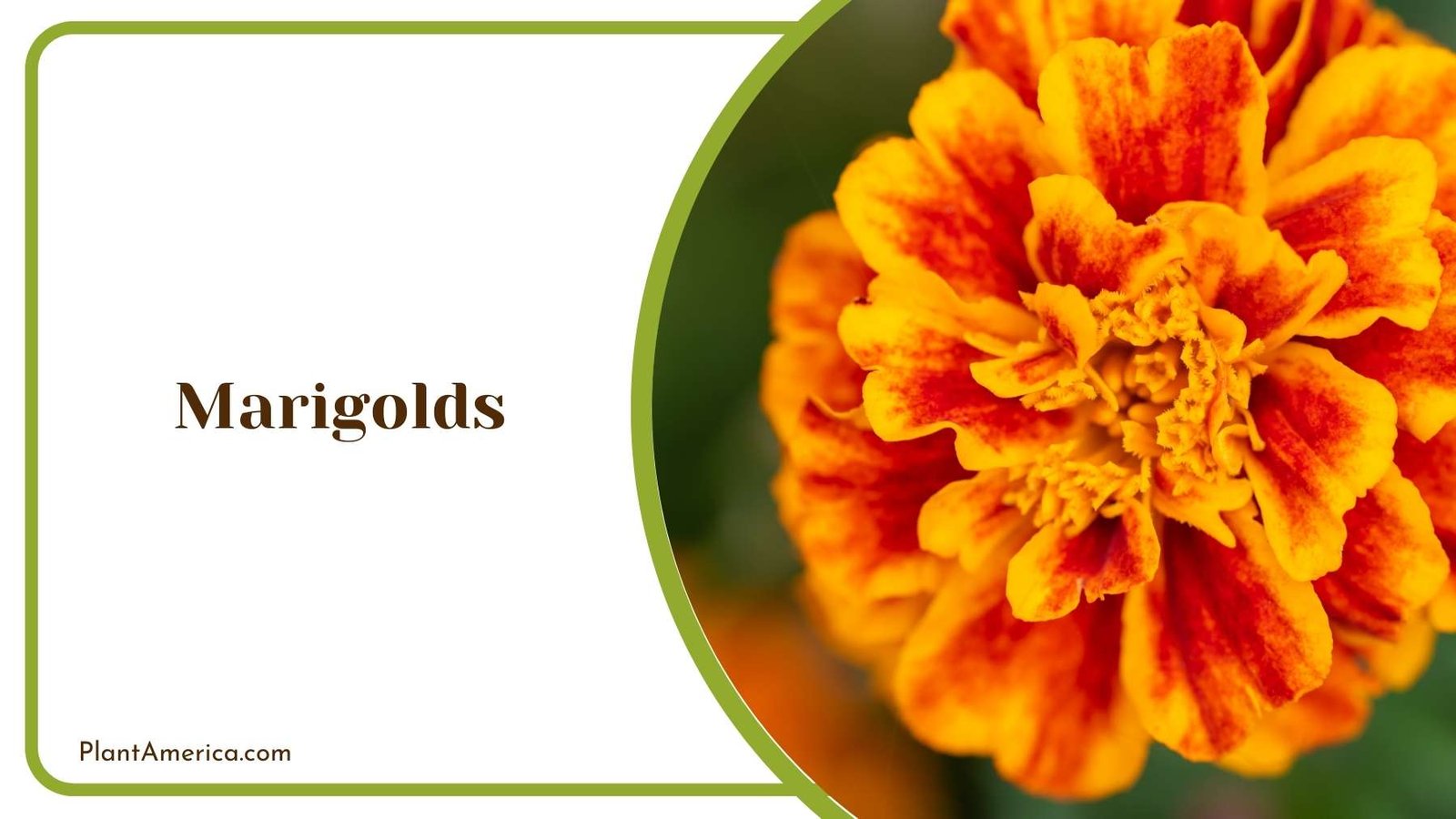
6. Marigolds
- Growing Season: Spring, Summer
- Leaf shape: Rounded, Simple
- Specific Needs: Full sunlight, Well drained soil
- Common Pests: Aphids, Spider mites
Marigolds are a wonderful option for gardeners seeking easy-care blooms that liven up the landscape with minimal effort. In particular, French and African marigold varieties produce a long season of colorful flowers without much input from their owners. Once established, marigolds demand little more than regular watering and occasional deadheading of spent blooms.
They thrive in full sun and adapt to both dry and regular soil conditions with average fertility. The long flowering period is a defining characteristic of marigolds. From early summer until the first frost, marigolds produce an abundance of cheerful yellow, gold, orange and red blooms that brighten the spirit and beautify the garden.
With natural pest defenses and few pest problems themselves, marigolds provide colorful reliability season after season. The pungent chemicals released by their leaves help repel insects like aphids, worms, and nematodes, keeping nearby plants healthier too.
Marigolds offer other benefits for the garden environment. Their brightly colored blooms attract pollinators and predatory insects that help control pest populations across the wider landscape. These features make marigolds ideal for transforming neglected beds, borders, and containers into a colorful explosion with minimal effort or intervention.
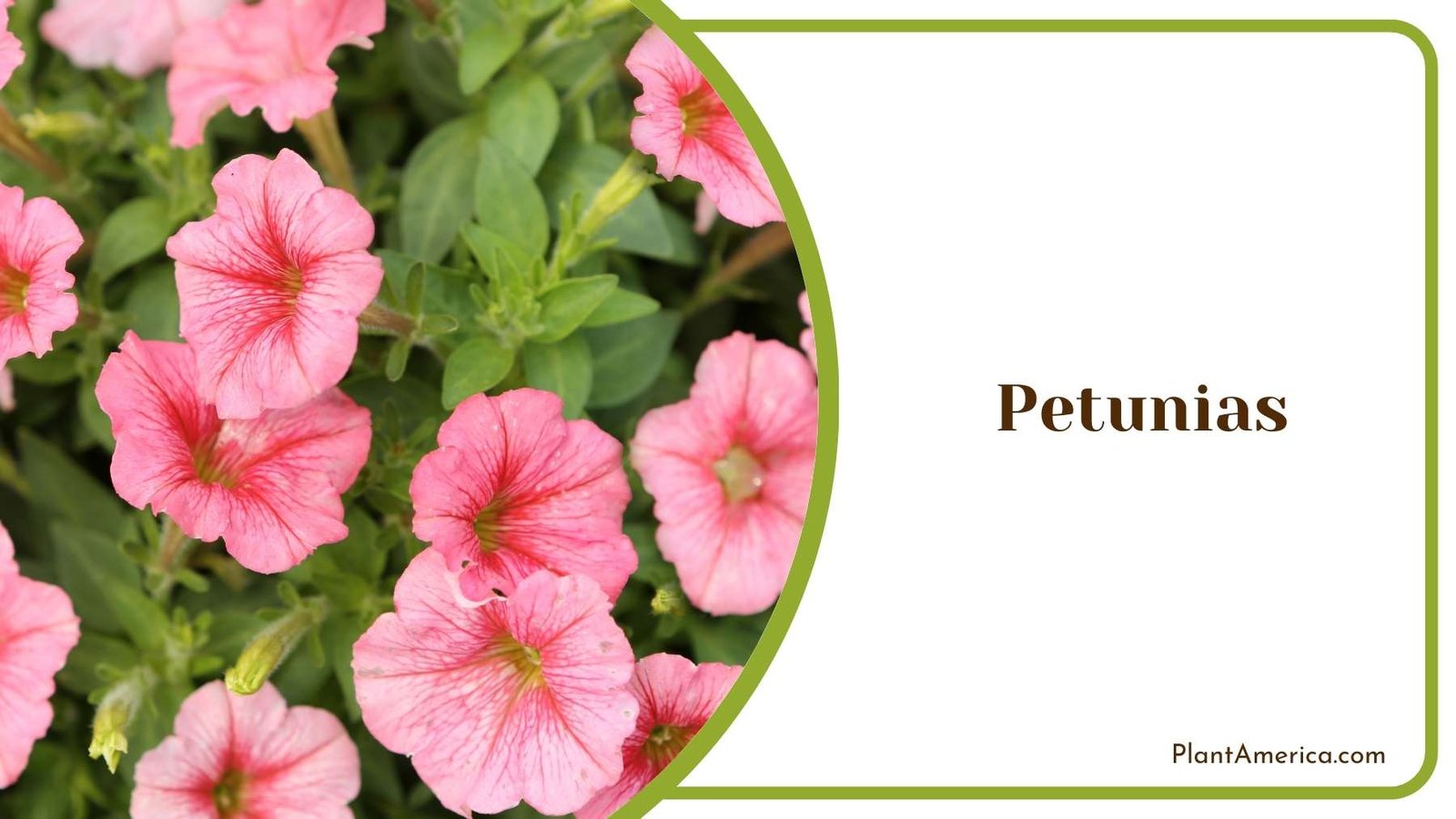
7. Petunias
- Growing Season: Spring, Summer
- Leaf shape: Long, Narrow
- Specific Needs: Moist soil, Full sunlight
- Common Pests: Aphids, Spider mites
If you’re looking for an easy-to-grow flower that provides non stop color from spring through fall, petunias should be at the top of your list. Petunias are ideal for beginner gardeners due to their low maintenance and ability to transform any outdoor space into a kaleidoscope of color.
Petunia plants thrive in full sun and well-watered, moderately fertile soil. They grow quickly, spreading or trailing beautifully over walls, patios, and in hanging baskets. The cascading habit and wide color range – from white to pink, red, purple, and bicolors -make petunias a versatile addition to any garden.
Petunias require very little care beyond the regular watering and occasional deadheading of spent blooms. They adapt well to irregular watering and produce abundant flowers continuously from spring through fall, brightening up landscape beds, window boxes, and patio gardens.
Another advantage of petunias is that they have few pest or disease problems, making them a reliable option for trouble-free color season after season. Most petunias can also withstand light frosts, continuing to bloom until temperatures dip into the 20s.
8. Snapdragons

- Growing Season: Spring, Summer
- Leaf shape: Long, Narrow toothed
- Specific Needs: Well drained soil, Full sunlight
- Common Pests: Aphids, Fungus Gnats
Snapdragons bring long-lasting color, unique flower shapes, and delightful interactivity to any flowerbed. We recommend planting snapdragons for their charming personality, unusual blooms that resemble the face of a dragon, and ability to thrive with minimal effort.
Plant snapdragons from seed in early spring or set out transplants after the last frost. These long bloomers require full sun and well-draining soil that you keep evenly moist. Snip individual blooms for arrangement and enjoy playing with their toothy faces that seem to snap when you gently squeeze their sides. Colors range from apricot, pink, and yellow to red and white.
The tall spikes of uniqueness persist nicely in borders, beds, and containers and return reliably year after year. Their cheerful personality and long bloom time make snapdragons a must for any beginner gardener’s repertoire of ease.
9. Sunflowers

- Growing Season: Spring, Summer
- Leaf shape: Alternate, Rough
- Specific Needs: Fertile soil, Full sunlight
- Common Pests: Aphids, Borers
For one that adds instant cheer, dynamism, and charm to any space, look no further than sunflowers. We wholeheartedly recommend planting sunflowers for their ability to quickly grow into towering beacons that will have you and onlookers smiling throughout the summer months.
Sunflowers need full sun exposure and rich, moist soil to grow their large blooms. Plant seeds directly into the garden after the danger of frost has passed and snakes have emerged, spacing them at least 12 inches apart. Provide consistent moisture as the flowers develop. Combine tall and short varieties for architecture and visual appeal.
Snip some immature flowers for an indoor hit of cheerfulness. When they’re finished blooming, let the seed heads mature and feed the abundant birds. The cheerful faces, dynamic height, and high-impact color range make sunflowers a must-grow for beginners looking to infuse their gardens with an effortless dose of summer happiness
10. Daisies

- Growing Season: Spring, Summer
- Leaf shape: Alternate, Narrow
- Specific Needs: Well-drained soil, Full sunlight
- Common Pests: Aphids, Spider mites
Daisies offer an effortless solution for filling your flowerbeds, borders, and containers with cheerful colors from spring through fall. We wholeheartedly recommend planting daisies for their long season of blossoms that require little attention once established.
Daisies grown in full sun and well-drained soil, daisies will spread and bloom freely throughout the growing seasons. Provide regular water as they become established, then let the soil dry out slightly between watering. Snipping dead blooms fosters reblooming, though many daisy varieties, like Shasta daisies, will bloom continuously without deadheading.
Daisies come in a range of heights, from ground-hugging to towering, in colors like white, yellow, and shades of pink. The simple yet charming flowers make wonderful additions to cut bouquets or arrangements. The low-maintenance nature, cheerful personality, and adaptability of daisies make them an obvious choice for beginner gardeners seeking ease that spreads happiness.
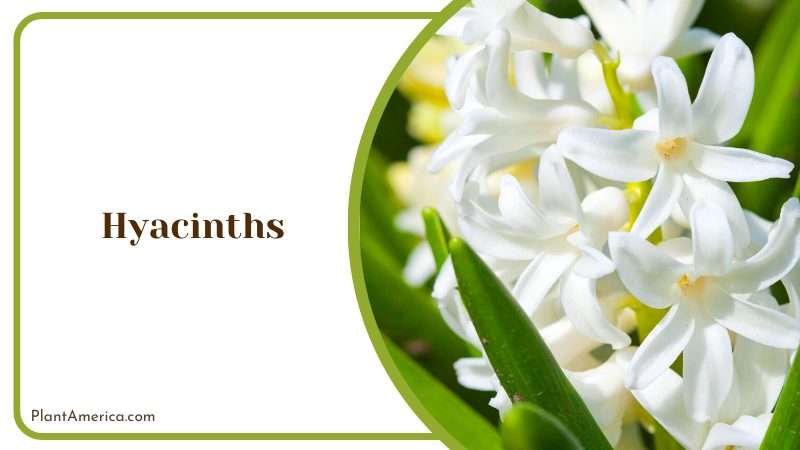
11. Hyacinth
- Growing Season: Early Spring, Summer
- Leaf shape: Strap-shaped, Linear
- Specific Needs: Evenly Moist soil, Winter cold
- Common Pests: Aphids, Nematodes
Hyacinths provide one of the easiest ways to fill your garden with intoxicating sweet fragrance and brilliant color in early spring. We strongly recommend planting hyacinth bulbs in the fall for their reliable ability to emerge the following spring, perfuming the cooler air with their heady scent and crowns of purple, pink, white, or blue blooms.
Plant bulbs in well-drained soil approximately eight to 10 inches apart and four to six inches below the surface six to eight weeks before the ground freezes. In spring, hyacinths will need full sun and consistently moist but well-drained soil to reach maximum height. After the blossoms fade, allow the leaves to die back naturally for roughly four to six weeks before cutting them down to the base.
The reliable spring emergence, spinning color blooms on strong stems, and sweet fragrance make hyacinth an ideal addition to any novice gardener’s repertoire. Their cheery blossoms signify another season has begun while requiring next to nothing from you.
12. Tulips

- Growing Season: Spring, Summer
- Leaf shape: Long, Parallel veins
- Specific Needs: Winter cold climate, Well drained soil
- Common Pests: Aphids, Birds
Tulips offer one of the easiest ways to fill your garden with beautiful flowers and color in early spring. We strongly recommend planting tulip bulbs in the fall for their reliable ability to emerge the following spring, carpeting the flower gardening beds in vibrant hues.
Tulips’ bulbs are planted in well-drained soil approximately three times as deep as the bulb is tall in late fall. In spring, tulips will need full sun and consistently moist but well-drained soil. After the blossoms fade, allow the leaves to die back for four to six weeks before cutting them down to the base to allow the bulbs to gather nourishment for the next year.
The large, showy blossoms in vibrant colors, along with their ability to multiply by forming offsets, make tulips an ideal choice for beginner gardeners. Their cheerful appearance signifies spring has officially arrived while requiring minimal care and input. Combine different kinds for diversified bloom times and an extended display of colorful flowers for the perfect view.
13. Lilies

- Growing Season: Fall, Summer
- Leaf shape: Alternate, Narrow
- Specific Needs: Moist soil, Full sunlight
- Common Pests: Aphids, Nematodes
Lilies bring grace, ease, and beauty to any garden. We highly recommend these elegant flowers to transform your summer landscape with minimal effort. Lilies simply need a site with full sun exposure and rich, moist but well-drained soil that is on the acidic side.
Tulip tubers or bulbs are planted in the fall for summer blooms or in early spring for a mid-summer show. Provide consistent moisture as flower buds form. The upright habit, funnel-shaped blooms in an array of white, yellow, orange, pink, and red hues, and heavenly fragrance make lilies a perfect choice for any novice gardener looking to fill their borders and beds with carefree color that returns reliably for years.
Snipping immature flowers extends the vase life of individual stems indoors. The low-maintenance nature, long stems, and minimal inputs required from you make lilies an obvious choice for beginners pursuing plantings of effortless beauty.
14. Dahlias

- Growing Season: Fall, Summer
- Leaf shape: Palmate, Lobed
- Specific Needs: Rich, moist soil, Full sunlight
- Common Pests: Aphids, Snails
Dahlias bring effortless color, exuberance, and dynamism to summer and fall gardens. We fully recommend these to transform your landscape into a kaleidoscope of textures and hues with minimal care.
Dahlias need full sun and soil that is consistently rich and moist. Plant tubers outdoors after the last frost or plant seeds indoors eight to 10 weeks before the next expected frost date. Provide regular water and fertilizer throughout the growing season, giving plants a boost of water after deadheading spent blooms.
Snipping deadheaded flowers encourages new blooms for a continuous display. The Swedish and cactus varieties grow compact and bushier compared to the tall varieties. The pom-shaped blooms in warm shades of red, yellow, orange, and pink, alongside their tendency to reseed and multiply, make dahlias a must for any beginner gardener looking to fill their summer beds with gigantic colors on short stems.
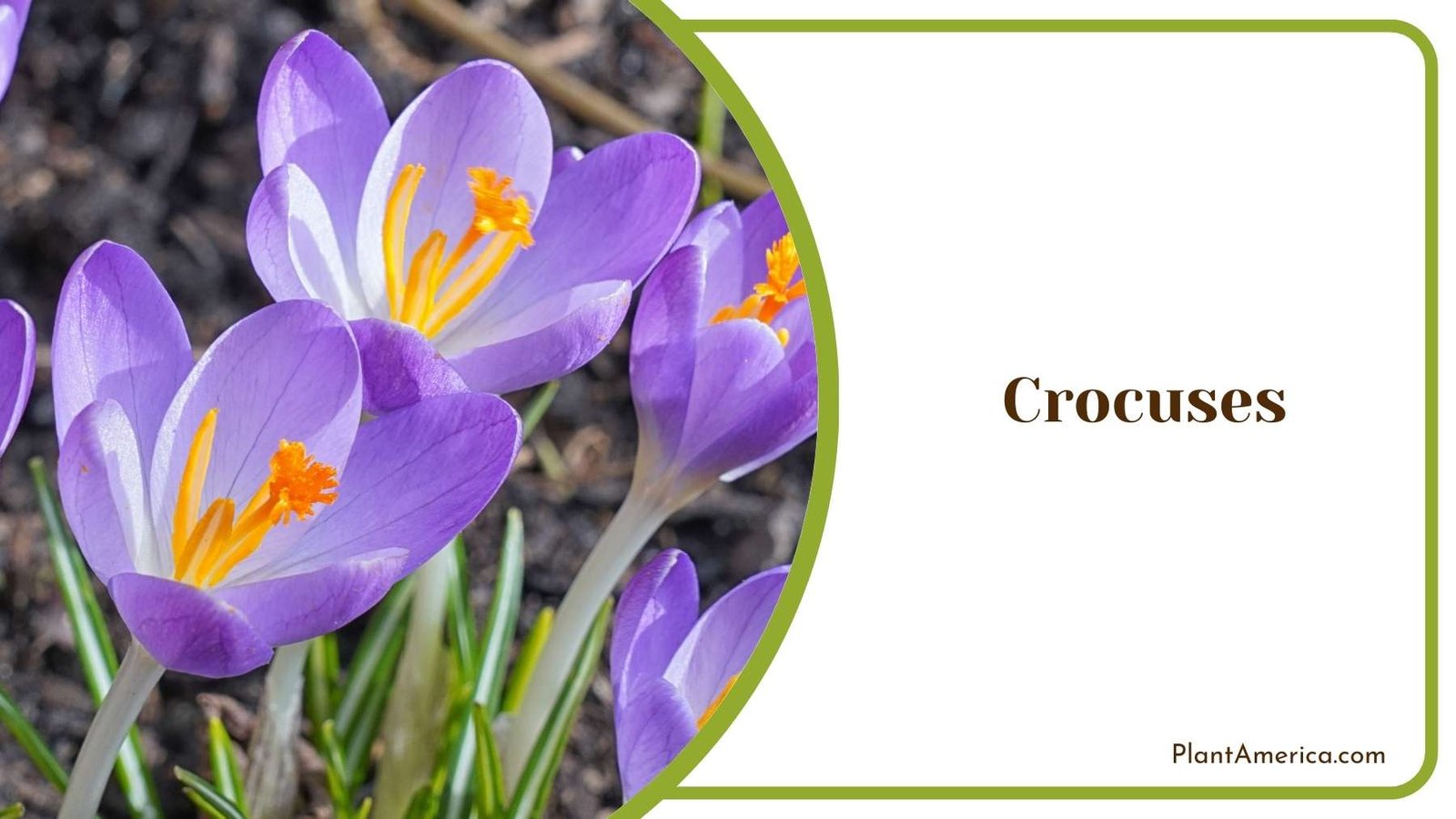
15. Crocuses
- Growing Season: Early Spring, Summer
- Leaf shape: Linear, Hollow
- Specific Needs: Moist soil, Well-drained soil
- Common Pests: Snails, Slugs
Crocuses make one of the easiest solutions for infusing your garden bed with early color. We fully recommend planting crocus bulbs in the fall for their reliable habit of emerging the following spring carpeted in cheerful shades of purple, white, and yellow. Plant bulbs around three to four inches apart and four to six inches deep in fall six to eight weeks before the ground freezes.
In spring, provide full sun exposure and soil that drains well yet stays consistently moist. Let the leaves die back naturally after blooming though you can trim them if desired. Crocus come back reliably for years with little thought from you beyond the initial bulb planting.
The cheerful early blooms in violets, yellows, and whites signify that spring has finally arrived and signal to longer-season bloomers that it’s time to emerge. The low-maintenance nature, ability to naturalize easily, and cheerful early blossoms make Crocus an ideal addition for any novice gardener seeking a splash of effortless beauty.
16. Carnations

- Growing Season: Spring, Summer
- Leaf shape: Lance-shaped, Narrow
- Specific Needs: Well drained soil, Full sunlight
- Common Pests: Aphids, Nematodes
Carnations make an excellent addition to any beginning gardener’s collection. We recommend these long-blooming beauties for their ability to thrive with extremely minimal effort while lighting up your yard with their cheerful color and spicy fragrance.
All carnations need is a spot with at least six hours of full sun and soil that drains well. They grow quickly and flower in shades of pink, red, yellow, and white throughout much of the year, depending on the variety. Snipping spent blooms will encourage new ones to form, extending the flowering display.
While some pests can be problematic, carnations are generally fairly pest resistant and require minimum inputs beyond watering. The longevity of individual blooms, stunning color range, and ability to reseed easily make carnations a no-brainer for those looking to fill their garden beds with easy cheer.
17. Irises

- Growing Season: Late Spring, Early Summer
- Leaf shape: Long, Sword-like
- Specific Needs: Well-drained moisture, Retentive soil
- Common Pests: Aphids, Leafhoppers
Irises are the definition of an for any garden. We highly recommend these beauties for their stunning bloom displays that require virtually no effort once established. Plant rhizomes in late summer or spring for bloom the following spring. Irises thrive when planted in full sun with soil that drains well yet retains moisture.
Iris needs supplemental water during extended dry periods. The strappy leaves and fan-shaped blooms that resemble cresting flags in shades of blues, purples, yellows, and whites make irises a dream for beginners. Individual blossoms last for weeks – snipping a few when fully open for indoor enjoyment extends their vase life even longer.
The upright habit and tendency to multiply and bloom year after year with minimal inputs make irises an obvious choice for those looking to fill their garden beds with timeless beauty that demands next to nothing in return.
With a little planning and the right easy flowers, you can fill your garden beds, borders, and containers with flowers that bring you happiness all season long. We encourage you to get out there this spring and pick a few of these tempting trouble-free bloomers to get started – you won’t regret it!
Conclusion
Planting a variety of easy-to-grow spring flowers is a simple way to add beauty, color, and wildlife habitat to your garden:
- Larkspur produces tall spires of blue, pink, or white flowers that attract hummingbirds and butterflies.
- Pansies offer colorful blooms in shades of yellow, purple, blue, and white from early spring until the first frost.
- Daffodils are a low-maintenance perennial that provides a celebratory splash of color in early spring before other flowers appear.
- Snapdragons come in a range of colors and repeat bloom throughout the season if old flowers are removed regularly.
Planting flowers this spring can bring you much joy, so enjoy watching the petals unfold, feel a sense of pride and accomplishment in tending your garden, and take delight in the bees and butterflies that are drawn to the nectar of your blooms. With a little patience and care, your small seeds of hope planted this season will grow into a beautiful bounty of color and life that brings happiness for many years to come.