
Pink hydrangeas are a stunning addition to every garden. From classic large-flowered mopheads producing hot pink profusion to elegant lace cap Hydrangeaceae family plants bearing clusters of delicate blush blooms, we have it all in this guide.
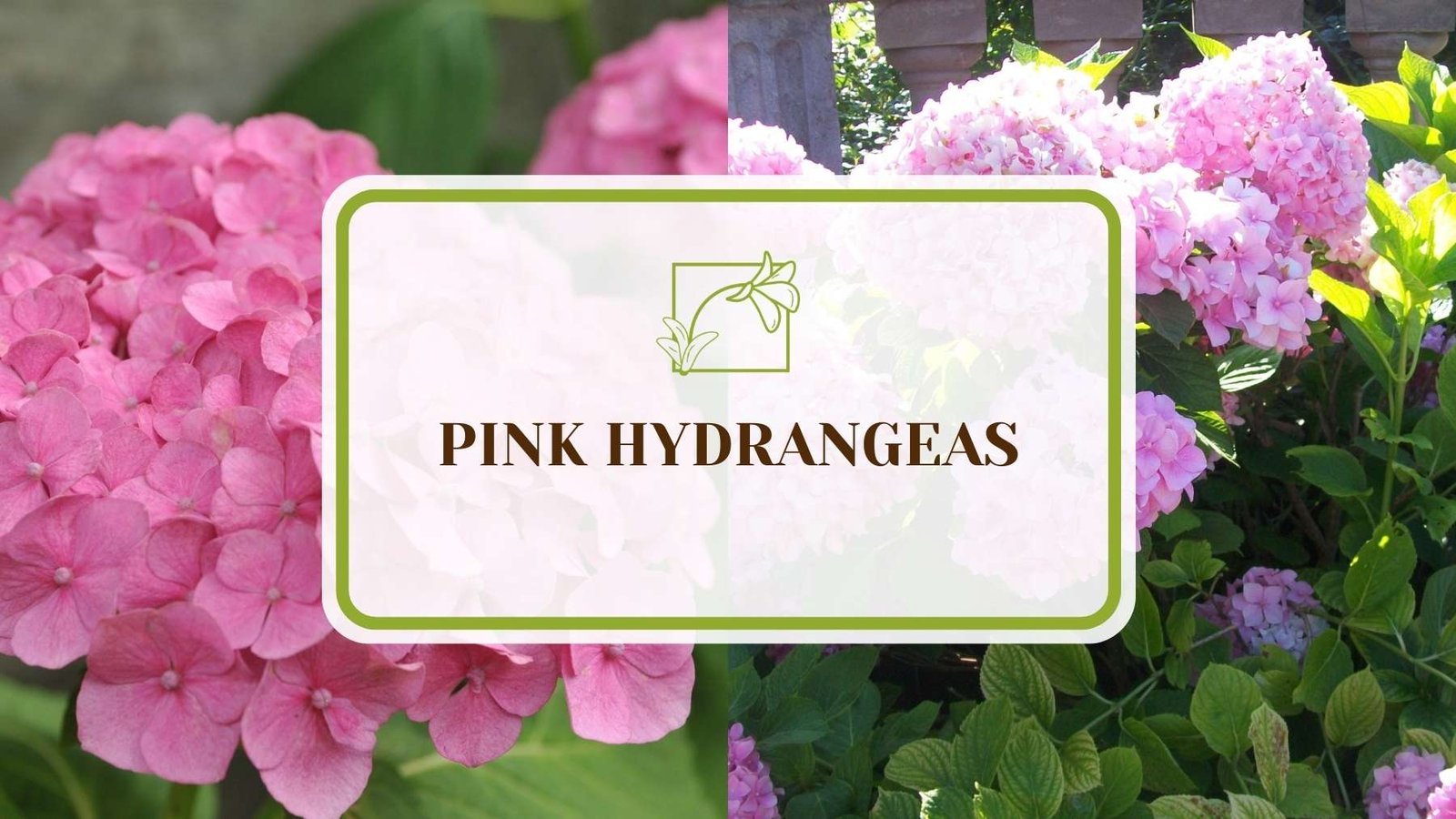
So if the thought of transforming part of your yard into a cheerful oasis filled with the constantly changing hues of soft pink hydrangea blooms brings a smile to your face, let’s embark on this colorful journey together!
Types of Pink Hydrangeas Worth Growing in the Garden
1. Pink Diamond

- Growing season: All year
- Leaf shape: Large, Maple-like leaves
- Specific needs: Afternoon shade, Regular watering
- Common pest: Aphids, Caterpillars
Pink Diamond hydrangeas produce large reddish-pink globular mophead blooms on tall stalks. These beautiful blooms stand out in the garden and attract attention. The blooms emerge in mid to late summer and last into fall.
Pink Diamond hydrangeas grow best in zones five to eight and thrive in partly sunny locations with afternoon shade and nutrient-rich, moist but well-draining soil. The large blooms require strong stalks to support their weight.
Regular watering, especially during hot summer months, and spring fertilizing will ensure productive flowering to delight gardeners. Established plants can go three to five years between divisions.
Occasional issues may include leaf spots and mildew. Affected leaves should be promptly removed and the area kept dry. Commercial sprays containing sulfur, neem oil, or organic fungicides can help manage problems. Infested plants may benefit from drip irrigation instead of sprinklers.
Despite minor concerns, Pink Diamond hydrangeas remain a reliable, long-blooming choice for the garden. Their striking reddish-pink blooms offer consistent beauty when provided with suitable conditions and routine care. Check out out solutions if your Hydrangea has issues blooming.
2. Blushing Bride

- Growing season: All year
- Leaf shape: Large, Ovate to heart-shaped
- Specific needs: Prefers partial shade, High humidity
- Common pest: Japanese beetles, Spider mites
Blushing Bride hydrangeas produce light to medium blush pink blooms on strong stems. These beautifully blooming plants stand out in shaded gardens.
This hydrangea variety forms large, showy mophead flowers in summer that resemble bridal bouquets and continue blooming into fall. Blushing Bride hydrangeas thrive in partly to fully shaded locations with high humidity, protected from strong winds.
Amending soil with organic matter and mulching to maintain moisture will ensure vigorous growth and maximum flowering for years. Established plants can go three to five years between divisions.
Occasional issues may include leaf spots and mildew. Affected leaves should be promptly removed and the area kept dry. Commercial sprays containing sulfur, neem oil, or organic fungicides can help manage problems. Infested plants may also benefit from drip irrigation rather than sprinklers.
Despite minor concerns, Blushing Bride hydrangeas remain a long-lived, low-maintenance choice for shaded gardens. Their abundant blush pink blooms offer beauty throughout the growing season when provided with suitable conditions and routine care. With proper attention, these stunning flowering shrubs will provide joyful years of flowering brilliance.
3. Pinky Winky

- Growing season: All year round
- Leaf shape: Large, Maple-like leaves
- Specific needs: Winter mulch, Regular deadheading
- Common pest: Spider mites, Aphids
Pinky Winky hydrangeas produce vivid hot pink mophead flowers that truly stand out in the landscape. The blooms fade to lighter, more delicate pastel pink as they age.
The blooms genuinely fill the entire garden abundantly as they emerge in midsummer and continue to bloom well into fall. Pruning and fertilizing encourage even more blooms to fill the garden.
Pinky Winky hydrangeas grow reliably in plant hardiness zones five through eight. They flourish in nutrient-rich, moist and acidic soil that is consistently maintained with organic matter additions.
Winter mulch helps extend the life of this flowering hydrangea variety for years to come. Protection from extreme drying winds also benefits Pinky Winky hydrangeas. The moist soil they prefer helps their roots remain strong during harsh winters.
Pruning Pinky Winky hydrangeas in late winter just before new growth begins results in the strongest blooms. Cut older stems back to the basal shoots near ground level. Fertilize in early spring and throughout the growing season to maximize flowering.
Mulch in fall months using organic material like shredded leaves or bark to help retain moisture, insulate roots and suppress weeds. Water deeply and regularly during dry periods, especially during flowering.
With proper care, Pinky Winky hydrangeas will reward gardeners with large clusters of hot pink blossoms for many years, reliably filling beds and borders with vivid summertime color.
4. Vanilla Strawberry

- Growing season: All-season
- Leaf shape: Large, Maple-like leaves
- Specific needs: Afternoon shade, Regular watering
- Common pest: Spider mites, Japanese beetles
Vanilla Strawberry hydrangeas produce enormous white flowers that brighten any garden. As the blooms age, they fade to a soft blush pink color.
The showy blooms emerge in mid to late summer and continue blooming well into fall. Their size can be truly magnificent, stunning gardeners with their dazzling appearance. Proper care maximizes both the size and number of hydrangea blooms.
These hydrangeas thrive in plant hardiness zones five through nine. They grow reliably with consistently moist, nutrient-rich, and well-draining soil. Adding organic matter improves soil fertility and moisture retention.
Providing partial afternoon shade helps protect the delicate blooms from fading or discoloring. Deep, regular watering during the long growing season encourages prolific flowering. Fertilize periodically throughout the season, following label directions.
Pruning hydrangeas in late winter, just before new growth begins, results in the largest blooms. Cut older stems back to basal shoots near ground level. Soaker hoses or drip irrigation deliver water directly to plant roots to avoid wetting foliage.
Mulching in fall with an organic material like shredded leaves or bark helps retain moisture and controls weeds. Vanilla Strawberry hydrangeas require regular, abundant watering during dry spells, especially while flowering.
When given proper care, Vanilla Strawberry hydrangeas reward gardeners with an extraordinary display of size, color, and bloom time. Their truly magnificent white flowers fading to blush pink will utterly impress even the most discerning gardeners, brightening the landscape for many weeks.
5. Fire and Ice

- Growing season: Perennial
- Leaf shape: Large, Maple-like leaves
- Specific needs: Consistently moist soil, Winter mulch
- Common pest: Japanese beetles, Aphids
Fire and Ice hydrangeas feature a two-tone bloom, with outer petals that are cheerful hot pink and inner petals that are pure snowy white. The large striking mophead flowers really stand out against the foliage.
These hydrangeas flourish and grow well in zones five through nine and thrive well with consistent afternoon shade, consistently moist nutrient-rich, well-draining fertile soil, and adequate judicious partial winter protection. Pruning after blooming and fertilizing in early spring truly helps promote healthy growth and more abundant blooms reliably year after year.
Amending soil diligently with organic matter like compost and peat moss and balancing pH levels truly helps ensure prolific flowering and vigorous growth reliably for years of pure happiness and enjoyment. Adding additional feedings mid-summer using a specialty hydrangea fertilizer can further maximize many large blooms that cascade down the branches.
The biggest obstacle for Fire and Ice hydrangeas is keeping the soil consistently moist, especially during the hot summer months. Using mulch, soaker hoses, and timely watering truly helps keep the roots hydrated to support the demands of producing many vivid flowers.
With a little effort, these colorful hardy shrubs reward gardeners with an incredible show for several weeks or more, displaying as many as 50 or more huge two-toned blooms at the peak of the summer season. The striking pink and white blooms, which may reach 12 inches across, truly stand out among the chartreuse foliage and make an eye-catching addition to any garden.
6. Pink Charm
- Growing season: Perennial
- Leaf shape: Large, Glossy green leaves
- Specific needs: Consistently moist soil, Acidic soil
- Common pest: Spider mites, Japanese beetles
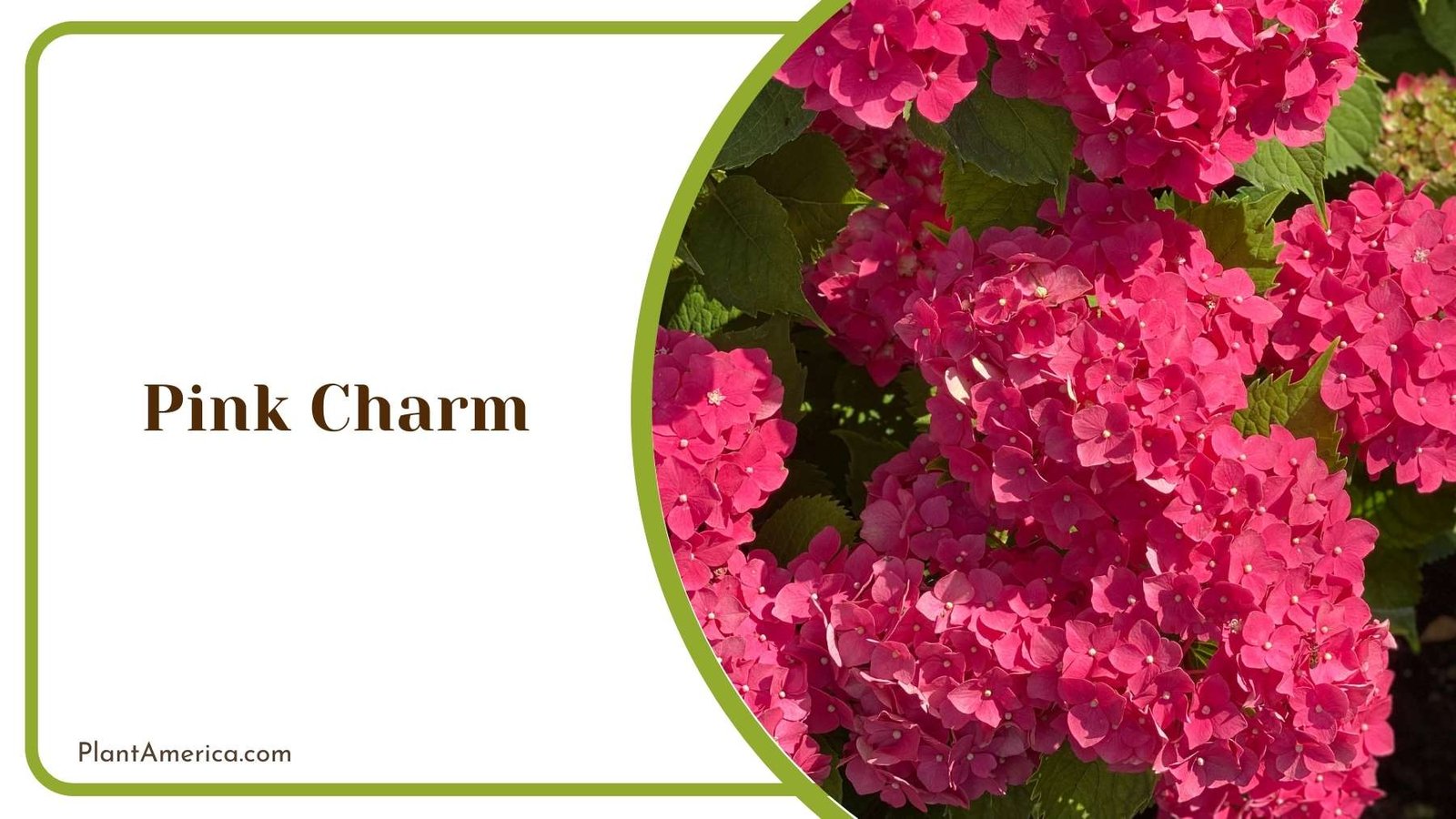
Pink Charm hydrangeas produce bright hot pink flowers that stand out in the garden and fade to a delicate blush pink hue. The blooms emerge in summer and continue until fall.
These hydrangeas thrive reliably in zones five through nine and grow best with partial shade, consistently moist acidic soil, and partial winter protection. Pink Charm adapts well to landscapes and containers, making it a versatile choice.
Deadheading all spent blooms regularly encourages prolific reblooming with a fuller flower display for an extended bloom time. Minimal fertilizing is needed due to sufficient nutrients stored in the roots. Established plants can go three to five years between dividing.
Occasional issues that may arise include leaf spots, mildew, and spider mites. Affected leaves should be removed, and the surrounding area should be kept dry to discourage issues. Commercial sprays containing sulfur, Neem oil, or other organic fungicides/insecticides can help manage problems. Infested plants may also benefit from drip irrigation rather than sprinklers.
Despite minor concerns, Pink Charm hydrangeas remain low-maintenance shrubs valued for their abundant hot pink blooms that uplift the landscape throughout the growing season. Proper conditions and regular maintenance ensure fulfillment from these spectacular flowering plants.
7. Pinky Winky Grandiflora

- Growing season: Perennial
- Leaf shape: Large, Maple-like leaves
- Specific needs: Winter protection, Afternoon shade
- Common pest: Spider mites, Japanese beetles
Pinky Winky Grandiflora hydrangeas produce show-stopping huge gorgeous puffballs of hot bright pink blooms that fade gracefully to a more delicate pastel pink tone. These magnificent grandiflora hydrangeas begin flowering prolifically in midsummer and continue blooming through fall.
They flourish and grow superlatively in zones five through nine and require consistently moist nutrient-rich acidic soil with added organic matter like compost, peat moss, and leaf mold for vigorous optimal growth. Partial shade from the afternoon sun and reliable winter protection consistently help extend the longevity of the blooms season after the thriving season.
Diligent soil preparation and regular fertilizing truly help ensure abundant blooms year after year. Pruning immediately after flowering encourages greater flowering the following year. Regularly removing old stems and seed heads promotes new growth and strength in the plant.
Consistent moisture is critical for Pinky Winky hydrangeas to perform at their peak. During hot and dry spells, soaker hoses and mulch help the soil retain precious moisture for the large blossoms. Established plants require deep watering once a week to sustain the lovely blooms which can reach up to 14 inches wide.
The incredible pint-sized hot pink blooms burst forth on arching branches, creating a bountiful profusion of flowers to truly stand out among the surrounding vegetation. The vivid blooms gradually transition to pastel pink, creating a two-toned effect in a single flower that is truly a sight to behold.
8. Let’s Dance
- Growing season: Perennial
- Leaf shape: Large, Maple-like leaves
- Specific needs: Consistently moist soil, Winter protection
- Common pest: Spider mites, Japanese beetles
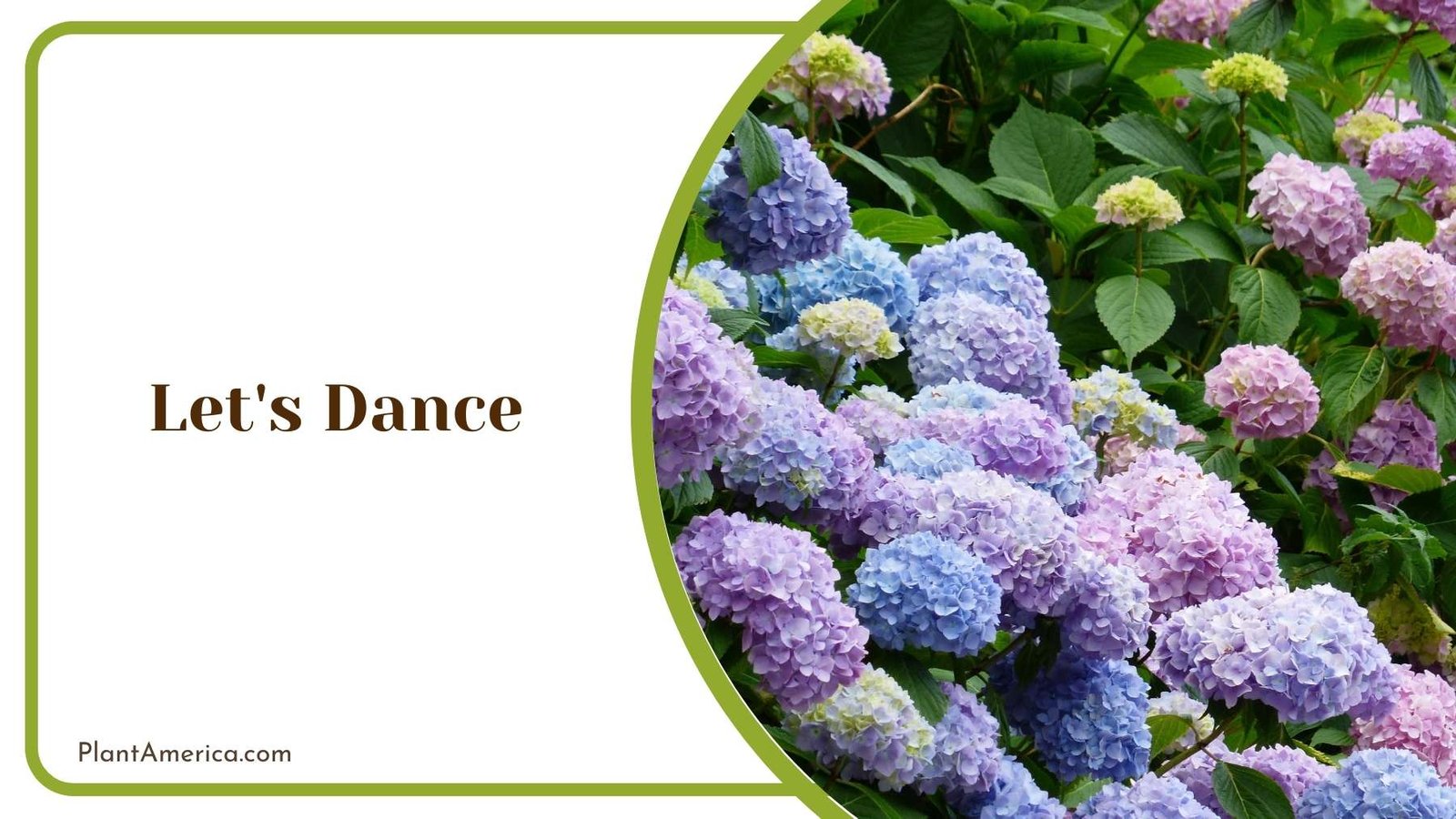
Let’s Dance hydrangeas produce vivid bright blooms that genuinely stand out in the garden and fade to a more delicate, pretty, pastel hue. The large mophead flowers really make bold statements as they emerge in summer and continue blooming well into fall.
These hydrangeas flourish and thrive well and reliably in zones five to nine with peacefully dappled partial shade and consistently moist, nutrient-rich, acidic soil perfect for their optimal growth. Dependable reliable winter protection and mulching help insulate the roots reliably and ensure an extremely sturdy robust spring regrowth season.
Amending soil diligently with organic matter and pH-adjusting products consistently promotes prolific flowering and luxurious growth.
9. Ayesha
- Growing season: Perennial
- Leaf shape: Large, Maple-like leaves
- Specific needs: Moist, acidic soil, Afternoon shade
- Common pest: Spider mites, Japanese beetles
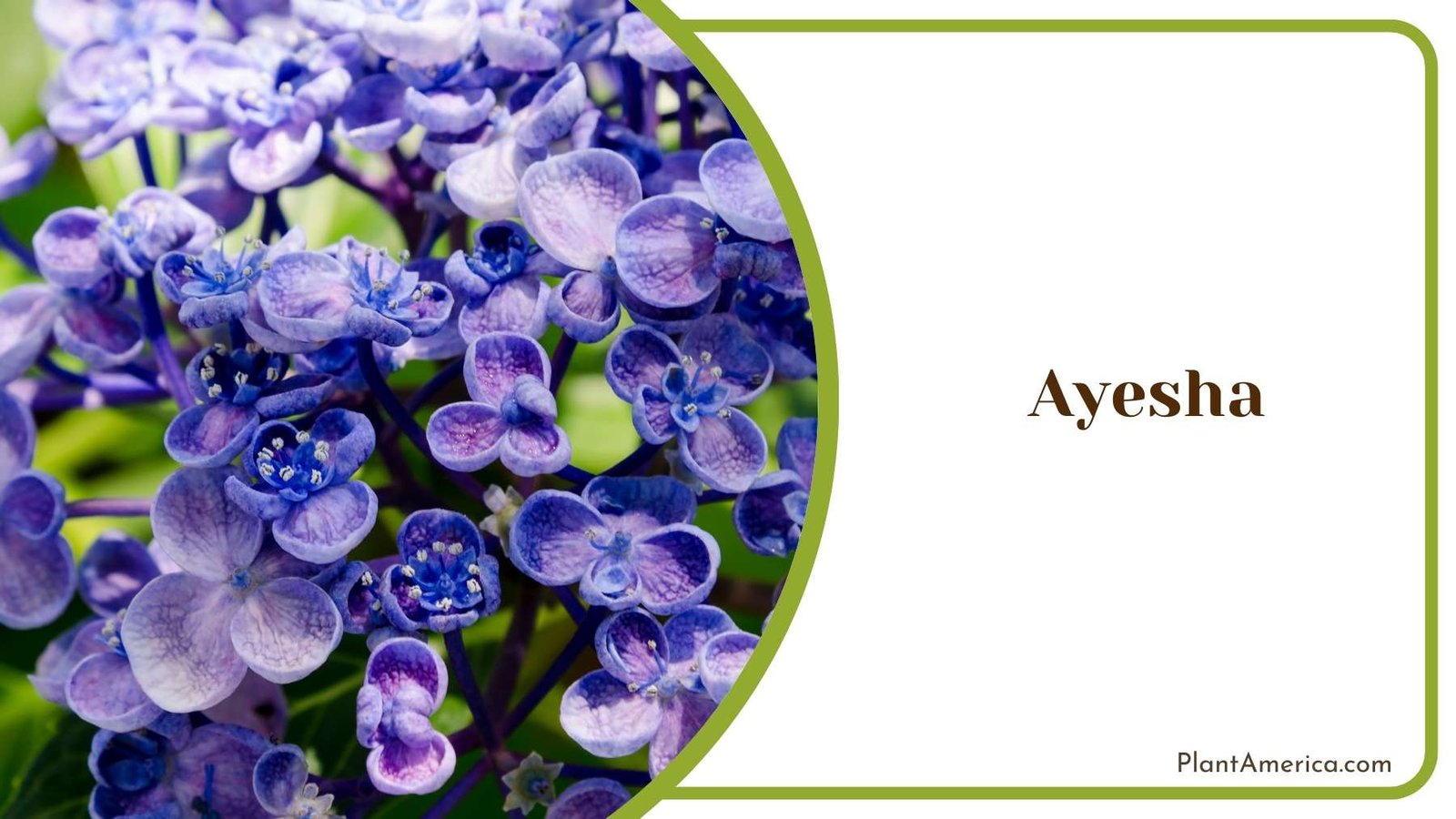
Ayesha hydrangeas produce truly charming medium blooms that fade to a delicate soft, pastel pink blush color. The mophead flowers really add lush, abundant beauty as they joyfully glide in early summer and continue blooming through all of fall.
These hydrangeas absolutely flourish and grow exceedingly well and reliably in zones six through nine with consistently moist, nutrient-rich acidic soil perfect for their optimal growth and dependable, reliable afternoon shade. Fertilizing generously in spring and all through summer genuinely helps encourage a long season of maximal bloom.
Adequate reliable winter protection and vigorous mulching can truly boost survival and luxuriant spring regrowth season after thriving season.
10. Pinky Winky Zinfin Doll
- Growing season: Perennial
- Leaf shape: Medium-sized, Rounded leaves
- Specific needs: Acidic soil, Afternoon shade
- Common pest: Spider mites, Japanese beetles
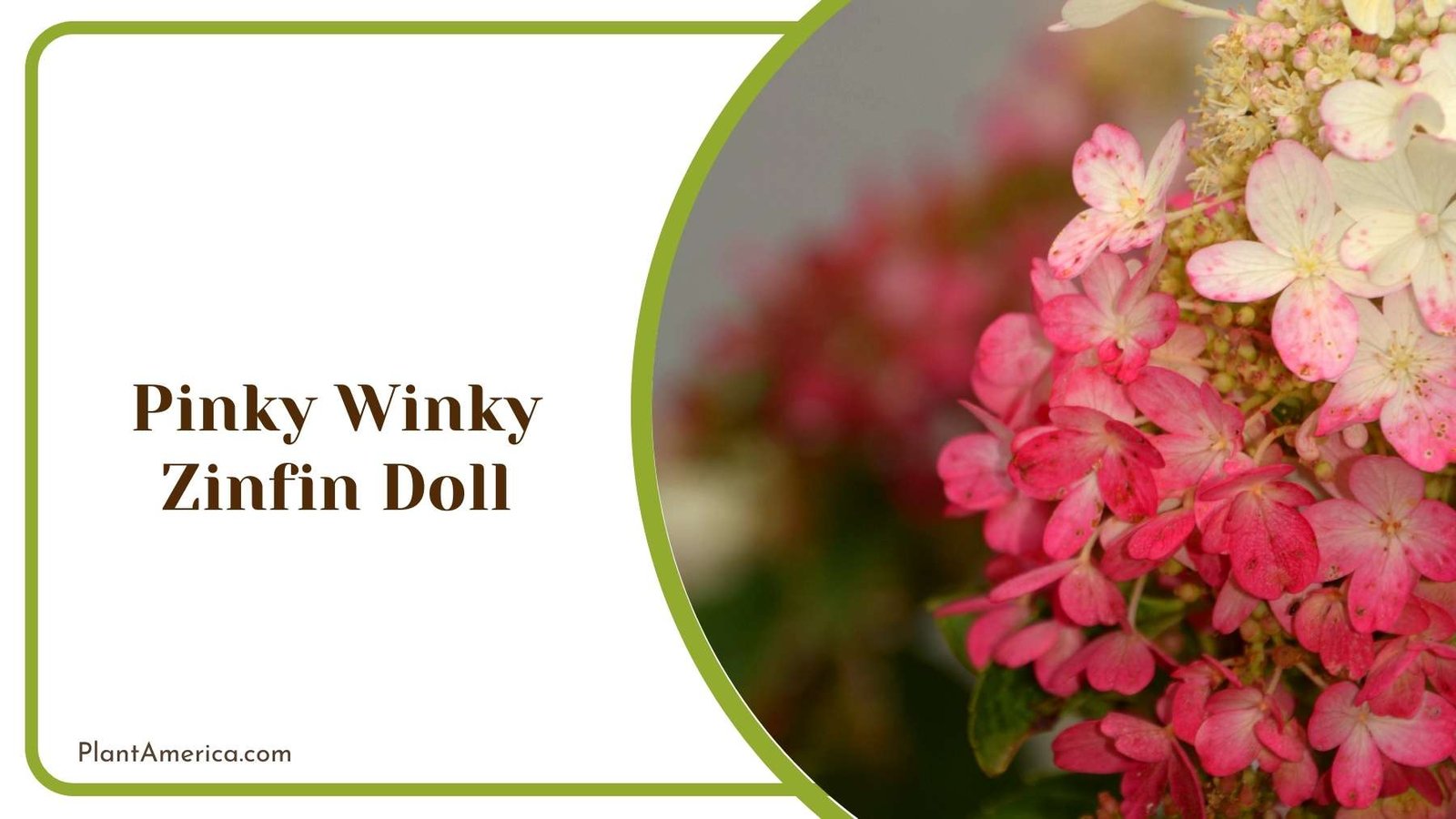
Pinky Winky Zinfin Doll hydrangeas produce large numbers of small, vivid pink blooms that stand out visually and fade gracefully to lighter pastel hues. The blooms emerge in mid-summer and continue blooming into fall.
These visually showy hydrangeas flourish and grow reliably well in zones five and nine and thrive with afternoon shade. Consistently moist acidic soil adjusted for their optimal growth and winter protection also greatly benefits these plants.
Mulching in winter helps insulate the roots to ensure healthy overwintering, while regular pruning keeps plants compact yet lush and full. Fertilizing in early spring consistently boosts prolific bloom production season after season.
Minor issues that may occasionally arise include powdery mildew, spindle bugs, and leaf spot fungus. Affected leaves should be removed and disposed of promptly. Commercial sprays containing sulfur, Neem oil, or other organic fungicides can help control powdery mildew. Infested plants may also benefit from soaker hoses or drip irrigation rather than sprinklers to avoid spreading issues. Check also if the Hydrangea has a mealybug infestation.
Despite occasional issues, Pinky Winky Zinfin Doll hydrangeas remain relatively low maintenance, carefree shrubs prized for their abundant profusion of cheerful pink blooms that uplift the landscape throughout summer and beyond. Proper conditions and routine care ensure years of spectacular visual enjoyment from these magnificent flowering plants.
11. Veiled Beauty
- Growing season: Mid summer, Fall
- Leaf shape: Large, Maple-like leaves
- Specific needs: Moist, acidic soil, Winter mulch
- Common pest: Aphids, Spider mites
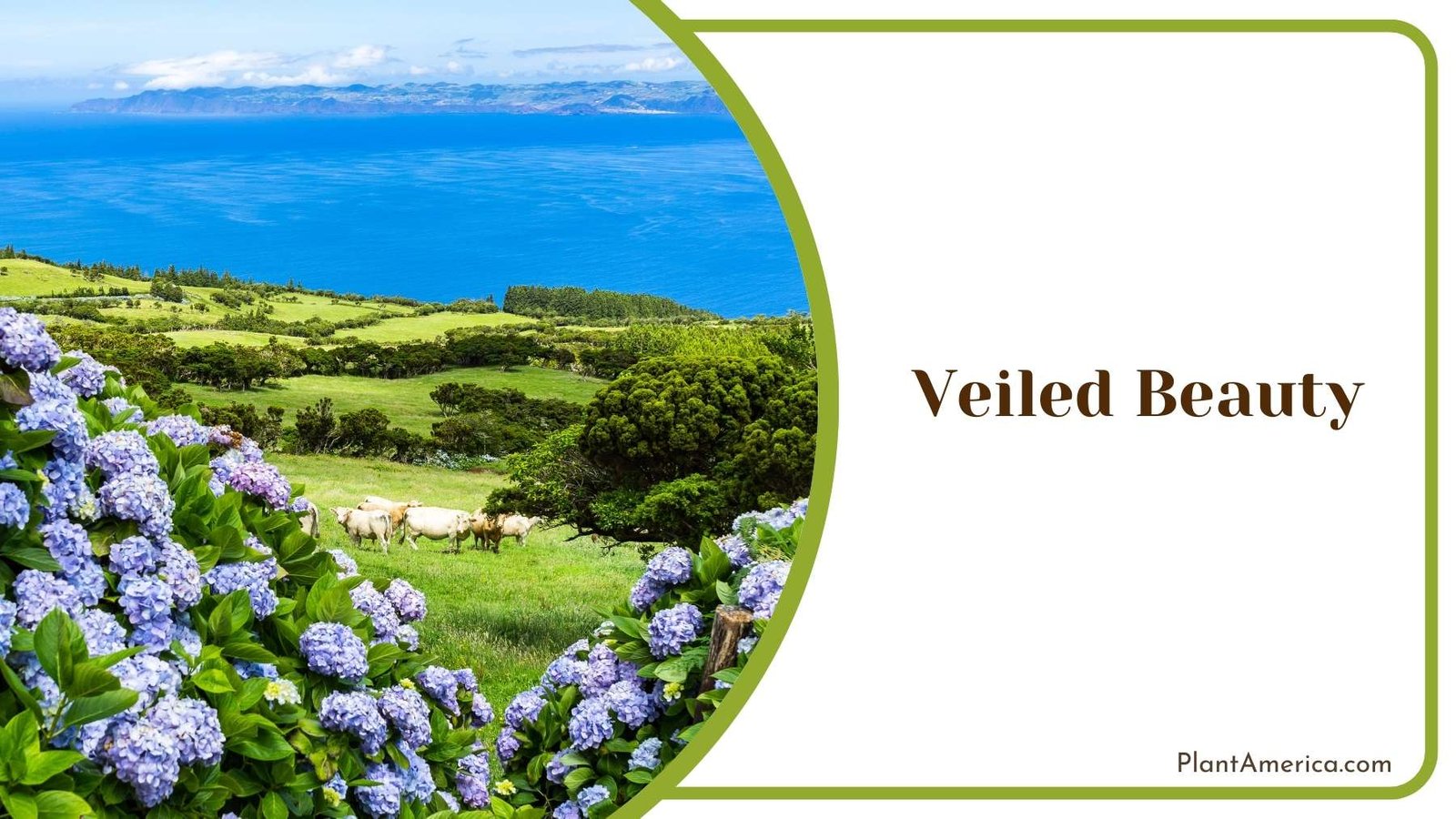
Veiled Beauty hydrangeas produce copiously filled clusters of delicate tiny flowers that fade to a softer pastel color. The clusters dazzle vividly as they bloom in midsummer and blissfully into fall.
These show-stopping hydrangeas flourish and thrive well reliably in zones five through eight and grow well in reliable consistent partial dappled shade and consistently moist nutrient-rich acidic soil, which is the perfect ideal for their optimal growth.
Winter mulching helps insulate the roots extensively to ensure healthy overwintering, while regular pruning keeps plants extremely dense and overly full. Consistently fertilizing in early spring encourages vigorous growth and abundant bloom.
12. Pinky Winky Mini
- Growing season: Perennial
- Leaf shape: Medium-sized, Rounded leaves
- Specific needs: Acidic soil, Winter mulch
- Common pest: Spider mites, Japanese beetles
The aptly named Pinky Winky mini hydrangea lives up to its moniker with its petite stature and prolific blooms of cheery pink flowers. Reaching a maximum height and spread of only two feet, this hardy hydrangea variety is perfectly suited to garden accents, container displays, or growing en masse in borders.
Its dense, compact habit produces a rounded, lush mound of thick foliage from spring into fall. Glossy green leaves provide an attractive base for the striking blooms. Beginning in early summer, round corymbs suddenly emerge packed with tiny pink florets.
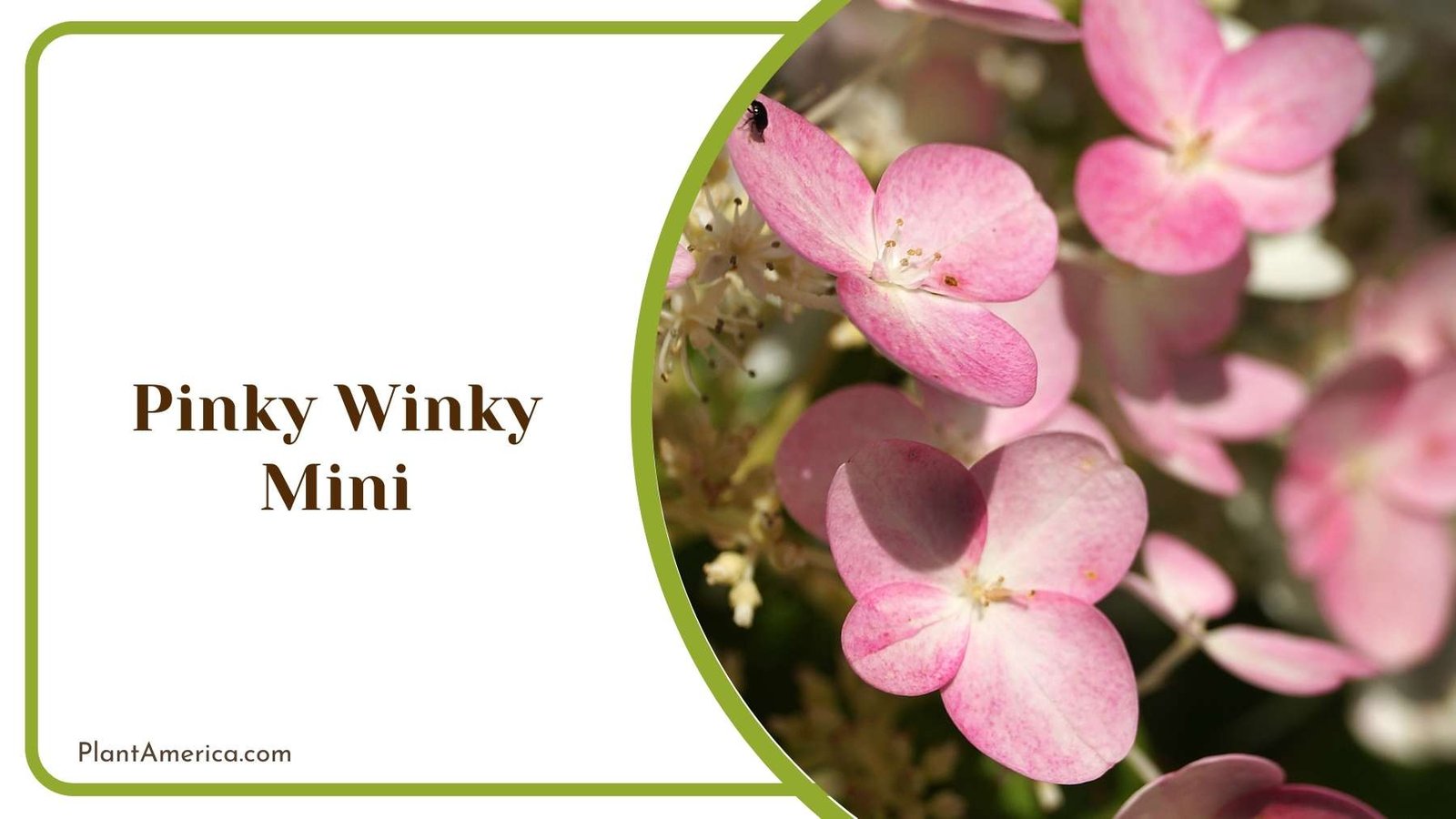
Individual flower heads are miniature in size at approximately two inches across, but their colors are bold. A vibrant fuchsia pink covers each spherical bloom, gradually fading to soft blush tones. Numerous flowers crowd together on stiff stems rising just above the leaves.
This hydrangea thrives in zones 4-9 with morning sun and afternoon shade. Organic, well-draining soil keeps its root system healthy to reliably rebloom each year. Supplemental irrigation and feeding a balanced fertilizer during the blooming season ensure maximum floral production.
Staying evergreen throughout warm seasons, the Pinky Winky mini adapts well to planters, rockeries, or containers on patios. It tolerates light foot traffic once established. Come fall, its dense leaves take on shades of burgundy and plum before resting over winter.
With nonstop colorful blooms on sturdy yet short stems all season, this hydrangea offers continual garden delight. Its adorable size makes it ideal for fairy and whimsical gardens too. Overall, the Pinky Winky mini hydrangea is simply a joy to grow.
13. Bubblegum
- Growing season: Summer, Fall
- Leaf shape: Medium-sized, Rounded leaves
- Specific needs: Acidic soil, Winter mulch
- Common pest: Spider mites, Japanese beetles
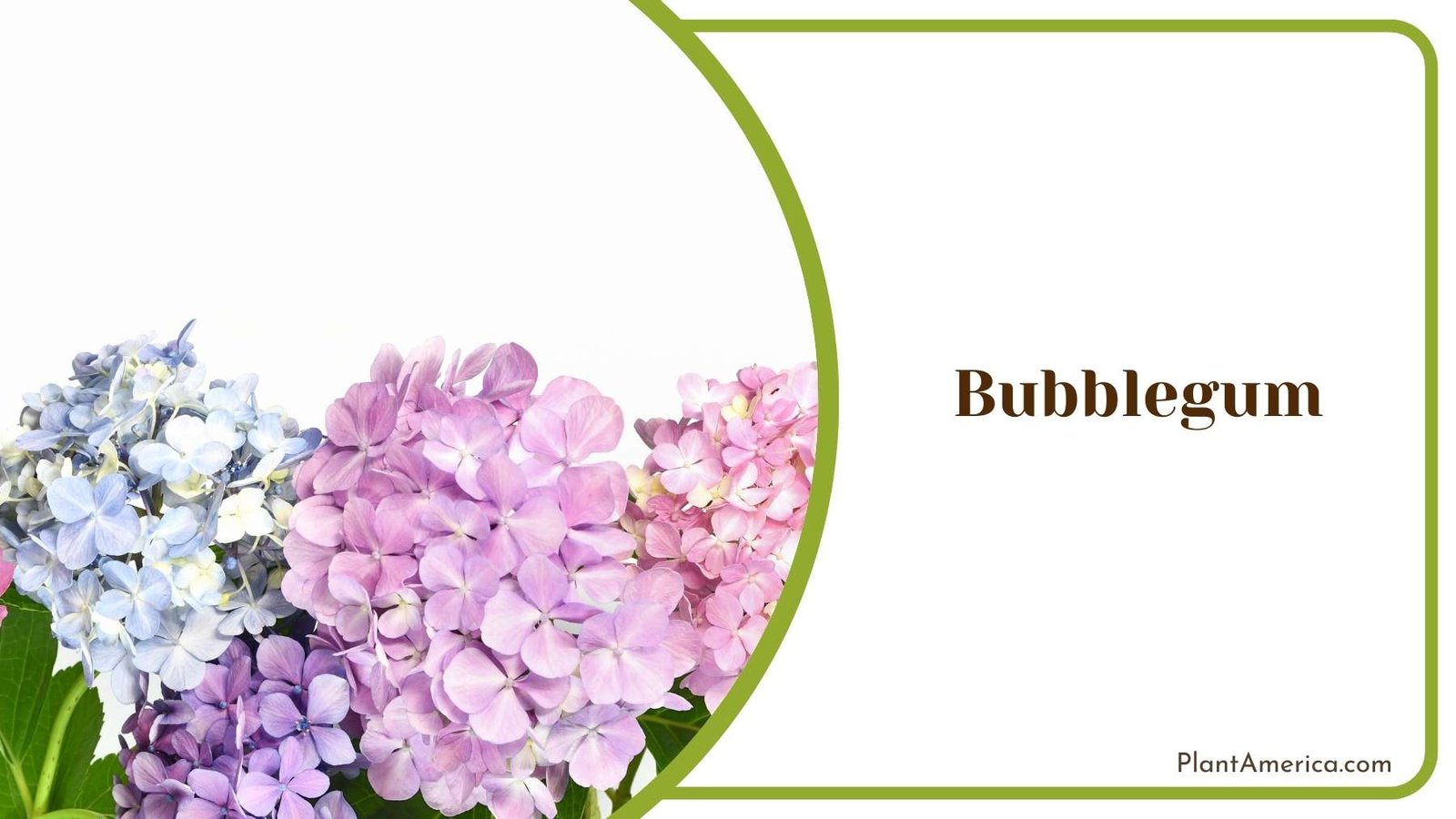
The bubblegum hydrangea gets its whimsical name from the vivid pink blooms it produces, resembling huge wads of pink bubblegum. This decorative variety comes into its own in mid-summer, bursting forth with softball-sized flower heads in the brightest pink imaginable.
Each round corymb contains dozens of tiny florets that open gradually from the outer ring inward. The hot pink color is bold yet feminine, brightening up gardens and landscapes. Individual flowers may persist for weeks amid the lush, verdant leaves.
Growing into a tidy, bushy mound three to four feet tall and wide, the bubblegum hydrangea is perfectly sized for smaller gardens, containers, or accents in larger plots. Its dense form is ideal for cutting and bringing indoors. Thick, medium green leaves provide an attractive backdrop and a tropical flair.
This hydrangea thrives in zones five to nine with consistently moist, well-draining soil. Partial sun suits it best, with the morning sun to protect its blooms from wilting in the heat of the afternoon. Ample mulch and regular fertilizing keep plants well-nourished throughout the year.
The bubblegum hydrangea blooms abundantly on both old and new growth. Its flowers emerge bright fuchsia, gradually fading to a soft rose pink as summer winds down. Good airflow prevents fungal diseases on its lush foliage. Come fall, its leaves turn shades of burgundy and plum before dropping.
With abundant blooms, glossy leaves, and a compact size, the bubblegum hydrangea brings fun pops of color to gardens. Its flowers are also ideal for cutting. Whether as a specimen, in borders, or massed as a groundcover, this variety is a showstopper.
14. Pink Velvet
- Growing season: Summer, Fall
- Leaf shape: Glossy, Medium-sized leaves
- Specific needs: Moist soil with good moisture, Acidic soil conditions
- Common pest: Aphids, Japanese beetles
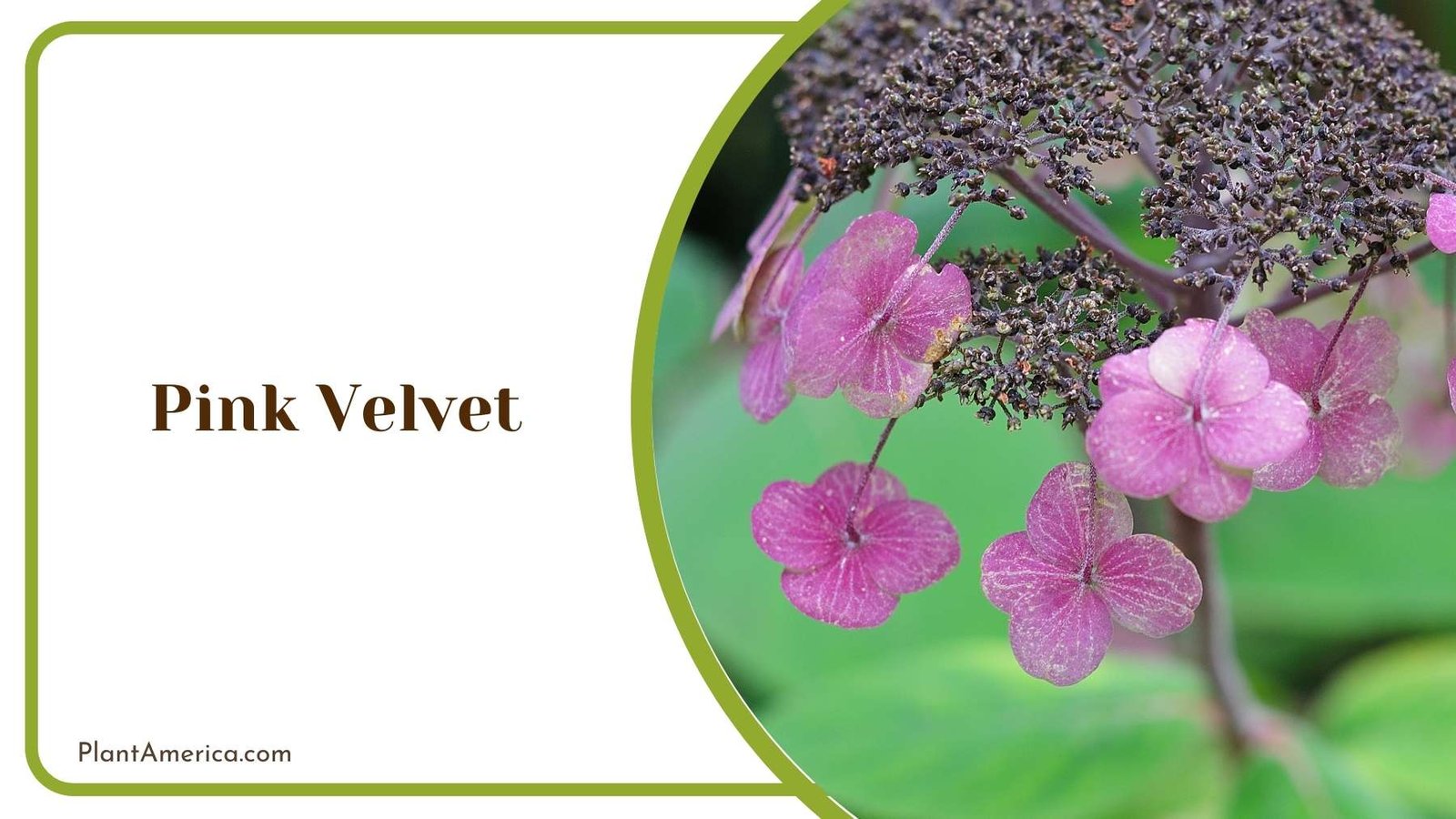
The pink velvet hydrangea is a lush, exotic-looking variety prized as much for its velvety-textured leaves as its unique blooms. Slow to emerge in spring, its deep emerald green foliage matures to a rich burgundy hue, taking on a velvety appearance.
Throughout summer, the bushy pink velvet hydrangea grows upright to form a voluminous, rounded shape reaching 4 to 6 feet tall and wide at maturity. Its thick, richly colored leaves provide an outstanding tropical-inspired backdrop for the flowers.
Blooming in mid to late summer, the pink velvet hydrangea transforms into round spheres of soft pink florets. Unlike many hydrangeas, its corymbs emerge with a subtle two-tone effect — darker pink on the outer portions and gradually paling inward. The flowers take on a blush silkiness enhanced by their surroundings.
The pink color thrives in acidic soil conditions but may shift to lilac or blue undertones in more alkaline environments. Whatever the final tint, the velvety-textured blooms persist on the sturdy branches through early fall. Their unique color and quality make pink velvet hydrangeas premier additions to flower arrangements.
Low maintenance once established, this hydrangea grows best with morning sun and afternoon shade. It flourishes with regular water and fertilizer to sustain its outsized rate of growth. Well-draining, organic-rich soil keeps its thick foliage and flowers in top form throughout summer.
With a lush, tropical look complemented by uniquely colored blooms and remarkable foliage, the pink velvet hydrangea offers exuberant beauty to gardens. Its vigorous yet compact habit fits beautifully alongside foundations, in borders, or massed in groupings.
15. Petite Pink
- Growing season: Summer, Fall
- Leaf shape: Small, Oval leaves
- Specific needs: Moist, acidic soil, Winter protection
- Common pest: Spider mites, Aphids
The petite pink hydrangea is a variety of hydrangea that is prized for its compact size and beautiful blooms. Unlike many hydrangeas that can grow quite large, the petite pink hydrangea reaches a mature height and width of only three to four feet, making it an ideal choice for smaller gardens or containers.
Its dwarf stature is particularly suitable for planting in groupings or along garden borders. The petite pink hydrangea’s dense, rounded shape contributes to its decorative appeal. Its thick, glossy green leaves provide an attractive foliage backdrop for the showy flowers.
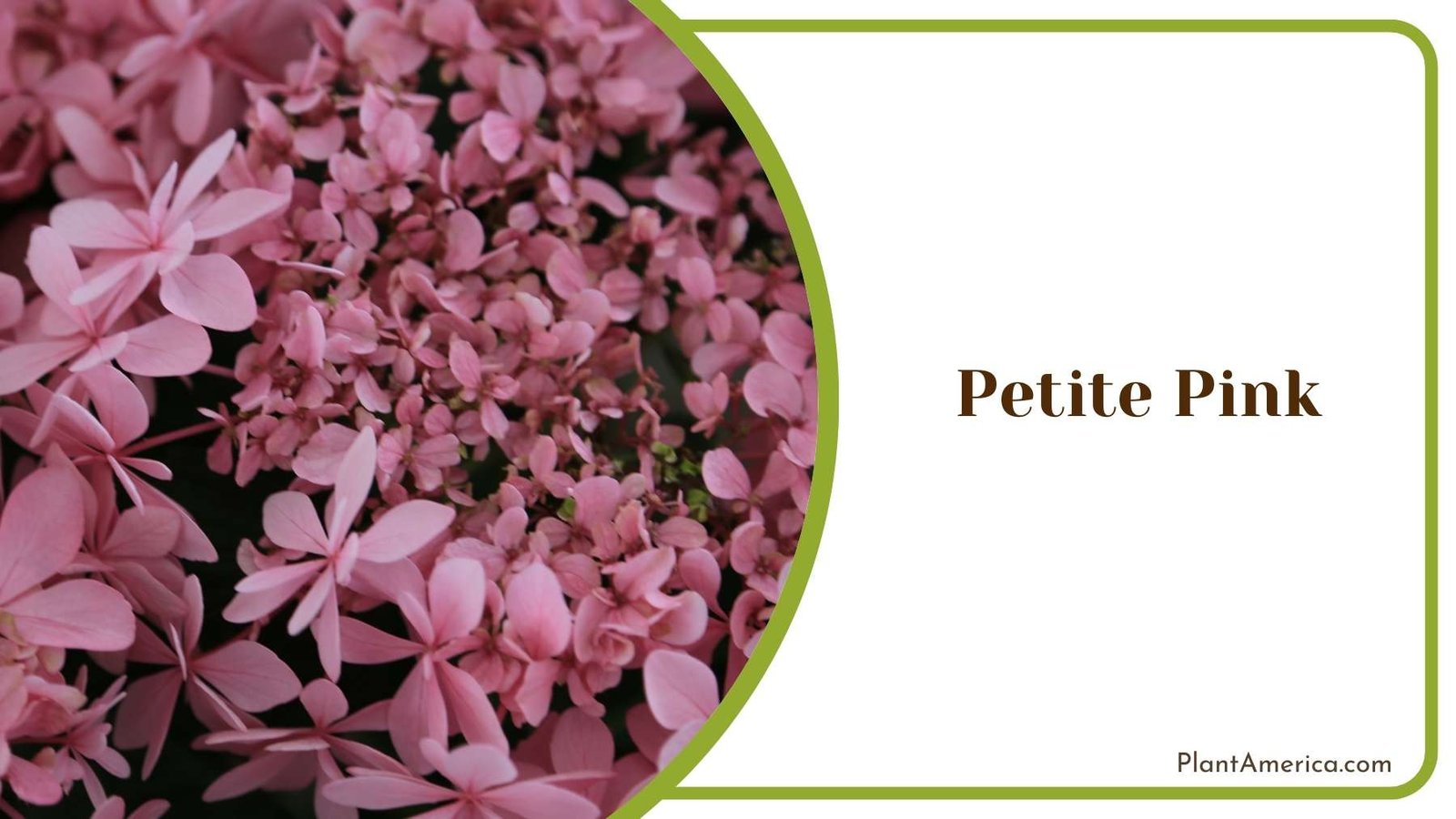
Beginning in mid to late summer, the petite pink hydrangea produces spheres of delicate pink flowers in humongous trusses. Each hydrangea head, or corymb, contains numerous individual small florets that bloom in a progression from the outer edges inward. As the season progresses, the soft pink color may gradually fade to a pale blush tone.
The flower color is slightly acidic soil-dependent, with more pink displayed in acidic conditions and a tendency toward blue-toned flowers in more alkaline soil. Regardless of the final hue, the petite pink hydrangea blooms remain striking additions to the landscape from July through early fall. Its flowers also tend to hold their color well when cut and dried for winter bouquets.
Low maintenance and hardy, the petite pink hydrangea thrives in conditions resembling its native eastern Asian habitat. It grows best with sunlight and well-draining, organic-rich soil. Hydrated and moderately fertilized throughout the growing season, this hydrangea variety repays such care with abundant blooms year after year.
The petite pink hydrangea’s small stature, lush foliage, and impressive floral display in colorful trusses make it a charming choice for a wide range of modern and traditional garden designs.
Conclusion
Many types of pink hydrangeas offer stunning blooms to delight any gardener for years.
- Fire and Ice hydrangeas feature a truly fascinating two-tone bloom, with outer petals that are a vivid bright cheerful hot pink and inner petals that are pure snowy white.
- Blushing Bride hydrangeas produce truly stunning medium pretty blush pink blooms on strong sturdy stems.
- Let’s Dance hydrangeas produce vivid bright blooms that genuinely stand out in the garden and fade beautifully to a more delicate pretty pastel hue.
- Pink Velvet hydrangeas produce utterly magnificent full flowers of a vivid spectacular medium color.
The simple joy of enjoying the constantly changing hues of pink blooms from vibrant hot pink to soft blush tones, season after season, truly makes the effort of planting and faithfully caring for pink hydrangeas worthwhile. So transform your garden into a sanctuary filled with different types of pink hydrangeas that are sure to last for many years to come!