
Hydrangeas not blooming is the lack of sunlight. If your plant is may not be absorbing enough sunlight, it may not bloom, or the blooms may be small and sparse.
Besides this, there are several reasons why it might not bloom. We will share some important factors for which this plant might not bloom and offer solutions such as transplanting your hydrangea. Stay tuned!
Why Are Hydrangeas Not Blooming?
Hydrangeas are not blooming because of several reasons such as they aren’t receiving enough light, the soil’s pH isn’t ideal, they lack nutrients and even environmental stress. However, you can make them bloom again by giving them some sunlight, regular pruning, a regulated water routine, and the right fertilizers.


– Insufficient Light
Hydrangea plants can thrive in a lot of sunlight. If they do not get enough light, they will start to fade and eventually die. The leaves will be turning yellow and eventually falling off, and the stems will become weak and spindly. Also, the leaves might start curling.
So, too much shade is one of the most potential causes why your plant may not bloom. The plant needs at least six hours of sunlight daily for perfect blooming. If they are not getting enough light, they may produce fewer flowers or none at all.
– Incorrect Soil pH
Hydrangea macrophylla is an acid-loving plant that doesn’t do well in alkaline soil. It prefers slightly acidic soil with a pH of 6.0 to 7.0. If the soil is too alkaline (pH 8.0 or above), it can prevent the plant from taking vital nutrients, such as phosphorus and iron. When the pH of the soil isn’t at the right range it can lead to stunted growth and fewer blooms.
– Lack of Nutrients
The plant needs a regular supply of nutrients, especially nitrogen. It will not produce as many flowers if the soil lacks nutrients. Additionally, lack of nutrients can be a big problem for the plants because they are such heavy feeders.
– Excessively Wet or Dry Soil
The amount of water your plant receives can affect the color of its flowers. Hydrangea blooms in well-drained soil that is neither too wet nor too dry.
Too much water can cause rotting in the roots and the flowers to be lighter in color or may prevent them from blooming altogether. Too little water can cause the flowers to be darker in color, and the plant will not be able to absorb enough moisture and nutrients.
– Environmental Stress
Environmental stress is one of the main indications why it may not bloom. The plant needs the right conditions to thrive, and if it is not getting what it needs, it will suffer. It is especially sensitive to changes in temperature and humidity.
If the weather is too hot or too cold, the plant will not be able to produce flowers. Wind and drought can also stress the plant and cause it to stop blooming.
– Cutting Back at the Wrong Time
It is best to prune hydrangeas before new growth begins in the fall or right after winter. Incorrect pruning or doing it in unsuitable weather of the year, such as late spring, can cause them to produce fewer flowers or no flowers at all.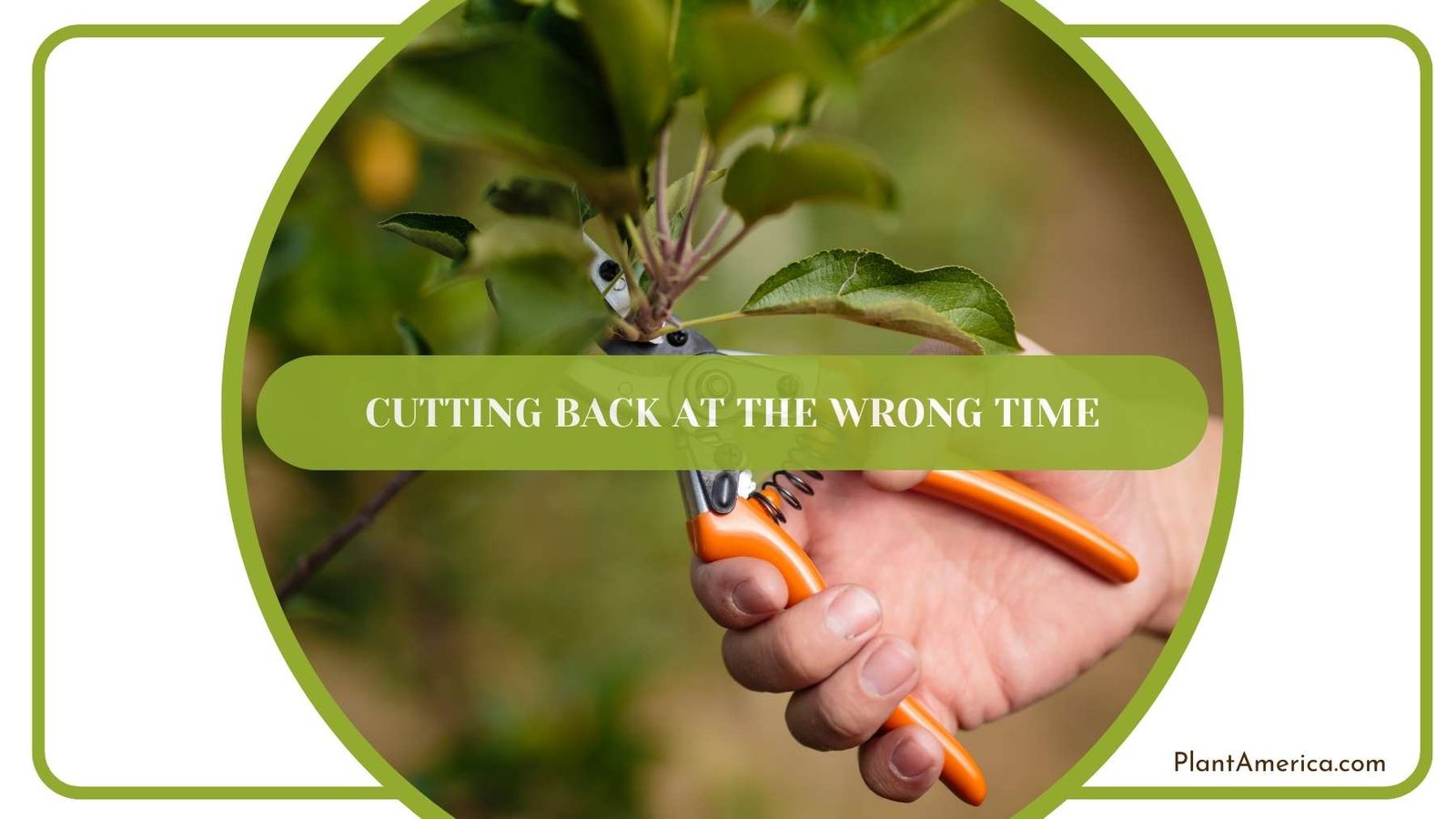
If you have this plant and it is not blooming well, it is essential to determine the cause. Once you know the reason, you can take steps to correct the problem and get your plant blooming accordingly.
– Pest Infestation
The pests that affect hydration include aphids. These tiny insects feed on the plant’s sap, weakening it and preventing it from blooming. Aphids can also spread disease, which can further damage the plant.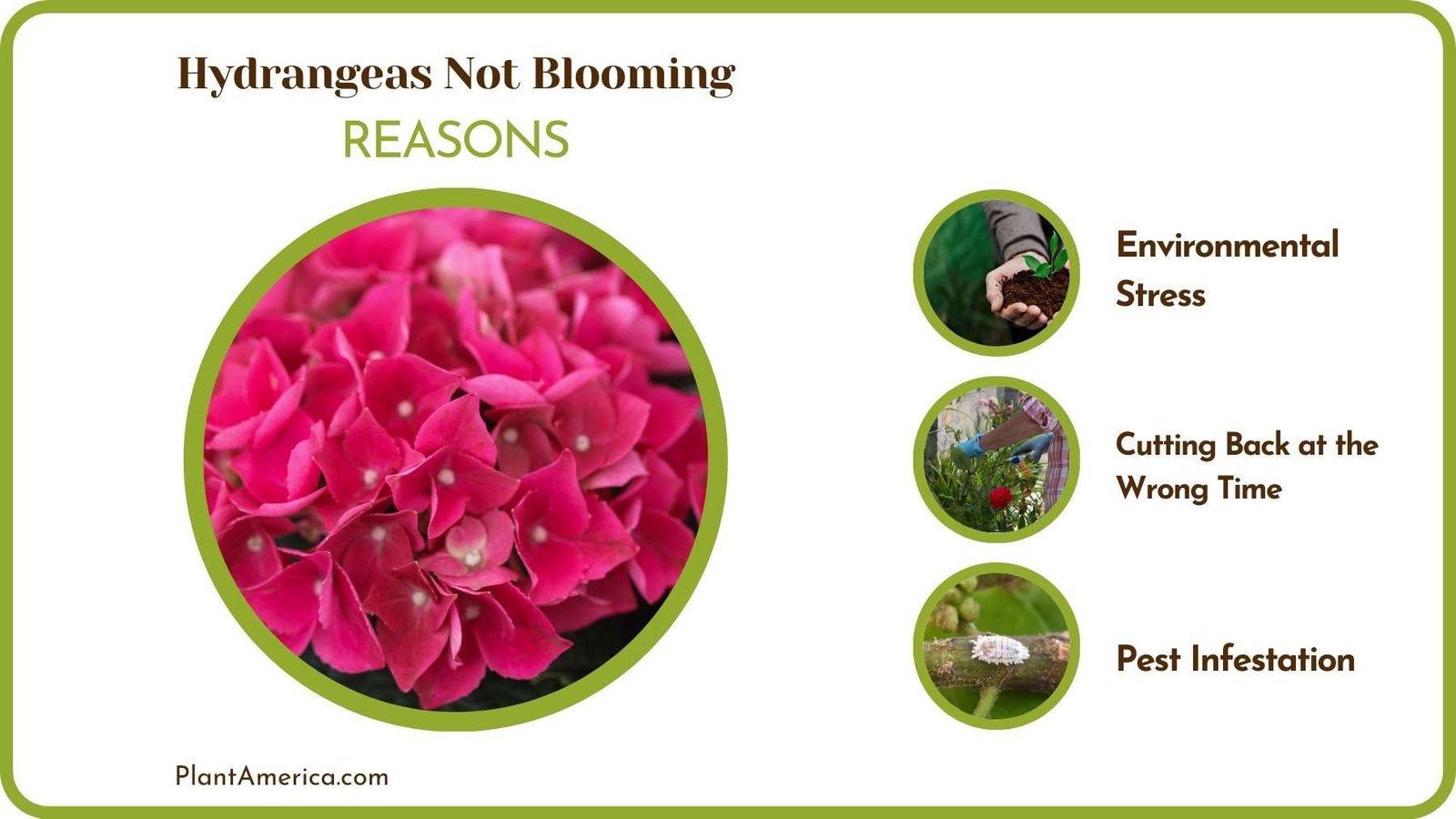
Sometimes plants can be affected by mites, preventing them from blooming. While this may be frustrating for gardeners, it is essential to remember that mites are not harmful to the plant and will not cause any lasting damage. However, be patient and do not use harsh chemicals to overcome mites. Neem oil can fight these Hydrangea pests and it is a natural solution.
An infestation of whiteflies could be another reason your plant is not blooming. These sap-sucking pests can quickly decimate a plant; unfortunately, they often go unnoticed until there is too much damage.
While whiteflies don’t usually cause serious harm to the plant itself, they can severely inhibit blooming. In fact, one of the most common complaints about whiteflies is that they cause the plants to stop blooming.
Scale is another type of pest that can infest hydration. These small creatures feed on the plant’s leaves, which can cause them to be yellow and drop off. This can interfere with the plant’s ability to produce flowers. Other bigger animals like eating hydrangea leaves as well. One of them is deer, which love hydrangeas.
One of the primary causes that this hortensia plant may fail to blossom is due to disease. Powdery mildew, leaf spot, and root rot can negatively impact a plant’s ability to flower.
It is a type of fungal infection that can afflict plants. The fungus multiplies quickly in warm, humid conditions and appears as a white or grey powder on the leaves and stems of the plant. If left untreated, powdery mildew can cause your plant to not bloom, leaves to yellow and drop off, and eventually kill the plant.
– Leaf Spot
Leaf spot is a problem that many plants face. While it is not usually deadly, it can cause the plant to produce fewer blooms. A variety of fungi causes the spots, and they can appear on the leaves and the stems.
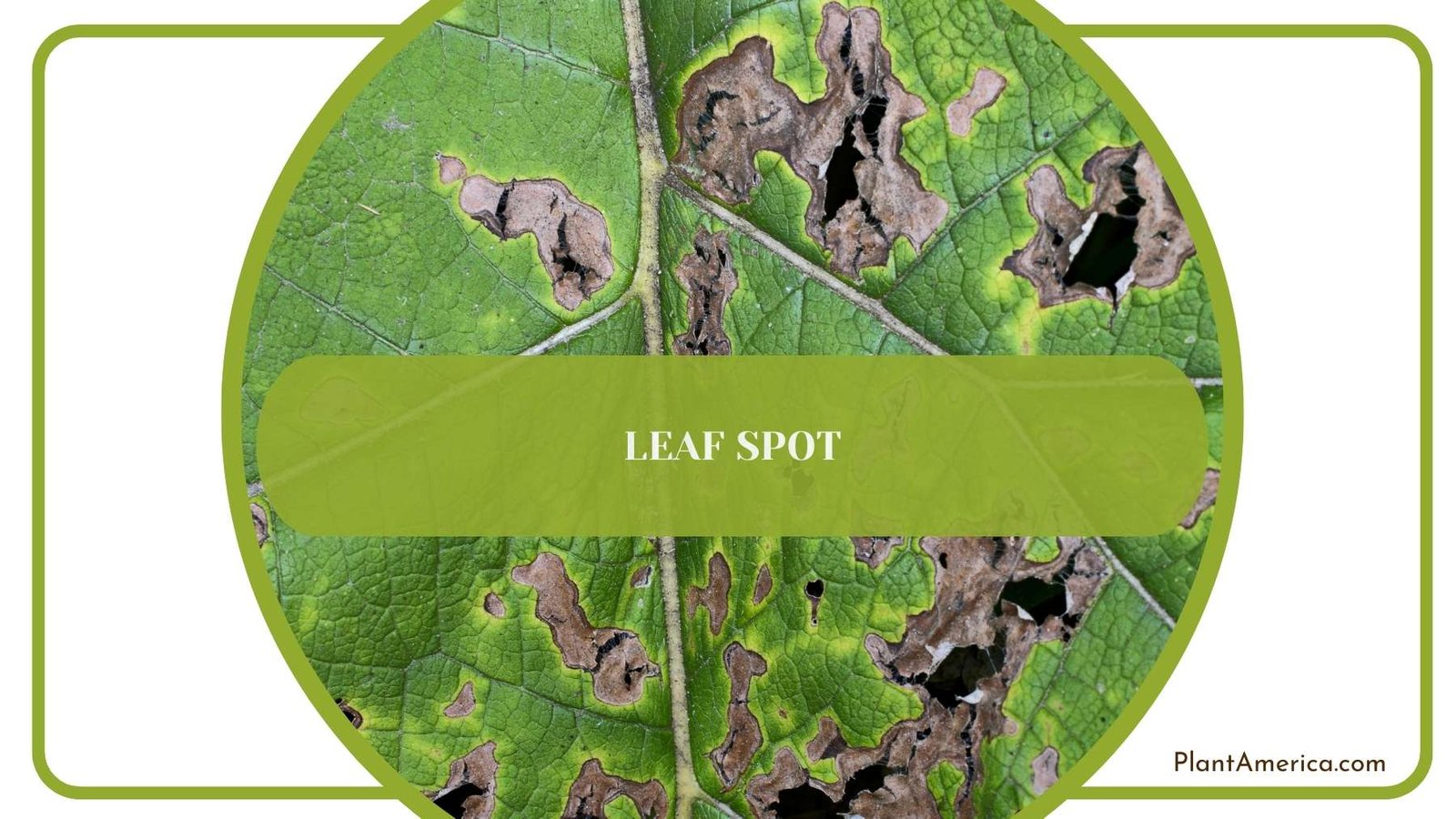
Leaf spot is most likely to occur in wet conditions, so be sure to water the plant early in the day so that the leaves may dry before nightfall.
– Root Rot
Root rot is another common problem and can be caused by several different fungi. These fungi thrive in wet conditions, so if your plant is getting too much water or the soil isn’t draining well, it could be susceptible to root rot. Symptoms include yellowing leaves, wilting, and eventually death.
If you think your plant has root rot, you should take it out of the pot and inspect the roots. If they’re brown and mushy, the plant has likely succumbed to this disease.
Nonetheless, there is no cure for root rot, which means that if your plant shows signs of it, you should remove it and dispose of it to prevent the spread of the disease to the other plants. Root rot can damage the plants next to it as well because it is a contagious disease to the plants.
How To Fix the Hydrangeas That Are Not Blooming
If hydrangea plants are not blooming, there is nothing to despair about. You can fix it by placing it in a sunnier location, watering it regularly, using a balanced fertilizer, adjusting the pH of the soil, pruning it when necessary, using plant hormones, and even fighting the diseases it might have caught.

– Place It at the Sunnier Place
In case of failed blooming, one of the first things you should check is its location. It prefers sunny areas, so if yours is in a shadier spot, that may be why it’s not blooming.
As it gets a proper amount of sunlight, your beautiful plant will rise again and bloom. However, make sure you don’t let it sit under bright sun for too long, because it might cause sunburn to the pretty blooms.
– Water Them Evenly and Regularly
Another reason your plant may not be blooming could be due to uneven or irregular watering. It needs consistent moisture to bloom, so ensure you regularly give them enough water. Additionally, consider installing a drip irrigation system to ensure they get enough moisture.
– Balanced Fertilization
The plant needs a lot of nutrients to produce beautiful blooms, so it’s important to fertilize them regularly. It is best to fertilize it in springtime before they start having new growth. You can use any type of fertilizer, but make sure it’s well-balanced, so it doesn’t contain too much nitrogen.
There are a few different ways to fertilize this plant, but the most important thing is to do it regularly. You can use any type of fertilizer, but make sure it’s well-balanced, so it doesn’t contain too much nitrogen.
– Make the Soil Acidic
If direct sunlight and enough watering are not helping you out, you can check the pH of the soil. If it is too alkaline, that can also affect its ability to bloom. There are a few ways to lower the soil’s pH.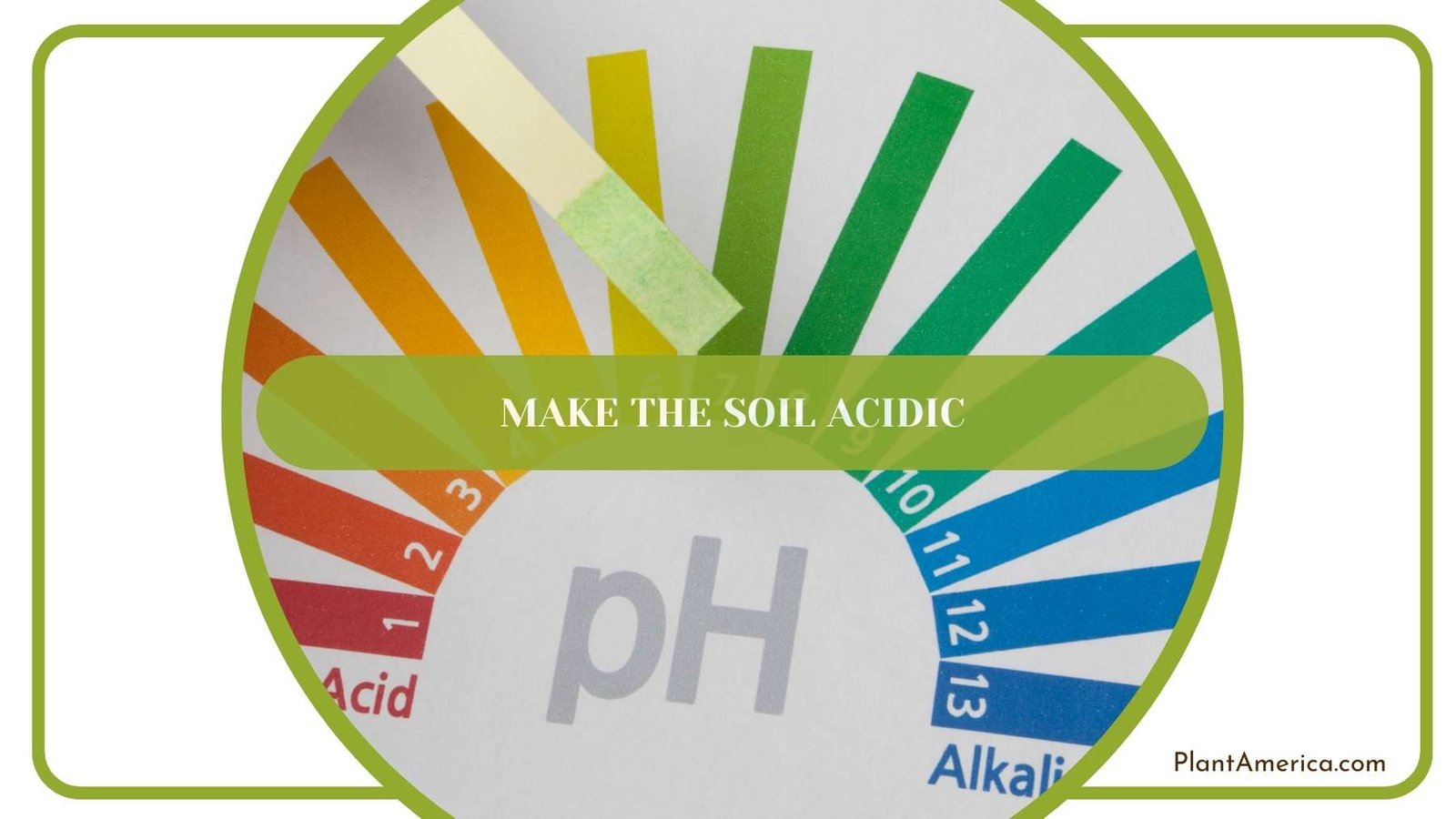
One way is to add peat moss and compost. These are great additions to any garden and will help lower the pH of your soil. You can find these materials at most garden centers or online.
Acidifying fertilizers is another option for making your soil more acidic. These products are available at most garden centers or online. Be sure to follow the instructions on the package, as too much fertilizer can damage your plant.
Finally, you can use a weak solution of vinegar or lemon juice to lower the pH of your soil. Simply mix one part vinegar or lemon juice with 10 parts water and apply it around the base of your plant.
– Prune Hydrangea in The Right Season
Pruning hydrangea backs hard in the fall or early Maytime can encourage blooming. This is because the plant will put all its energy into producing new growth, producing flowers.
 During the process, cut back to a bud facing outwards, as this is where the new growth will come from.
– Use Plant Hormones
You can try using plant hormones if you want to encourage your plant to flower. There are four main plant hormones: auxins, gibberellic acid, cytokinins, and ethylene. Each of these hormones plays a vital role in plant growth and development.
Auxins are responsible for cell division, cell elongation, and the formation of new roots. Gibberellic acid is responsible for stem elongation and leaf expansion. Cytokinins promote cell division and delay the aging of cells. Ethylene is responsible for fruit ripening and senescence (the process of leaves falling off of a plant).
You can use hormones to manipulate plant growth. For example, you can use gibberellic acid to encourage it to bloom flowers. By applying gibberellic acid to the stems of your plant, you will stimulate stem elongation. This, in turn, will cause it to produce more flowers and make growing hydrangeas more fun.
– Combat Pests And Disease
If you’ve followed all of these tips and still hydrangeas aren’t blooming, the plant may suffer from a disease or pest infestation such as mealybugs. There are still a few things that you can do.
To combat pests, it is essential to expect and look for signs of an infestation. If you see any pests, immediately remove them from the plant and dispose of them properly. You can also use several organic or chemical pesticides to get rid of pests. Be sure to follow the instructions on the pesticide label carefully to avoid harm.
If your plant is already infected with a disease, you may need to take more drastic measures to save the plant. You may need to cut away affected branches or remove the entire plant. Dispose of the diseased plant properly so the disease does not spread to others.

Final note:
Yes, hydrangea not blooming coffee grounds can help promote blooming, but it is vital to use them in moderation. Too much coffee ground can stunt the growth of the plant. For best results, mix coffee grounds with other organic matter such as compost before adding it to the soil around your plant.