
Citrus mealybugs on strawberries can make your fruit plants fragile. But you can deal with them by dabbing them off, using neem oil drenching, spraying hydrogen peroxide, and pruning.
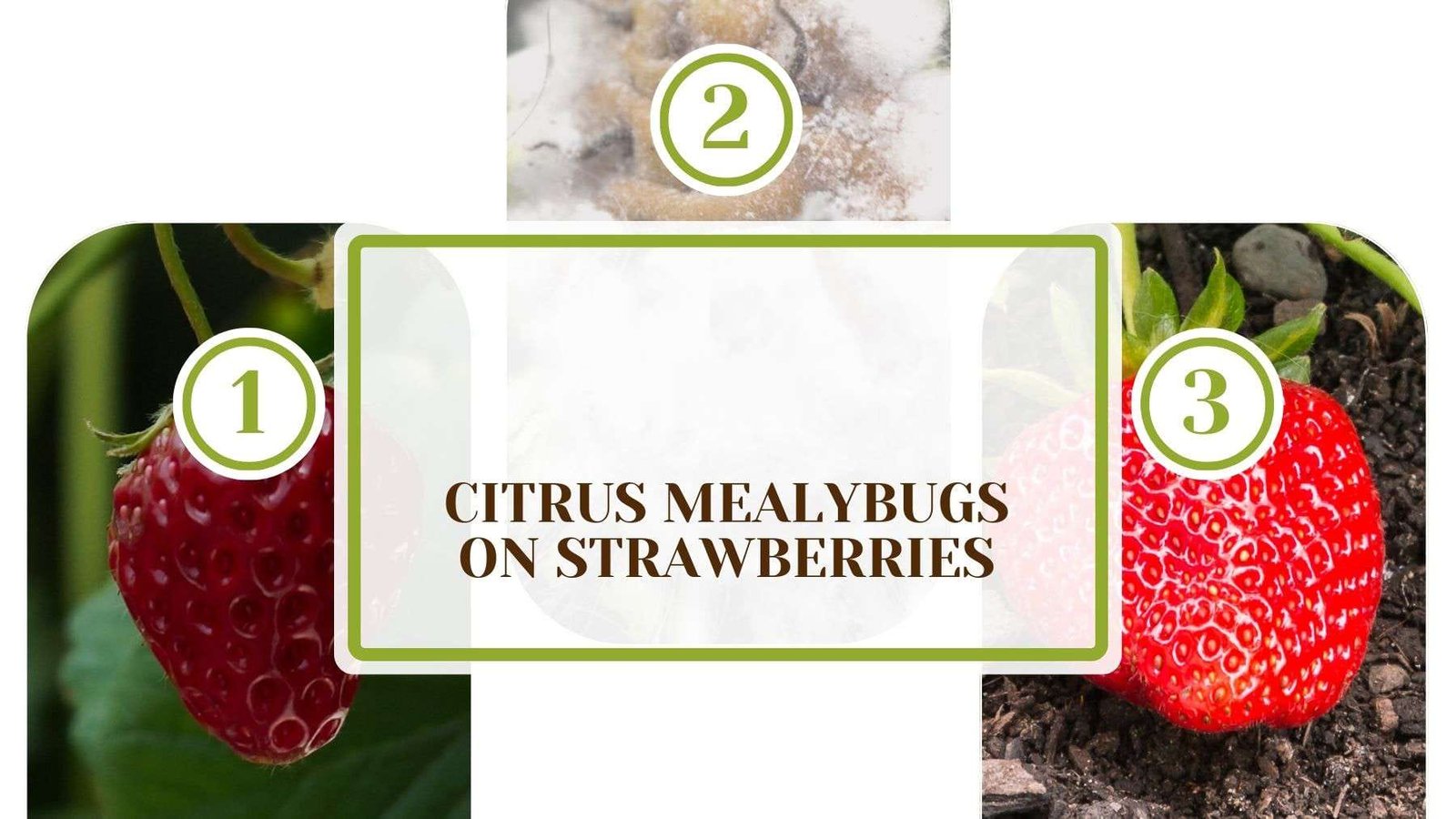
Doing them now is crucial because mealybugs can hurt plants faster than you think. Don’t worry; read on to know how to tackle this challenge head-on.
How To Get Rid of Citrus Mealybugs on Strawberries
To get rid of citrus mealybugs on strawberries of the Rosaceae family, start by dabbing off visible bugs and spraying them with water. Follow up with natural remedies like hot pepper spray or a hydrogen peroxide solution. Consider chemical sprays or introduce natural predators like the mealybug destroyer for severe infestations.
1. First Dab off the Bugs You See
Before diving into other methods, the initial step is to tackle the problem head-on. Physically removing the bugs can significantly reduce their population, giving your strawberry plants immediate relief.

Here’s how to do it:
Start with Inspection: Before you begin, knowing what you’re dealing with is essential. Understand the mealybug damage symptoms so that you can target your efforts better. Mealybugs appear as tiny, white, cottony patches on strawberry plants, particularly under leaves and where the leaves meet the stem.
Gather the Needed Materials: You will need soft tissue papers, cotton swabs, and a bowl filled with soapy water.
Time to Dab: Press the tissue or cotton swab against the mealybug to pick it off the plant. Once you’ve picked a bug, immerse it in the soapy/insecticidal soap solution. This will ensure they don’t come crawling back.
Dispose of Them Safely: After you’ve cleared as many bugs as you can see, safely dispose of the soapy water away from your garden to ensure they don’t return.
2. Next Up: Spray Water Directly on the Bugs
Mealybugs are relatively soft-bodied insects. A direct spray of water can dislodge them from the strawberry plants. It’s a straightforward yet efficient method to deal with a mealybug issue, particularly when it’s not too serious.
Here’s How to Do It:
Ensure the spray bottle hasn’t been used for chemicals or detergents before to prevent plant harm.
Spray a sharp jet of water directly on the parts of the strawberry plant where the mealybugs are. Check the underside of leaves and the areas where leaves join the stems, as these are favorite hiding spots for mealybugs.
The best time to spray water on strawberry plants is early morning. This ensures the plants have ample time to dry during the day.
Repeat if Necessary: While spraying water is effective, you might have to repeat this process a couple of times, especially if the infestation is more established.
3. Use Hot Pepper Spray or Hydrogen Peroxide Solution
If you still see some mealybugs, don’t worry. You can still use powerful treatments, like hot pepper spray or a hydrogen peroxide solution.

Hot Pepper Spray: The fiery nature of hot peppers isn’t just effective in spicing up your dishes. When citrus mealybugs come into contact with hot pepper spray, it deters them, and they tend to stay away from the plants.
Preparing this spray is simple: blend a couple of hot peppers with water and strain the mixture to get a clear liquid. Pour this into a spray bottle onto the affected areas of the host plants.
In addition to mealybugs, you can use any of these solutions for many other garden pests, like:
- Spider mites
- Whiteflies
- Aphids
- Cottony cushion scale insects
4. Do the Cold Treatment: Citrus Mealybugs on Strawberries Treatment
This method is commonly called the cold treatment and is especially effective as a Planococcus citri treatment at home. Here’s how to give those pesky bugs the cold shoulder:
Choose the Right Time: The best time to begin the cold treatment is late evening. This ensures that the plants have ample time under the cold conditions to impact the mealybugs effectively.
Cold Water Spray: Start by spraying your strawberry plants with cold water. This will lower the temperature and make it uncomfortable for the mealybugs.
Ice Packs: This may sound unconventional, but placing ice packs around the base of your strawberry plants can further lower the temperature, making it inhospitable for the mealybugs. If you’re using this method, ensure the ice packs don’t directly touch the plants’ roots, which could harm them.
Natural Cold: Leave your potted strawberry plants outside if the season permits; temperatures will drop at night. The natural cold is often sufficient for the citrus mealybug treatment. Just ensure the conditions aren’t too harsh that they might harm the strawberry plants.
5. Drench the Soil With Neem Oil Next (For Soil Bugs)
Stopping the mealybug life cycle is key for a lasting fix. Soaking the soil with neem oil is an excellent way to do this. Here’s how you can use neem oil for your strawberry plants:
Start by getting pure neem oil from a gardening store or online marketplace. Mix a few drops of this oil with water, following the manufacturer’s instructions or guidelines on the bottle. Ensure the mixture is well combined.
Next, pour this diluted neem oil mixture directly onto the soil where your strawberries are planted. The plan is to soak the soil, getting the solution to the roots and deeper layers where mealybugs might be hiding.
6. Using Sticky Traps Near Infested Strawberries (Important)
Sticky traps are simple to use but work wonders in killing bugs. While mealybugs primarily infest strawberries, they aren’t the only plants these pests are attracted to. If you’ve ever wondered how to get rid of mealybugs on lemon trees, sticky traps are the answer.
Here’s how to use sticky traps for your strawberries:
- First, get a few sticky traps. These are readily available at gardening stores or online.
- Place these traps near your infested strawberry plants. The aim is to position them so that they intercept the mealybugs before they reach the plants. Place these traps nearby if you’ve observed mealybugs on your lemon trees or other plants.
- Every few days, check the traps to see if they’re full. Once they’ve captured many pests, replace them with new ones to ensure continuous protection for your strawberry plants.
7. Monitor the Bug Population and Reapply Treatments When Needed
After applying any treatment (whether it’s a homemade spray, a neem oil drench, or a chemical insecticide), don’t assume the problem is entirely resolved.
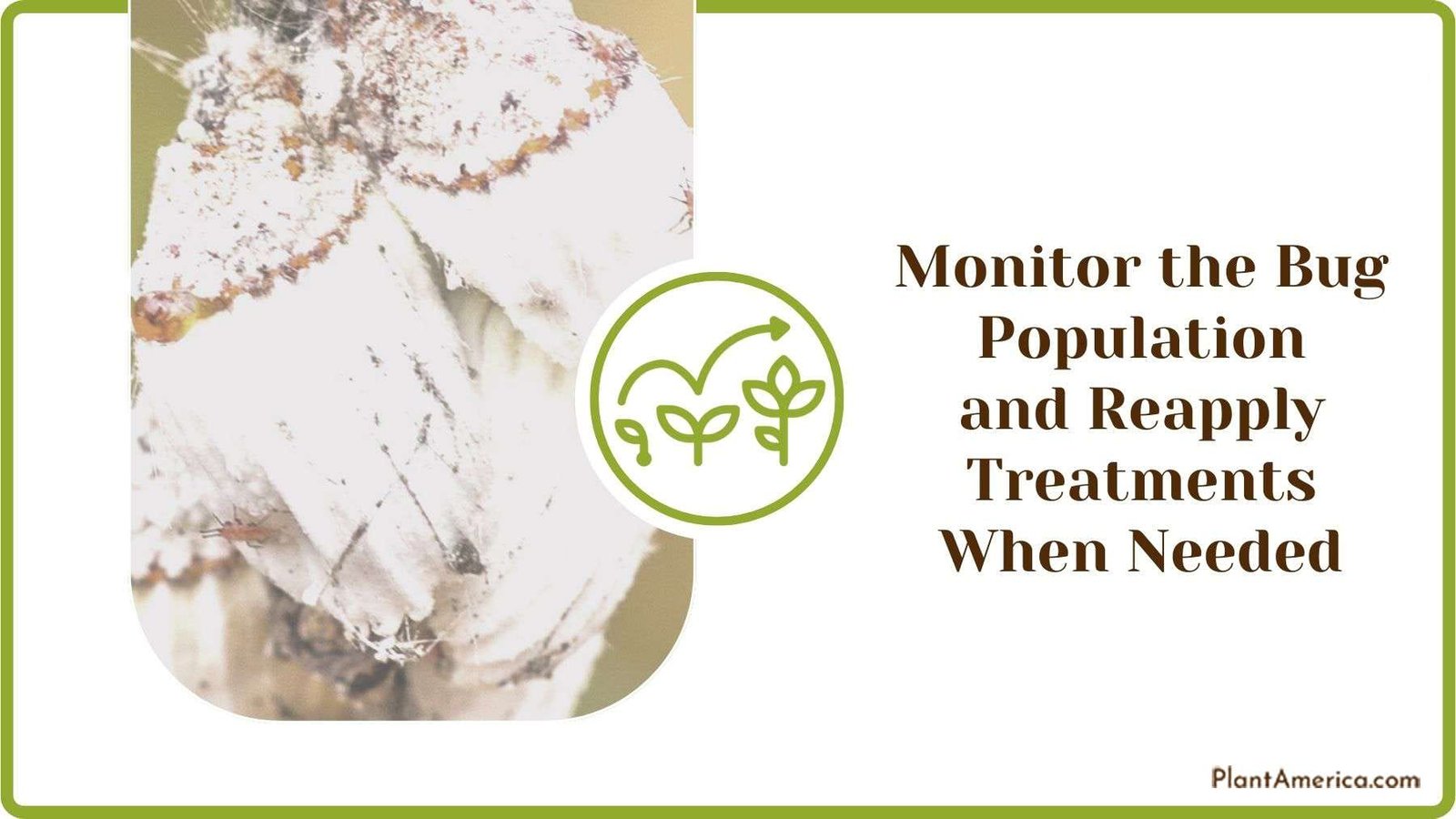
Regularly inspect your strawberry plants. Look beneath the leaves, around the stems, and even the soil. If you notice even a tiny number of mealybugs returning, acting promptly is essential.
Remember that pests can develop resistance if exposed to the same treatment continuously. Therefore, consider alternating treatments if a once effective method no longer works as efficiently. This throws the pests off and prevents them from building resistance to any one way.
8. Prune the Strawberry Plants To Avoid Bug Infestation
Effective pest management goes hand in hand with regular plant maintenance. When strawberry plants become too packed, they create hiding spots for pests. Remember- These bugs can collectively wreak havoc on your strawberries if not addressed promptly.
Here’s how you should go about pruning:
- Begin by wearing garden gloves and using sharp, sanitized pruning shears. Dirty or dull shears can harm the plants and introduce diseases.
- Inspect the strawberry plants thoroughly. Identify any old, yellowed, or damaged leaves and stems. These are the ones that often house pests and need to be removed.
- Cut away any overcrowded stems or overlapping leaves, ensuring good airflow through the plant.
- Dispose of the pruned parts properly. Please do not leave them lying around, as they can still harbor insects and diseases that might find their way back to your plants.
9. Try Chemical Mealybug Sprays if Every Strawberry Plant Is Infested
When natural and home remedies don’t do the trick, it might be time to consider planococcus citri chemical control. When deciding to use a chemical insecticide, here’s what you should consider:
- Research and choose a pesticide specifically designed for mealybug control. Ensure it’s safe for use on edible plants like strawberries.
- Before spraying all your plants, test the pesticide on a small portion of one plant.
- Spray the pesticide early or late in the evening when the sun is moderate. This prevents the chemical from burning the plants.
- Don’t forget to wash your strawberries well before eating them, especially if they’ve been treated with chemical pesticides.
- Monitor the situation after the treatment. You might need to apply the pesticide multiple times, depending on the severity of the infestation and the product’s guidelines.
10. Focus on Long-Term Strategy
It’s one thing to tackle a current infestation but another to ensure the problem doesn’t arise again. Enter the mealybug destroyer (cryptolaemus montrouzieri)- a tiny beetle that is a natural predator of mealybugs. Originating from Australia, this beneficial insect has been introduced in various parts of the world to control mealybug populations naturally.
Here’s how you can use the mealybug destroyer in your garden:
- Research and Purchase: Look for reputable suppliers who provide live specimens of the mealybug destroyer. Please ensure they’re healthy and ready to start working as soon as you introduce them to your garden.
- Release in the Evening: Once you have them, release these beetles near the infested areas during the evening. This gives them a good start without the stress of the midday sun.
- Provide a Suitable Environment: While their primary food source is mealybugs, these beetles also benefit from some nectar. Planting flowers or allowing some weeds to grow can provide an alternative food source, ensuring they stick around even after the mealybugs are gone.
- Limit Pesticide Use: If using the mealybug destroyer as a biological control, refrain from using chemical insecticides.
Introducing natural predators like the mealybug destroyer addresses the immediate problem and ensures a long-term balance in your garden’s ecosystem. Over time, with a combination of various strategies, you can make sure that mealybugs become a problem of the past.
Conclusion
Mealybugs can significantly hurt strawberry plants with their feasting, but you can tackle these bugs easily (which we discussed above). To ensure your strawberries remain free from mealybug infestations:
- Regular Inspection: Always closely monitor your strawberry plants, checking them often for signs of mealybug presence.
- Natural Remedies: Before jumping to chemical solutions, try natural remedies such as neem oil, pepper spray, and water spraying.
- Beneficial Insects: Introduce natural predators like the mealybug destroyer to establish a balanced ecosystem in your garden.
- Chemical Treatments: Opt for chemical treatments only when necessary, and ensure you choose those safe for edible plants.
- Preventive Care: Pruning and maintaining a clean garden environment are proactive measures to avoid future infestations.
Following these steps, you can make your strawberry plant mealybug-free every season!