
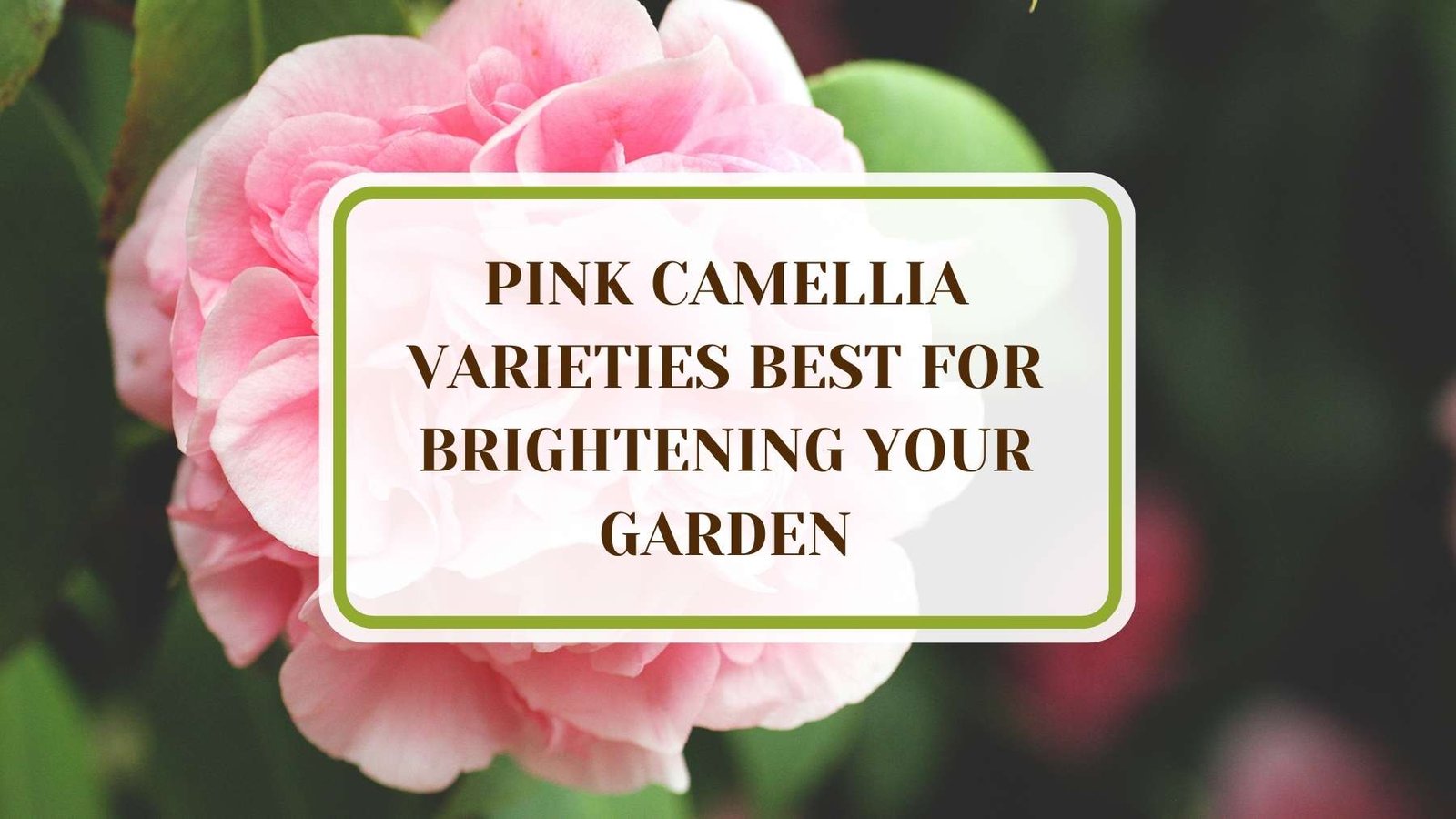
Pink camellia varieties are beloved garden flowers that offer a rainbow of soft spring blooms. This guide will explore top-performing pink camellia varieties suited for nearly any climate. From frilly doubles to single-blossom beauties, these eye-catching flowers will light up your landscape with a delicate glow from early winter through late spring.
Whether you’ve been thinking of adding some colorful characters or looking to bulk up your blossom brigade, tag along as we introduce you to some of the prettiest pink petals poised to peek through your beds.
Beautiful Pink Camellia Varieties for Garden Blooms
1. Pink Perfection
- Growing Season: Blooms January through March
- Leaf Shape: Dark green leaves retain color year round, Leathery oval leaves
- Specific Needs: Well-draining soil, Mulch well
- Common Pests: Avoid excessive wetness, Aphids
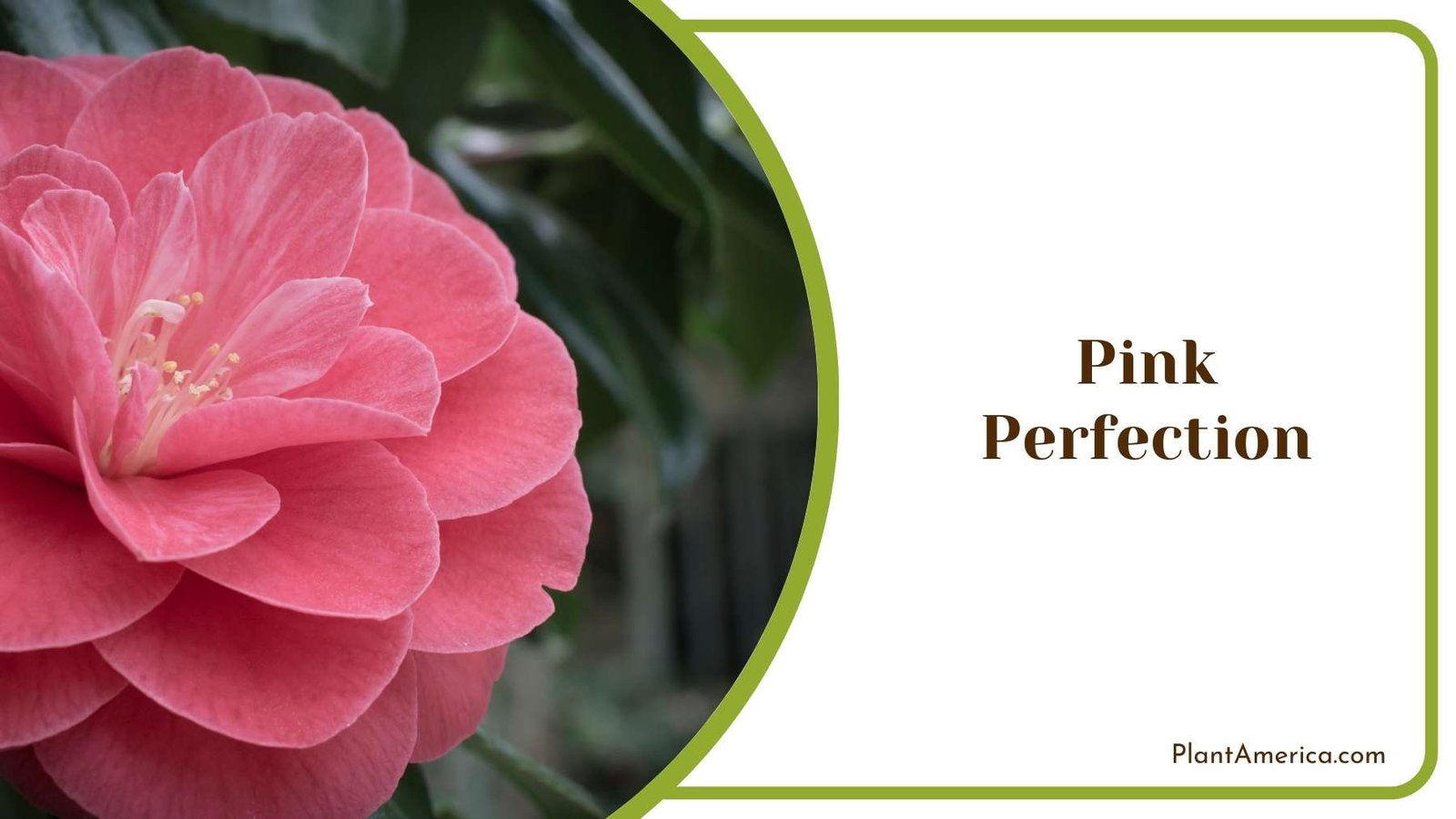
Pink Perfection camellia is one of the most popular pink varieties known for its beautiful blooms. As its name suggests, it produces an abundance of pristine rose-colored flowers that appear almost flawless. Native to East Asia, this camellia cultivar was first bred in the 1950s and has become hugely popular worldwide for gardens ever since.
Pink Perfection blooms reliably every year, covering the bush with a lovely carpet of soft pink flowers. The individual blooms are semi-double to double in form, with between 10-16 softly overlapping petals surrounding a yellow center.
Compared to other camellia varieties, the blooms of Pink Perfection are sizable at around 3-4 inches in diameter. They hold their color and shape extremely well, staying vibrant on the bush for several weeks at a time. Pink Perfection is quite winter hardy and tolerant of various soil conditions. It flourishes in USDA growing zones 6 through 9. For best results, it prefers partial shade and well-draining organic soil.
With proper care, the glossy evergreen leaves provide year-round texture and foil for the frilly blooms that appear in spring or early summer, depending on climate. Overall, Pink Perfection’s dependable gorgeous flowers make it an iconic choice for camellia gardens everywhere.
2. Camellia Sasanqua ‘Plantation Pink
- Growing Season: Blooms November through March
- Leaf Shape: Medium green leaves, Oval leaves with pointed tip
- Specific Needs: Rich, Consistently moist soil, Mulch well
- Common Pests: Watch for root rot in soggy soils, White flies
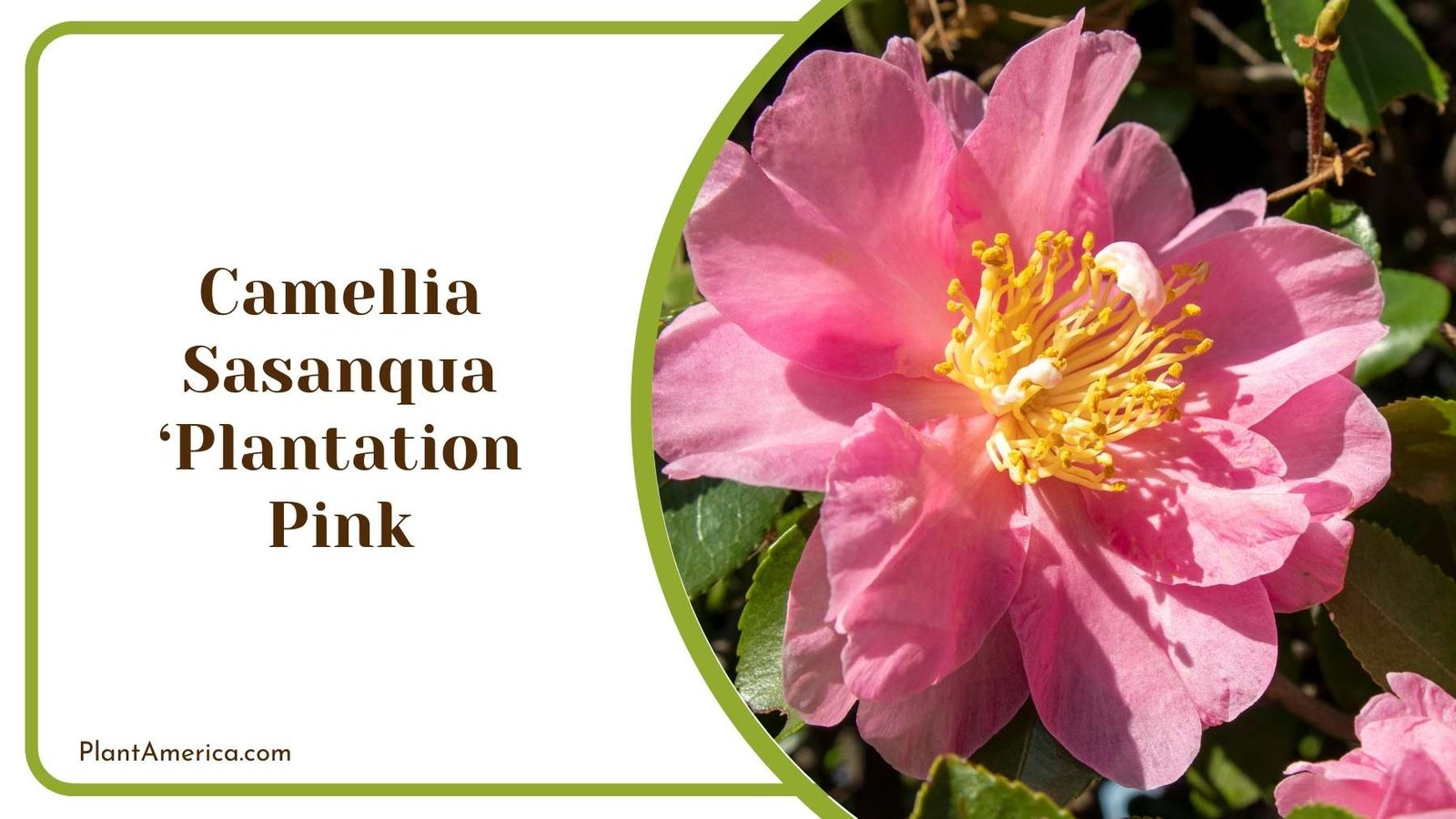
This camellia brings soft pink colors to the garden in cold times. It grows as a full, rounded bush that gets three to six feet wide and tall. This dense shape provides a nice backdrop to display the flowers.
In late winter, clusters of unopened flower buds appear on the branches. The pinkish-white buds look like small buttons just starting to open. Slowly, the soft pink petals unfold from these buds outward. The outer petals are lighter in color while the inner petals get darker pink toward the center.
The flowers face upward once open, forming small cup shapes. You can gently touch the soft, silky petals. Very thin veins and tiny yellow parts called stamens hide inside. A sweet smell of roses and vanilla comes from the flowers.
Tiny flying insects called pollinators visit the blossoms. They collect pollen on their legs and wings then carry it to other flowers. This helps the plant make seeds. Pollinators hop fast between blooms, their quick movements bringing the branches to life, like dancing brushstrokes. After flowering, new green leaves grow on the plant. Mature leaves have a shiny surface. Tiny flower buds also form, promising more blooms to come.
This camellia needs little care. Only pruning keeps it healthy through cold months. Its compact size fits into small gardens or containers well. Even in winter, it lifts our moods with its gentle pink beauty and signs that new life will soon return as seasons change.
The ‘Plantation Pink’ camellia awakens gardens from cold times with its soothing pastel colors and sweet perfume. Its hardy nature provides cheerful blooms for anyone with a small outdoor space to enjoy.
3. Beauty Blush
- Growing Season: Blooms December through February
- Leaf Shape: Dark green leaves, Oval leaves with pointed tip
- Specific Needs: Rich, Consistently moist soil, Mulch well
- Common Pests: Watch for root rot in soggy soils, White flies
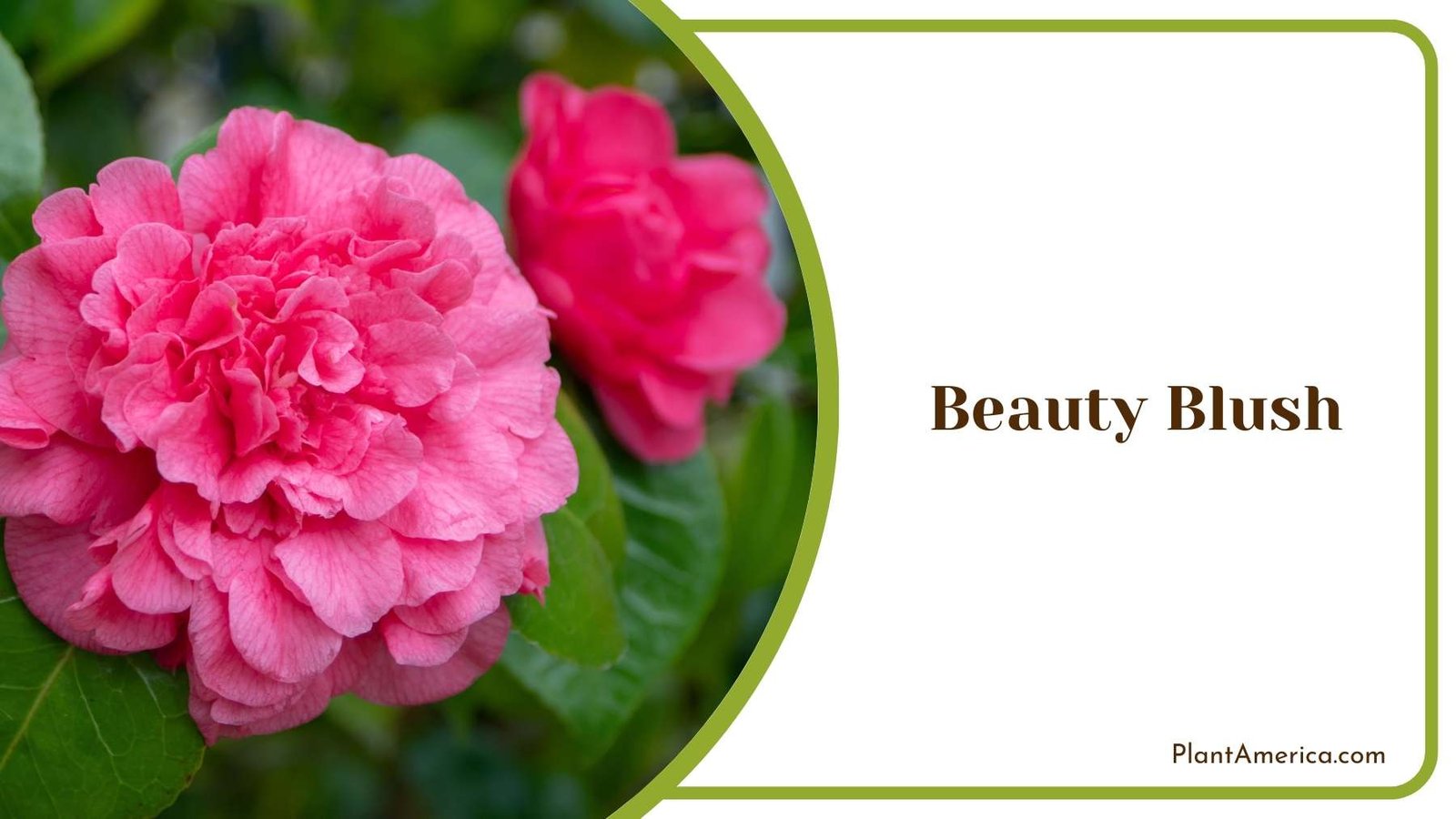
Beauty Blush camellia lives up to its name with blooms of pale pink perfection. Originating in Australia in the mid 1990s, this variety was bred by Kevin Evans and introduced to the public in 1999. It quickly gained attention for its ethereal flowers.
Individual Beauty Blush blooms are semi-double, reaching about three inches wide. They emerge as soft buds encased in green sepals, blushing into a light silvery pink tone as they open fully. The petals are thinly textured, overlapping to create a lacy quality. With 10-15 petals surrounding a powderpuff yellow center, the blooms have an almost translucent delicacy.
This camellia is winter hardy in USDA zones seven to nine. It thrives with morning sun and afternoon shade, producing blooms over a long period from late winter through spring. Maintaining fresh blooms for several weeks, Beauty Blush offers a gentle floral presence in the landscape.
Its graceful foliage and tidy rounded habit, growing six to eight feet tall and wide, provide year-round ornamental value as well. Altogether, it makes a lovely addition to camellia collections with its ethereal pink beauty.
4. Camellia Japonica ‘Jerry Hill’
- Growing Season: Blooms November through March
- Leaf Shape: Dark green leaves, Leathery oval leaves
- Specific Needs: Rich, Consistently moist soil, Mulch well
- Common Pests: Watch for root rot in soggy soils, Whiteflies
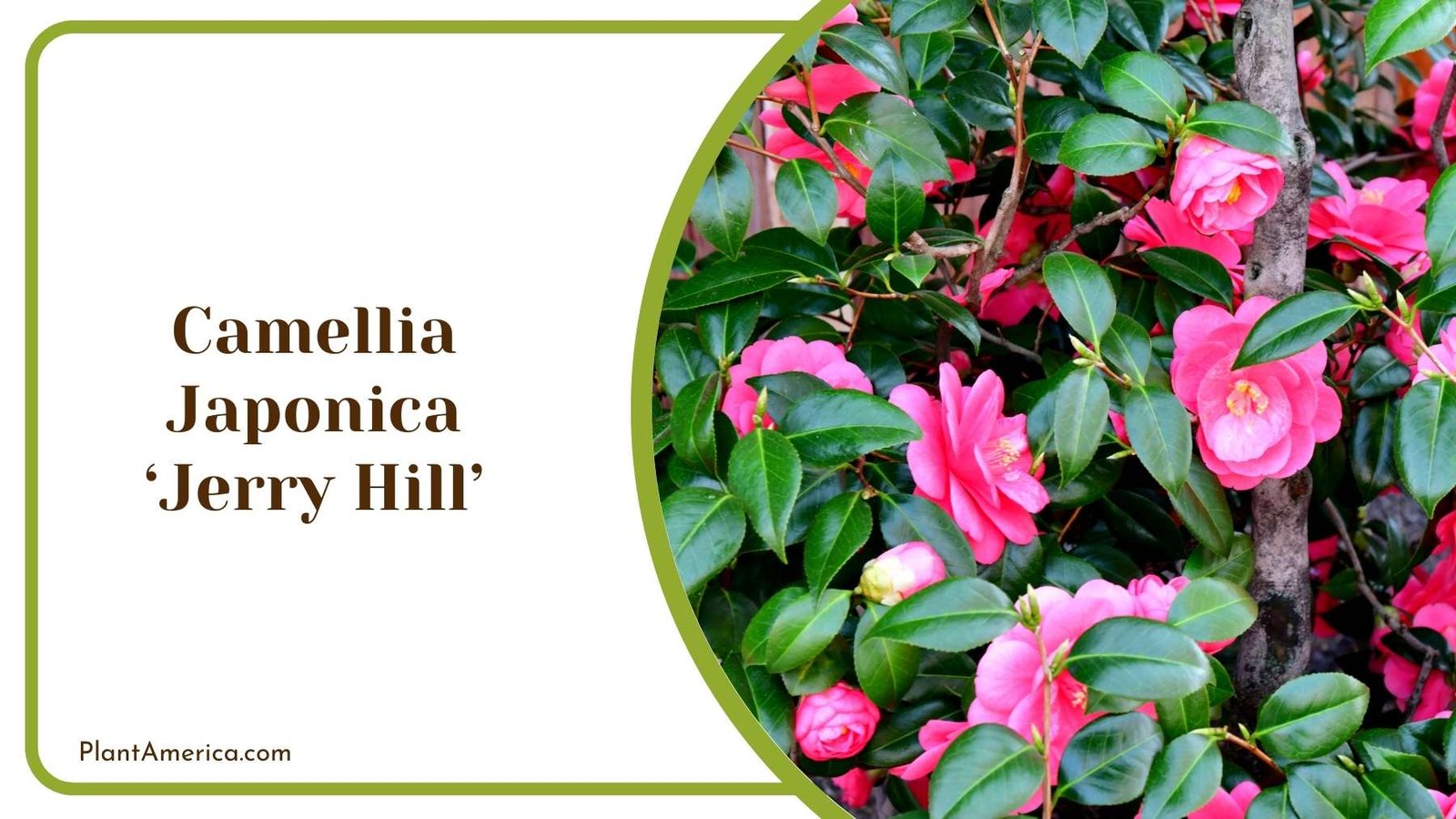
Camellia japonica ‘Jerry Hill’ is a late-winter and early spring flowering shrub prized for its prolific display of semi-double pink blooms. A cultivar of Camellia japonica originating from California in the 1960s, it forms a dense, rounded habit reaching six to 10 feet tall and wide over time.
Glossy green leaves arranged alternately along the stems provide an attractive evergreen backdrop all year. Starting in late winter through early spring, ‘Jerry Hill’ bursts into a spectacular bloom of soft pink, semi-double flowers with overlapping petals resembling lace. Each bloom reaches three to five inches wide.
This camellia thrives in partial shade to full sun with rich, acidic, well-draining soil. It does best in USDA zones seven to nine. Protection from frost is needed while young. Once mature, it remains reliably floriferous and pest-free requiring minimal care beyond pruning to maintain its structure.
Beyond incredible seasonal color, camellias like ‘Jerry Hill’ attract pollinators like bees to their nectar-filled blooms. Used in floral arrangements, their blooms can last over a week indoors. Occasional repotting keeps roots healthy in containers.
With its bountiful spring blooms uplifting spirits after winter’s dormancy and elegant evergreen foliage, Camellia japonica ‘Jerry Hill’ proves a classic, low-maintenance ornamental shrub to command attention wherever placed effortlessly for many years to come with proper care. Its cheery blooms are certain to delight.
5. Waterhouse Camellia
- Growing Season: Blooms December through March
- Leaf Shape: Dark green leaves, Oval leaves with pointed tip
- Specific Needs: Rich, Consistently moist soil, Mulch well
- Common Pests: Watch for root rot in soggy soils, White flies
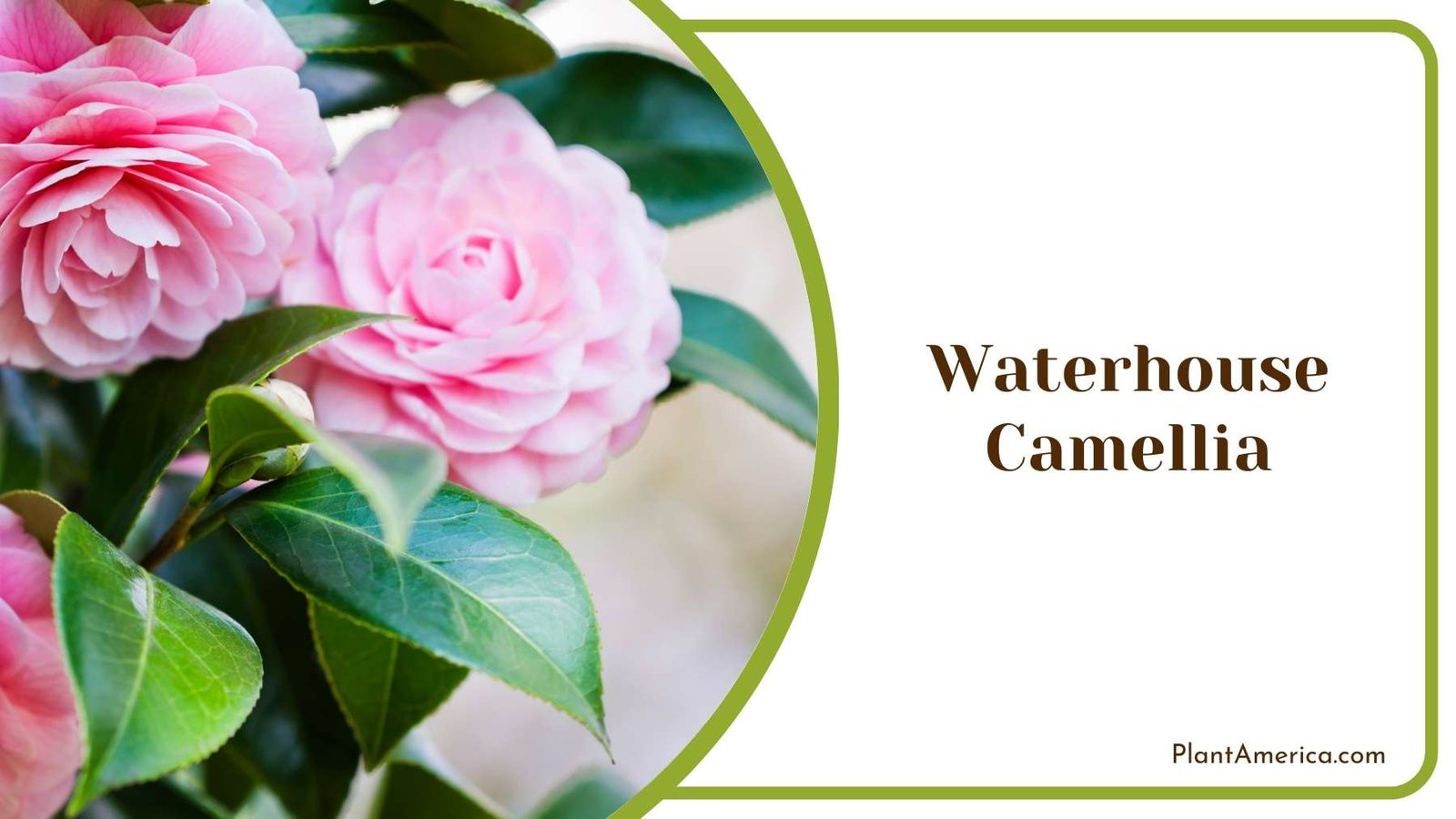
The Waterhouse Camellia (Camellia sasanqua ‘Waterhouse’) is a winter-blooming shrub valued for its profusion of beautiful double pink flowers. Originating in Japan, it forms a dense, rounded habit reaching five to 10 feet tall and wide over time.
This camellia bears dark green leaves that are narrow, lance-shaped and arranged alternately along the stems. Providing texture year-round, its foliage serves as a backdrop for the incredible winter bloom display. Starting in late fall, ‘Waterhouse’ erupts with Semi-double light pink blooms, each measuring two to three inches wide with crinkly overlapping petals.
Thriving in part shade and organic, acidic soil, ‘Waterhouse’ produces abundant flowers reliably for many weeks. Hardy in USDA zones six to nine, its small stature makes it ideal for smaller gardens, containers or hedging. Rarely troubled by pests, pruning after flowering encourages further blooms. Beyond its cheerful color, ‘Waterhouse’ camellia attracts winter pollinators like bees even in colder months. Its shiny leaves and blooms lend elegant texture to arrangements.
‘Waterhouse’ camellia proves a versatile, low-maintenance shrub. Its dependable flowering nourishes the soul season after season with minimal care beyond occasional pruning or repotting required as it matures gracefully wherever placed.
6. Camellia x Williamsii ‘Anticipation’
- Growing Season: Blooms December through March
- Leaf Shape: Dark green leaves, Thick oval leaves
- Specific Needs: Rich, Consistently moist soil, Mulch well
- Common Pests: Watch for root rot in soggy soils, Slugs
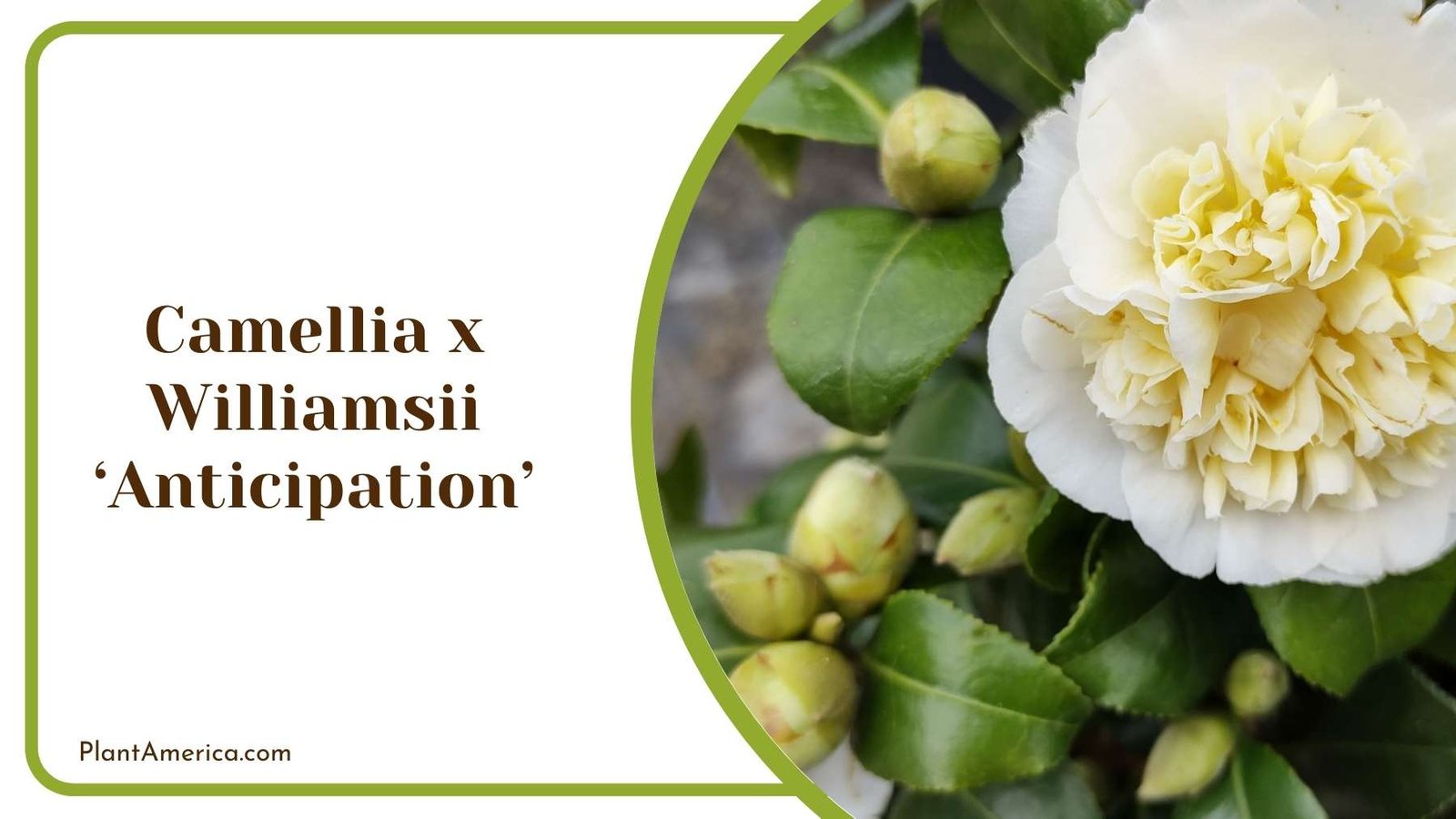
This camellia brings excitement to winter gardens with large blooms in vibrant pink colors. It grows into a bushy plant reaching three to five feet tall and wide. Its dense shape shows off the striking flowers perfectly.
Clusters of tightly furled flower buds appear on the branches of ‘Anticipation’. As winter arrives, the pinkish-white buds start to open one by one. Round petals slowly unfurl from the tips, stretching outwards in overlapping layers.
The outermost petals show a bright pink color. Moving inwards, the petals lighten to a soft blush pink color. In the center, a darker pink pattern forms around the yellow pollen parts. Once open, the large flowers reach five to six inches across.
A mild, sweet fragrance comes from the blooms. Tiny flying bugs called pollinators are drawn to visit. They collect and transfer pollen between flowers to help make seeds. This pollination occurs over many months as new buds open little by little.
After flowering, shiny green leaves grow. As temperatures warm in spring, fresh buds form all over for more spectacular blooms next fall and winter. This camellia needs just pruning and protection from the hot sun. It thrives in partial shade.
Its medium size fits nicely into gardens or against walls. Even during cold times, ‘Anticipation’ delights with its brilliant pink flowers and anticipation of new life returning soon. Its fascinating blooms cheer up anyone enjoying outdoor nature in the winter months.
7. Camellia Pink Icicle
- Growing Season: Blooms December through March
- Leaf Shape: Glossy dark leaves, Oval leaves with pointed tip
- Specific Needs: Rich, Consistently moist soil, Mulch well
- Common Pests: Watch for root rot in soggy soils, Slugs
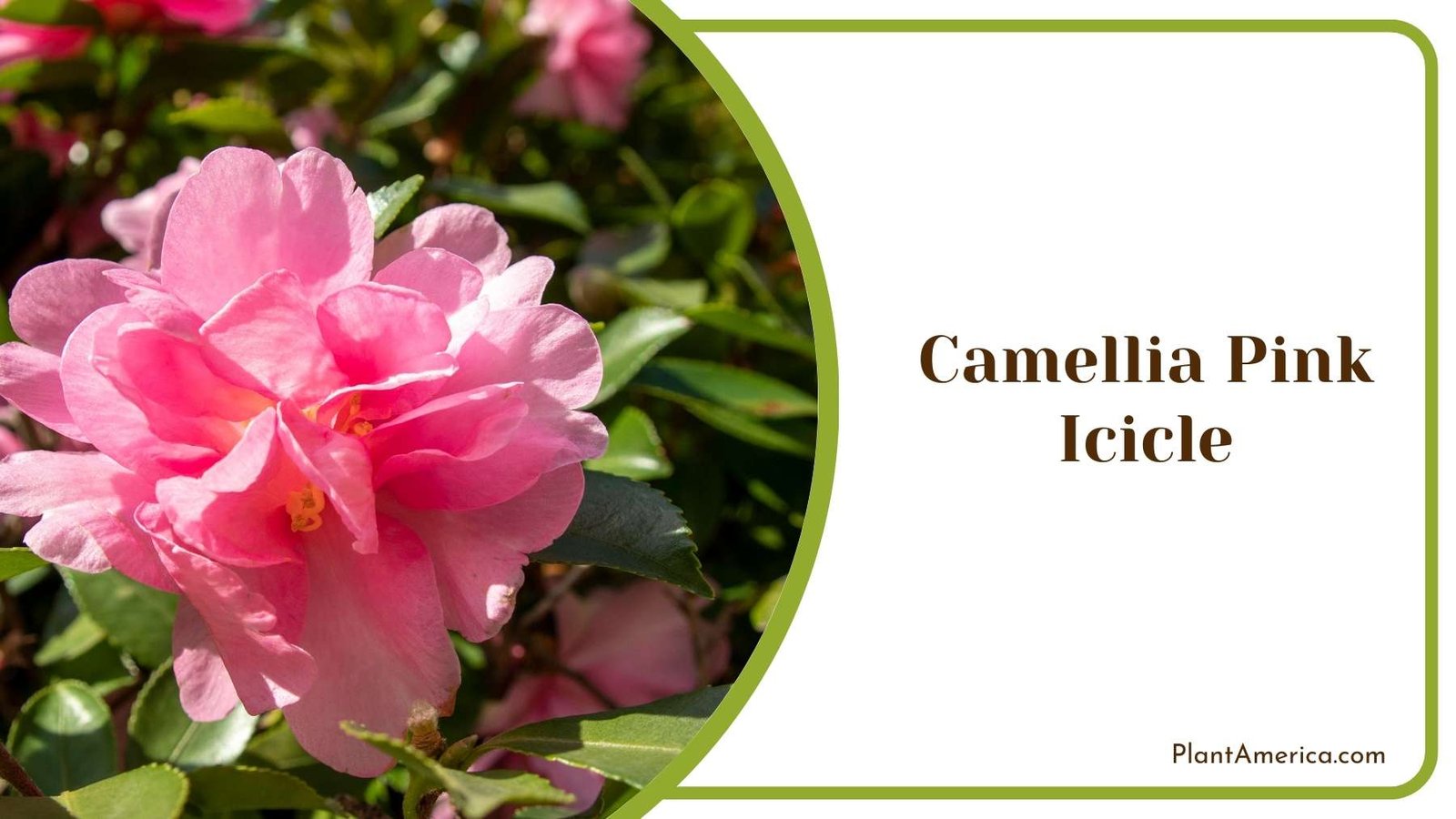
Camellia ‘Pink Icicle’ is a winter-blooming shrub prized for its long blooming season and unique upright habit. A cultivar of Camellia japonica, it forms a narrow, columnar shape reaching six to 10 feet tall with a two-foot spread.
Dark green leaves arranged alternately along the stems provide an attractive backdrop to accentuate the incredible display of dangling blooms. Starting in late fall, ‘Pink Icicle’ bursts with a breathtaking show of delicate, pale pink flowers. Individual blooms hang down like tiny icicles, each measuring two to three inches long with pointed petals.
This columnar camellia thrives in part shade with rich, acidic soil and good drainage. Hardy in zones seven to nine, it produces bountiful blooms reliably for months. Its slender profile makes it a versatile choice for small gardens, narrow spaces or adding vertical interest. Rarely troubled by pests, its gorgeously unique flowers require no deadheading.
Beyond its cheerful winter color display, ‘Pink Icicle’ camellia attracts pollinators with abundant nectar. Its hanging blooms and narrow shape lend delicate texture to floral arrangements. With a prolonged bloom time that uplifts spirits after fall’s change and striking upright habit, Camellia ‘Pink Icicle’ proves a versatile, low-maintenance addition wherever a vertical, evergreen shrub that ignites color during dreariest months is desired effortlessly for many years to come.
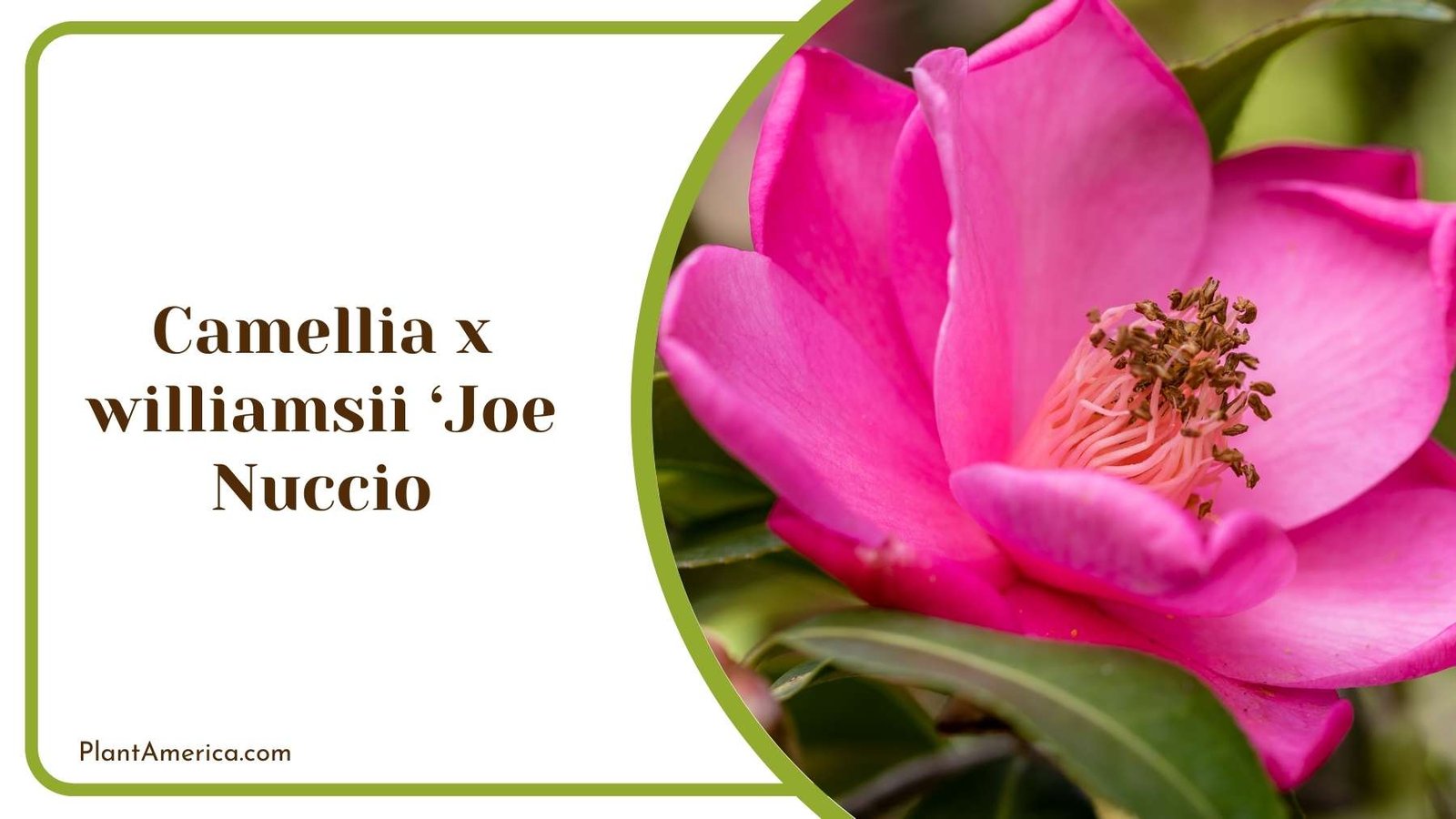
8. Camellia x williamsii ‘Joe Nuccio
- Growing Season: Blooms December through March
- Leaf Shape: Glossy dark leaves, Shiny oval leaves
- Specific Needs: Rich, Consistently moist soil, Mulch well
- Common Pests: Watch for root rot in soggy soils, Slugs
It grows into a bushy plant reaching three to five feet tall and wide. Its dense shape beautifully displays the showy flowers.
In fall when the weather cools, clusters of tightly closed flower buds appear all over the plant. As winter arrives, the pale pink buds slowly open one by one. Round petals unfurl outwards in layers, stretching from the center.
The outermost petals show a light silvery pink color. Moving towards the middle, the petals darken to a bright rose pink hue. Deepest in the center lies a pattern of marbled reddish pink surrounded by yellow pollen parts. Fully open flowers reach five to six inches across.
A pleasant, sweet scent comes from the blooms. Tiny flying bugs called pollinators are drawn to collect and spread pollen between flowers to help make seeds. This pollination happens over many months as new buds open bit by bit.
After blooming, dark green leaves grow thickly. As temperatures rise in spring, fresh buds form all over for more spectacular flowers next fall and winter. This camellia needs just pruning and protection from too much sun. It thrives with partial shade. Its medium size fits nicely in gardens or against walls. Even when cold, ‘Joe Nuccio’ delights with its colorful blooms and signals that new life will return soon. Its cheery flowers lift spirits during winter months outside..
9. Pink Chiffon
- Growing Season: Blooms December through March
- Leaf Shape: Glossy dark leaves, Oval leaves with pointed tip
- Specific Needs: Rich, Consistently moist soil, Mulch well
- Common Pests: Watch for root rot in soggy soils, Slugs
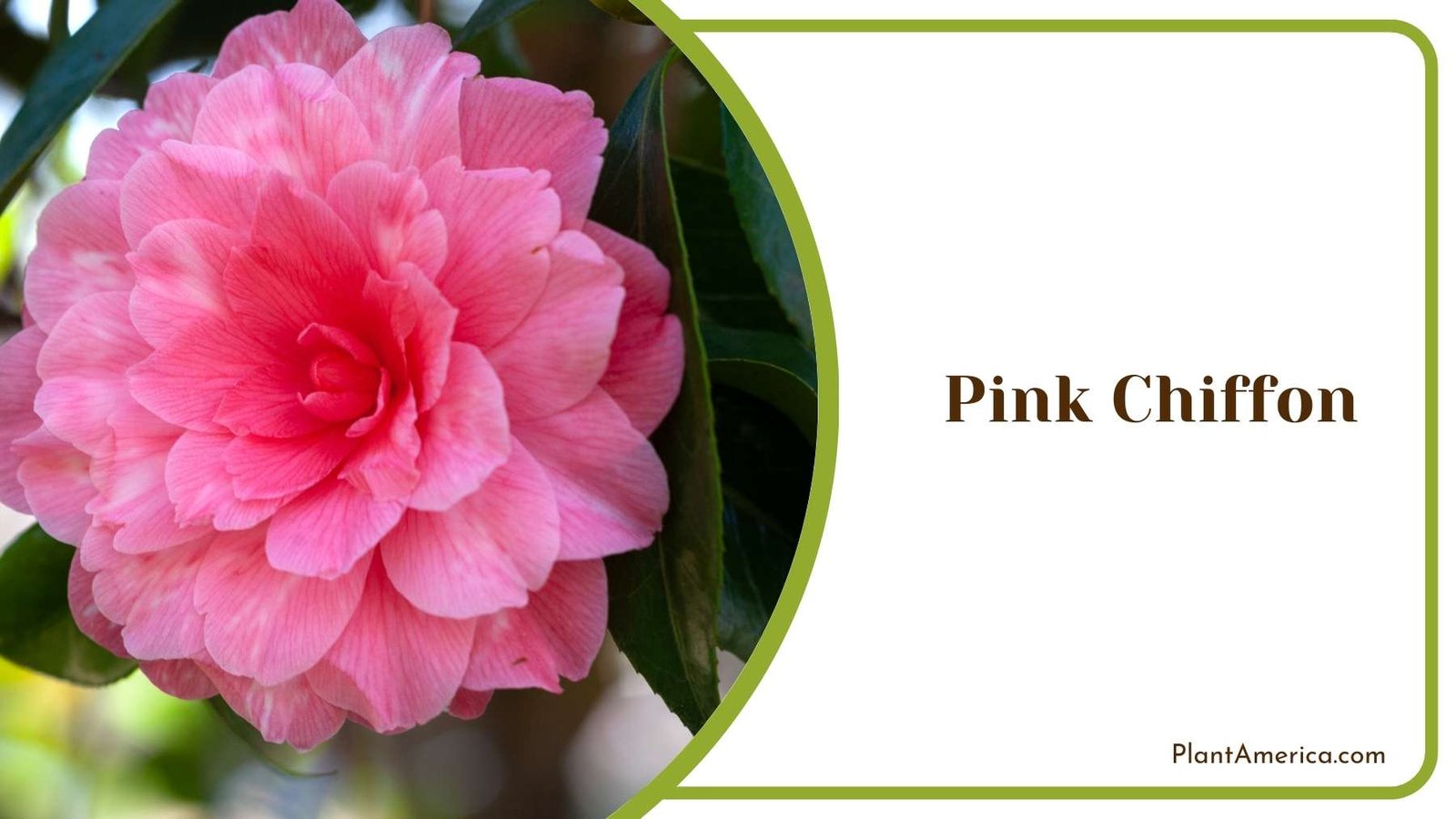
The camellia variety named ‘Pink Chiffon’ brings ethereal elegance to gardens each spring with its floats of softly shaded blooms. Originating in Australia in the 1990s, this introduction gained renown for floral frills that seem woven from finest fabric.
As buds poised upon glossy foliage begin to swell, pale rose shades can first be seen wafting through sepal tissue like gauzy pink cotton candy clouds within. Unfurling fully, each bloom unfurls 10 wavy petals measuring 3 to 4 inches across, their wispy edges intertwining in lacework layering from pale blush at center to silvery salmon at seams.
This chiffon chameleon effect floats flowers gently into focus against foreground foliage, catching eyes like wisps of silk scarf on breeze. Hardy in Zones 7 through 9, ‘Pink Chiffon’ forms a verdant six-foot rounded shrub upholding an airy presence among companions finished flowering.
It froths gardens freely in late winter to early springtime with cascades of delicately dyed blooms dancing on each puff. Undoubtedly, a queen of camellias, ‘Pink Chiffon’ reigns among connoisseurs for its ethereal floral choreography.
10. Camellia japonica ‘Debutante’
- Growing Season: Blooms December through March
- Leaf Shape: Glossy dark leaves, Broad oval leaves
- Specific Needs: Rich, Consistently moist soil, Mulch well
- Common Pests: Watch for root rot in sodden soils, Slugs
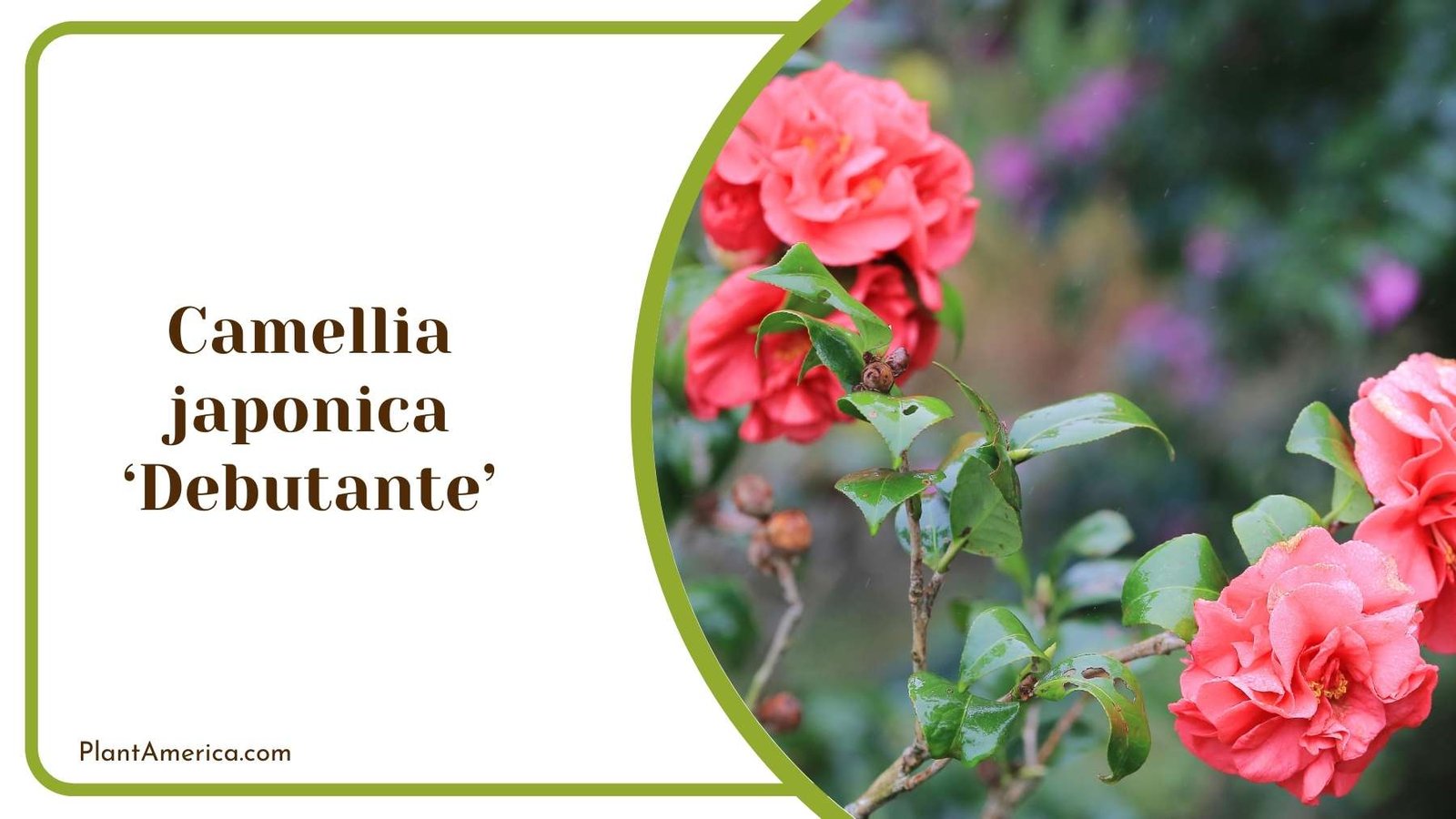
Camellia japonica ‘Debutante’ is a winter-flowering ornamental shrub valued for its profuse blooms of double pink roses. Originating in Australia in the 1950s, it forms a dense, rounded habit reaching five to 10 feet tall and wide over time.
This camellia bears dark green, leathery evergreen leaves that are oval-shaped with a pointed tip. Arranged alternately along the stems, the foliage provides an attractive backdrop year-round. Starting in late fall, ‘Debutante’ bursts into a spectacular display of formal double pink blooms, each approximately three to four inches wide with many overlapping petals.
‘Debutante’ produces abundant flowers reliably for many weeks. Hardy in zones seven to nine, it requires minimal care beyond pruning after flowering to maintain its bushy form. Rarely troubled by pests, its floriferous nature uplifts spirits during winter’s dormancy.
‘Debutante’ attracts pollinators to its nectar-filled blooms in colder months. Used in floral arrangements, its flowers have a vase life of over a week indoors. Periodic repotting maintains root health in containers.
Camellia japonica ‘Debutante’ proves a versatile, low-maintenance small tree for any garden. Its cheerful display is certain to nourish winter spirits effortlessly for many decades to come with proper care.
11. Camellia sasanqua ‘Maiden’s Blush’
- Growing Season: Blooms December through March
- Leaf Shape: Glossy dark leaves, Oval leaves
- Specific Needs: Rich, Consistently moist soil, Mulch well
- Common Pests: Watch for root rot in soggy soils, Aphids
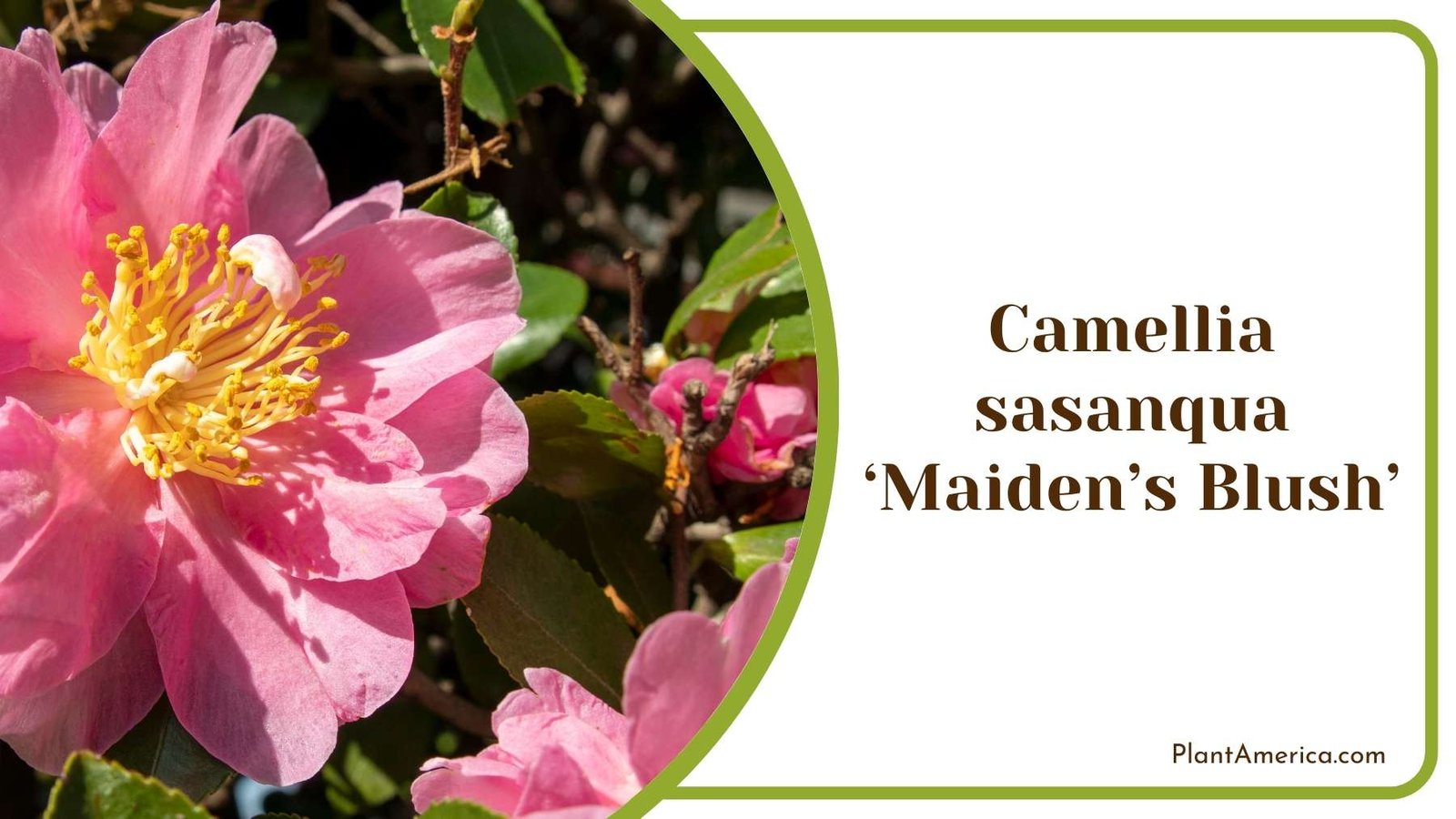
Maiden’s blush brings a soft pink glow to gardens in cooler seasons and grows into a full, rounded bush reaching three to five feet tall and wide. This dense shape provides the perfect backdrop for showing off its lovely blooms.
As temperatures rise above freezing, clusters of closed flower buds appear on the branches. The pale pink buds look like small round buttons tightly shut. Slowly, thin pink petals unfurl outwards from the tips in overlapping layers. The outside petals are a very light silvery pink. Moving inward, the color deepens to a soft blush pink hue in the center. Once open, the delicate single flowers reach two to three inches wide.
A gentle sweet scent comes from the blossoms. Tiny flying insects called pollinators visit to collect yellow pollen grains and carry them between flowers. This helps the plant make seeds. Pollination happens over months as fresh buds open one by one. After flowering, shiny dark green leaves develop thickly. In summer, bud clusters reappear promising more blooms next season.
This sasanqua camellia needs only pruning and protection from hot sun. It thrives in partial shade. With its compact size and cheery flowers, it brightens gardens through chillier times. Even in winter, ‘Maiden’s Blush’ uplifts spirits with its pale pink beauty and signs that warmer weather will return.
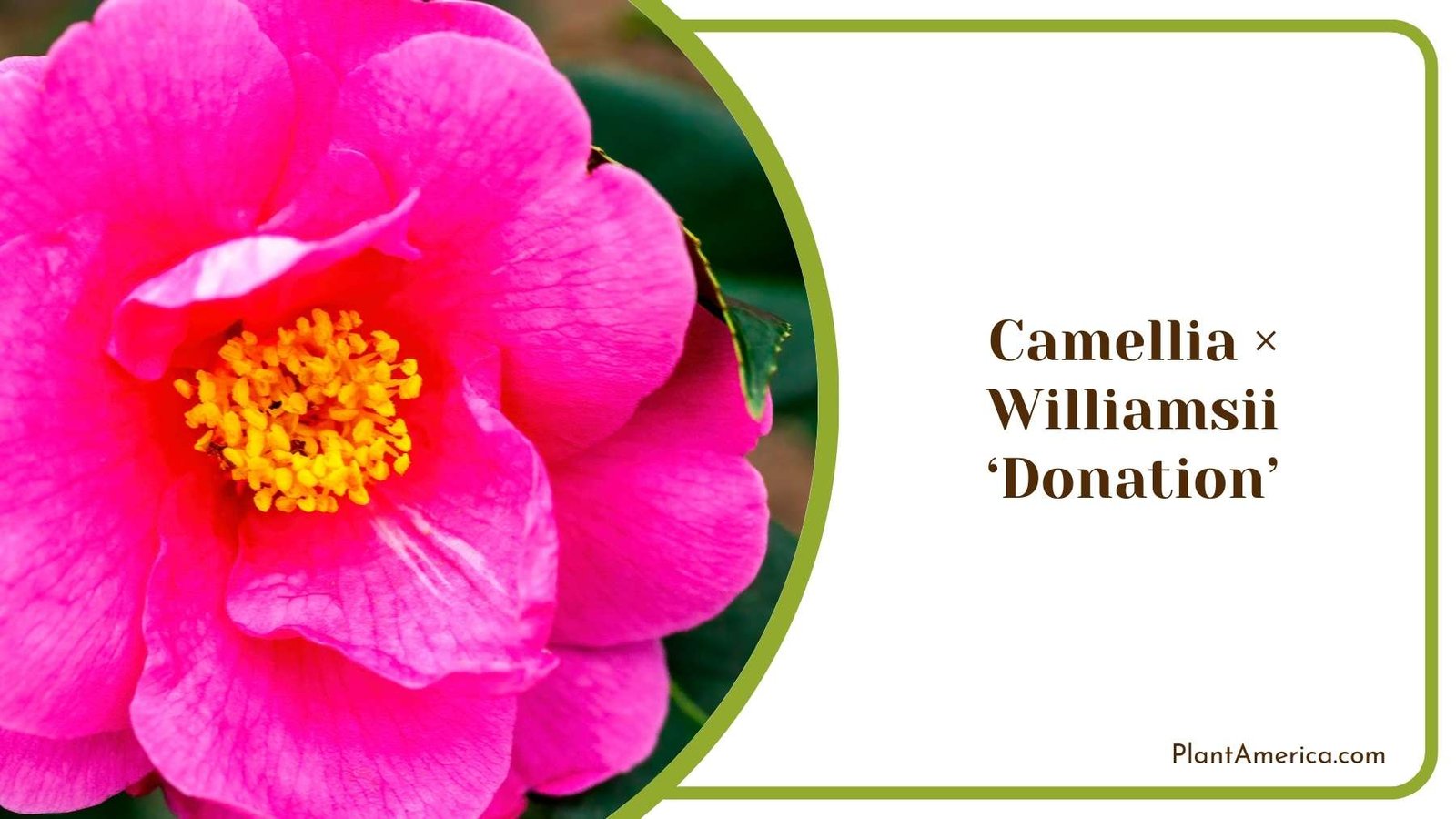
13. Camellia × Williamsii ‘Donation’
- Growing Season: Blooms December through March
- Leaf Shape: Dark green leaves, Heart-shaped leaves
- Specific Needs: Rich, Consistently moist soil, Mulch well
- Common Pests: Watch for root rot in soggy soils, Aphids
Camellia × williamsii ‘Donation’ is a winter-flowering ornamental shrub valued for its ruffled rose-like blooms in shades of pink and red. A hybrid cross between C. japonica and C. saluenensis, it forms a dense, multi-stemmed habit reaching six to 10 feet tall and wide over time.
This camellia bears dark green, elliptical leaves that are glossy and leathery textured. Arranged alternately along the stems, the evergreen foliage provides visual interest year-round. Starting in late fall, ‘Donation’ bursts into a spectacular display of semi-double flowers in shades of reddish pink with crinkled petals resembling ruffled roses.
Donation’ reliably produces plentiful blooms for many weeks. Hardy in zones seven to nine, it requires minimal pruning to maintain its bushy form and encourage further blooms. Rarely bothered by pests, its cheerful display nourishes souls during winter dormancy.
Donation’ attracts pollinators in colder months. Its flowers last over a week in arrangements indoors, lending elegant texture. Occasional division or repotting ensures a long, healthy life whether in the garden or containers.
With abundant flowers that uplift spirits for many weeks after fall’s change and evergreen foliage, Camellia × williamsii ‘Donation’ proves a versatile, low-maintenance small tree to illuminate any landscape effortlessly with cheer for decades with proper care..
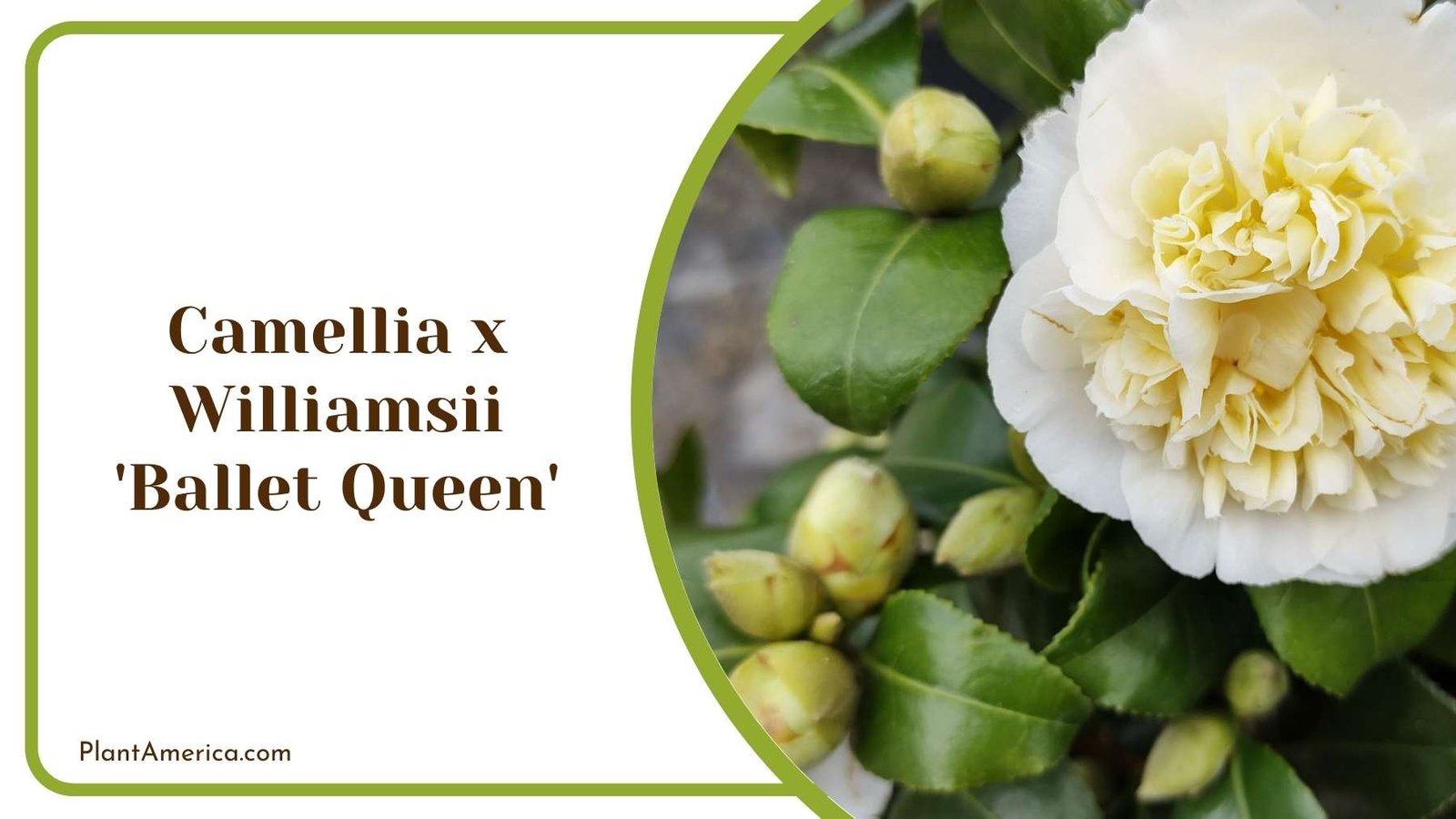
14. Camellia x Williamsii ‘Ballet Queen’
- Growing Season: Blooms December through March
- Leaf Shape: Dark green leaves, Heart-shaped leaves
- Specific Needs: Rich, Consistently moist soil, Mulch well
- Common Pests: Watch for root rot in soggy soils, Aphids
This elegant camellia delights winter gardens with large ruffled blooms in vibrant shades of pink. It grows into a bushy plant reaching four to six feet tall and wide over time. Its dense shape provides the perfect backdrop to showcase its showy flowers.
In fall as temperatures cool, clusters of tightly furled flower buds appear all along the branches. As winter arrives, the pale pink buds gradually open one by one. Round outer petals unfurl outward in crinkled layers, stretching from the center cup.
The lightest pink color shows on the outermost wavy-edged petals. Moving inward, the petals deepen to a bright warm blush. In the center lies a pattern of darker pink around golden yellow pollen parts. When fully open, the dramatic blooms reach five to six inches across.
A mild sweet scent wafts from the elegant flowers. Tiny flying insects called pollinators are attracted to collect and transfer yellow pollen between blooms, helping to produce seeds over many months as new buds open bit by bit.
After blooming, thick shiny green leaves emerge. As weather warms in spring, fresh flower buds appear all over for another spectacular show next fall. This camellia needs only pruning and partial shade. Despite its large size, it fits nicely into borders or against walls. Even in winter, ‘Ballet Queen’ gladdens hearts with its charming pink beauty and promise that warmer seasons will return in time.
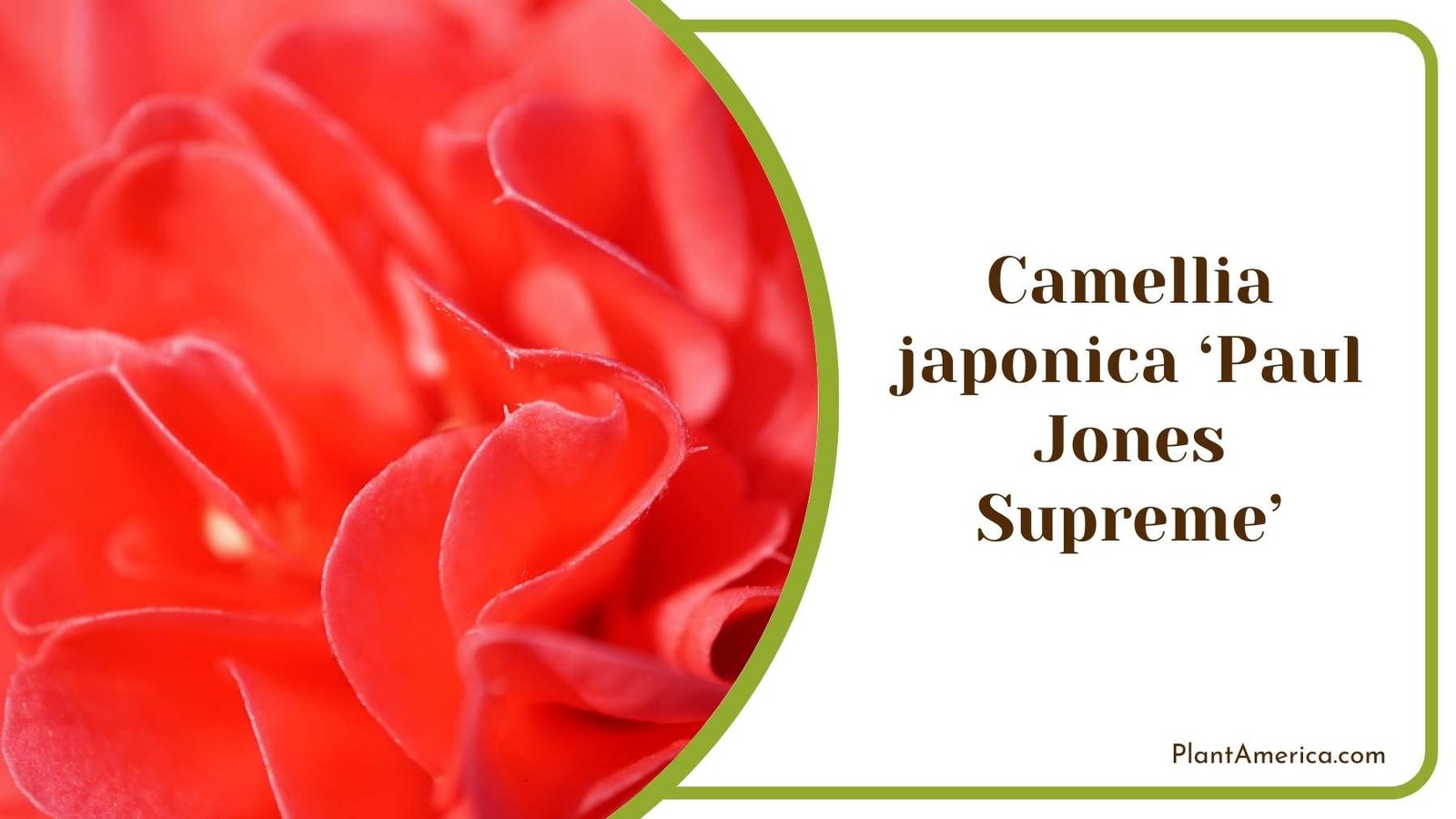
15. Camellia japonica ‘Paul Jones Supreme’
- Growing Season: Blooms December through March
- Leaf Shape: Dark green leaves, Heart-shaped leaves
- Specific Needs: Rich, Consistently moist soil, Mulch well
- Common Pests: Watch for root rot in soggy soils, Aphids
This elegant camellia brings beauty to gardens throughout fall and winter with stunning blooms in shades of red and pink. It grows into a full, rounded shrub reaching four to six feet tall and wide over several years. Its dense habit provides an ideal backdrop for showcasing its lovely flowers.
In early fall as temperatures cool, clusters of tiny buds appear all along the branches. As weeks pass, individual buds slowly open to reveal their charming colors. Outer petals unfurl outward in crinkled layers, stretching from the inner cup center.
The outermost petals show a rosy red blush along wavy edges. Moving inward, lighter shades of red and pink blend together in the center around golden yellow pollen parts. When fully open, the ruffled blooms reach six to eight inches across, among the largest camellia varieties.
A mild fragrance wafts from the elegant blooms. Tiny flying insects called pollinators visit to collect and transfer pollen between flowers, helping seeds develop over the many months it takes for all buds to unwrap. After flowering, thick shiny dark green leaves emerge. As spring arrives, new buds form for additional blooms next fall.
Needing only pruning and partial shade, ‘Paul Jones Supreme’ flourishes beautifully. Despite its large size, it fits well in borders or against walls. Even in winter, this camellia delights and lifts moods with its stunning red and pink colors that signal warmer times ahead.
Conclusion
These pink camellia varieties described here offer a beautiful way to add flowering color and charm to gardens during the winter months.
- As its name suggests, Pink Perfection produces an abundance of pristine rose-colored flowers that appear almost flawless
- Maintaining fresh blooms for several weeks, Beauty Blush offers a gentle floral presence in the landscape
- Camellia × williamsii ‘Donation’ is a winter-flowering ornamental shrub valued for its ruffled rose-like blooms in shades of pink and red.
- Camellia japonica ‘Jerry Hill’ is a late-winter and early spring flowering shrub prized for its prolific display of semi-double pink blooms
- The Waterhouse Camellia (Camellia sasanqua ‘Waterhouse’) is a winter-blooming shrub valued for its profusion of beautiful double pink flowers.
If you wish to bring the beauty of cherry blossoms or a pop of bright color to your winter landscape, camellias deserve a place in your garden. Their relatively easy care requirements and resilience in colder zones make them a worthwhile investment that will reward you with lovely flowers season after season. May these delightful pink blossoms provide a cheerful reminder of warmer days to come, helping you appreciate the changing seasons and find quiet enjoyment even in winter’s chill.