
Hollyhock flowers seeds can produce gorgeous flowers dotting your beds and borders for many years to come. Whether you want towering red spikes, delicate pastel columns, or frilly double varieties, we’ll show you how to get hollyhock flowers off to a healthy start and bursting with blooms for many summers to come.
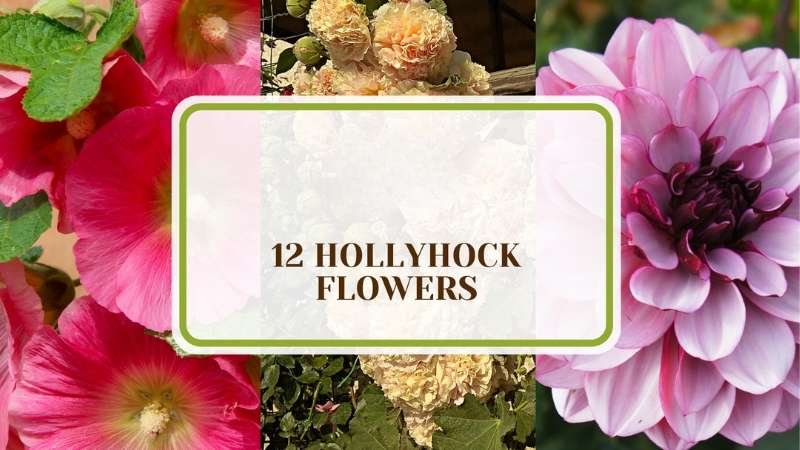
So if you’re ready to fill your garden with the cheerful charm of hollyhock flowers, keep reading for our best tips on planting and growing these annual jewels from seed.
12 Gorgeous Hollyhock Flowers for Color in Your Flower Beds
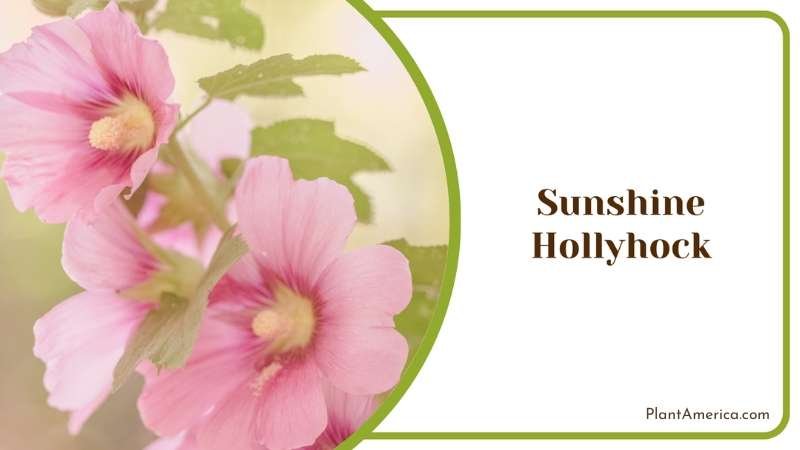
1. Sunshine Hollyhock
- Growing Season: Spring, Summer
- Leaf Shape: Long, Narrow
- Specific Need: Full sun, Fertile soil
- Common Pests: Aphids, Slugs
The single-flowered ‘Sunshine’ hollyhock boasts an enchanting display of bright golden-yellow blooms. Producing numerous ball-shaped flowers along tall 5-6 foot stems, it livens the garden with a vibrant splash of sunny color from summer into fall.
A durable perennial, ‘Sunshine’ rebounds reliably each season. Its sturdy stems stand strong despite rain or wind, proudly showcasing blooms above deep green foliage. A low-maintenance performer, it requires little other than a spot in full sun and average well-draining soil. Along with its handsome flower display, ‘Sunshine’ also attracts numerous pollinators to the garden.
An excellent cut flower, individual blooms can be clipped to enjoy indoors as they continue to open. Their luminous yellow hue brings a ray of warmth to bouquets. Come autumn, allow seed heads to form for goldfinches and other birds to feast on during winter. ‘Sunshine’ spreads steadily yet remains unrestrained, refreshingly carefree in cottage-style beds and borders.
This classic hollyhock variety has been enjoyed by generations of gardeners since its introduction in the 1930s. Its steadfast sunny disposition continues to spread cheerful color each spring and summer. No other perennial quite matches the ‘Sunshine’ hollyhock for simply radiating optimism and old-fashioned charm season after season.
2. Peaches and Dreams
- Growing Season: Spring, Summer
- Leaf Shape: Broad, Oval
- Specific Need: Full sun, Well-drained soil
- Common Pests: Aphids, Slug, Spider mites
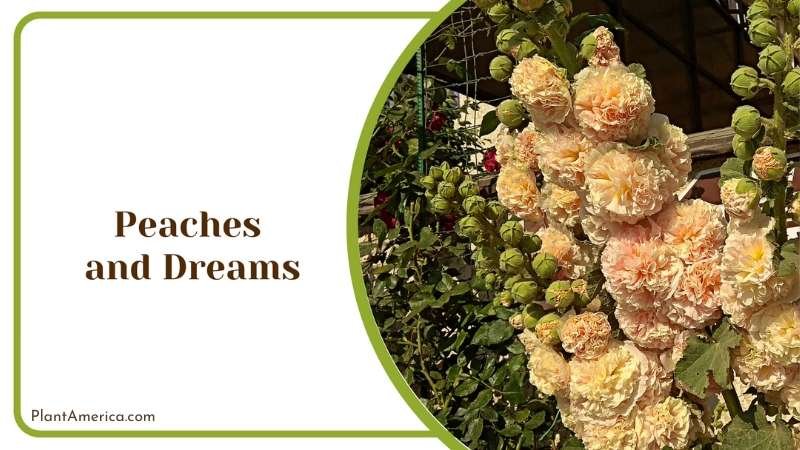
‘Peaches ‘n’ Dreams’ hollyhocks bear large, beautifully intricate blooms in a unique peachy cream color with a pink blush. The flowers emerge with soft shades of pale peach that deepen into delicately hued blooms as they age.
Growing on tall five to six foot stalks like classic hollyhocks, ‘Peaches ‘n’ Dreams’ produces abundant ruffled blooms all summer long. Its arching branches filled with flowers produce a lovely focal point in borders or along fences.
This variety prefers full sun and well-draining soil to thrive. Its blooms are enjoyed by pollinators and make excellent long-lasting cut flowers indoors. Come fall, ‘Peaches ‘n’ Dreams’ provides decorative seed heads for birds to feast on through winter.
An heirloom selection, ‘Peaches ‘n’ Dreams’ imparts timeless romantic charm to gardens with its unique blushing peachy flowers. Its soft color combinations flatter alongside both pastel and vibrantly-hued companion plants.
No other hollyhock quite matches ‘Peaches ‘n’ Dreams’ for subtly lovely florals all season through. This variety adds warmth and texture wherever planted. ‘Peaches ‘n’ Dreams’ is certain to become a gardener’s fast favorite for its gentle beauty and enduring performance season after season.
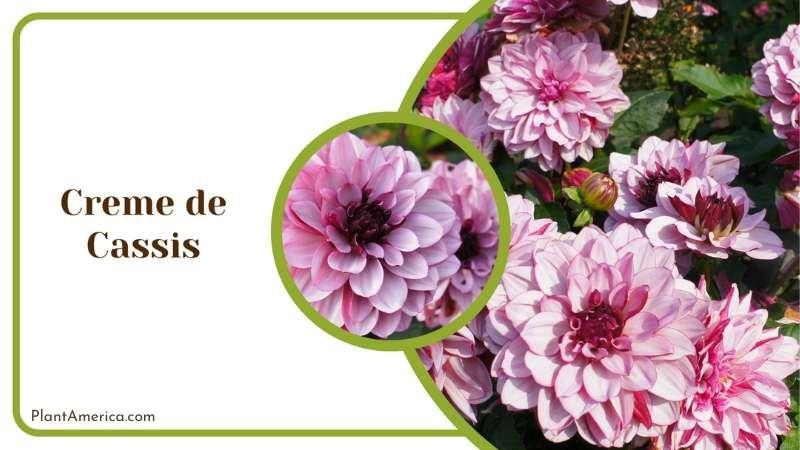
3. Creme de Cassis
- Growing Season: Spring, Summer
- Leaf Shape: Broad, Lobed leaves
- Specific Need: Full sun, Fertile soil, Consistent moisture
- Common Pests: Powdery mildew, Spider mites
The Fireball hollyhock plant produces dazzling red flowers with frilly edges on tall stems in summer. Fireball flowers thrive in full sun and fertile, well-draining soil that is amended with compost prior to planting. The broad, lobed leaves are medium green in color. Consistent moisture is needed during the growing season to prevent Fireball hollyhock plants from wilting.
Fireball starts blooming in early to mid-summer and continues producing brilliant red blooms through late summer if spent flower spikes are removed regularly. The showy blooms attract hummingbirds, bees, and butterflies.
Powdery mildew can be an issue for Fireball hollyhock flowers, so provide good air circulation between plants and water in the morning to allow the foliage to dry out. Adding companion plants like marigolds, garlic, and chives can deter spider mites, a common pest of these red hollyhock flowers. Deadheading spent blooms regularly will also promote strong, healthy plants and continued blooming.
4. Blacknight
- Growing Season: Spring, Summer
- Leaf Shape: Broad, Lobed leaves
- Specific Need: Full sun, fertile soil, Consistent moisture
- Common Pests: Powdery mildew, Aphids
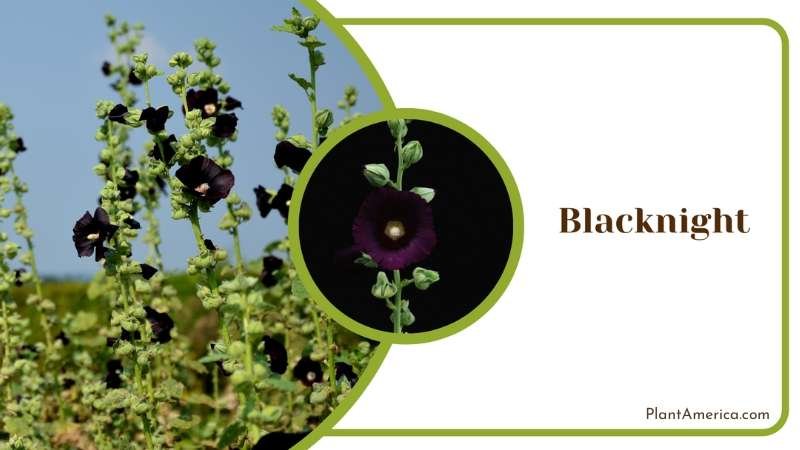
‘Black Knight’ hollyhocks feature tall, stately stems adorned with dark foliage and vivid crimson blooms. Growing five to six feet tall, their richly hued flowers contrast strikingly against the near-black leaves. This variety produces large numbers of frilly blooms in a pure, unwavering shade of deep red all summer. The intense coloration really stands out, making ‘Black Knight’ an eye-catching focal point in beds or mixed borders.
Well-suited to cutting gardens, individual ‘Black Knight’ blooms have an almost velvety texture and last exceptionally well in arrangements indoors. In the garden, they attract hummingbirds and butterflies.
A delightful splash of bold color, ‘Black Knight’ thrives in full sun locations. Beyond average soil, it requires little more than occasional staking. The dark stems and leaves provide intriguing winter interest too when allowed to stand.
Renowned for its rich, saturated blooms, ‘Black Knight’ has been popular since its 1920s introduction. The strong contrast it presents provides a dramatic accent to both traditional and contemporary garden plantings.
5. Halo Red
- Growing Season: Spring, Summer
- Leaf Shape: Broad, Lobed leaves
- Specific Need: Full sun, Moist, Well-drained soil
- Common Pests: Aphids, Spider mites
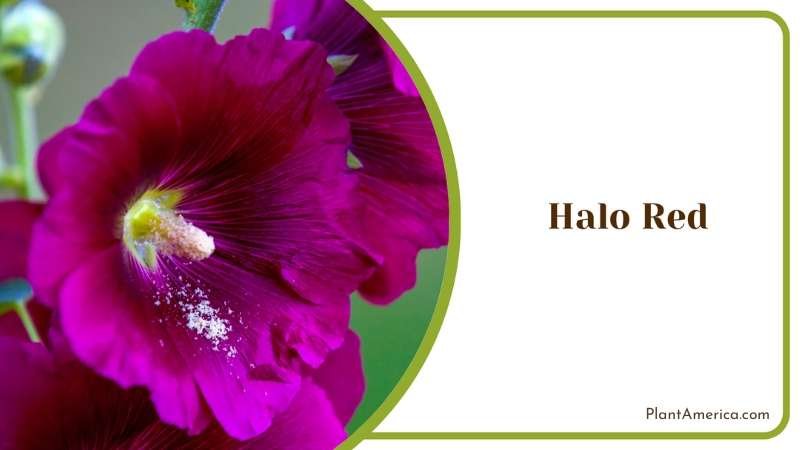
‘Halo Red’ produces stunning blooms in a deep burgundy shade framed by an unusual contrasting pink ring. Its bicolored flowers resemble a blushing red halo shape. Growing four to five feet tall, ‘Halo Red’ bears numerous two-toned blooms of this unique coloration. The sumptuous ruffled flowers appear all summer long.
A standout in borders or cutting gardens, individual ‘Halo Red’ blooms have exquisite form and layering of shades. They attract pollinators and last well over a week when cut. Low maintenance, this variety thrives in full sun with average, well-drained soil. It remains compact while blooming prolifically. After flowers fade, decorative seed heads follow.
Dating to the early 1900s, ‘Halo Red’ adds depth and visual intrigue to gardens with its unusual inner-pink, outer-burgundy blooms. Pair it alongside complementary purples, pinks and whites. A top foliage and floral pick, ‘Halo Red’ remains a unique burst of layered bicolored beauty wherever planted. Its one-of-a-kind color-within-color flowers are sure to impress.
6. Chater’s Scarlet
- Growing Season: Spring, Summer
- Leaf Shape: Broad, Basal leaves
- Specific Need: Full sun, Average soil, Regular water
- Common Pests: Aphids, Mildew
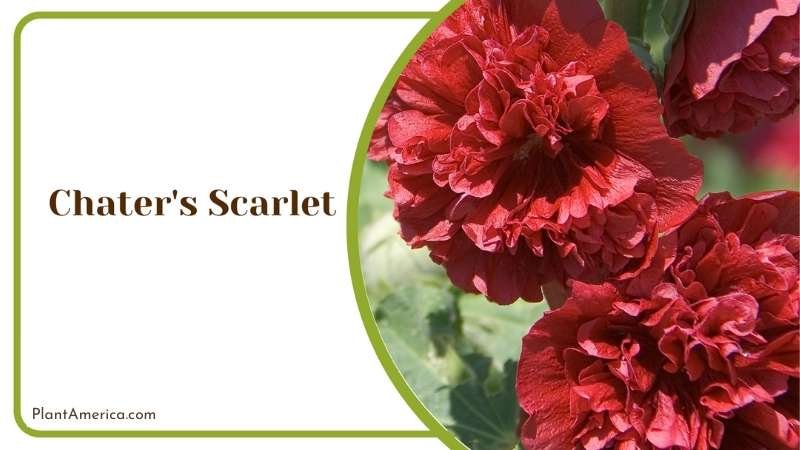
The Chater’s Scarlet hollyhock plant produces gorgeous red-orange blooms with ruffled edges on towering stems from spring through fall. Chater’s Scarlet flowers thrive in full sun and average soil that is kept consistently moist. The broad, basal leaves are medium green in color and slightly crinkled. The tall flower spikes begin blooming in early summer and will continue producing brilliant blooms through fall when deadheaded regularly.
The showy blooms attract butterflies, hummingbirds, and beneficial insects. Fertilizing monthly through mid-summer with an organic fertilizer will boost bloom production. Scarlet is somewhat susceptible to mildew and aphid infestations, so practicing good garden sanitation and growing scarlet beauty hollyhocks with mildew-resistant plants as companions can help minimize these risks.
Regularly removing and destroying affected leaves and blooms also limits pest damage. The beautiful red-orange blooms of the Scarlet Beauty hollyhock make it a valuable addition to any summer flower bed or garden border.
7. Hollyhock ‘Halo Apricot
- Growing Season: Spring, Summer
- Leaf Shape: Broad, Slightly lobed leaves
- Specific Need: Full sun, Well-drained soil
- Common Pests: Aphids, Powdery mildew
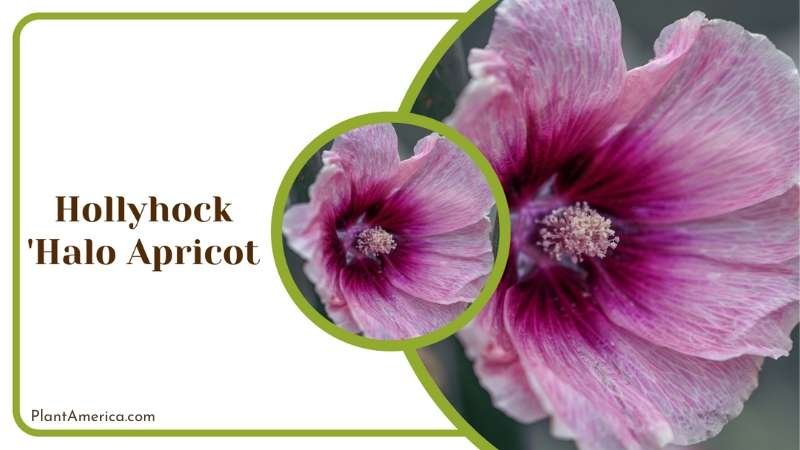
‘Halo Apricot’ bears large, ruffled blooms with a unique peach-apricot outer ring surrounded by a creamy pink center. Growing 4-5 feet tall, it produces bountiful two-toned blooms all season. Individual flowers stand out vividly against deep green foliage.
A showstopping addition to beds, this variety attracts pollinators with its alluring color contrast. Blooms also excel as long-lasting cut flowers indoors. Suited to full sun, ‘Halo Apricot’ remains compact while blooming continuously. It recurs reliably and requires minimal care beyond dividing every few years.
An heirloom dating to the early 1900s, ‘Halo Apricot’ adds depth and visual interest with its layered color scheme. Pair alongside complementary shades like soft yellows, corals and lavenders. Ruffled blooms elevate common gardens gracefully. Uncommon yet dependable, ‘Halo Apricot’ is a prime pick for unique floral beauty wherever seen all summer through fall.
8. Halo Lavender

- Growing Season: Spring, Summer
- Leaf Shape: Broad, Rounded leaves
- Specific Need: Full sun, Fertile soil, Consistent moisture
- Common Pests: Slugs, Spider mites, Mildew
‘Halo Lavender’ features gorgeous blooms with an outer ring of deep lavender framing a lighter silvery lavender center. Growing four to five feet tall, it produces abundant two-toned blooms from summer to fall. Individual ruffled flowers shimmer vividly against deep green foliage.
Well-suited for beds and borders, ‘Halo Lavender’ also offers striking cut blooms prized for their unique layered coloring. Bees and butterflies flock to its alluring display. This variety thrives in full sun with average, well-draining soil. Beyond staking, it requires low maintenance while blooming continuously.
An heirloom dating to the early 1900s, ‘Halo Lavender’ adds dimension and visual appeal with its silvery-lavender halo effect. Complement with soft pinks, whites, and periwinkle for maximum effect. Unusual yet reliable, ‘Halo Lavender’ elevates gardens gracefully with sophisticated layered blooms. Its sumptuous ruffled flowers remain a sublime organic accent wherever enjoyed throughout the season.
9. The Bride
- Growing Season: Spring, Summer
- Leaf Shape: Broad, Rounded leaves
- Specific Need: Full sun, Fertile soil, Consistent moisture
- Common Pests: Spider mites, Slugs, Mildew
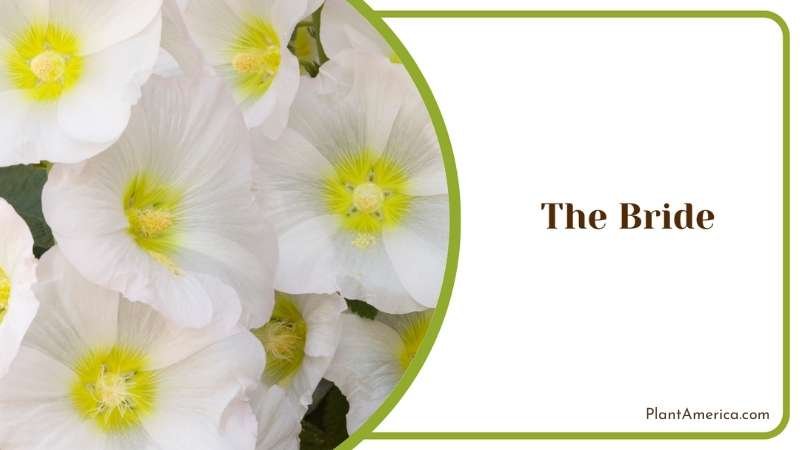
The Bride’ hollyhocks bear large, pristine white blooms suitable for the name. Growing 5-6 feet tall, they produce abundant ruffled flowers all season. The pure white color is crisp and bright, standing out elegantly in the garden. Individual blooms resemble beautiful wedding dresses swaying in the breeze.
Well-suited for cutting, ‘The Bride’ offers bountiful blooms for wedding decorations and arrangements. Extended vase life adds to their charm. Low maintenance in the garden, this variety thrives in full sun with well-draining soil. Beyond staking, it requires minimal care. Later, decorative seed heads form.
Dating to the early 1900s, ‘The Bride’ adds vintage romance with its frothy white blooms evoking nostalgia. Pair alongside soft pastels, blush tones and greenery for an enchanting scene. Graceful ‘The Bride’ hollyhocks impart an organic timelessness wherever enjoyed. Their luxurious white blooms lend an ageless bridal touch to gardens all summer through. An heirloom favorite, this variety uplifts spaces naturally with its lush beauty.
10. Hollyhock ‘O Hara
- Growing Season: Spring, Summer
- Leaf Shape: Broad, Rounded leaves
- Specific Need: Full sun, Fertile soil, Consistent moisture
- Common Pests: Aphids, Powdery mildew
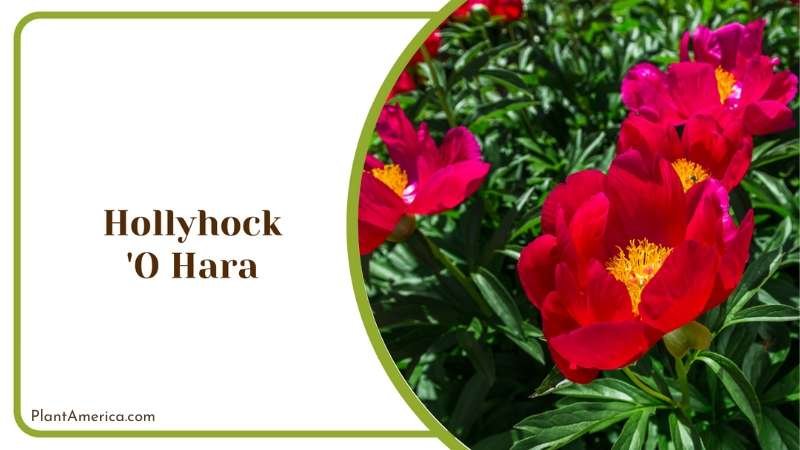
‘O’Hara’ is an heirloom variety dating back to 19th century Ireland. It produces striking blooms of burgundy red with subtle veining and streaks of hot pink throughout – a truly unique bicolor combination. Growing to five to six feet, ‘O’Hara’ is covered from top to bottom in its uniquely patterned blooms throughout the summer months. Individual flowers are ruffled and elaborate, resembling delicate stained glass windows.
This variety thrives in full sun or partial shade. It prefers rich, moisture-retentive soil. ‘O’Hara’ may need some staking in windy areas but is otherwise low-maintenance. A fantastic pollinator plant, ‘O’Hara’ attracts bees, butterflies and hummingbirds with its unusual coloration. Its blooms also make striking additions to bouquets, with their intricate patterns standing out amid other flowers.
‘O’Hara’ adds both old-world charm and artistic flair to cottage gardens, blending well with other pink and red flowers as well as deep emerald foliage. Its ethnic Irish heritage gives it an enchanting folklore association. With captivating bicolored blooms unlike any other hollyhock, ‘O’Hara’ remains a unique heirloom treasure for the flower garden. Its vivid patterns impart a touch of living art all season long.
11. Hollyhock ‘Banana
- Growing Season: Spring, Summer
- Leaf Shape: Broad, Rounded leaves
- Specific Need: Full sun, Fertile soil, Consistent moisture
- Common Pests: Spider mites, Aphids, Mildew
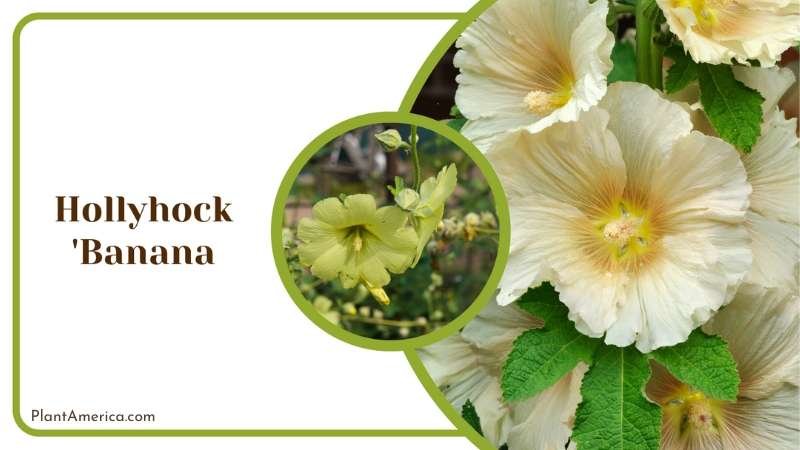
Bananas produce large, vibrant yellow blooms that really stand out in the garden. Growing 5-6 feet tall, the sturdy stalks bear plentiful frilly blooms from summer to fall. The bright lemon-yellow color is crisp and luminous. Individual blooms measure around 4 inches across, resembling oversized banana fruits that give this variety its playful name.
Thriving in full sun, Banana’ prefers rich, moisture-retentive soil. Its large flowers make great long-lasting cut blooms. In the garden, ‘Banana’ attracts pollinators and adds a cheerful splash. An heirloom variety dating to the early 1900s, ‘Banana’ brightens up borders, cottage gardens or mixed perennial plantings. It complements plants with shades of orange, apricot and purple particularly well.
Low maintenance beyond staking, Banana’ recurs reliably. Come fall it provides decorative seed heads for birds to feast on through winter. With an abundance of striking canary-colored blooms, ‘Banana’ earns its funny name. A hardworking variety, it lifts gardens with sunshine-yellow vitality wherever it’s planted throughout the growing season.
12. Double Red Beauty
- Growing Season: Spring, Summer
- Leaf Shape: Broad, Rounded leaves
- Specific Need: Full sun, Fertile soil, Regular watering
- Common Pests: Aphids, Powdery mildew
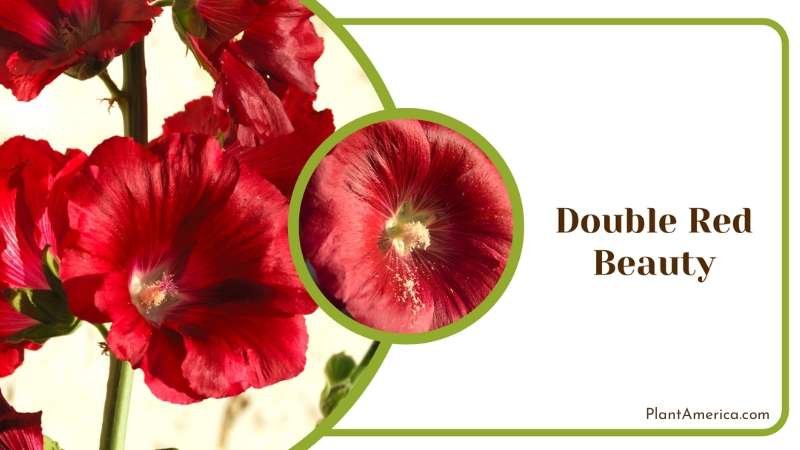
The Double Red Beauty hollyhock plant produces gorgeous, fully double crimson blooms on towering stems from spring through fall. Double Red Beauty flowers thrive in full sun and fertile soil that is amended with compost before planting. The broad, rounded leaves are medium green in color. Regular watering in the growing season is essential to keep Double Red Beauty hollyhock plants healthy and producing blossoms.
The tall flower spikes start blooming in early summer and will continue producing brilliant red double blooms through fall when deadheaded frequently. The showy flowers attract bees, hummingbirds and beneficial insects. Fertilizing monthly with an organic fertilizer through mid-summer will boost bloom production.
Double Red Beauty can be susceptible to aphids and powdery mildew, so practices like growing resistant companions, increasing air circulation and removing infected foliage promptly will help minimize pest damage. The stunning double crimson blooms of Double Red Beauty hollyhock bring lovely grace to gardens for months.
Conclusion
Growing stunning deep red hollyhock flowers in your summer garden beds can bring vibrant color and nectar for pollinators for months.
- The sunshine hollyhock has tall stalks that can grow up to 6 feet high and are topped with clusters of bright, sunshine yellow cup-shaped blooms from mid-summer through early fall, providing a cheerful pop of color to gardens throughout the warmer months.
- Standing stately in gardens across the country, the blacknight hollyhock has thick grayish green foliage and tall stems bursting with dark purple blooms that emerge like fireworks from mid to late summer, their rich hue standing out against the night sky.
- The Double Red Beauty hollyhock plant produces gorgeous fully double crimson blooms on towering stems from spring through fall.
- Halo Red produces stunning blooms in a deep burgundy shade framed by an unusual contrasting pink ring.
- The Fireball hollyhock plant produces dazzling red flowers with frilly edges on tall stems in summer.
If you take good care of your hollyhock plants from seed, deadheading spent blooms, and managing pests, you’ll be rewarded with gorgeous spikes of deep red blooms dotting your flower beds all summer and fall. The cheery charm of hollyhock flowers will brighten your days – and those of visiting pollinators – for months to come in your summertime garden.