
Azalea leaves turning brown can ruin all your efforts to grow these plants. While they are generally robust, fungal infections and specific other stresses can make their vibrant green leaves lose luster.

However, you can easily save your plants if you know what to do. Stick around as we delve deep into these issues and offer practical solutions to get your azaleas back to their green glory!
Why Do Azalea Leaves Turn Brown? Top 7 Causes
Azalea leaves turn brown primarily due to fungal infections, pest infestations, and poor soil health. Sometimes, incorrect humidity and polluted air quality can also lead to browning if you’re not growing these plants in a suitable location. Other factors include mineral deficiencies and the natural aging process of the plant.
– Fungal Infections: The Leading Reason
Whenever people ask us, “Why are my azaleas turning brown and dying,” we always suggest checking for fungal diseases. Azaleas are susceptible to various fungal infections, which can severely compromise their health. Whenever they attack, you’ll see nothing but azalea leaves turning brown and turning brown.

Azalea Leaf Spot: This collective term covers several fungal diseases resulting in spotted leaves. Such spots can range from tiny, pinpoint-sized blemishes to larger scars.
Initially, these spots might appear reddish-brown or dark brown, often surrounded by a yellow halo. Over time, these infected spots can merge, leading to a significant portion of the leaf turning brown and, in severe cases, dropping off.
Fungal Spots: Aside from the specific azalea variety, general fungal leaf spots can be a problem, too. They manifest as brown or black patches on the foliage. These spots can sometimes merge, forming larger patches of discoloration. When this happens, you will observe a decline in the plant’s overall health.
Powdery Mildew: Recognized by a powdery white substance on the leaf surface, powdery mildew can cause azalea leaves to turn brown and fall off if left unchecked. It tends to thrive in conditions with high humidity and poor air circulation.
Root Rot: This fungal disease affects the roots of the plant. While it’s primarily underground and out of sight, the symptoms manifest in the foliage. Browning of leaves, wilting, and a general decline in vigor indicate rot. Regular inspection and swift action can help prevent these diseases from causing irreversible damage.
– Pest Feeding Can Cause Browning Too
Another major concern that might have you wondering, “Why are my azalea leaves turning black?” is pests. Yes, these tiny invaders can wreak havoc on your beautiful azaleas. For example, azalea lace bugs are the common pests that harm azaleas.
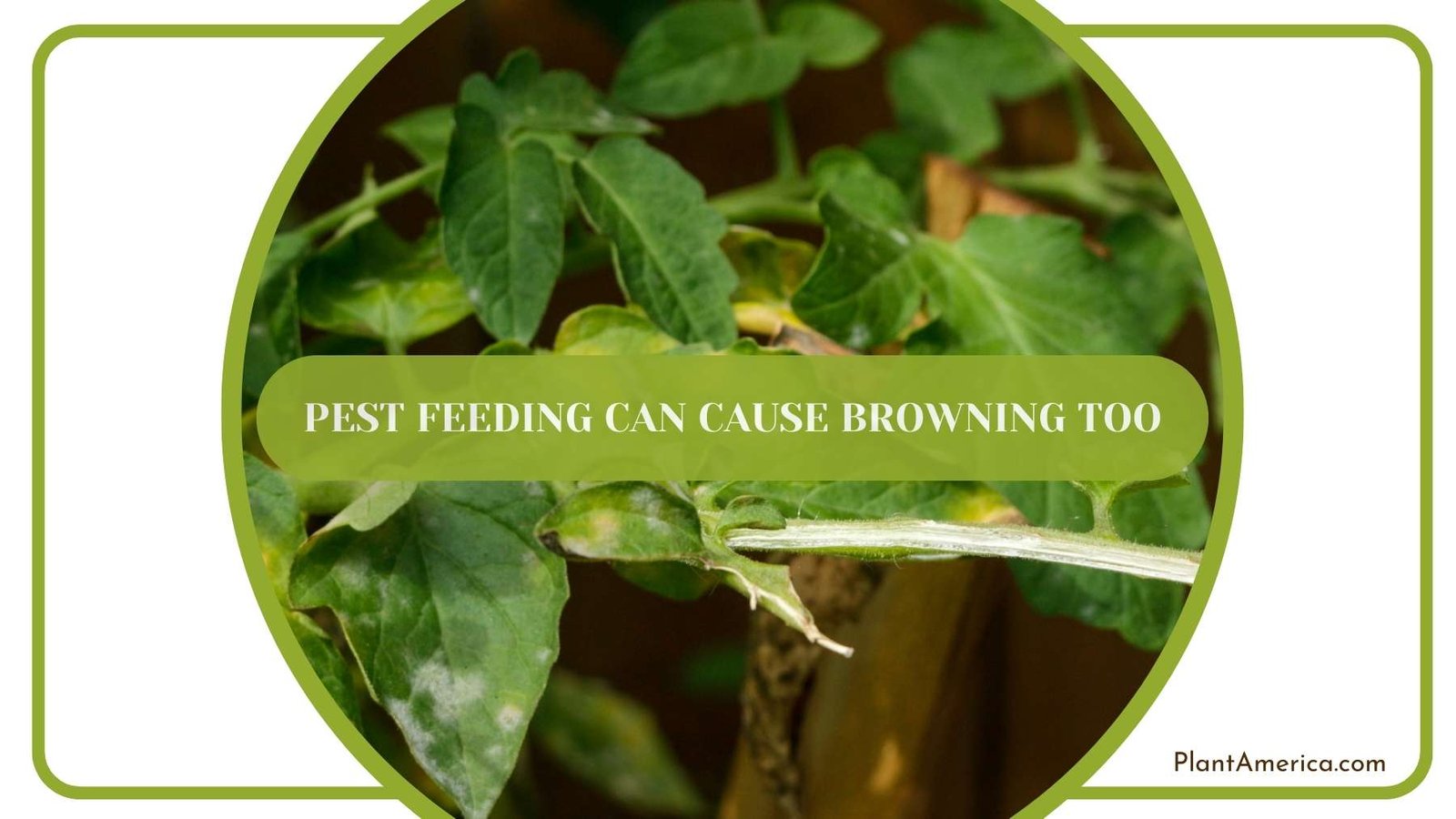
They suck the sap from the undersides of leaves, leading to a stippled or silvery appearance. As the infestation intensifies, the leaves turn black. This blackening is mainly due to their droppings and the subsequent growth of sooty mold.
– Bad Soil Health
Have you noticed your azalea leaves turning reddish brown? If so, the health of your soil could be the root cause. The two soil issues are:
Soil pH: Azaleas prefer acidic soils with a pH between 5.0 and 6.0. When the soil becomes too alkaline or too acidic, azaleas can struggle to absorb essential nutrients. As a result, leaves turn red or reddish-brown.
Soil Drainage: Azaleas are not fans of “wet feet.” This means they don’t like their roots sitting in water for extended periods. Poor soil drainage can lead to soggy conditions, depriving the roots of the needed oxygen and causing root rot.
As the roots begin to suffer, the signs become visible above ground with discolored foliage and wilting. Always remember that healthy soil fosters a vibrant, blooming azalea!
– Improper Humidity Levels
Imagine a hot summer day, and you notice your azalea leaves turning brown in summer. It’s not just the heat but the humidity level that can also influence your azaleas’ health.
On the flip side, the leaves turn yellow if the humidity is too low, especially in indoor settings or arid regions. This yellowing indicates that the plant is losing more moisture than it’s taking up, leading to dehydration.
– Poor Air Quality
Ever noticed azalea leaves turning brown in winter? Air quality can be the sneaky culprit. Azaleas can suffer when the air gets polluted or too much dust. Some people have old heaters that can also make the air quality bad.

Just like us, plants need clean air to breathe. In winter, indoor heating can dry out the air, harming azaleas. Keeping your room well-ventilated and placing azaleas away from heaters can help.
– Mineral Deficiency
Azaleas need the proper nutrients to shine. If they don’t get them, they’ll let you know. One big clue? Their leaves start turning yellow. This yellow signal often points to nutrient deficiencies. Like us needing vitamins, azaleas need their dose of essential nutrients. Make sure you’re feeding them right. A balanced fertilizer can perk them right up!

– Natural Aging
Just like all living things, azaleas age. And as they do, leaves become brown. It’s a natural part of a plant’s life cycle. Don’t panic! Brown/Yellow leaves due to old age don’t mean your azalea is dying. Simply prune the old leaves to encourage new growth. However, you must take more measures if your plant is young. Now, let’s discuss how to revive a dying azalea in detail.
How to Help Azalea Leaves To Become Green Again
To help azalea leaves to become green again, go for a multi-pronged approach. First, manage any fungal diseases if you’re sure your plants are sick. Then, regularly check and improve soil health while adjusting your watering routine. Lastly, ensure the plant gets nutrients and maintains optimal humidity.
– Fungal Disease Management
If you’re wondering how to treat brown spots on azalea leaves, do proper cultural practices to keep your plant healthy.
- First, remove affected leaves – it stops the fungi from spreading.
- Then, improve air circulation around your plant. Crowded plants are fungal magnets! A well-ventilated space is what they love.
- Next, don’t water the leaves. Wet leaves are like a party invitation for fungi.
- If the problem persists, consider a fungicide. The top choices are daconil fungicide 16 oz, bonide liquid copper fungicide, bonide infuse, garden safe fungicide 3 28 oz, bonide sulfur plant fungicide, and bonide fung-onil fungicide.

– Eradicate Pests
Bugs like lace bugs, aphids, and spider mites love feasting on azalea leaves, leading to black spots, yellow leaves, and a sad-looking plant. But don’t worry; here’s how to fight back:
- Inspect Regularly: Catch those pests early. Make it a habit to check your azalea’s leaves, both top and bottom. If you see any tiny bugs, it’s time to act.
- Spray Away: Got a few pests? A simple blast of water can knock them off. Use a spray bottle or hose, but be gentle. You don’t want to harm the leaves.
- Organic Solutions: If water doesn’t do the trick, go organic. Neem oil or insecticidal soap can be great choices. They’ll shoo away pests without harming your azalea.
- Stay Alert: Even after the pests are gone, stay vigilant. Regular checks ensure they don’t come back for a second round.
Remember, a little love goes a long way. Show the azaleas you care; they’ll bounce back, flaunting their vibrant green leaves.

– Focus on Soil Health
If you’re seeing brown leaves, take a look beneath the surface.
Ask yourself these questions:
- How’s the soil moisture?
- Is pH okay?
- Is drainage good?
If you notice issues, then do these things:
- Hydrate sufficiently: Water your azaleas regularly, but don’t drown them. Check the soil with your finger. If the top inch feels dry, it’s time for a drink.
- Drainage Matters: Azaleas hate soggy shoes. Ensure your pots have drainage holes. If planting outdoors, pick a spot that doesn’t collect water. Raised beds can also help.
- Mulch Magic: Add a layer of organic mulch around your azalea bushes. It keeps the soil moist and prevents weeds. And bonus? It breaks down over time, nourishing the soil.
- Test the Soil: Azaleas love slightly acidic soil. A pH test kit can help. Add sulfur if the potting or regular soil is too alkaline (above 7.5 on the pH scale). If it is too acidic, lime can balance it out.
– Add Minerals Properly
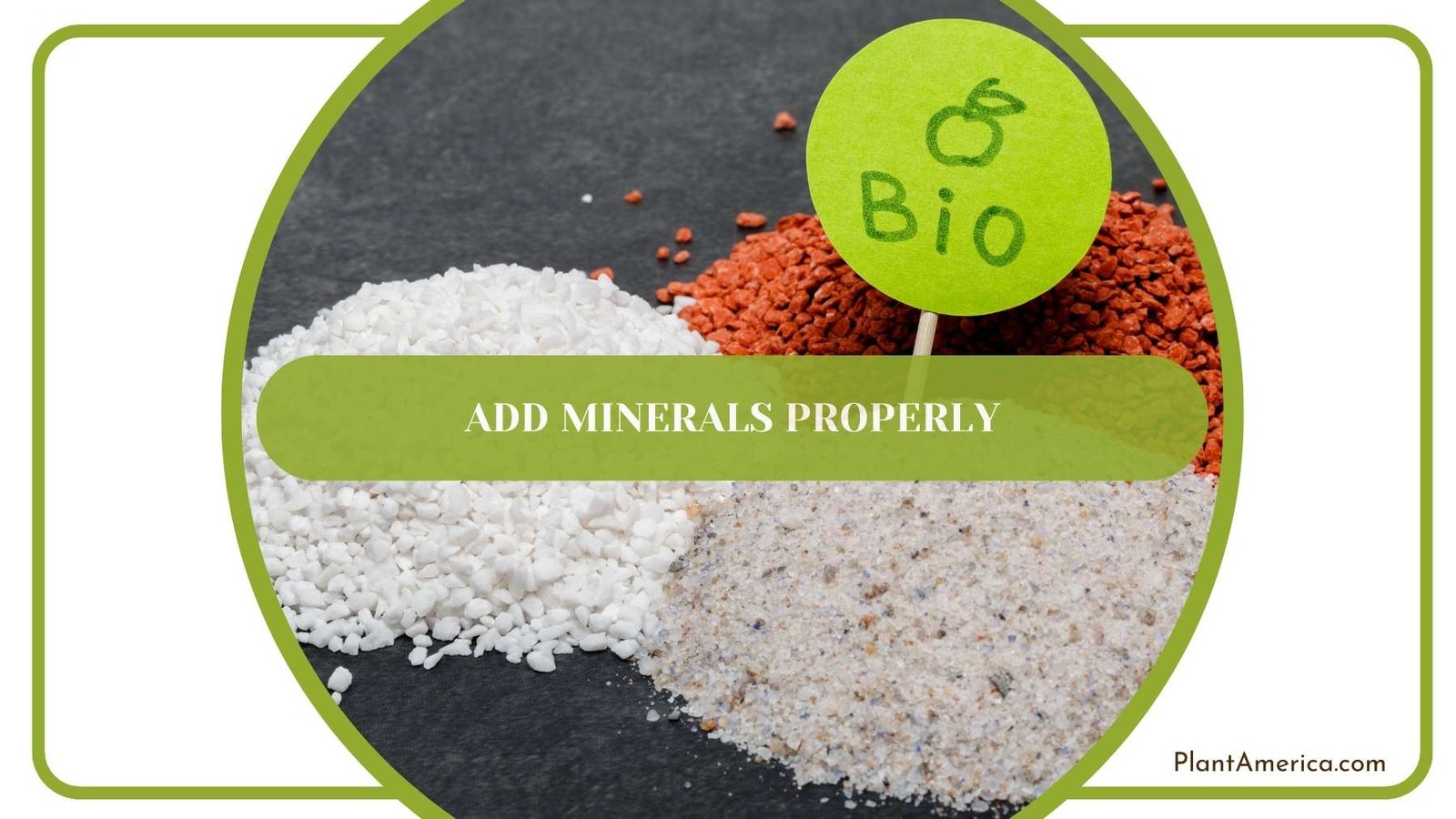
Fertilization is a critical part of gardening. Nutrients keep the plant well-fed and provide the energy to grow and bounce back from browning.
Here’s how to feed your azaleas the right way:
- Less is More: Don’t overfeed your azaleas. Follow the fertilizer’s label instructions. If it says once a month, stick to it, or fertilizer burn will occur.
- Type Matters: Opt for a slow-release, acid-forming fertilizer. Azaleas love it. It nourishes them slowly, preventing burns.
- Timing is Crucial: The best time to fertilize is Spring (just before they start blooming). Then, fertilize again in the late summer (but never in the fall).
- Look for Signs: Keep an eye on your azalea’s leaves. Yellow leaves with green veins might mean an iron deficiency. Purple leaves could be phosphorus. Adjust your feeding based on what your azalea tells you.
– Keep Humidity Within the Ideal Range
With their lush green leaves and vibrant flowers, Azaleas thrive in specific humidity levels. They don’t like it too dry or damp, so striking a balance is critical.
If your azaleas are indoors, consider the following:
- Humidity Trays: Place your azalea pot on a tray filled with water and pebbles. The water evaporates, increasing humidity without soaking the plant.
- Misting: A light spray on the leaves mimics morning dew, providing the moisture azaleas love. Just remember – do it in the mornings to prevent fungal growth.
- Group Plants: Plants release moisture. By placing several plants together, they create a micro-environment of increased humidity.

– Always Keep the Leaves Clean
Dirt, dust, and pollutants can settle on azalea leaves, blocking essential light and reducing photosynthesis.
Here’s how to maintain clean leaves:
- Gentle Wiping: Use a soft, damp cloth to wipe each leaf. This removes dust and lets the leaves breathe and absorb light better.
- Light Shower: If your azalea is potted, take it outside or to the shower. A gentle sprinkle of water can wash off accumulated grime.
- Avoid Chemicals: Nature is the best cleaner. Avoid using chemical sprays or leaf-shine products. They might give a temporary sparkle but can harm the plant in the long run.
– Keep Doing Plant Care
Like any living being, azaleas flourish with consistent care.
Here’s what to do:
- Regular Checks: Make it a habit to inspect your azaleas weekly. Look for changes in leaf color, check the moisture, and watch for pests.
- Pruning: Trim away dead or dying branches. This helps the plant look better and directs energy to healthier parts.
- Repotting: As azaleas grow, they might outgrow their pots. If roots start creeping out of the drainage holes, it’s time for a bigger home.
- Learn and Adapt: As you care for your azaleas, you’ll learn to recognize their needs and adapt your care routine.
When you do these things, the leaves will stay fresh and green (which every gardener wants)!

Conclusion
Azalea leaves turning brown can be caused by many issues, but you can fix the problem with simple solutions. We’ve compiled some of the most effective strategies for your plants in this blog, and the key takeaways are:
- Tackle fungal diseases by recognizing early signs, pruning leaves, and using fungicides.
- Maintain optimal soil health with regular checks.
- Ensure your azalea has the right balance of nutrients, but don’t over fertilize.
- Adapt your care routine to the changing needs of the plant.
By staying vigilant and proactive, you can keep your azaleas vibrant and healthy all year round!