
The Philodendron subhastatum plant of the Araceae family has a reputation for being an unrivaled beauty due to its striking leaf colorations. As an ornamental plant, the mature Philodendron subhastatum can be known to climb over structural supports such as trees and poles.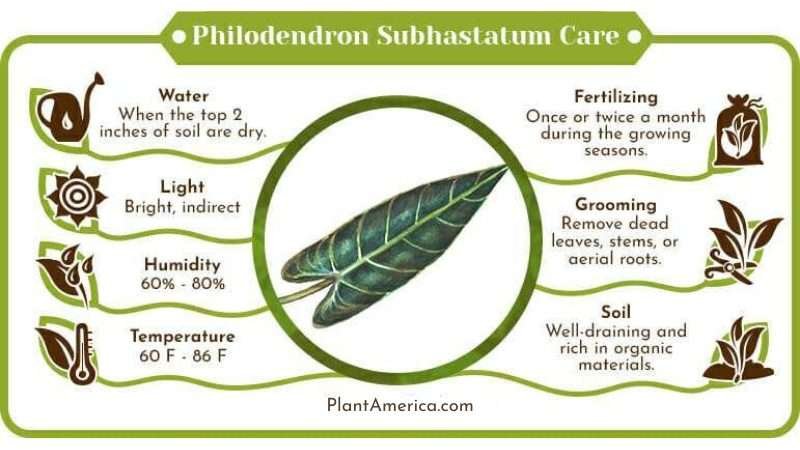
Keep reading as we will be understanding how to properly cultivate the Philodendron subhastatum plant while providing you with some tips and techniques on the best propagation methods.
What is the Philodendron Subhastatum?
The Philodendron subhastatum plant is a wonderful decor indoors and outdoors, drawing admiring glances with its green and crimson foliage. It is reputed to have strong air purification properties, this imposing tropical plant is fast becoming one of the most in-demand plants indoors.
Philodendron Subhastatum Care
Most novice gardeners are filled with trepidation when raising tropical plants, although caring for them can be amazingly simple and easy once you understand their needs.
 Water Requirements
The Philodendron subhastatum plant loves water, so you can water your plant as often as needed. However, you have to ensure that the roots do not get overly soaked and wet. You will need to tread the balance between well-watered and overwatered.
One of the easiest ways to know when your Philodendron subhastatum plant needs watering is to check the topmost inch of your potting medium. Note that if the first two inches are dry, then it is an indication that the potting medium needs to be watered.
You can use your fingers to test the moisture level of your potting medium, or you can use other methods. One of the easiest ways is to use a moisture meter to get a better gauge of the moisture level of your potting medium. Gardening stores often have these handy little gadgets to help you keep your Philodendron subhastatum plants hydrated well.
You will just need to remember that the warmer your climate is, the more often you will need to water your Philodendron subhastatum plant. Nonetheless, reduce your watering activities during the colder seasons, and only water when the topmost two inches of the potting medium is dry.
 Light Requirements
The Philodendron subhastatum plant loves high levels of bright indirect light. Being under the canopy of large trees and plants, this Philodendron has adapted easily to grow in shaded areas with ample exposure to bright indirect light.
Sensitive to direct sunlight, the Philodendron subhastatum plant can easily escape from harsh exposure.
When grown in cultivation, it is best to mimic the natural environment of the Philodendron subhastatum plant. Ideal locations would be in the east or south areas of outdoor gardens. You can place the plant indoors as well as long as it has the appropriate level of bright indirect lighting.
If your area or room does not permit you to have the Philodendron subhastatum plant face east or south, you can opt to shield the plant from direct sunlight. By using sheer curtains for indoor spaces, you prevent your plant from getting leaf burns.
You can also use garden nets to shield the plant from direct sun exposure or you can just place them under other plants and trees to protect them from the harsh sunlight.
On the opposite end, if your space has low levels of light, you may opt to purchase grow lights to supplement the Philodendron subhastatum plant with light exposure. To ensure your plant has equal light exposure all around, you can even rotate it every few weeks if you have it planted in a container.
 Soil Requirements
The ideal Philodendron subhastatum soil is well-draining with rich organic materials. This soil texture promotes the correct amount of moisture without clogging up the medium with excess water. The semi-permeable characteristic also provides the correct ventilation to the roots of the plant.
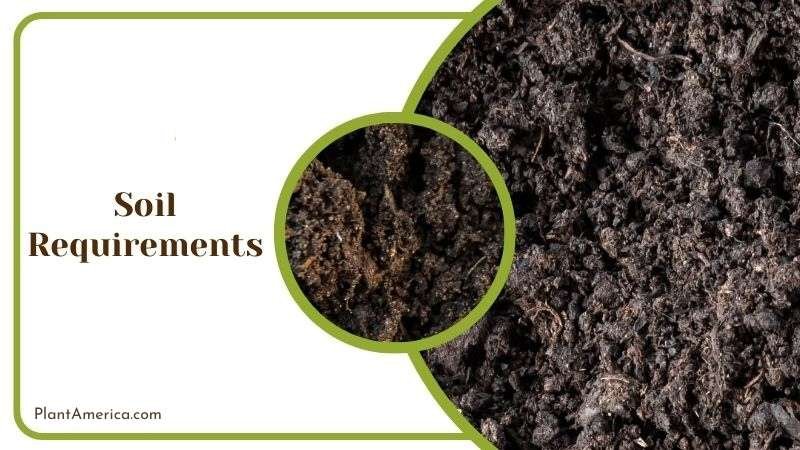
You can make your own soil mix from equal parts of loam, sand, peat, and compost. Other gardeners recommend using wood chips, wood bark, fern moss, and coco noir or husks. These materials promote drainage while providing the root system of the plant with abundant organic nutrients from the compost and the decomposing organic matter.
 Temperature Requirements
The Philodendron subhastatum plant thrives in warm conditions. By providing your plant with temperatures around 60 to 86 F, you will be rewarded with better growth development. Coupled with the right amount of light and water, the warmth will encourage your plant to grow at a faster rate.
However, when your Philodendron subhastatum plant is exposed to temperatures below 55 F, it may cause to slow down its growth rate. Prolonged exposure to this temperature or colder can result in your plant perishing from low temperatures.
If you live in regions where colder temperatures are present, it is best to keep your Philodendron subhastatum plant in a container. Containers allow the plant to be taken indoors during the colder season to overwinter as opposed to planting them outdoors in the ground.
 Humidity Requirements
The ideal humidity for the Philodendron subhastatum plant should be somewhere between 60 to 80 percent. This is due to the plant’s evolution over time which has made it well-adapted to very humid environments in its local habitat. Humidity encourages the leaves of the plant to stay strong and upright, as water loss usually causes the leaves to wilt.
However, if you live in an area where your air moisture content is low, you can do several techniques to increase the humidity.
You can raise the immediate indoor humidity of your plants by misting your Philodendron subhastatum plant instantly increases the air moisture content around the plant. Furthermore, placing a shallow tray full of gravel and water under the container of the plant can help increase the humidity.
Just make sure that the water sits just beneath the gravel and does not touch the bottom of the container.
Group plants together to increase their overall humidity. This works especially well when grouped and with shallow trays of gravel and water under each container. Additionally, you can purchase a humidifier to provide the optimal amount of humidity to your plants.
 Fertilizer Requirements
The Philodendron subhastatum plant is not a heavy feeder so it does not require ample and constant applications of plant fertilizers. Some gardeners even recommend feeding your Philodendron subhastatum plant once or twice a month.
It is more dangerous to over fertilize your plant than to under-fertilize it. Overfertilizing can cause an increase in salt levels and accumulation in the soil, which upsets the pH balance of your potting medium. When this happens, many beneficial microorganisms in the soil can perish as well.
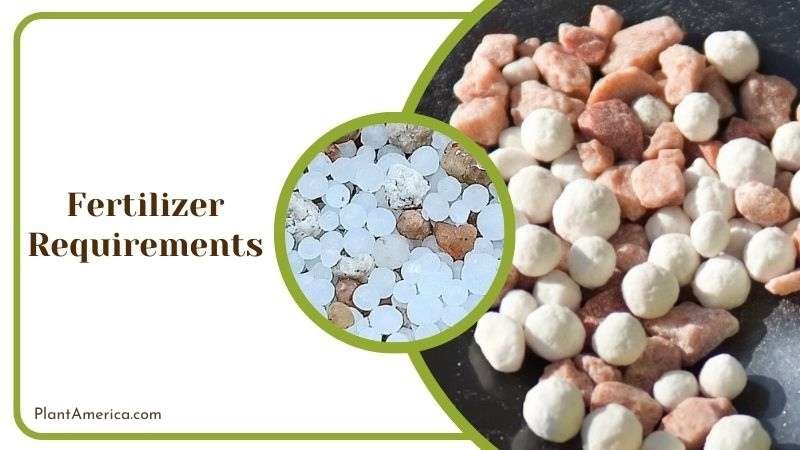
The increased salinity of the potting medium can also affect the root system of the Philodendron subhastatum plant. The roots tend to work even harder to absorb nutrients, which can cause the plant to go into shock or trauma.
Use fertilizers according to the instructions from the manufacturer. If you plan to fertilize frequently, use very diluted solutions. However, during the colder seasons, you must halt all fertilizing activities.
 Pruning
Fortunately, the Philodendron subhastatum plant does not require much upkeep and pruning. You may only need to remove any leaves, stems, or aerial roots that are visibly dead. When removing these deceased parts, you will need to make sure that your tools and equipment are clean and sanitized to prevent bacterial or fungal infections.
To make the most out of your Philodendron subhastatum plant, you should try to keep its leaves clean and free from dust. By doing this, you enhance the beauty of its striking foliage coloration as well as allow it to breathe better.
Propagation
Propagating the Philodendron subhastatum plant takes several methods. Some are easier than others, with a higher rate of viability. Here, we will discuss three methods of propagating the Philodendron subhastatum plant.
– Seeds
Using Philodendron subhastatum seeds to propagate is a very idealistic method for increasing the natural plant population. However, this method can be very complicated as not all of the seeds can be viable.
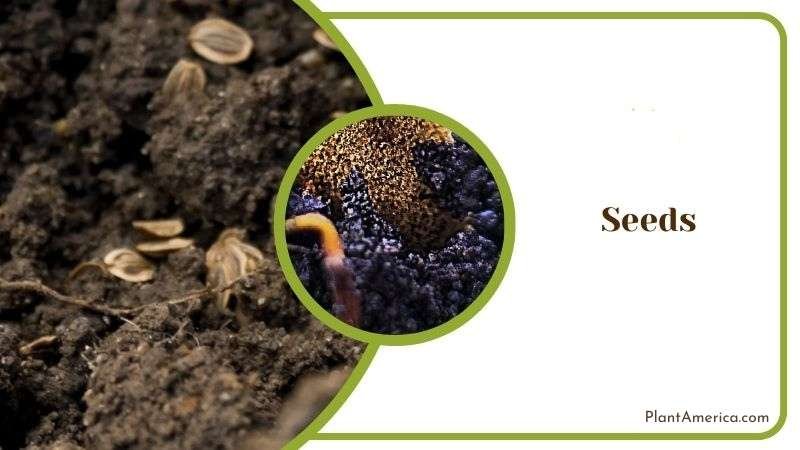
Germination, growth, and eventual maturity can take a long time especially since the Philodendron subhastatum plant is also a very slow grower. This method is ideal for gardeners who prefer to expend a lot of time and patience in growing their Philodendron subhastatum plants.
– Water
You can use the tips or stems of the Philodendron subhastatum plant as cuttings to propagate them in water.
You can start by filling a jar with water. Then, select a stem that has at least two nodes and cut it off with clean sterilized tools. Place the stem in the jar of water, taking care that the nodes are submerged in the water with two to three leaves above the water level.
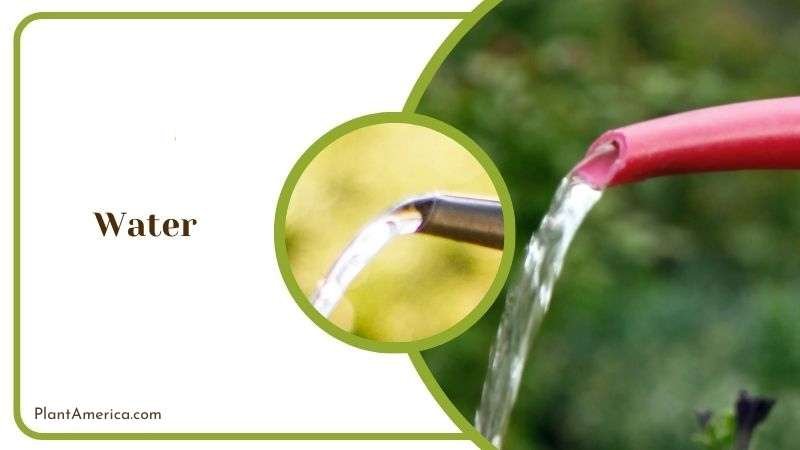
Change the water every two to three days to keep the water clean. Do not expose the jar with the stem to direct sunlight. Lastly, roots will start to develop within two to three weeks. You can slowly introduce your new seedling into its container with a suitable potting medium.
– Soil
Soil propagation works incredibly well as long as you know what to do. Here are the steps to propagating your Philodendron subhastatum plant by soil:
Fill a pot with a suitable potting medium. Pick a stem with at least two nodes, and cut it off using clean and sterilized tools. You may also opt to use a straight stem cutting as long as it is mature.
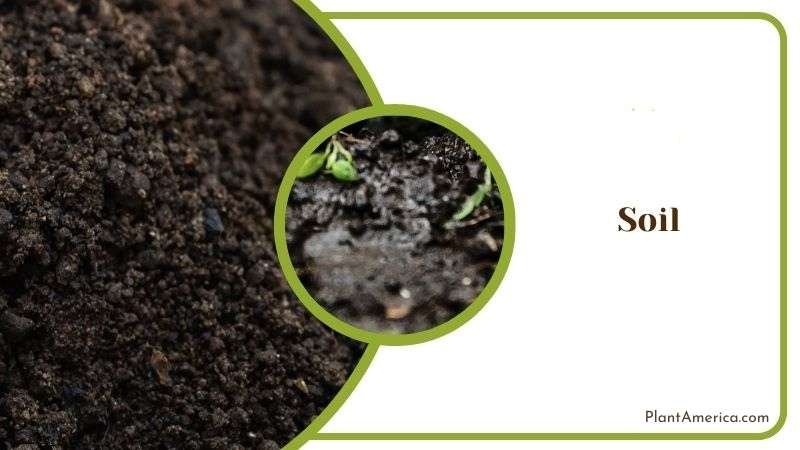
Place your cutting into the potting medium, and make sure that the nodes are under the soil. Encase the entire pot with a clear plastic cover to ensure high humidity for the plant, potting medium, and container.
Place the pot in the same area as the mother plant to ensure the cutting receives the same growing conditions. Water the stem cutting as you would with the mother plant, checking the topmost soil for dryness.
The roots should grow in two to four weeks under these ideal conditions. Once you are sure that your cutting has grown roots, you may transfer it to a larger container.
Problems
The Philodendron subhastatum plant can have some pest issues especially when the plant experiences shock or trauma from overwatering, root rot, or overfertilization. Pests such as mealybugs and other sap-suckers take advantage of the weakened state of the plant to attack it.
You can eliminate these pests by using insecticidal soap or neem oil solutions, although the best way is to protect your plants from shock and trauma. Water and aerate your plants well to prevent root rot and this should be enough as the Philodendron subhastatum plant is normally resistant to many pests.
Final note:
The Philodendron subhastatum plant is native to South America, where the humid forests provide a haven for vast biodiversity of flora and fauna. The hot, steamy jungles of the tropical continent give the plant its much-needed supply of bright light, humidity, and temperature.