
Aphids on flowers suck the nutrients out of the plants. An infestation can slowly deprive the flowers of their life. For this reason, a quick solution is mandatory.

This article lists all the effects of aphids on flowers and their best solutions.
What Are the Effects of Aphids on Flowers?
The effect of aphids on flowers is that they suffer from nutrient loss, leaf curling, and yellowing, to eventual death. Because these insects can reproduce asexually, their colony numbers can quickly grow. Aphid feeding in moderation is not harmful to plants, but an infestation can lead to serious damage.
Aphids are also important vectors of plant viruses. These viruses can cause poor plant development and yields. Gardeners should attempt to eradicate aphids when they notice signs of infestation. Leaving them for extended periods might have negative consequences like dryness and plant death. Some varieties of aphids to watch out for are”
- Macrosiphum rosae
- Aphis gossypii
- Acyrthosiphon pisum
- Brevicoryne brassicae
Aphids can significantly harm flowers, affecting their growth, beauty, and overall health. These seemingly innocent insects can have far-reaching effects on the well-being of the floral world, from sap depletion and restricted growth to disease transmission and diminished reproductive success.
Effective pest management measures are required to protect flowers and keep garden ecosystems vibrant. The following context defines the aphid damage in more detail:

– Leaves With Holes
Aphids extract sap from the plant’s leaves and stems using pointed mouthparts. They make tiny holes in the plant leaves as they congregate on it. They cling to unopened buds, flowers, and stems to suck plant sap, especially the green aphids on plants.
– Honeydew
When the aphids are sucking the sap from the plant, they inject saliva into it to help them build the holes. Honeydew, a sticky and glittery substance, is left on the leaves.
Honeydew contains sugar, which attracts ants and yellowjackets, who feed on it. It adheres to the plant’s leaves, bark, lawn equipment, and furnishings. Because honeydew is sticky, it causes the leaves to stick together, resulting in mold and poor respiration.
– Aphid Feeding
The constant feeding of aphids might restrict flower growth. Flowers do not develop to their maximum potential because sap is required for cell proliferation and division. As a result, they may be less brilliant and smaller than healthy blossoms.
– Deformation and Curling
As aphids feed on the plant’s tissues, they inject saliva, which includes enzymes that can destroy the structure of the bloom. This causes flower petals, leaves, and stems to deform. Misshapen or curled flowers may be observed, which damages their beauty and inhibits their ability to photosynthesize efficiently.
– Yellowing and Wilting
Flowers may show signs of stress as the sap is drained and plant tissues are harmed. Aphid infections frequently cause yellowing of leaves and petals. Flowers wilt early as a result of a lack of necessary nutrients.
– Plant Disease Transmission
Aphids can act as vectors for various plant diseases. They acquire viruses and bacteria as they feed on diseased plants. When they move on to feed on healthy flowers, they might spread these illnesses throughout the garden. This transfer can cause significant harm, if not death, to afflicted flowers.

– Honeydew and Sooty Mold
As they feed on sap, aphids emit a sugary liquid known as honeydew. This sticky fluid accumulates on the blooms, fostering the growth of sooty mold. The black fungus covers the surface of the blossom, preventing photosynthesis and weakening the plant further.
– Reduced Reproductive Success
The basic function of flowers is to reproduce and generate seeds or fruits. Aphid infestations, on the other hand, can sabotage this process. Damage to the flower’s reproductive structures, such as pistils and stamens, can result in reduced pollen viability and difficulty in fertilization, resulting in fewer or less viable seeds and fruits.
– Plant Vigor is Reduced
When aphids feed on blooms, the plants redirect their resources to mend injured tissues. This diverts energy from other critical activities, reducing the plant’s overall vigor and making it more vulnerable to other stressors and pests.
How To Get Rid of Aphids Permanently?
To get rid of aphids permanently, start by spraying them with water, using pesticides and insecticides, and refraining from over-fertilization. Keeping aphids off your plants begins with good gardening habits that keep them out of your yard in the first place.

Although to prevent aphids is preferable to intervention, a few tips and tactics can help you permanently eliminate aphids. The most difficult aspect of eradicating aphids is catching an invasion before the colony has expanded and become unmanageable.
Plants can recover from aphids and provide productive crops if one of the natural control strategies listed below is implemented early and efficiently.
– Don’t Over-Fertilize Your Plants
Speaking of newer growth, aphids are drawn to juicy, sensitive young branches, so avoid over-fertilizing your plants to keep their numbers in check. Excess nitrogen stimulates new development, which aids in the survival of new generations of aphids.
Instead of applying fertilizer immediately, feed your plants in tiny amounts throughout the season or use an organic slow-release fertilizer only when necessary.
– Water Your Plants Frequently
Plants are more susceptible to stress during droughts. Therefore, high summer is a prime season for infestations. Plants are more fragile in hot, dry weather because they can’t create the compounds they need to ward off pests.
Drought can also boost the quality of plant sap, making it more attractive to aphids. Sugars and nitrogen become denser in drought-stricken plants, allowing aphids to get more useful food in a shorter period. To keep aphids at bay in your yard, avoid underwatering (or overwatering) to keep your plants healthy and strong.
– Encourage Beneficial Insects To Visit Your Garden
Aphids have natural enemies such as lacewings, damsel bugs, big-eyed bugs, parasitic wasps, ladybugs, and hoverflies, whose adults and larvae eat aphids. This is a great way of controlling aphids.
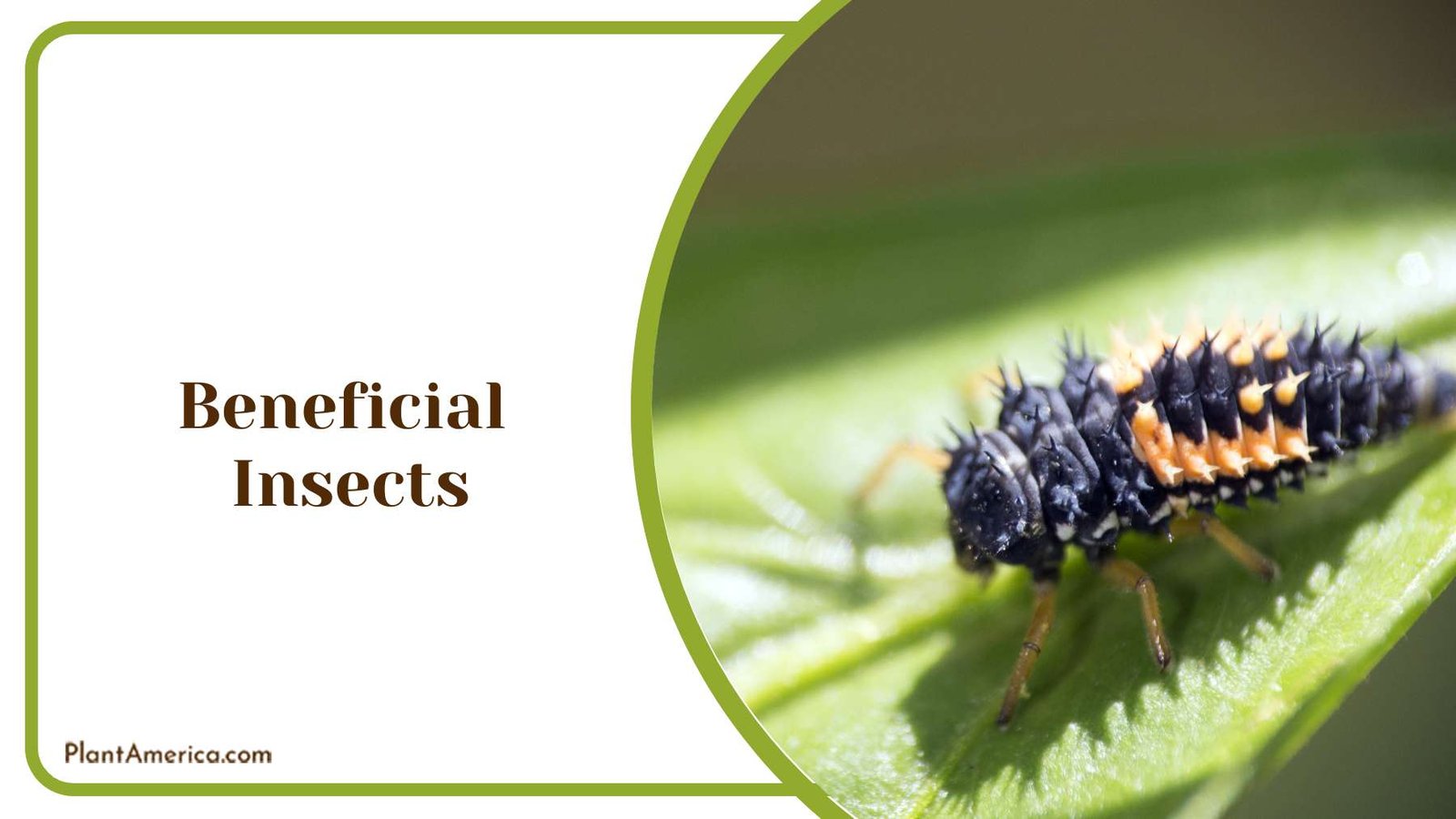
The mere existence of parasitic wasps has been discovered to scare aphids to the point that they drop off the plant and perish on the ground. People frequently leave a tiny colony of aphids on specific plants to feed and keep ladybugs and other helpful insects at bay. Grow various nectar-rich blooms to attract more beneficial bugs to your yard.
Umbels, flat, single-headed blooms, and clusters of florets are all beneficial flowers and natural predators. A list of easy-to-grow, pollinator-friendly plants may be found here. Using “banker plants” to institute parasitic wasps as a biological pest management strategy is a popular method to control aphid infestations among greenhouse gardeners.
Plants with natural pest-repellent characteristics should be planted around your yard. Plants with strong fragrances are known to repel aphids and other pests naturally; all you have to do is plant them throughout your yard. Aphids are repulsed by the strong aroma of marigolds and catnip, making excellent companion plants for valuable crops.
Herbs that we perceive to be extremely aromatic, such as cilantro, chives, dill, fennel, and peppermint, also have aphid-repellent scents. Plant them in containers or garden beds close to your vegetables to aid from their pest-repellent properties.
– To Attract Aphids Plant a Trap Crop
A trap crop is a sacrifice plant (or decoy) designed to attract beneficial insects, including aphids, and keep them away from your more important plants. Trap cropping is another type of buddy planting since it works best when planted near or around the plants you want to protect.
Because aphids naturally tend to come in from the outdoors, plant trap crops, also called companion planting, around the sides of your garden early in the season (at least a couple of weeks before your other plants) so they have time to expand and bloom before your primary crops. Nasturtiums, calendula, and nettles are excellent aphid trap crops.
You can compost aphid-infested plants if your compost pile reaches a high temperature to deter aphids (about 140 degrees fahrenheit is ideal), but make sure the compost is far away from your garden area. Use a powerful water spray to get rid of aphids on your plants.
A simple, forceful blast of water is one of the best and easiest natural cures for getting rid of aphids fast and effectively (not to mention inexpensively).
After all, everyone has a yard hose; point it toward the afflicted leaves and stems to spray the aphids away. Most black bean aphids cannot crawl back up the plants to feed due to their weak legs. The water will help rinse part of the “honeydew” away while preventing an ant infestation.
Repeat as needed every few days until the population is decreased. Consider the following organic aphid control measures if your plants are very young, fragile, or have a significant infestation where it is not viable to soak them regularly.
– Aphids Can Be Killed Naturally by Using Insecticidal Soaps
You can kill aphids more easily than other garden pests due to their delicate bodies. They are especially vulnerable to natural chemical controls such as soaps and oils, which disturb the structure of their membranes and cause them to suffocate.
The soapy water is particularly effective when applied directly on aphids and overwintering myzus persicae aphid eggs. It’s also an effective approach to removing aphids on indoor plants (since you can’t introduce beneficial insects or spray them with water). For those asking what kills aphids instantly, this is the answer.
Use soap only where you notice aphid colonies—typically on the undersides of leaves—rather than treating the entire plant. The soap works when it comes into contact with insects and when they are moist.
It is not systemic; it remains on the surface and loses potency once dry. With this recipe (just two components), you may produce your soap at home and extend its effectiveness by adding peppermint or eucalyptus essentials, whose strong odors may help repel new aphids.
Other effective remedies include neem and horticultural oil, which must be applied directly to the pests.

– Dust Your Plants Lightly With Diatomaceous Earth
Diatomaceous earth, also known as DE or diatomite, is a silica-containing sedimentary rock (or, more precisely, the fossilized remnants of small aquatic organisms known as diatoms). It collects naturally in rivers, lakes, and oceans, where it is mined. When used in combination with neem oil, the results are good.
The granite crumbles easily into a fine white powder that is harmless to people (as long as measures against excessive inhalation are taken) but lethal to pests like aphids. While we can’t see them, diatoms contain razor-sharp edges that may tear through the waxy exterior layer of an insect’s body when they come into contact with it. This permits moisture to escape the insect’s body, drying it fatally.
Conclusion
Aphids can cause significant harm to your flowers and should be eliminated as soon as they are identified. Here is what you can do to solve the problem:
- Examine the upper and lower sides of the leaves, as well as the plant’s bark or stem, for signs of infection to control aphids.
- You can manually remove aphids with your hands and hosepipes, but blending essential oils is an excellent alternative.
- Insecticidal soap works well, and so does a powerful spray of water.
With this comprehensive information to guide you, we hope you will say goodbye to aphids on flowers very soon!