
Philodendron stenolobum plant of the Araceae family is a tropical hybrid known for its long, narrow and dramatic leaves. An absolute stunner this plant with its wavy variegated leaves is a favorite of most gardeners due to its evergreen foliage.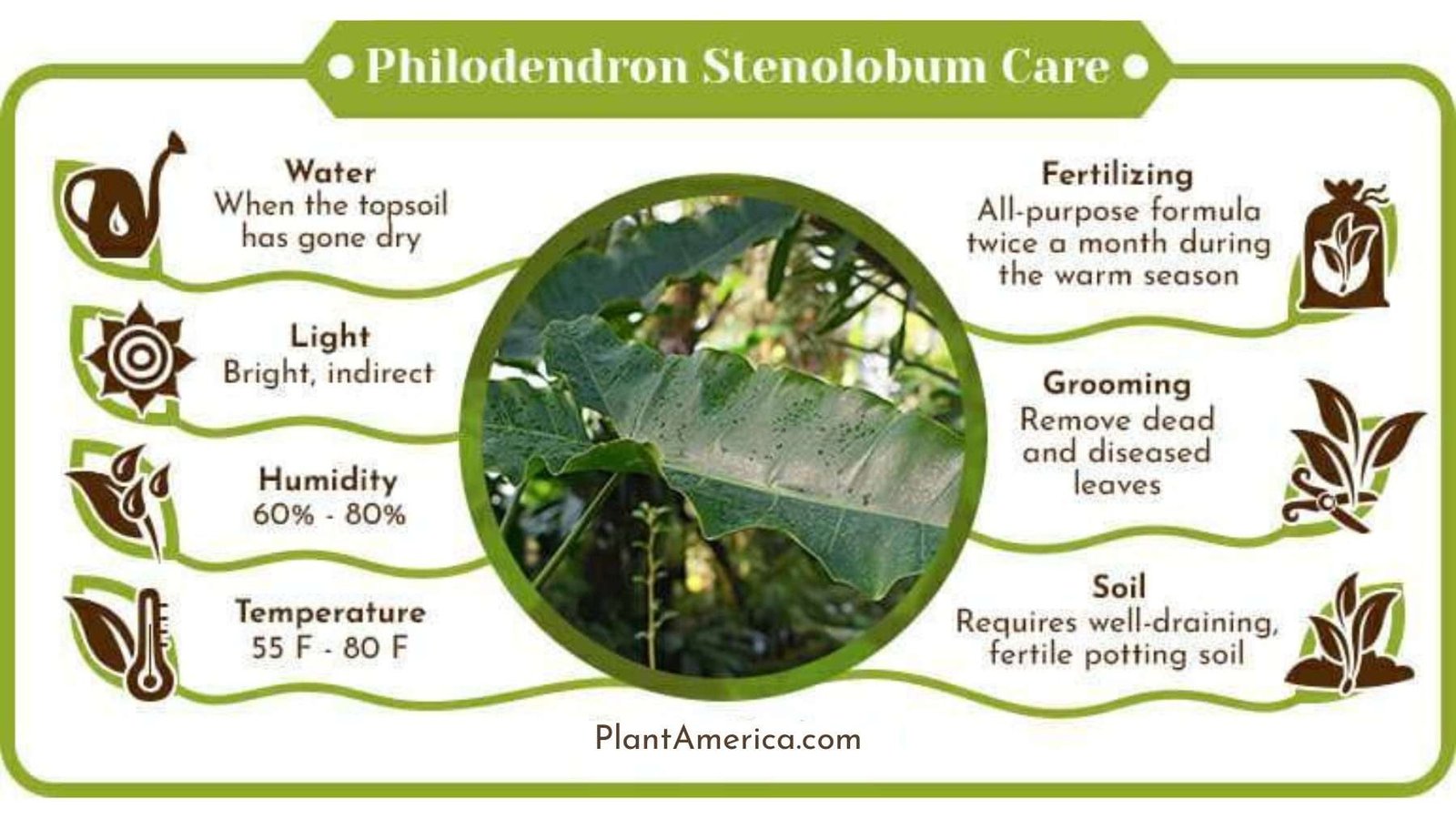
In this detailed guide, our experts list out the complete plant care process along with propagation techniques. If you are keen on growing this plant, then read on to know how you can care for and maintain this philodendron genus plant easily and also tackle the most common problems faced by it.
What is a Philodendron Stenolobum?
A Philodendron Stenolobum variegated is an evergreen plant that has large leaves about two feet in length. Native to South America, the plant is low in maintenance and its thick foliage is a delight to many plant lovers. It is grown indoors in pots as well as outdoors as a feature plant.
Philodendron Stenolobum Care
Growing this philodendron requires just basic gardening knowledge. In the below section, we cover each of these aspects in more detail so that you exactly know how to care for and grow your plant. Read on for all the information.
 Water Requirements
Water your thaumatophyllum stenolobum once a week or when you notice that the topsoil has gone dry. As important as it is to not underwater a plant, overwatering has equally disastrous effects.
Thus always check the levels of moisture in the soil before adding in more. Warmer months will require more frequent watering twice a week. Scale back during the colder months to prevent the occurrence of soggy soil or rot of the roots.
 Light Requirements
This philodendron variety is similar to the other varieties in its family and does not fare well in direct sunlight or dim light conditions.
The plant needs medium to bright light to ensure its leaves stay vibrant and healthy. However, avoid exposing the plant to direct light for too long. In general, it fares best with 70 to 80 percent of the sun during the day.
 Soil Requirements
Philodendron stenolobum narrow requires well-draining, fertile potting soil. Thus, use a mix that includes organic matter with orchid bark, perlite and peat. Avoid loamy or clay soils as they tend to retain a lot of moisture.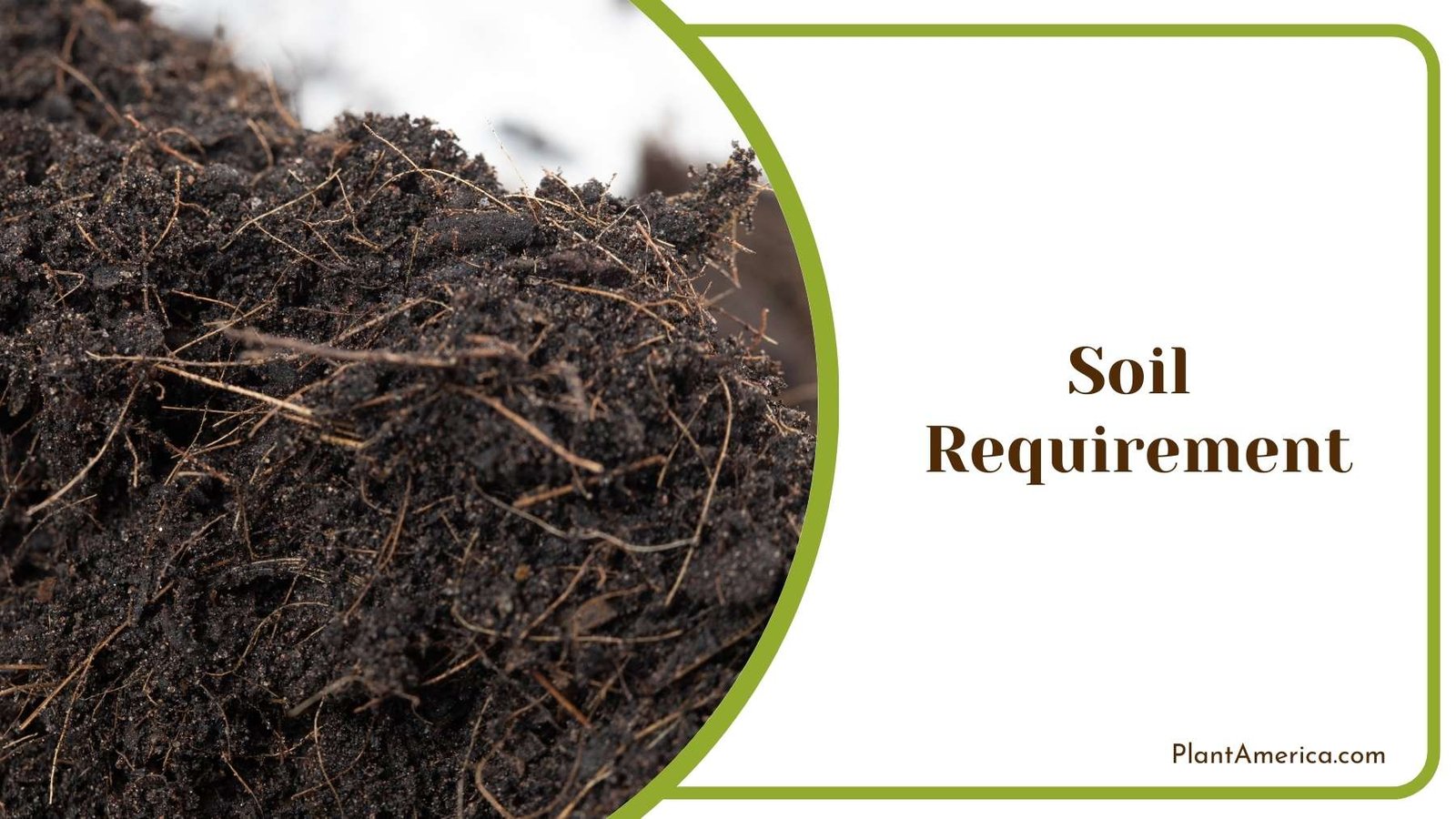
Additionally, include mulch and hummus to improve drainage. The soil also needs to be slightly acidic with a pH range of 5 to 6.
 Temperature Requirements
The plant loves a warm climate with a temperature range between 55 degrees to 80 degrees Fahrenheit. It will not fare well in temperatures below 40 degrees Fahrenheit so keep it away from chilly winds, frosts and cold drafts.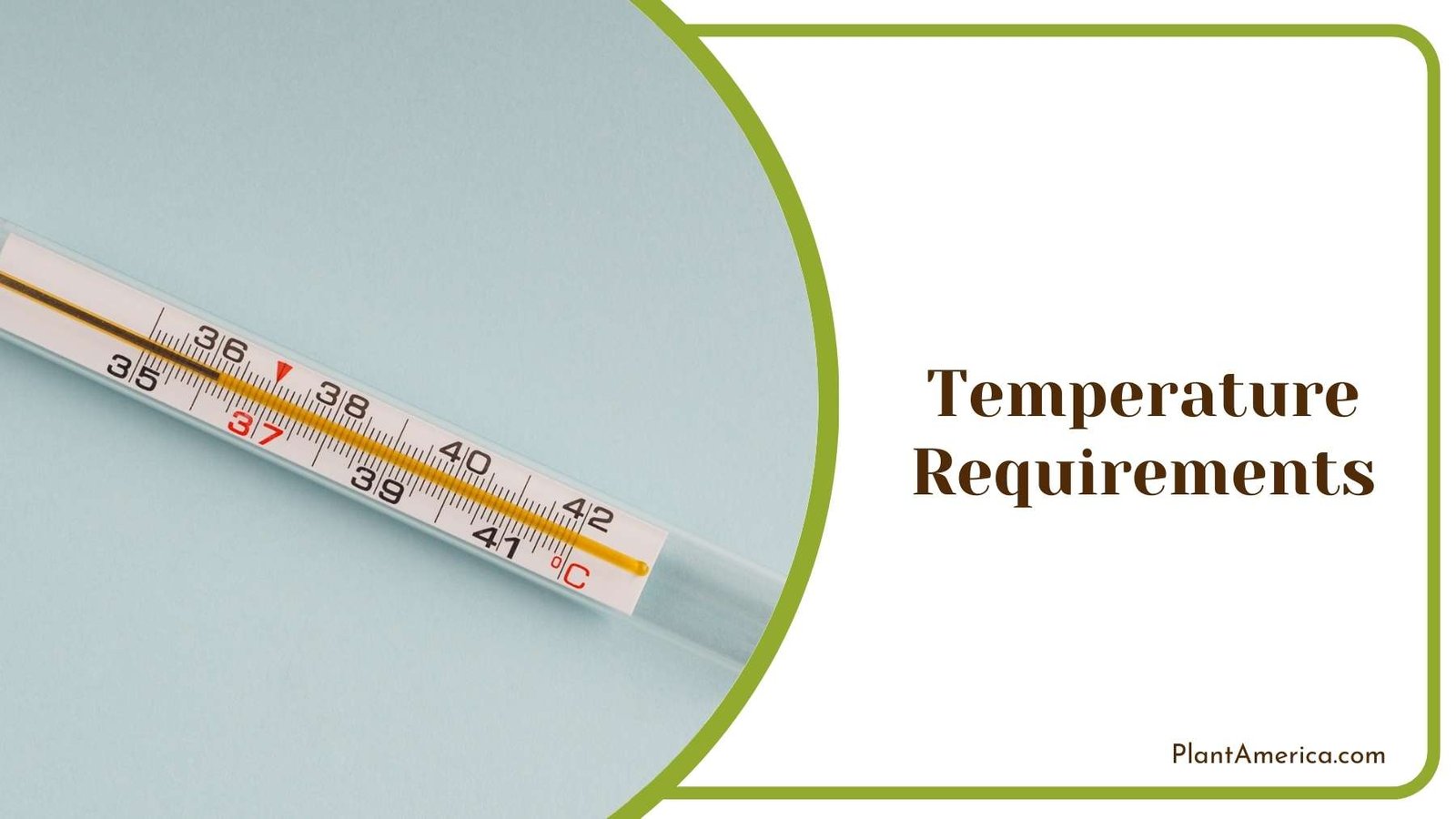
At the same time, extreme heat can scorch the leaves and cause burn spots. Keep the temperature constant and away from fluctuations. Additionally, move the plant away from the air-conditioner and heater vents.
 Humidity Requirements
As a philodendron variant, the plant requires moderate to high humidity between 60 to 80 percent. Promote moisture around the plant by grouping it with similar tropical plants or placing a pebble tray below it filled with water.
Additionally, mist the plant frequently to boost moisture levels, especially during the summer months. Take care not to overmist the plant as this could result in fungal infections. For indoors, use a humidifier to maintain the right levels.
 Fertilizing Requirements
The ideal time to fertilize the plant is during the growing months of spring and summer. Use an all-purpose formula twice a month during the warm season and scale back in winter.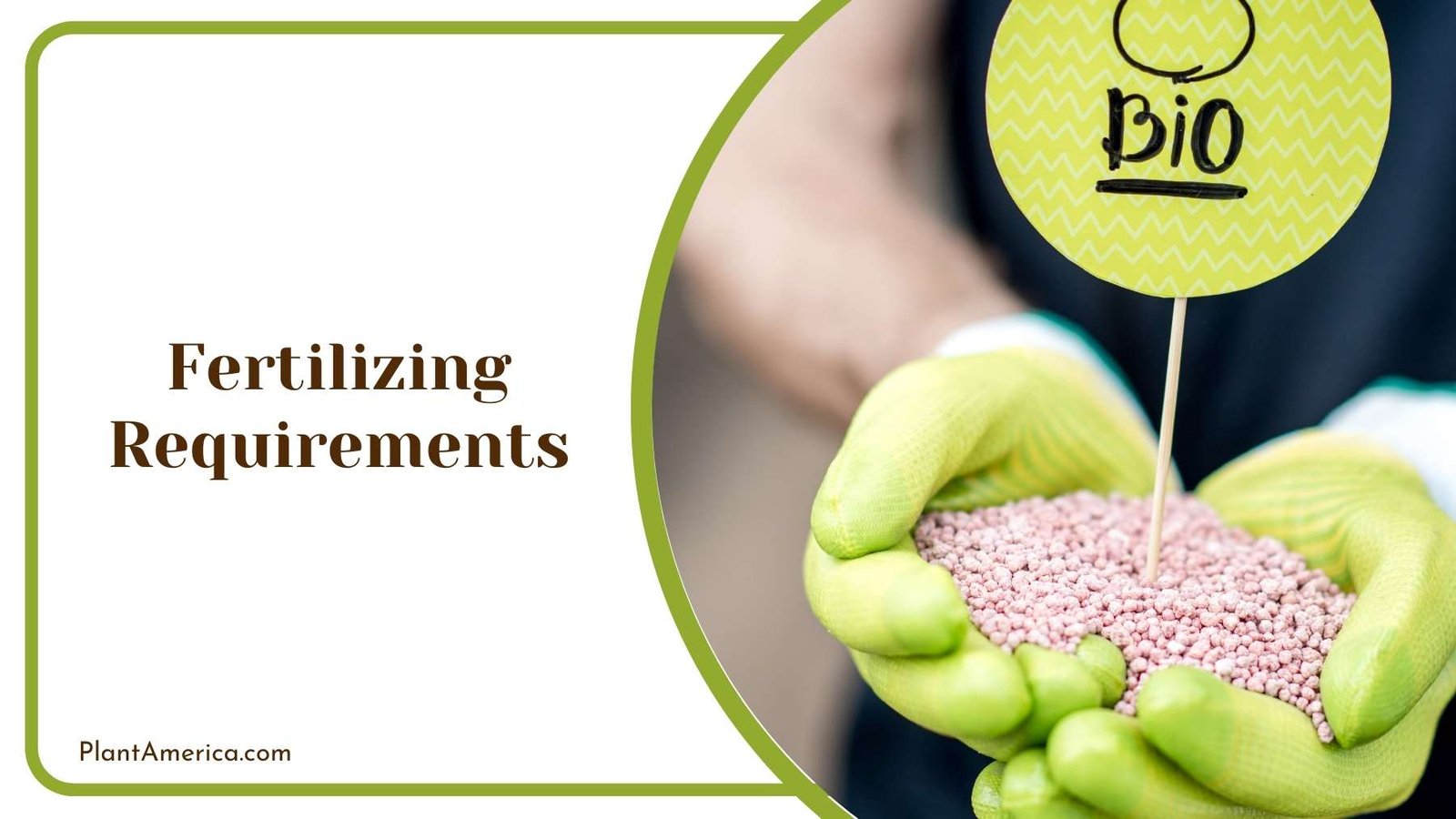
Do not over-fertilize the plant as this may lead to a salt build-up in the soil.
 Pruning Requirements
Philodendrons are manageable plants and thus do not require very frequent pruning. However, you could prune to remove dead and diseased leaves and boost the fresh growth of the foliage. Always remember to use sterile pruners to snip away leaves to prevent the spread of bacterial and fungal infections.
Propagation
Propagating stenolobum is extremely easy. You can get fresh new offsets of the plant by using stem cuttings from a mature adult plant. All you need to know is the right technique, along with basic gardening tools. If you find philodendron stenolobum price high, then read the details of the procedure listed in the below section to propagate your own.
– Right Season To Propagate
The right season to propagate the plant is during the warmer months of spring and summer when the plant is in its growing phase. Avoid winter months as the cold temperatures will not help the plant establish roots well. Utilize the warmth of the summer months to propagate the plant as not only will the stem section root faster, but it will also lead to a healthy offset later on.
– Tools Required
Here is a list of tools you will need to keep handy before you begin the process. Sterilize each of them with a diluted solution of isopropyl alcohol.
Begin with getting a clean and sharp knife or pruner, in addition, please make sure that you sterilize the sharp tool using rubbing alcohol in order to be safe and stay away from any type of infestation or harmful bacteria.
Furthermore, make sure you have a suitable potting mix for the plant so that the roots of the plant will be safer and grow in the right soil. Lastly, you will need a pot or container with proper drainage holes, so that the excess water would drain from the holes.
– Propagation Method
Philodendron stenolobum propagation can be done easily using a stem section from a healthy adult plant. You can also opt to propagate using seeds, however, the process is slower and less successful in comparison to using stem sections. Find below the exact way you need to propagate using stem sections.
Begin from a healthy and mature plant, gently snip a section of the stem of about three to six inches. The cut needs to be angular just above a leaf node. Keep a leaf or two intact in the cut section
Furthermore, you may plant this cut section in slightly moist potting soil such that the leaves are above the soil. Alternatively, you could choose to place the stem section in water and transplant it later into the soil, once it begins to root.
in this step what you have to do is you must place the pot or jar in partial sunlight and warmth ensuring there is humidity around it.
Lastly, you have to know that in a couple of weeks, the cut section will develop its roots and juvenile leaves. Nonetheless, at this stage, if you have rooted it in water, you could transplant it to a light potting mix. You will notice initial transplantation shock, however as the plant picks up growth, it will recover from it.
Problems
The stenolobum is surely an easy plant to grow, however, it still faces a few common problems. Find listed below a few of the most common problems and some quick solutions to tackle the issue.
– Pests
The most common houseplant pests that can infect are aphids, spider mites and mealybugs. These pests can occur even if you are growing the plant indoors, so you have to be watchful.
Pests form webs on the underside of foliage to lay eggs and suck the juice off the plant causing yellowed leaves, limp stems, droopy leaves and stunted growth. Thus, apart from treating the infestation, it is also important you work towards preventing their occurrence.
Isolate the plant to reduce its spread as soon as you spot any sort of infestation and treat the affected areas with insecticidal alcohol. To prevent pest infestations, do regular checks for web-like textures on the undersides of leaves.
Snip away such sections from the plant as soon as you spot them. Keep the plant dust free and mist frequently with organic solutions such as neem oil as their odor repels these houseplant pests.
– Root Rot
This occurs as an outcome of overwatering the plant. As much as underwatering is not good for the health of the plant, overwatered soggy soil leads to the roots’ fungal growth. The excess moisture in the soil affects roots preventing them from taking in adequate oxygen that the plant requires. Thus it can wilt, droop, fade leaves, and may even eventually die.
Thus it is necessary to prevent this condition by monitoring your water schedule. Ensure the soil is light and well-draining and the plant is in a container with proper drainage holes. If you suspect it, gently pull out the plant from the soil and check for blackened sections. Gently snip away these sections and repot the plant in fresh potting soil.
– Dying Plant
An incorrect watering schedule is the prime cause of a dying plant. A thirsty plant is under stress and the roots are seldom able to absorb the nutrients from the soil. On the other hand, overwatered soggy soil fails to take in the required oxygen. Thus, it is very important to maintain the right frequency of watering.
Water the plant just once a week or when the top soil is at least one inch dry. Increase the frequency of watering in warm months and scale back on colder days. You will also need to boost the growth of the plant by regularly fertilizing it with a balanced formula.
– Roots Sticking Out of Drainage Holes
Roots stick out of drainage holes when they get root bound, causing water to remain on the topsoil. This can lead to rot of the root thereby hampering the overall health of the plant. As soon as you spot roots sticking out, note that it is time to move the plant to a pot one size bigger.
Gently tap the plant out of the container, loosen the soil around the roots and plant it in a bigger pot. The plant may bear a droopy look for two days, which is caused due to transplantation shock. Care for it as you would and you will find it picks up health very soon.
– Erwinia Blight
Erwinia blight is specific to philodendron plants and they infect the plant from the soil and spread throughout the foliage. They cause lesions on the stem and leaves in the form of water-soaked lesions.
However, the diseased plant over time develops yellowed leaves, stunted growth, and bigger wet lesions, destroying the entire plant. You will also find that the plant begins to emit a foul smell as the lesions begin to tear and leave behind deep holes.
The only way to treat this condition is to prevent its spread. Prune the diseased sections entirely and dispose of them away from your garden and soil. In milder cases, you may repot the plant in fresh soil after snipping away the affected areas. Scale back on fertilizing the plant at this stage of disease as a nitrogen formula can increase the occurrence of the lesion.
– Brittle Leaves
Find your plant’s leaves turning gray and brittle? This is an obvious sign of a thirsty plant. Under stress conditions of being underwatered, the philodendron leaves turn crispy and change color. Nonetheless, monitor your watering schedule as per our care section to rectify the problem and bring the plant back to health.
– Xanthomonas Leaf Spot
Xanthomonas Leaf Spot is a bacterial infection that is known to specifically attack the philodendron. The bacterium affects the plant by entering from the soil and working its way up through pores in the stem and leaves. It results in yellowed leaves and red spots all over the foliage, which turn brown over time.
Unfortunately, there is no bactericide to treat or control the spread of this bacterial infection. You can gently snip away the affected sections to reduce their spread. The only solution, however, is to prevent its occurrence by addressing the cause of the infection.
Avoid excess humidity conditions around the plant. Do not overmist or overwater and ensure the soil is well-draining. Place the plant in a well-ventilated spot with moderate levels of warmth.
– Stunted Growth
Have you placed your plant in spots with low light conditions, or where the temperature is below 50 degrees Fahrenheit? The plant needs moderate to bright light to thrive and grow. A well-ventilated spot away from frost and cold conditions is necessary to ensure the plant can retain its green foliage and grow in height and width.