
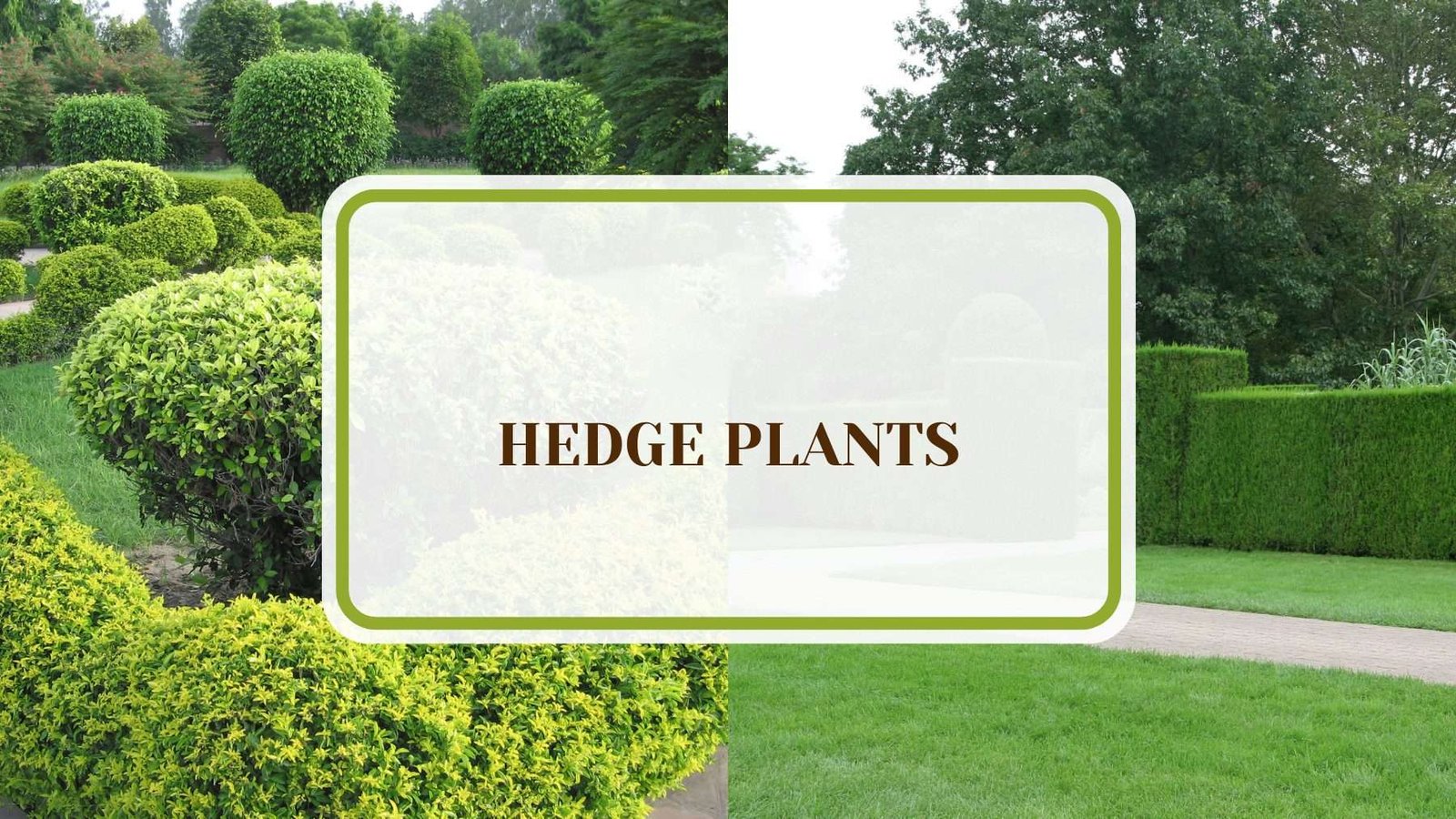
Hedge plants for your yard are fast-growing, inexpensive, and provide year-round privacy and beauty with minimal effort. They are one of the easiest ways to add beauty to your yard instantly — whether you need a living fence to screen out neighbors or divide spaces, the right hedge plants can quickly transform your landscape.
We’ll cover fast-growing hedges that fill in quickly, inexpensive choices for tight budgets, and evergreen versus deciduous varieties to meet your specific needs. Read on to find the perfect hedge to hide unwelcome sights, muffle unwanted noise, and frame outdoor spaces in your yard with natural beauty.
Hedge Plants for Privacy and Beauty in Your Backyard
1. English Laurel

- Growing season: Year-round.
- Leaf shape: Elliptical, Lance-shaped.
- Specific needs: Light shade, Regular pruning.
- Common pest: Scale insects, Aphids.
The evergreen English laurel grows up to 20 feet tall and 15 feet wide, forming a dense rounded hedge. Its dark green, glossy leaves are elliptic to lance-shaped. English laurels thrive with regular pruning to maintain a dense, compact hedge. They grow best in light shade and moist, well-draining soil. In hot climates, laurel hedges require supplemental irrigation when rainfall is insufficient.
Check foliage regularly for signs of damage from scale insects and treat, if needed, with horticultural oil or insecticidal soap. Regular spraying helps keep infestations under control. The dark green foliage, dense growth, and year-round evergreen character make English laurel an excellent option for hedges that provide living barriers or sight screens.
When pruned into formal or informal shapes and provided with regular moisture, English laurel hedges establish quickly and eventually fill in to form thick barriers that mask unwanted views while adding lush greenery to the landscape year-round. For the best results, plant English laurel at spacings between 12 and 24 inches apart — this depends on how fast you want the hedge to fill in.
Consistent moisture is key, especially during the first two years as the plants become established. In colder climates, protect young laurels from winter sun and wind with burlap or evergreen boughs to help them get off to a healthy start. Once mature, English laurel hedges require minimal effort while providing shapely evergreen beauty for decades in the landscape.
2. Privet
- Growing season: Summer, Spring.
- Leaf shape: Oval, Lance-shaped.
- Specific needs: Full sun, Regular pruning.
- Common pest: Scale insects, Japanese beetle.
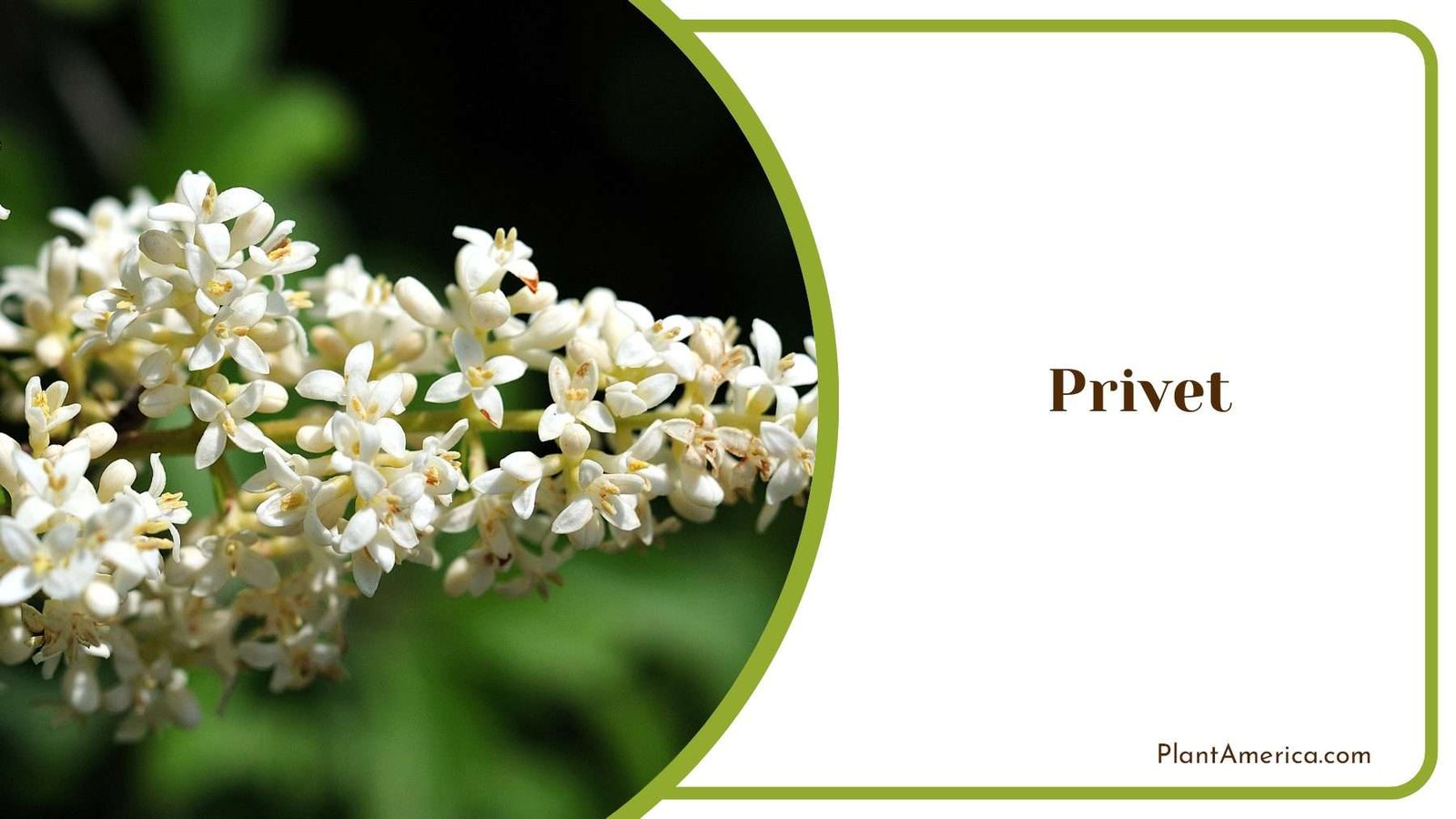
The privet hedge is an attractive dense, fast-growing evergreen or deciduous hedge that can grow 15 feet tall and 10 feet wide. The oval to lance-shaped leaves turn shades of red and orange in fall. Regular pruning maintains a neat, full hedge shape and promotes dense growth. Privet hedges grow best with full sun exposure, consistent moisture, and well-draining soil.
Monitor for damage from pests like Japanese beetles that feed on leaves, and treat if necessary. The dense foliage, fast growth, and versatility of privet hedges make them ideal for living barriers or formal hedgerows. Privet varieties include Chinese, English, and Japanese types suited for warmer or colder climates.
When planted closely and regularly pruned into hedges, privets establish quickly to form thick barriers that provide enclosure, visual screening, and sound dampening while adding seasonal color and texture to the landscape for many years.
For the best privet hedges, space plants 12 to 24 inches apart and keep soil evenly moist throughout the growing season, providing supplemental water in hot, dry periods. Once established, only some problems affect mature privet hedges besides occasional pruning and pest management. With proper care, privet hedges develop into full-bodied evergreen or deciduous screens and barriers that offer visual interest and utility for decades in the landscape.
3. Boxwood

- Growing season: Year-round.
- Leaf shape: Oval, Opposite, Elliptical.
- Specific needs: Even moisture, Regular pruning.
- Common pest: Mites, Aphids.
The boxwood is a slow-growing, broadleaf evergreen shrub prized for its dense, compact growth and ability to be sheared into tightly clipped hedges. Boxwoods grow six feet tall and wide, with opposite, oval to elliptical leaves.
For the finest hedges, boxwoods require regular pruning every few months to maintain a dense wall of foliage. They grow best with evenly moist, well-draining soil and full sun. Monitor for common pests and control as needed with organic or chemical sprays.
The dark green, glossy foliage and slow growth of boxwood hedges allow finely-manicured shapes for years. When pruned into formal topiaries or informal mounds and provided even moisture and light, these hedges slowly fill in to provide year-round enclosure, privacy, and sound dampening with enduring evergreen structure and visual richness.
For boxwood hedges, space plants closely at 6 to 12 inches apart. Keep soil consistently moist, especially while young, and apply a balanced fertilizer or organic compost twice a year. Once established, boxwood hedges require minimal effort beyond regular pruning and pest management. With proper care, boxwoods develop into long-lived evergreen specimens that keep out unwanted sights while adding timeless formality to the landscape for decades.
4. Yew
- Growing season: Year-round.
- Leaf shape: Needle-like, Lance-shaped.
- Specific needs: Even moisture, Regular pruning.
- Common pest: Spider mites, Scale insects.
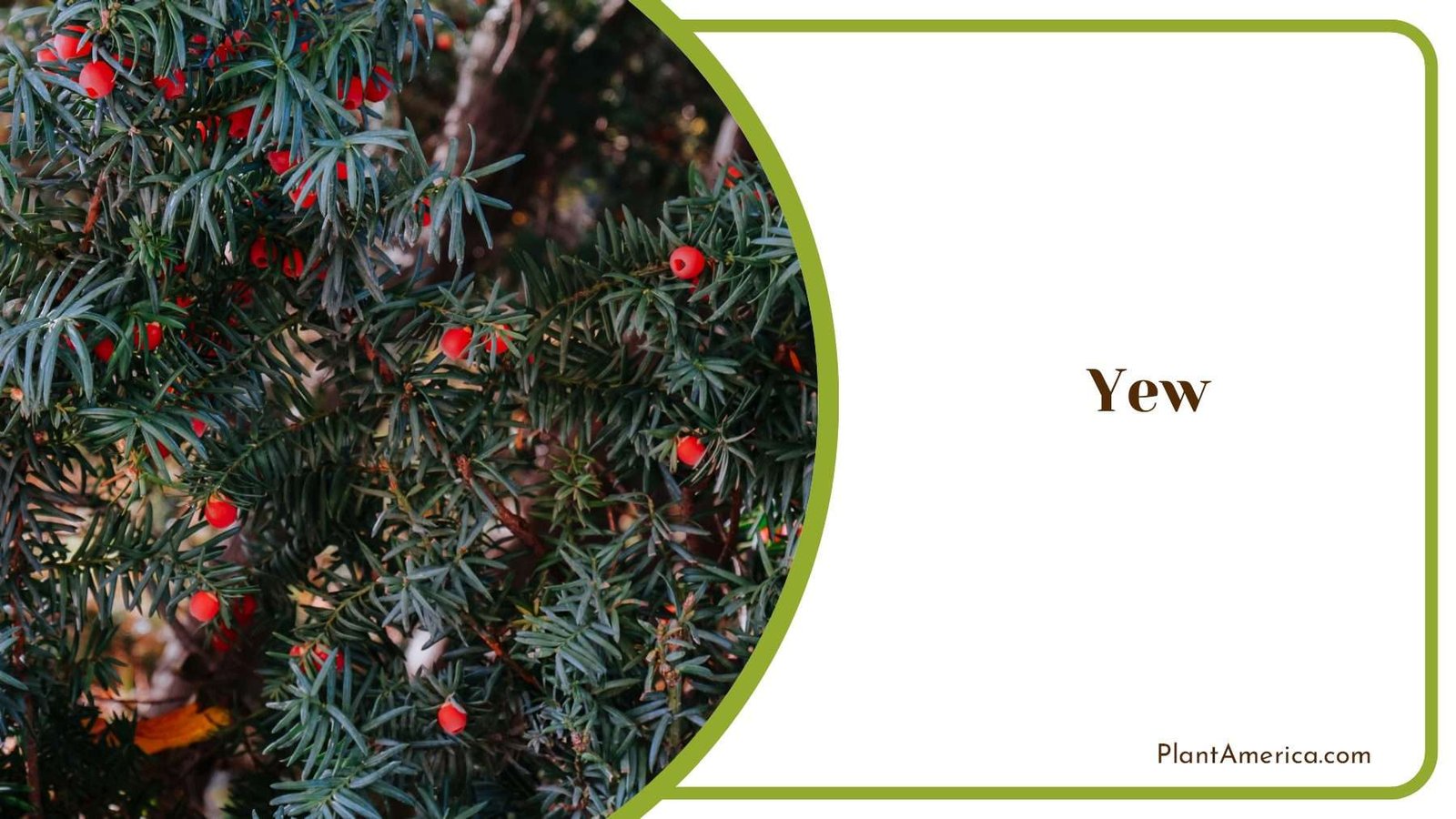
Yew is an evergreen shrub that grows into an upright pyramid shape 10 to 20 feet tall and wide. Its lance-shaped, needle-like leaves are dark green above and lighter beneath. Berries appear and mature to an orangish-red color.
Regular pruning maintains an upright, uniform shape for yew hedges and promotes new growth. Even moisture is important to avoid dropping leaves and brown patches, especially when young. Monitor for spider mites and treat them if needed to prevent severe infestations.
The dense, compact growth and evergreen character of yew hedges make them ideal for privacy screens and living fences. When pruned regularly and provided with consistent moisture, yews establish slowly but eventually fill in to form thick, bombproof barriers that block out unwanted sights while adding lush greenery to the landscape year-round.
Space yew plants 18 to 24 inches apart for a full hedge. Irrigate deeply but infrequently to encourage deep-root growth. Apply a slow-release fertilizer or organic compost twice yearly to promote dense growth. Established yew hedges need minimal care beyond periodic pruning. However, be cautious when pruning, as yew foliage, stems, and berries are mildly toxic if ingested.
With the right care, yew hedges develop into sturdy evergreen specimens that endure for decades while providing privacy, enclosure, and architectural structure in the landscape with their smooth textured foliage and upright pyramidal habit.
5. False Cypress

- Growing season: Year-round.
- Leaf shape: Opposite, Scale-like.
- Specific needs: Even moisture, Regular pruning.
- Common pest: Scale insects, Spider mites.
False cypress is an aromatic, drought-tolerant evergreen with scalelike opposite leaves. It typically grows 15 to 25 feet tall and ten feet wide, but dwarf cultivars are also available.
Regular pruning maintains a uniform hedge shape and prevents leggy growth. Even moisture encourages fullness, especially when young, though false cypress is naturally drought tolerant once established. Monitor for spider mites and treat with organic or chemical sprays if needed.
With their dense growth, tolerance for pruning, and drought resistance, false cypress hedges make an ideal privacy screen or backdrop for landscaping. The semi-erect growth habit lends itself to informal hedges, while regular trimming produces boxwood-like formal structures.
Space false cypress plants between 18 inches and 3 feet apart for a fully manageable hedge. Irrigate deeply in the first year to establish deep roots, then taper off watering as the plant becomes more drought tolerant. Apply a balanced fertilizer or compost annually in spring to promote deep green foliage. Minimal pruning and no staking is needed once hedges fill in.
With proper care, false cypress hedges develop into resilient evergreen specimens that spread outward, not upward, making them perfect for creating living barriers that add structure and visual privacy with little effort for decades.
6. Rose of Sharon

- Growing season: Fall, Spring.
- Leaf shape: Oval, Lance-shaped, Opposite, Simple.
- Specific needs: Full sun, Regular pruning, Partial shade.
- Common pest: Scale insects, Japanese beetle.
The rose of Sharon is a fast-growing deciduous shrub primarily grown for its showy flowers but also suitable for hedges. Plants grow from 8 to 10 feet tall and wide with simple, opposite oval to lance-shaped leaves.
When pruned regularly, the rose of Sharon makes an attractive hedge that fills in quickly. It grows best with full sun to partial shade and well-draining soil. Monitor for pests like Japanese beetles that can damage leaves, and treat problems as needed.
The dense foliage, fast growth, and colorful display of rose of Sharon hedges make them excellent options for creating living barriers or informal screens along property lines. When pruned into hedges and provided regular moisture, these deciduous shrubs establish quickly and then fill in to provide visual separation, enclosure, and seasonal color from summer blooms through fall foliage.
Space rose of Sharon plants 12 to 18 inches apart for a full hedge. Keep the soil always moist during the growing season, reducing water needs in fall and winter. Fertilize twice annually in spring and summer to encourage vigorous new growth. Prune after flowering to shape and contain the hedge.
With proper care, rose of Sharon hedges develop into specimens that provide enclosure, visual interest, and seasonal charm for years while requiring minimal effort beyond shaping, fertilizing, and pest management. The dense foliage quickly fills in gaps to form beautiful, bountiful hedges that yield blooms from summer through fall.
7. Euonymous
- Growing season: Year-round.
- Leaf shape: Oblong, Elliptical.
- Specific needs: Even moisture, Regular pruning.
- Common pest: Scale insects, Japanese beetle.
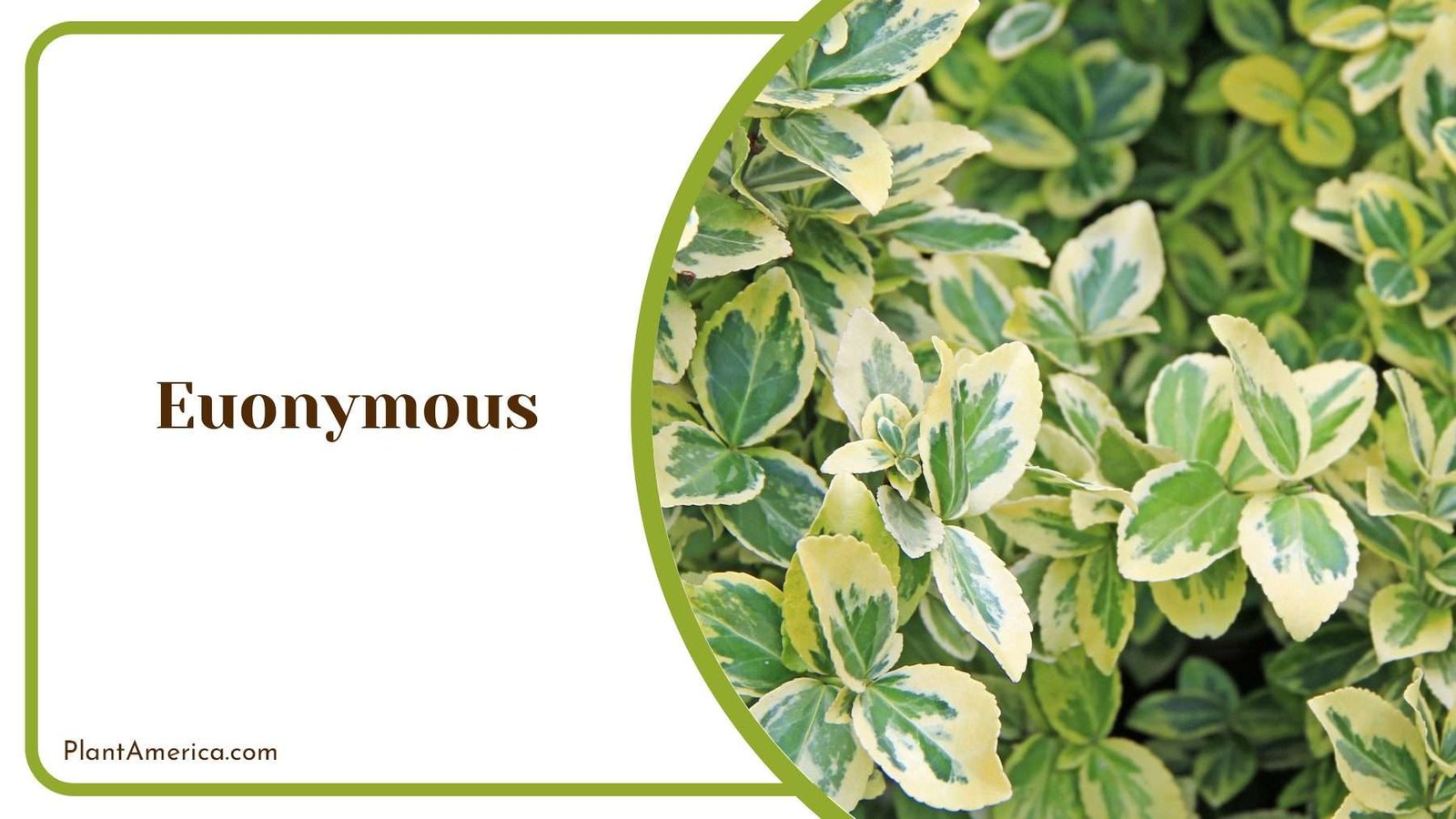
Euonymous is an evergreen or semi-evergreen shrub known for its reddish stems, colorful foliage, and ability to be pruned into hedges. Plants grow 6 to 15 feet tall and wide with elliptic to oblong leaves. Regular pruning transforms anonymous into a dense, upright hedge. Even moisture encourages full growth, especially when young.
Monitor closely for scale insects and treat with horticultural oil as needed to prevent severe infestations. The glossy green leaves, colorful stems, and dense growth of euonymous hedges make them ideal for creating privacy screens and garden dividers.
When pruned regularly into hedges and provided with consistent moisture, these shrubs produce thick barriers that block unwanted sites while adding architectural beauty year-round.
Space euonymus plants 18 to 24 inches apart for a full hedge. Keep the soil moist during the growing season. Fertilize annually in spring with an all-purpose product, and prune after flowering to shape and contain the hedge.
With careful treatment, eponymous hedges establish slowly at first, then fill in to develop into long-lived evergreen specimens that offer enclosure, structure, and architectural beauty with little effort for decades. Regular pruning keeps hedges lush and full while revealing brilliant red or purple stems that contrast handsomely with glossy foliage.
8. Holly

- Growing season: Year-round.
- Leaf shape: Oval, Oblong, Evergreen.
- Specific needs: Even moisture, Regular pruning.
- Common pest: Scale insects, Spider mites.
Holly is an aromatic evergreen shrub that can grow 15 to 30 feet tall and wide, forming an upright pyramid shape. The oblong to oval leaves vary from spiny to smooth and shiny.
Regular pruning maintains a dense hedge shape and encourages dense growth. Even moisture is key, especially when young. Monitor closely for spider mites and scale insects, and treat as needed with organic or chemical sprays to prevent severe damage.
The glossy green foliage, year-round evergreen character, and dense growth habit of holly hedges make them ideal for living fences, privacy screens, and formal topiaries. When pruned regularly into hedges and provided with consistent moisture, these evergreens establish slowly, then fill in to provide visual screening with architectural structure.
Space holly plants between 18 and 24 inches apart for a full hedge. Keep the soil always moist during the growing season, tapering off in winter. Apply an acidifying fertilizer or compost twice a year. Prune after flowering every two or three years to contain growth and maintain a formal hedge shape.
With proper care, holly hedges develop into evergreen specimens that provide enclosure, privacy, and structure for decades with architectural beauty and year-round interest. The dense foliage and upright pyramid shape produce dense barriers that capably block unwanted noise and views while adding lush greenery to the landscape in all seasons.
9. Bush Honeysuckle

- Growing season: Fall, Late Spring.
- Leaf shape: Oblong, Lance-shaped, Simple.
- Specific needs: Full sun, Regular pruning.
- Common pest: Scale insects, Japanese beetles, and Aphids.
Bush honeysuckle is a deciduous shrub that grows six to ten feet tall and wide, forming an upright thicket of branches. The simple, oblong to lance-shaped leaves turn shades of yellow and red in fall.
Regular pruning transforms bush honeysuckle into dense hedges. The plant thrives in full sun and well-draining soil. Monitor for Japanese beetles and treat them as needed to prevent severe leaf loss.
The dense foliage, fast growth, and seasonal charm of bush honeysuckle hedges make them ideal for creating informal barriers and screens. When pruned into hedges, these deciduous shrubs fill in quickly and provide visual screening, enclosure, and fall color while requiring minimal effort beyond shaping and fertilizing.
Space bush honeysuckle plants 12 to 18 inches apart for a dense, full hedge. Water regularly during establishment, then taper off watering needs as plants become established. Fertilize once annually in early summer. Prune after flowering in late spring to maintain hedge shape and size.
With proper care, bush honeysuckle hedges develop into resilient specimens that offer enclosure, visual charm, and seasonal appeal with little effort beyond annual pruning and pest control. The semi-evergreen foliage provides screening during the dormant season before springing back to life with dense greenery, fragrant flowers, and vibrant fall color.
10. Pyracantha
- Growing season: Year-round.
- Leaf shape: Oblong, Elliptic.
- Specific needs: Full sun, Regular pruning.
- Common pest: Scale insects, Aphids.
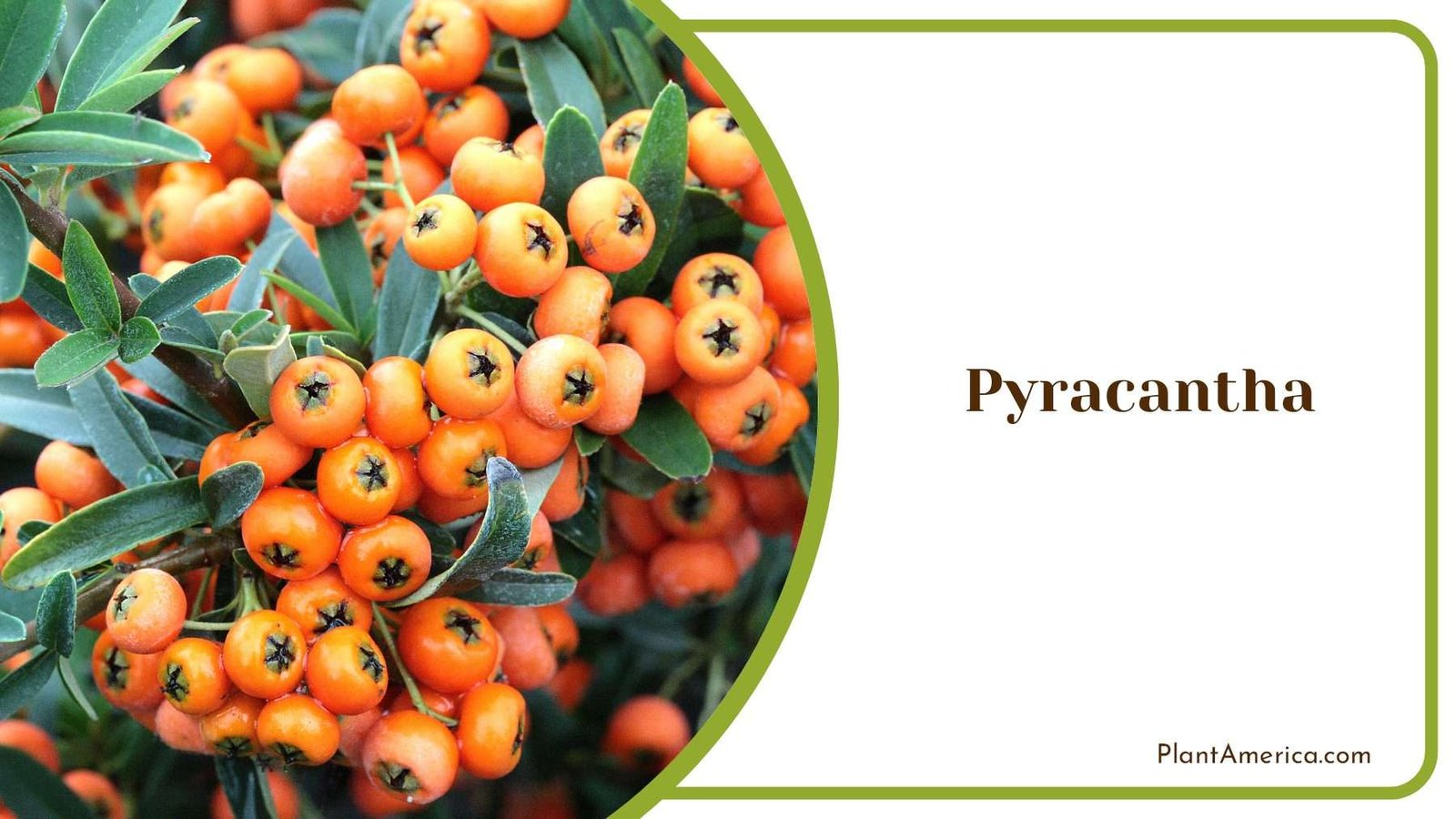
Pyracantha is an evergreen shrub prized for its showy orange or red berries contrasting beautifully with dark green foliage. Plants grow 6 to 15 feet tall and wide with elliptic to oblong leaves.
Regular pruning maintains a dense, uniform hedge and encourages prolific berry production. Pyracantha thrives in full sun and well-draining soil. Monitor for scale insects and aphids, and treat infestations with horticultural oil or pesticides.
The glossy foliage, colorful berries, and adaptability to the shearing of pyracantha hedges make them ideal options for screening, privacy, and topiary. When pruned regularly into hedges and provided with consistent moisture, these evergreens establish slowly and then fill in to provide a visual enclosure with year-round interest from dark leaves and striking berries.
Space pyracantha plants between 18 and 24 inches apart for a dense hedge. Water deeply and infrequently to develop a deep root system. Apply an all-purpose fertilizer or compost annually in spring. Prune after flowering in late spring and again in fall after berry production to maintain size and shape.
With proper care, pyracantha hedges develop into long-lived evergreen specimens that provide enclosure, privacy, and visual delight with dark foliage, bright berries, and architectural structure. Regular pruning keeps pyracantha hedges lush and dense while increasing berry production, resulting in handsome hedges that add vibrant color and interest to the landscape year after year.
11. Burning Bush

- Growing season: Fall, Spring.
- Leaf shape: Ovate, Elliptic.
- Specific needs: Full sun, Regular pruning.
- Common pest: Scale insects, Japanese beetle.
A burning bush is a deciduous shrub prized for its brilliant red fall foliage color. Plants grow 10 to 15 feet tall and wide with elliptic to ovate leaves that emerge bronze in spring.
When pruned regularly, burning bush can form dense hedges that fill in quickly. The plant thrives in full sun and well-draining soil. Monitor for pests like Japanese beetles that can damage foliage, treating problems as needed.
The dense foliage, adaptability to hedging, and vibrant fall color of burning bush make it a stunning option for screening property lines or enclosing garden spaces. When pruned into hedges and provided with consistent moisture, these deciduous shrubs produce thick barriers that provide enclosure, visual screening, and seasonal color and interest for a small investment of time and effort.
Space burning bush plants between 12 and 18 inches apart for a full hedge. Water deeply during dry spells, especially in the first two years of establishment. Fertilize in spring and again after pruning in early summer. Prune hedges after spring flowering to maintain the plant’s shape and size.
With the right care, burning bush hedges develop into specimens that offer enclosure, visual charm, and seasonal color appeal with minimal effort required beyond shaping, fertilizing, and pest management. The distinctive red fall foliage indicates to homeowners that pruning and cleanup are needed before plants go dormant for the winter season.
12. Lilac
- Growing season: Summer, Spring.
- Leaf shape: Ovate, Elliptic, Simple.
- Specific needs: Full sun, Regular pruning.
- Common pest: Scale insects, Japanese beetle.
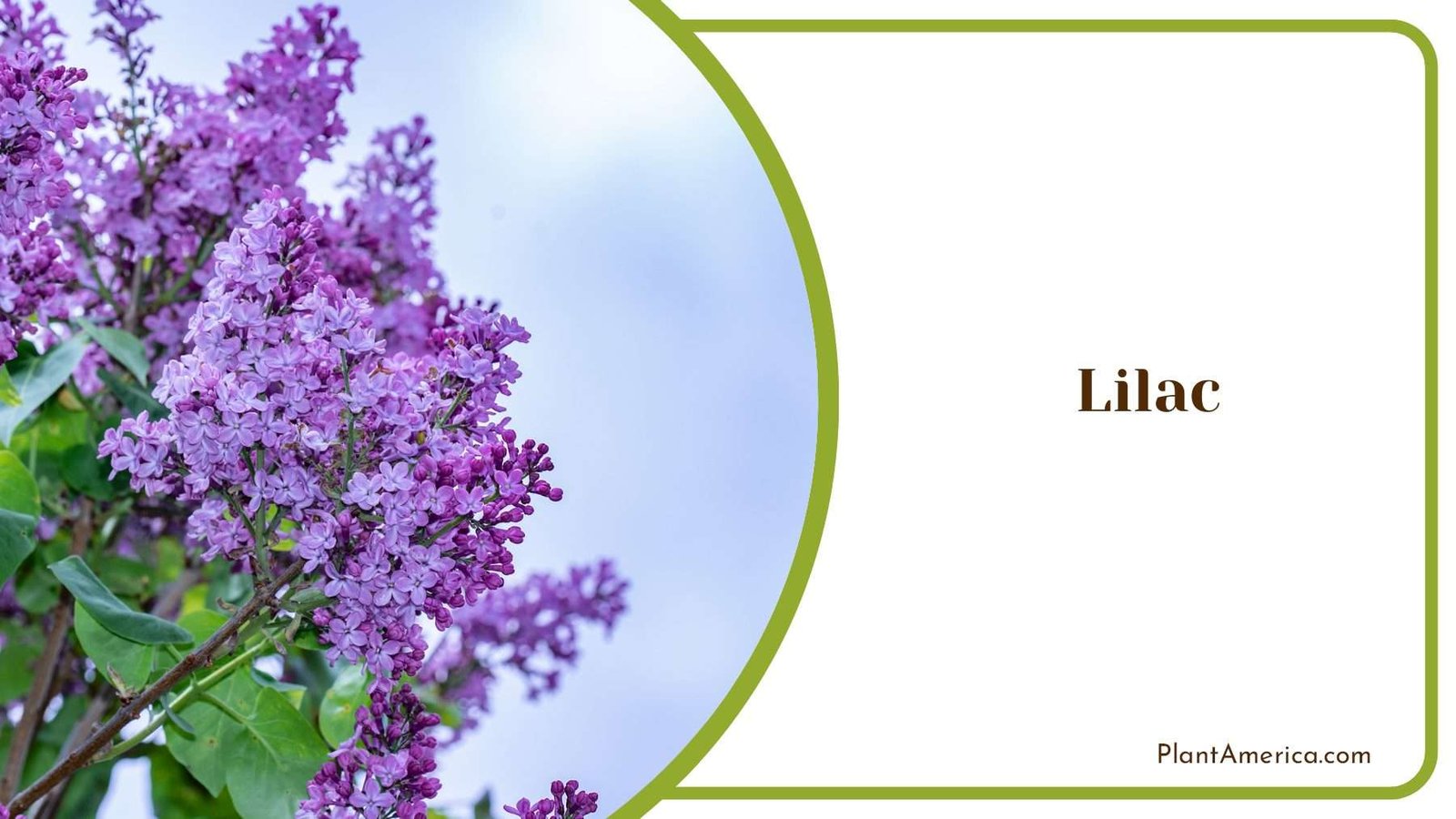
The common lilac is a deciduous shrub grown primarily for its fragrant spring flowers but are also suitable for hedges. Plants grow 8 to 15 feet tall and wide with simple, oval to elliptic leaves.
When pruned regularly, lilac hedges fill in quickly and bloom profusely. The shrub thrives in full sun and well-draining soil. Monitor for pests like Japanese beetles that can damage foliage, treating problems as needed.
The dense foliage, fast growth, fragrant blooms, and adaptability to hedging lilacs make them ideal choices for informal barriers along pathways or property lines. When pruned into hedges and provided with consistent moisture, these deciduous shrubs establish quickly to produce thick barriers that provide enclosure, fragrance, and spring blossoms while requiring minimal effort beyond pruning, fertilizing, and pest control.
Space lilac plants between 12 and 18 inches apart for a dense hedge. Water deeply during dry spells, especially during bloom time. Fertilize in spring before bud break and again after pruning in early summer. Prune hedges right after spring flowering to maintain their shape and size.
With proper care, lilac hedges develop into specimens that offer enclosure, seasonal appeal, and fragrance with little effort beyond shaping, feeding, and pest management. The showy spring flowers indicate that pruning and cleanup are needed before new foliage emerges.
13. Bamboo
- Growing season: Year-round.
- Leaf shape: Ovate, Needlelike.
- Specific needs: Full sun, Regular pruning.
- Common pest: Scale insects, Japanese beetle.
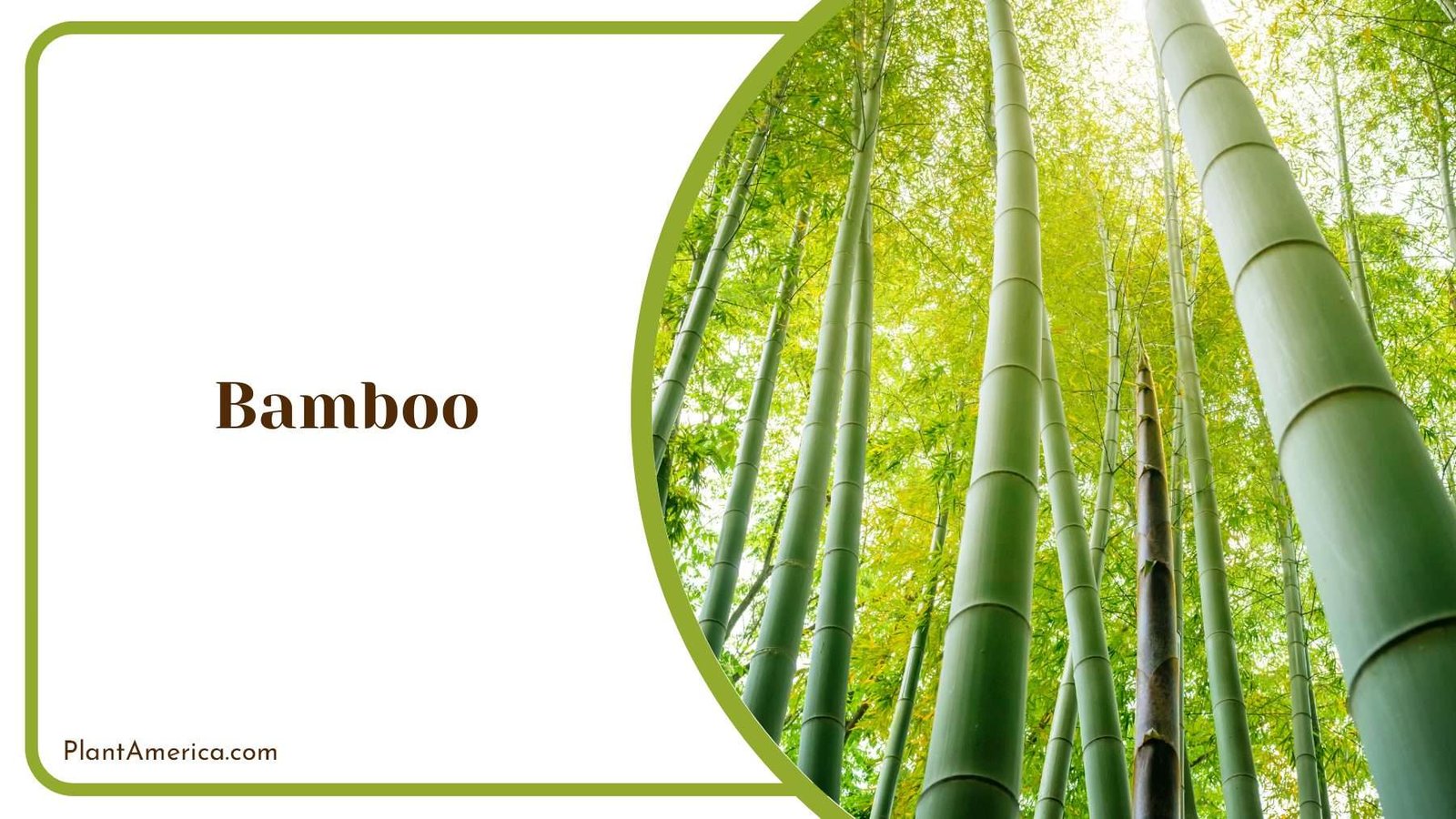
Bamboo is a fast-growing evergreen grass that forms thickets of upright canes. Depending on the species, bamboo can reach heights from 10 to 100 feet tall, with needle-like leaves with spreading or clumping habits. Regular pruning maintains the size and shape of bamboo hedges. Bamboo is naturally drought-tolerant once established and generally pest-free.
The towering height potential, evergreen character, and rapid growth rate of bamboo hedges provide privacy screening that is virtually impenetrable with minimal effort once established. When pruned regularly into desired shapes, bamboo hedges fill in quickly to create lush, dense barriers that block unwanted sights and sounds year-round.
Space bamboo plants based on species and desired fullness. Provide adequate spacing at planting for canes to reach mature width. Regularly remove flowering canes that emerge to prevent seeds from spreading. Apply a balanced fertilizer in spring once the hedge is established.
With proper pruning and care, bamboo hedges develop into dense evergreen screens that offer a visual enclosure with architectural grace. However, take precautions when using bamboo for hedging as some species are invasive and spread easily without containment strategies. Overall, bamboo remains a good option for impenetrable hedges that require little beyond occasional trimming once established.
14. Panicle Hydrangea

- Growing season: Fall, Spring.
- Leaf shape: Oval, Elliptic, Simple.
- Specific needs: Even moisture, Regular pruning.
- Common pest: Scales, Spider mites, and Mealybugs.
Panicle hydrangea is a deciduous shrub grown for its showy flower panicles and ability to form dense hedges. Plants grow five to ten feet tall and wide with simple, elliptic to oval leaves.
Regular pruning transforms panicle hydrangeas into full hedges that bloom prolifically. The shrub requires even moisture to encourage dense growth. Overall, panicle hydrangea is pest and disease resistant.
The abundant flower panicles, dense foliage, and adaptability to hedging panicle hydrangeas make them ideal for screening purposes or enclosing garden spaces. When pruned and shaped into hedges, these deciduous shrubs establish quickly and provide enclosure and visual interest from summer into fall. With fragrant blooms, these plants require minimal effort beyond pruning and fertilizing.
Space panicle hydrangea plants between 12 and 24 inches apart for a dense hedge. Water deeply during dry periods, especially in summer when blooms form. Fertilize in early spring before bud break and again after pruning. Prune hedges right after bloom time in late summer to maintain uniform hedge shape and size.
With proper care, panicle hydrangea hedges develop into specimens that offer enclosure, visual interest, and seasonal flower appeal with little effort beyond shaping and feeding. Their rounded form and profuse hydrangea blooms provide color, texture, and fragrance from summer into fall, offering a final indication that pruning and cleanup are needed before plants go dormant for winter.
15. Barberry

- Growing season: Year-round.
- Leaf shape: Oblong, Elliptic.
- Specific needs: Full sun, Regular pruning.
- Common pest: Mites, Aphids.
Barberry is an evergreen or semi-evergreen shrub for its ornamental berries and dense foliage. Plants grow 3 to 10 feet tall and wide with elliptic to oblong leaves. Regular pruning maintains the size and shape of barberry hedges. The plant thrives in full sun and well-draining soil. Monitor for pests like mites and diseases like powdery mildew, treating issues as needed.
The dense foliage, winter fruit, and ability to tolerate the shearing of barberry hedges make them ideal choices for creating living barriers, screens, or topiaries. When pruned regularly into hedges and provided with consistent moisture, these evergreen shrubs establish slowly and then fill in to provide a visual enclosure with year-round interest.
Space barberry plants between 15 and 24 inches apart for a tight hedge. Water deeply and infrequently to deter shallow roots. Apply a balanced fertilizer or compost annually in spring. Prune after fruiting in late winter to maintain uniform size and shape.
With attentive nurturing, barberry hedges develop into long-lived evergreen specimens that provide enclosure, texture, and visual interest for decades with minimal effort beyond regular pruning, fertilizing, and pest management. The dense foliage and showy winter berries produce handsome barriers that block unwanted sights while adding architectural beauty to the landscape year after year.
16. Canadian Hemlock
- Growing season: Fall, Spring.
- Leaf shape: Ovate, Elliptic.
- Specific needs: Full sun, Regular pruning.
- Common pest: Scale insects, Japanese beetle.
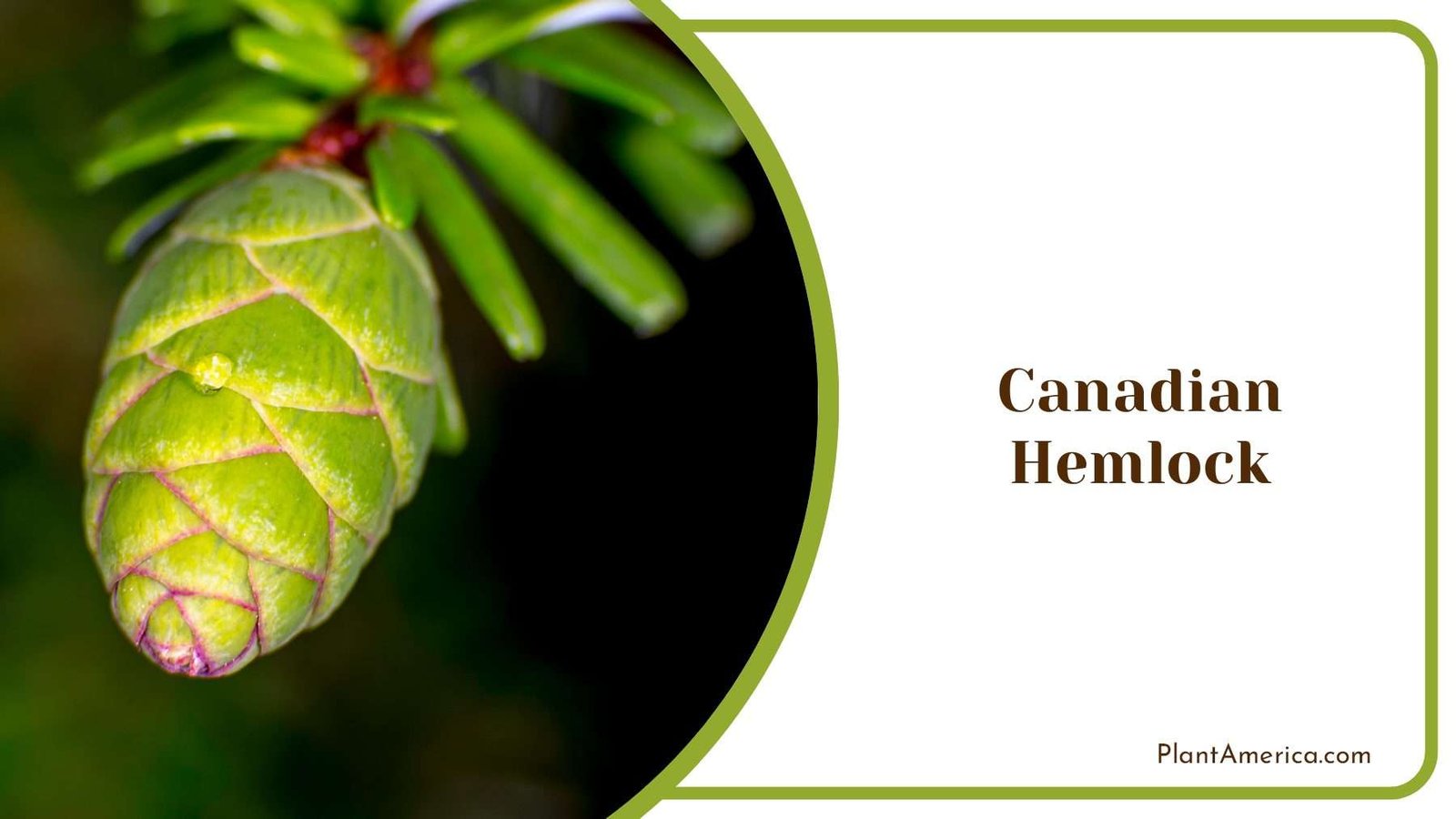
Canadian hemlock is an evergreen coniferous tree that grows 60 to 80 feet tall and 20 to 30 feet wide with a pyramidal habit. The soft, scalelike leaves are dark green on top and lighter underneath.
Regular pruning maintains the hedge shape of Canadian hemlock. Even moisture and well-draining soil support healthy growth. Monitor for aphids and spider mites, and treat infestations as needed.
The towering height and dense growth of Canadian hemlock hedges make them ideal for complete visual screening and privacy. When pruned regularly into hedges and provided with consistent moisture, these evergreens establish slowly and then fill in to provide impenetrable barriers that block unwanted sights and sounds year-round.
Space Canadian hemlock trees between 10 to 15 feet apart for a thick hedge. Irrigate deeply but infrequently to develop deep roots. Apply a balanced fertilizer in spring. Regularly prune lower limbs as the hedge grows taller to maintain an even density.
With proper care, Canadian hemlock hedges develop into dense evergreen specimens that offer maximum privacy, enclosure, and wind protection for decades with little effort beyond regular shaping, fertilizing, and monitoring for pests. Their characteristic pyramidal shape and soft foliage produce practically invisible barriers while adding lush greenery and architectural grace to the landscape year after year.
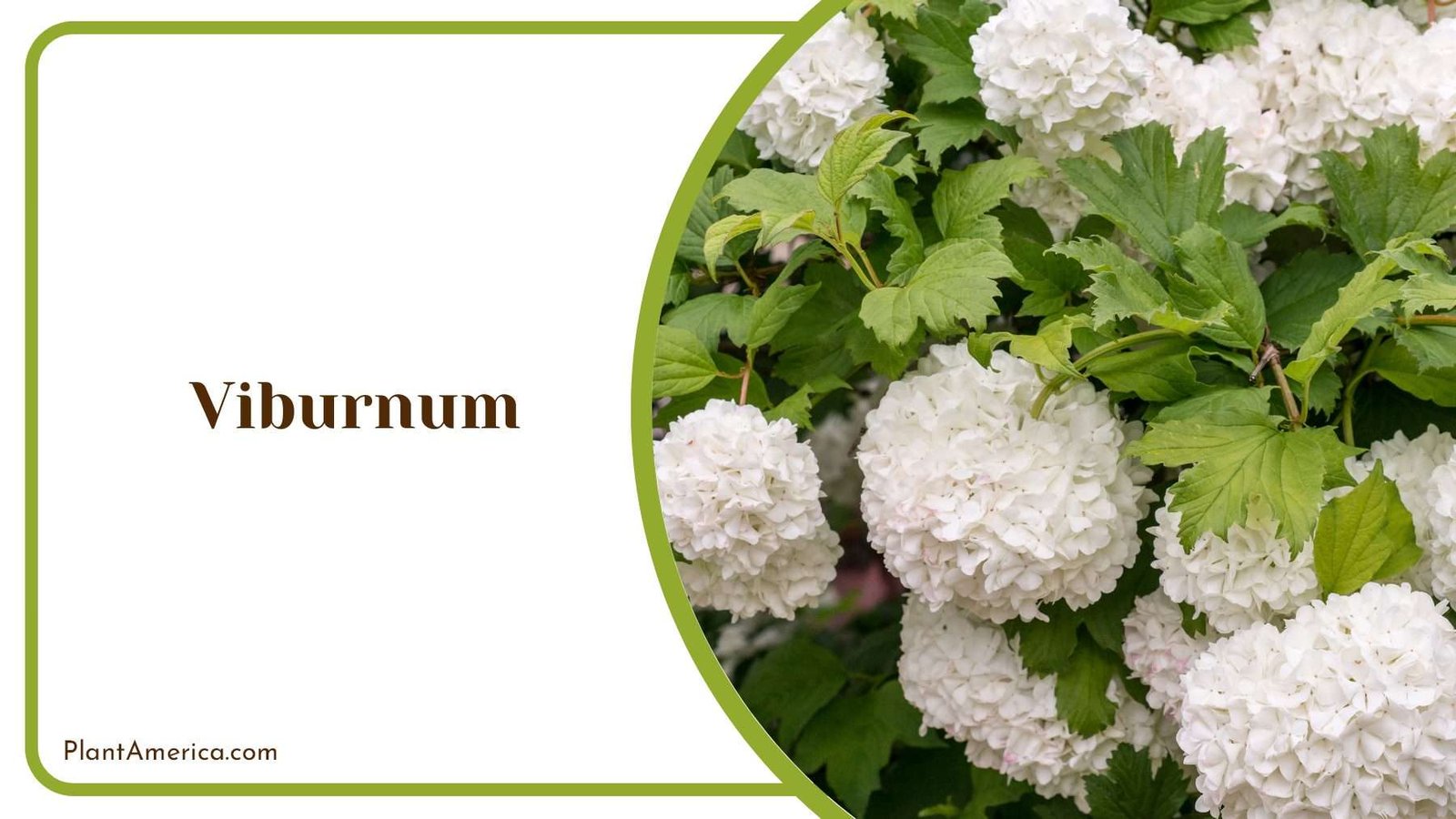
17. Viburnum
- Growing season: Fall, Spring.
- Leaf shape: Oval, Oblong.
- Specific needs: Full sun, Regular pruning.
- Common pest: Few pest problems.
Viburnum is a deciduous shrub for its ornamental berries, fall color, and ability to form dense hedges. Plants grow 6 to 20 feet tall and wide with oval to oblong leaves. Regular pruning transforms viburnum into attractive hedges that fill in quickly. The shrubs require full sun and well-draining soil. Overall, viburnums are resistant to most pests and diseases.
The dense foliage, adaptability to hedging, and ornamental winter fruit of viburnums make them excellent options for creating screens, barriers, and garden dividers. When pruned regularly into hedges and provided with consistent moisture, these deciduous shrubs establish quickly to produce thick barriers that provide enclosure, visual interest, and even fragrance while requiring minimal effort beyond pruning and occasional fertilizing.
Plant viburnums between 12 and 24 inches apart for a dense hedge. Water deeply during dry periods, especially in spring during bud break and bloom. Fertilize once annually in early spring. Prune hedges right after flowering to maintain uniform size and shape.
With proper care, viburnum hedges develop into specimens that offer enclosure, visual appeal, and winter interest with little effort beyond pruning, feeding, and occasional pest control. Their rounded form, textural leaves, and showy ornamental fruit provide visual layers from summer through winter, indicating when pruning and cleanup are needed before they leaf out in spring.
18. Ninebark

- Growing season: Fall, Spring.
- Leaf shape: Oval, Elliptic.
- Specific needs: Even moisture, Regular pruning.
- Common pest: Few pest problems.
Ninebark is a deciduous shrub for its ornamental exfoliating bark and ability to form dense hedges. Plants grow five to ten feet tall and wide with compound, oval to elliptic leaves.
Regular pruning transforms ninebark into attractive hedges that fill in quickly and produce showy exfoliating bark. The shrubs require even moisture and well-draining soil. Overall, ninebarks are pest and disease resistant.
The dense foliage, adaptability to shearing, and ornamental bark of ninebark hedges make them excellent options for screening purposes, privacy, or enclosed garden spaces. When pruned regularly into hedges and provided with consistent moisture, these deciduous shrubs establish quickly to produce thick barriers that provide enclosure and visual interest while requiring minimal effort beyond pruning and fertilizing.
Space ninebark plants between 12 and 24 inches apart for a dense hedge. Water deeply during dry periods, especially in spring and summer. Fertilize in early spring before bud break and again after pruning. Prune hedges right after bloom time in late summer to maintain uniform hedge shape and size.
With proper care, nine-bark hedges develop into specimens that offer enclosure, texture, and visual appeal with little effort beyond shaping and feeding. Their rounded form and ornamental bark provide year-round interest, offering an indication that pruning and cleanup are needed before plants go dormant for winter.
19. American Arborvitae

- Growing season: Year-round.
- Leaf shape: Oval, Scale-like, Elliptic.
- Specific needs: Even moisture, Regular pruning.
- Common pest: Scale insects, Bagworms.
American arborvitae is an evergreen coniferous tree that typically grows 20 to 40 feet tall and 10 feet wide with a narrow pyramidal habit. The scalelike leaves are rounded to oval and arranged spirally on branches.
Regular pruning maintains the hedge shape of American arborvitae. Even moisture, especially when young, supports healthy growth. Monitor for scale insects and bagworms, and treat infestations as needed.
The towering evergreen character and adaptability to pruning of American arborvitae hedges make them an excellent choice for complete visual and sound screening year-round. When trimmed regularly into hedges and provided consistent moisture, these conifers establish slowly and then fill in to provide dense barriers that block unwanted sights and noise with minimal effort.
Space American arborvitae trees between six to eight feet apart for a thick hedge. Irrigate consistently but infrequently. Fertilize in spring and again after pruning. Remove lower limbs as the hedge grows taller to maintain uniform density.
With proper care, American arborvitae hedges develop into dense evergreen specimens that offer maximum privacy, enclosure, and wind protection for decades. Their characteristic pyramidal shape and scalelike foliage produce barriers that are practically invisible while adding lush greenery and architectural grace to the landscape year after year.
20. Spirea

- Growing season: Summer, Spring.
- Leaf shape: Oval, Simple, Elliptic.
- Specific needs: Full sun, Regular pruning.
- Common pest: Scale insects, Japanese beetle.
Spirea is a deciduous shrub grown for its profusion of spring and summer flowers as well as its ability to form dense hedges. Plants grow 3 to 6 feet tall and wide with simple, elliptic to oval leaves.
When pruned regularly, spirea hedges fill in quickly with profuse blooms. The shrub thrives in full sun and well-draining soil. Monitor for pests like Japanese beetles that can damage foliage, treating problems as needed.
The dense foliage, rapid growth, abundant flowers, and ability to form hedges of spireas make them ideal choices for creating informal barriers and garden dividers. When pruned regularly into hedges and provided with consistent moisture, these deciduous shrubs establish quickly to produce full barriers that provide enclosure, visual interest from both flowers and foliage, and even fragrance with minimal effort beyond pruning and fertilizing.
Space spirea plants between 12 and 18 inches apart for a dense hedge. Water deeply during establishment, then taper off slightly once established. Fertilize in early spring before bud break and again after pruning. Prune hedges right after bloom time in late spring to early summer to maintain uniform shape and size.
With proper care, spirea hedges develop into specimens that offer enclosure, visual charm, and seasonal flower appeal with minimal effort beyond shaping, fertilizing, and occasional pest management. Their rounded form and profusion of blooms from spring through summer provide color, texture, and fragrance, offering an indication that pruning and cleanup are needed before plants go dormant in fall.
Conclusion
A variety of hedge plants can provide instant privacy, screening, and architectural beauty in the landscape when pruned and shaped properly. While adding and maintaining hedges requires initial time and effort, the rewards of privacy, boundary definition, and visual charm can last for years with minimal input beyond regular pruning and pest control.
- Panicle hydrangea is a deciduous shrub grown for its showy flower panicles and ability to form dense hedges.
- The common lilac is a deciduous shrub grown primarily for its fragrant spring flowers but is also suitable for hedges.
- Pyracantha is an evergreen shrub prized for its showy orange or red berries contrasting beautifully with dark green foliage.
There is a perfect hedge plant to suit almost any climate, soil condition, and aesthetic preferences. By choosing wisely and caring for your plants properly, you can transform part of your yard into an oasis of enclosure, screening, and natural beauty for many growing seasons to come!