
Types of Columbine flowers you can include in your garden collection will have you considering a few options. In this post, we’ll bring the options home with stunning varieties that are perfect for your garden.
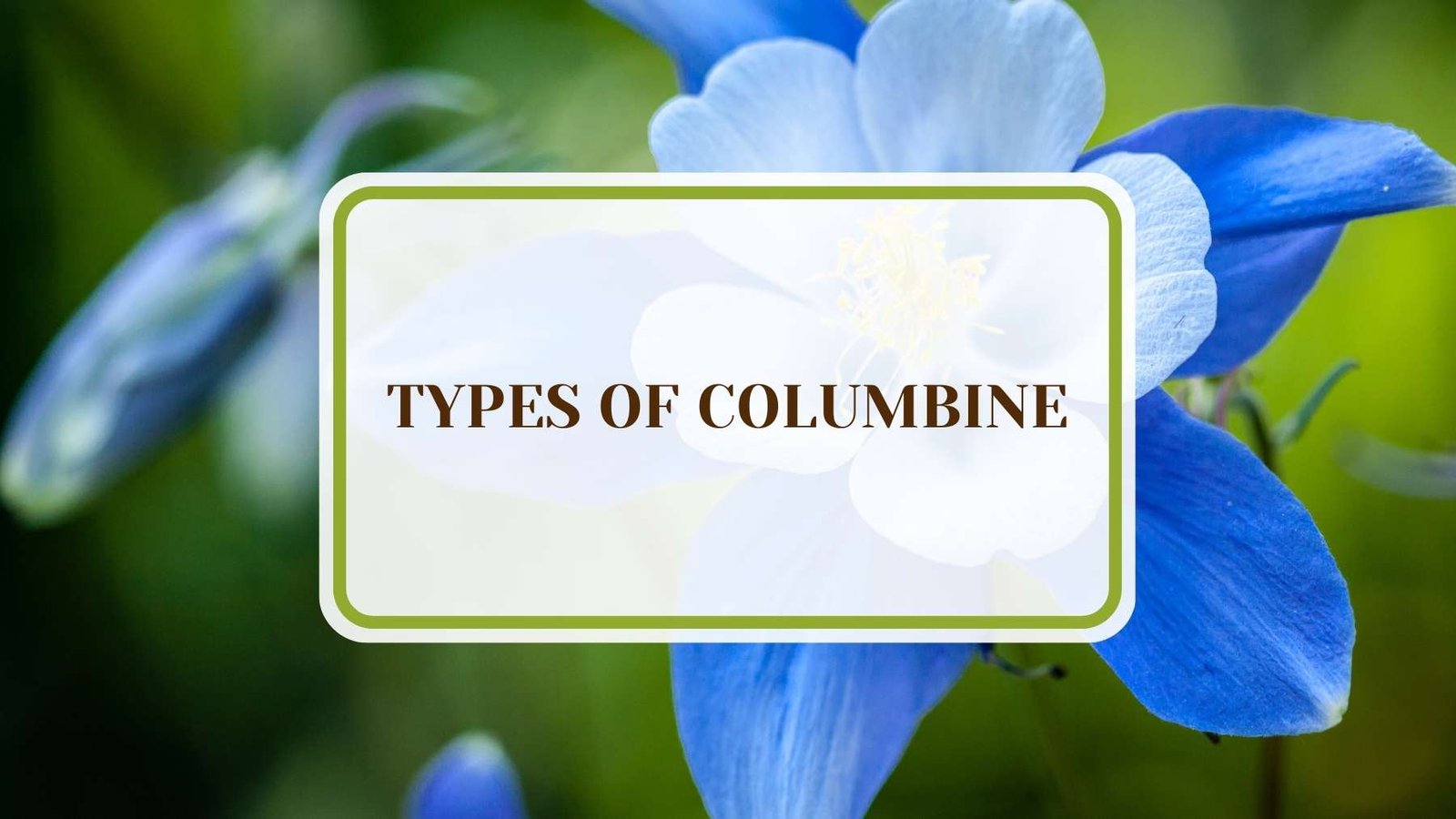
From classic red and white species to gorgeous hybrids in every color, We’ll break down the key features of each so you can identify them in your garden or at the flower shop. Whether you want to add more pollinator-friendly flowers or put together a charming spring bouquet.
Your Guide to the Most Common Types of Columbine Flowers
1. Red Columbine

- Growing Season: Spring, Prefers cooler climates
- Leaf Shape: Palmate, Five to seven lobes
- Specific Needs: Partial shade, A moist and well-draining soil
- Common Pests: Japanese beetles, Aphids
The red columbine is one of the most recognizable wildflower varieties native to many parts of North America and Europe. With its vivid flowers dangling among delicate foliage, it has become a beloved addition to gardens as well. These scarlet-hued blooms nod gracefully on long, thin stems that almost seem too fragile to support their bright color.
Upon closer inspection, the intricate design of each red columbine flower is revealed. Five spurred sepals in shades of crimson fan out backward from a circle of five petals that are typically a darker wine red toward the centers. In the middle lurks a green column covered with yellow anthers and stamens. It’s a beautifully complex structure that draws in hummingbirds and butterflies with its tubular nectar spurs.
The bright flowers appear in spring and last through early summer. They arise one or few at a time from where foliage and flower stems emerge directly from the roots. Ferny foliage is composed of numerous deeply lobed green leaves. Plants grow one to three feet tall depending on variety and conditions. They prefer partial shade and average to rich, moist yet well-draining soils.
Red columbine is quite hardy and resilient. Once established, it comes back vigorously year after year for many blooming seasons. Its only requirement is a little shearing back after flowering to tidy spent blooms and prevent unnecessary growth. Drought tolerant to a degree, it spreads slowly by self-sowing if conditions remain ideal.
With such vivid crimson flowers lighting up woodland gardens and borders, it’s no surprise that the red columbine has made the transition effortlessly from wildflower to beloved garden plant. Its unique blooms seem to add magic to any shaded nooks and flowering borders where its rooting habit allows it to fit in among other treasures throughout the landscape. A must-have for any nature-inspired garden.
While it favors areas with partial shade from trees or structures, red columbine also does well with dappled light. The most crucial cultural requirement is a consistently moist, well-draining soil. The roots do not like wet feet, and soggy conditions can cause rot.
Plant red columbine, among other shade-loving perennials, for optimum growing conditions and performance, with compatible water and sunlight needs. Surrounding it with the lush foliage of hostas, ferns, and bleeding hearts helps retain soil moisture while also deterring weed growth.
The dense covering provided by companion plantings protects the columbine’s shallow roots from excessive heat and fluctuations in moisture. It also reduces competition for nutrients and lessens the risk of fungal diseases in the shaded microclimate.
2. Munstead White Columbine

- Growing Season: Spring, Early summer
- Leaf Shape: Palmate, Five to seven lobes
- Specific Needs: Partial shade, A moist and well-draining soil
- Common Pests: Japanese beetles, Aphids
The long blooming period of the Munstead White Columbine is due not only to its strong constitution but also its low-maintenance care needs. Once established, it requires little beyond periodic watering during drought conditions to thrive year after year. Its clumps spread slowly to form beautiful full colonies over time without aggressive division or coddling.
The Munstead White Columbine has captivated gardeners for decades with its graceful beauty and reliable performance season after season. Its delicate blossoms dangling amidst soft, fern-like foliage create a quintessential English garden style that never goes out of fashion. Beyond aesthetics, this columbine cultivar offers numerous practical benefits.
Its clumps spread slowly to form large, full colonies over multiple growing seasons without aggressive division. This adds architectural structure and fullness to beds and borders for many years of enjoyment. The low-maintenance plants are also drought and deer tolerant once established, reducing the need for supplemental watering or protective fencing in dry or wildlife-prone areas.
The flower stalks persist longer than many competitors, sometimes retaining seed heads into winter that provide visual interest when many other perennials have faded. For gardeners desiring sustainability, these seeds nourish birds during food-scarce seasons. Come spring, seedlings sometimes sprout, allowing colonies to expand naturally.
The Munstead White shines brightest in full sun but performs reliably in most well-drained soils. Its modest needs allow design flexibility – it partners beauty and function in shade beds underneath trees alongside hostas, ferns and coral bells, as well as in sunny beds flanked by upright herbs, ornamental grasses and daylilies.
The columbine’s sophisticated simplicity and longevity have solidified its place amongst perennial favorites for naturalistic gardens. Its gentle beauty stirs the imagination and brings peace, like a quiet breath of nature’s grace bestowed each summer. Little wonder it remains a staple of English-style gardens worldwide after over a century.
3. Kirigami Rose and Pink Columbine

- Growing Season: Late spring, Early summer
- Leaf Shape: Palmate, Five to seven lobes
- Specific Needs: Partial shade, A moist and well-draining soil
- Common Pests: Japanese beetles, Aphids
While traditional columbines boast clusters of spurred blooms in varied colors, two varieties stand out with extra charm – Kirigami Rose and Pink Columbine. The Kirigami Rose columbine draws attention with an ethereal quality, as if its blooms were painstakingly cut by hand from sheets of rose-colored paper.
Peering closer at one of these delicate flowers, delicate triangular petals in a blush pink hue are fragranced with subtle sweetness. The petals layer inward in a fluted formation, resembling origami art in full bloom. Standing on wispy stems above lace-cut grayish foliage, each Kirigami Rose blossom sways gracefully like a flower in a dream or fairy tale.
Somewhat similar in appearance yet even more feminine is the Pink Columbine. Where the Kirigami Rose blooms boast subtly layered triangular petals, Pink Columbine flowers flaunt outward-curving round petals of the purest pale rose. Their frilly blooms resemble decorated Victorian gowns spinning merrily in a dance.
Nestled amongst the same finely textured gray-blue leaves as their Rose cousin, Pink Columbine flowers deliver a lovely soft punch of color that soothes the senses. Both of these lovely columbine varieties naturalize enthusiastically, sprinkling themselves throughout beds and borders each spring with increasing cheer.
As with all columbines, hummingbirds and butterflies alike flock to their nectar-filled blooms, adding liveliness to any space they grace with their ethereal presence. Not fussy plants by any means, both the Kirigami Rose and Pink columbine thrive in partial shade yet also perform admirably in full sun with consistent moisture.
So for a garden seeking fairy folk or a bit of soft romantic charm, the Kirigami Rose columbine and Pink columbine fit the part beautifully. Sure to delight garden visitors young and old, their graceful paper-like flowers impart a lovely sense of flowery magic all season long.
Come autumn, allow remaining seed heads to fully ripen dry for collecting new stock to propagate. Sow freshly at the appropriate time or wait for spring. Strategically placed drifts filled with Kirigami Rose and Pink Columbine create an English-inspired cottage garden ambiance or complement more naturalized native plantings with their relaxed charm.
4. Golden Columbine
- Growing Season: Late spring, Early summer
- Leaf Shape: Palmate, Five to seven lobes
- Specific Needs: Partial shade, A moist and well-draining soil
- Common Pests: Japanese beetles, Aphids
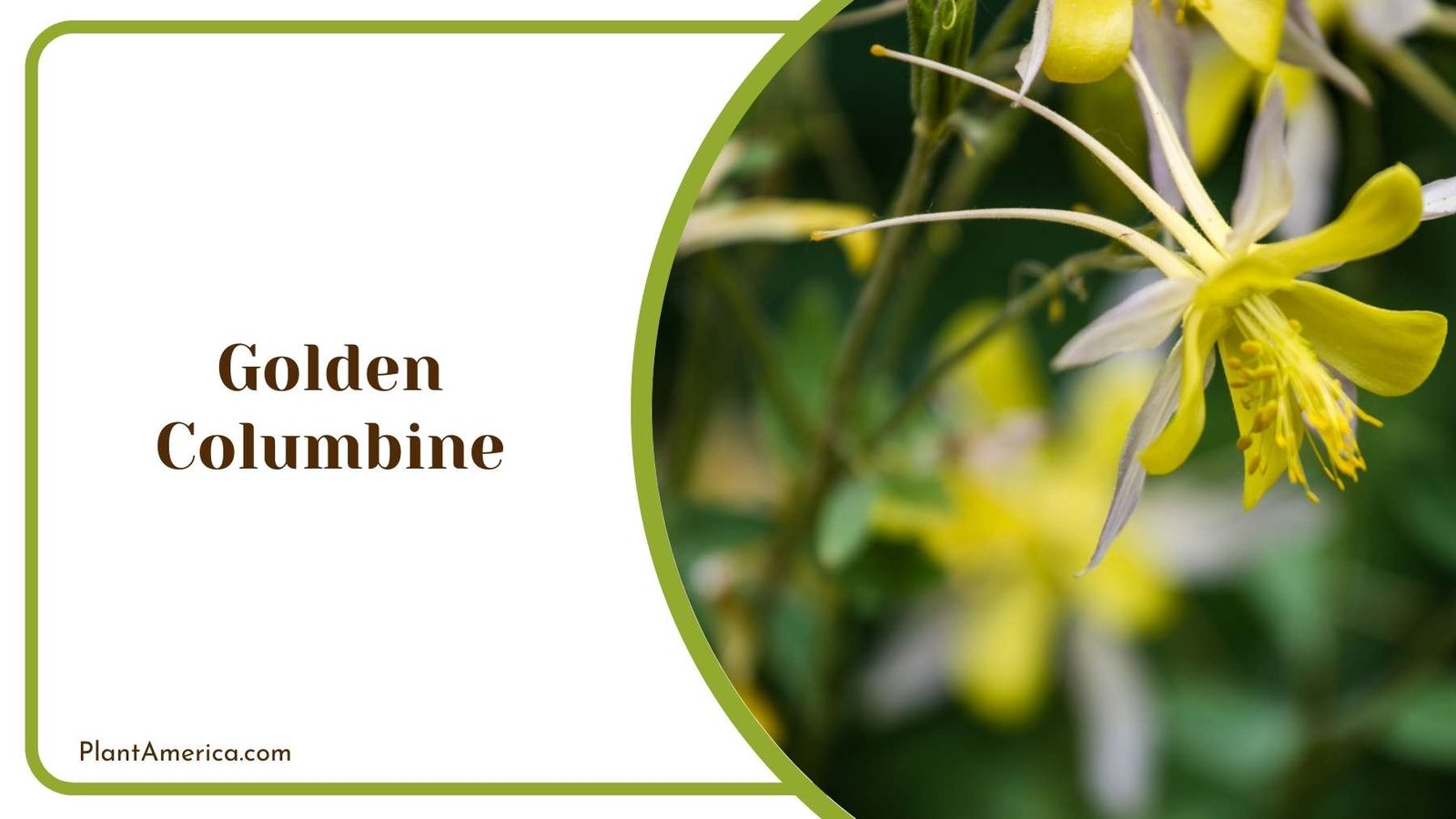
The Golden Columbine is a charming addition to gardens with its cheerful yellow blooms. Native to meadows across North America, it features delicate five-petaled flowers dangling gracefully amongst its foliage from late spring through early summer. Each vibrant yellow flower hangs from thin red stems, resembling little hanging lanterns decorating the plant.
This colorful columbine thrives best in partial shade gardens under trees or among shrubs. It prefers moist, well-draining soil and consistent watering during flower production. In ideal conditions, Golden Columbine grows one to two feet tall with an equal spread, its arching stems displaying blooms above attractive green lobed foliage. Come spring, clusters of rounded yellow blossoms reward those who overwintered this short-lived perennial.
Golden Columbine spreads naturally via self-sown seed dropped from spent flowers. Its offspring often pop up a short distance from parent plants, allowing colonies to gradually expand each year. To maintain robust clumps, divide roots in fall every three to four years. Seed can also be collected and planted in late fall if hoping to increase stock. Come next blooming season, nursery-grown transplants start flowering earlier than direct seeded varieties.
Despite its fragility, Golden Columbine attracts many pollinators to the garden. Hummingbirds, butterflies, and bees feast on its nectar-filled blooms. Later, seedheads provide food for finches and other songbirds as well. The golden parachute-like blooms lend cheerful color among darker foliage, complementing plants like hostas, ferns, and astilbes.
Come autumn, their feathery seed heads remain decorative providing texture after petals fade. Overall, Golden Columbine offers gardens constant delight from late spring into early summer. Its colorful lantern-shaped blooms dangling above light green leaves bring a whimsical charm.
With adequate moisture and nutrients, this woodland columbine rewards those who give it partial shade with a graceful display of cheerful yellow flowers that uplift the spirits of both humans and pollinators alike each season it returns. A harbinger of summertime, Golden Columbine lends fairy-like magic to any shaded border or meadow garden..
Planting on slight mounds that slope away from the center crown encourages excellent drainage during wet springs. This proves especially important as Golden Columbine is vulnerable to common pest issues under boggy conditions. Both slugs and spider mites find damp environments ideal for damaging young shoots and leaves.
5. Rocky Mountain Columbine

- Growing Season: Late spring, Early summer
- Leaf Shape: Palmate, Five to seven lobes
- Specific Needs: Partial shade, A moist and well-draining soil
- Common Pests: Japanese beetles, Aphids
One of the hardiest and most recognizable types of columbine flowers, Rocky Mountain columbine, dazzles with its vivid hybrid colorations. In high-altitude gardens, flashes of scarlet and gold punctuate the hillsides as clusters of wiry-stemmed blooms sway lightly in the breezes.
Native from western Canada through the central and western United States, Rocky Mountain Columbine is well-adapted to alpine conditions and zones three to nine. It thrives when given morning sun and afternoon shade beside hardy plants like wild ginger.
Throughout its native range stretching from western Canada to California and New Mexico, one of the most iconic sights each spring and summer is the blazing flashes of color punctuating rocky high-altitude landscapes. Known as Rocky Mountain Columbine, this beloved wildflower dazzles onshore breezes with vividly hybridized blooms suspended from wiry stems in mixes of ruby red, sunny gold, apricot, and more.
Well adapted to alpine conditions across USDA plant hardiness zones three through nine, Rocky Mountain Columbine thrives when nestled into forgiving mountain garden pockets mimicking conditions found in nature. Moist yet extremely well-draining soils composed of loam, sand, and gravel mixed with a dose of organic matter support robust root development and flowering cycles.
Establishing plants in partial morning sun with dappled afternoon shade shelters blossoms and foliage from harsh high-elevation sun exposure. Among ideal companion plantings for Rocky Mountain Columbine are other tough western natives like wild ginger, Jacob’s ladder, mossy stonecrop, alpine phlox and creeping mahonia.
When combined with the columbine’s durable genetics, these partners form cohesive, low-maintenance drifts requiring minimal supplemental summer water once established. Occasional bark mulch top dressings help retain moisture during drought while suppressing competitive weeds.
Year after year, repeat flowering performance rewards enthusiasts as deadheading tips prolong each season’s colorful show. Come fall, a few stalks should remain standing fully mature pollinated seed heads to ripen for propagating future generations. Collecting these viable seeds ensures perpetuating this iconic pollinator plant’s legacy for coming decades.
Throughout spring and often into early summer as well, fluttering Columbine flashes continue dazzling from breezy meadows and rocky outcroppings, serving as magnets for nectar-seeking hummingbirds, bees, and butterflies. With minimal care adapted to regional conditions, Rocky Mountain Columbine proves a treasured addition uplifting any alpine garden scene with its unforgettable natural beauty.
6. Himalayan Columbine
- Growing Season: Late spring, Early summer
- Leaf Shape: Palmate, Five to seven lobes
- Specific Needs: Partial shade, A moist and well-draining soil
- Common Pests: Japanese beetles, Aphids
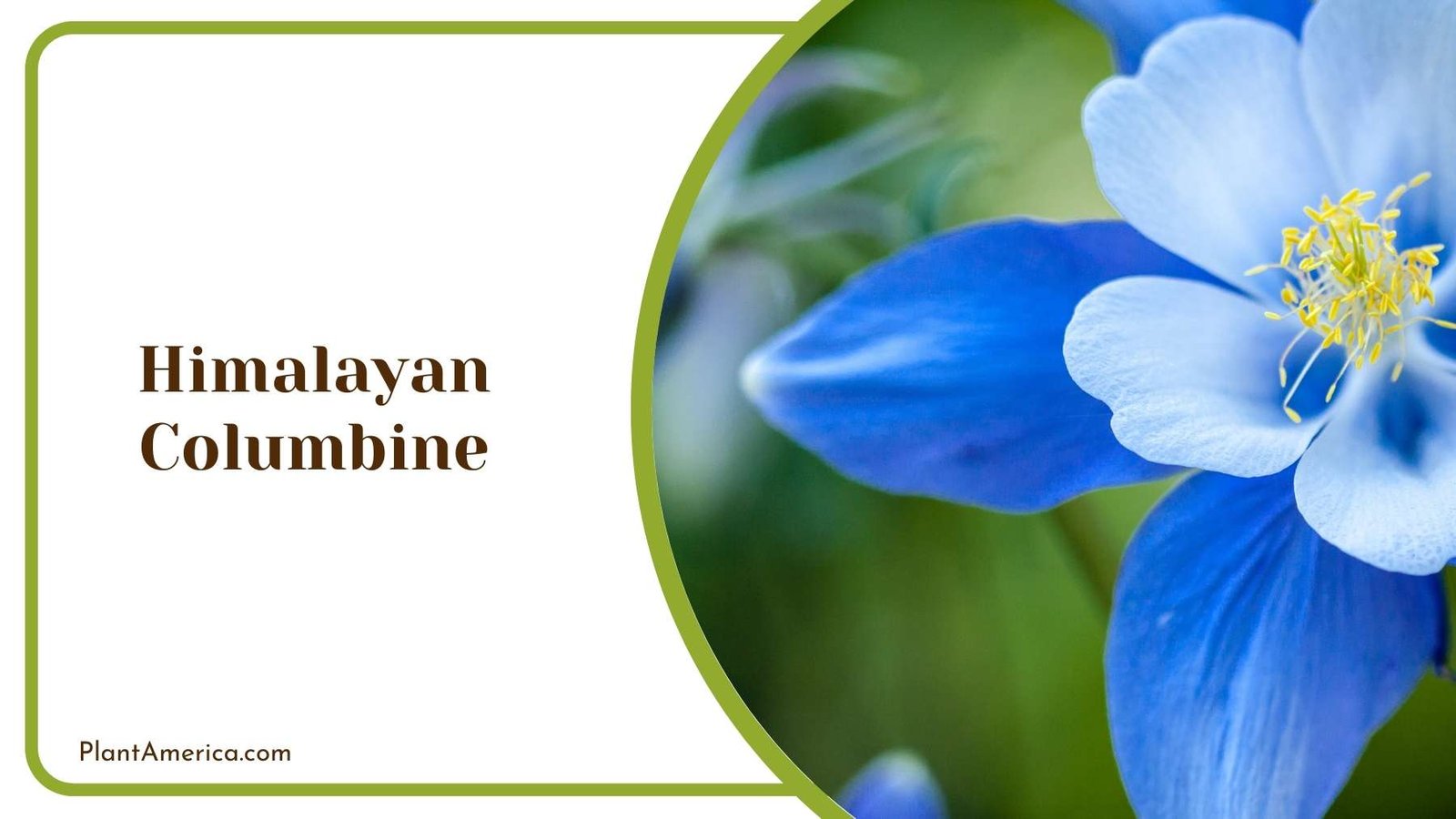
Native to high-altitude cold climates of the eastern Himalayas, the aptly named Himalayan Columbine presents a hardier answer to this beloved garden flower. Its thick, robust foliage forms dense mounds up to two feet tall that insulate flower buds through winter freezes. Instead of dangling like traditional varieties, the blooms proudly face upward in clusters of five, presenting a different aesthetic.
Vivid tones of soft burgundy, purple and pink combine in each irregularly shaped blossom. Their frilly ruffled petals resemble pom-poms, a unique and whimsical touch differentiating them from delicate cousins. From early summer into fall, the shrubby plants burst continually with vibrant color, intensifying as temperatures drop in a delightful contradiction of their cold-country lineage.
Adaptable Himalayan blood provides this cultivar with resilience beyond common expectations. Zones three to eight find it thriving with little complaint where others surrender. Its tolerance for damper soils expands garden placement options into lightly shaded spots beneath trees or alongside ponds and streams. Once established, it requires only moderate water and no staking or fussing as it stands proudly alone without accessories.
Rather than spreading cautiously, the Himalayan Columbine’s vigorous rootstock sends up thickets to fill 3-4 feet of space quickly, creating living curtains or masses of floral fireworks. Dividing mature clumps every 4 years reinvigorates plants without depleting colonies, maintaining mounds at their peak. Its hardy constitution makes this variety a sustainable landscape choice that multiplies beauty reliably for decades.
Come cooler seasons, the foliage persists longer than most offering structures. Seed heads feed birds through winter before leaves decompose naturally without manual cleanup. Eco-conscious gardeners appreciate wildlife value alongside long-flowering color. With stately sturdiness and resilience fitting its mountaineering roots, this Himalayan beauty proves a premium perennial investment enduring nature’s fickle seasons with flair.
Established clumps spread gradually over the years to naturalize freely. Staking is optional depending on the location’s exposure, though supporting, loose soils can benefit heavy drainage schemes. Steady summer water maintains vigor without causing rot issues vulnerable to wetter microclimates. Minimal supplemental feeding encourages balanced growth resilient to typical mountain garden pests.
7. European Columbine

- Growing Season: Late spring, Early summer
- Leaf Shape: Palmate, Five to seven lobes
- Specific Needs: Partial shade, A moist and well-draining soil
- Common Pests: Japanese beetles, Aphids
The elegant European Columbine dances gracefully in woodland gardens. Native to damp forests and meadows in Europe, it has been treasured for centuries for its beauty and medicinal uses supported by folklore. Standing 12-24 inches tall depending on conditions, its square stems bear paired flowers in shades of deep reddish-purple, rose, pink, scarlet or pure white.
Each unique bloom consists of five petals that narrow sharply into elongated nectar-bearing spurs projecting backwards oddly like tiny horned elfin shoes. Protruding prominently from the center are bright yellow anthers, resembling tiny flickering flames amid the ruffled petals. The paired blooms sway delicately on slender stems in beauty from early summer until autumn’s first frosts.
Ideally suited to moist yet well-draining fertile soils of partially shaded woodlands, the European Columbine spreads freely via an abundant seasonal shower of downy seeds. Given consistently moist root zones whether in forests, meadows or domestic gardens, it sends up lush, bushy clumps nearly three feet wide and tall over the years.
Small volunteer seedlings emerge effortlessly at each vernal equinox to replace fading parent plants, discreetly yet steadily increasing colony numbers annually. Deadheading spent blooms encourages a second flush on young specimens. Come fall, division of established clumps or seeding ensures eternal perpetuation, though transplanting every few seasons refreshes vigor.
An alluring magnet for myriad pollinators, its copious nectar reserves reward hummingbirds, bumblebees, butterflies, moths and other beneficial insects with sweet sustenance. With charismatically frilly five-petaled blooms suspended elegantly among its decorative lobed gray-green leaves, the romanticized European Columbine weaves an exceptional fairy-like spell within its native woodland setting.
Always welcomed among the leaf litter of deciduous forests, within moist meadow clearings or naturalized areas of domestic woodland gardens, the European Columbine inspires perennial wonder with each gracious return.
Though delicate and intricate in form, its resilient nature has proven hardy, flourishing reliably where moisture is ample and sunlight is held at bay beneath sheltering tree boughs. A testament to simple beauty that uplifts the human spirit, its lyrical presence graces gentle landscapes with an air of ethereal enchantment from solstice to solstice.
Heavily amending soil with generous amounts of moisture-retentive organic materials like aged bark, composted leaves or rotted compost creates an evenly moist yet extremely free-draining loam. Situating drifts strategically in shaded nooks beneath a canopy ensures regulated humidity and moisture levels suited to the columbine’s preferences.
8. Small Flowered Columbine

- Growing Season: Early to late spring
- Leaf Shape: Palmate, Five to seven lobes
- Specific Needs: Partial shade, A moist and well-draining soil
- Common Pests: Japanese beetles, Aphids
While its diminutive flowers may seem inconsequential, the small flowered columbine should not be underestimated. This variety spreads vigorously through self-sowing to become dense carpets of color that act as reliable living mulches. The seedlings require little care beyond occasional thinning to maintain an ideal density. They emerge readily each spring to take root and bloom regardless of location or conditions.
Even under less than ideal growing situations such as dense shade, drought, or poor soil, the small flowered columbine endures and blooms better than most other flowers. Its diminutive root system anchors well in tight spots between stepping stones or in crevices of retaining walls where little else would grow. Come spring, even the most overlooked nooks and crannies erupt with cheerful miniature blooms.
Thanks to its hardiness and carefree nature, the small flowered columbine makes an excellent choice for beginning gardeners or those wishing to naturalize large sections with little fuss. Simply direct seed in preferred areas each fall and let nature take its course as seedlings infiltrate steadily. Within a few years, a beautiful living tapestry results that requires no diligent maintenance beyond occasional tidy up.
While short in stature, the small flowered columbine makes up for lack of size with impact. Used en masse along borders, among rocks, or naturalized within a meadow, these little blooms light up gardens for months on end. Their subtle movement in the breeze adds charm and visual interest beyond their fleeting presence each spring. They partner especially well with bold tropicals, tall grasses, or foliage plants where their diminutive size offers contrast.
The hardiness, free-spreading habit, resilience under imperfect conditions, and prolonged spring bloom time of the small flowered columbine make it a valuable addition to any landscape seeking low-cost seasonal color. With features ideal even for beginning gardeners wishing to naturalize, it makes a long-lasting impression far beyond initial expectations based on size alone. For these reasons, the small flowered columbine should never be underestimated or overlooked.
Naturalizing patches left unhindered spread gradually to simulate extensive vegetated blankets sporadically carpeting the forest floor each spring. Strategically situating drifts throughout lightly shaded nooks complements sprawling carpets of wild geranium, cannonball fern and partridgeberry emerging synchronously amongst leaf litter and twig debris.
9. Crimson Star Columbine
- Growing Season: Late spring, Early summer
- Leaf Shape: Palmate, Five to seven lobes
- Specific Needs: Partial shade, A moist and well-draining soil
- Common Pests: Japanese beetles, Aphids
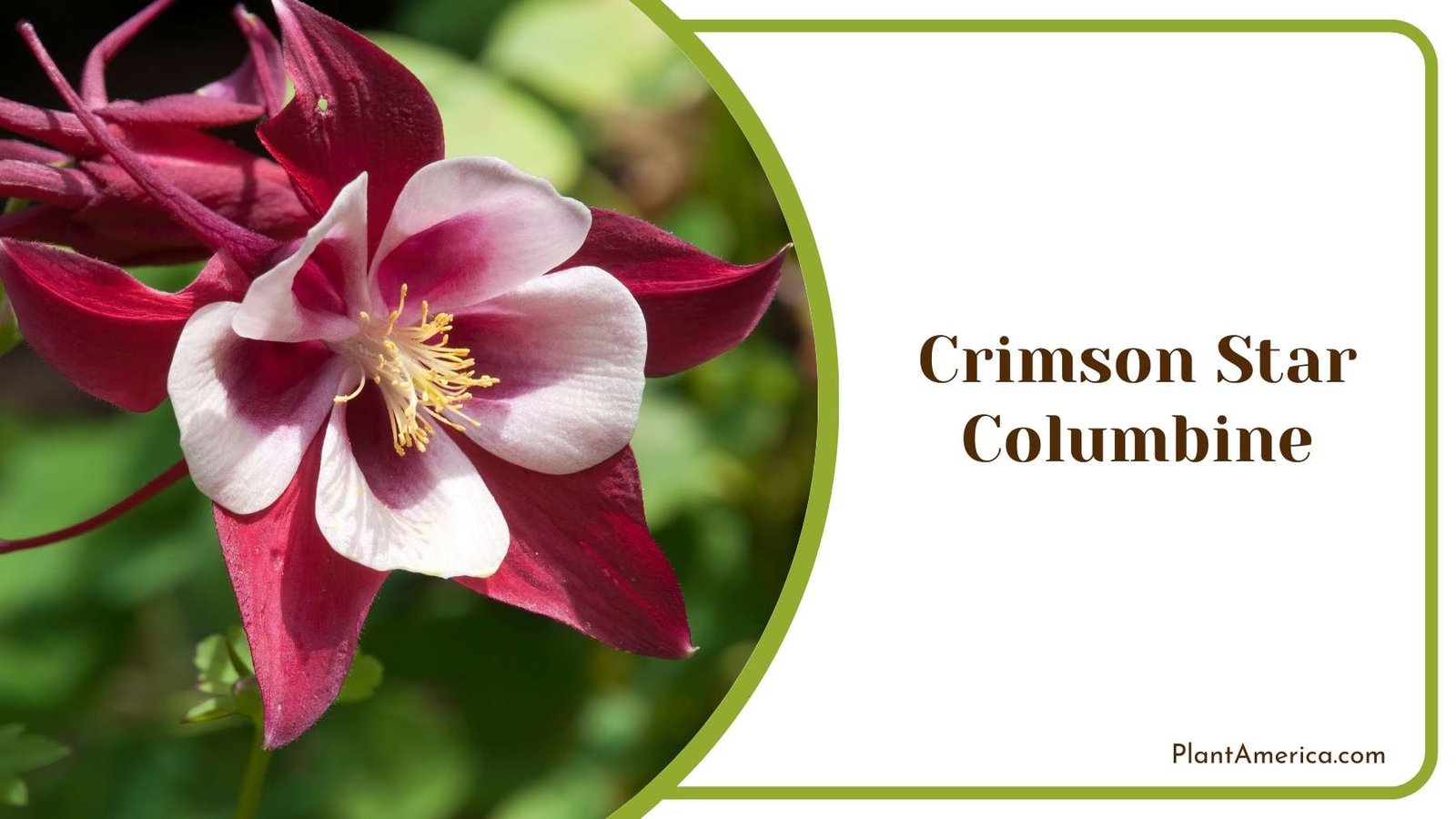
Crimson Star Columbine, a showstopping addition to gardens, arrives each spring bearing vibrant blooms in hues of scarlet radiating out from a gold-toned center. In any woodland beds, flashes of Crimson Star Columbine emerge brightly amongst hostas and bleeding hearts.
Crimson Star is one of the most vibrant to pop up come springtime. It’s a hybrid plant bred to be tough as nails in zones three through nine. Clusters of Crimson Star arrive flashing these super intense blooms bursting with the brightest, most vivid scarlet surrounded by golden centers – it really commands your attention!
When you plant it alongside other early risers in the woods like hostas, bleeding hearts and trillium, pockets of Crimson Star straight up stand out on account of its electrifying flowers. Mimicking how buddy plants wake up together in nature helps this columbine thrive too.
To nurture awesome performance each new year, replicating aspects of its native woodland hangouts is key. Ideal conditions mean dappled or filtered sunlight so those delicate flower parts can develop without getting sunburnt. The dirt also needs to be rich and stay moist, but with killer drainage to prevent any root troubles. Mixing in bark, compost and sand sets up the perfect loose dirt situation.
Grouping Crimson Star amongst other ephemeral beauties provides a nice cushion while making for some nice visual harmony in the beds. Ensuring draining soil prevents problems from cramping its flashy blooms style. Light organic snacks fuel vigorous yearly cycles while balanced moisture sustains its prolific flowering without causing pest stress headaches.
Come mid-spring, clusters of multidimensional star shaped blooms proudly waving on branches stand ready to attract hummingbirds going totally nuts for those tasty nectar reserves. Deadheading spent flowers prompts even more blooming action, lengthening the showstopper display and keeping those vibrant colors flashing all around the waking up landscape.
With some minor effort giving it preferred digs, Crimson Star Columbine energizes any shady border spectacularly each new season. Its vibrancy is sure to capture eyes of birds and people alike with dazzling scarlets gleaming on sunny woodland hangs. Plant it and appreciate the bomb flowers, simple as that!
10. Ruby Port Columbine

- Growing Season: Late spring, Early summer
- Leaf Shape: Palmate, Five to seven lobes
- Specific Needs: Partial shade, A moist and well-draining soil
- Common Pests: Aphids, Slugs
The Ruby Port columbine commands attention with its dramatic blooms displaying velvety crimson petals. Unlike common white or yellow columbines, this variety stops observers in their tracks with an unapologetically bold pop of vivid color.
Standing out amongst more muted surroundings, Ruby Port columbines simply glow from spring onward with hues resembling rich port wine. Their vibrant blooms flaunt a crimson so deep and intense, it’s impossible not to succumb to this columbine’s hypnotic allure.
Closer examination reveals subtleties within each five-lobed flower. Darker flecks speckle lighter tips of pointed sepals all angled outward around protruding crimson spurs. This dimensional flare gives each bloom a multifaceted appearance like a precious gem on display.
Their intense color also appears more striking when backdropped by delicate grayish-green leaves split into linear lobes resembling oak. Nestling the breathtaking blooms proudly upwards on wiry stems further magnifies their visual drama. Like the wine that inspired its name, Ruby Port columbines expand their visual influence when planted in profusion.
Spreading steadily each year through reliable reseeding, their ability to naturalize amplifies the garden’s sense of abundant color-drenched luxury. Whether framing an entryway, blending into a perennial border, or carpeting slopes in rivers of red, these stately columbines impart an elegant yet unrestrained feel of opulence through pure vivid spectacle alone.
Easily grown in zones three through eight, Ruby Port columbines also prove tough and dependable perennials. Thriving in sun or light shade, they require minimal care yet reward with months of vivacious color displays. Best of all, their nectar continues attracting hummingbirds and butterflies all season long for natural backyard theater.
Where some may grow bored of commonplace blooms, Ruby Port columbines constantly intrigue and immerse observers in perpetual crimson indulgence unrivaled by any other flower. A true red gem for the modern garden, this variety elevates any space to regal new heights.
11. Valdosta Columbine

- Growing Season: Late spring, Early summer
- Leaf Shape: Palmate, Five to seven lobes
- Specific Needs: Partial shade, A moist and well-draining soil
- Common Pests: Aphids, Mites
Introducing a charm of the southeastern woodlands each spring, Valdosta Columbine arrives bearing graceful clusters of soft powder-pink blooms dangling slightly above its delicate clover-like foliage. Native to the humid forests of Georgia and Florida, naturalized drifts emerge dreamily amongst companions suitably adapted to the region’s climate.
Nestled amongst the leaf litter and awakening flora alongside sweetshrub and azaleas, patches of Valdosta Columbine mingle ethereally amongst its southeastern compatriots. Well-suited to zones seven through nine, this columbine thrives when gently replicating aspects of its natural rainy habitat. Partial dappled light illuminates delicate blooms without scorching.
Rich humus-amended soil enriched with compost retains necessary moisture while allowing ideal drainage. Groupings situated judiciously in lightly shaded nooks accompanied by resilient ferns like cinnamon fern provide beneficial shelter and visual synergy. Steady spring irrigation mimics seasonal Southern rains without saturating vulnerable roots.
Gradual spreads allowed to naturalize freely over time simulate expansive moss-blanketed glades seen fleetingly each spring within its native forests. With minimal disturbance and intelligent placement providing habitat cues, unchecked drifts reward with lush flowering cycles unimpeded by potential rot or stress issues.
Sheltering this diminutive yet graceful columbine cultivar in the home landscape infuses zones seven through nine gardens with an enchanting ephemeral aura. Visitors observe powdery blooms floating soulfully above fresh greens arousing fanciful visions of magical Southern woodland awakening each changeable spring season..
12. Colorado Blue Columbine
- Growing Season: Late spring, Early summer
- Leaf Shape: Palmate, Five to seven lobes
- Specific Needs: Partial shade, A moist and well-draining soil
- Common Pests: Slugs, Aphids
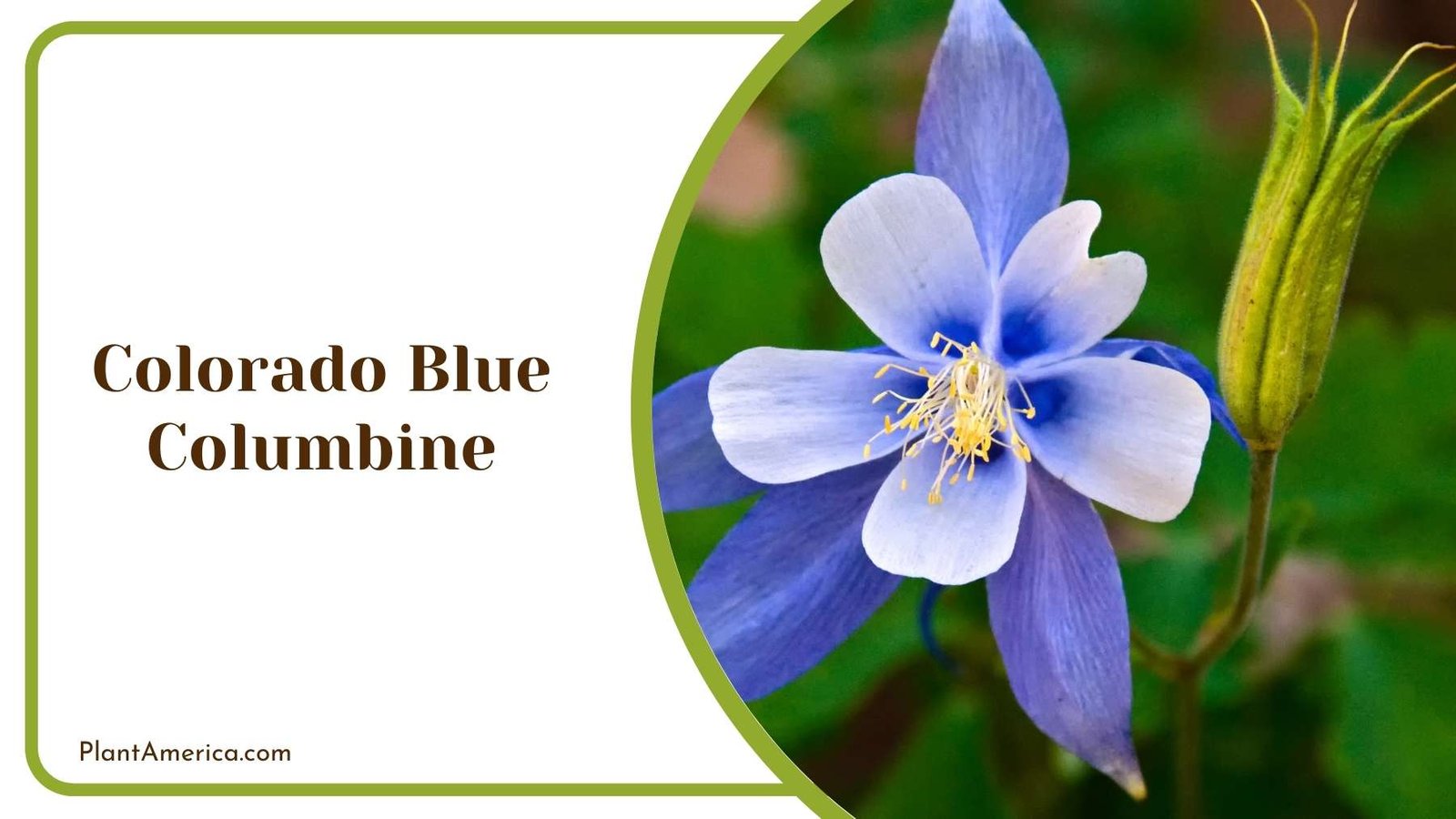
The Colorado Blue Columbine is the official state flower of Colorado, where it grows high in the Rocky Mountains. With its uniquely shaped blooms in shades of powder blue to violet, it has captured hearts across North America. Standing 12-24 inches tall on thin stems, this woodland perennial emerges from basal rosettes in late spring, blossoming until summer’s end.
Each delicate flower consists of five irregularly lobed petals fused at the base and flaring outward in a star-like formation. Projecting backwards from among the petals are five long, tapered nectar spurs in contrasting yellow. At the flower’s center stand clusters of shiny blue anthers resembling tiny wildflowers themselves. Dangling on slender stems amongst its ferny foliage, the blooms gently sway in high alpine breezes.
Native only to specific Rocky Mountain locales, the Colorado Blue Columbine prefers shaded sites such as forest borders or meadow edges with moisture-retentive, well-draining soil rich in organic matter. Given adequate humidity and protection from direct sun, it thrives forming loose clumps over time. Volunteer seeds germinate readily to replace aging parent plants, ensuring proliferation within optimal conditions.
Its exquisite blooms entice a diversity of pollinators including hummingbirds, butterflies and bumblebees seeking both pollen and nectar. In turn, it relies completely on winged allies for reproductive success. Later, dangling seed capsules provide sustenance for birds and small mammals as autumn approaches.
Come winter, decaying foliage nourishes microbial partners in the alpine ecosystem. While federally protected from over-harvesting on public lands, the Colorado Blue Columbine remains abundant where undisturbed by human encroachment.
Though delicate and picky in requirements, it persists vigorously through environmental fluctuations thanks to mutualisms with native flora and fauna. Revered as a symbol of endurance within the majestic Rockies, its ethereal beauty evokes a sense of wilderness wonder for any fortunate to encounter its haunting loveliness.
Far from mere ornament, this floral emblem interconnects intricately within high-elevation habitats. There among lichen-draped boulders and pine boughs swaying to celestial winds, the Colorado Blue Columbine weaves tales as old as the very mountains, its lyrical presence a harbinger of rebirth with each gentle blossoming.
Conclusion
Columbines represent a diverse and beautiful genus of flowers that enchant gardeners across many regions and climate zones.
- Crimson Star Columbine, a showstopping addition to gardens, arrives each spring bearing vibrant blooms in hues of scarlet radiating out from a gold-toned center.
- Golden Columbine is a striking addition to gardens, with its cheerful blooms of sunny gold
- Kirigami rose and pink columbine ne of the most charming columbine flowers is Kirigami rose and pink Columbine, known for its sweet clusters of soft rose-colored blooms
- The colorado blue columbine uplifts mountain landscapes each summer with its dangling, sky blue blooms, each crowned with a brilliant yellow center surrounded by five fine purple spurs.
Whether choosing types that echo your local habitat or brighten shady nooks, columbines reward observers with their delicate blooms. By understanding each variety’s preferences, gardeners can make the most of Columbines’ short spring shows and attract myriad pollinators. Most importantly, the dreamlike beauty of Columbines inspires your love of nature for years to come.