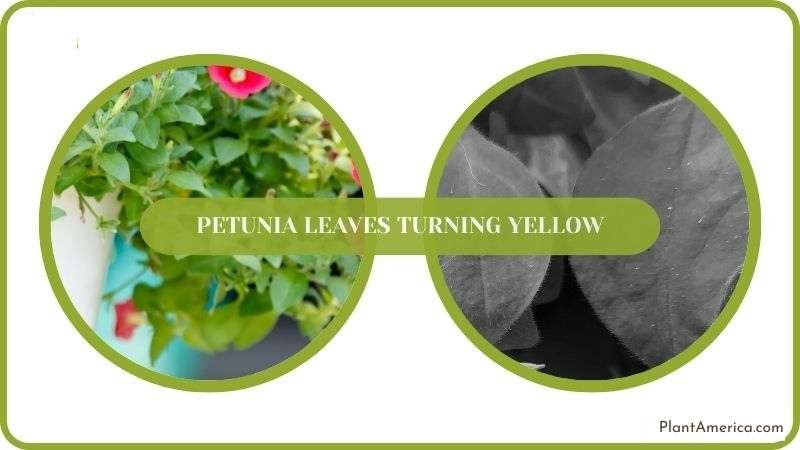
Petunia leaves turning yellow indicates a serious plant problem due to nutrient deficiencies, over-watering, pests like aphids, other diseases, or the lack of sunlight. In this article, you will learn that these common reasons have simple and easy solutions.

If you don’t know how to save your plant now, you can be your plant’s superhero after you read this article!
Why Are Your Petunia Leaves Turning Yellow? 4 Common Reasons
Your petunia leaves turn yellow because of several reasons. It could be nutrient deficiencies, viruses, pests, and diseases, overwatering, and lack of sunlight. It is important to check the pattern of yellowing, as some patterns indicate a serious problem for the petunias.
– Nutrient Deficiencies
The lack of nutrients like iron, magnesium, nitrogen, potassium, manganese, and sulfur causes petunia leaves to turn yellow. The lack of iron causes chlorosis in young plants. If chlorosis is identified in the veins, this might be an indication of potassium deficiency in older leaves.
To facilitate growth, petunias need to acquire plenty of nitrogen and nutrients. If these plants are planted in poor soils, they tend to have yellowish-green leaf color when they get older.
If young petunia leaves lack magnesium, a greenish-yellow color can be observed on the leaves. Some nutrient deficiencies that can cause yellowing on petunia are boron, iron, and manganese deficiencies. Testing the soil is one of the means that can help you identify the nutrients needed by your plant.

– Viruses, Pests, and Fungal Diseases
The tobacco mosaic virus is one of the most probable causes of yellowing in the leaves of a petunia. It has been called the “mosaic” virus because the yellow spots on the plant show a pattern similar to a “mosaic.” This type of virus is transmitted through the soil and through the hands of tobacco users. Unfortunately, if your petunias acquire this virus, there is no known cure for it.
Aphids are one of the most common pests that can be found in petunia plants. If left untreated, aphids can spread the tobacco mosaic virus from one plant to another. You can cure an infected petunia by spraying it with a strong stream of clean water.
Verticillium wilt is the most common fungal disease that causes yellow leaves in petunias. In this case, overwatering is the main culprit that causes stem and root rot in the plants.
– Overwatering
Petunias need plenty of water, but overwatered petunias can have discolored and wilted leaves, so be careful. Improper watering or overwatering can bring different plant problems that might result in plants dying.
– Lack of Sunlight
Inadequate sunlight can also be one of the problems behind the yellowing leaves of your plant because petunias need bright sunlight to grow beautiful and healthy. When they are not receiving the proper amount of sunlight, their leaves become yellow and wilt.
Easy and Effective Solutions to Save Yellowing Petunia Leaves?
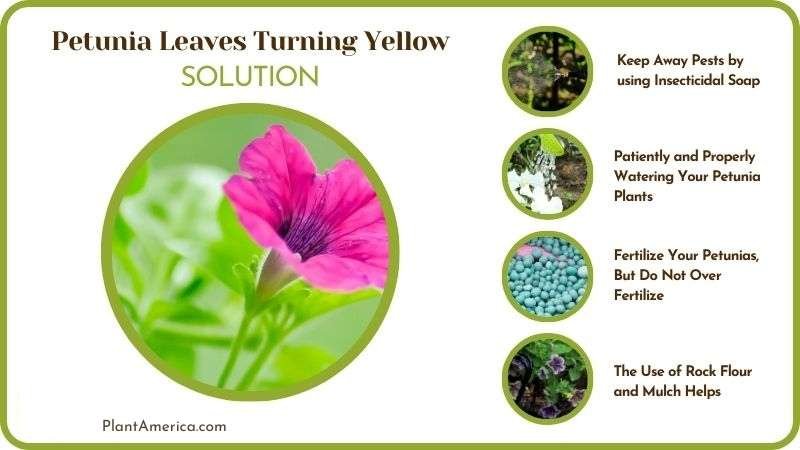
Some easy and effective solutions to save yellowing petunia leaves are to first identify the problem so you can choose the correct solution. Then you can keep pests away, patiently and properly water them, fertilize your petunias, add companion plants, and use rock flour and mulch.
– Identify the Main Reasons Why Petunia Leaves Turn Yellow
Finding the main culprit behind why your petunia leaves are turning yellow is the first thing to do to identify which solution is the best for every plant condition. Once you have already determined the cause, treat the plant properly and accordingly.
– Keep Away Pests by using Insecticidal Soap
You can use insecticidal soap to keep pests away from your petunias. Spray the leaves once a week for the first three weeks. You can also spray this soap throughout the dry period. However, remember not to use fruit spray or vegetable spray on your petunia plants as such sprays can worsen the damage.
– Patiently and Properly Watering Your Petunia Plants
Allow the top of the soil to dry a few inches before you water the plant again to avoid overwatering your petunia. Do not be in a hurry. Check the season, and prepare a schedule for when you will water your plant. Some growers do the watering once a week; however, it still depends on the needs and condition of your petunia plants.
Remember to always keep the foliage dry by watering only at the base of the plant. Do not overcrowd the plants so they can have good and enough air circulation. Always use a container or a pot with drainage holes at the bottom to keep the soil dry and avoid overwatering.
– Fertilize Your Petunias, But Do Not Over Fertilize
You can use NPK fertilizers to fertilize your petunia plants. NPK fertilizers contain nitrogen, phosphorus, and potassium, together with iron, which are very important nutrients to grow your plants healthily. You can fertilize your petunias regularly, every 2 or 3 weeks, depending on the type of petunia fertilizer you use.
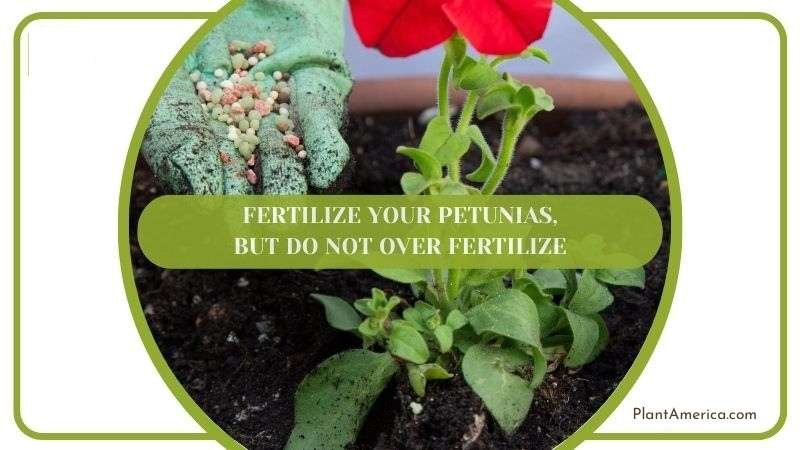
When you use fertilizer, you can prevent other nutrient deficiency symptoms, such as the yellowing of leaves. One of the best techniques to fight deficiencies like iron deficiency is foliar fertilization, which can be done by spraying nutrients on the leaves of the plants.
Foliar fertilization is the most preferred method because it cannot easily be washed away as you water your plants. However, you should avoid applying it when your plat is directly under the heat of the sun. The most recommended time to apply this method of fertilization is at night.
Do not over fertilize your petunias. When these plants are over fertilized, the leaves become yellow, and they will eventually wilt and be more prone to other pests and diseases; they may even die. Once you accidentally over fertilize your plants, keep in mind that you need to wait for your petunia to become healthy again before you try applying fertilizer.
– The Use of Rock Flour and Mulch Helps
The use of rock flour and mulch helps prevent leaves from becoming yellow. The rock flour should be applied when you begin to plant your petunias so the nutrients will already be there from the start. Mulch can be a nice way to trap moisture in the soil, which helps the plants avoid drying.