
Brown Spots on Jade plant often arise due to inadequate care, environmental stressors, or diseases. Therefore, you should take them as a sign that you haven’t cared for them properly.
 But fear not; you can still revive your plants with simple solutions (but only if you do them correctly). So, stay tuned to learn how to save plants and keep them thriving!
What Causes Brown Spots on a Jade Plant?
The primary causes for brown spots on a jade plant include inconsistent watering, prolonged exposure to the sun, and the onset of diseases. Low humidity levels and cold stress can also sometimes lead to leaf discoloration. If you see pests on your plants, they can also be the reason.
– Keeping the Soil Excessively Moist
Like any other plants, Jade plants (crassula ovata) have their own needs for soil moisture. However, making the mistake of keeping the soil excessively moist can be detrimental to these plants.
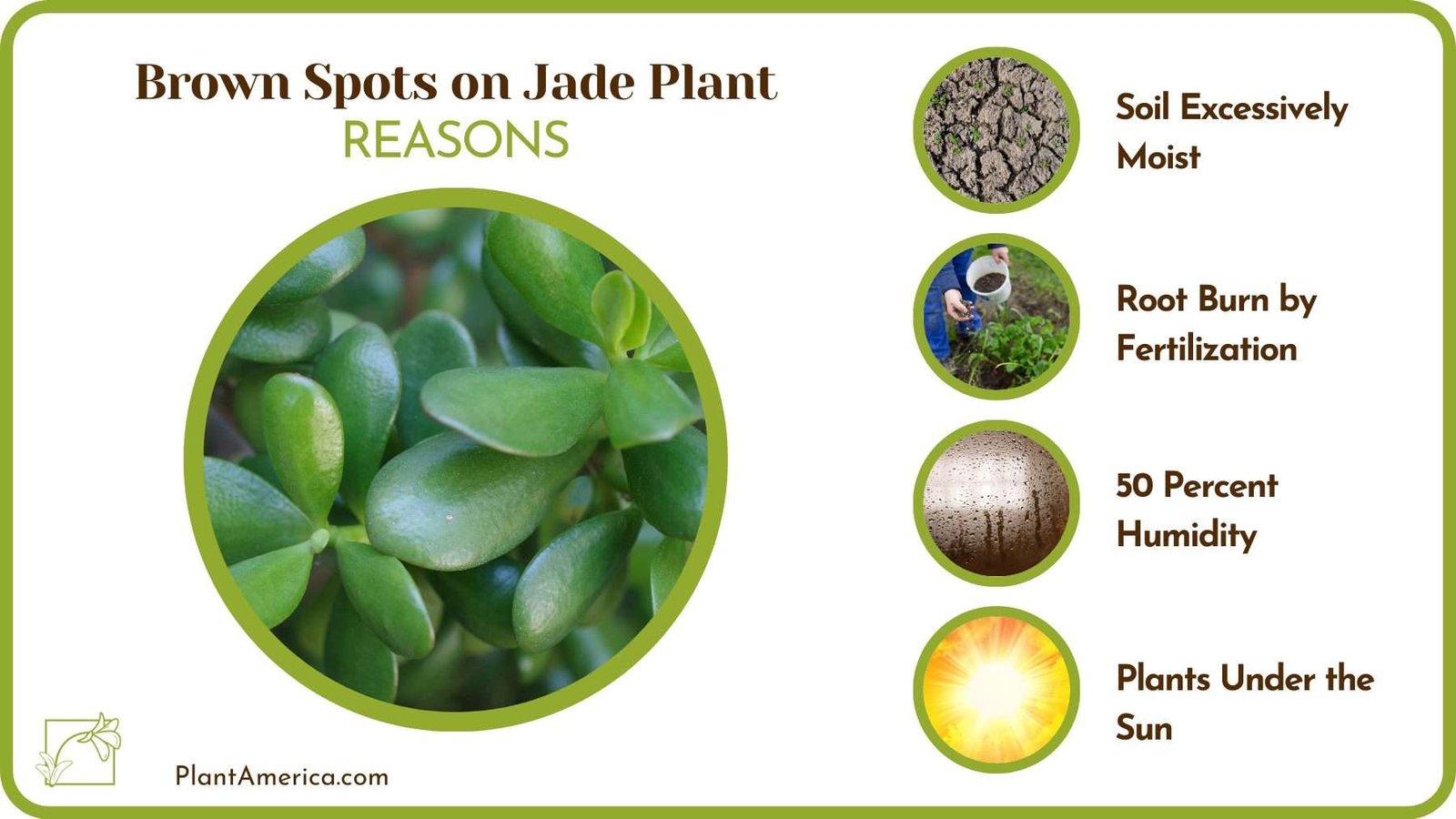
It usually happens when you overwater plants or pour water daily. But if you water in the recommended way, then chances are the soil’s drainage is poor. When soil retains more moisture than necessary, it creates a haven for certain fungi to grow. This fungi, in turn, attacks the roots, leading to “root rot” conditions.
Moreover, root tissues can’t breathe when they are constantly under the water. So, both root rot and suffocation start hurting the plant. Over time, the water and mineral absorption stops, and the brown patches appear on the leaves.
– Placing the Plants Under the Sun
An all too common cause for jade plant leaves turning brown and falling off is exposure to direct sunlight. But how does this happen? Jade leaves are succulent, meaning they retain a lot of water. But these leaves can get sunburned when exposed to the sun, especially during peak hours.

The leaf cells lose water and die when the sun’s rays fall on them. As a result, brown dots first start to appear. With time, these dots merge and form a “brown spot.” The discoloration happens in the top leaves first, as they are more exposed to the sun.
– Root Burn by Fertilization: One of the Common Reasons
Here’s the thing: fertilizers are laden with salts. While beneficial in correct amounts, these salts can pose a problem when over-applied. As they accumulate in the soil, they start pulling water away from the plant’s roots (this process is called osmosis).
Excessive salts “burn” the roots by depriving them of their essential moisture. When this happens, the roots can’t absorb necessary soil nutrients, making the plant “nutrient-stressed.”
One noticeable sign of root burn is the appearance of brown to white spots on the jade plant’s leaves. These spots signify a plant crying out for help, revealing the internal damage it’s enduring.
– More Than 50 Percent Humidity
Plants, much like humans, have their comfort zones. For jade or money plants, humidity plays a pivotal role in maintaining their health. When these plants experience high humidity levels (above 50 percent), their leaves show signs of distress. This is because jade/money plants are native to arid regions and prefer a drier environment.
However, why do these signs appear in the first place? The plant struggles to transpire in high humidity, a process where water vapor exits the leaves. This difficulty causes water to accumulate in the leaves, leading them to swell.
Over time, this swelling becomes too much for the leaf to handle, causing it to burst and damage the internal cells. This damage first appears as the jade leaves/stems turning yellow and brown.
– Cold Damage/Injury
When plants face cold temperatures, their cell sap can freeze. This frozen sap expands within the cells, damaging the cell walls. As the temperatures rise and the sap thaws, these damaged cells can no longer function properly, leading to cell death.

The manifestation of this damage becomes visible in the form of tiny black spots on jade plant leaves. These spots are clusters of dead cells, revealing the plant’s trauma due to cold exposure. The brown to black spots can be seen anywhere on the plant. You can even search “pictures of brown spots on Jade plant affected by winter” on the internet and match them with the spots you see on your plant.
– Fungal Diseases: Common in Damp Conditions
Are you seeing brown spots on jade plant stem? If yes, then it indicates fungus invasion. When fungi attack, they release enzymes that break down plant tissues, providing them with the necessary nutrients to thrive. As these fungi consume the nutrients, the plant tissue in that area dies, leading to the brown patches or spots we observe.
Note that the fungi responsible for the diseases thrive in humid environments. The moisture facilitates their growth, allowing them to reproduce and spread quickly. So, a jade houseplant kept in a damp environment with limited airflow becomes an easy target for these fungal invaders.
– Virus Attack (In Some Cases)
Understanding how a virus works can give us better insight into the changes we observe in the affected plant. Viruses cannot reproduce on their own. They need a host, and once they find one, they hijack the host plant’s cellular machinery to replicate.
This process disrupts the normal functioning of the plant cells. As the virus multiplies and spreads, more and more cells get affected.
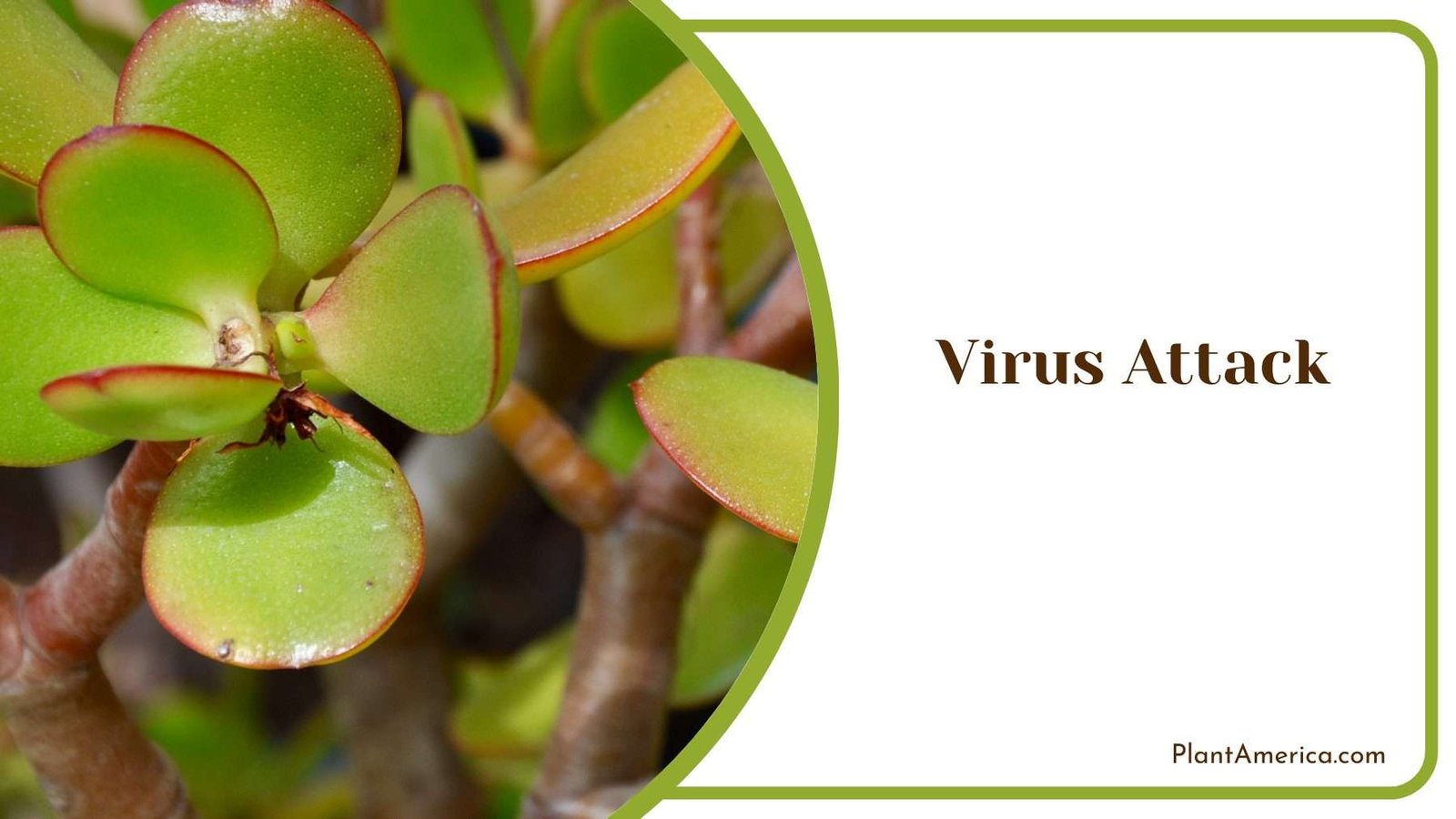
The first signs of a virus attack may be subtle with jade plants.
There might be:
- Slight discoloration
- A change in the texture of the leaves
- A slowed growth rate.
As the virus continues its invasion, these symptoms become more pronounced. The leaves start becoming brown, signifying cell death. There’s no foolproof cure for the virus attack, but you can still do many things to keep your plants happy (which we are now discussing).
How to Fix Brown Spots on a Jade Plant
To fix brown spots on a jade plant, start by addressing the underlying cause. Ensure that the plant receives adequate water, but avoid over-watering. Also, please place it in a suitable light and temperature location. Furthermore, treat any diseases or pest infestations without wasting a day.
– Keep the Soil Adequately Moist
When discussing how to treat brown spots on jade plants, one of the first steps is addressing the watering needs. Jade or money plants are succulents, and while they are relatively hardy, their watering needs differ from other houseplants.

Here’s what we suggest:
- Always check the moisture before watering by sticking your finger about an inch deep. If it feels dry, it’s time to water. If it feels moist, wait a few more days.
- When watering, ensure that the water seeps through the soil thoroughly. However, don’t let the plant sit in water. Ensure the pot has proper holes, as poor drainage can hurt plants in many ways.
- Using a can with a narrow spout is better, as it will help direct water to the soil, avoiding the leaves.
- Instead of a fixed watering schedule, rely on the soil’s moisture level. Jades are adaptable and can withstand periods of drought. Over-watering, on the other hand, can cause brown patches and root rot.
– Shift the Plants to a Suitable Spot
Have you ever noticed a leggy jade plant that’s stretched out and appears sparse? This is a sign that it might not be receiving adequate sunlight. Jade plants crave sunlight, but not too much of it.

Here are best spots to consider:
- An east-facing window: Morning sunlight is gentle and can benefit the jade without causing any harm.
- A shaded spot on your balcony or porch: While they need sunlight, direct afternoon sun can be harsh. So, a site that receives filtered sunlight is ideal.
- Near a south-facing window: This allows the plant to receive light without getting scorched by intense rays.
- In rooms with sheer curtains: This can filter the sunlight, making it gentle enough for the plant.
If natural sunlight is a challenge, consider using an LED Grow light. Ensure it’s placed at a distance to avoid overwhelming the plant.
– Change the Soil if It’s Over Two Year Old
If the soil is over two years old, it might be depleted of essential nutrients and may have deteriorated in structure. Therefore, we recommend every Jade owner to change the soil after every two years.
Choose the Right Soil: Opt for a well-draining cactus or succulent potting mix. Jade or succulent plants prefer slightly acidic to neutral pH levels.
Preparation: Before repotting, water the plant a day in advance. This makes the removal process smoother.
Removing the Plant:
- Gently tilt and tap the pot to loosen the soil.
- Hold the plant at the base and pull it out.
- Be careful not to damage the roots.
Inspect the Roots: Before repotting, check the roots for any signs of rot or damage. Trim away any rotten or excessively long roots.
Place a Mesh or a Shard: At the bottom of the new pot, place a piece of mesh or a broken pottery shard. This prevents soil from escaping and ensures better drainage.
Add Fresh Soil:
- Spread a layer of fresh soil mix at the pot’s bottom.
- Place the plant in, ensuring it’s centered.
- Add more soil, pressing gently around the plant, leaving no air pockets.
Placement: Initially, keep the repotted plant in a shaded spot for a week. Gradual exposure to its regular site will ensure it adapts well.
With these steps, your plant should transition smoothly to its new soil, offering a renewed environment to grow and flourish.
– Focus on Roots When You See Jade Plant Turning Brown
If you want to know “how to get rid of brown spots on jade plants without hassle,” you can do this by paying close attention to its root health.
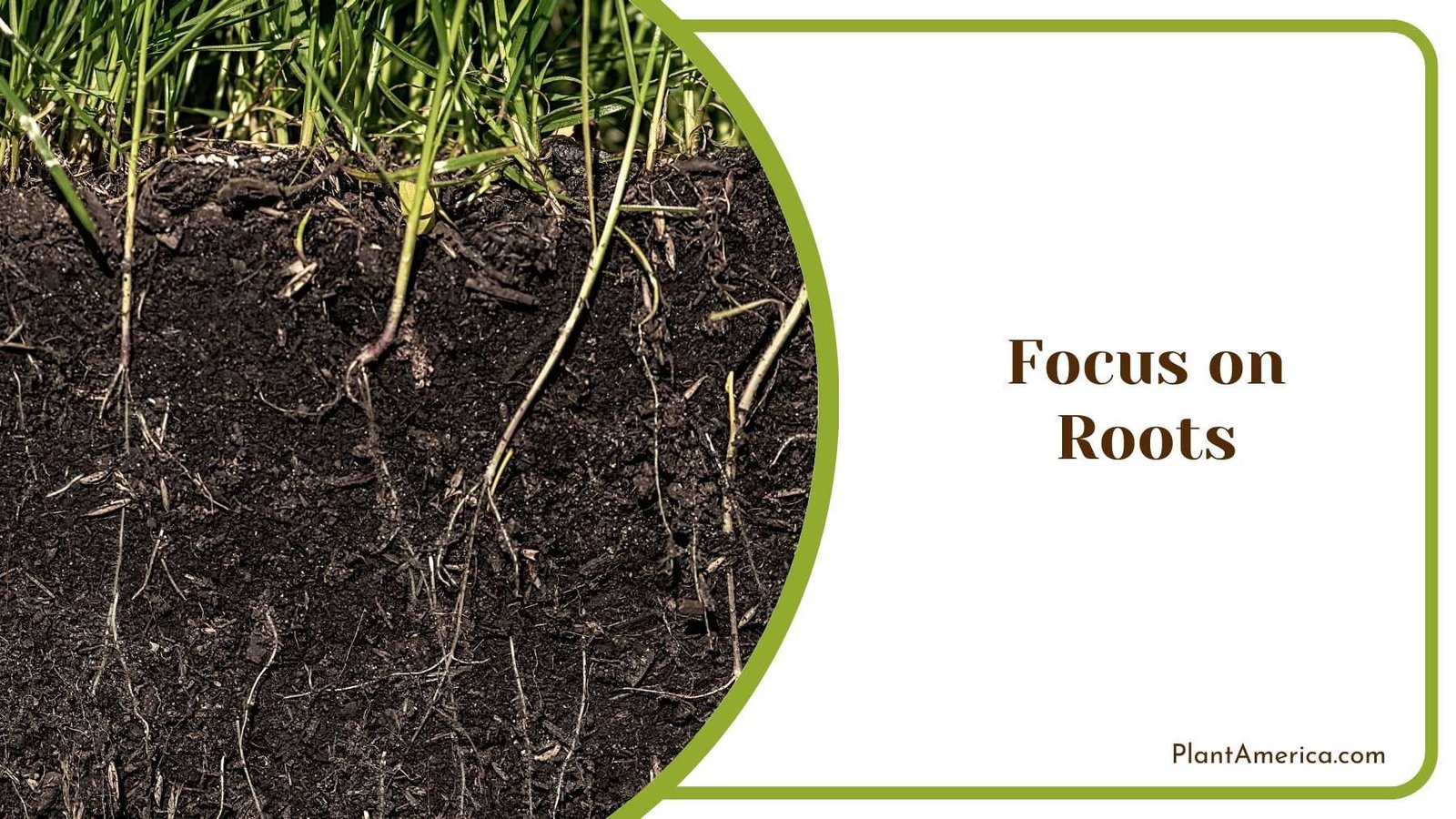
Here’s what to do:
- Proper Watering: Over-watering is a common issue. Ensure that the soil is dry before you water again.
- Regular Inspection: Every once in a while, gently unpot the plant and inspect the roots. Healthy roots are typically white or tan and firm to the touch. If they’re brown and mushy, it indicates root rot.
- Fertilize Sparingly: While plants benefit from fertilization, it’s essential not to overdo it. Over-fertilization can burn the roots. Use a diluted, balanced fertilizer once every few months.
- Pot Size Matters: Ensure your plant is not in a huge pot. A pot that’s too big retains more water, which isn’t good for the roots.
– Keep Humidity at a Suitable Level
For optimal plant care, maintaining the proper humidity level is crucial. Jade or money plants prefer a humidity level of around 40 percent.
Here’s how to achieve and maintain this:
- Humidity Trays: Place a tray filled with water and pebbles beneath the plant pot. As the water evaporates, it will increase the surrounding humidity.
- Room Humidifiers: Consider using a room humidifier, especially during the dry winter.
- Avoid Direct Drafts: Position your plant away from direct drafts, heaters, or air conditioners, which can reduce humidity.
- Grouping Plants: Placing multiple plants together can increase local humidity as they release water.
- Regular Misting: While succulents are drought-resistant, a gentle misting can help maintain humidity. Ensure not to overdo it.
– Do Winter Care in Cold Season
Jades, being succulents, are sensitive to cold temperatures.
So, when the temperature drops below 55 degrees Fahrenheit, we suggest you do the following:
- Limit Watering: In winter, the plant goes into a dormant phase. Reduce watering during this time, ensuring the soil remains drier.
- Avoid Temperature Shock: If you’ve kept your jade houseplant outside during warmer months, transition it indoors before the first frost.
- Provide Adequate Light: Even in winter, plants need light. Position them near south-facing windows or under a grow light to ensure they receive enough.
- Protect from Drafts: Cold drafts from windows or doors can stress the plant. Ensure it’s placed in a spot away from direct drafts.
- Temperature Range: Try to maintain an indoor temperature of around 55 degrees Fahrenheit during the night and not more than 70 degrees Fahrenheit during the day in winter.
- Winter Fertilizing: It’s best to avoid fertilizing jade plants in winter. Wait until the beginning of the growth season in spring.
Caring for your plant during winter ensures it remains healthy and ready to flourish once the warmer months roll in.
– Treat Diseases Smartly
Identifying and managing diseases in a timely and efficient manner is crucial for the well-being of your plants. So, what are the proven brown spots on jade plant treatments?
Well, we recommend the following:
- Prune the disease/brown leaves first to stop the infection from spreading.
- Change the plant’s soil, as pathogens love to reside there.
- Ensure the plant gets adequate water and light, as both improve immunity.
- In case of fungal diseases, use anti-fungal sprays or fungicides.
When you take these measures, the diseases won’t hurt your plants. Ultimately, you’ll have a thriving garden with green leaves everywhere.
Conclusion
In a nutshell, jade plants can develop brown marks/spots due to various causes like over-watering, inadequate lighting, and diseases. Here, we explained how to protect your plants from these stresses.
Here are the key takeaways:
- Ensure you water the right way and drain out any excess liquid.
- Keep the temperature within 65 to 75 degrees Fahrenheit to keep the plants green.
- Manage humidity eves to be around 40 percent via humidifiers and humidity trays.
- Address any diseases promptly by using anti-fungal sprays.
By implementing these guidelines, your jade plant will flourish and stay in prime condition!