
Types of zinnias are the vibrant stars of many spring and summer gardens. Within this colorful flower genus, you’ll find over 200 varieties perfect for attracting pollinators to your green space.

In this guide, we’ll explore some of the most popular types of zinnias and what makes each one stand out. By the end, you’ll be an expert on zinnias and ready to mix and match colors to create your own show-stopping summer display so let’s get started on your zinnia education!
Show Stopping Types of Zinnias to Spruce Up Your Garden
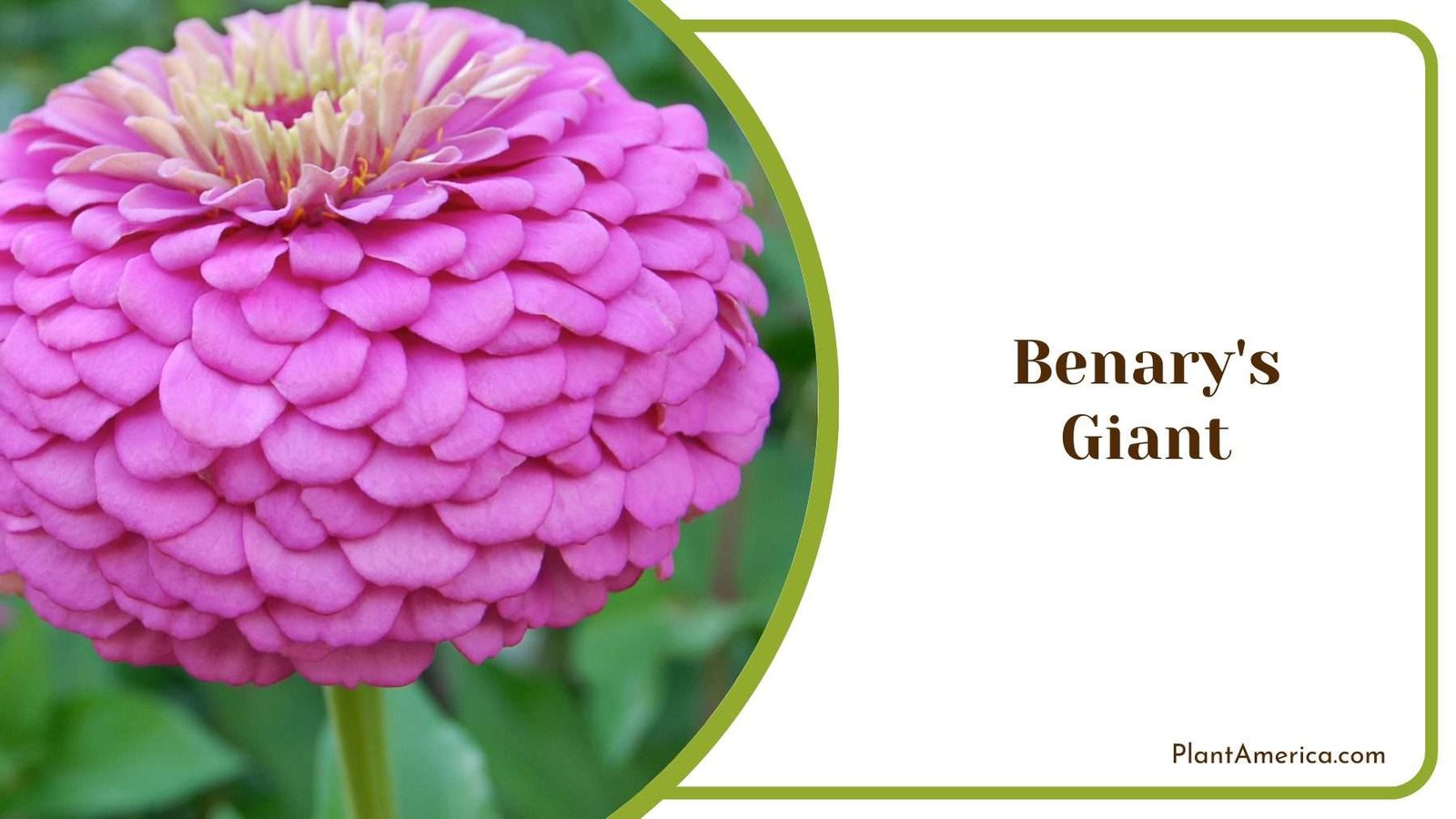
1. Benary’s Giant
- Growing Season: Spring, Summer, Fall
- Leaf Shape: Broad, Green foliage, Heart-shaped leaves
- Specific Needs: Well-draining soil, Full sun
- Common Pests: Aphids, Spider mites
Renowned for its mammoth blooms, Benary’s Giant zinnia is certainly deserving of its name. These impressively large flowers can reach 4 to 6 inches in diameter, gracing the garden with vivid splashes of color.
Hues range from cheerful yellows and vibrant reds to soft pinks and warm oranges. No matter the time of day, the glowing blooms are sure to capture the eye.
An extended flowering period is another highlight of this zinnia variety. From the peak of summer stretching into the first fall frosts, Benary’s Giant provides a lengthy show that eclipses shorter-blooming annuals. Nearly constant buds, blooms and reblooming make it a reliable mainstay of the warm weather borders and beds. A season-long spectacle is on display whether admired from the patio or clipped for vibrant indoor arrangements.
While the towering blooms demand ample sunlight and moisture, Benary’s Giant has proven itself resilient in gardens across climate zones. Evergreen foliage remains dense and attractive when flowers are not in bloom.
Combating humidity and rainfall, the leaves stay a deep, rich green without signs of spotting or wilting. Even heavy downpours slide right off the compact, upright form as if the plants are rain-proof!
For the largest blooms to unfold to their fullest proportions, vigilance is required in deadheading faded flowers before seed pods form. The reward is successive rounds of eye-catching blooms that beat out even perennial competitors for longest lasting summer color.
Benary’s Giant truly lives up to its colossal name year after year, a standout selection that grants magnified happiness.
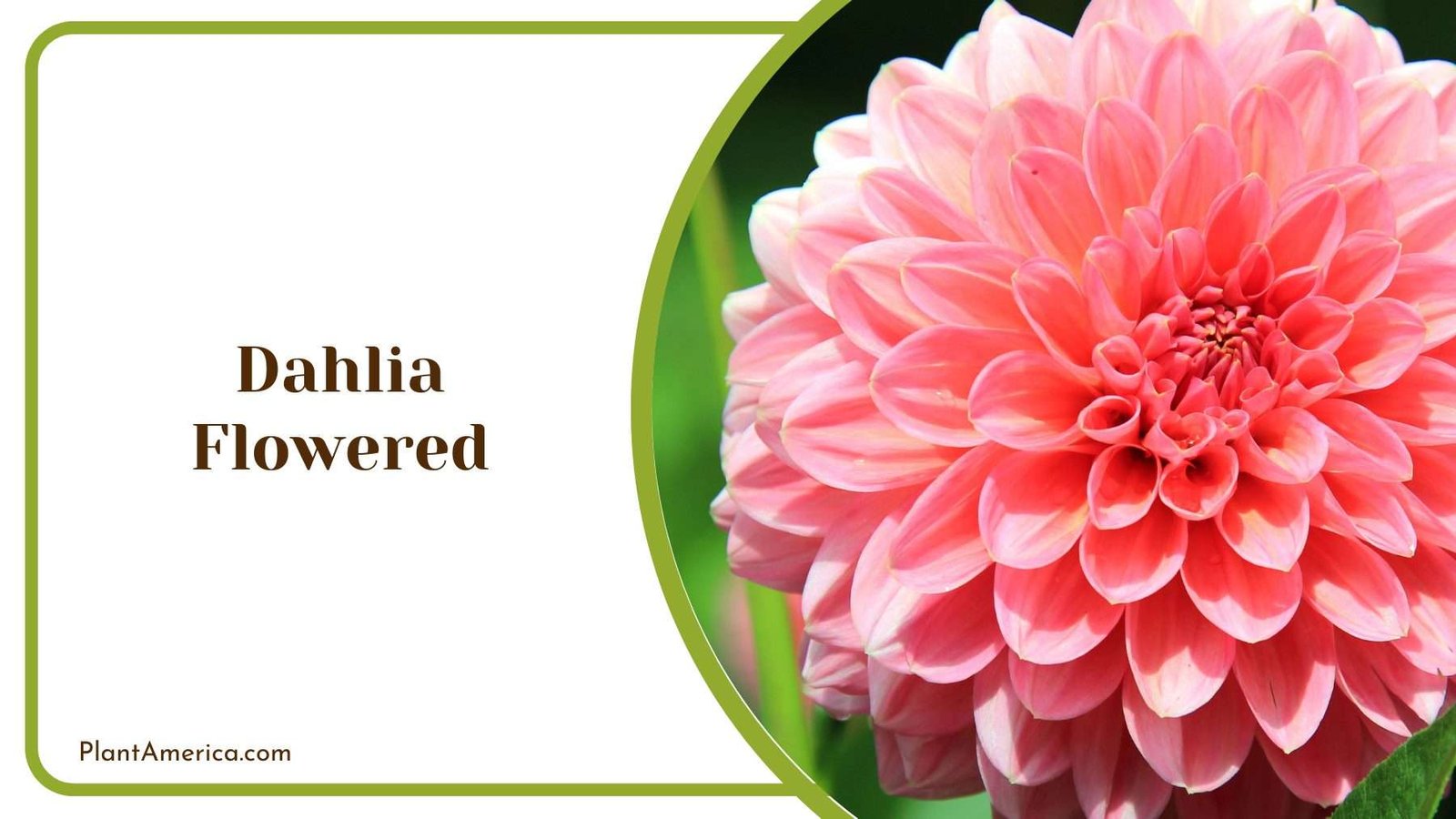
2. Dahlia Flowered
- Growing Season: Spring, Summer, Fall
- Leaf Shape: Palmate, Leathery
- Specific Needs: Well-draining soil, Full sun
- Common Pests: Leafhoppers, Powdery mildew
With blooms evoking its namesake, the Dahlia Flowered zinnia variety offers a unique floral display. Rather than the typical small, clustered flowers of many zinnias, Dahlia Flowered bears elegant, solitary blooms up to 6 inches wide. Curled and pointed petals in vibrant shades resemble elegant garden dahlias, but require far less fuss to thrive.
These stately blooms rise high above lush, dark green foliage on sturdy, upright stems perfect for bouquets or beds. A long vase life allows harvested flowers to be enjoyed indoors as well. With improved disease resistance compared to true dahlias, the petals retain their colorful glory for over a week.
From summer into fall, successive crops of dazzling blooms unfold to transform the garden into a magical oasis. Prolific reblooming depends on diligent deadheading of spent flowers, but sparing this minimal effort is rewarded with month after month of sprightly color. No fungicides or staking are typically needed like other large-flowered plants either.
Unfazed by heat, humidity or pests, Dahlia Flowered zinnias are at home in beds, borders or containers. Their striking flowers and tidy habits make them versatile additions for pollinator gardens too. Offering the natural elegance of dahlias with less fuss, this variety proves zinnias can indeed rival more temperamental blooms for beauty and longevity.
3. Oklahoma

- Growing Season: Summer, Fall
- Leaf Shape: Oval, Medium
- Specific Needs: Well draining soil, Full sun
- Common Pests: Leafhoppers, Spider mites
The Oklahoma zinnia is known for its drought tolerance and adaptability to hot climates. It thrives in full sun with minimal care. This variety forms mounds of small, double-flowered blooms in vivid colors ranging from red to orange, pink, and yellow.
The Oklahoma zinnia is renowned for its adaptability to hot, arid climates where many flowers cannot thrive. Native to the central plains, this hearty variety requires minimal care yet provides months of vibrant color.
Forming tidy mounds just 12-18 inches tall, Oklahoma zinnias bear masses of small yet perfectly round double blooms. Their flower heads measure a diminutive 1-2 inches wide, producing an effect likened to pom pom cheer. Available in a dazzling palette including scarlet, tangerine, pink and sunny yellow hues, their vivid colors brighten parched landscapes.
Carried proudly atop rigid stems clad in narrow green foliage, these durable blooms appear relentlessly from summer through fall. While preferring full sun, Oklahoma zinnias can tolerate partial shade. Their deep taproots allow exceptional drought tolerance to flourish with occasional watering alone.
Well-draining soil suits them best, but these zinnias withstand drier periods due to heat and drought resistance. Where other flowers wilt, they continue performing reliably as the temperatures rise. Come drought warnings, Oklahoma zinnias remain as cheerful accents alongside hedges or prairie plantings while conserving precious H2O.
Beyond months of colorful entertainment, Oklahoma zinnias attract pollinators even through heatwaves. Native bees, butterflies and more flock to their abundant nectar and blend of color. Their continual blooms sustain local pollinator populations as season transitions.
Low-demand yet vivid additions for gardens, this variety exemplifies carefree spirit. Oklahoma zinnias remind that beauty often emerges strongest amid life’s harshest conditions, imparting lessons of resilience and persistence through changing seasons..
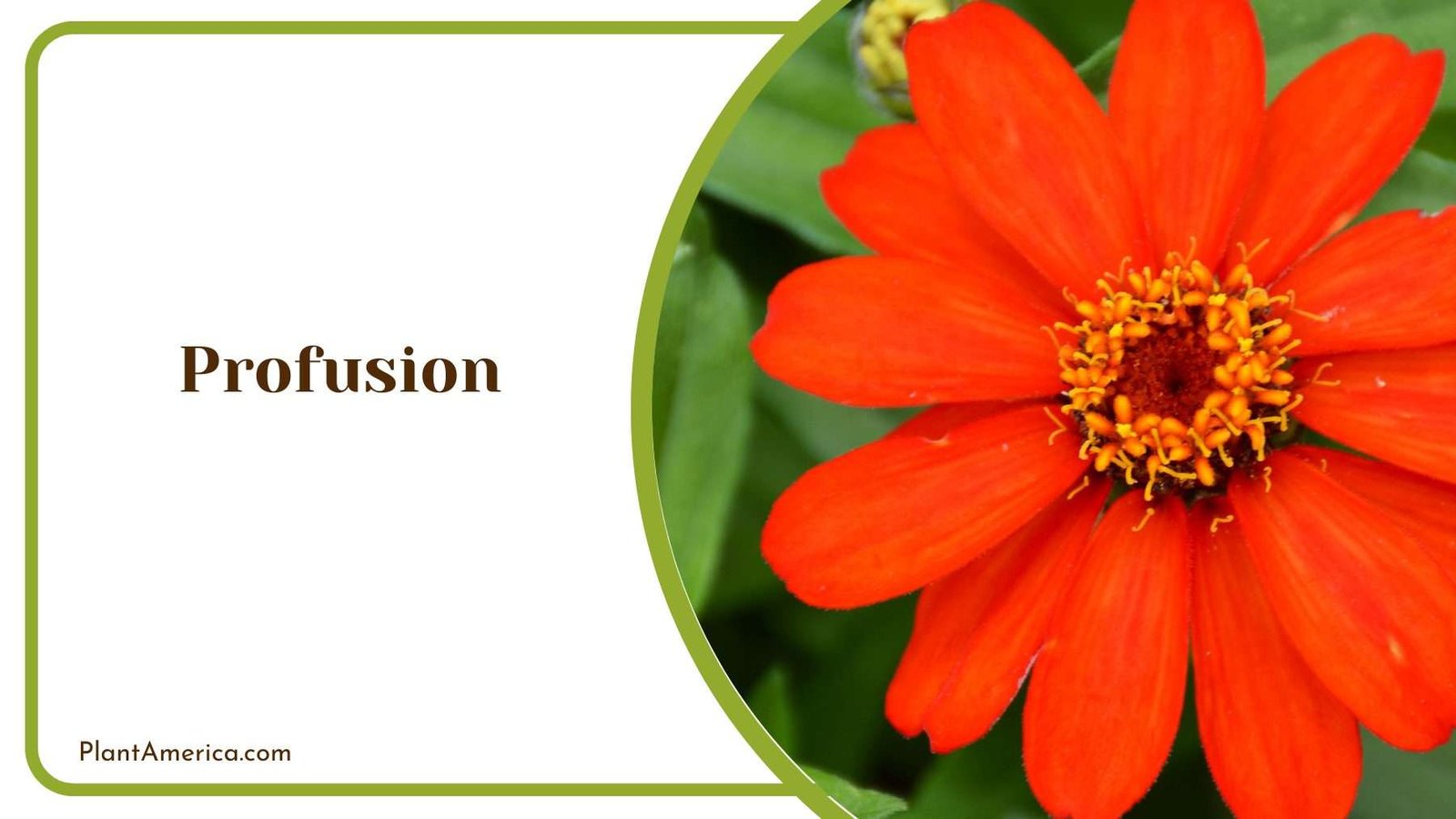
4. Profusion
- Growing Season: Spring, Summer, Early fall
- Leaf Shape: Oval, Medium
- Specific Needs: Well draining soil, Full sun
- Common Pests: Powdery mildew, Spider mites
The Profusion zinnia is prized for its prolific flowering habit. This variety produces an abundance of small, double-formed blooms in various colors including yellow, orange, salmon, pink and scarlet.
Typically growing 12-18 inches tall, Profusion blooms over a long period from summer through autumn. The three-quarter inch flowers cover the plant in waves of color that attract pollinators.
The Profusion zinnia lives up to its name by coating plants in a veritable blanket of colorful blooms. Known for maximizing floral production over an extended season, this dependable variety fills landscapes with prolonged pops of brilliance.
Profusion develops tidy dome-shaped mounds clothed in diminutive yet perfectly formed double flowers. Available in a vivid assortment including tangerine, salmon, rose-pink and scarlet hues, their three-quarter inch heads coat the plant in wave after wave of chromatic splendor.
Prolific flowering commences in mid-summer and continues relentlessly for months as temperatures rise and fall. Where others falter, Profusion persists in coloring gardens through autumn frosts. Continuous blooms atop uniform stems clad in dark green foliage create a tapestry that garners awe.
Thriving in full sun with soil maintaining good drainage, Profusion wants only regular water and occasional deadheading to keep thriving. It withstands hot, humid periods that sabotage less sturdy blooms. Where weather proves inclement, Profusion preserves gardens’ cheer.
Beyond unmatched brilliance and duration, Profusion rewards with pollinator magnetism. Bees, butterflies and more flock to savor its copious nectar buffet. Sustained blooms support local biodiversity when warmth wanes.
Low-care yet luminous, Profusion elevates any plot from summer’s peak to the final fall harvest moon. Use to light borders, containers or naturalizing through late color and movement. Dependable Profusion bolsters the spirit through season’s changes with a floral fireworks show for months on end.
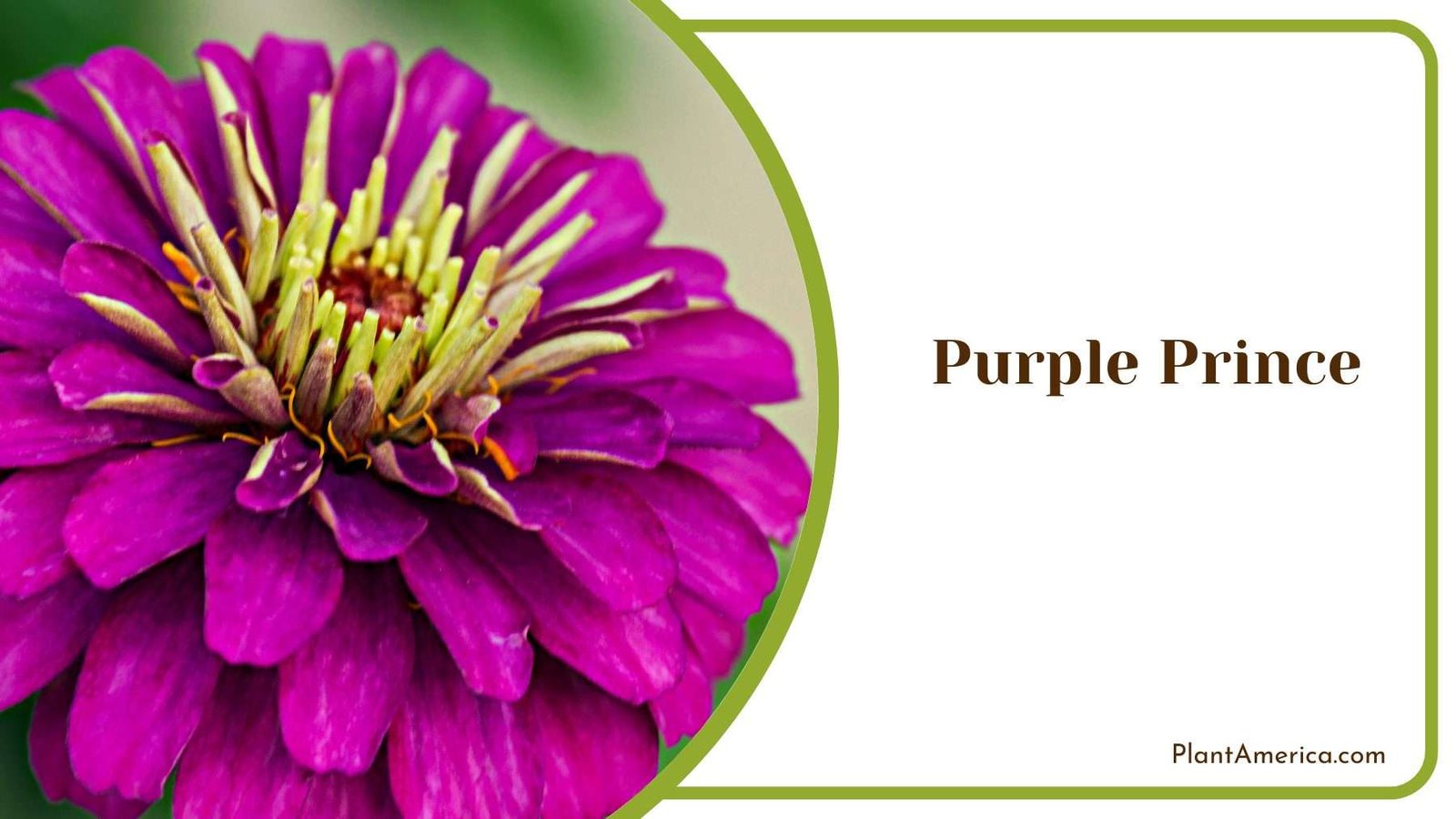
5. Purple Prince
- Growing Season: Summer, Early fall
- Leaf Shape: Medium, Heart shaped
- Specific Needs: Well draining soil, Full sun
- Common Pests: Powdery mildew, Spider mites
Purple Prince zinnias stand out with their distinctive blooms in hues of violet, plum, and grape. Producing large, upward-facing flowers up to 4 inches wide, this variety draws the eye with its vivid colors. The Purple Prince offers a pop of unique pansy-like blooms among more common orange and yellow zinnias.
Beyond its eye-catching blooms, the Purple Prince also thrives with minimal fuss. Vigorous plants grow 2-3 feet tall, holding multitudes of blooms high on sturdy, branched stems above lance-shaped green foliage. With proper support, the royal blooms shine for cut arrangements indoors as well.
Flowers appear prolifically from summer into fall. A continuous display depends on pruning off spent blooms to encourage reblooming. Heat, humidity and pests pose little issue for this hardy variety. Even during drier stretches when water may be limited, the Purple Prince keeps producing its regal blooms.
Well-suited for beds, borders and containers, this distinctive zinnia variety adds unique color interest. Its striking flowers particularly stand out when paired with complementary shades like oranges, yellows, pinks or whites.
As a magnet for bees, butterflies and hummingbirds, the Purple Prince also makes a lovely addition to pollinator and native gardens. A flourishing performance over many months makes this a top purple pick for any sunny spot.
6. Queen Lime
- Growing Season: Summer, Early fall
- Leaf Shape: Medium, Oval
- Specific Needs: Well draining soil, Full sun
- Common Pests: Powdery mildew, Spider mites
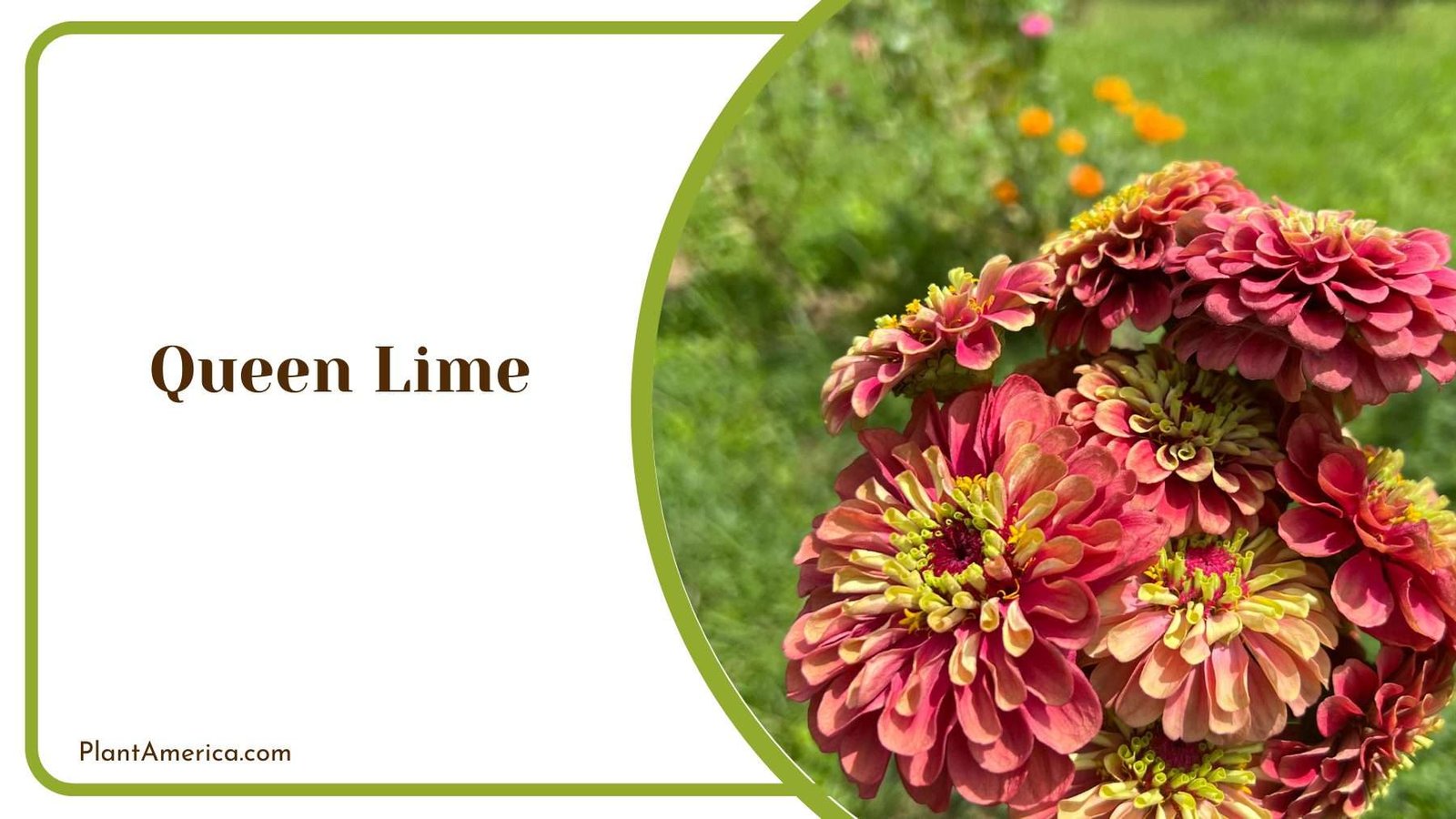
Limelight blooms take center stage with the Queen Lime zinnia variety. Producing large clustered flowers in an arresting shade of bright lime green, Queen Lime stands out strikingly among more traditional zinnia hues.
Growing 2 to 3 feet tall on sturdy stems, Queen Lime plants burst forth from summer into fall with numerous lime-colored blooms measuring up to 4 inches wide. The unusual lime color pops vividly, drawing the eye wherever these beacons of green shine.
Low maintenance and hardy, Queen Lime thrives in full sun with average to dry soil. Its large blooms resist damage from rain and heat, retaining their chartreuse splendor without issue. Deadheading spent flowers simply stimulates reblooming, prolonging the distinctive parade of lime color until frost.
Whether festooned as striking specimens, swaths in the border, or harvested for dramatic green bouquets, Queen Lime makes a bolder statement than any common zinnia. Its atypical yet vibrant chartreuse cast undoubtedly garners oohs and aahs from admirers, cementing its throne as a top novelty choice for startling impact in the garden.
7. Scarlet Flame

- Growing Season: Summer, Early fall
- Leaf Shape: Medium, Oval
- Specific Needs: Well draining soil, Full sun
- Common Pests: Powdery mildew, Spider mites
Scarlet Flame zinnias produce large, vibrantly colored blooms that burn bright like flames from summer to fall. The fully double flowers emerge red but become more scarlet as they mature, glowing intensely in shades of vermillion and crimson. Growing 2-3 feet tall, Scarlet Flame plants are topped with multiple blooms that reach 4-6 inches in diameter.
Their dazzling fire-red flowers dance cheerfully on long, sturdy stems perfect for cutting. Post-harvest vase life exceeds 10 days, keeping the bright color blazing indoors. With a heat-loving nature, Scarlet Flame thrives in hot, sunny sites and withstands rain and humidity without issue.
Deadheading spent blooms encourages a continual bloom stream through early frost. Soil and water needs are low, so this variety naturally flourishes with typical garden care. Scarlet Flame adds spectacular color, texture and luminosity wherever it’s grown.
Ideal for borders, containers or cutting gardens, its brilliant blooms ignite admiration and attract pollinators. For dependable performance that truly makes an impact all season, Scarlet Flame zinnias are a glowing recommendation.
8. State Fair
- Growing Season: Summer, Early fall
- Leaf Shape: Medium, Oval
- Specific Needs: Well draining soil, Full sun
- Common Pests: Powdery mildew, Spider mites
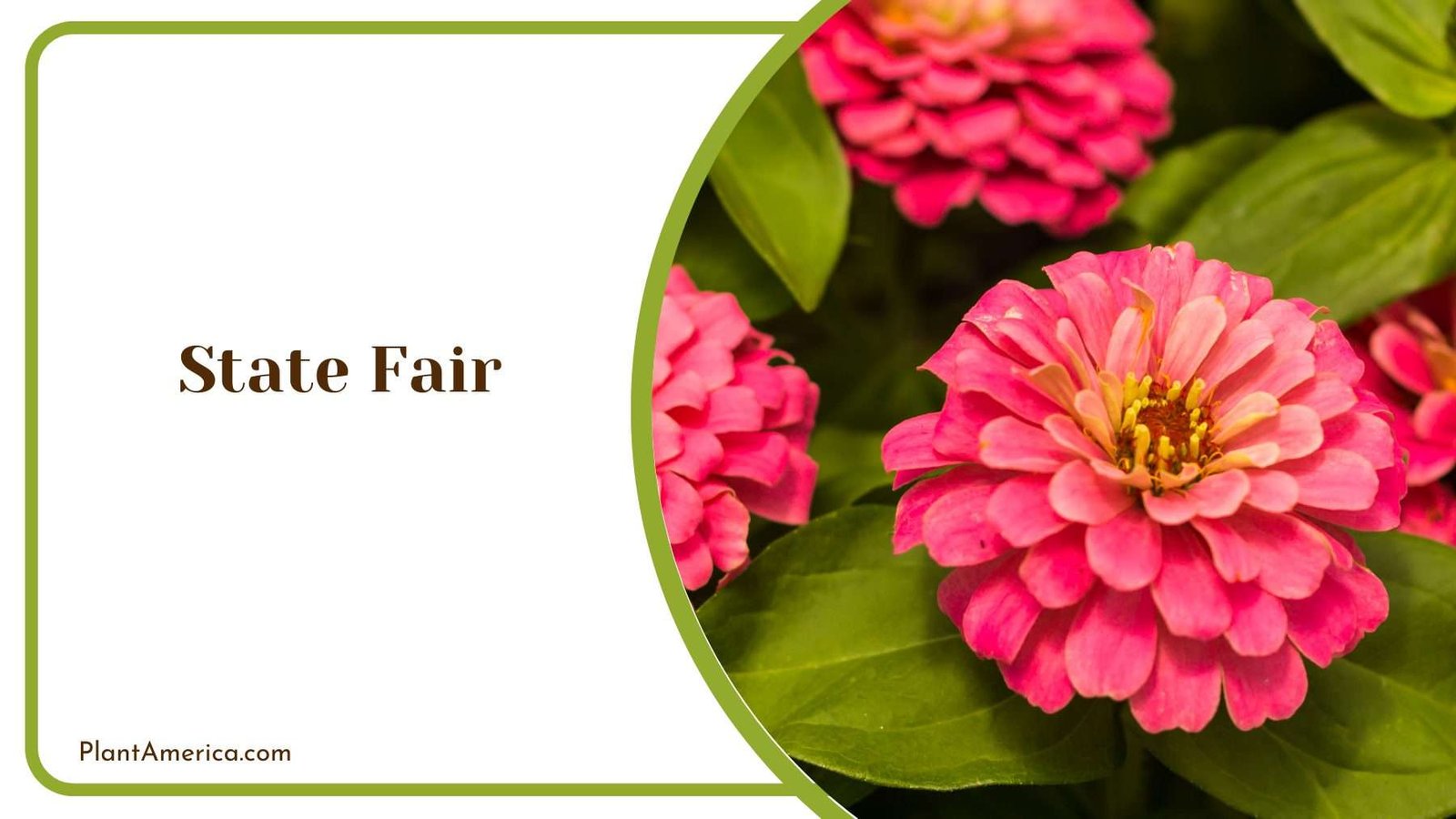
With blooms befitting its prestigious name, State Fair zinnia is a prize-winning variety. Producing large, fully double flowers on strong stems, these zinnias measure an impressive 4-6 inches wide in vibrant shades of red, rose, white, pink and orange.
State Fair plants grow into upright, well-branched bushes around 2-3 feet tall, covered from summer to fall with an abundance of stellar blooms. The extra large flowers make stunning additions to bouquets and arrangements, maintaining their beauty for over a week indoors.
This prizewinning variety proves itself as reliable in home gardens as it is at state fairs and competitions. State Fair thrives in full sun with average soil, developing disease and pest resistance. Its long-lasting flowers appear continuously until frost with regular deadheading to prevent seed formation.
Whether massed in borders or lining a driveway, State Fair’s show stopping blooms generate oohs and aahs. Their cheerful display also attracts butterflies, bees and hummingbirds to the garden. This outstanding zinnia variety truly lives up to its name year after year, a multi-purpose star for pollinators, cut flowers, and capturing ribbons.
9. Envy Zinnia
- Growing Season: Summer, Fall
- Leaf Shape: Standard zinnia leaf shape, Lance-shaped with a serrated edge
- Specific Needs: Full sun, Average water, Soil care
- Common Pests: Aphids, Spider mites
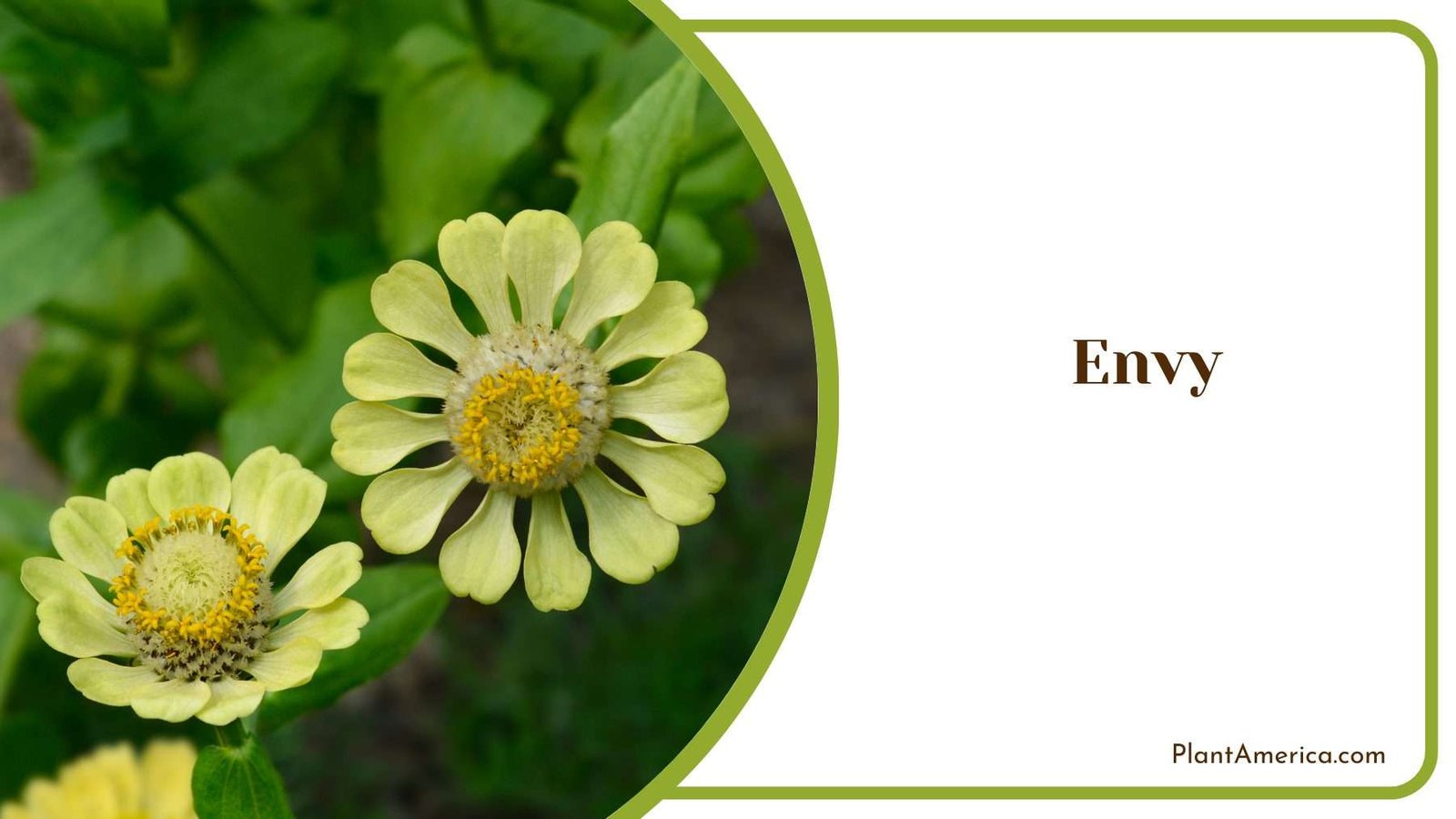
The Envy zinnia is a 2020 All-America Selections winner known for its uniquely hued blooms. This variety produces vibrantly colored flowers that start in shades of lime green, maturing to chartreuse and finally winding up butter yellow.
Growing two to three feet tall on sturdy stems, Envy plants erupt in a continuous display of blooms from summer into fall. Individual flowers span three to four inches across, making a striking colorful statement.
Their unique bi-colored appearance draws the eye among more traditional solid-shaded zinnias. The Envy zinnia gets its name from how green its blooms are. While most zinnias come in bright colors, Envy has unusual green flowers.
The plants grow in mounds about two to three feet tall. They produce many blooms that are fully green, from the outer petals to the yellow center. Each flower is around two to three inches wide when open.
Seeing a whole plant covered in these green flowers looks very different than other zinnias. It’s an eye-catching popping shade of emerald green. Some people think they don’t look real at first!
Envy zinnias bloom continuously from summer until fall when it gets colder. They make many flowers so the green mantles the plants for months. Bees and butterflies still come to drink nectar from the blooms.
These zinnias are very easy to grow. They like full sun and regular garden soil. They can handle hot weather fine and don’t need much water once established. Envy does well mixed with other flowers or as a green accent.
Their unusual color makes Envy zinnias a fun plant that adds something unique. Using green blooms instead of the typical colors switches things up and makes people notice. Seeing nature find new ways to surprise us through simple flowers like these teaches us not to expect the ordinary.
Envy zinnias remind us that even the easiest plants have value in bringing smiles by doing something different. Their bold green blooms brighten gardens in an eye-catching way.
Envy thrives in full sun with average water and soil care. Its flowers hold their distinct shaded hues without issue, braving rain, heat and humidity. Regular deadheading keeps the colorful show going up until frost.
The Envy zinnia is a superb choice for any garden seeking an eye-catching display. Its show starts vibrantly lime before evolving through chartreuse to a bright butter yellow finish. This sequential color change creates a lively, dynamic bloom season that intrigues onlookers and pollinators alike.
As an All-America Selections award recipient, Envy has proven itself as an outstanding performer yielding stunning color, heat tolerance, and prolific blooming right up until frost. For gardens demanding only the best new varieties, Envy zinnia satisfies with its visually stimulating flowers and carefree nature season after season.
10. Cactus Flowered Zinnia

- Growing Season: Summer, Fall
- Leaf Shape: Narrow, Lance-shaped
- Specific Needs: Full sun, Well-draining soil
- Common Pests: Aphids, Spider mites
The Cactus Flowered zinnia blooms in an aptly prickly yet charming fashion. Producing uniquely shaped blossoms reminiscent of miniature cacti, this variety brings a playful desert flair to gardens.
Growing two to three feet tall, Cactus Flowered plants bear scores of individual flowers bursting with narrow curling petals up to three inches wide. Their unusual structure adds whimsical textural interest unlike smooth round cousins. A range of colors like red, orange, yellow and white complement the novel form.
The Cactus Flowered Zinnia has very unique-looking flowers. While the plants only grow about two feet tall, the blooms are very eye-catching. Each flower is between two to three inches wide when fully open. Their petals curl up very tightly into spirals, twists, and wrinkled shapes. They look like little plants you might find in the desert.
The flowers come in bright colors like lime green, orange, pink, and peach. But more than just the colors, it’s how the petals twist that makes you want to look closely. Their curled edges and layers inside are interesting to see.
If you take a close look at one flower, you can spend some time trying to figure out its pattern. Are those spirals inside spirals? Each flower’s design is a little different. Seeing a whole plant covered in these textured blooms is also very unique. The flowers blanket the low mounds in swirls instead of regular petals. They bloom all summer long.
This zinnia grows easily in full sun and regular soil. It can survive hot and dry conditions like a real desert plant. So it does well in borders or with other low-water plants. The Cactus Flowered Zinnia shows nature has surprises up close. Its unusual blooms bring joy by making people look closely at small details they usually miss.
Cactus flower blooms open steadily from summer into fall. Regular deadheading encourages successive flushes of flowers until frost. Their prickly shape proves exceptionally durable, tolerating rain and heat without damage.
Kids and adults alike take delight in the cactus-like blooms, perfect for imaginative garden play among the succulent inspired structures. As accents sprinkled into borders, sweeps as prairie plantings or clipped for cheerful arrangements, Cactus Flowered zinnias inject merriment with their charming twisting silhouette. An unconventional yet endearing choice for any collection.
11. Uproar Rose Zinnia
- Growing Season: Summer, Fall
- Leaf Shape: Standard zinnia leaf shape with ruffled edges
- Specific Needs: Full sun, Average water, Soil care
- Common Pests: Aphids, Spider mites
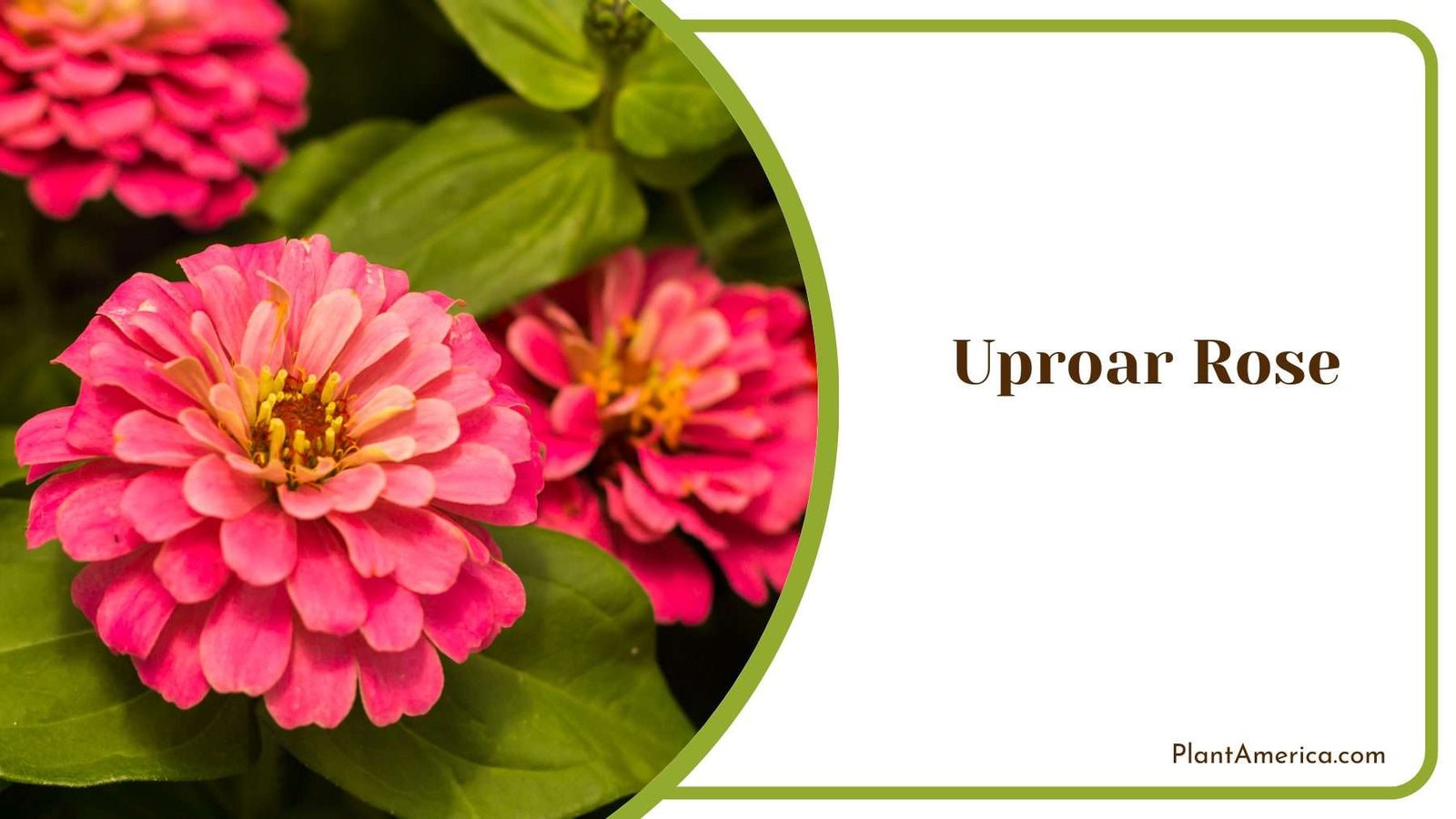
The Uproar Rose zinnia raises gardens to a fever pitch with its vivid blooms. Producing large ruffled flowers in intensely saturated shades of rose, pink and coral, this variety stops onlookers in their tracks.
The Uproar Rose zinnia is aptly named for the riotous display it provides with dazzling hot pink blooms. Growing two to three feet tall on mounded plants, vibrant flowers completely blanket each bush from summer into fall.
Individual blooms of this zinnia variety measure a generous three to four inches wide. Their perfectly formed double petals explode in a striking hot pink hue so vivid and saturated it demands delighted gasps from viewers. Clusters of lush rose-pink blooms engulf each plant in frothy mounds of tempting color.
Prolific and persistent, Uproar Rose treats the eyes to a near-constant uproar of frothy blooms for months on end. As one blossom fades, several fresh flowers have opened to continue the ecstatic celebration of pink. Pollinators find plentiful nectar within their ruffled delicacy, serving up ample rewards in hedges, beds, or wildlife gardens.
Thriving in full sun with average water and soil, Uproar Rose adds exuberance with very little fuss. Deadheading maintains production well past summer season’s peak. Heat and humidity pose no adversity, allowing overflowing rosiness even where challenges abound.
Beyond phenomenal floral power, Uproar Rose’s hot pinkness oozes vibrance and joy. Its luxurious blooms radiate passion that lifts spirits like a sweet symphony of color. Coating gardens in a merry swirl, these vivacious pink creations will surely ignite a cheerful uproar in any landscaping they grace through changing seasons.
Growing two to three feet tall, Uproar Rose plants erupt with plentiful blooms measuring up to five inches wide from summer through fall. Individual flowers resemble crisp, crinkled paper-mâché creations charged with chromatic energy. Their bold colors illuminate borders or leap off bouquets.
Requiring nothing more than sun and average care, Uproar Rose proves itself a robust bloomer. Its flowers hold crisp form excellently through heat, rain and deadheading for repeat color bursts until frost arrives.
For adrenaline-pumping action that energizes the senses, Uproar Rose zinnias fit the bill. Use them as exclamation points punctuating borders or cut for eye-catching indoor displays that bring a sensational rose ambience. This variety ignites gardens with an electric display reflecting its apt moniker every season.
12. Pop Art Zinnia
- Growing Season: Summer, Fall
- Leaf Shape: Standard zinnia leaf shape
- Specific Needs: Full sun, Regular soil care, Water care
- Common Pests: Aphids, Spider mites
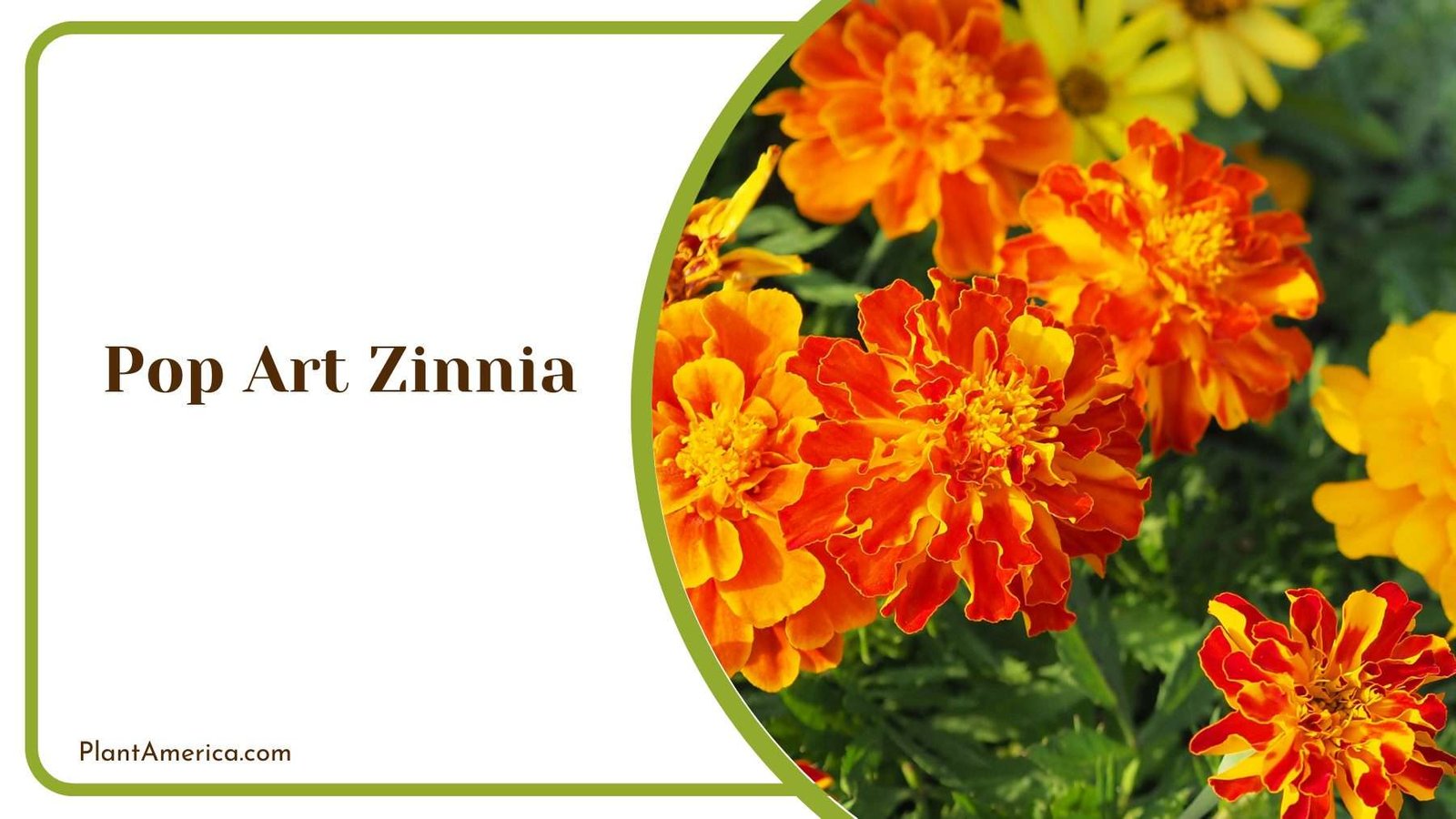
The Pop Art zinnia livens up gardens with its bold, graphic blooms. Featuring large flowers striped, speckled and splashed in vivid contrasting shades, this variety captures the whimsical spirit of pop art.
Growing two to three feet tall, Pop Art plants deliver plentiful blooms throughout summer and fall. Individual posies span four to six inches across, their petals painted in playful configurations of colors like pink, orange, red and white. The spontaneous patterns resemble artwork come to life.
The Pop Art zinnia is a vibrant flower that resembles abstract artworks. Growing two to three feet tall, the plants produce small but bold double blooms with vivid color combinations of pink, purple, orange and yellow splashed and striped against a crisp white backdrop.
These patterns strongly evoke classic pop art styles made famous by artists like Warhol and Lichtenstein. Each blossom, measuring just two inches wide, pops with colorful geometric motifs. Continuous blooming from summer through fall transforms the garden into a living, changing gallery exhibition.
Thriving in full sun with rich, moisture-retentive soil, the Pop Art zinnia delights viewers with new artistic designs emerging daily. Even on overcast days, the bright hues bring cheer. Deadheading spent flowers encourages an endless array of fresh flower artworks over many months.
Beyond colorful beauty, the zinnia’s abstract blooms spark the imagination. Gardens become notebooks inspiring poetic musings in tribute to the pop art movements of the past. Through changing seasons, the joyful flowers spread optimism and broadcast creativity decades after first igniting minds.
Both flower and pop culture fans appreciate the Pop Art zinnia’s uplifting spirit. It elevates simple blooms to mini works of fine art while gladdening souls with its carefree cheer. Bringing color where others may not, it reminds that beauty inspires most when planted with courage and optimism.
Tough and carefree, Pop Art thrives with regular sun and soil. Its vivid blooms endure rain, heat and deadheading to provide successive color bursts until frost.
Whether massed as walkway accents, grinning amid borders or clipped for sculpturesque arrangements, Pop Art zinnias jolt gardens with eye-catching pop pizzazz. Their spirited blooms transport the soul to a place of imagination and whimsy with each discovery. For worry-free color that ignites the senses, Pop Art is an excellent modern choice.
13. Crystal White Zinnia
- Growing Season: Summer, Fall
- Leaf Shape: Typical zinnia leaves with lightly ruffled edges
- Specific Needs: Full sun, Average garden care, Well-draining soil
- Common Pests: Aphids, Spider mites
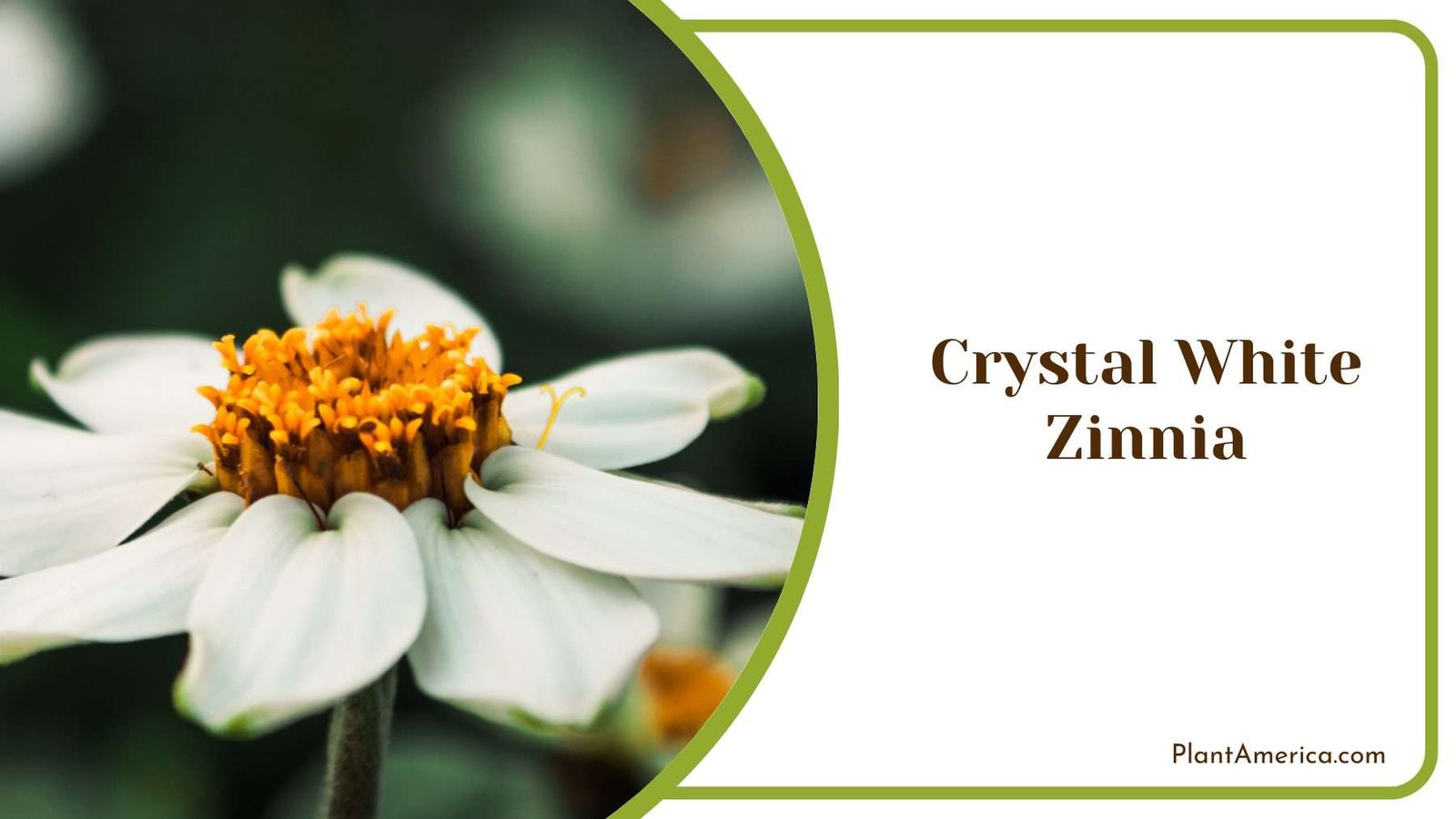
The Crystal White zinnia delivers a pristine pop of color to gardens with its generously sized, brilliantly hued blooms. Producing pure white flowers that resemble delicate porcelain specimens, this variety stops onlookers in their tracks.
Growing 2 to 3 feet tall, Crystal White plants bear plentiful puffs of blooms continuously throughout the summer months. Individual flowers span 4 to 6 inches wide, their petals unfurling in crisp, lightly ruffled layers resembling fine lacework. Maintaining stellar whites without hints of cream or yellow, the blooms glow in stark contrast to accompanying shades.
Requiring full sun and average garden care, Crystal White proves itself a robust performer. Its handsome blooms boast strong stems built to withstand rain and heat without drooping or discoloration. Deadheading spent flowers stimulates reblooming until frost, prolonging the charm well into fall.
Whether naturalized en masse as a breathtaking sea of white or intermixed amid a rainbow border, single blooms cut for arrangements, or dried for winter accents, Crystal White zinnias amplify natural surroundings with ethereal elegance.
Nesting birds favor its sheltering fullness while pollinators feast on its pristine allure. As a mainstay in many cutting gardens, it satisfies with purity, prolificacy and dependability season after season.
For those seeking striking solitary color that completes rather than competes, Crystal White answers admirably. This classic variety graces gardens with memorable charm befitting its namesake for years to come. An ideal addition for naturalistic or formal landscapes alike, its crisp white ruffles inspire admiration of both human and wildlife neighbors.
14. Lilliput Zinnia

- Growing Season: Summer, Fall
- Leaf Shape: Typical zinnia leaves
- Specific Needs: Full sun, Average garden care
- Common Pests: Aphids, Spider mites
The Lilliput zinnia presents a miniature floral wonderland, bringing botanical magic into gardens on a teeny tiny scale. True to its name, this variety produces charmingly petite blooms no bigger than a quarter.
Growing just 6-10 inches tall, Lilliput plants sprout countless vibrantly colored buds and flowers from summer to fall. Individual posies come with a burst of hues like orange, pink, yellow, lavender and white, each meticulously crafted in perfect miniature.
The Lilliput zinnia is a diminutive variety prized for its miniature blooms and compact habit. True to its name, Lilliput produces charming little flowers barely an inch wide on petite mounded plants. Available in an array of lively hues including orange, pink, purple, red and yellow, the tiny blooms of Lilliput offer dazzling color in a bite-sized package.
Their perfectly formed domed heads are composed of double rows of narrow petals surrounding fuzzy yellow centers.
Where space is limited, Lilliput packs a mighty floral punch with its copious crop of itsy bitsy blooms. Continuous blooming from summer through fall ensures a long-lasting show. Pollinators find ample nectar rewards even within the miniature blooms, making Lilliput a valuable host for native bees and butterflies.
A carefree addition to borders, containers or edging, Lilliput thrives in full sun with average well-drained soil. Heat and humidity pose no threat to its sturdiness. Established plants tolerate occasional drought and reward with long-lasting color even in harsh conditions.
Beyond visual charm, Lilliput’s pocket-sized proportions invite playful imaginings. Their miniaturized beauty sparks wonder at how nature’s creativity knows no bounds. Used en masse, their miniature mounds resemble fanciful fairy gardens or epic blooming bonsai.
For multipurpose gardens maximizing limited space, Lilliput fits the bill with sustained blooms, easy care and backpack-sized appeal that lifts the spirit through warm seasons. Its wee marvels truly capture the magic of the very little things in life.
Despite diminutive stature, Lilliput packs hearty hardiness favored by pollinators. It thrives with regular sun and soil, churning out continual itty-bitty color waves until frost. Deadheading prolongs the whimsical Lilliput kingdom for seasons to come.
Use them as enchanting accents dotting rock gardens, creeping along walkways or hedgerows. Their winsome size cultivates a sense of fascination. Lilliput also lends itself to terrariums, dish gardens and fairy-themed landscapes.
For any collection seeking poignant charm on a bitty scale, Lilliput zinnias cast an unforgettably magical spell. Their long-blooming antics transport the imagination to an incomparable Lilliputian world brimming with color.
Conclusion
Whether you opt for the classic cushion-shaped flowers or discover unique types with intricate patterns, zinnias are sure to delight.
- The Lilliput zinnia presents a miniature floral wonderland, bringing botanical magic into gardens on a teeny tiny scale.
- With blooms evoking its namesake, the Dahlia Flowered zinnia variety offers a unique floral display.
- Profusion zinnias offer a mind-boggling display of color sure to enhance any sunny garden.
With zinnias’ easy care needs and ability to brighten up so many areas, your garden is sure to be the neighborhood hotspot. Why not plant a few of the varieties discussed to bring more smiles throughout the growing season?