
Pet-safe succulents are the perfect low-maintenance indoor plants for homes with pets. Whether you have curious cats, rambunctious dogs, or playful small pets, these succulents are a safe choice to liven up your space.

This post will explore ten succulent, non-toxic, pet-proof varieties. Each variety on our list brings unique beauty and requires little care, so they’re a breeze to keep looking their best even with furry friends underfoot.
Pet Safe Succulents to Thrive With Your Fur Babies
1. Haworthia
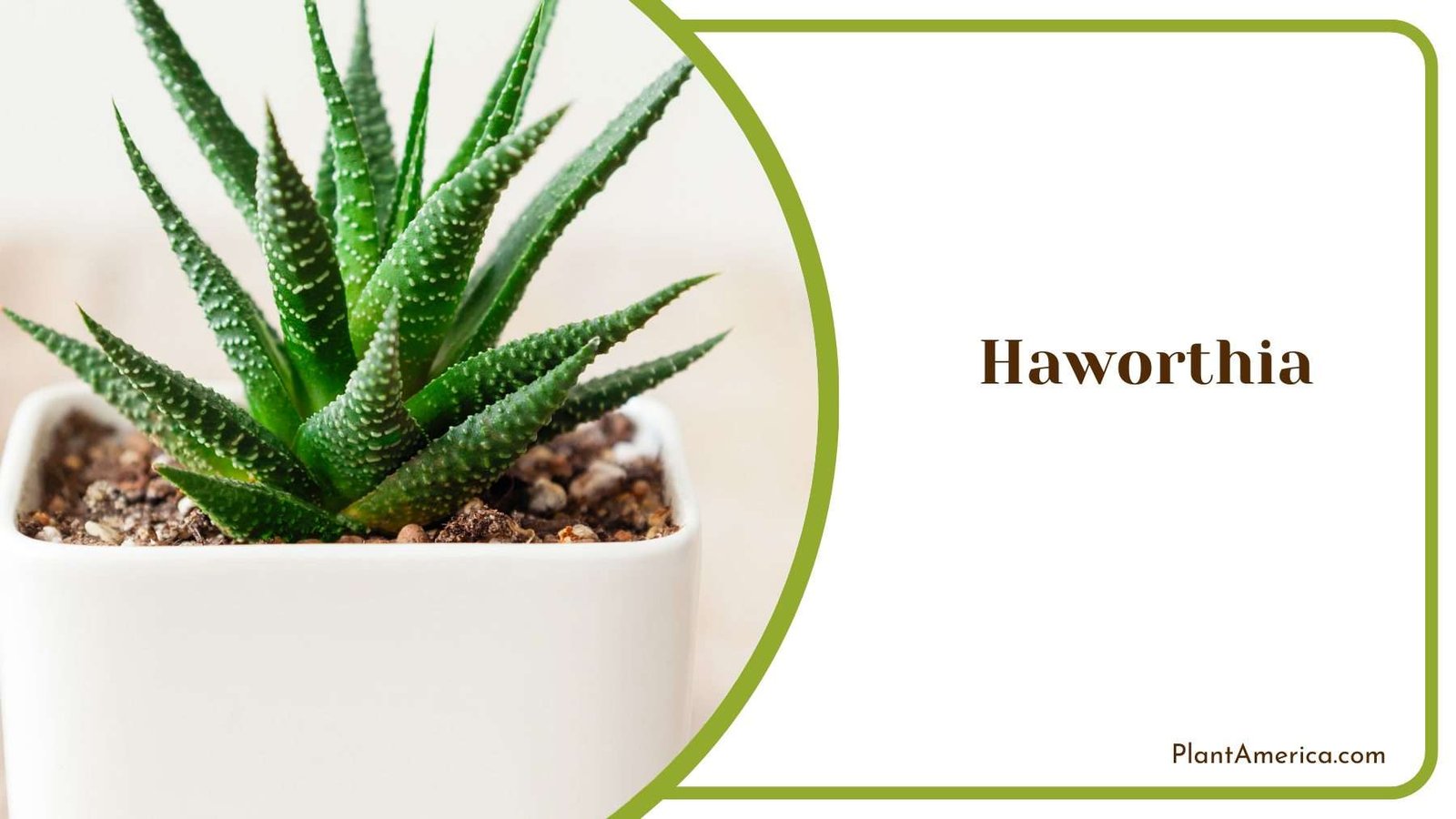
- Growing Season: Year-round (Grows slowly in winter)
- Leaf Shape: Succulent, Thick, Pointed
- Specific Needs: Bright indirect light, Well-draining soil
- Common Pests: Mealybugs, Aphids
Haworthia plants make colorful and low-maintenance additions to any home. With their rosettes of thick, pointed leaves that come in shades of green, white, and pink, Haworthia boasts an intriguing leaf structure.
These succulents originate from South Africa, so they are adapted to thrive in environments similar to their native homeland. They prefer medium to bright indirect light and moderately humid conditions. Water when the soil is dry, allowing the potting medium to dry completely before watering again.
Over 100 varieties of Haworthia make great choices for both beginners and experienced succulent growers. Some popular varieties include Haworthia Attenuata, with translucent green stripes; Haworthia Fasciata, featuring bold white stripes; and Haworthia Retusa, with smooth tubercles along the leaf edges.
No matter which kind you choose, Haworthia are slow-growing succulents. It means that their rosettes will gradually get larger while they may not flower often. Just be patient and give them the care they need to stay happy and healthy.
In terms of care, Haworthia is low fuss – perfect for plant parents who lead busy lives! The thick leaves are great at retaining water so that they can go several days between waterings. Watch for any signs of pests like mealybugs or scale, which you can treat with neem oil or insecticidal soap.
2. Ghost Plant
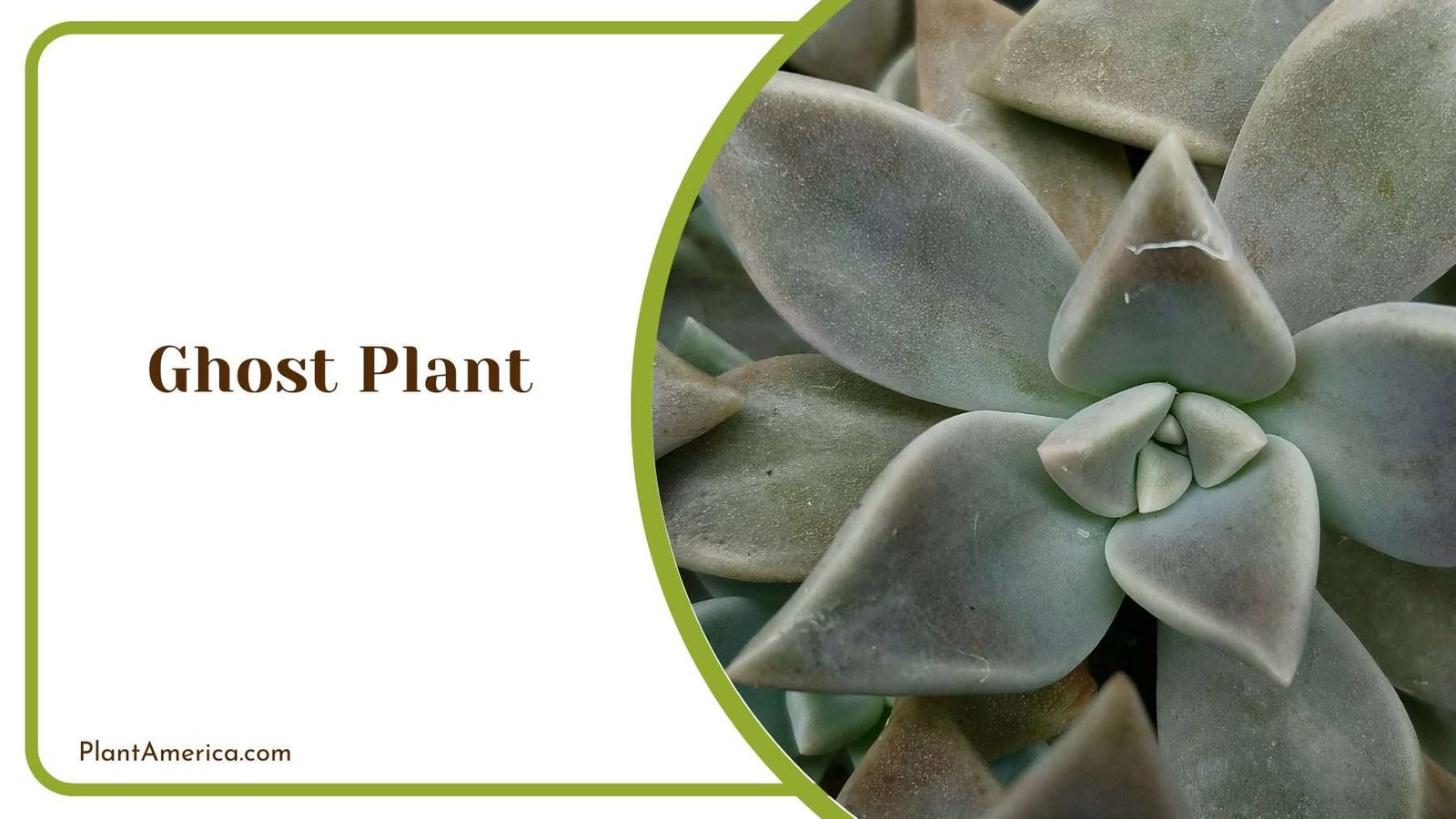
- Growing Season: Year-round indoors or outdoors in frost-free climates
- Leaf Type: Thick, oval, succulent leaves, Ranging from pale to dark green
- Specific Needs: Bright light, Well-draining soil, Infrequent watering
- Common Pests: Mealybugs, Spider mites
Ghost plants, also called grapefruit succulents, are unique-looking, pet-safe succulents. As the name suggests, their pale blue-green leaves with translucent edges appear as ghostly foliage.
These quirky plants do best in conditions similar to jade plants. They appreciate warm, bright window light throughout the year. Too little sunlight may cause leaves to stretch ungainly toward the window. Ghost plants store water well in their thick leaves, allowing them to thrive with infrequent watering every two weeks.
The pale foliage color acts as natural camouflage from chewing pets. Cats and dogs tend to overlook ghost plants for more visually striking varieties. While their delicate appearance makes Ghost plants seem high maintenance, they are pretty durable. The plants tolerate brief periods of under or over-watering comfortably without lasting harm.
Like all succulents, ghost plants are sometimes prone to mealybugs and spider mite infestations. Regular pest inspections help detect issues early before they spread. Mealybugs prefer hiding in leaf joints, while spider mites spin webs on leaf undersides. Quick action with an alcohol-soaked cotton swab helps control minor outbreaks.
Office workers and pet owners find ghost plants charming desk or tabletop accents. Their pale blue leaves lend an otherworldly glow perfect for window gardens. While growing slowly, these quirky succulents develop a dramatic cascading form over many years, making them a focal point. Overall, ghost plants suit pet homes needing low-fuss green plants that are virtually indestructible.
3. Burro’s Tail
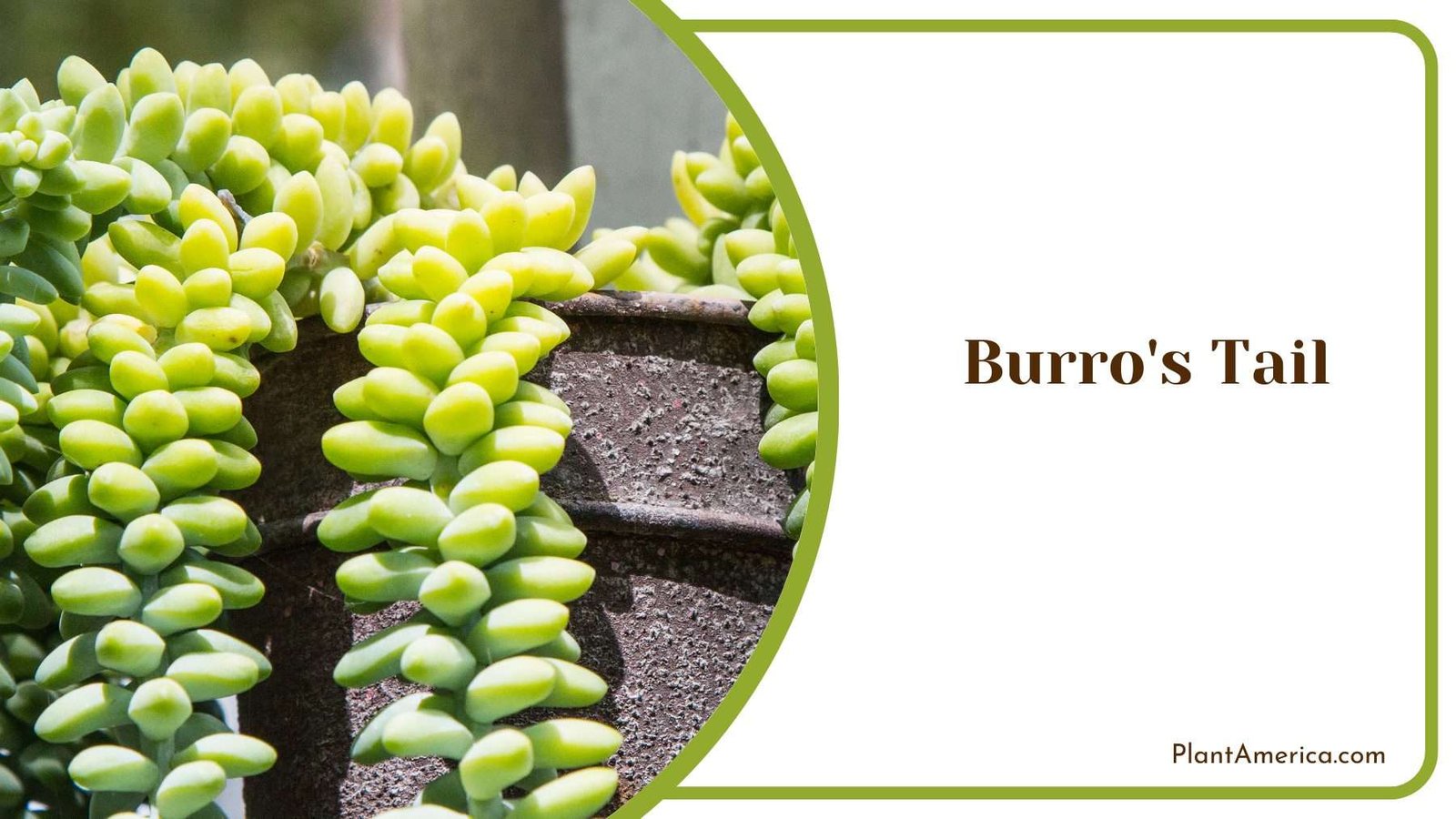
- Growing Season: Year-round (Overgrows in spring/summer)
- Leaf Shape: Cylindrical, Segmented, Furry
- Specific Needs: Bright light, Well-draining soil
- Common Pests: Mealybugs, Spider mites
Burro’s tail, also called donkey tail, is an ideal pet-safe succulent due to its uniquely pebbly leaves. Rather than rounded foliage, the burro’s tail forms draping ropelike strands of stacked cylindrical leaves resembling a pony’s tail.
This quirky shape makes Burro’s tail extra puppy-proof. The narrow cylindrical leaves are too tedious for pets to bother chewing on. Additionally, the stacked structure keeps individual leaves above ground, avoiding interest.
For care, the burro’s tail should be placed where it can receive plentiful, bright, indirect light each day. A south-facing windowsill works well. These conditions will keep the strands bushy rather than lean. Water when the soil becomes dry, roughly every two to four weeks, depending on indoor heat and humidity.
Like other succulents, spider mites occasionally bother burro’s tail. Regular inspections of leaf undersides help monitor any webbing forming early on. Mealybugs also sometimes take an interest in burro’s tail, preferring to cluster at leaf joints. Isolate any infested strands and treat promptly to avoid wider spread.
With its quirky ropelike form, the burro’s tail brings fun visual appeal to pet homes. Its pebbly leaves also come in shades of green, pink, and white variegation. Over time, strands grow longer and can cascade gracefully over the edges of pots and shelves, entertaining pets below. Try adding burro’s tail’s whimsical style for a low-maintenance succulent dog-proof.
4. Chinese Money Plant

- Growing Season: Year-round as a houseplant or seasonal outdoors in warm climates
- Leaf Type: Rounded, thick, Coin-shaped leaves in overlapping stacks
- Specific Needs: Bright, indirect light, Moderately moist soil
- Common Pests: Spider mites, Mealybugs
Also called Pilea Peperomioides, the Chinese money plant is a unique succulent, satisfying pet parents’ and lovers’ aesthetic cravings. Its leaves emerge stacked in rounded coins, providing a pleasing visual texture.
For care, Chinese money plants prefer warm indoor conditions with access to abundant bright, indirect light. East or west-facing windows suit them well. They also tolerate low-light areas, making them practical for homes with pets who enjoy following their owners. The soil should be kept averagely moist, allowing it to dry slightly between waterings every one to two weeks.
An attractive characteristic of this succulent is that its leaves change color seasonally. During fall and winter, new coin-shaped foliage emerges with inverted colors—pale green centers and dark green edges. This enhances the plant’s visual appeal throughout the year.
Like many succulents, spider mites and mealybugs occasionally affect Chinese money plants. Regular inspections of leaf undersides and joints help monitor any infestations early before treatments are needed. Isolating plants with pests is also essential to contain spread.
With its unique stacked coin leaves satisfying many succulent needs through color and texture appeal, the Chinese money plant adds a whimsical style to living areas. Best of all, its care aligns well with busy pet parent schedules. Over time, it becomes an eye-catching accent piece that even cats and dogs won’t damage.
5. Hens and Chicks
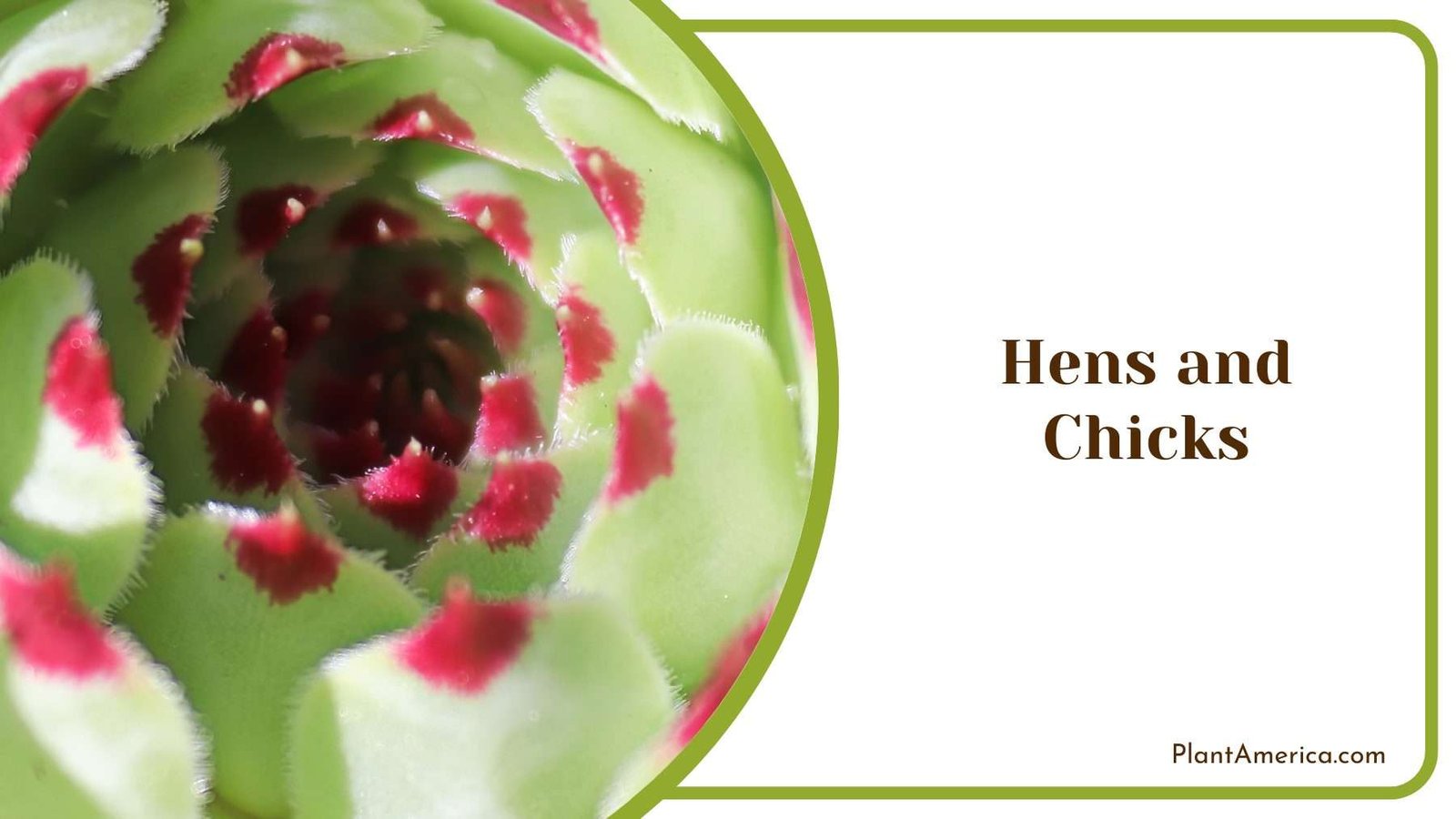
- Growing Season: Spring, Fall
- Leaf Type: Hen (mother plant) has thick, oblong leaves, Chicks (offsets) resemble bulbils or chicks
- Specific Needs: Bright, indirect light, Moderately moist, well-draining soil
The Hens and Chicks succulent is a favorite among plant parents for its charming mother-baby plant dynamic. As the common name implies, the “Hen” plant produces small plantlets along its rosette edges called “Chicks.” Over time, the chicks will grow in size and may even have their own chicks, spreading across the soil surface. This easy-to-care-for succulent thrives in sunny windows and tolerates various growing conditions.
While the chicks are tiny, don’t be tempted to overwater this succulent. The Hen plant has thick, oblong leaves that store water well. Allow the soil to dry between waterings, watering only when the top inch feels dry to the touch.
Hens and Chicks grow slowly but can last years if cared for properly. These cheery plants are sure to brighten any area of the home. Their charming rounded rosettes come in shades of blue-green and look lovely cascading over a hanging pot or plant stand.
Another appealing quality of Hens and Chicks is their resilience. Neglect them, and the rosettes merely go dormant rather than dying. With adequate light, moderate water, and well-draining soil, these succulents will bring you years of joy. Their whimsical appeal will transport your mind to simpler pleasures like picnics in flowery meadows or mornings on the farm.
6. Sedum
- Growing Season: Year-round (Proliferates in warm weather)
- Leaf Shape: Round to flat, Pointed, Juicy leaves
- Specific Needs: Indirect sunlight, Well-draining soil
- Common Pests: Mealybugs, Leaf spot disease
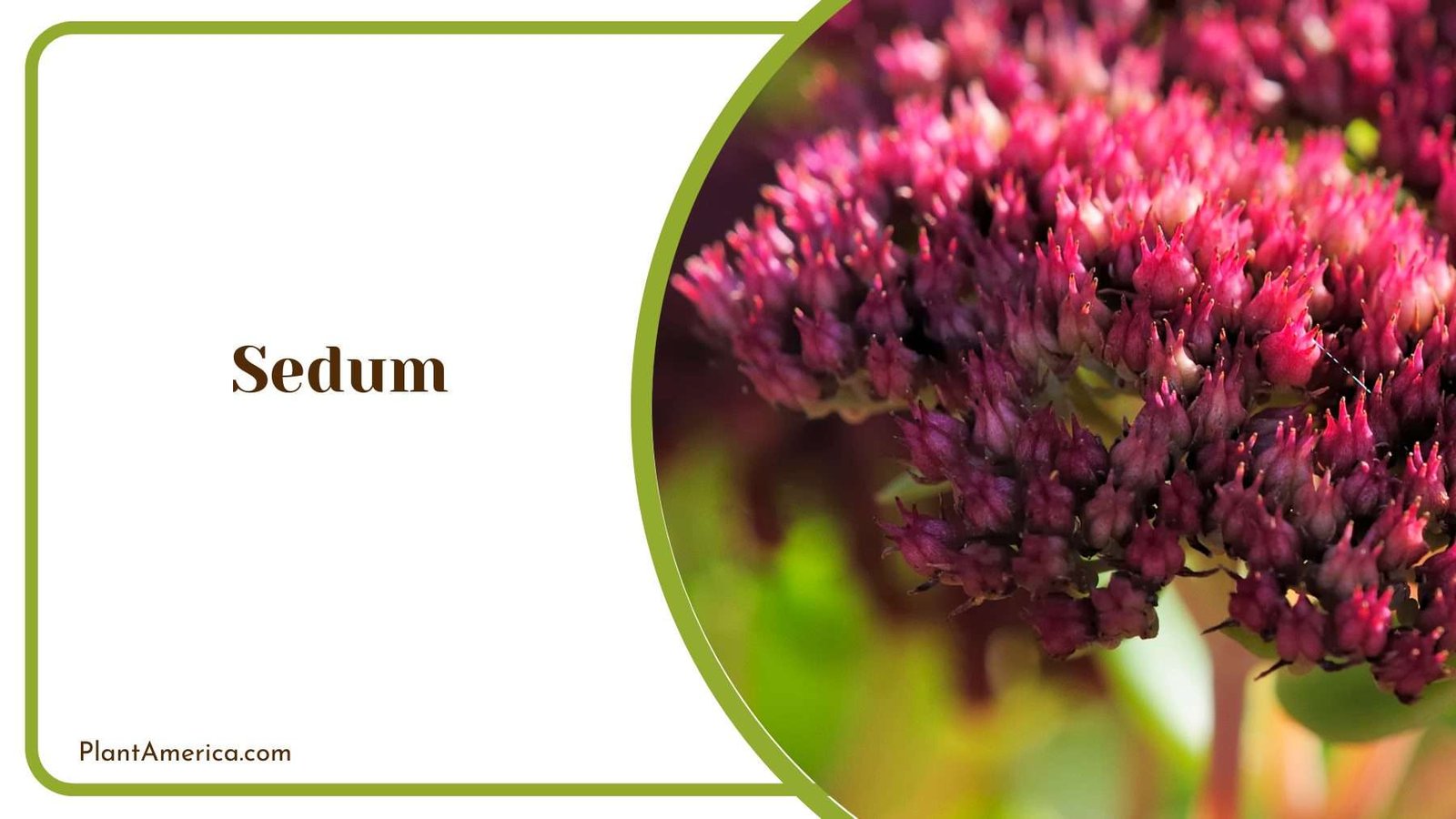
Sedum is a diverse genus of succulents with over 600 different species. They thrive in various growing conditions and thus make great low-maintenance options for beginning succulent growers. Sedum leaves come in multiple sizes, textures, and colors, including red, pink, yellow, and lime green.
Some popular varieties include Sedum Morganianum, known for its smooth star-shaped leaves in bright colors, and Sedum Spurium, valued for its attractive trailing stems.
These hearty succulents are easy to propagate from stem cuttings. Place cuttings in dry succulent soil and wait for roots to grow before watering. Many Sedum blooms are small star-shaped flowers in summer, adding further visual interest to these succulents. Come summer, you may find bees and butterflies frequenting your Sedum as they enjoy the nectar-rich blooms.
Several varieties of Sedum make beautiful choices for indoor succulent gardens. Sedum Rubrotinctum has rosettes of fleshy pink leaves tipped with white that contrast nicely against green companion plants. Sedum Dasyphyllum features lustrous teal leaves edged in creamy white, looking like a downscaled palm plant. Try the Sedum burrito, which cascades over rocks and walls in a flowing green river of foliage for a trailing effect.
These charming plants are tough, resilient, and sure to outlast temporary lapses in their care. Their longevity makes them ideal for home gardens, outdoor containers, and retaining walls where they readily naturalize. Place them in sunny spots and watch your Sedum thrive.
Even if your green thumb sometimes falters, Sedum will be forgiving plants sure to survive and reward you with their unique charms for many growing seasons.
7. Elephant Bush
- Growing Season: Year-round (Thrives in warm weather)
- Leaf Shape: Thick, Grayish, Tapered leaves on woody stems
- Specific Needs: Bright light, Well-draining soil, Frost hardy
- Common Pests: Mealybugs, Spider mites
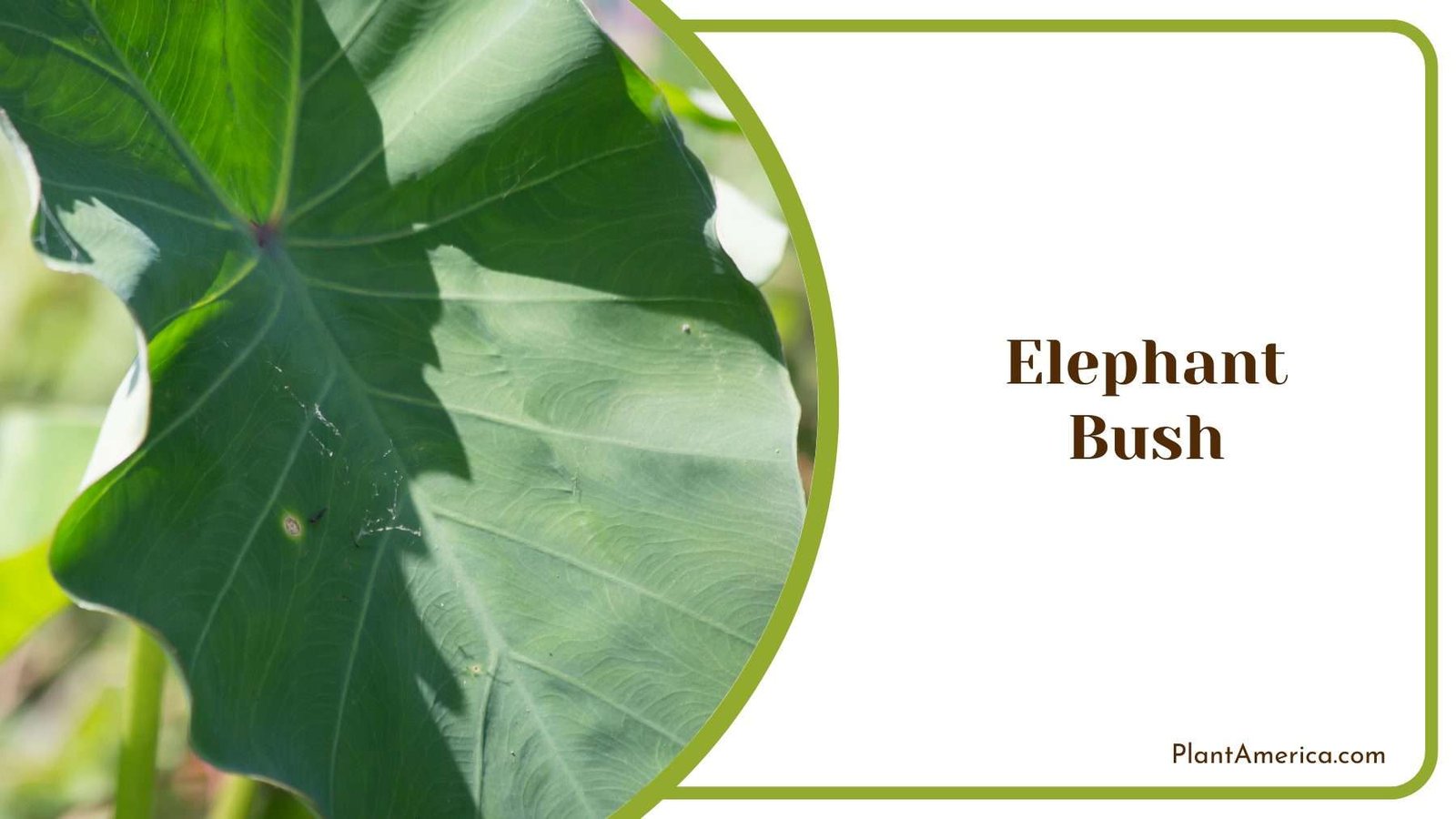
The Elephant Bush succulent lives up to its name with thick succulent leaves ranging from blue-green to yellow with a textured appearance reminiscent of elephant skin. Its leaves are composed of multiple air-filled tubercules that allow it to store water efficiently. As such, this succulent thrives with shallow water needs once established and prefers hot, sunny conditions.
Growing Elephant Bush from seed or cuttings is relatively easy. Place stems or seeds in a fast-draining succulent soil mix and provide ample light and spacing to encourage healthy root growth.
Feed sparingly during its growing season in spring and summer to produce more substantial growth. Over time, it develops impressive sculptural trunks and branches, adding considerable visual drama to the landscape or container.
Beyond its remarkable drought tolerance, another standout feature of the Elephant Bush is its fairy-like white, pink, or yellow blooms that emerge on branching stalks in fall through early winter. These flowers attract native bees and pollinators.
After blooming, seed pods may form, which can be harvested and planted to grow more plants. Display your Elephant Bush proudly and admire its unique beauty for many years with meager care needs.
8. Ponytail Palm
- Growing Season: Year-round (Grows slowly)
- Leaf Shape: Cylindrical leaves, Segmented, Furry
- Specific Needs: Infrequent watering, Well-draining soil
- Common Pests: Mealybugs, Root rot
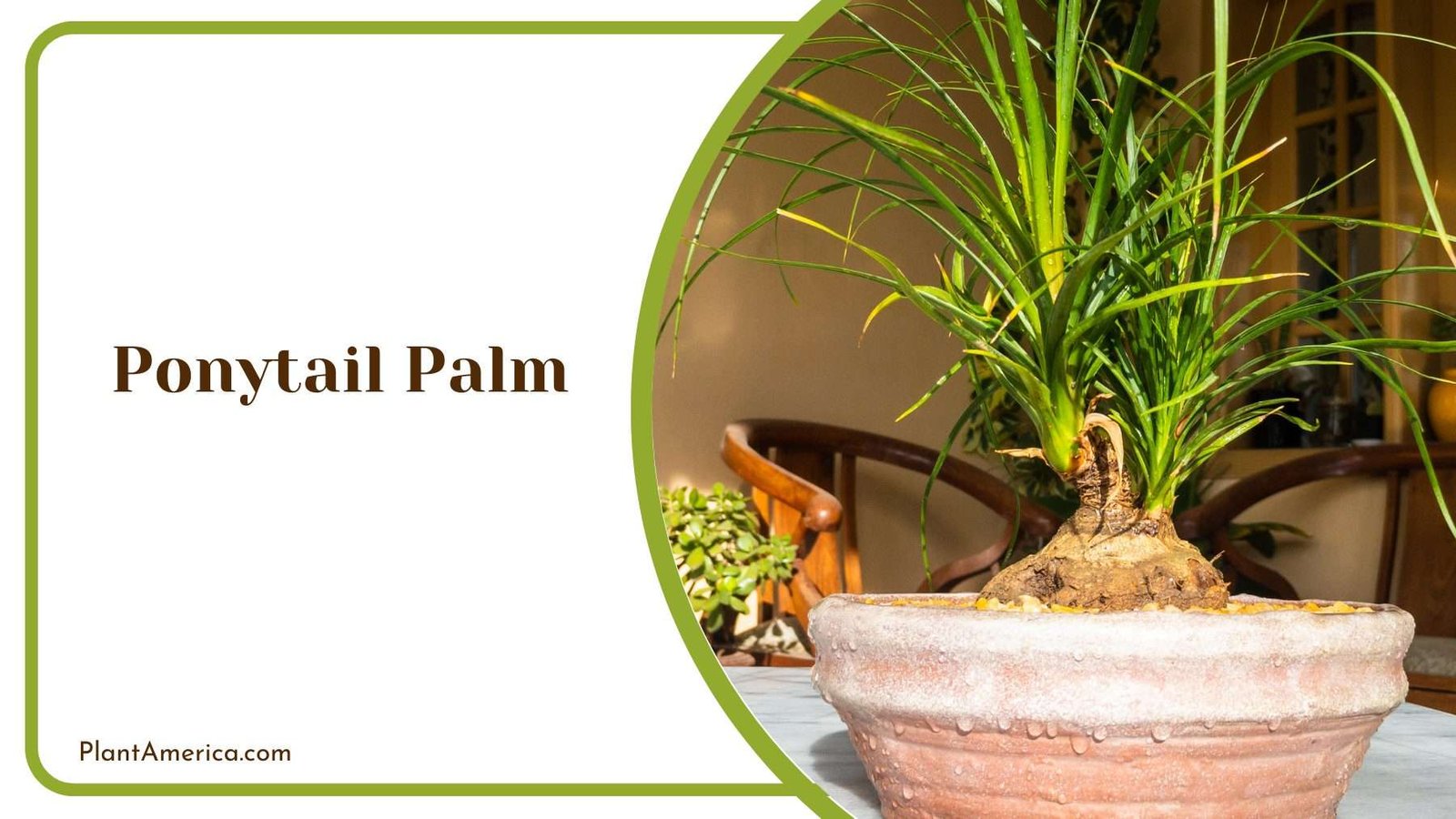
The ponytail palm earns its name through the unique clustering of tall gray-green palm fronds resembling a horse’s tail. At stem tips, wispy fibers cascade freely, imitating delicate horse mane. This architectural structure provides statement furnishings for any space.
As genuine palms, ponytail plants flourish on infrequent watering. Their fronds remain dense under weekly waterings during active spring and summer growth phases, drawn out over months.
Their fronds can store surplus rainwater internally, requiring drenching less often than typical houseplants. As the winter arrives, the fronds produce energy reserves permitting survival on drier soils watered every two to three weeks.
This innate tolerance to dry spells cements ponytail palms as optimal pet-safe plants. Even if consistently neglected by overbusy families, their architecture maintains elegance for decor value. Their native resilience lends peace of mind versus high-maintenance flora.
Low light further intensifies the practicality of ponytail palms. They deny etiolation or leaf drop in dim interiors, thriving wherever placed indoors. This lax sunlight preference accommodates homes where pets claim the brightest windows. Over the years, a ponytail palm establishes thick caudex [trunk] proudly displaying regal arched fronds reaching five feet tall in prime wellness.
Minor infestations, including mealybugs and scale, may occasionally affect fronds during outdoor summer seasons. These pose little threat to established indoor specimens. Beauty and enduring toughness make the ponytail palm ideal pet-friendly foliage for relaxation-centered living spaces.
9. Lithops
- Growing Season: Spring, Summer
- Leaf Type: Flat succulent leaves fused at the bases forming top-like shapes
- Specific Needs: Bright light, Very well-draining soil, Water infrequently, mostly in summer
- Common Pests: Mealybugs
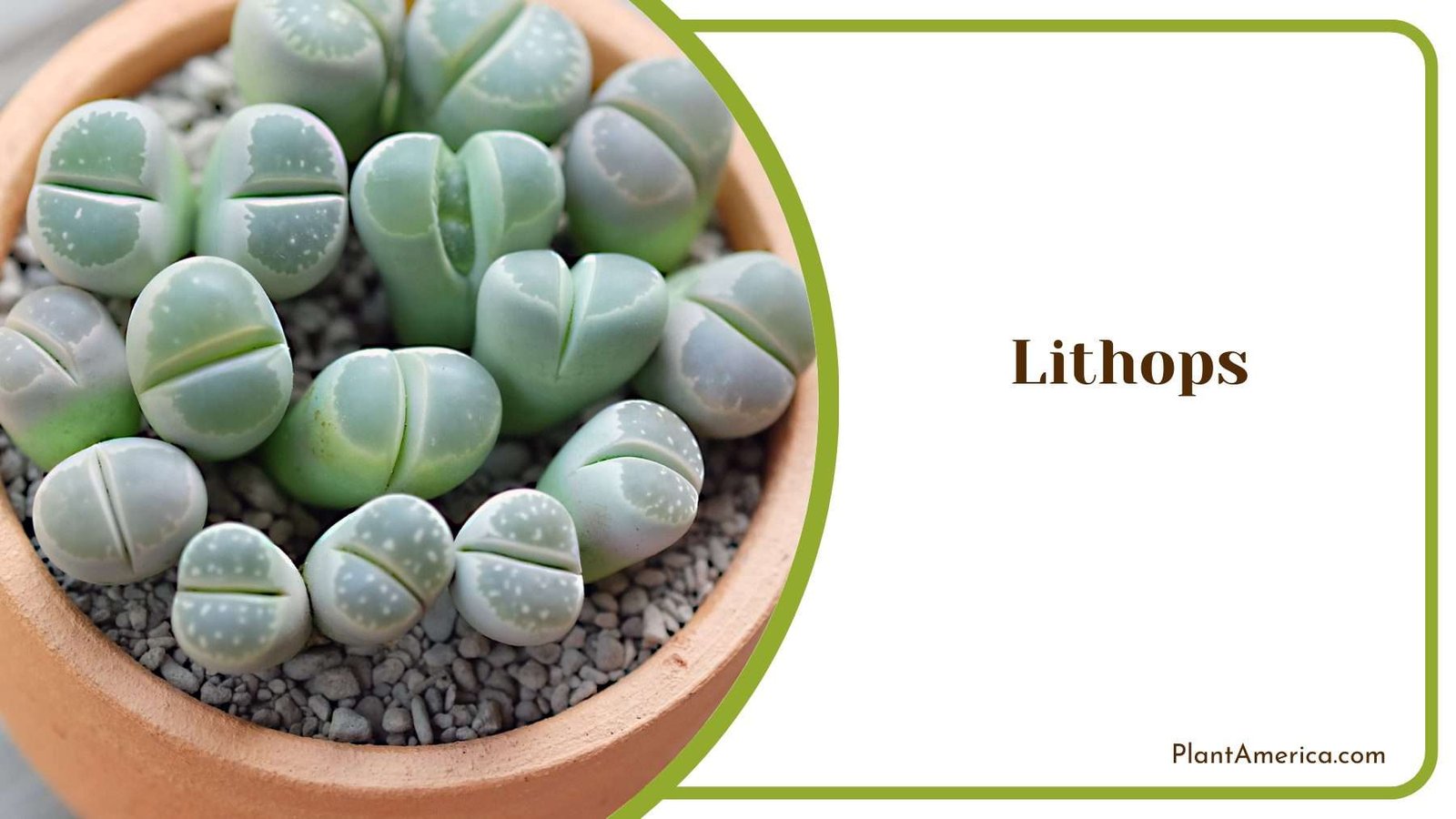
Lithops, also known as “living stones,” are unique succulents that resemble pebbles when not flowering. Their flat fused leaves are distinctively sculpted with subtle ridges and furrows, creating geometric patterns. These curious plants come in many forms, including elongated ovals and partial circles. Though slow-growing, Lithops can live over 25 years, making them a fascinating long-term project.
Given their endangered status in native South Africa, Lithops should only be watered during their growing season from late spring through summer. Their leaves will become slightly plump and green during this time.
The outer leaves will wither and disappear in fall and winter as the new leaves grow within. Despite their complex needs, Lithops thrive as specimen plants in mineral-like succulent gardens mixed with other small succulents like Echeveria.
For the patient caretaker excited to learn, Lithops offers a rewarding experience observing their yearly transformations and occasional delicate white blooms. Place them in a sunny spot with free-draining cactus mix, avoid overwatering, and let their natural rhythms unfold at their own pace.
Admire the subtle artistry in their sculpted shapes as they sit quietly, grafting beauty through austere persistence, a testament to life’s ability to manifest in even the harshest conditions. Their peaceful stoicism reminds them to slow down and appreciate nature’s details.
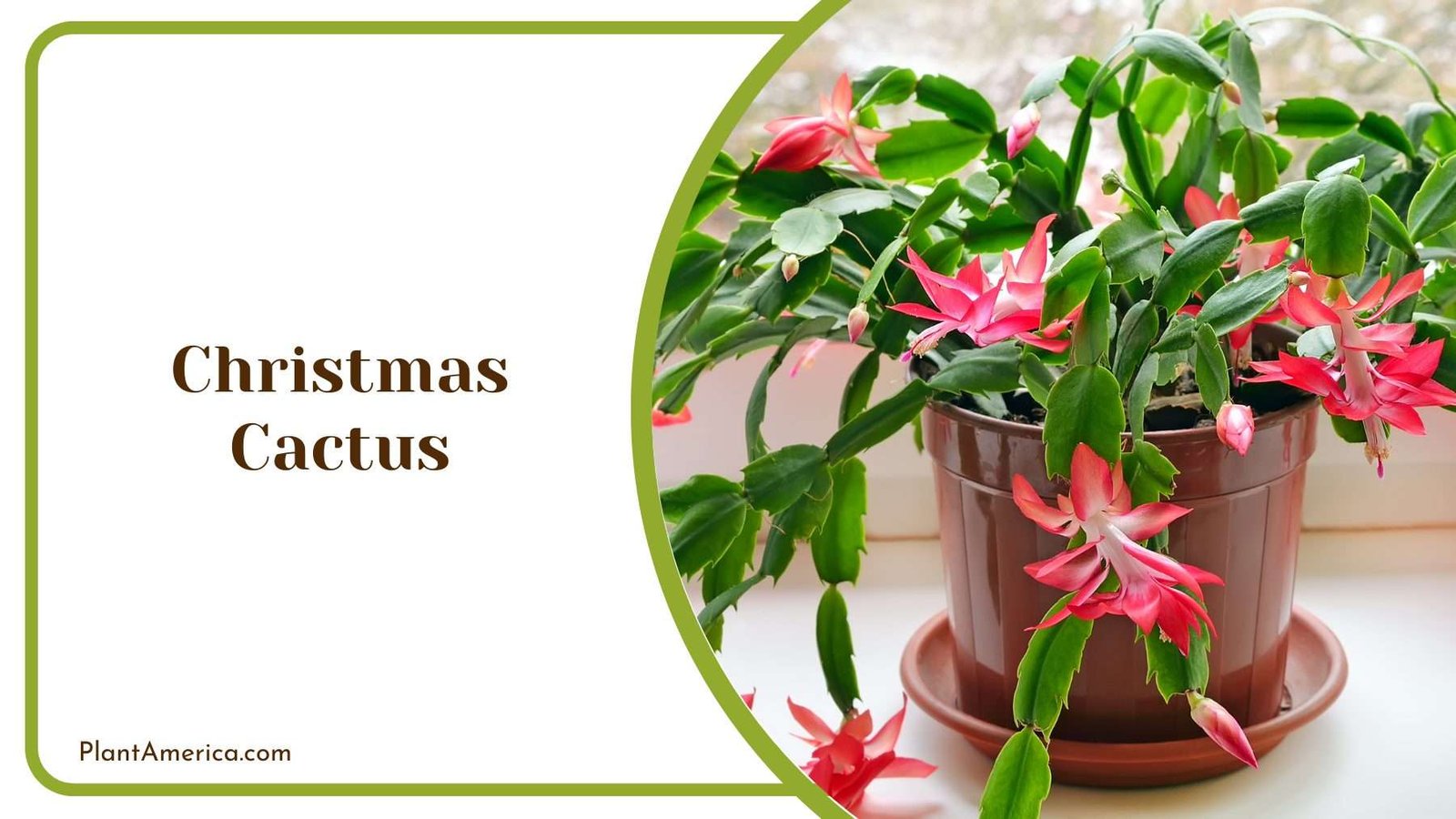
10. Christmas Cactus
- Growing Season: Late fall/winter, Holiday houseplant
- Leaf Type: Succulent flattened leaf-like pads, Hues of red and green
- Specific Needs: Medium-light, Well-draining soil, Seasonal watering
- Common Pests: Spider mites, Mealybugs
The Christmas cactus blooms annually as a cherished houseplant, signaling the holiday season. Unlike true cacti, it consists of thick succulent pads resembling leaves that cluster densely. Depending on the cultivar of the seeds, these pads emerge in vibrant red, pink, orange, and white shades.
Christmas cactus thrives indoors under typical low-light conditions year-round. Near an east-facing window, pads receive diffused sunlight, ideal for promoting colorful flowers without risking burns. Well-draining cactus soil retains just-moist conditions, suiting its epiphytic ancestry.
From late fall through winter, Christmas cactus requires 12-14 hours of nightly darkness, stimulating buds to open in a glorious display. Monthly waterings suffice while the soil surface dries between.
Its festive blooms attract curious pet paws and children’s hands due to smooth, rounded leaf pads posing no injuries. Even stubborn nibbling rarely damages pads’ thick waxy cuticles, defending against minor wounds. Over-exploration entertains without threatening greenery.
Conclusion
Succulents are an excellent way to bring life and beauty into pet homes. The following plants stood out as top picks:
- With over 600 species thriving in various light conditions, Sedum offers versatility and resilience.
- Haworthia features intriguing rosette shapes in unique colors and patterns requiring minimal care.
- Hens and Chicks will trail charmingly with offsets, continuously producing more rosettes resembling downscaled bushes.
- Elephant Bush strikes an impressive sculptural form with texture mirroring its namesake and exceptional drought tolerance.
Choosing from these pet-safe options allows for adding lush decorative accents anywhere, even the rooms pets inhabit most. Their enduring resilience over imperfect care brings calm, colorful companions for family moments together with furry friends.