
How to transplant hibiscus of the Malvaceae family is a question we often get asked. We’ve come up with the simplest techniques possible, as well as details to watch out for. These include the factors that you must consider for transportation like soil condition and fertilization. Ready? Let’s get into it! Ready? Let’s get into it!

Factors to Consider for Transplantation
You need to consider timing, soil, fertilization, watering, temperature, containers, area, and light for a successful transplant of the hibiscus genus plant. Let’s look at each one briefly.
– Best Time to Transplant
The optimal moments for moving hibiscus are either in early spring or late fall when the plant is mostly dormant. This timing minimizes stress on the hibiscus during transplantation. Avoid moving it during periods of extreme heat or cold, as it might face difficulties in getting established.
– Soil and Fertilization
Selecting the right soil is critical. Hibiscus shrubs thrive in well-draining soil that’s enriched with organic matter like compost or well-rotted manure. Preparing the soil correctly ensures the hibiscus gets the vital nutrients it needs for healthy growth.
Don’t forget about fertilization. Amending the soil with the proper nutrients before transplanting or providing ongoing fertilization afterward is equally important. This helps the plant stay robust, ensuring it has everything it needs to flourish and produce stunning blooms.
– Watering (Before and After Transplanting)
To prepare for transplanting, make sure to water the hibiscus plant soil thoroughly a day ahead. This preliminary watering ensures the plant stays well-hydrated and lessens stress during the transplant. Once you’ve transplanted it, keep the soil consistently moist but be careful not to overwater, as hibiscus thrives in slightly moist conditions.
– Temperature Requirements
Hibiscus thrives in temperatures between 60 and 90 degrees Fahrenheit. Extreme cold or frost can harm or even kill hibiscus, while excessive heat can stress the plants.
– Proper Pot (Potting Medium) or Ideal Spot
When you’re selecting a pot, go for one that has enough drainage holes. This helps to avoid waterlogging. Make sure to use a potting mix that’s made especially for hibiscus. This mix should provide good aeration and hold onto moisture well.
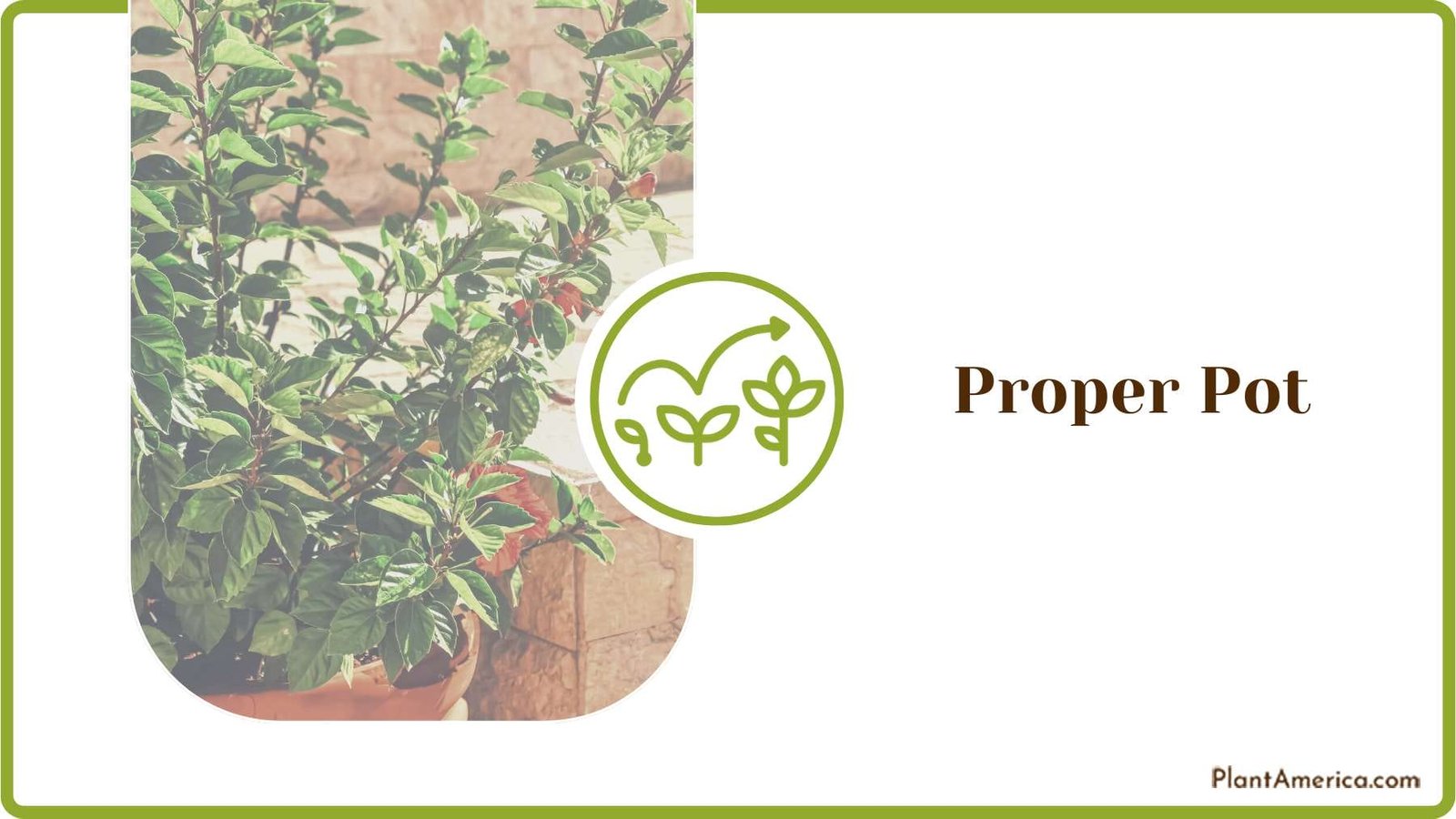
If you plan to plant hibiscus in the ground, find a suitable location. It should get at least six hours of direct sunlight every day. The soil there should also drain well and be enriched with organic matter. This will encourage robust hibiscus growth.
– Light Requirements
Hibiscus shrubs flourish in full sunlight, needing a minimum of six hours of direct sun daily. This sunlight plays a vital role in photosynthesis, where the hibiscus transforms light energy into nourishment for their growth and blooming. If they don’t get enough light, they can become spindly and frail, producing fewer flowers.
How to Transplant Hibiscus?
To transplant Hibiscus, assess the tree, get your tools, and prepare the plant and the new site for transplant. Once everything is ready, dig up your hibiscus, transplant it following the right methodology, and provide it with the required post-transplant care.
1. Assess the Tree
Check for any signs of trouble, like leaves turning yellow, spots, wilting, or hints of unwanted visitors like chewed leaves or webbing. Next, look at the hibiscus’s structure. Trim away any dead or sickly branches or stems that could hinder the plant’s success in its new home.
2. Gather Your Tools
Grab a sturdy shovel with a sharp blade. This will make digging up the hibiscus easier and minimize root damage during the process. Get yourself a pair of pruners or garden shears. These tools come in handy for trimming any dead or unhealthy branches on the hibiscus before transplanting. Trimming promotes healthy growth post-transplant.
If you plan to transfer the hibiscus to a different pot or container, ensure you have the right-sized pot at the ready. Make sure it has proper drainage holes to prevent waterlogging, which can harm your hibiscus.
Be sure to have the necessary soil amendments on hand, such as compost or well-rotted manure. These enrich the soil in the new planting location or pot, providing essential nutrients for your hibiscus. If transplanting in a pot, prepare some high-quality potting soil.
Lastly, keep a water source nearby, like a watering can or hose. You’ll need to water the hibiscus thoroughly before and after transplanting to minimize shock and settle the soil.
3. Water the Soil Pre-Transplant
Pre-transplant watering serves several important purposes in ensuring the successful transplantation of your hibiscus.

It helps to soften the soil, making it easier to dig around the root zone without causing excessive damage like hibiscus transplant shock to the plant’s delicate root system.
4. Prepare the New Spot with Fertilization
Begin by digging a hole in the ground that’s approximately twice the size of the hibiscus root ball. This extra space allows the roots to spread out and establish themselves in the new spot. Following that, amend the soil in the planting hole with the appropriate type of fertilizer.
You can go for compost or a slow-release fertilizer designed for hibiscus shrubs. These amendments work to enrich the soil with essential nutrients, fostering healthy growth and robust root development. Make sure to mix the chosen fertilizer or compost evenly with the native soil to ensure a balanced distribution of nutrients.
5. Dig Up the Tree
Use a shovel for digging a circular trench around the root zone of your hibiscus. The trench’s size should be about one and a half times the diameter of the plant’s canopy. Be mindful during this process to avoid harming the roots.
Gradually work your way around the hibiscus, gently loosening the soil to form a root ball. The root ball’s size will vary depending on the hibiscus’s size, but the aim is to preserve as much of the root system as possible.
Once you’ve excavated the root ball, it’s time to lift the hibiscus from the ground or pot. Handle this step with the utmost care to prevent any damage to the roots. Provide support to the plant’s base as you lift it. If needed, ask for someone to help you.
6. Transplant the Hibiscus
Position the hibiscus into the prepared hole, making sure that the top of its root ball aligns with the surface of the soil. Maintaining the plant at its original depth is crucial for stability and to facilitate its adjustment to the new environment.

Next, gradually fill the hole with the soil you had previously removed, gently compacting it along the way to eliminate any trapped air. This step is essential to ensure optimal contact between the soil and the roots, facilitating nutrient and water absorption. Be cautious not to over-compact the soil, as this could hinder root growth.
Throughout this process, handle the hibiscus roots delicately, as they are sensitive to disturbance. Proper care minimizes transplant shock and eases the plant’s transition. Once the hibiscus is securely in place, thoroughly water the area to settle the soil around the roots and remove any remaining air pockets.
7. Water the Soil Post-Transplant
To properly water your hibiscus plant, focus on the area around its base. The key is to apply water slowly and steadily, ensuring that it thoroughly permeates the root zone. This approach promotes strong contact between the roots and the soil, providing the necessary moisture for the plant to recover from transplant shock.
While watering, avoid creating puddles or overly saturated conditions, as too much moisture can harm hibiscus shrubs. Instead, go for a consistent and moderate level of moisture. As a general rule, keep watering until you observe water beginning to seep out from the bottom of the planting hole or pot. This indicates that the soil has received an adequate saturation level.
8. Mulch the Soil
Apply a two- to three-inch layer of organic mulch around the base of the plant to retain moisture, regulate temperature, and prevent weeds. When we apply mulch to the soil surrounding newly transplanted hibiscus shrubs, we’re essentially adding a protective layer of organic materials, such as wood chips, straw, or leaves, on the soil’s surface.
9. Provide Post-Transplant Care
Maintaining consistently moist soil is key, but be cautious not to overwater, which can lead to root rot. Regularly check the soil’s moisture levels, especially during hot and dry spells.
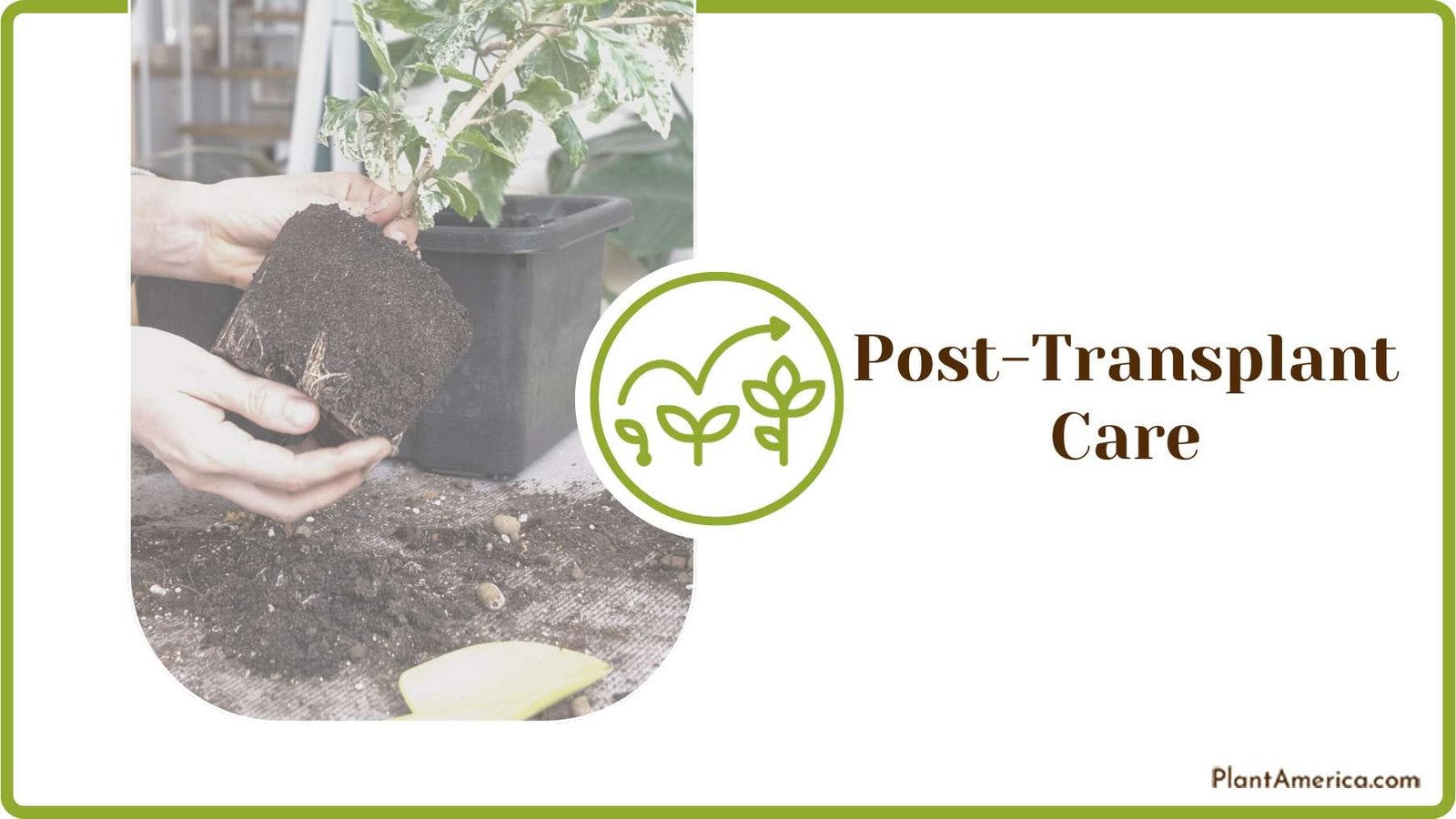
Fertilize as needed. Hibiscus shrubs thrive with regular feeding to support healthy growth and vibrant blooms. Apply a balanced, slow-release fertilizer following the package instructions. Fertilize during the growing season, which is usually in spring and summer.
Trim any damaged or overgrown branches to stimulate new growth and maintain an appealing shape. Pruning also enhances air circulation, reducing the risk of fungal diseases. Stay vigilant for pests and diseases. Keep a close watch for any signs of pests like aphids or diseases, such as powdery mildew. Early detection enables swift treatment, minimizing potential damage.
Provide additional support if required. Depending on the size and growth pattern of your hibiscus, think about staking or offering support to prevent bending or breakage, especially in windy conditions.
FAQs
Can You Transplant Hibiscus in the Winter?
No, you cannot transplant Hibiscus in the winter. Transplanting hibiscus is best done during the early spring or late fall when the plant is in a dormant or semi-dormant state.

Winter transplanting can expose the plant to extreme cold, which may harm its roots and overall health.
When Can You Transplant Hardy Hibiscus?
You can transplant hardy hibiscus (Hibiscus moscheutos) in the early spring or late fall, during its dormant or semi-dormant period. These hardy varieties can handle cooler temperatures better than tropical hibiscus, but it’s still essential to avoid extreme cold or heat when transplanting.
Conclusion
Transplanting your hibiscus is pretty easy, don’t you think? Let’s go over important points about your hibiscus transplant before we wrap things up.
- Transplant your hibiscus during early spring or late fall, avoiding extreme winter or summer conditions.
- When dividing hibiscus, ensure each section has roots and stems for successful propagation.
- Keep the soil consistently moist but not waterlogged after transplanting.
- Fertilize hibiscus during the growing season and prune to encourage healthy growth.
- Pay attention to your hibiscus plant’s specific needs and adjust your care regimen accordingly for long-term success.
Use this article as your guide to transplant your hibiscus, and you’re sure to have everything done simpler and quicker as you grow hibiscus!