
Edible weeds are nutritious plants hiding in plain sight around us, if only we knew where to look. In this article, we’ll explore the top edible weeds growing in your backyard that can be foraged safely and added to meals for a tasty, nutrient-rich boost. Many “weeds” contain vitamins and minerals, from dandelion greens to plantain.

We’ll break down the health benefits of these overly-maligned plants and share tips for identifying, harvesting and incorporating them into your diet.
Edible Weeds to Forage and Grow in Your Garden Space
1. Dandelion
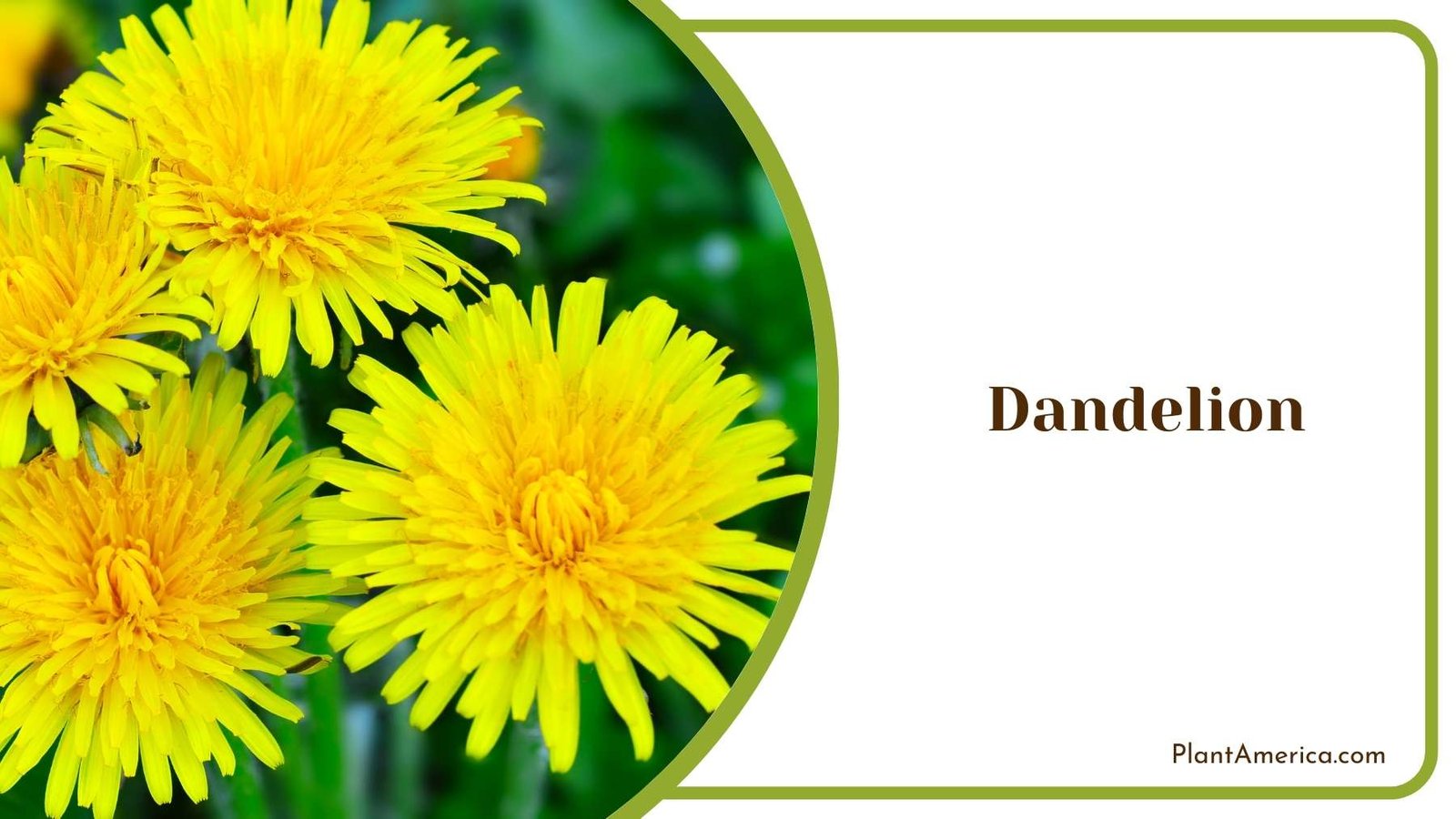
- Growing Season: Spring, Summer, Fall
- Leaf Shape: Broad, Lobed, Radiate from a central stem
- Specific Needs: Prefers sunny locations, Disturbed soils, Tolerates many soil types
- Common Pests: Aphids, Slugs, Snails
Dandelion is a weed that is nearly ubiquitous across lawns and gardens. Despite its reputation, every part of this plant is edible and packed with nutrients. The leaves can be eaten raw for a crunchy, slightly bitter addition to salads. Their high vitamin K and A content make them a powerfully healthy complement to any meal.
Sautéing the leaves briefly in a small amount of oil or butter helps reduce their bitterness, bringing out delicious flavors ranging from grassy to nutty. Mix dandelion greens into omelets, quiches, or pasta dishes for a nutrient-dense boost.
You can also enjoy dandelions by brewing the bright yellow petals into tea. Pick fresh flowers, remove the green bases, and steep them in hot water for five to ten minutes. Dandelion flower tea has a subtly sweet taste and is lightly diuretic, making it a refreshing caffeine-free beverage on a hot summer day.
Regarding diuretic properties, dandelion’s coffee-like roasted roots can act as a healthy liver and digestive tonic when ground and brewed. Harvest roots in fall or winter, scrub them clean and roast them like coffee beans before grinding.
Without a doubt, the dandelion should be celebrated as one of the most versatile and beneficial edible weeds instead of mowed or pulled from lawns at first sight. With just a bit of foraging, you can add this sunny weed’s bounty of vitamins and flavor to meals all year. Next time you see a dandelion’s cheerful face, give its greens or flowers a try. You may just find a new favorite ingredient.
2. Plantain
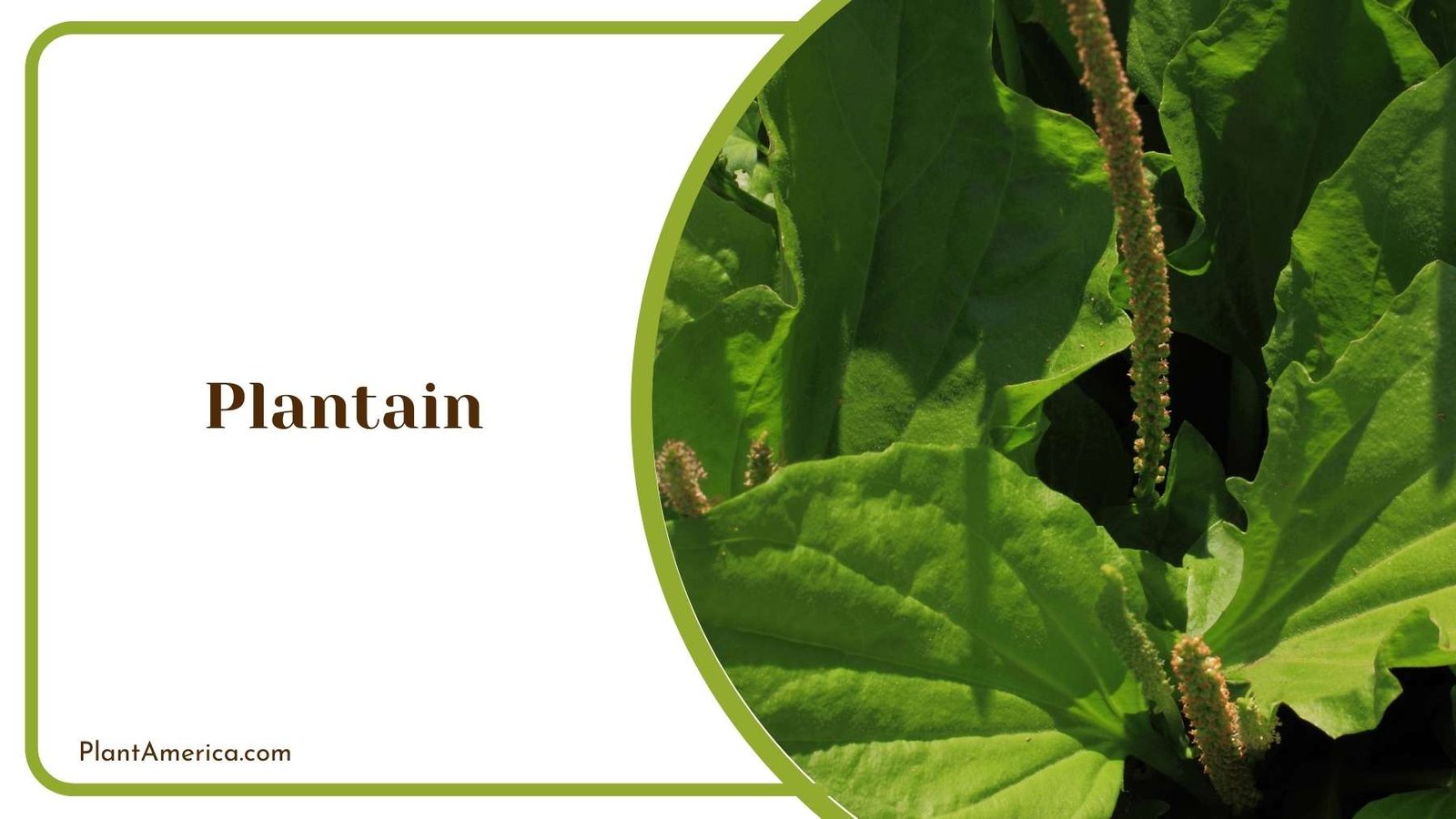
- Growing Season: Spring, Summer, Fall
- Leaf Shape: Narrow, Lance-shaped, Form a rosette
- Specific Needs: Prefers moist, shady areas, Tolerates many conditions
- Common Pests: Banana weevil, Few pests bother plantain due to its tough leaves
Plantain weed is a common lawn weed with edible leaves that relieve insect bites and stings when chewed or rubbed on the affected area. Its leaves contain anti-inflammatory compounds that help soothe itching and pain. Gather young plantain weed leaves when they are most tender in spring or after rain.
Wash and chop the leaves, then add them to sandwiches, salads, or melts for added texture and nutrients. Plantain weed is high in vitamins A and K, making it a powerfully nutritious addition to meals that aids vision and supports bone health.
An easy way to enjoy plantain weed is by brewing it as an herbal tea. Just steam a few chopped leaves in hot water for five to 10 minutes. The tea has a slightly earthy, peppery flavor and can ease digestive issues when drunk regularly. Many foragers also enjoy eating plantain weed flower stalks that emerge in late spring, which have a crisp texture and mildly sweet taste reminiscent of celery or asparagus.
3. Lamb’s Quarters
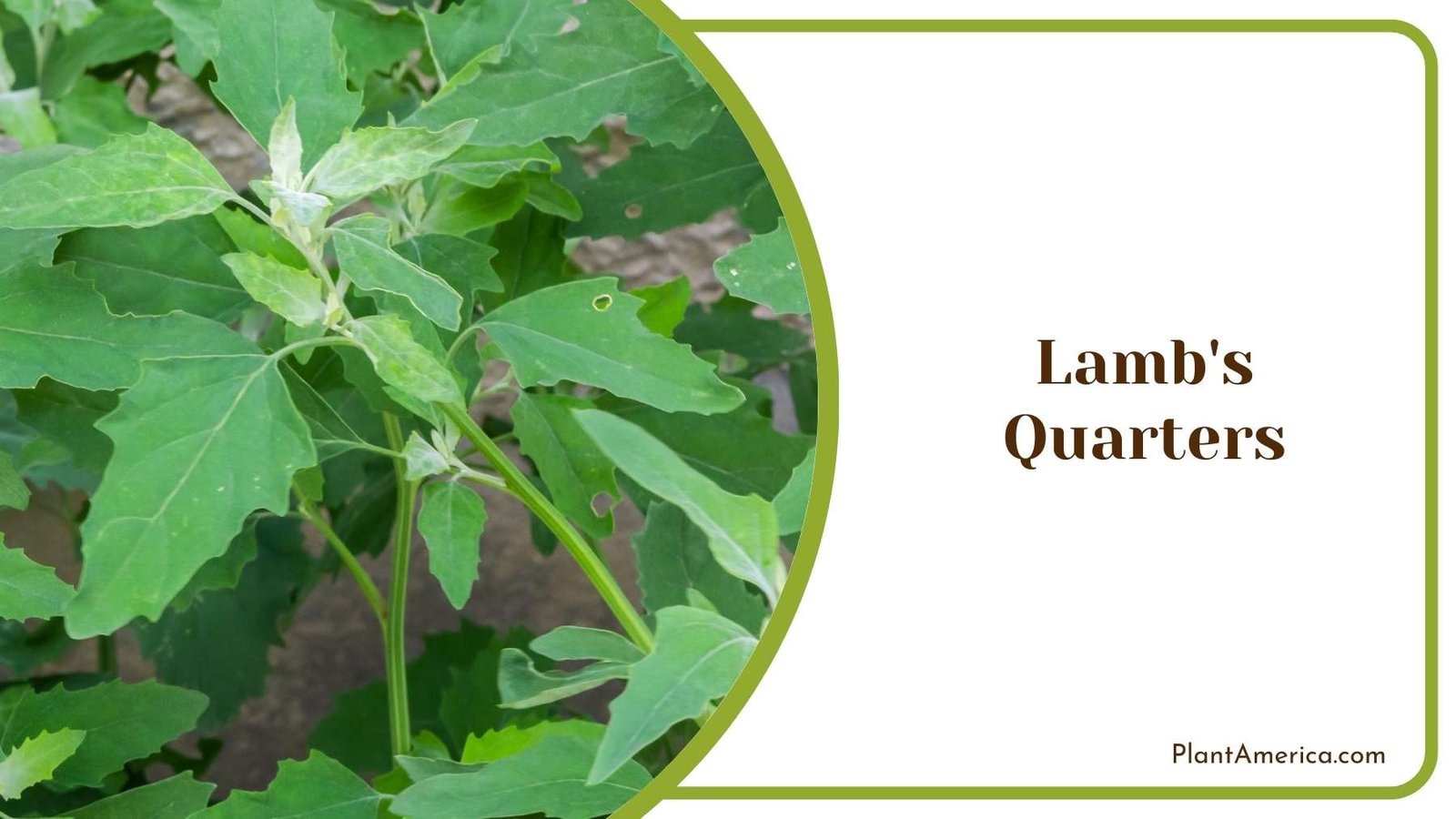
- Growing Season: Spring, Summer, Fall
- Leaf Shape: Broad, Arrowhead-shaped leaves on succulent, branched stems
- Specific Needs: Rich, moist soil, Full sun or partial shade
- Common Pests: Spider mites, Few pests bother it
Also called a fat hen, lamb’s quarters grow prolifically in disturbed areas and make for an easy-to-identify edible weed. Its leaves resemble those of spinach and contain higher amounts of important vitamins and minerals. Lamb’s quarters provide more calcium than most herbs or vegetables and almost as much vitamin C as an orange!
Its leaves can be harvested throughout growth and eaten raw or lightly steamed for a nutritious spinach substitute. Adding lamb’s quarters to salads, sautés, or smoothies dramatically boosts their nutritional profile.
Later in the season, tender lamb’s quarters stems can also be eaten, while the plant’s small, green flowers have a mild broccoli flavor. Harvest by pinching off the flowering tops before the seeds fully develop. Frolic foraged lamb’s quarters can be dipped in tempura batter and fried for a crispy snack. So invite this beneficial “weed” to join your meals rather than banishing it and your body will appreciate lamb’s quarters’ bounty of nutrients.
4. Purslane
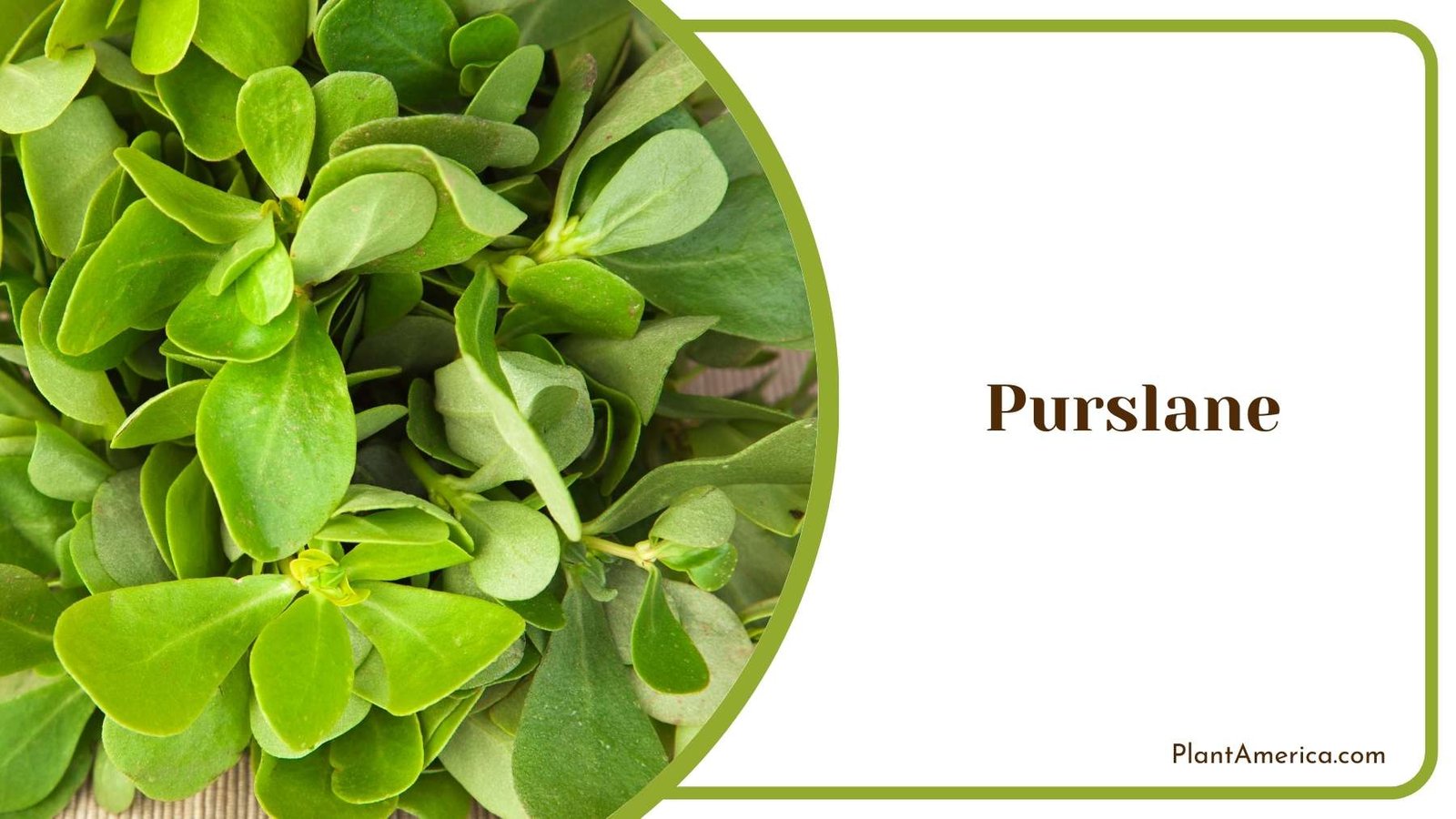
- Growing Season: Spring, Fall
- Leaf Shape: Thick, succulent leaves, Rounded or paddle-shaped
- Specific Needs: Prefers warm weather, Moist, nutrient-rich soil
- Common Pests: Purslane sawfly, Leafminer weevil
Purslane is a succulent weed that packs an impressive nutritional punch. Its leaves and stems are filled with Omega-3 fatty acids, antioxidants, and vitamins A, C, and B-complex. Native Americans and Europeans have enjoyed purslane for centuries as a remedy for digestive issues and inflammation. Today it is gaining recognition as a superfood worth adding to dishes.
Eat purslane raw in salads for a pleasing crunch, or lightly sauté the stems and leaves as you would spinach. Its mild, slightly sour, and salty flavor also melds well in soups and stir-fries. Due to purslane’s high water content, it helps you stay hydrated on hot summer days when you forage and consume it.
Just be sure to thoroughly wash any purslane harvested from lawns or gardens, as it can sometimes accumulate soil contaminants. But with its abundant nutrition and versatility, purslane deserves recognition beyond its status as a weed.
5. Chickweed
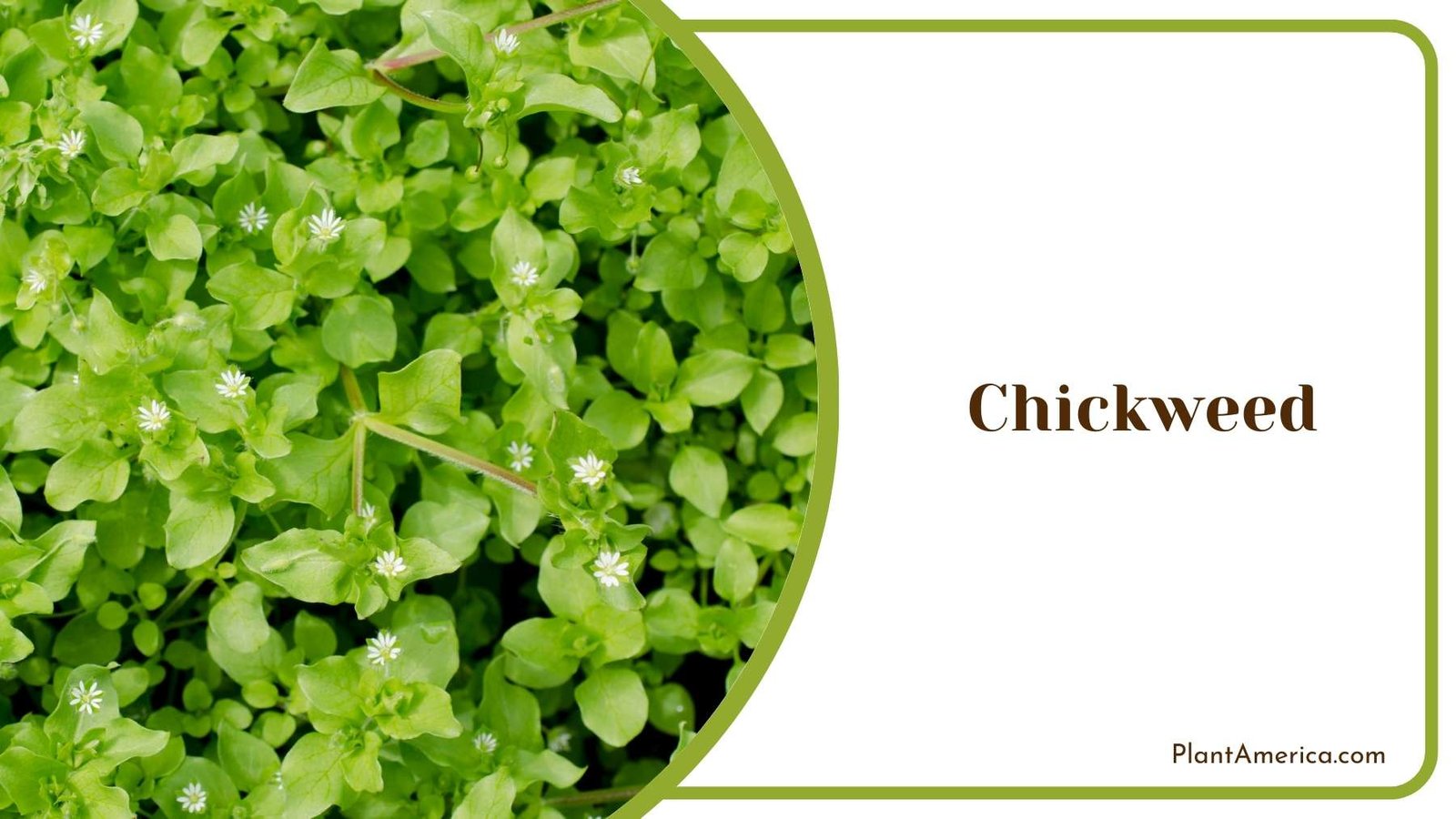
- Growing Season: Year-round
- Leaf Shape: Delicate, Opposite leaves, Joined in pairs on wiry stems
- Specific Needs: Thrives in moist, shady areas, Can grow anywhere
- Common Pests: Generally pest-free
Mild-mannered chickweed might not look like much, but its diminutive leaves and flowers hide potent nutritional qualities. This creeping perennial is one of the most nutrient-dense greens, providing ample vitamins C and A along with calcium, niacin, and riboflavin.
Best of all, chickweed grows virtually year-round in most temperate climates and tolerates both sun and partial shade. Simply collect tender tips and young leaves for a microgreen-like addition to meals. Chickweed has a pleasantly mild flavor that won’t overpower other ingredients.
Toss a handful into salads, smoothies, or grain bowls for extra nutrition. You can also lightly sauté it or add raw chickweed to sandwiches and wraps. The plant’s delicate structure lends itself well to floral garnishing techniques too.
6. Shepherd’s Purse
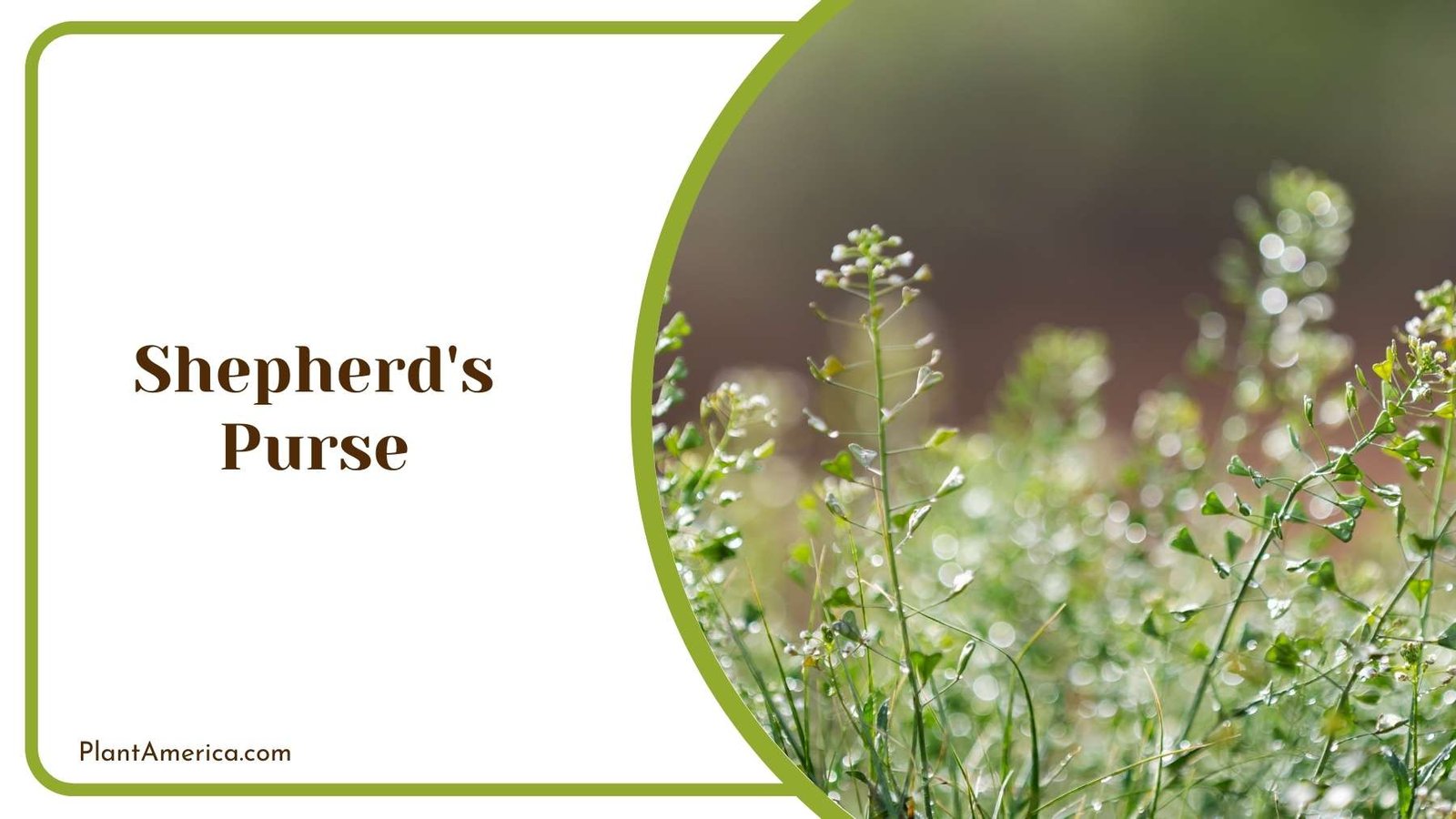
- Growing Season: Spring, Fall
- Leaf Shape: Dense basal rosette, Deeply divided, Lance-shaped leaves
- Specific Needs: Full sun, Dry, nutrient-poor soil
- Common Pests: Few pests affect the shepherd’s purse
Shepherd’s purse is a common spring weed recognized by its heart-shaped seed pods. However, its narrow basal leaves are also edible and rich in nutrients. Enjoy a mild-flavored salad green by harvesting the young rosette leaves before flowering. Shepherd’s purse contains vitamin K to support bone health, along with antioxidants and anti-inflammatory compounds.
Its leaves have a subtly peppery flavor that compliments hearty lettuce. Traditional herbalists also valued the shepherd’s purse for stopping bleeding. Chew fresh leaves or apply a poultice directly to minor cuts to encourage clotting. These seed pods can be dried and used similarly to mustard powder to add a zesty pop to rubs and dressings.
7. Wood Sorrel
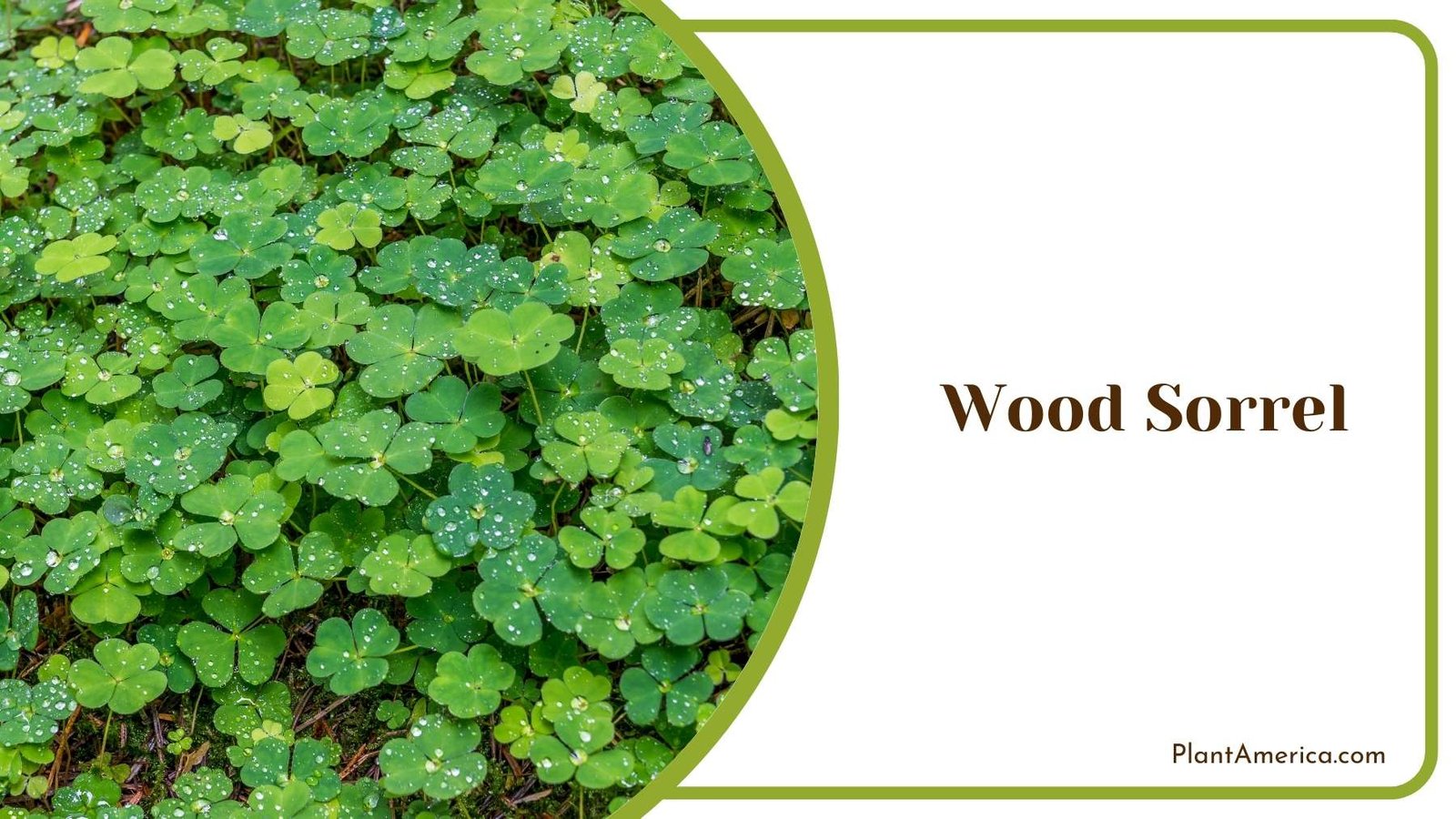
- Growing Season: Spring, Fall
- Leaf Shape: Shamrock-like, Composed of three rounded leaflets
- Specific Needs: Thrives in acidic, moist woodland soil, Partial shade
- Common Pests: Generally pest-free
With its three heart-shaped leaflets, wood sorrel may seem familiar for resembling a certain beloved Irish plant. However, this perennial weed earns its keep with a refreshingly tart, lemony flavor that makes it a unique candidate for wild food exploration. Enjoy wood sorrel’s bright taste raw in salads or use its leaves like herb cheese to perk up simple snacks.
Make a simple sorrel pesto, too, by blending wood sorrel with oil, nuts, and garlic. High in vitamin C and antioxidants, wood sorrel also offers anti-inflammatory benefits and supports oral health when consumed. Best of all, finding this delicate plant requires only stepping into shaded woodlands or gardens for easy-to-harvest nutrition.
8. Ground Ivy

- Growing Season: Spring, Fall
- Leaf Shape: Round to heart-shaped, Opposed leaves on spreading stems
- Specific Needs: Prefers shady, moist areas, Fertile soil
- Common Pests: Generally pest-free
Ground ivy may seem like just another lawn weed, but it possesses mild minty flavors that make it a lovely ground cover plant. Also known as gill-over-the-ground, its leaves and flowers can be harvested throughout the growing season. Simply add the leaves to salads, smoothies, or tea for a herbaceous lift.
Ground ivy also contains antioxidants that support digestive health when consumed regularly. Try making an infused simple syrup by simmering ground ivy with water and sugar for iced tea or cocktails too. This adaptive plant spreads easily, so it’s one of the easiest edible weeds to forage.
9. Peppergrass

- Growing Season: Early spring
- Leaf Shape: Narrow, serrated leaves, Arranged in a basal rosette
- Specific Needs: Thrives in cool, moist conditions, Full sun or partial shade
- Common Pests: Generally pest-free
This early spring green rewards foragers with leaves possessing a mild mustard-like zing. Its peppery kick adds zip to salads, sandwiches, and stir-fries. Peppergrass also offers vitamins K, and C, as well as antioxidants to strengthen your defenses as seasons change.
When you notice peppergrass’ rosettes of narrow leaves emerging on roadsides or lawns, harvest a small amount before the plant’s bolt flower stalks. A handful lends flavor and nutrition on days you need a boost after winter’s end. Whether in meals or infused tea, let peppergrass be your little introduction to the pleasures of wild edible weeds each year.
10. Amaranth

- Growing Season: Late spring, First frost
- Leaf Shape: Medium green leaves; Hardy, branched upright stems
- Specific Needs: Thrives in warm, sunny areas; Average moisture
- Common Pests: Generally pest-free
Amaranth may seem like an unremarkable summer weed, but it was treasured as a grain crop by Aztecs for its impressive nutritional profile and ability to thrive in poor soils. Both its leaves and seeds can be harvested for eating as they develop. Young amaranth leaves have a mild spinach flavor and provide lipids, vitamins, and minerals to exceed the nutritional levels of other greens.
You can add its leaves fresh to salads or lightly sauté them like collards. Later, you’ll notice amaranth’s tall flower stalks develop clusters of tiny seeds. Enjoy these seeds like quinoa – dry the heads fully, then rub or flail to remove the seeds. Toast amaranth seeds in a dry pan for a few minutes until popping sounds cease, creating puffed “popcorn” kernels.
Their nutty crunch and mild taste add fun to granola, pilafs, or as a healthier snack. By giving amaranth a role in your meals, you access nutrition from this hardy weed that sustained ancient cultures for generations.
11. Cress
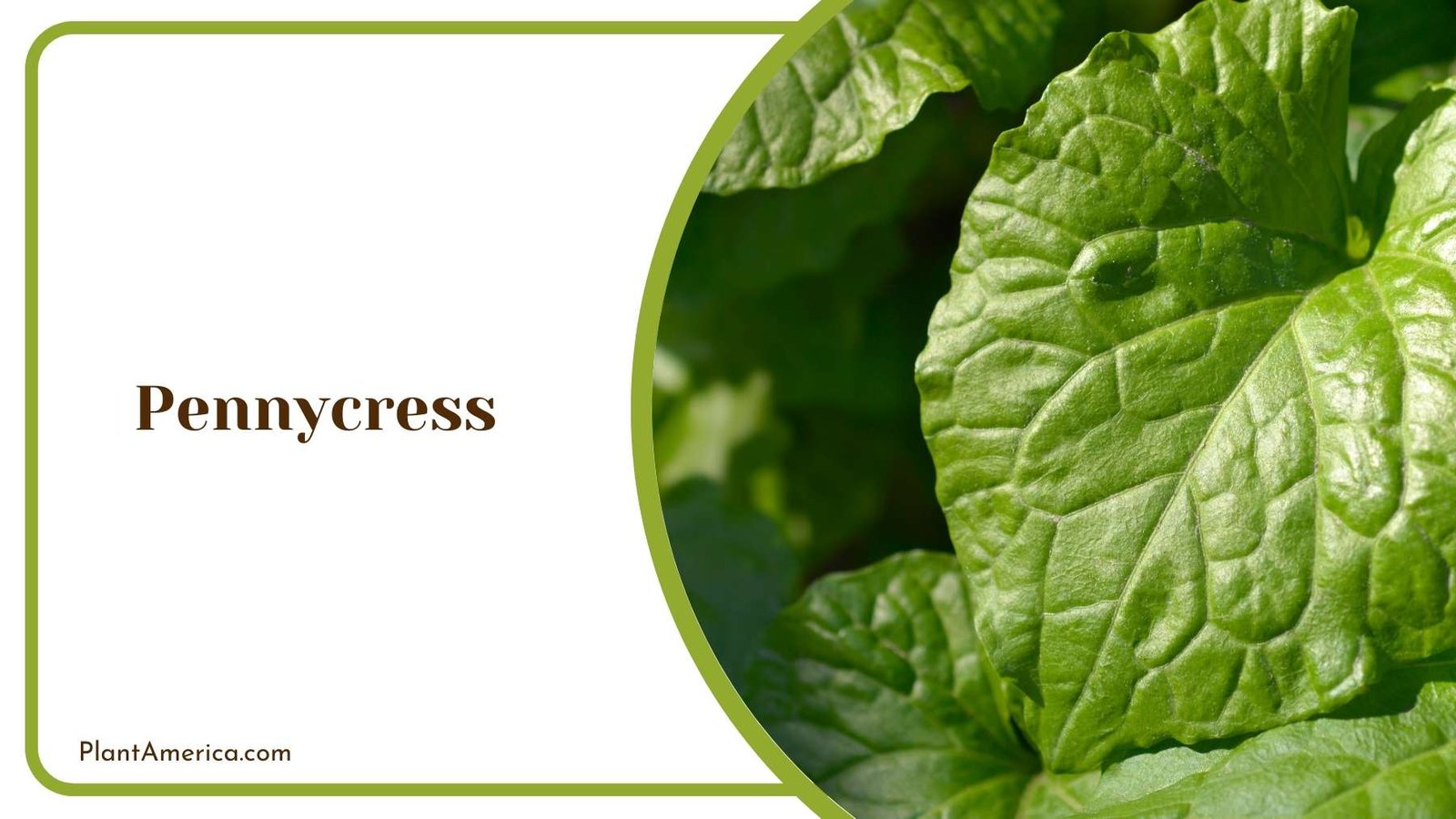
- Growing Season: Early spring, Summer
- Leaf Shape: Oval leaves; Branching stems near soil
- Specific Needs: Thrives in moist, loamy soil; Partial sun
- Common Pests: Generally pest-free
Cress sprouts readily and its peppery bite makes it a standout in leafy dishes. When you spot tiny cress seedlings emerging from cracks in pavement or among plantings, give them a nibble. Cress’ spicy zing wakes up salads, sandwiches, and dips in need of perking up. You’ll be surprised how something so small packs so much flavor.
Cress also contains antioxidants, vitamins K and C, and other compounds that promote bone and oral health. Use scissors to snip whole cress plantlets for nibbling or tucking into wraps and meals on the go for an instant health boost. By appreciating this diminutive green’s potent taste rather than mislabeling it a weed, you gain a culinary friend wherever your travels take you each spring.
12. Violet

- Growing Season: Early spring, Summer
- Leaf Shape: Heart-shaped basal leaves; On low-growing stems
- Specific Needs: Thrives in woodland edges; Thrives in shaded gardens
- Common Pests: Generally pest-free
Sweet violet’s delicate flowers aren’t the only part worth sampling from this sweet-scented harbinger of spring. Its leaves also offer nutritional benefits when added fresh to meals. Dark green violet leaves contain vitamins C and K, along with anti-inflammatory compounds that promote immunity.
Best of all, violet’s mild yet complex grassy-herbal flavor brings depth to any dish it graces. Simply scatter intact leaves over salads, risottos, vegetable sautés or frittatas. The leaf’s texture softens upon cooking while retaining a bold taste.
Should you spot violets blooming near your home, take time to inhale their perfume up close too – this simple pleasure requires no other supplies. With a little willingness, our average landscapes host incredible sustenance hiding in plain sight.
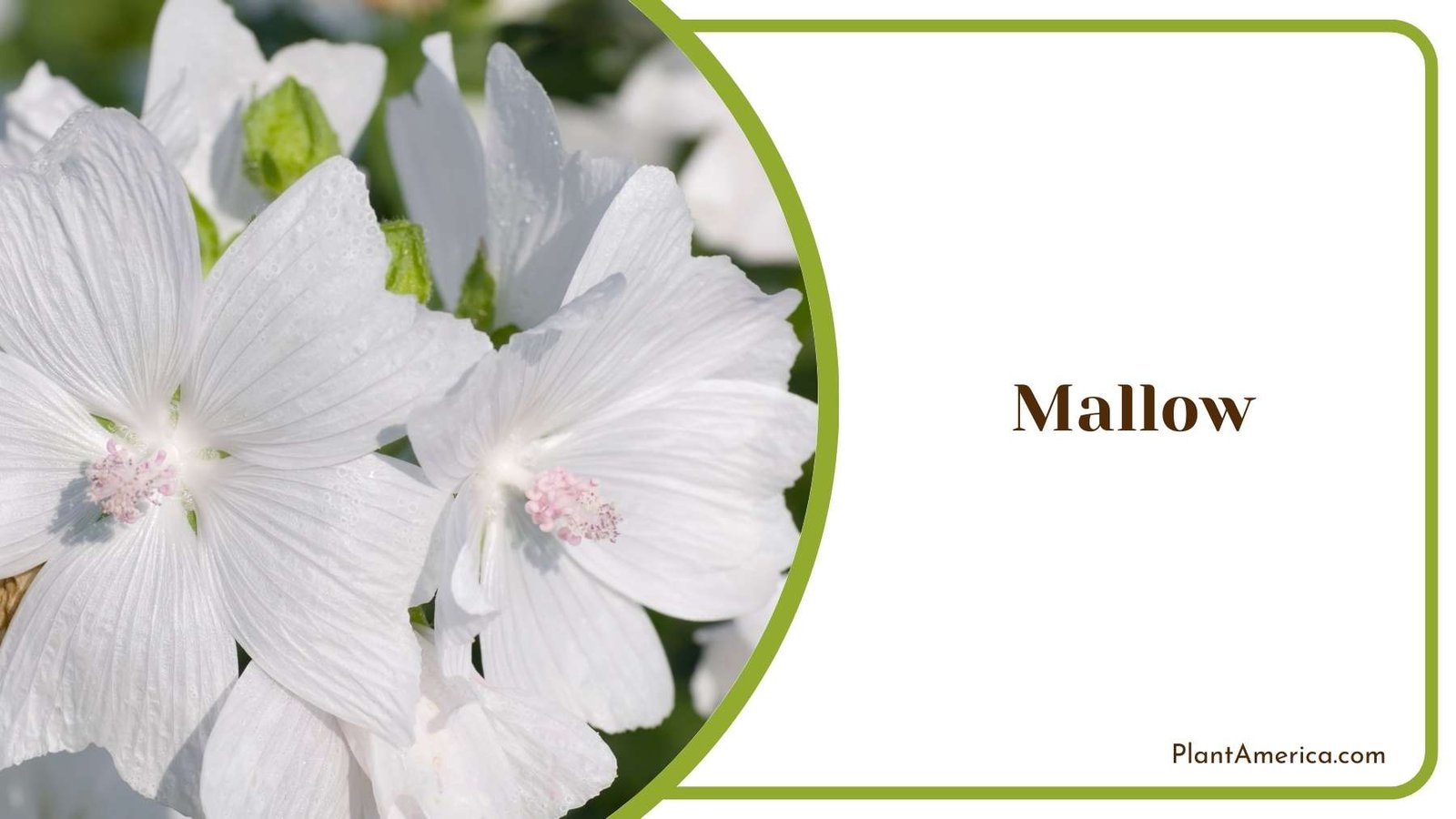
13. Mallow
- Growing Season: Late spring, Fall
- Leaf Shape: Round to heart-shaped leaves; On hairy stems
- Specific Needs: Thrives near habitation; Thrives on wetter soil types
- Common Pests: Few pests impact mallow
Mallow has a long history of traditional use. Its leaves and roots offer mucilaginous compounds soothing to irritated skin and digestion. Harvest young leaves and stems any time you spot tufts of round foliage near fence lines or gardens.
Add mallow’s tender parts fresh to soups and stews, or eat them on their own in small amounts like greens. Its subtle celery-like crunch brings enjoyment without overpowering other flavors. Mallow also calms occasional heartburn when eaten regularly.
Those wishing to experience more pronounced mucilage can simmer small roots and leaves in a broth or tea. Either method produces a lovely demulcent beverage that coats and soothes as it satisfies thirst.
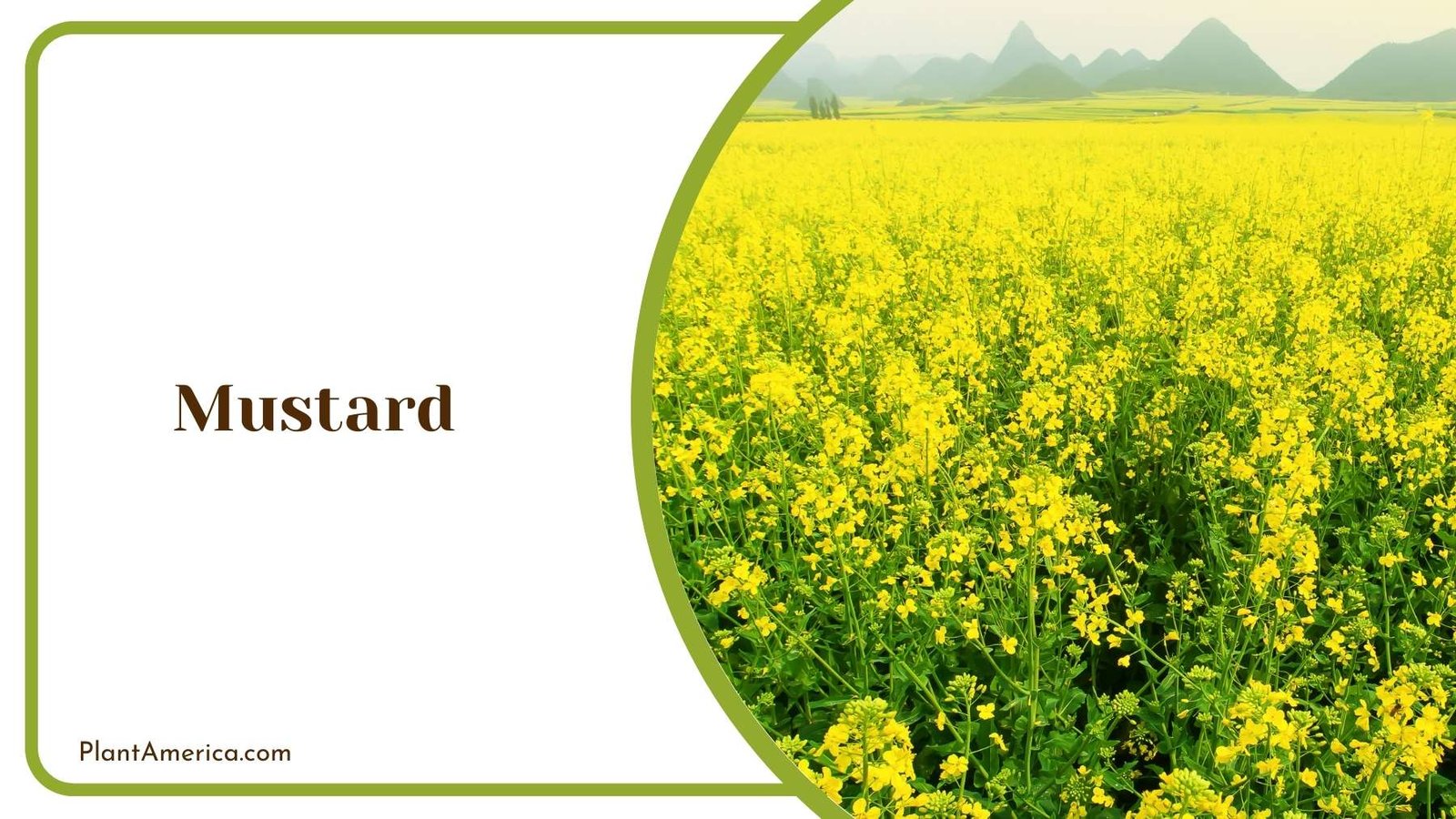
14. Mustard
- Growing Season: Early spring, Fall
- Leaf Shape: Hairy, lobed leaves; On branching stems
- Specific Needs: Thrives in disturbed soils; Full sun
- Common Pests: Aphids; Few pests issues aside from that
While commercial mustard seed varieties dominate condiment shelves, their wild cousins thrive as weeds offer nourishment too. Young mustard leaves impart a pleasantly pungent bite when chopped into dressings, dips or pesto. Attempting to limit its spread also means sacrificing nutrients like vitamin K, fiber, and glucosinolates offering cancer-preventing potential.
As its stems elongate into summer, harvest the budding flowers as a pop of yellow or white in salads. Their radish-tinged flavor lifts other ingredients. Mustard also self-sows vigorously, ensuring a constant local supply with minimal effort. Simply develop your palate to appreciate this abundant plant unhampered rather than wage a solitary battle against what nature provides.
As yellow flowers transform to spreading seed pods, collecting some to dry and spice homemade pickles or kraut adds flavor. Overall, mustard works hard as a hearty green, decorative bloomer and seasoning, repaying foragers multifold for minimal care or space.
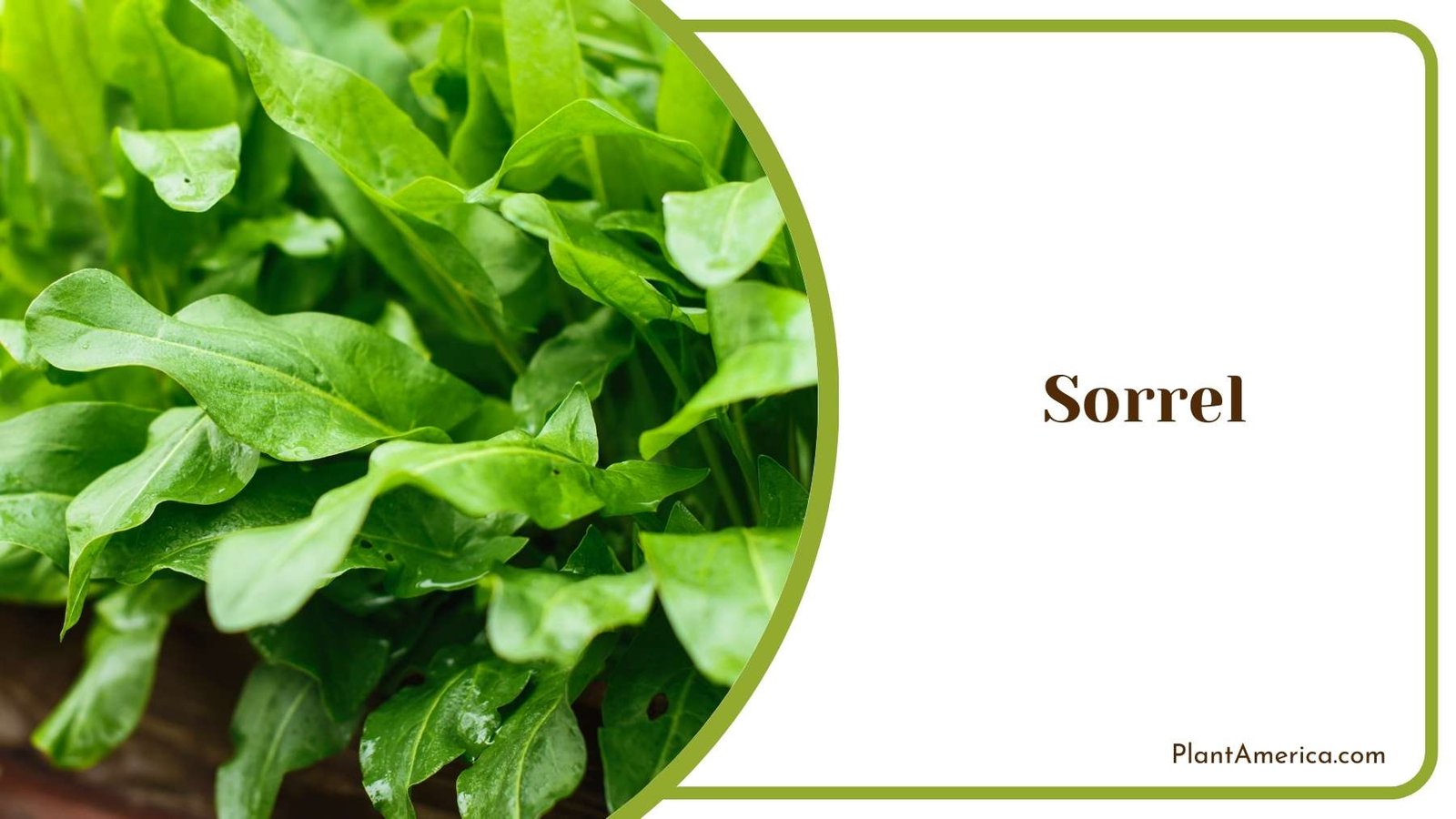
15. Sorrel
- Growing Season: Early spring, Fall
- Leaf Shape: Elongated arrowhead leaves; On erect stems
- Specific Needs: Prefers fertile soil; Prefers consistently moist soil
- Common Pests: Powdery mildew; Few issues aside from that
Sorrel’s bright acidity transports tasters to sunnier pastures with each lemony bite. Available early and late in the growing season, this perennial offers nutrition too, loaded with vitamin C and calcium levels rivaling milk. Best of all, sorrel varieties suited to lawns and gardens grow as prolifically as they nourish.
Snip developing flower stalks to encourage continued leaf production throughout summer. Blend sorrel into smoothies and drinks for the body without overpowering other flavors. Or add a handful to crudité for a mouthwatering twist on traditional veggie dippers. The herb amplifies other components in sauces, soups, and egg dishes too.
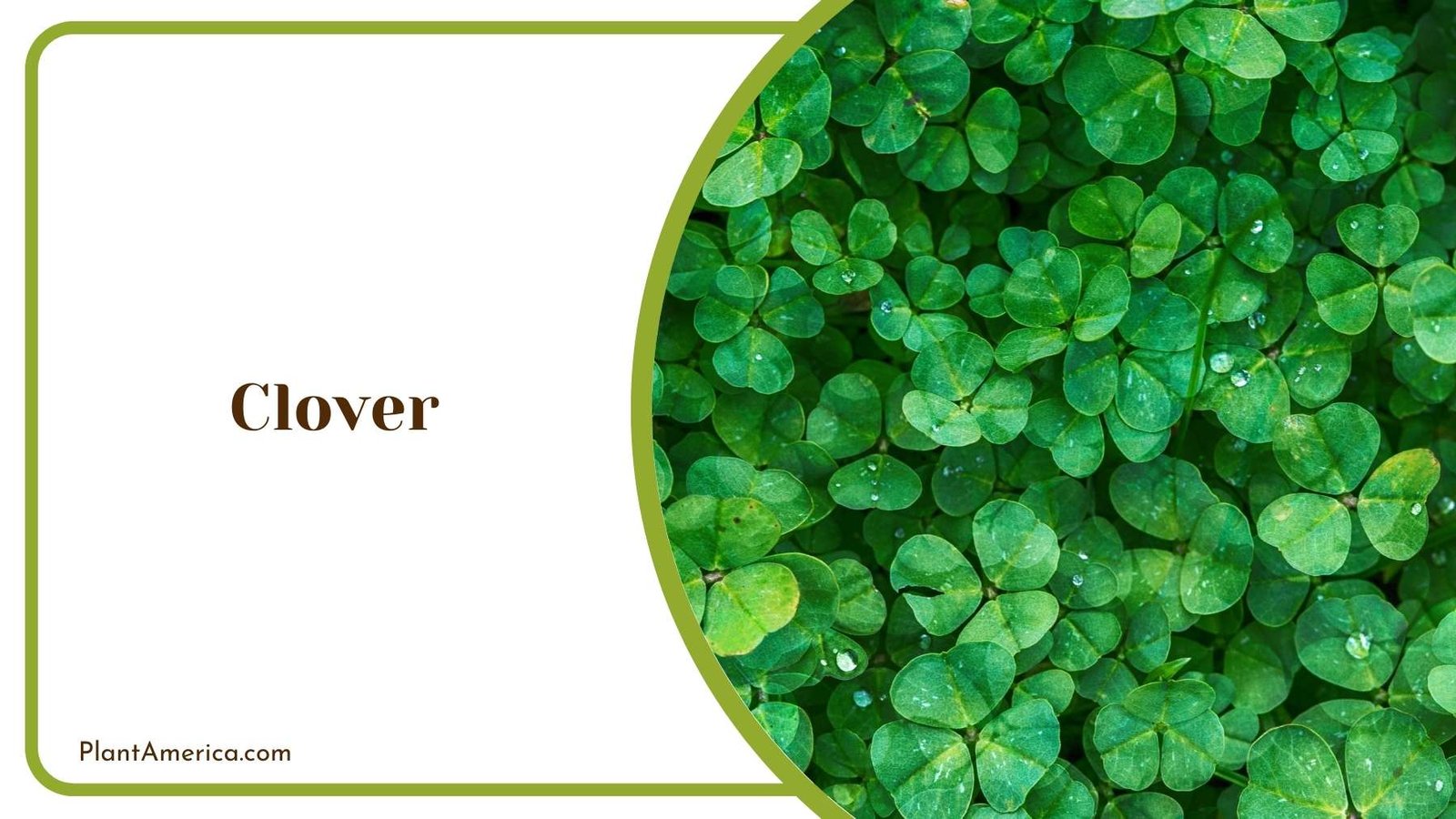
16. Clover
- Growing Season: Late spring, Fall
- Leaf Shape: Shamrock-like leaves; Clustered on low vines
- Specific Needs: Thrives in grassy areas; Partial shade
- Common Pests: Generally pest-free
Despite a reputation as a boring grass companion, four-leaf and other clover varieties offer benefits beyond nitrogen fixation in lawns. All contain antioxidants, vitamins K and C, and phytoestrogens that support bone and heart health. Clover leaves also complement savory flavors in dishes.
When harvesting clover, collect entire stems for a mild, nutritious microgreen addition to salads, sandwiches, and grain-based meals. Its shamrock shape adds visual appeal too. Simmered clover infusions also strengthen immunity naturally when illness sweeps through.
17. Chicory
- Growing Season: Late spring, Fall
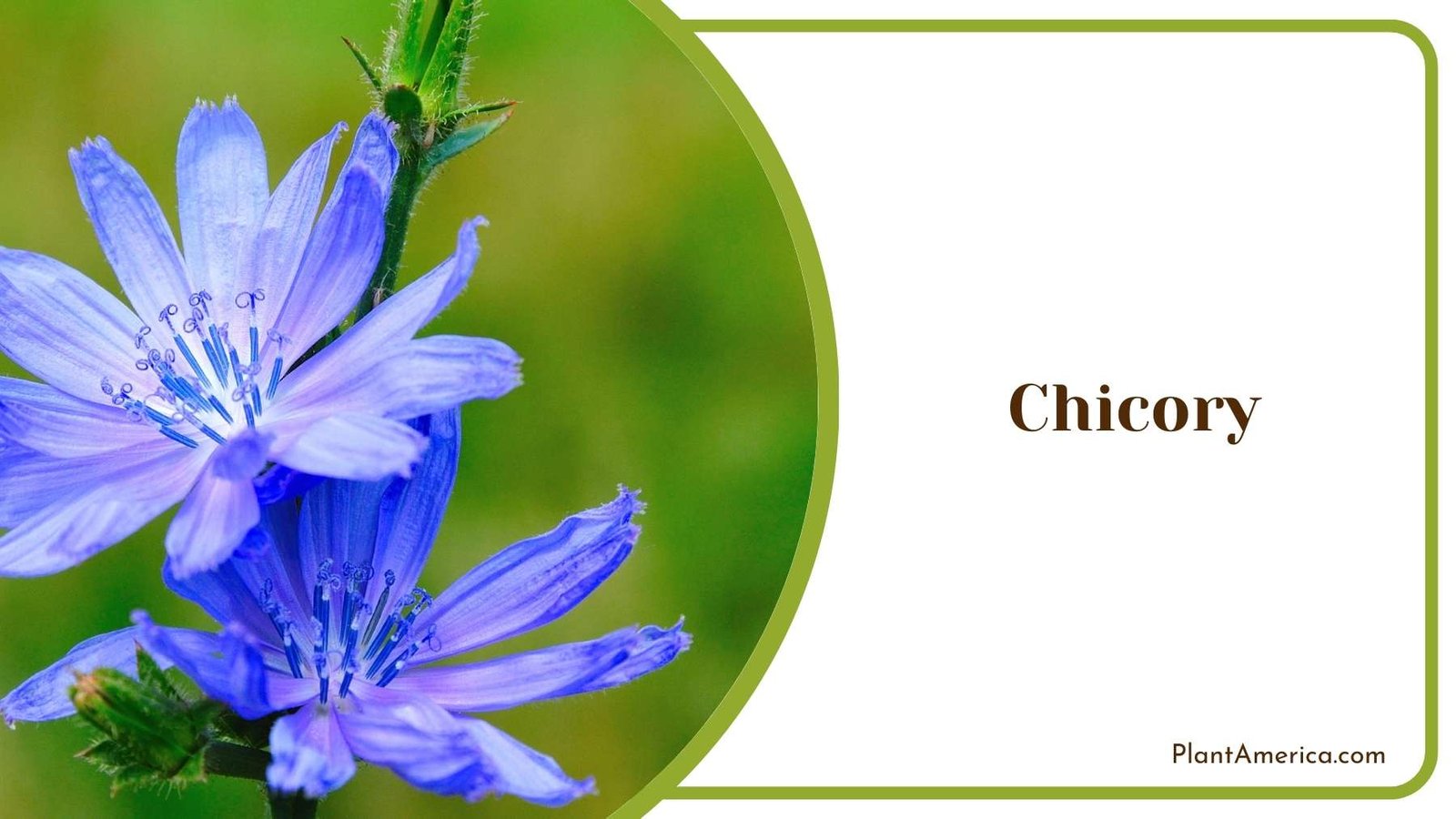
- Leaf Shape: Deeply lobed leaves; Leaves form rosettes low to soil
- Specific Needs: Thrives in dry conditions; Thrives in nutrient-poor conditions
- Common Pests: Aphids
While often cast as a dandelion relative of little worth, chicory leaves deliver bitter flavonoids that offer anti-inflammatory support. Their stimulating qualities also make for a morning health tonic. Roast chicory roots as an intriguing coffee alternative, too – lightly sweetened to balance earthy notes.
Best of all, this durable weed spreads freely with neglect. Simply gather rosettes anytime before flowering for salads or light cooking that retains nutrients while mellowing the chicory’s edge. Even its pretty blue blooms deliver long-lasting benefits once dried and infused as delicate edible flowers.
18. Knotweed
- Growing Season: Late spring, Early fall
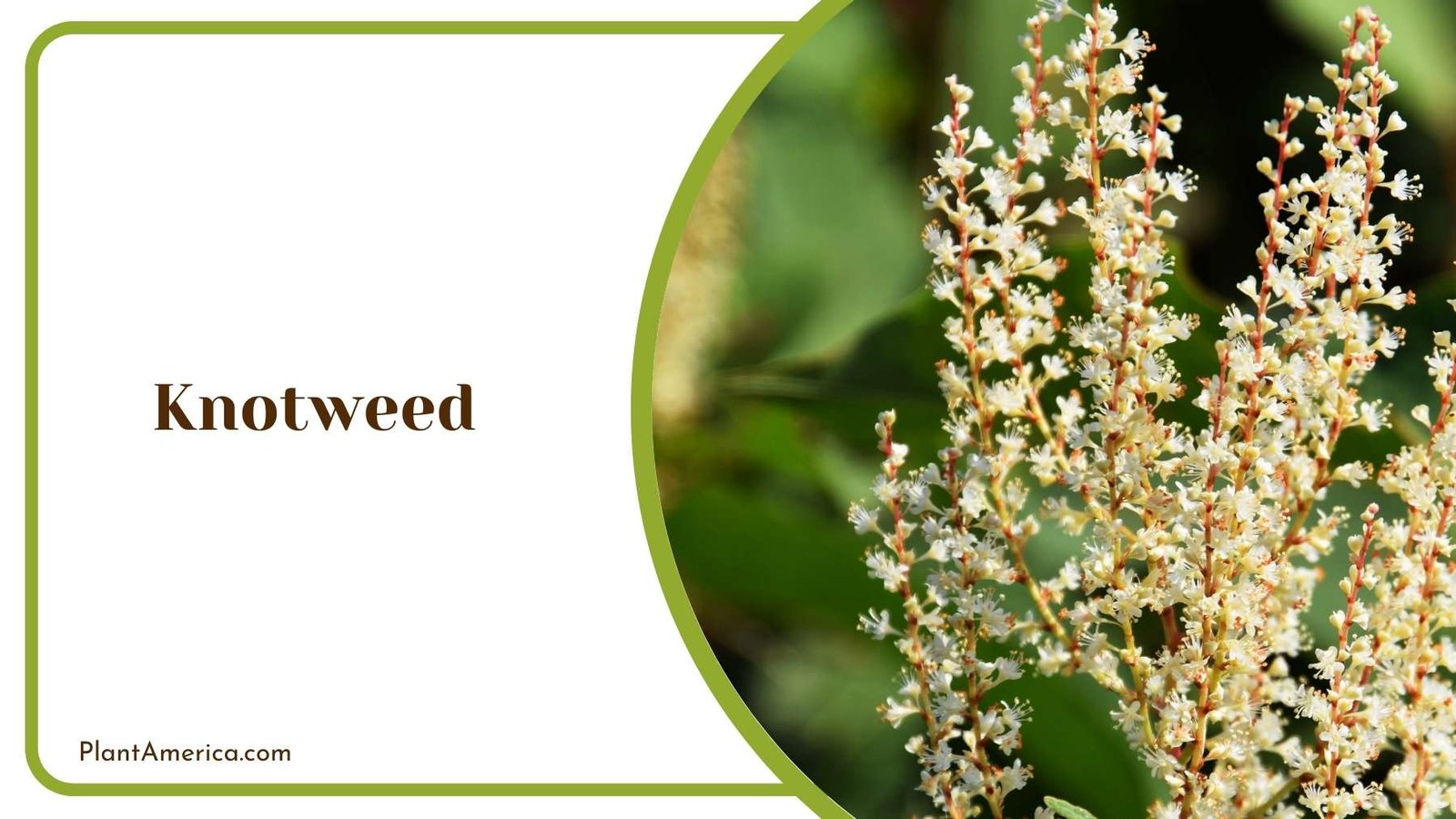
- Leaf Shape: Heart or triangular leaves; On jointed stalks
- Specific Needs: Thrives in damp locations near water; Full sun
- Common Pests: Japanese beetles; Few other pests
While some knotweed varieties prove aggressively invasive, those sprouting near wetlands or drainage trenches offer nourishment. Young, tender stalks and leaves impart a pleasantly tart crunch to spring and summer meals with antioxidants exceeding blueberries. Their texture mimics crisp rhubarb.
Browse wet areas for knotweed pushing new growth in triangular, heart or teardrop shapes. Snip a small bundle and rinse well before using it raw or cooked within a day for maximum nutrition. Enjoy knotweed tucked into omelets, grain salads, or as crudité with hummus for an ecological treat.
19. Curly Dock
- Growing Season: Late spring, Fall
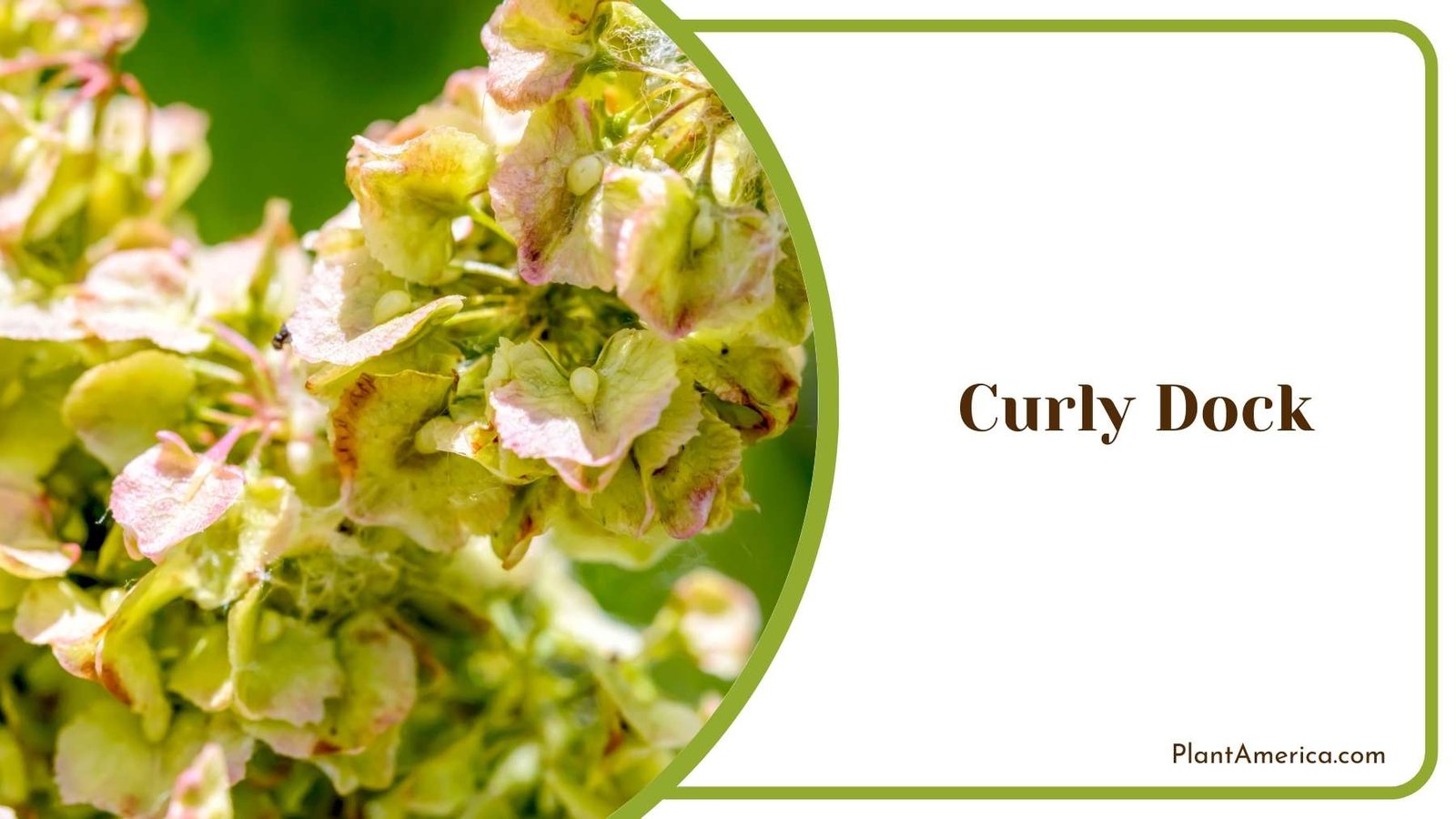
- Leaf Shape: Wavy-edged, arrowhead-shaped; Basal leaves
- Specific Needs: Prefers fertile soils; Abundant moisture
- Common Pests: Rare rust; Generally pest-free
Curly dock is a common wild plant found globally in temperate regions. Often viewed as a weed, it actually provides benefits to ecosystems and has some surprising uses. Establishing easily from windblown seeds, curly dock thrives in disturbed soils by roadsides, meadows and fields. Its robust root system helps prevent erosion. Seeds provide food for birds while foliage serves as a larval host plant and nectar source for pollinators.
Curly dock also offers medicinal and culinary uses. Young spring leaves contain vitamins A, C and minerals if cooked. They add texture, color and nutrients to salads, soups and sautés. Traditionally, native peoples made pain-relieving salves from the roots.
With effort, a curly dock can even benefit home gardens. Mulching established plants prevents seed formation while improving soil structure. Young leaves harvested regularly prevent competition. Some cultivars show promise as tasty vegetables bred for home crops.
Rather than dismissing curly dock, take time to appreciate its hardiness and sustainability in varied landscapes. It persists without dependence on agriculture yet provides ecosystem support through seasons. Perhaps this versatile “weed” deserves more respectful consideration for its naturally beneficial qualities..
20. Pennycress
- Growing Season: Early spring
- Leaf Shape: Rosette of rounded leaves; Toothed leaves
- Specific Needs: Thrives in cooler seasons; Full sun
- Common Pests: Generally pest-free
As one of the first edible plants emerging each spring, pennycress offers welcome nutrition. Its mild peppery-mustard flavor perks up, still chilled from winter’s grip. Snip entire rosettes for salads needing early color and bite, retaining vitamin K and other antioxidants to boost recovery from seasonal change.
Pennycress even indicates soil readiness for planting other crops through its reliable appearance. Native Americans consumed it as a potherb, and used its oil until tobacco and cotton usurped its roles. Today, researchers appreciate pennycress as a sustainable biofuel source too.
21. Miner’s Lettuce
- Growing Season: Early spring, Early summer
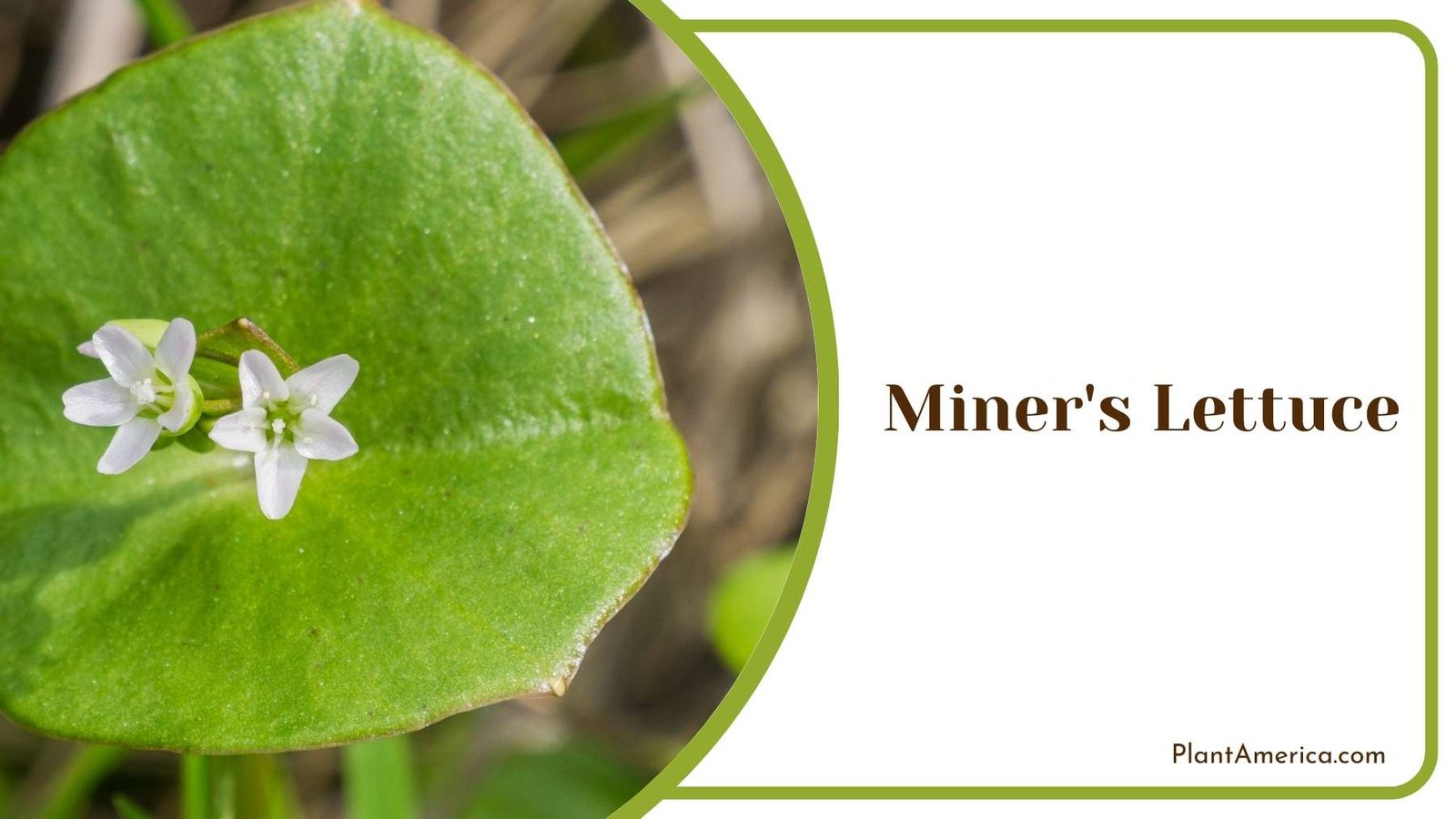
- Leaf Shape: Basal rosette of rounded leaves, Fuzzy gray-green leaves
- Specific Needs: Thrives in shade, Thrives along woodland creeks
- Common Pests: Generally pest-free
Where sleepy winter creeks awake to bubbling songs, miner’s lettuce performs its soothing work. This ephemeral green graced gold miners during Western expansion, hydrating bodies as its qualities connected souls to sustaining landscapes. A single bite activates nostalgia for nature’s earliest gifts each year.
22. Sheep’s Sorrel

- Growing Season: Spring, Fall
- Leaf Shape: Elongated leaves, Arrowhead-shaped leaves
- Specific Needs: Prefers moist, acidic soils, Prefers sun
- Common Pests: Generally pest-free
Sheep sorrel’s lemony burst awakens foraged snacks from routine with its amplified taste and nutrition. Raw or lightly cooked, its tang uplifts salads and sides effortlessly versus store-bought alternatives. Traditional healers depended on potassium-rich sheep sorrel, too, for circulation and digestive support.
Conclusion
While considered unsightly weeds by some, many common plants thriving without cultivation offer valuable nutrition and herbal properties.
- Dandelion, with its bright yellow flowers and deep green leaves that endure in lawns and fields, stubbornly shares its bounty of vitamins and plant-based nutrients with all.
- Chickweed might not look like much, but its diminutive leaves and flowers hide potent nutritional qualities
- Clover, its red, white, and pink flowers and triple-leafed green stems flourishing wherever grass grows, benefits pastures through nitrogen-fixing.
- Plantain is a common lawn “weed” with edible leaves that relieve insect bites and stings when chewed or rubbed on the affected area.
By broadening our definition of food beyond domesticated crops, a world of free sustenance emerges, nourishing bodies and landscapes alike. Rather than defensive stances towards nature’s botanical inhabitants, develop receptive awareness.