
Bell shaped blue flowers are ones anyone would love to have in their garden to add a little vibrance and uniqueness. You can choose from a list of blue bell shaped flowers we collected in this post.

We tried to choose cultivars with bluish tones or ones close to them because different cultivars exhibit varied colors. Keep on reading this article as we uncover the best bell-shaped blue flower for you.
List of Best Bell Shaped Blue Flowers
Below is the list of these beautiful blue flower that look like bells.
1. Virginia Bluebell
These bluebells of the Boraginaceae family have a similar appearance to ordinary bluebells and can be more appealing to you if you like those flowers. The plant has gray-green leaves and can grow up to 24 inches tall. The buds are pink when they first develop. However, as the petals open up, they turn purplish.
The flowers on this ephemeral spring plant occasionally resemble real blue more than those on ordinary bluebells. The zones 3 to 8 are where they should be grown ideally.
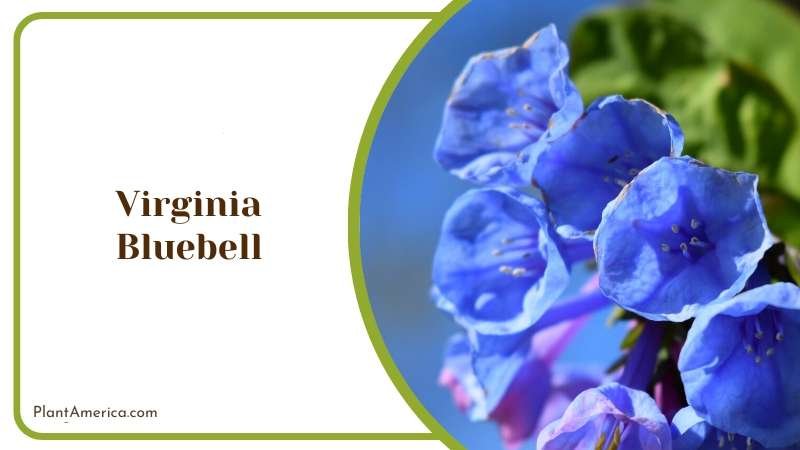
Partial to full sunlight, good water supply, and moist soil are enough is a requirement to these flowers, as these bluebells can resist both deer and rabbits.
These blooms will entice pollinating companions to your yard, including bumblebees, butterflies, skippers, and hummingbird moths. Some of these bluebells acquire a brilliant shade of sky blue that is uncommon among flowers and is quite beautiful.
2. Coral Bells
You’re looking for a gorgeous perennial that makes a lovely cut blue flower? For a burst of color, grow coral blue flowers. Alumroot is a common name for this stunning plant! Most of this plant’s varieties are hardy to 8,500 feet and can thrive in full sun and partial or complete shade.
The petals of this plant aren’t only coral! These perennials produce flowers in various hues, including white, amber, and purple. Zones 4 to 9 are ideal for growth nonetheless, you may water one inch weekly, with more in direct sunlight, as moist, fertile, well-drained soil is needed.
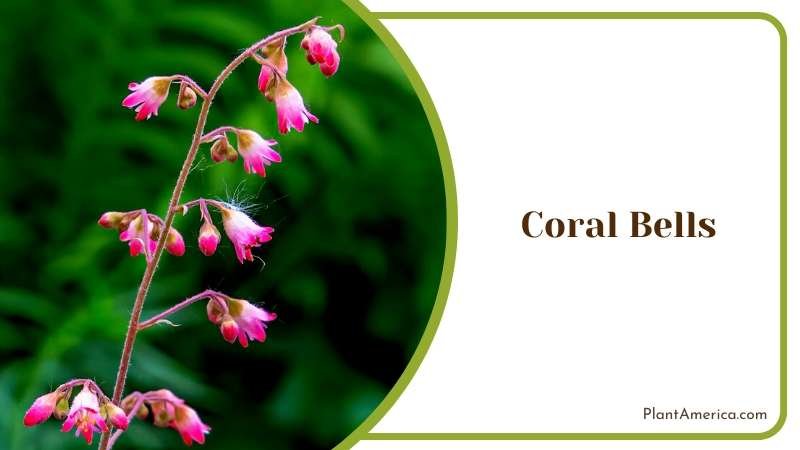
They create beautiful foliage. Corals are an excellent choice for a companion plant. Additionally, coral bells are appealing to butterflies and bees, which help in pollination, and insects and illnesses are not very common.
Noticeable cultivars include the Shanghai heuchera, which has a striking contrast between the coral bell cultivar’s purple foliage, dark stems, and white flowers is astounding. Above, the white bells resemble a constellation of tiny stars against a purple background.
Also the Blackberry ice heuchera is an attractive option for unexpectedly striking color. This cultivar’s vivid violet leaves remind one of the deep hues of blackberries (though not quite so dark). It can thrive in various sun and shade environments and produces yellowish flowers.
3. Persian Lilies
Another tall and eye-catching bell flower option is Persian lilies. They appear in various hues very dissimilar from the light pinks and purples typical of this type of flower. They are resistant to different animals such as deer and rabbits and do well in direct sunlight.
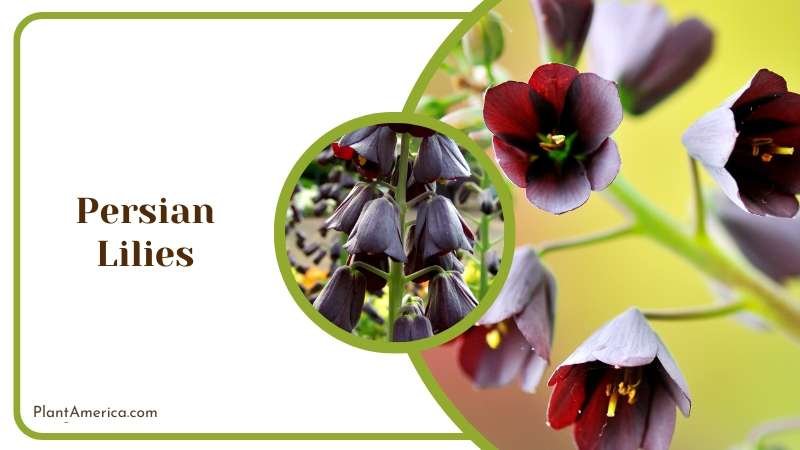
In the zones 4 through 8 they will work well for growth, as they need chalk and loam soil if needed, keep in mind that they benefit from moderate irrigation.
These are colors that you hardly ever see on many other flowers. The tall, perennial flowers are beautiful and attractively frame other, shorter plants. The best cultivar for blue color is the Adiyaman: This particular type of Persian lily has deep purple petals. These flowers are nearly black because of how dark they are.
4. Guinea Hen Flowers
In addition to having more vivid colors than many bell petals, Guinea Hen flowers also have a distinctive, striking checkered pattern resembling the pattern of the bird after which they are named!
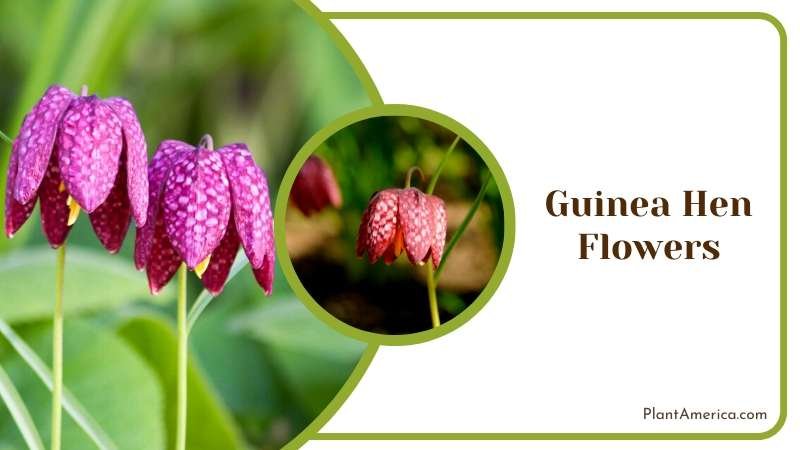
In the middle of April, guinea hen flowers can bloom alone or in pairs. They range in color from maroon, blue, reddish-purple, and muddy pink. They would prefer zones 3 through 8 to grow in. in addition to full to partial sun, moist soil, and average watering is good.
These flowers have a checkered pattern that is so regular-looking that it almost seems manufactured. These blooms have vibrant colors. When contrasted with green foliage, the colors may stand out attractively.
5. Grape Hyacinths
Daffodils and grape hyacinths are common flowering companions. They can reach heights of six to nine inches. Each time it has a thick cluster of tightly packed purple bell-shaped flowers on top. The plant gets its name from how each rounded blue flower resembles a grape. Full sun, a regular watering schedule, and sandy soil are all good for these beautiful flowers.
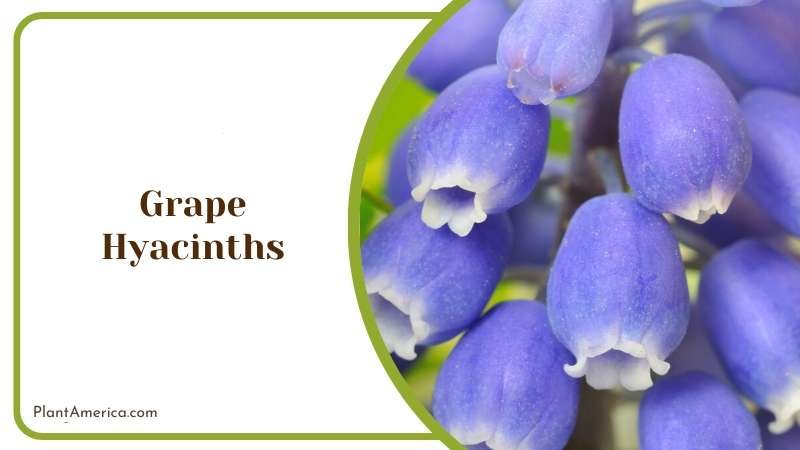
Perfect to grow in zones 4 to 8 for their cultivation. They are a well-liked daffodil companion plant because the contrast of purple and yellow stands out. They grow quickly and require little upkeep, making them perfect for covering a sizable portion of your lawn.
6. Canterbury Bells
The pollinator-friendly Canterbury Bells are most frequently purple, although they also appear in white and pink. The campanula flower, also known by this name, is one variety of bell-shaped flowers to consider when planting.
Canterburies might be annual or biennial. Its height varies from 60 to 80 centimeters. Canterburies are characterized by their huge clusters of bell-shaped blooms. An “inflorescence” is the name given to each of these collections!

Purple flowers are present on the bulk of Canterburies. However, in addition to purple hues, these flowers appear in pink and other colors. In addition, zones 4 to 10 are where they can be grown. Full sun, normal watering, and well-drained soil are core requirements for this plant.
These flowers are well-pollinated by bees and butterflies. Therefore, they can aid in luring one or both of them to your garden. The flowers will stay in their beautiful manner for a very long period, enhancing the charm of your garden. Its bell-shaped bloom clusters can be huge and striking in appearance.
One of the most widely known cultivars is the Champion Blue: this variety of Canterburies is among the most striking. It stands 24 inches tall and has deep, dark, purplish-colored blooms.
7. Peach Left Bell Flowers
A peach-leaved bellflower is a nice option for those seeking larger, taller bell-shaped flowers because its foliage resembles peach tree leaves. This perennial has stems that can reach a height of three feet and has lovely bell-shaped flowers ranging from bluish purple to sometimes white.
Although you might think twice from its name that this plant has unusually colored peach leaves, the term refers to how much this plant’s leaves are like peach tree leaves. The ideal zones are 3 to 8 if you want to grow them and don’t forget that it’s better to have full light and well-drained soil.
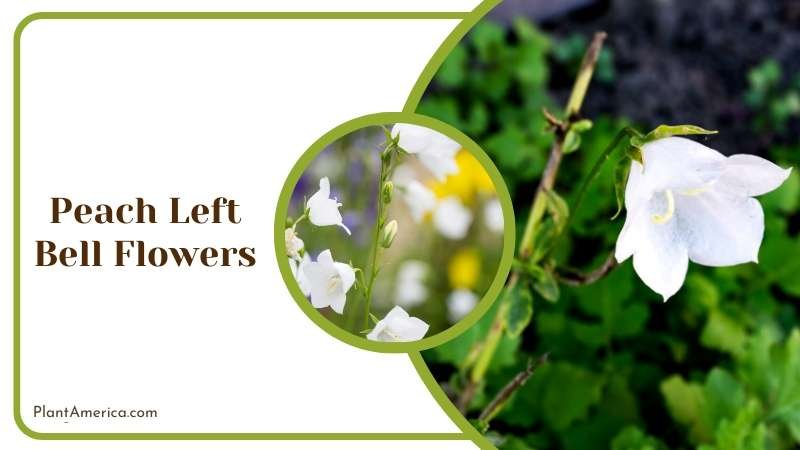
These towering, vibrant perennials can provide a beautiful backdrop for smaller plants, and these bellflowers are not pest-attractive and are resistant to deer. Cultivars to obtain blue color include the blue bloomers, and the blue-eyed blonde.
You may select “Blue Bloomers” for the richest, deepest violet shade. In addition, the “Blue-Eyed Blonde” cultivar is named after its “blue” (near to violet) flowers and its “blonde” foliage, which consists of leaves that start yellow before turning green.
8. Snakehead Fritillary Flower
The snake’s head plant stands out with its distinctive flowers resembling a chess board. This explains why its species name, “Meleagris,” which translates to “resembling guinea fowl,” was chosen.
The purple-white spotted pattern of the petals mimics the design of a chess board or the feathering of the guinea hen. Snake’s head plants prefer moist soil in a sunny or partly shaded location.

If there is enough water available, it can even be cultivated inside. The perennial snake’s head flower is exceedingly resilient as the bulbs can readily withstand the winter climate.
Cultivars for blue color include: saturnus, which have a visual checkerboard design on a red or purple bloom. Mars, that are deep red or purple plant with blue-green foliage. Lastly, Charon, which have a flower with a light purple chessboard design and dark red and deep purple petals.
9. Foxgloves
This tall classic is quite resistant to deer, making it both a wonderful candidate for planting on its own merits and a good companion plant to utilize to protect other flowers and plants that are more deer-friendly.
The tall spike that each foxglove plant produces is covered in a profusion of tube-shaped blooms. Although some foxgloves are white and some are yellow, most are bluish, purplish, or pinkish.
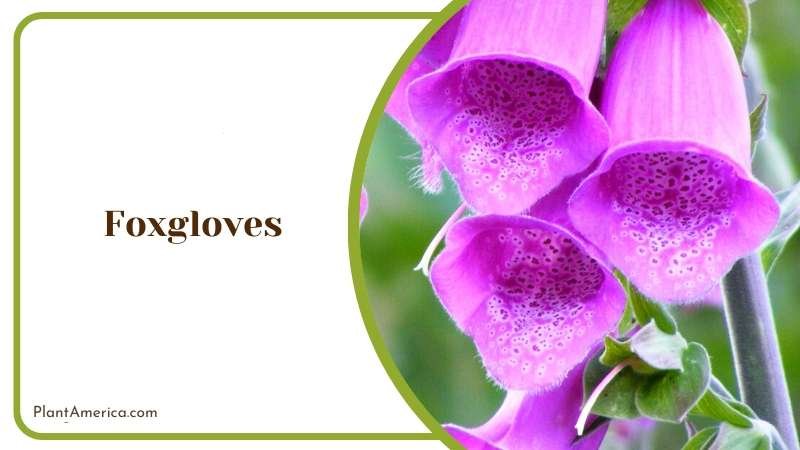
The zones 4 to 9 are acceptable for growth, when they receive full sunlight and proper watering to keep their soil moist.
Foxgloves stand out in your yard with their tall spikes and huge, vibrant bell flowers. They can provide a lovely backdrop to highlight shorter front-row plants; many foxglove flowers change hue as they fade.
Moreover, these bluebells are known to have several medicinal uses. The Candy Mountain is acultivar’s blossoms begin as rosy pink and eventually turn deep purple or blue, and the Camelot is nother cultivar, which may grow up to four feet tall, has white, pink, and purple blooms.
10. Fuchsia
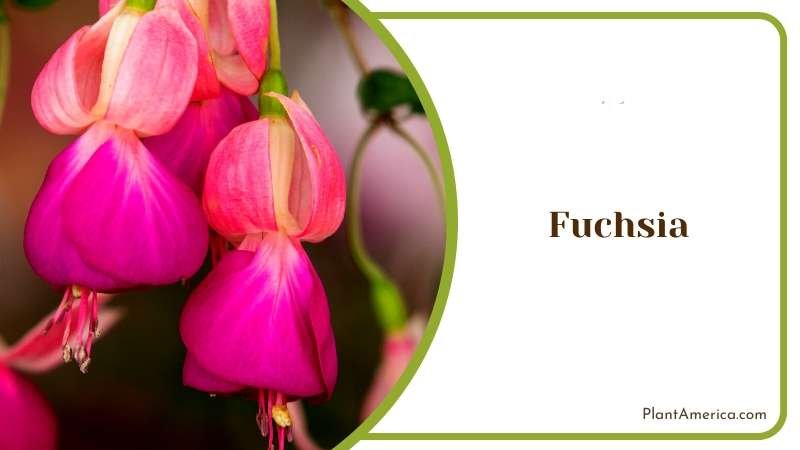
These flowers are able to be cultivated as an annual in colder climates throughout the winter, they are native to tropical and subtropical regions. Small bushes called fuchsias grow delicate, ornamental blooms with four smaller bell petals in the center and four longer, elongated petals on the exterior. Usually, pink, blue, purple, orange, red, and mixtures of those hues are produced.
Small bushes called fuchsias grow delicate, ornamental blooms with four smaller bell petals in the center and four longer, elongated petals on the exterior. Usually, pink, blue, purple, orange, red, and mixtures of those hues are produced. In cooler climates, Fuschia flowers thrive. The hanging flowers appear very attractive if you put them in a hanging container.