
Peperomia Polybotrya of the Piperaceae family is a pretty plant for your potted gardens. Growing this lush green plant indoors is absolutely a treat.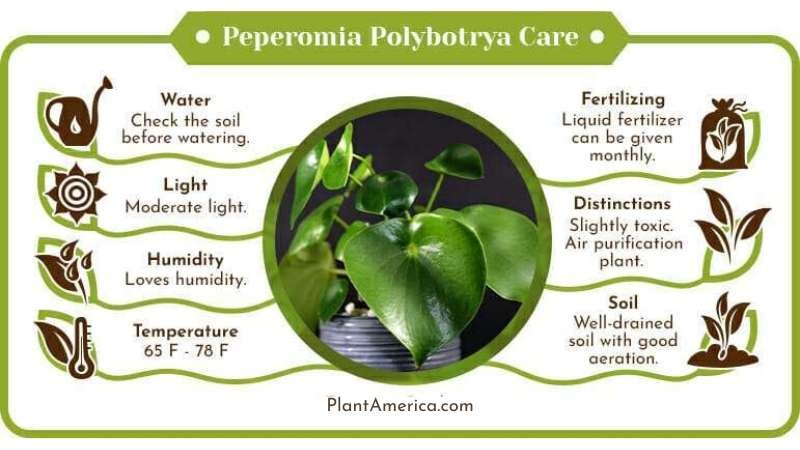
Its modern look and heart-shaped leaves make this Peperomia genus plant a favorite among home gardeners. Taking care of it involves ensuring conditions like 65-78 Degrees Fahrenheit and well-drained soil.
How to Care for Peperomia Polybotrya
Peperomia Polybotrya is easy to grow as an indoor plant. If you know the requirements of the Peperomia plants, it will remain problem-free. We have compiled a simple-to-follow care guide for you. Here are some tips for the care of the Peperomia Polybotrya plant.
 Water Requirements
Peperomia Polybotrya watering pattern is essential for its optimal growth rate. Water the plant at regular intervals during spring and summer. Avoid overwatering because it causes the leaves to wilt and become yellow. It might also cause the roots to rot.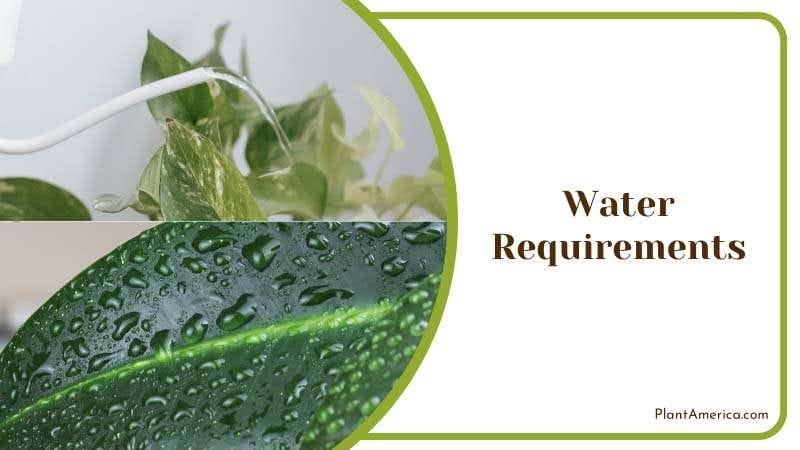
It is necessary to check the soil for Peperomia Polybotrya before watering. The soil should be dry when you dip one to two inches from the surface. The leaves and the stem are succulent and can store water. The plant can easily survive periods of droughts. Water sparingly in winter.
 Light Requirements
Peperomia Polybotrya can grow both indoors and outdoors and grows well in moderate light.
For an indoor plantation, place the plant close to the window to ensure bright light reaches out to the plant. Morning and late afternoon light are better for the growth of the plant.
For outdoor plantations, direct sunlight exposure is harmful to the plant. It may burn or scorch the leaves. You should keep the plant under the shade. If the plant needs more light, it begins stretching toward the available light source.
 Humidity Requirements
These plants love humidity. Provide mild misting.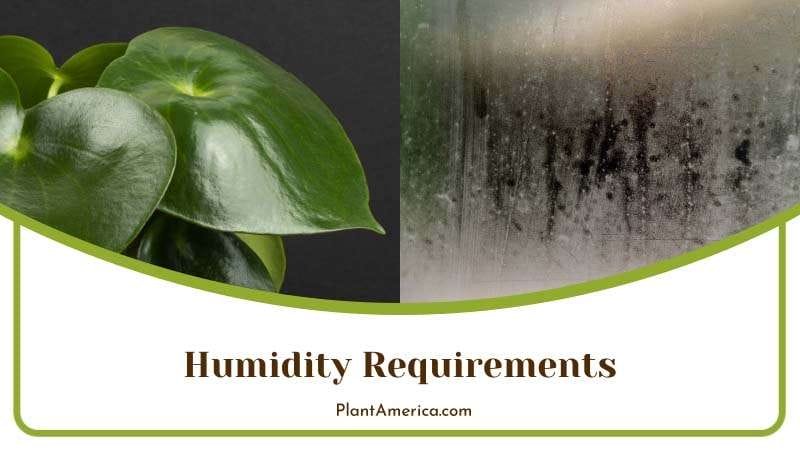
You can use a pebble-water tray under the pot or add a humidifier in the surroundings to increase humidity around your plants.
 Temperature
The raindrop peperomia grows well in cool and humid conditions. The ideal temperature is from 65 to 78 F.
 Soil Requirements
The best way to grow this plant is to give them well-drained soil with good aeration. Use a common house plant potting mixture.
 Fertilizer Requirements
A standard, mild or diluted, liquid fertilizer can be given monthly to Peperomia Polybotrya during summer. Avoid using fertilizer in winter. You also should not add fertilizer to the newly bought or recently repotted plants during their first year.
Repotting
Generally, raindrop pepperoni does not need repotting. If the plant is in a small pot, you have to change it. Except that, refrain from transplanting or repotting. Repotting is difficult for these plants because their root system is not very strong.
Generally, it is necessary to repot Peperomia Polybotrya once every two to three years. When potting it for the first time, ensure using a potting mix or soil has good drainage. While repotting the plant, you should use half of the fresh potting soil, and the other half should be the soil from the existing pot. While removing the plant, ensure that there is no old soil stuck to the plant.
Pruning the Raindrop Peperomia
The Raindrop peperomia tolerates pruning very well. Pruning deals with the irregular shape and form of the plant. If the plant has grown out of proportion, you may have to prune it to restore its ornamental looks. The procedure helps get rid of dead leaves or any other signs of diseased or damaged parts of the plant.
Due to the succulent qualities of the plant, they are resistant to drought and can tolerate water-deficient conditions. The plant can not die if there is a shortage of water for a few days to weeks. Thus, this plant will be fine if you are on a trip and there is no one to water your plant.
Due to their thick and fleshy leaves, they are resistant to injuries caused due to pressure. External injuries such as stepping on the plant do not damage the plant too much.
 Grooming and Maintenance
Raindrop peperomia does not require high maintenance or special grooming. As it is only grown up to a foot, the growth rate is slow. However, the plant undergoes biological changes during its slow-growing period. Just like the flowers continually grow and wither away.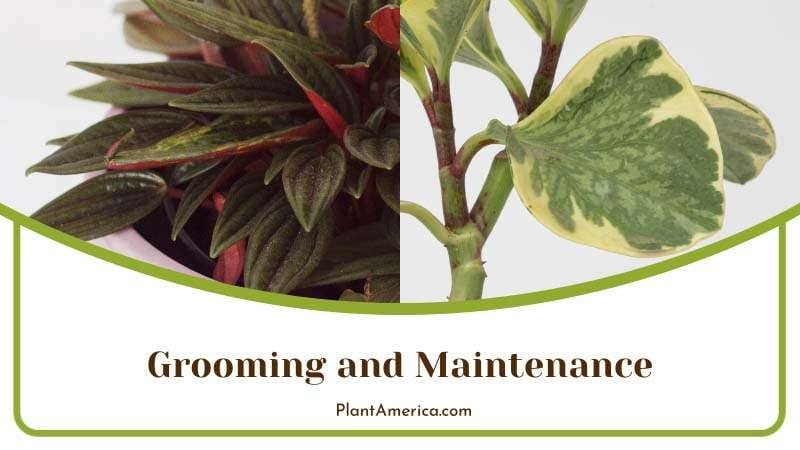
If you want the plant to look fresh and healthy, you should try misting the plant periodically. Besides keeping the plant fresh, misting can also provide some benefits to the plants. These include:
- Creating a humid environment for peperomia
- Clean and dust-free leaves
- Reduced red spider mite infestation risks
How to Propagate Peperomia Polybotrya
Peperomia Polybotrya can be propagated easily. The process is straightforward but make sure you propagate the plant during spring or early summer. Propagating Peperomia Polybotrya can be through leaf or stem cuttings. You can choose the method of propagation according to your preferences.
The following guide explains both methods in detail and helps you in propagating your plants smoothly.
Arrange a plant pot or propagation tray before you start to cut the leaves for propagation. All the equipment used during the process must be clean. Fungal diseases could prevent successful peperomia propagation.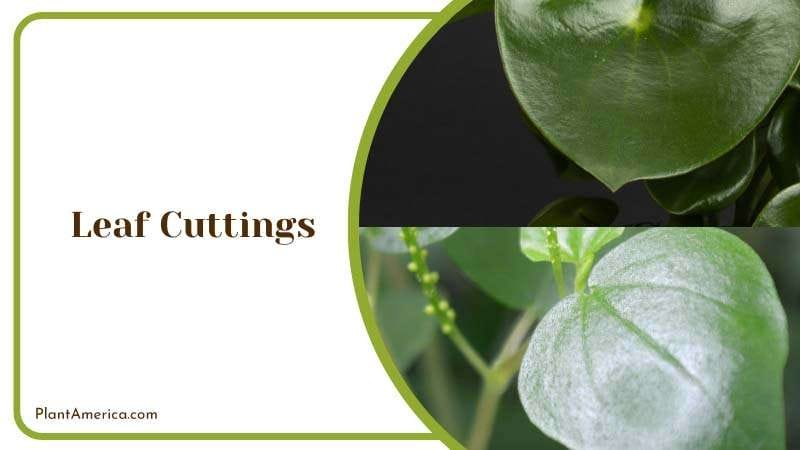
- Start with cutting a healthy leaf. Cut the leaves with the help of sharp scissors
- For better results, cut the leaf across its width in two for quick and better results
- To encourage root growth, apply rooting hormone powder on the cut edges of the leaf
- Make a duct tube in the potting soil with the help of a knife or spoon. Insert the cutting of the leaf 1 inch deep into the potting soil
- Insert the edge of the cut leaf into the soil. Water the potting soil thoroughly
- Cover the cuttings with either a covered tray or some polyethylene bag. Make sure to remove the cover for some hours every few days to remove excessive humidity. Excessive humidity can lead to a fungal disease
- You should keep them in the bright veiled light and at room temperature
- After some time or a few days later, take off the cover, and notice that new roots may have developed from the cut edges of the leaf
- Subsequently, fresh leaves and shoots will start sprouting
- Once multiple leaves have developed, move the new plant to a pot of its own
- You should not repot the plant earlier because peperomias may have shallow roots
Peperomia Polybotrya can be propagated through stem cuttings too. Here is a simple guide to follow.
- Cut a healthy stem of the pepperoni plant with two to three leaf nodes
- Remove the leaves from the bottom of the stem to expose a small part of it
- Dip it into the rooting hormone, place the cutting into the potting media and firm the soil near its cutting
- Water the potting soil thoroughly
Use the cuttings stem or leaf in a small pot with some moist soil in it. Make sure that the fresh cuttings would get a fair amount of filtered sunlight. The soil should be wet. Small leaflets could emerge within a week or two.
Within a short span, these leaflets will grow into a plant. Clusters produced after a couple of weeks can now be transferred into separate containers.
Common Problems
Raindrop Peperomia plants can easily last longer with minimal care and attention. They seem to be delicate but have strong resistance. These beautiful plants can live long without getting any disease. The infestation of mealybugs and red spider mites is the only problem that you should worry about.
These tiny creatures feast on the sap of the leaves, leaving behind small yellow spots. Sometimes the affected area may fall off due to the loss of moisture. Regular cleaning and keeping a check on the leaf’s health can avoid these infestations.
Make it a routine to wipe down the leaves with a wet cloth now and then. You can also use neem oil sprays to solve such attacks. You can also use synthetic liquids available in the market to protect your plants.